


Commercial Snow Removal Contract: 5 Key Benefits 2025
Commercial snow removal contract: a term that might not catch everyone’s attention but holds immense significance for businesses, especially where winters are unpredictable and severe. In regions like Greater Boston, where weather can be a wild card, planning ahead is crucial for maintaining safe and accessible commercial properties.
- Importance: Ensures professional and timely snow removal.
- Weather Challenges: Prepares for unpredictable snow and ice conditions.
- Safety & Accessibility: Protects employees, customers, and visitors.
- Commercial Properties: Essential for businesses like hospitals and retail spaces.
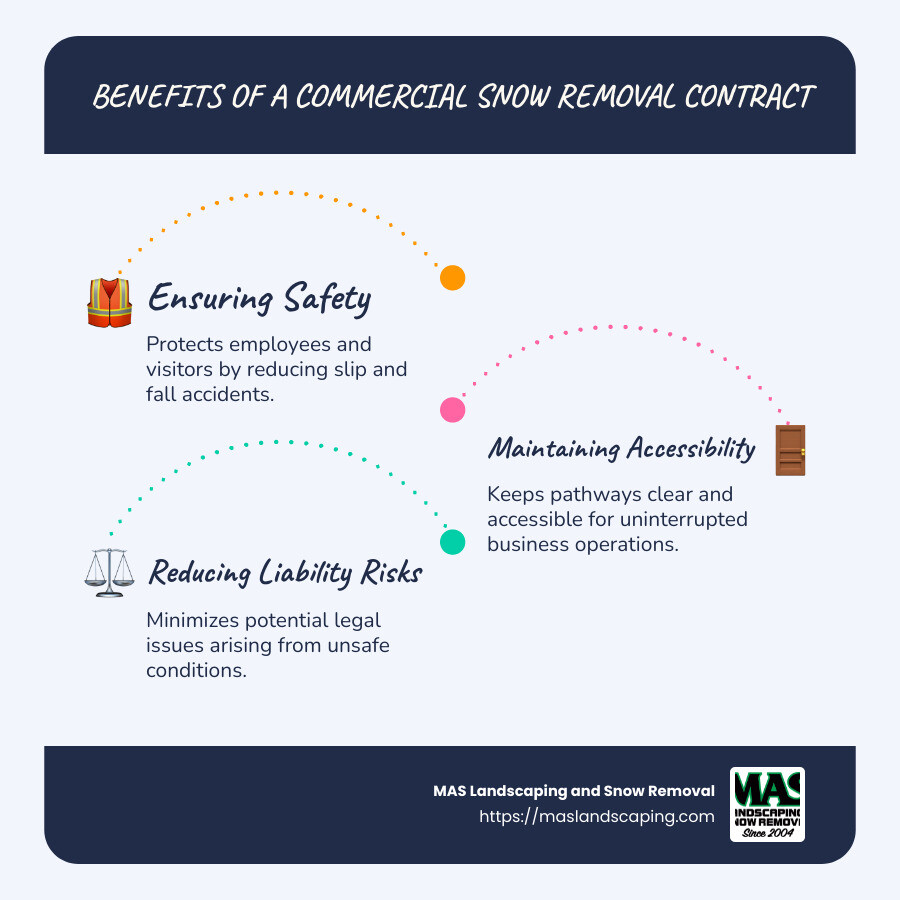
Why is it so important? Simply put, unpredictable winter weather can drastically impact the daily operations of commercial properties. The need for safety and accessibility becomes paramount, as ice-laden paths can pose serious risks. A robust contract doesn’t just ensure that snow and ice are dealt with promptly; it also paves the way for business continuity, safeguarding both the property’s integrity and its occupants.
Businesses, particularly those that experience heavy foot traffic like hospitals or shopping centers, cannot afford any drawbacks caused by winter’s chaos. Securing a comprehensive contract with a reliable service provider like MAS Landscaping and Snow Removal guarantees that every snowflake will be managed efficiently, allowing commercial activities to proceed uninterrupted.
Handy commercial snow removal contract terms:
– how to bid commercial snow plowing
– commercial snow plow insurance
– commercial snow plow services
Timing and Duration
When it comes to a commercial snow removal contract, timing is everything. In regions like Northeast Ohio, where winter weather can surprise even the most prepared, having a well-defined contract period is essential. Typically, these contracts cover the period from December 1st to March 31st, aligning with the most severe winter months. However, flexibility is key. Snow can arrive early or linger late, so your contract should accommodate these variations.
Seasonal Contracts
Seasonal contracts are a popular choice due to their comprehensive nature. They provide coverage for the entire winter season, ensuring that your property is always ready for whatever weather comes your way. This type of contract offers peace of mind, as it includes all snow and ice events, regardless of frequency or intensity. With a fixed monthly rate, you won’t be caught off guard by unexpected expenses.
Flexibility for Early or Late Snowfalls
Mother Nature doesn’t always stick to a schedule. That’s why it’s important to have flexibility in your contract. Some winters start earlier than expected, and others extend well into spring. Your snow removal provider should be prepared to handle these anomalies. Having a clause that allows for service outside the typical contract window is a smart move. This ensures your property remains safe and accessible, no matter when the snow falls.

Northeast Ohio Example
Consider the case of Northeast Ohio, where snow can be as unpredictable as it is plentiful. In this region, businesses have learned the hard way that a rigid contract can lead to service gaps. By opting for a flexible seasonal contract, companies ensure they are covered, even during unexpected snow events. This proactive approach helps maintain smooth operations and keeps everyone safe, from employees to customers.
In conclusion, the timing and duration of your commercial snow removal contract are crucial components. They determine how effectively your property is managed during the winter months, ensuring safety and accessibility at all times. With MAS Landscaping and Snow Removal, you can rest assured that your contract is designed to handle even the most unpredictable winter weather.
Scope of Services
When crafting a commercial snow removal contract, understanding the scope of services is crucial. This ensures that all parties have clear expectations and that properties remain safe and accessible throughout the winter months.
Types of Services
Per-occurrence contracts and seasonal contracts are two common structures for snow removal services. Each has its own advantages:
- Per-occurrence contracts charge for each separate snow event. This allows for flexibility and can be cost-effective if there are fewer snowfalls.
- Seasonal contracts cover all snow events during a season for a fixed rate, providing peace of mind with predictable costs.
The specific services included in a contract can vary, but typically encompass:
- Snow Plowing: Clearing driveways, parking lots, and access roads to ensure safe passage.
- Salting and Sanding: Applying salt or sand to surfaces to prevent ice formation and improve traction.
- Ice Removal: Removing existing ice to prevent slips and falls.
- Hand-Chipping Ice: Manually breaking up thick ice when other methods aren’t effective.
When determining service expectations, it’s important to consider factors such as traffic flow and priority areas. For instance, entrances and high-traffic zones should be cleared first to facilitate safe access. Discussing these details with your provider can help tailor the contract to your specific needs.
Equipment Needs
For larger commercial properties, having the right equipment on-site can significantly streamline snow and ice management. This often involves a monthly “ready fee” for equipment that is stationed at the property, ready for immediate use. This setup minimizes downtime and ensures quick response times during snow events.
Key equipment that might be included in a contract for large properties includes:
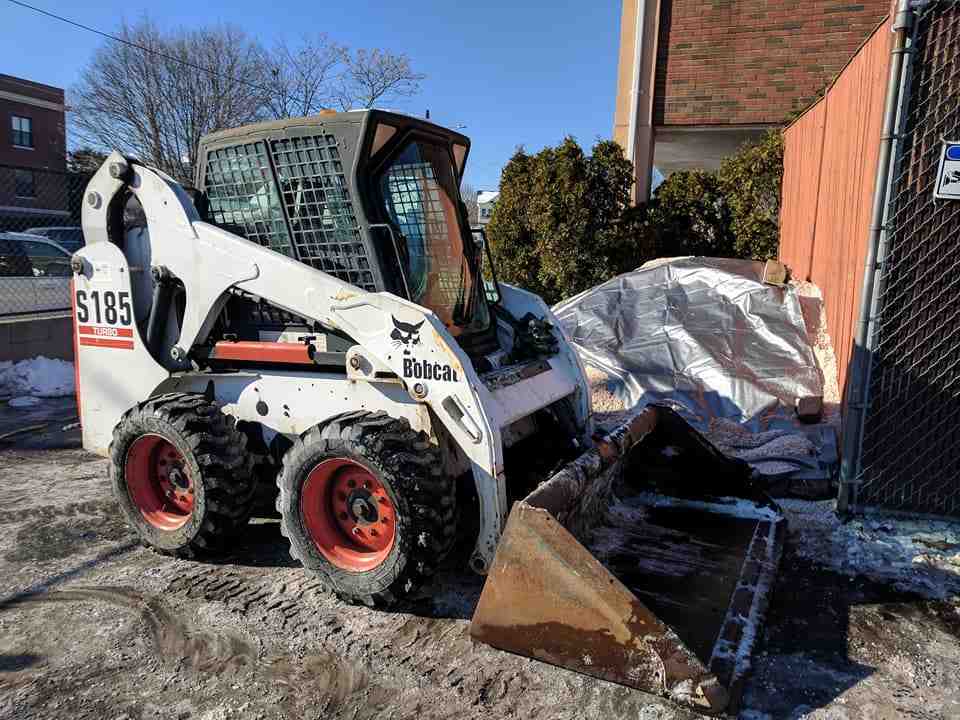
- Skid-Steer Loaders: Versatile machines that can handle snow removal in tight spaces.
- Front End Loaders: Ideal for moving large volumes of snow quickly.
- Dump Trucks: Used for hauling snow off-site when piles become too large or obstructive.
By having this equipment readily available, businesses can ensure efficient snow management, maintaining safety and accessibility for employees and customers alike.
In summary, defining the scope of services in your commercial snow removal contract is about more than just listing tasks. It’s about creating a comprehensive plan that addresses the unique needs of your property, ensuring smooth operations throughout the winter season.
Pricing and Payment Terms
When setting up a commercial snow removal contract, understanding different pricing and payment terms is key. This section will help you grasp the options available, so you can choose what fits your needs best.
Payment Structures
1. Flat Fee
A flat fee structure provides a single, predictable cost for the entire snow season. This is ideal for businesses that want to avoid surprises and budget their expenses with confidence. You pay one price, regardless of how much or how little it snows.
2. Per-Inch Contract
This type of contract charges based on the amount of snow accumulation. For example, you might pay one rate for snowfall under 3 inches and a different rate for snowfalls between 3 and 5 inches. It’s a flexible option that aligns cost with the actual amount of work required.
3. Pay Per-Push
With a pay-per-push contract, you pay each time the service is performed. This method offers financial stability for both parties, as the cost per visit is predetermined, regardless of snow depth or time spent. It’s a popular choice for those who want to pay only when services are rendered.
4. Time and Materials Contract
In a time and materials contract, the price varies based on labor, time, and materials used for each job. While this ensures you pay for exactly what is done, it can lead to financial uncertainty. This option is less predictable since it depends on weather conditions.
5. Additional Rates for Extra Services
Many contracts include extra charges for services not covered under the standard agreement. For example, deicing or roof shoveling might incur additional fees. It’s important to clarify these rates upfront to avoid unexpected costs.
6. Monthly Rate
Some businesses prefer a monthly payment plan, spreading the cost evenly over the winter months. This approach helps with budgeting and ensures steady cash flow, making it easier to manage expenses.
7. Per-Event Pricing
Similar to per-push, per-event pricing charges for each snow event. However, this typically covers the entire duration of the event, regardless of how many times the crew needs to clear snow. It can be more budget-friendly but may leave money on the table if a storm lasts several days.
8. Hourly Rates
Hourly rates are less common but can be used for specific tasks that require more time, such as detailed ice removal. This method is straightforward but can be costly if tasks take longer than expected.
9. Breach of Contract Clauses
Including breach of contract clauses protects both parties. These clauses outline penalties if either party fails to uphold their end of the deal. For instance, if a client cancels the contract early, they might be required to pay a penalty fee.
By understanding these payment structures, you can select a contract that aligns with your financial strategy and operational needs.
Legal and Compliance Considerations
When setting up a commercial snow removal contract, it’s crucial to address legal and compliance factors to protect both your business and your clients. Here’s a breakdown of what you need to consider:
Legal Compliance
Ensuring your snow removal business complies with local laws and regulations is vital. This includes adhering to safety standards and operating within legal guidelines. Compliance not only protects you from potential legal issues but also builds trust with your clients.
Insurance Requirements
Having the right insurance coverage is a must for any snow removal business. Key policies include:
- General Liability Insurance: This covers damages or injuries that occur on your client’s property during snow removal operations.
- Commercial Auto Insurance: Essential for covering vehicles used in snow removal, protecting against accidents or damage.
- Worker’s Compensation: If you have employees, this insurance is mandatory in most states. It covers job-related injuries or illnesses.
Liability Coverage
Liability coverage is essential to safeguard your business against claims resulting from accidents or damages during snow removal. This coverage can prevent significant financial loss in case of a lawsuit.
Completed Operations Insurance
Completed Operations Insurance is a specialized form of liability insurance. It protects against claims made after the work is finished, for example, if a client experiences property damage due to your services. This type of insurance is particularly relevant in snow removal, where issues like melting snow can lead to unforeseen problems.
By addressing these legal and compliance considerations, you ensure that your commercial snow removal contract is robust and protective. This not only helps in managing risks but also in delivering reliable services to your clients.
In the next section, we’ll explore frequently asked questions about commercial snow removal contracts, providing further insights into crafting effective agreements.
Frequently Asked Questions about Commercial Snow Removal Contracts
How to Write a Snow Removal Contract?
Writing a commercial snow removal contract involves several key components to ensure clarity and protection for both parties. Here’s a simple guide to get you started:
- Extent of Work: Clearly define what snow removal tasks will be performed. This could include snow plowing, salting, ice removal, and more.
- Services Included: List all services covered under the contract. Specify if additional services, like hand-chipping ice, are available and at what cost.
- Property Description: Include a detailed description of the property to be serviced. This helps avoid any confusion about the areas covered.
- Guarantee: State any guarantees you offer, such as response times after a snow event or the level of service quality.
- Contract Pricing: Outline the pricing structure, whether it’s a flat fee, per-inch, or per-event basis.
- Snow Event: Define what constitutes a “snow event” triggering service. For example, accumulation of 2 inches or more.
- Payments: Clearly state payment terms, including due dates and acceptable payment methods.
- Legal Compliance: Ensure the contract adheres to local laws and includes necessary compliance information.
How to Quote Commercial Snow Removal?
Quoting for snow removal can be straightforward if you follow these steps:
- Flat Fee for Initial Snow: Offer a basic rate for the first snow event to simplify the process for clients.
- Additional Charges Per Inch: Specify charges for snow accumulation beyond a certain depth, such as per inch of snowfall.
- Average Cost: Provide an estimated average cost for typical snow events based on historical data.
- Hourly Rate Option: Include an option for clients to pay an hourly rate, which can be beneficial for unpredictable snow seasons.
How to Market a Snow Removal Business?
Marketing your snow removal services effectively can help you reach more clients. Here are some strategies:
- Email Marketing: Use email campaigns to inform potential clients about your services, especially as winter approaches.
- Converting Landscaping Customers: If you already offer landscaping services, target these clients with special offers for snow removal.
- Fall Reminders: Send reminders in the fall to encourage clients to sign up before the first snow event hits.
- Signing Up for Services: Make it easy for clients to sign up for your services online or via phone, offering convenience and quick support.
By addressing these key areas, you can create a comprehensive snow removal contract and effectively market your business, ensuring a successful and well-prepared winter season.
Conclusion
A clear and detailed commercial snow removal contract is essential for ensuring a smooth and effective winter season. Such contracts not only protect both parties involved but also set clear expectations for the services provided. This proactive planning is crucial, especially given the unpredictable nature of winter weather.
At MAS Landscaping and Snow Removal, we pride ourselves on our local expertise and personalized service. Our deep understanding of the Massachusetts climate allows us to tailor our snow management strategies to meet the unique needs of our clients in areas like Everett, Lynnfield, and Saugus. This local knowledge ensures that we can create functional and safe outdoor spaces that remain accessible throughout the winter months.
Our commitment to professionalism means that we handle each project with care and precision. We ensure that every detail is addressed, from the specific services included in the contract to the equipment used on-site. This thorough approach not only improves safety but also ensures the functionality of your property, minimizing disruptions to your daily operations.
In conclusion, a well-structured snow removal contract is not just about clearing snow—it’s about planning ahead to maintain the safety and accessibility of your commercial property. By choosing MAS Landscaping and Snow Removal, you’re partnering with a team dedicated to delivering exceptional service and peace of mind throughout the winter season.
For more information about our snow management services, visit our Snow Management Services page. Let us help you prepare for winter and ensure your property remains safe and functional.