



Introduction to Retaining Walls and Their Costs
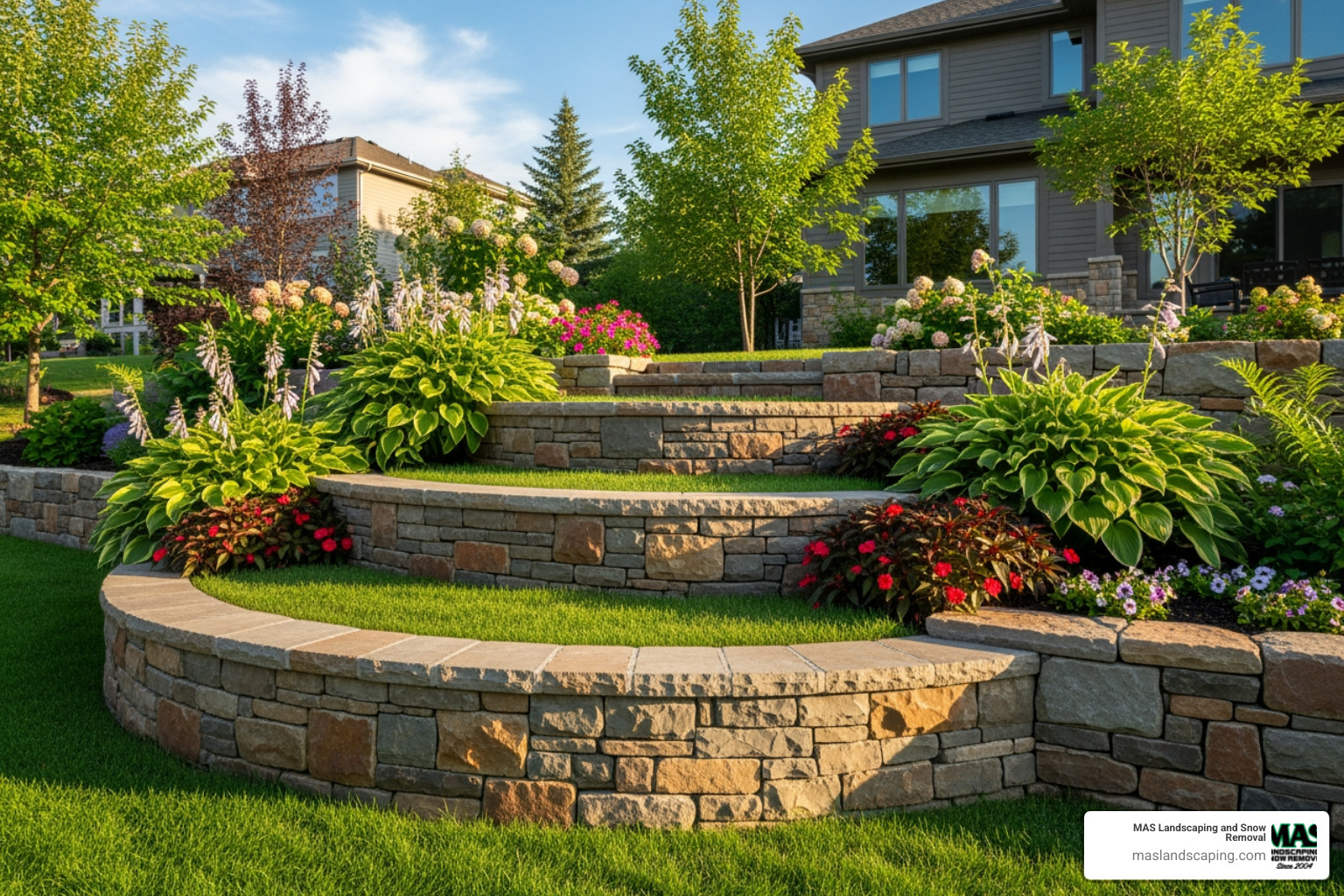
Understanding the Retaining Wall Cost is key for any homeowner looking to improve their property. These essential structures protect land from erosion, manage water flow, and create usable flat spaces from sloped terrain for gardens or patios.
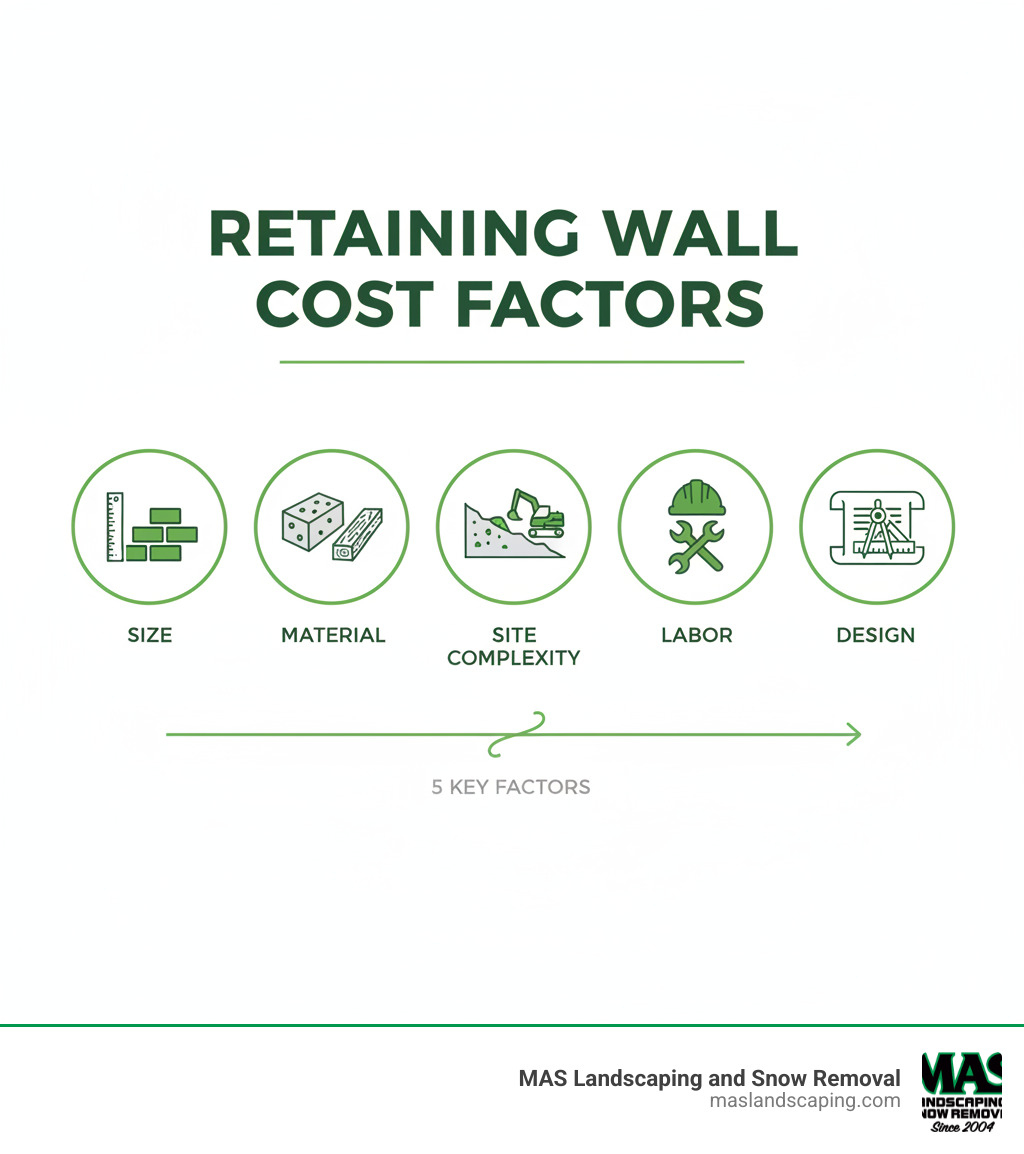
For a quick overview, here are the five main factors that determine how much a retaining wall project might cost:
- Size: How long and how tall the wall needs to be.
- Material: The type of blocks, stone, or timber used.
- Site Complexity: How easy or hard it is to work on your land.
- Labor: The time and skill needed for installation.
- Design: Any special features or engineering required.
Building a retaining wall is a significant project, and the final price can vary widely based on many details. This guide will walk you through the important factors that affect the cost. Please note, the prices mentioned are general averages from across the internet and are not actual costs for MAS Landscaping projects. For an exact quote, it’s always best to get a custom estimate for your specific project.
Understanding the Average Retaining Wall Cost
When considering a retaining wall, the first question is usually about cost. While we can’t provide specific pricing without a site evaluation, we can offer a general idea of what homeowners are spending based on national data.
According to recent internet data, most homeowners invest around $6,000 for a typical retaining wall. The common range is between $3,500 and $13,500, but this varies. A small, simple wall might cost as little as $1,500, while large, complex projects with premium materials can exceed $30,000.
Another way to estimate Retaining Wall Cost is per square foot, which nationally averages $25 to $85 or more, including materials and labor. By linear foot, costs can range from $40 to $900 or more, depending heavily on the wall’s height and material. These are general averages from internet data, not actual prices for MAS Landscaping projects. Factors like your soil type, site access, and material choice in areas like Everett or Lynnfield will determine your final cost.
For more details on our approach, please visit our hardscaping services page.
How Wall Size (Height and Length) Impacts Cost
While it’s obvious that bigger walls cost more, the price increases exponentially with height. A taller wall must withstand significantly more soil pressure, requiring stronger materials, deeper foundations, and more complex engineering. For example, a 2-foot-tall wall might average $40 to $200 per linear foot based on internet data, while a 6-foot wall could run $150 to $450 or more per linear foot.
A critical factor is the 4-foot height threshold. Most municipalities in Massachusetts require a permit and a licensed structural engineer’s design for any wall exceeding this height. This isn’t just red tape; it’s a safety measure. An engineered wall includes deeper footings, extensive reinforcement (like rebar or geogrid), and a detailed plan to prevent failure, which is crucial in New England’s climate. These requirements add to the project’s total cost but ensure the wall’s long-term stability.
To help visualize how size affects the budget, here are estimated national average cost ranges based on internet data:
| Wall Dimensions (Length x Height) | Estimated National Average Cost Range (Internet Data) |
|---|---|
| 10 feet x 3 feet | $400 – $3,600 |
| 25 feet x 4 feet | $1,000 – $9,000 |
| 50 feet x 6 feet | $2,000 – $18,000 |
| 100 feet x 8 feet | $4,000 – $36,000+ |
These ranges are broad because the final cost depends heavily on your choice of materials and site complexity.
Key Factors That Influence Your Final Price
Beyond size, several factors will shape the final Retaining Wall Cost. Understanding these can help you budget for your project in Saugus, Malden, or our other Massachusetts service areas.
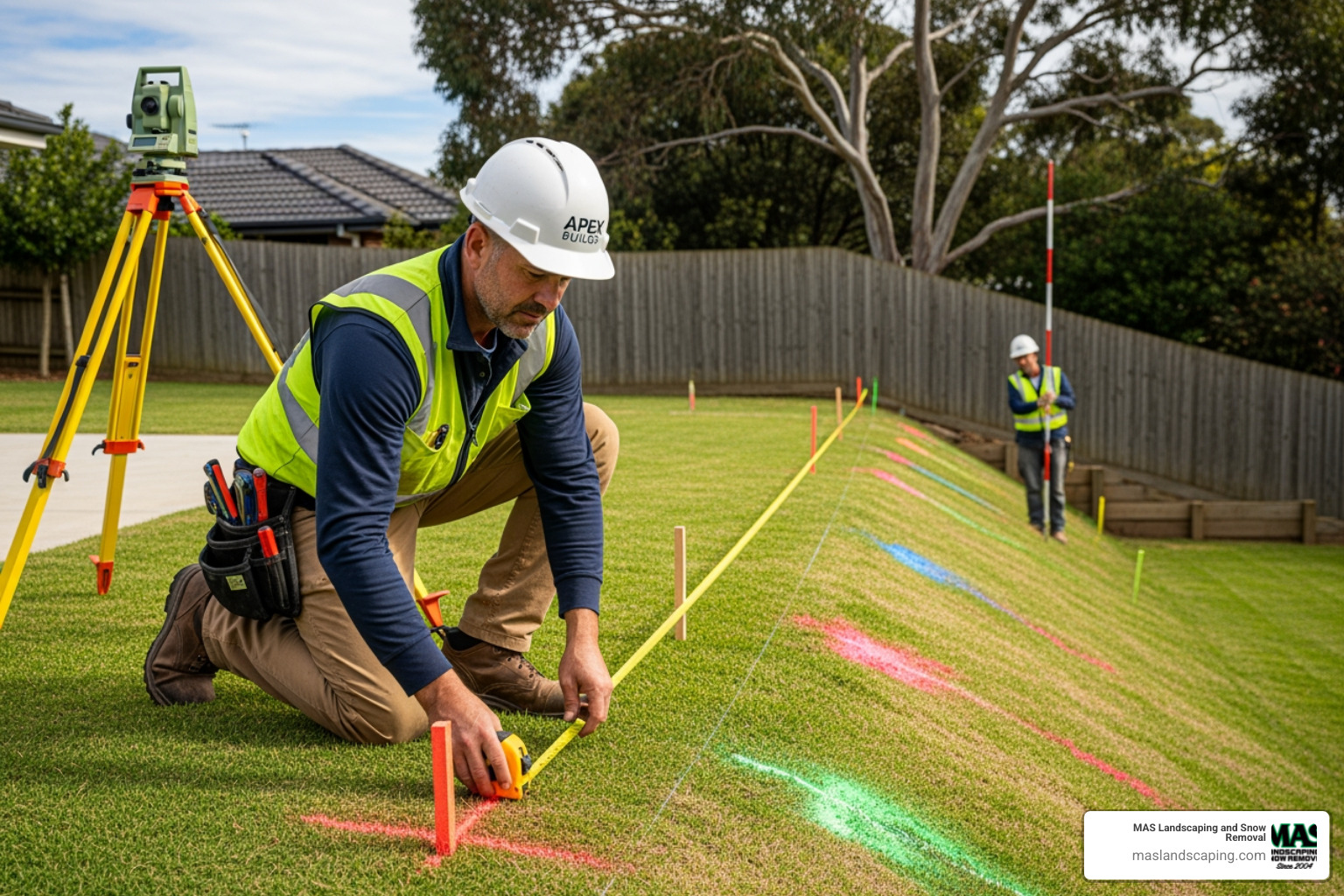
Site conditions play a huge role. Soil type is critical; sandy soil is easy to work with, while dense clay or rocky soil increases excavation time and labor costs. Site accessibility also matters. If we can’t get heavy equipment to the site, the project will require more manual labor, increasing the cost. Finally, project complexity—such as curves, tiers, or working around existing structures—adds to the final price.
Cost by Retaining Wall Material
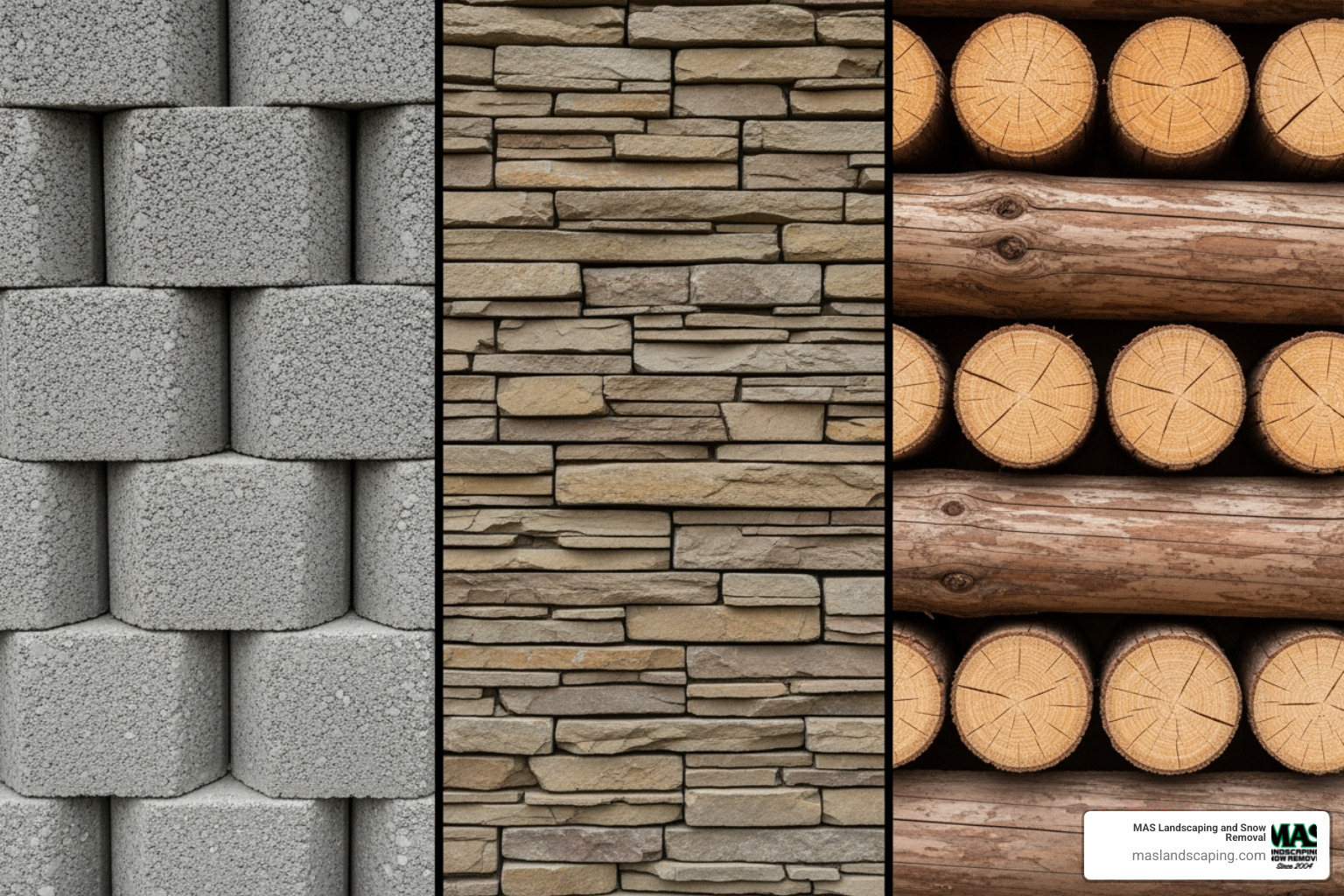
The material you choose is a primary cost driver. Here are popular options with national average costs per square foot from internet data (not actual MAS Landscaping prices):
- Vinyl ($15 – $50/sq ft): A budget-friendly, low-maintenance option, but less decorative. Lifespan is around 50 years.
- Wood & Timber ($20 – $65/sq ft): Offers a rustic look but has a shorter lifespan (15-40 years) and requires maintenance.
- Interlocking Concrete Blocks ($25 – $80/sq ft): Very popular for their durability, variety, and ease of installation. They can last 50-100 years.
- Poured Concrete ($35 – $110/sq ft): Extremely strong and customizable, with a lifespan of 50-100+ years. Labor-intensive to install.
- Brick ($35 – $115/sq ft): A classic, durable choice (100+ years), but requires skilled labor, increasing the cost.
- Natural Stone & Boulders ($40 – $120+/sq ft): Provides a beautiful, natural aesthetic and can last over 100 years, but is expensive and requires expert installation.
- Gabion Baskets ($20 – $60/sq ft): Wire cages filled with rocks, offering an industrial look with excellent drainage. Lifespan is 10-75 years.
Cost by Retaining Wall Type
The wall’s structural design also affects cost. Based on internet data, here are common types:
- Gravity Walls ($10 – $30/sq ft): Rely on their own weight. Best for short walls (under 4 feet).
- Cantilevered Walls ($25 – $80/sq ft): Use a reinforced footing for support. Stronger and can be built taller than gravity walls.
- Segmental Retaining Walls (SRW) ($15 – $50/sq ft): Typically interlocking blocks, often reinforced with geogrid for added height and stability.
- Anchored Walls ($10 – $30+/sq ft): Use mechanically anchored rods for support. Used for very tall walls or challenging sites.
- Sheet Piling Walls ($10 – $50/sq ft): Interlocking sheets driven into the ground. Ideal for tight spaces or waterfronts.
For more design insights, explore our landscape design services.
Site Preparation and Excavation
Proper site prep is the foundation of a lasting wall. This phase includes land clearing (removing vegetation), grading (creating a level base), and excavation (digging a trench for the footing). According to internet data, these services can add significantly to the cost, with grading from $0.40-$2.00 per square foot and excavation from $50-$200 per cubic yard. Difficult soil conditions, like clay or rock, can increase labor costs by 50% or more. Our Bobcat services handle this work efficiently.
Essential Structural Components
A wall’s longevity depends on unseen components:
- Drainage Systems: A French drain and weep holes are vital to relieve hydrostatic pressure. This is the most critical element for preventing wall failure.
- Waterproofing: A membrane on the back of the wall protects it from moisture damage.
- Gravel Backfill: Allows water to flow freely to the drainage system.
- Compacted Base/Footing: A stable, level base of gravel or concrete is non-negotiable.
- Reinforcement: Taller walls require rebar (for concrete) or geogrid (for block walls) to ensure stability.
Professional Fees, Permits, and Engineering
Don’t forget these behind-the-scenes costs. Most Massachusetts towns require a building permit ($100 – $500+ based on internet data) for walls over 3-4 feet. For these taller walls, a structural engineer is also required to create a safe, compliant design, with fees typically ranging from $350 to $2,000+ according to internet data. These fees are an investment in your wall’s safety and legality. For complex projects, a land survey may also be necessary.
Professional Installation vs. DIY: A Cost and Effort Comparison
Many homeowners wonder if a DIY approach can reduce the Retaining Wall Cost. While it’s tempting to save on labor—which can be 40-60% of the total project cost—it’s crucial to weigh the risks.
Professionals may charge $50 to $150 per hour (national average from internet data), reflecting their expertise, efficiency, and knowledge of safety standards. More information on labor statistics can be found from sources like the US Bureau of Labor Statistics. While DIY avoids this cost, it introduces other expenses and significant risks.
The True Cost of a DIY Retaining Wall
Building a retaining wall yourself involves more than just buying blocks. Consider these hidden costs:
- Material Costs: You’ll pay retail prices without the bulk discounts professionals receive.
- Tool Rental: You’ll need to rent expensive equipment like a plate compactor ($50-$150/day), a concrete saw ($20-$70/day), or even a small excavator ($200-$600+/day), based on national internet data.
- Waste Disposal: Hauling away excavated soil and debris can cost several hundred dollars.
- Time and Labor: Building a wall is physically demanding work that can consume weeks of your personal time.
- Costly Mistakes: This is the biggest risk. Improper drainage or a poor foundation can lead to wall failure. Repairing a collapsed DIY wall often costs more than hiring a professional in the first place.
- No Warranty: If your DIY wall fails, the cost of fixing it is entirely on you.
While a very small garden border (under 2 feet) may be a feasible DIY project, anything larger should be left to experts.
The Value of Hiring a Professional
Choosing a professional like MAS Landscaping is an investment in quality and peace of mind. Here’s what you get:
- Expertise and Efficiency: We understand New England’s soil and climate, ensuring the job is done right and quickly.
- Proper Equipment: We have the specialized machinery to handle excavation, compaction, and installation safely and correctly.
- Structural Guarantees: We build walls to last, following engineering best practices for drainage and reinforcement.
- Insurance and Liability: We are fully insured, protecting you from any risk during construction.
- Comprehensive Service: We handle everything from site prep to final cleanup, leaving you with a beautiful, finished project.
Learn more about our professional retaining wall installation process. Hiring a pro may have a higher upfront Retaining Wall Cost, but it’s the most cost-effective and stress-free choice for a durable, warrantied wall.
Long-Term Value: Maintenance, Repairs, and ROI
A well-built retaining wall is a smart investment. Beyond the initial Retaining Wall Cost, it’s important to consider its long-term value, including maintenance, repairs, and return on investment (ROI).
A professionally installed retaining wall can significantly boost curb appeal and property value, with some experts suggesting an ROI of 100% to 200%. More importantly, it transforms unusable slopes into functional outdoor living space for a patio, garden, or play area—a highly desirable feature. You can see examples in our hardscaping photo gallery.
Lifespan and Maintenance for Different Materials
The longevity of your wall depends on its material. Here’s a quick guide:
- Concrete & Stone: These are highly durable, lasting 50-100+ years. Maintenance involves biannual inspections for cracks and ensuring weep holes are clear.
- Brick: With proper construction, brick walls can last over 100 years. Maintenance is similar to stone, focusing on mortar joints and drainage.
- Wood: Even when treated, wood walls have a shorter lifespan of 15-40 years. They require regular checks for rot or insect damage and resealing every few years to maximize their life.
Regardless of material, ensure drainage paths are clear of debris and keep large plant roots away from the wall’s foundation.
Retaining Wall Repair Cost vs. Replacement
Knowing when to repair versus replace can save you money. Small cracks can often be patched for $200 to $1,200, based on national internet averages. However, signs of structural failure like leaning or bulging indicate a serious problem, usually related to poor drainage. These structural fixes are more complex and can range from $400 to over $14,500, depending on the engineering required.
If a wall is beyond repair, you’ll face demolition costs (around $10 to $35 per square foot, per internet data) plus the full cost of a new installation. Addressing problems early is almost always more cost-effective than a complete replacement.
Improvements and Add-On Costs
Improve your wall’s functionality and beauty with add-ons. These will increase the total Retaining Wall Cost but can greatly improve your outdoor space.
- Integrated Stairs: Provide safe access between levels, with costs ranging from $400 to $2,500+ based on national averages.
- Landscape Lighting: Adds ambiance and safety. Installations typically range from $2,000 to $6,000.
- Built-in Seating or Fencing: Adds function and privacy.
- Planting Beds: Soften the look of the wall with integrated greenery.
If your wall is part of a larger project, like a new patio, we can help. Learn more about our patio installation services.
Frequently Asked Questions about Retaining Wall Costs
Homeowners often ask about the factors that influence Retaining Wall Cost. Here are answers to some common questions, based on general industry data.
What is the cheapest type of retaining wall to build?
Based on national internet data, treated timber is often the cheapest upfront, averaging $20 to $65 per square foot. Vinyl ($15-$50/sq ft) and interlocking concrete blocks ($25-$80/sq ft) are also cost-effective. However, wood has a much shorter lifespan (15-40 years) compared to concrete or stone (50-100+ years). While you save initially with wood, you may face higher long-term costs for replacement. For durability and value, interlocking blocks are often the best investment.
How tall can a retaining wall be before I need an engineer?
This is a critical safety and legal question. Most municipalities require a licensed structural engineer for any retaining wall over 3 to 4 feet in height. Once a wall exceeds this height, the soil pressure behind it becomes immense. An engineer’s design ensures the wall has the proper footing, drainage, and reinforcement to withstand this force safely. The fee, typically $350 to $2,000+ based on internet data, is a necessary investment for a tall wall’s stability and longevity.
How can I save money on a retaining wall project?
While you should never cut corners on structural integrity, here are some practical ways to manage your Retaining Wall Cost:
- Choose Cost-Effective Materials: Interlocking concrete blocks offer a great balance of durability, aesthetics, and affordability compared to natural stone.
- Keep the Height Down: If possible, design your wall to be under 4 feet tall to avoid the added costs of engineering and complex construction. Consider terracing with two shorter walls instead of one tall one.
- Ensure Good Site Access: Clearing a path for equipment to easily reach the work area can reduce labor time and costs.
- Handle Non-Structural Tasks: You can save on labor by doing the final planting or site cleanup yourself, but leave the excavation, drainage, and wall construction to the professionals.
Conclusion: Budgeting for Your New England Retaining Wall
Understanding the Retaining Wall Cost involves fitting many pieces together, from the wall’s size and material to site complexity and structural needs. The prices discussed in this guide are general internet averages, not specific quotes from MAS Landscaping, but they provide a useful starting point for budgeting.
For any retaining wall project in New England, the most important factors are proper drainage and a solid base. Skimping on these foundational elements, especially with our region’s climate, is a recipe for failure. A well-designed drainage system and a sturdy foundation are what give your wall the strength to last for decades.
While the upfront investment may seem significant, a quality retaining wall provides immense long-term value. It’s an investment that protects your land, creates functional living space, and boosts your property’s curb appeal. Taking shortcuts now often leads to far more expensive repairs or a complete rebuild later.
When you’re ready to build a wall that stands the test of time, hiring a local expert is the best path forward. At MAS Landscaping, we have deep expertise in the specific climate and soil challenges of communities like Everett, Lynnfield, Malden, and Saugus. Our commitment to professionalism means your wall will be beautiful, structurally sound, and perfectly suited to your property.
Ready to transform your landscape? Contact us for a custom retaining wall estimate today. Let’s build a solution you’ll enjoy for years to come.
