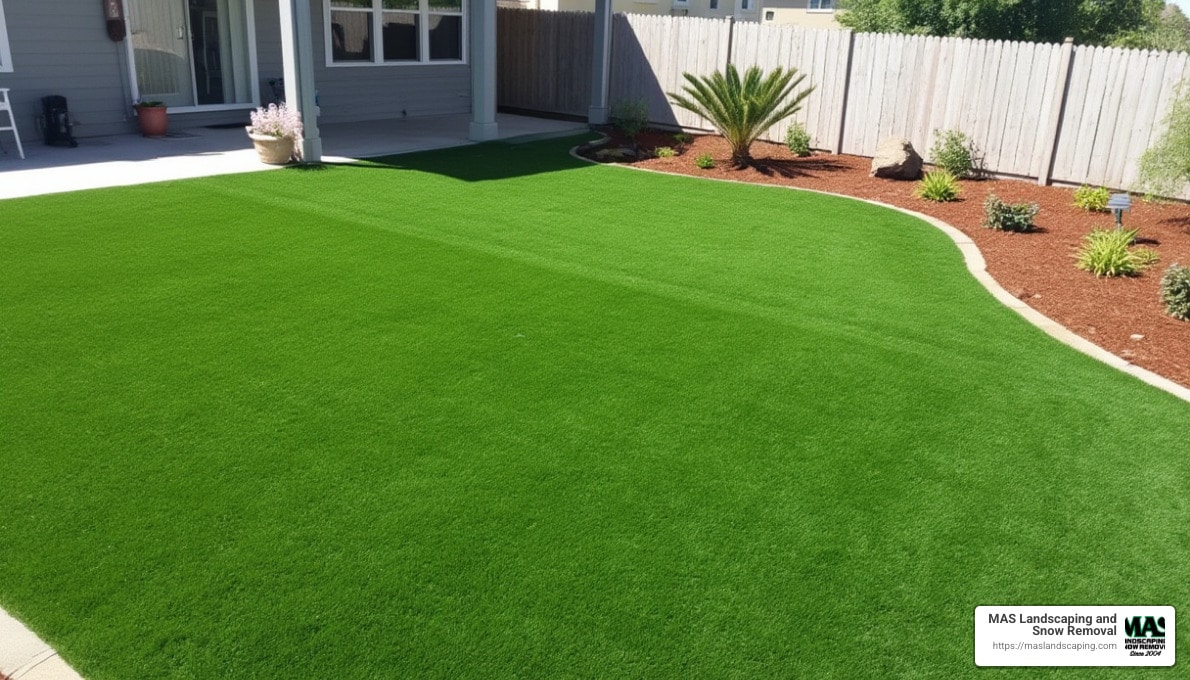



Artificial Grass Installation: 5 Simple Steps to Success
Artificial Grass Installation has become a popular solution for creating a lush, green outdoor space without the hassle of regular lawn maintenance. This approach provides an environmentally friendly, water-saving alternative to traditional grass, perfect for those who want a beautiful lawn all year round.
To get started with Artificial Grass Installation, here’s a quick overview:
- Prepare the Area: Clear and level the ground.
- Lay the Base: Add and compact a base layer to ensure proper drainage and a flat surface.
- Install the Grass: Roll out the artificial turf and fit it to your space.
- Secure the Grass: Fasten the edges and seams for stability.
- Add Finishing Touches: Trim and brush the grass to finalize the look.
With these steps, you can transform your yard into a vibrant, maintenance-free area. Stay tuned as we dig deeper into each stage of the process.
Easy Artificial Grass Installation glossary:
– artificial grass outdoor installation
– how to install artificial grass on soil
– garden artificial grass installation
Step 1: Preparing the Area
Before you can enjoy your lush, maintenance-free lawn, the first step in Artificial Grass Installation is preparing the area. This involves clearing and leveling the ground to create a perfect foundation for your new turf.
Soil Preparation
Start by removing any existing grass, weeds, or debris. Use a shovel or a sod cutter for larger areas. This will ensure you have a clean slate to work with.
Once cleared, assess the soil. It’s important to have a level surface, so fill in low spots and remove high spots. Use a rake to smooth the area and ensure it’s even. This will prevent any lumps or bumps in your artificial grass.
If your soil is compacted, consider aerating it. This improves drainage and helps prevent water from pooling on your new lawn.
Sustainable Irrigation
Though artificial grass doesn’t need water to stay green, good drainage is crucial. Poor drainage can lead to water pooling, which might damage your turf over time.
Consider installing a sustainable irrigation system that supports rainwater harvesting. This involves setting up channels or pipes that direct rainwater away from your lawn and into a collection system. Not only does this prevent waterlogging, but it also allows you to use the collected water for other garden needs.
Rainwater Harvesting
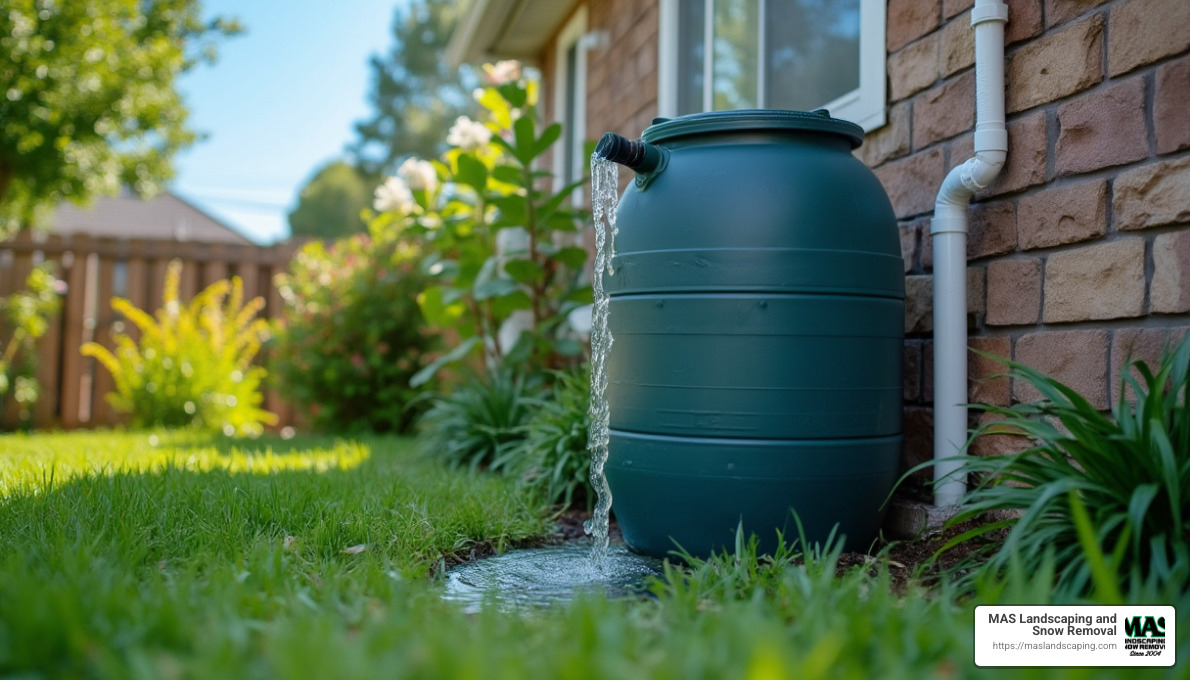
Rainwater harvesting is a fantastic way to make your garden more sustainable. By collecting rainwater, you reduce your reliance on municipal water supplies. This is not only environmentally friendly but can also save you money on water bills.
Install a rain barrel or a more sophisticated rainwater collection system. Position it to catch water from your roof or gutters. Use this water for plants, cleaning, or other outdoor uses.
By preparing the area properly, you ensure a smooth and successful Artificial Grass Installation. Next, we’ll look at laying the base, a crucial step for ensuring your lawn stays beautiful and functional for years to come.
Step 2: Laying the Base
Laying the base is crucial in Artificial Grass Installation. A strong foundation ensures your turf remains flat, drains well, and lasts for years.
Base Materials
The first step in laying the base is choosing the right materials. Typically, you will need:
- Crushed Stone: This is the most common base material. It provides stability and excellent drainage. Use a type like decomposed granite or limestone.
- Geotextile Fabric: Place this fabric over the soil before adding the crushed stone. It prevents weeds from growing through the turf and adds an extra layer of stability.
- Sand: A layer of sand on top of the crushed stone helps fine-tune the leveling and adds cushioning.
Here’s how you lay the base:
- Spread Crushed Stone: Lay about 4 inches of crushed stone evenly across the area. Use a compactor to press it down firmly, ensuring a stable base that won’t shift over time.
- Add Geotextile Fabric: Roll out the fabric over the crushed stone. This step is vital to prevent weed growth and improve durability.
- Top with Sand: Spread a thin layer of sand, about 1 inch thick, over the fabric. Rake it smooth and compact it to create a flat, even surface.
Turf Installation Cost
While laying the base yourself can save on labor costs, the materials and tools required can still add up. Costs can vary based on your location and the size of the area.
- Materials: The cost of crushed stone, sand, and geotextile fabric can vary. It’s essential to source quality materials for a long-lasting installation.
- Tools: Renting or purchasing a compactor may be necessary, adding to the overall expense.
Investing in a solid base is crucial. It ensures that your artificial grass looks great and functions well for years to come.
By carefully selecting and installing the base materials, you set the stage for a successful Artificial Grass Installation. In the next step, we will cover how to install the artificial grass itself, ensuring a seamless and professional finish.
Step 3: Installing the Artificial Grass
Now that your base is ready, it’s time to move on to the actual Artificial Grass Installation. This step is where your yard starts to transform into a lush, green space.
Artificial Grass Installation DIY
Installing artificial grass yourself can be a rewarding DIY project. Here’s a simple guide to help you through the process:
- Roll Out the Grass: Begin by unrolling your artificial grass over the prepared base. Allow it to sit for a few hours to let any wrinkles flatten out.
- Trim to Fit: Use a sharp utility knife to trim the edges of the grass to fit your area. Make sure to cut from the back of the grass for a cleaner edge.
- Seam the Pieces Together: If you have multiple pieces, lay them out with the blades facing the same direction. Use seam tape and adhesive to join the pieces. Align the edges carefully to avoid visible seams.
- Secure the Edges: Use landscaping staples or nails around the perimeter, placing them about 6 inches apart. This step prevents the grass from shifting over time.
- Add Infill: Spread infill material, like silica sand or crumb rubber, across the grass. This helps the blades stand upright and provides cushioning. Use a broom or power brush to work the infill into the turf.
How to Install Artificial Grass on Soil
If you’re installing directly on soil, there are a few additional considerations:
- Ensure Proper Drainage: Make sure the soil is well-drained. You may need to add a slight slope or drainage channels to prevent waterlogging.
- Compact the Soil: Before laying the geotextile fabric, compact the soil to create a stable surface.
- Lay the Grass: Follow the same steps as above, ensuring the grass sits smoothly on the soil.

By following these steps, you can achieve a professional-looking artificial lawn. In the next section, we’ll discuss how to secure the grass to ensure it stays in place for years to come.
Step 4: Securing the Grass
Once you’ve laid the artificial grass, the next crucial step is securing it firmly. This ensures your lawn remains stable and looks pristine over time.
Tools and Hardware
To secure your artificial grass, you’ll need a few essential tools and materials. Here’s what you’ll need:
- Utility Knife: For trimming and making precise cuts.
- Turf Nails or Staples: These are crucial for anchoring the grass down, especially around the edges.
- Hammer or Mallet: Used to drive the nails or staples into the ground.
- Seaming Tape and Adhesive: For joining sections of grass seamlessly.
- Power Broom or Stiff Bristle Brush: To help distribute infill and ensure the grass blades stand upright.
Securing the Grass
- Secure the Perimeter: Begin by using turf nails or staples around the edges of your grass. Place them every 6 inches. This prevents the edges from lifting and keeps the turf tight against the ground.
- Anchor the Interior: For larger areas, you’ll also want to add nails or staples throughout the interior. Space them about 12 to 24 inches apart in a grid pattern for additional stability.
- Join the Seams: If your installation involves multiple pieces of turf, make sure to use seaming tape and adhesive. Apply the tape under the seam and press the edges of the grass firmly together. This creates a nearly invisible join.
- Check for Smoothness: After securing, walk over the grass to ensure there are no bumps or loose areas. Adjust and add more nails if necessary.
- Distribute Infill Evenly: Use your power broom or stiff brush to spread the infill evenly. This not only helps the grass blades stand upright but also adds weight, further securing the turf.
Securing the turf properly is vital for a long-lasting, beautiful artificial lawn. With these steps, your grass will stay in place, even in high-traffic areas. Next, we’ll look at adding the finishing touches to improve the beauty and functionality of your outdoor space.
Step 5: Finishing Touches
Now that your artificial grass is securely in place, it’s time to add some personality and comfort to your outdoor area. Decor and furniture play a crucial role in changing a simple lawn into a lively and inviting space.
Decor & Furniture
Choosing the right furniture can make your outdoor space both functional and stylish. Opt for weather-resistant materials like teak, aluminum, or synthetic wicker. These materials are not only durable but also easy to maintain. They can withstand the elements, ensuring your furniture remains beautiful throughout the seasons.
- Seating: Consider comfortable seating options like outdoor sofas or lounge chairs. Add cushions for extra comfort and a pop of color.
- Tables: A sturdy outdoor table can serve as a focal point for gatherings. Whether it’s a small bistro table or a large dining table, ensure it complements your seating arrangement.
- Shade Options: Umbrellas or pergolas can provide much-needed shade, making your outdoor area usable even during sunny days.
Outdoor Living & Patio
Enhancing your artificial grass area with additional features can create a seamless transition from indoor to outdoor living.
- Outdoor Rugs: These can define spaces and add warmth. Choose rugs made from materials that can handle outdoor conditions.
- Lighting: Install soft lighting to create ambiance in the evening. String lights, lanterns, or solar-powered path lights can add a magical touch.
- Planters and Greenery: Even with artificial grass, incorporating real plants can improve the natural feel. Use decorative planters to add height and variety.
Personal Touches
Finally, personalize your space with decor that reflects your style. This could include:
- Art Pieces: Weather-resistant art or sculptures can serve as unique focal points.
- Water Features: A small fountain or pond can add tranquility and attract wildlife, enhancing the outdoor experience.
- Fire Pits: Perfect for cooler evenings, a fire pit can be a cozy gathering spot for family and friends.
With these finishing touches, your artificial grass area will be transformed into a beautiful, functional, and welcoming outdoor space. From lounging to entertaining, your yard will be ready for any occasion.
In the next section, we’ll address some frequently asked questions about Artificial Grass Installation, including costs and safety concerns.
Frequently Asked Questions about Artificial Grass Installation
What is the cost of artificial grass installation?
The cost of artificial grass installation can vary significantly based on several factors, such as the size of the area and the quality of the turf. Generally, you can expect to pay between $21,000 to $45,000 for a typical installation. Factors like the complexity of the project and additional features, such as custom designs or integrated drainage systems, can also influence the final price.
Are there any safety concerns with artificial turf?
Safety is a common concern when it comes to artificial turf. One major issue is the potential presence of PFAS (per- and polyfluoroalkyl substances), which are sometimes used in the manufacturing process. These chemicals are under scrutiny due to their environmental impact and potential health risks. Recent discussions, such as those highlighted in the NFLPA’s advocacy against turf, emphasize the importance of ensuring that artificial turf is free from harmful substances.
Additionally, while artificial turf offers a durable and low-maintenance option, it can sometimes be harder than natural grass. This can increase the risk of injuries, especially in high-impact sports. Studies have shown mixed results, with some indicating a higher incidence of injuries on synthetic surfaces compared to natural grass.
How does artificial grass compare to traditional lawns?
When considering alternatives to traditional lawns, artificial grass offers several advantages. It requires no watering, mowing, or fertilizing, making it a low-maintenance option that conserves water and reduces chemical use. This can be particularly beneficial in areas prone to drought or where water conservation is a priority.
However, artificial grass can become quite hot in direct sunlight, which might not be ideal for all climates. Additionally, while it doesn’t provide the same environmental benefits as natural grass, such as supporting local ecosystems, it does offer a consistent and green appearance year-round.
For those looking to “go green” without the upkeep of a traditional lawn, artificial grass presents a viable option. It provides a neat, lush look without the regular maintenance, making it an appealing choice for homeowners seeking a sustainable and attractive outdoor space.
These FAQs should help you better understand the nuances of artificial grass installation, including its costs, safety considerations, and how it stacks up against natural lawns. In the next section, we’ll wrap up with a look at the professional services offered by MAS Landscaping and Snow Removal.
Conclusion
At MAS Landscaping and Snow Removal, we pride ourselves on delivering exceptional landscaping solutions, including artificial grass installation, to our valued clients in and around Saugus, MA. Our commitment to professionalism and personalized service sets us apart in the industry. We understand that every outdoor space is unique, and we work closely with you to ensure that your vision is brought to life with precision and care.
Professionalism is at the core of everything we do. From the initial consultation to the final installation, our team of experts ensures that each step is executed with meticulous attention to detail. We use only the highest quality materials and the latest techniques to guarantee a result that not only meets but exceeds your expectations.
Our personalized service means that we take the time to listen to your needs and preferences. Whether you’re changing a small backyard or a large commercial space, we tailor our approach to suit your specific requirements. Our local expertise allows us to design and implement solutions that are both functional and beautiful, taking into account the unique climate and environmental conditions of the areas we serve.
Choosing MAS Landscaping and Snow Removal means partnering with a team that is dedicated to creating stunning, low-maintenance outdoor spaces that you can enjoy year-round. With our professional and personalized approach, we make the process of installing artificial grass straightforward and stress-free.
If you’re ready to improve your outdoor space with a lush, green lawn that requires minimal upkeep, contact us today. Let us help you create an outdoor experience that reflects your style and fits your lifestyle perfectly.