


Backyard Patio Design: 10 Stunning Ideas for 2024
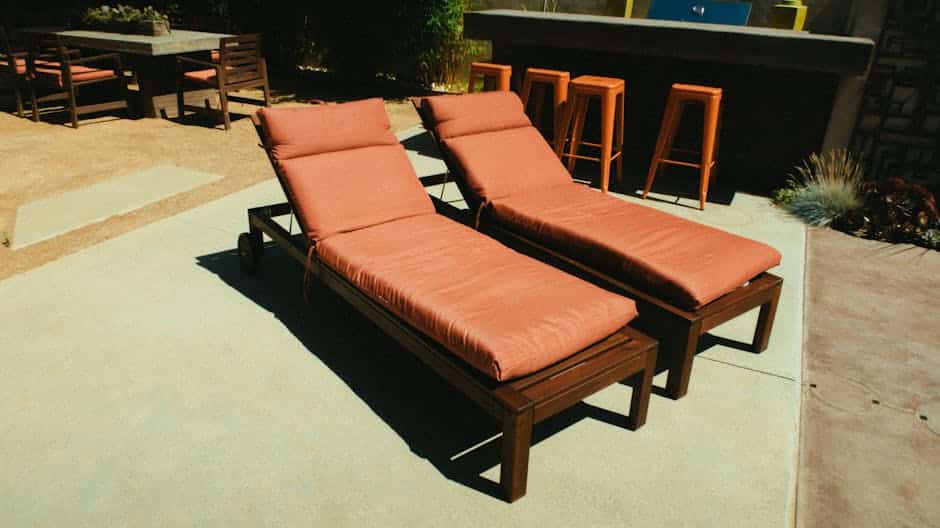
Backyard patio design is more than just an outdoor project—it’s about changing your yard into a serene retreat or a lively entertainment hub. Crafting the perfect outdoor space improves your lifestyle by seamlessly blending comfort and nature. Whether you’re considering a simple refresh or a complete patio change, the possibilities are endless. Here’s a quick look at what’s possible with backyard patio design:
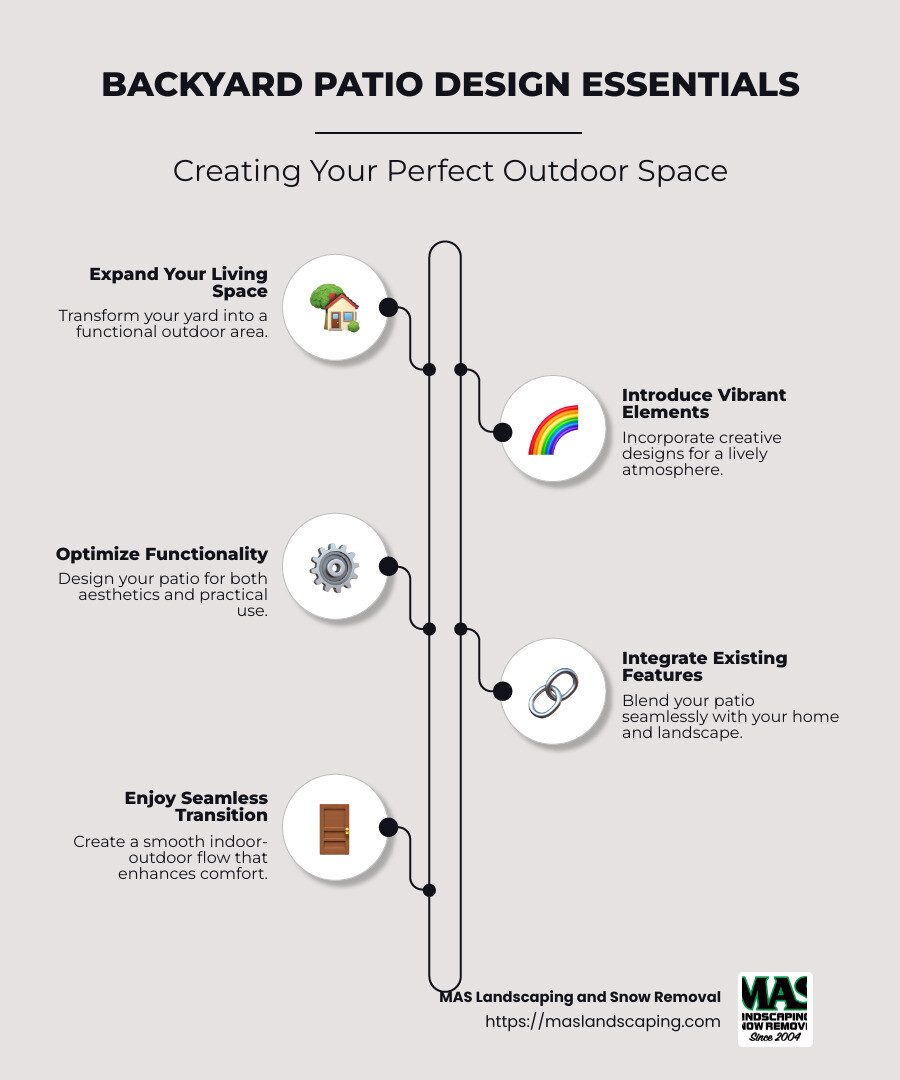
- Expand your living space outdoors
- Introduce vibrant elements with creative designs
- Optimize for functionality and aesthetics
- Easily integrate with existing home features
Creating an inviting patio can dramatically shift how you enjoy your home. Imagine having a place where you can unwind with a good book, host barbecues, or simply enjoy the sunset. As homeowners in the Greater Boston area seek to bolster their property’s beauty and function, understanding the essentials of patio design becomes crucial. This article will guide you through various aspects, ensuring your answer to backyard bliss begins right at home.
Backyard patio design helpful reading:
– backyard paver installation
– patio paver installers
– pavers patios
Determine Your Patio’s Purpose
Before diving into the design details, determine your patio’s purpose. Understanding what you want from your outdoor space will guide every design choice you make.
Define Your Outdoor Activities
Start by thinking about how you plan to use your patio. Do you envision hosting lively gatherings, or is it more of a quiet retreat? Maybe it’s a play area for the kids or a cozy spot for family dinners under the stars. Your patio’s purpose will influence its layout, materials, and features.
- Entertainment Hub: If hosting is your thing, consider a spacious layout with ample seating. Add a built-in grill or outdoor kitchen for convenience. Lighting and sound systems can improve the ambiance for evening events.
- Relaxation Retreat: For those seeking tranquility, incorporate comfortable seating, perhaps a hammock or lounge chairs. Water features or a fire pit can add a soothing touch.
- Family-Friendly Zone: Think about durable, safe materials and open spaces for children to play. Incorporate storage for toys and games to keep the area tidy.
Functional Design
Once you’ve pinpointed the activities, focus on functional design. This means planning a layout that supports your chosen activities without feeling cramped or cluttered.
- Zoning: Divide your patio into zones for different activities. For example, have a dining area separate from a lounging space. This creates a natural flow and makes the patio more versatile.
- Accessibility: Ensure easy access to and from the house. Consider pathways that connect the patio to other parts of the yard, like gardens or pools.
- Weather Considerations: Think about how weather might affect your patio use. Shade structures like pergolas or retractable awnings can provide relief from the sun, while heaters or fire pits can extend usability into cooler months.
By clearly defining your patio’s purpose and focusing on functional design, you’ll create a space that not only looks great but also improves your outdoor lifestyle.
Next, we’ll explore how to design around existing backyard features, ensuring a seamless integration with the rest of your outdoor space.
Design Around Other Backyard Features
Designing a backyard patio isn’t just about creating a standalone space; it’s about integrating it with the existing features of your yard. A well-designed patio should complement the natural landscape and existing structures, creating a harmonious outdoor environment.
Existing Features and Landscaping
When planning your patio, take stock of the existing features in your backyard. This might include gardens, trees, pathways, or water features. These elements can serve as natural focal points or boundaries for your patio design.
- Gardens and Trees: Use these as natural borders or backdrops. A patio nestled among lush greenery can feel like a secluded retreat. You might even consider incorporating raised garden beds or planters into your patio design to blend it seamlessly with the surrounding landscape.
- Pathways: Existing walkways can guide the flow from your home to the patio. Consider extending these paths to create a cohesive look. Materials like stone or brick can provide a rustic charm, while sleek concrete or pavers offer a modern touch.
- Water Features: If your backyard includes a pond or fountain, position your patio nearby to enjoy the soothing sounds of water. This can improve the ambiance and provide a relaxing atmosphere.
Integration with Structures
Incorporating existing structures like decks, gazebos, or pergolas into your patio design can create a unified look. Consider how these structures can be used to define your patio space or provide shade and shelter.
- Decks and Gazebos: If your home already has a deck or gazebo, think about how your patio can complement these spaces. A patio adjacent to a deck can serve as an extension for larger gatherings, while a gazebo can offer a shaded retreat within your patio area.
- Pergolas and Arbors: These structures can be added to your patio to create vertical interest and provide support for climbing plants. They also offer partial shade, making your patio more comfortable during sunny days.
Seamless Integration
Achieving a seamless integration between your patio and the rest of your backyard involves thoughtful planning and design. The goal is to create a space that feels like a natural extension of your home and yard.
- Material Consistency: Use similar materials and colors for your patio as those found in your home and yard. This creates visual continuity and helps the patio blend into its surroundings.
- Design Cohesion: Consider the architectural style of your home when designing your patio. A modern house might suit a sleek, minimalist patio, while a cottage-style home might pair well with a rustic, stone patio.
- Flow and Accessibility: Ensure there’s a natural flow between your patio and other outdoor areas. This might involve creating pathways or adjusting the layout to connect with gardens, pools, or other features.
By thoughtfully designing around existing backyard features, you can create a patio that improves the overall aesthetic and functionality of your outdoor space.
Next, we’ll dig into creating an indoor-outdoor connection, exploring how to seamlessly blend your patio with your home’s interior.
Create an Indoor-Outdoor Connection
Creating a seamless indoor-outdoor connection is a game-changer for any backyard patio design. It expands your living space and brings the beauty of the outdoors inside, making your home feel larger and more connected to nature.
Indoor-Outdoor Flow
The key to achieving a smooth transition between indoor and outdoor spaces is to design with flow in mind. This means ensuring that movement between these areas feels natural and unimpeded. One effective way to achieve this is by aligning your patio with commonly used indoor areas like the kitchen or living room. This alignment makes it easy to move between spaces during gatherings or daily activities.
Patio Doors
Patio doors are crucial in creating a seamless transition. Large, glass sliding doors are an excellent choice because they allow for unobstructed views of the outdoors and let in plenty of natural light. This not only makes your interior spaces feel brighter and more open but also visually connects the indoors with the patio.
For those seeking a more traditional touch, French doors can offer a classic look while still providing the desired connection. Both options are practical, stylish, and can significantly improve the indoor-outdoor flow.
Seamless Transition
Achieving a seamless transition involves more than just door selection. It’s about blending design elements from both spaces to create a unified look. Use similar materials and colors for your patio flooring and indoor floors to blur the boundary between the two areas. For example, if your indoor flooring is a light-colored wood, consider using wood-look tiles for your patio.
Additionally, consider the use of transitional spaces like sunrooms or covered patios. These areas act as a buffer, maintaining stylistic elements from both the indoors and outdoors. They provide a comfortable space to relax while feeling connected to the outside world.
By focusing on these elements, you can create a patio that feels like a natural extension of your home, enhancing both the functionality and aesthetic appeal of your living space.
In the next section, we’ll explore various flooring options for your patio, helping you choose the best materials that suit your style and budget.
Choose Your Patio Flooring
Selecting the right flooring is a vital step in any backyard patio design. The flooring sets the tone for your outdoor space and impacts both aesthetics and functionality. Let’s explore some popular options to help you make an informed choice.
Pea Gravel
Pea gravel is an affordable and easy-to-install option. It’s perfect for those looking to create a casual and rustic vibe. This material consists of small, rounded stones that come in a variety of colors, allowing for customization to fit your design. It’s especially useful in areas prone to flooding, as it allows water to drain easily.
Pros:
– Budget-friendly: Great for DIY projects.
– Easy installation: No special skills required.
– Natural drainage: Ideal for areas with heavy rainfall.
Stamped Concrete
Stamped concrete offers versatility and durability. This option can mimic the look of other materials like brick or stone but at a lower cost. It’s a solid choice if you’re aiming for a polished and seamless appearance in your outdoor space.
Pros:
– Versatile designs: Mimics various materials.
– Durable: Withstands heavy use.
– Low maintenance: Easy to clean and maintain.
Concrete Pavers
Concrete pavers are known for their aesthetic appeal and customization options. They come in various shapes, sizes, and colors, allowing you to create unique patterns. Pavers are also easy to repair, as damaged pieces can be replaced individually.
Pros:
– Customizable: Wide range of design options.
– Repairable: Easy to swap out damaged pavers.
– Durable: Long-lasting under various weather conditions.
Brick
Brick is a classic and timeless choice for patios. It brings a warm and traditional feel to your outdoor space. While it might be more costly than some other options, the charm and longevity it offers can make it a worthwhile investment.
Pros:
– Classic look: Never goes out of style.
– Durable: Can last for decades with proper care.
– Eco-friendly: Often made from natural clay materials.
Choosing the right flooring for your patio involves balancing aesthetics, functionality, and budget. Each of these options offers distinct advantages, so consider your priorities and local climate when making a decision. In the next section, we’ll discuss the importance of incorporating railings into your patio design for both safety and style.
Consider a Patio or Deck Railing
Incorporating railings into your backyard patio design is essential for both safety and style. Railings provide a protective barrier that can prevent accidents, especially if your patio is liftd. But beyond safety, they also serve as a design element that can improve the overall aesthetic of your outdoor space.
Safety First
Safety is the primary reason to include railings in your patio design. They help prevent falls and provide support, especially for children and elderly family members. If your patio is more than 30 inches above ground, building codes often require a railing for safety compliance. Even for lower decks, railings can offer peace of mind.
Design Elements
Railings aren’t just about safety; they also contribute significantly to the visual appeal of your patio. They can define the space, create a sense of enclosure, and add architectural interest. Choose a railing style that complements your patio’s overall design. Whether you prefer a modern, sleek look or a more traditional style, railings can be customized to suit your taste.
- Glass Railings: Provide unobstructed views and a modern look.
- Wood Railings: Offer a classic and warm appearance.
- Metal Railings: Available in a variety of finishes and styles, from ornate to minimalist.
Material Choices
The material you choose for your patio railing will impact both its appearance and its durability. Here are a few popular options:
- Wood: Offers a natural and warm look but requires regular maintenance to prevent weathering.
- Metal: Durable and low-maintenance, with options like aluminum and wrought iron.
- Glass: Provides a contemporary feel and is easy to clean, though it might be more expensive.
Choosing the right railing for your patio involves balancing safety needs with design preferences. Consider the materials and styles that best fit your vision and ensure they meet any local building codes. In the next section, we’ll explore how to manage sun and shade to make your outdoor space comfortable and inviting.
Think About Sun & Shade
When designing your backyard patio, one of the most important considerations is how to manage sunlight and create comfortable shaded areas. The right balance of sun and shade can transform your patio into a versatile space that you can enjoy throughout the day.
Shade Solutions
Shade solutions are essential for protecting against harsh sun rays and keeping your patio cool. Here are some popular options:
- Umbrellas: These are a simple, portable solution that can be easily moved to provide shade where needed. They come in various sizes and colors to match your patio decor.
- Retractable Awnings: These provide flexible coverage that can be extended or retracted as needed. They’re perfect for controlling the amount of sunlight that hits your patio and can be operated manually or with a motor.
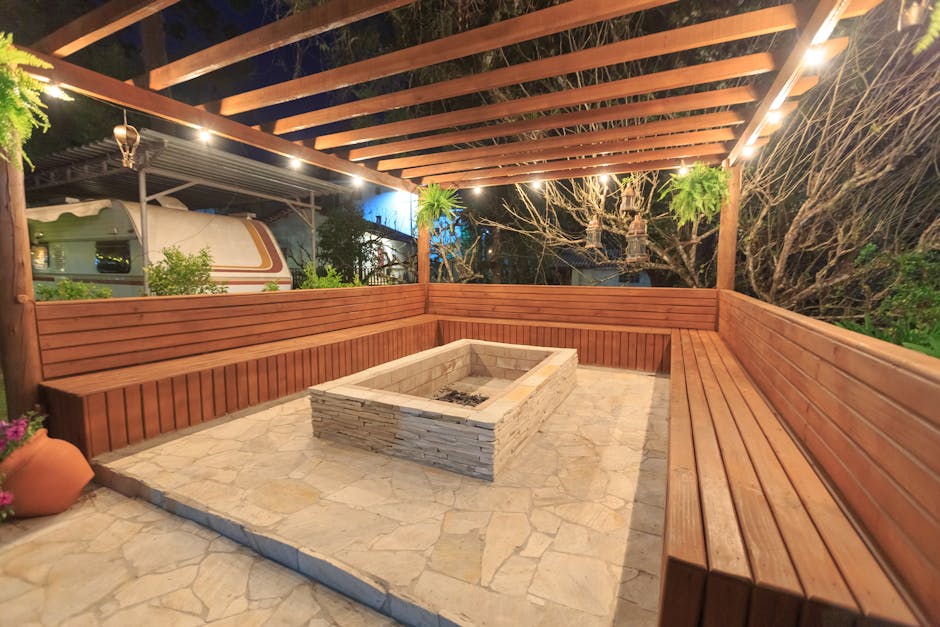
- Pergolas: A pergola adds a structural element to your patio while offering partial shade. You can improve its shading capabilities by adding climbing plants or fabric drapes.
Retractable Awnings
Retractable awnings are a versatile and stylish choice for managing sun exposure on your patio. They allow you to enjoy the sun when you want it and provide shade when needed, making them ideal for patios that receive a lot of direct sunlight.
- Flexibility: You can adjust the awning to cover the entire patio or just a portion, depending on the time of day and your needs.
- Material Options: Awnings come in a variety of materials, from waterproof fabrics to UV-resistant options, ensuring durability and protection.
- Installation: While they can be more expensive than other options, retractable awnings are a worthwhile investment for their long-term benefits and ease of use.
Pergolas
Pergolas are a popular choice for creating a shaded area with an architectural flair. They offer partial shade and can be customized to fit any design aesthetic.
- Design Flexibility: Pergolas can be built from wood, metal, or vinyl, and can be left open or covered with materials like fabric or polycarbonate sheets for additional shade.
- Plant Integration: Improve the natural beauty of your pergola by using it to support climbing plants such as wisteria or grape vines, which can provide extra shade and a touch of greenery.
- Ambiance: Add string lights or lanterns to create a cozy atmosphere in the evenings.
By incorporating these shade solutions into your backyard patio design, you’ll create a comfortable and inviting space that can be enjoyed year-round. In the next section, we’ll discuss how to coordinate your patio with your home’s architectural style for a cohesive look.
Coordinate with Your Home’s Architectural Style
A well-designed backyard patio should harmonize with your home’s architectural style. This creates a seamless transition between indoor and outdoor spaces, enhancing the overall aesthetic appeal of your property.
Style Matching
Matching your patio design to your home’s architecture is key to achieving a cohesive look. Here are some tips:
- Modern Homes: Opt for sleek lines and minimalist designs. Materials like concrete or metal can complement the clean aesthetics of modern architecture.
- Traditional Homes: Incorporate classic elements such as brick or stone pavers. These materials echo the timeless beauty of traditional home styles.
- Cottage or Rustic Homes: Use natural materials like wood or flagstone. These choices improve the cozy and inviting feel typical of rustic or cottage-style homes.
Cohesive Design
Creating a cohesive design involves more than just matching materials. Consider the following elements:
- Color Palette: Choose colors that complement your home’s exterior. For instance, if your house features warm earth tones, select similar shades for your patio furniture and accessories.
- Repetition: Repeat architectural elements from your home in your patio design. This could be as simple as using the same style of railing or mimicking window shapes in your patio structures.
- Textures: Mix and match textures to add depth. Pair smooth surfaces like polished concrete with rougher textures like wicker furniture or stone accents.
Aesthetic Appeal
To boost the aesthetic appeal, focus on integrating both functional and decorative elements:
- Lighting: Use lighting to highlight architectural features. Lanterns or string lights can improve the ambiance and make the space usable after dark.
- Focal Points: Create focal points that draw the eye. This could be a fire pit, a water feature, or a beautifully arranged seating area.
- Plants: Incorporate greenery that complements your home’s style. For example, formal hedges suit a traditional home, while wildflower borders work well with a cottage aesthetic.
By thoughtfully coordinating your backyard patio design with your home’s architectural style, you can create a harmonious outdoor space that feels like a natural extension of your living area. Next, we’ll explore how to arrange outdoor furniture for optimal space utilization and aesthetic balance.
Placement of Outdoor Furniture
Arranging outdoor furniture is both an art and a science. It can transform your backyard patio into a functional and inviting space. Let’s explore some key strategies for achieving the perfect setup.
Furniture Arrangement
Start by considering the flow of movement. You want to create paths that allow easy access to different areas of your patio without obstacles. Here’s how:
- Zoning: Divide your patio into distinct zones, like dining, lounging, and cooking. This helps organize the space and makes it more functional.
- Symmetry and Balance: In larger spaces, use symmetry to create a balanced look. Pair chairs or sofas evenly around a central table or fire pit.
- Angles and Curves: Use angled or curved arrangements to soften the look and make navigation easier. This is especially useful in small or oddly-shaped patios.
Focal Points
Establishing focal points can improve both the visual appeal and functionality of your patio. Consider these ideas:
- Fire Pit or Water Feature: These elements naturally draw attention and provide a gathering spot. Position seating around them for a cozy feel.
- Outdoor Art or Sculpture: Use unique pieces to create interest. Place them where they can be admired from multiple angles.
- Dining Table: Make your dining area the heart of the patio. Choose a table that complements the style of your home and arrange chairs to encourage conversation.
Space Optimization
Maximizing your patio’s potential involves smart use of space. Here are some tips:
- Multi-functional Furniture: Opt for pieces that serve multiple purposes, like benches with storage or tables that can expand for more seating.
- Vertical Space: Use vertical space for storage or decoration. Wall-mounted planters or shelves can hold plants or outdoor essentials without taking up ground space.
- Compact Arrangements: In smaller patios, keep arrangements compact. Use nesting tables or stackable chairs that can be easily stowed away when not in use.
By focusing on thoughtful furniture placement, you can create a backyard patio that is both beautiful and efficient. Next, we’ll dig into the role of greenery and vertical gardens in enhancing your outdoor space.
Add Greenery and Vertical Gardens
Adding greenery to your backyard patio design is like putting the cherry on top of a sundae. It improves the aesthetics and brings a fresh, lively vibe to your outdoor space.
Plants
Plants are the heart of any garden, providing color, texture, and life. When choosing plants for your patio, consider these tips:
- Native Plants: Opt for plants that are native to your area. They require less water and maintenance, saving you time and resources. Plus, they thrive better in local conditions.
- Variety and Color: Mix different types of plants to create visual interest. Use a combination of flowering plants, shrubs, and grasses to add layers and depth.
- Container Gardens: If space is limited, use pots and containers. They allow flexibility in design and can be moved around easily to catch the sun or provide shade.
Vertical Gardens
Vertical gardens are perfect for small patios or for adding a lush backdrop to your seating area. Here’s how you can incorporate them:
- Wall Planters: Install wall-mounted planters or green walls. They’re great for herbs, succulents, or small flowering plants and add a modern touch to your space.
- Trellises and Climbing Plants: Use trellises to support climbing plants like ivy or jasmine. They add height and can create a natural privacy screen.
- DIY Pallet Gardens: Repurpose wooden pallets into vertical gardens. They’re an affordable and creative way to grow herbs or small vegetables.
Hanging Planters
Hanging planters are an excellent choice for adding greenery without sacrificing floor space. Consider these options:
- Hanging Baskets: Use traditional hanging baskets filled with cascading flowers or ferns. They add charm and soften the edges of your patio.
- Macramé Plant Hangers: These stylish hangers are perfect for a boho-chic look. Suspend them from pergolas or hooks to add a cozy feel.
- Upside-Down Planters: For a unique twist, try upside-down planters. They’re eye-catching and work well for certain herbs and small vegetables.
Integrating plants, vertical gardens, and hanging planters into your backyard patio design not only beautifies the space but also creates a serene and inviting atmosphere. Let’s explore how to make your patio seamlessly blend with your home’s architectural style.
Frequently Asked Questions about Backyard Patio Design
How to design a backyard patio?
Designing a backyard patio starts with understanding your space and how you want to use it. Think about the activities you’ll enjoy there, like dining, lounging, or hosting friends. Here’s a simple guide:
- Furniture Placement: Arrange furniture to create natural gathering spots. A dining table can serve as a focal point, while lounge chairs can be placed for relaxation and conversation.
- Focal Points: Incorporate elements like a fire pit or a water feature to draw attention and anchor the space. This not only adds visual interest but also improves the functionality of your patio.
- DIY Installation: If you’re handy, consider a DIY approach to save costs. Many patio designs, like those using pavers or pea gravel, are perfect for DIY enthusiasts. These projects can be completed over a weekend with the right tools and materials.
How do I layout my patio?
Laying out your patio involves planning and a bit of creativity. Here are some tips to get started:
- Cost-Effective Materials: Use affordable options like stamped concrete or brick. These materials are durable and can be installed with minimal professional help.
- Space Optimization: Maximize your space by using multi-functional furniture. For instance, a bench with storage can save space while providing extra seating.
- DIY Options: Many patio materials are DIY-friendly. Concrete pavers or pea gravel can be laid out with basic tools, making them ideal for those on a budget.
Is it cheaper to build your own patio?
Building your own patio can be significantly cheaper than hiring professionals. Here’s why:
- Affordable Materials: Materials like pea gravel and concrete pavers are not only budget-friendly but also versatile. They allow for a range of design possibilities without breaking the bank.
- DIY Savings: By doing the work yourself, you save on labor costs. Plus, DIY projects let you work at your own pace, spreading out expenses over time.
- Personal Touch: DIY projects let you incorporate personal touches, making your patio uniquely yours. From custom patterns in pavers to hand-picked plants, your patio reflects your style.
Incorporating these strategies can help you create a beautiful and functional backyard patio without overspending. Whether you’re designing from scratch or updating an existing space, these tips ensure your patio is both cost-effective and stylish. Let’s explore how to coordinate your patio with your home’s architectural style for a cohesive look.
Conclusion
At MAS Landscaping and Snow Removal, we understand that a well-designed backyard patio is more than just an outdoor space—it’s an extension of your home. Our commitment to professional service ensures that every project is handled with care and precision, custom to meet your unique needs and preferences.
Our team leverages local expertise to create outdoor spaces that not only improve your property’s aesthetic appeal but also thrive in the specific environmental conditions of the Saugus, MA area. We know the local climate, soil types, and suitable plant species, allowing us to design landscapes that are sustainable and low-maintenance.
Whether you’re dreaming of a cozy nook for family gatherings or a grand patio for entertaining guests, we are here to turn your vision into reality. Our personalized approach means we listen to your ideas and work closely with you from concept to completion, ensuring your backyard patio design reflects your style and improves your lifestyle.
Explore how MAS Landscaping and Snow Removal can transform your outdoor space into a personal oasis by visiting our landscape design services. Let us help you create a beautiful and functional outdoor area that you and your family will enjoy for years to come.