


Brick Walkway Ideas: Top 5 Stunning Designs 2024
Brick walkway ideas can completely transform your outdoor space, adding charm and boosting curb appeal instantly. Whether leading from the street to your front door or winding through a serene garden, these walkways are about practicality fused with beauty. Homeowners love bricks for their timeless appeal and durability, making them a superb choice for defining paths while enhancing the aesthetic of your surroundings.
Here are some quick tips to get started with brick walkway landscaping:
- Consider Patterns: Herringbone and basket weave are popular options.
- Define Your Path: Use edges or decorative stones to maintain clean lines.
- Functionality First: Ensure paths are wide enough for easy navigation in all weather.
A well-planned brick walkway isn’t just a path; it’s an invitation to explore and enjoy your outdoor space. The mix of function and style makes brick a preferred choice for many seeking to beautify their homes. As you ponder your options, think about what complements your space best while reflecting your personality.
Brick walkway ideas vocabulary:
– Cost of Paver Walkway
– Walkway Contractor
– backyard paver walkway ideas
Essential Foundations for Brick Walkways
Creating a solid foundation is crucial for any brick walkway. Without it, you risk uneven surfaces and shifting bricks. Let’s break down the essentials:
Gravel Foundation
A gravel foundation is the backbone of your walkway. It prevents settling and ensures stability. Start with a layer of coarse gravel, about 4 to 6 inches deep. This layer helps with drainage and keeps the walkway from sinking over time.
Pro Tip: Use #5 stone gravel for the best results. Compact it well with a tamper to create a firm base.
Weed-Barrier Fabric
Nobody wants weeds peeking through their beautiful brick path. A weed-barrier fabric acts as a shield between the soil and gravel. It keeps weeds at bay and separates the gravel from the dirt below.
Why It Matters: This fabric not only prevents weeds but also helps maintain the integrity of your walkway by keeping the gravel layer intact.
Sand Layer
The final touch before laying bricks is a sand layer. This layer provides a smooth surface for the bricks to sit on and helps lock them in place. Spread a thin layer of sand, about 1 inch thick, over the compacted gravel.
Key Tip: Use a level to ensure the sand layer is even. This will prevent any unevenness in your walkway.
By focusing on these foundational steps, you’ll ensure your brick walkway is both beautiful and durable. Investing time in the foundation pays off in the long run, keeping your path level and weed-free for years to come.
Popular Brick Walkway Patterns
Once you’ve laid a solid foundation, it’s time to choose a pattern for your brick walkway. The pattern you select can dramatically change the look and feel of your outdoor space. Here are some of the most popular brick walkway ideas to consider:
Herringbone
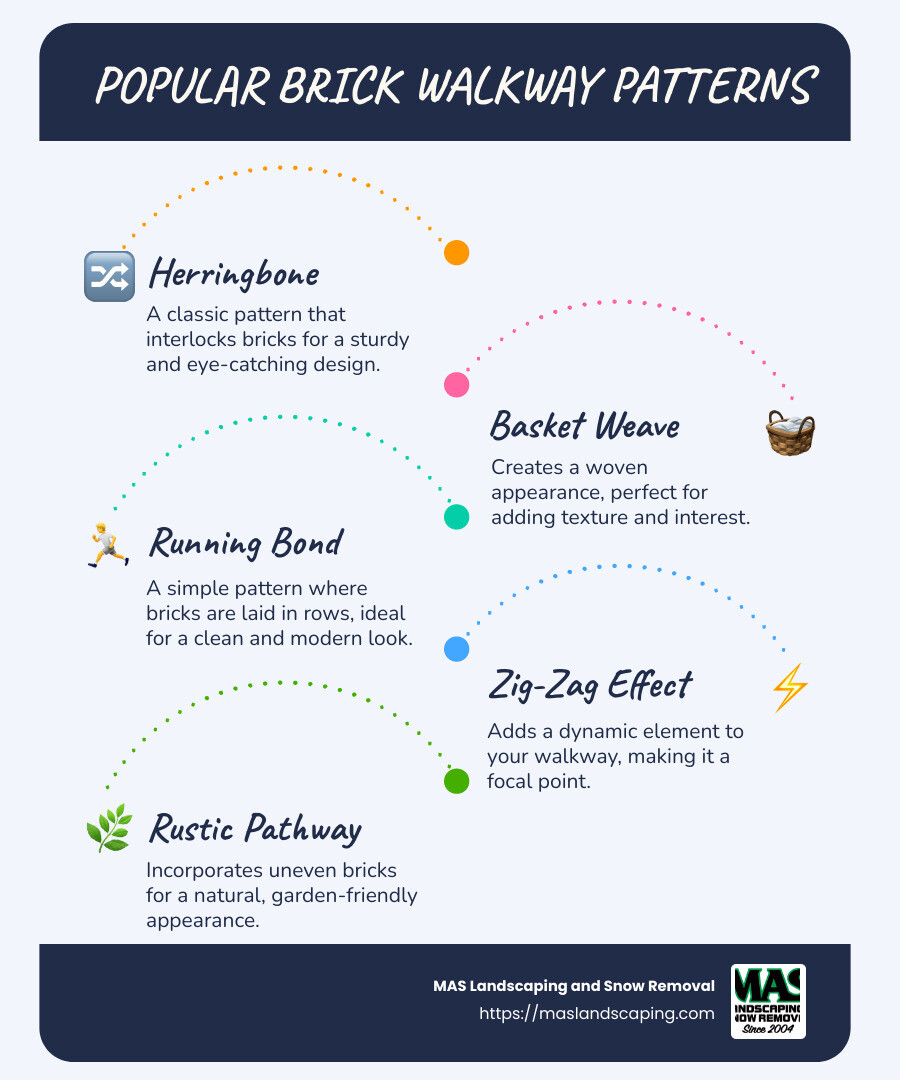
The herringbone pattern is a classic choice that adds a touch of elegance to any walkway. This pattern involves laying bricks at a 45-degree angle to create a V-shaped design. The interlocking nature of the herringbone pattern makes it incredibly strong and ideal for high-traffic areas.
Why Choose Herringbone? It provides a dynamic visual effect and serves as a focal point in your landscape. Plus, its strength makes it suitable for driveways and patios.
Basket Weave
The basket weave pattern brings a rustic charm to your walkway. This design alternates pairs of bricks in horizontal and vertical positions, creating a woven appearance. It’s a simple pattern that offers a cozy, traditional look.
Perfect For: Those who want a classic, old-world feel. The basket weave is easy to install and works well in gardens or small pathways.
Running Bond
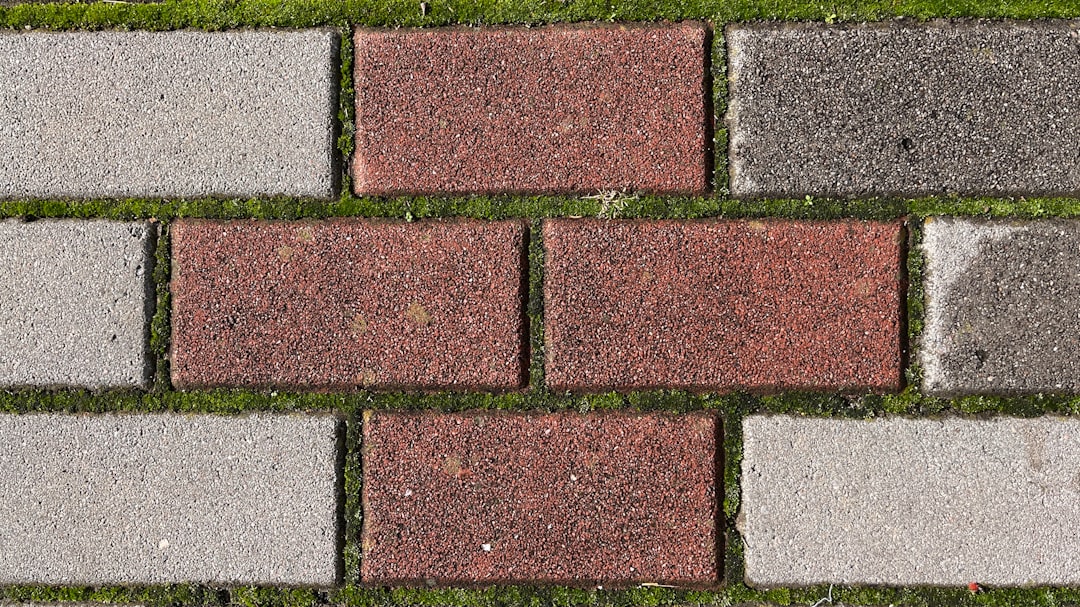
For those who prefer a straightforward design, the running bond pattern is a go-to option. This pattern involves laying bricks in offset rows, similar to a traditional brick wall. It’s the easiest pattern to lay and requires minimal cutting.
Top Benefit: The running bond is versatile and can be adapted to fit any space. Its simplicity makes it a timeless choice for both modern and traditional homes.
Zig-Zag Effect
The zig-zag effect is a playful twist on the classic herringbone. It involves laying bricks in a zig-zag pattern, creating a sense of movement and energy. This pattern is less common but offers a unique aesthetic that stands out.
When to Use: If you’re looking to make a bold statement with your walkway, the zig-zag pattern is an excellent choice. It works well in contemporary settings where creativity is key.
Each of these patterns offers a distinct look and feel, allowing you to tailor your walkway to match your personal style and the overall design of your outdoor space. Whether you prefer the elegance of herringbone or the simplicity of running bond, there’s a pattern to suit every taste.
Creative Brick Walkway Ideas
Once you’ve chosen the perfect pattern, it’s time to get creative with your brick walkway ideas. Here are some unique ways to incorporate brick walkways into your outdoor space:
Rustic Walkway
A rustic brick walkway can add a charming, old-world feel to your garden or yard. Use recycled brick pavers for an eco-friendly option that brings a weathered look and a sense of history to your space. The irregularities in recycled bricks contribute to the rustic appeal, making them perfect for a countryside or cottage-style garden.
Tip: Pair these bricks with wildflowers and ornamental grasses to improve the rustic ambiance. The combination of natural elements and aged bricks creates a cozy, inviting path.
Garden Design
Incorporating a brick walkway into your garden design can guide visitors through your floral displays while adding structure and elegance. Consider using quartzite pavers for a durable and low-maintenance option. Their range of colors, from white to pink, can complement the vibrant hues of your garden plants.
Design Idea: Create a winding path that meanders through flower beds, allowing for leisurely strolls and closer views of your plantings. This approach adds interest and depth to your garden landscape.
Patio Pavers
Brick pavers can seamlessly transition from a walkway to a patio, creating a unified outdoor living area. For a modern touch, use metal pavers to introduce an industrial vibe. These pavers are durable and can withstand heavy use, making them ideal for outdoor seating areas.
Consideration: While metal pavers are stylish, they can get hot in direct sunlight. Use them in shaded areas or mix with other materials for a balanced look.
Outdoor Walkway
Your outdoor walkway can be more than just a path; it’s an opportunity to showcase your style. Red porphyry pavers offer a rich, reddish-brown color that adds warmth and character. They are perfect for creating a standout path that draws the eye and improves your home’s curb appeal.
Pro Tip: Use these pavers to connect different areas of your yard, such as from the driveway to the front door, or from the patio to the garden. This connectivity not only improves functionality but also ties together various elements of your landscape.
By exploring these creative ideas, you can transform your outdoor space into a beautiful and functional extension of your home. Whether you opt for a rustic charm or a modern twist, there’s a brick walkway design to suit your style and needs.
Cost Considerations for Brick Walkways
When planning your brick walkway project, understanding the cost factors is crucial. Here’s a breakdown of what to consider:
Installed Cost
The total cost of installing a brick walkway can vary based on several factors. Typically, you might expect to pay between $8 and $18 per square foot for materials and labor. This range covers basic to high-end options, with clay bricks often being more affordable than natural stone alternatives. That more intricate patterns, like herringbone, may increase labor costs due to their complexity.
Additional Costs
Beyond the basic installation, there are additional costs to factor in:
- Land Grading: If your site requires leveling, this can add to your expenses. Grading ensures proper drainage and a stable foundation, preventing future issues.
- Edge Restraints: These are necessary to keep bricks in place and prevent shifting over time. They add durability but also a small additional cost.
- Sealing: Sealing your brick walkway can protect it from weathering and stains, extending its lifespan. This is an optional but recommended expense.
Land Grading
Proper land grading is essential for a lasting walkway. It not only ensures stability but also prevents water accumulation that can lead to erosion or damage. The cost of grading depends on the slope and condition of your land, ranging from $500 to $1,500 on average. Ensure this is included in your initial quote to avoid surprises later.
Material Comparison
Choosing the right material for your brick walkway can impact both cost and aesthetics:
- Clay Bricks: Classic and cost-effective, clay bricks offer a traditional look. They are durable but may require more maintenance in harsh climates.
- Concrete Pavers: These are versatile and come in various shapes and colors. They are generally more affordable than natural stone and offer good durability.
- Natural Stone: Options like bluestone or sandstone provide a unique and upscale appearance. However, they are more expensive and may require a higher upfront investment.
When comparing materials, consider both the initial cost and long-term maintenance. While natural stone can lift your home’s curb appeal, it may not fit every budget.
By understanding these cost considerations, you can make informed decisions that align with your financial goals and design preferences. Whether opting for a simple clay brick path or a luxurious stone walkway, planning ahead ensures a smooth and successful project.
Frequently Asked Questions about Brick Walkways
What do you put under a brick walkway?
Creating a solid foundation is crucial for a durable and stable brick walkway. Here’s what you need:
- Gravel: Start with a layer of coarse gravel, often #5 stone gravel. This helps with drainage and provides a stable base. A well-compacted gravel layer should be about 4-6 inches deep for walkways.
- Weed-Barrier Fabric: Lay permeable landscape fabric over the gravel. This prevents weeds from growing through your walkway while allowing water to drain.
- Sand: On top of the fabric, add a layer of sand. This layer helps level the bricks and provides a cushion. Use a tamper to compact the sand, ensuring a smooth surface for laying the bricks.
What is the best pattern for a brick walkway?
Choosing a pattern for your brick walkway can significantly impact its appearance and appeal. Here are some popular options:
- Herringbone: This classic pattern is both visually appealing and highly stable. The interlocking bricks create a dynamic element, making it ideal for areas with heavy foot traffic.
- Basket Weave: For a more traditional look, the basket weave pattern offers a charming, vintage feel. It’s a great choice for garden paths or rustic walkways.
- Running Bond: Simple and effective, the running bond pattern involves laying bricks in a staggered fashion. This pattern is easy to install and works well for straightforward designs.
Each pattern offers unique visual focal points, enhancing the walkway’s aesthetic appeal. Consider the overall style of your home and garden when selecting a pattern.
Can I use regular brick for a walkway?
While it might be tempting to use any available bricks, it’s important to choose the right type for your walkway:
- Clay Bricks: These traditional bricks are durable and offer a classic look. They can withstand weather changes but may require more maintenance in harsh climates.
- Concrete Pavers: More versatile than clay bricks, concrete pavers come in various shapes, sizes, and colors. They are generally more affordable and require less maintenance.
Regular bricks used for building walls may not hold up well under foot traffic, as they are not designed for ground use. Always opt for pavers specifically made for walkways to ensure longevity and performance.
By understanding these foundational elements and design choices, you can create a beautiful and lasting brick walkway that complements your outdoor space.
Conclusion
When it comes to creating stunning brick walkways, MAS Landscaping and Snow Removal stands out for its commitment to excellence and personalized service. Based in Saugus, MA, we take pride in changing outdoor spaces into functional and beautiful areas that reflect our clients’ tastes and lifestyles.
Our personalized service begins with understanding your vision. Whether you’re dreaming of a rustic garden path or a sophisticated entryway, our team listens to your ideas and offers expert guidance to bring them to life. We ensure every detail aligns with your preferences, from the choice of materials to the final touches.
Our local expertise is a key advantage. We understand the unique climate and soil conditions of the Everett, Lynnfield, and Malden areas, which allows us to select the best materials and designs for your project. By choosing materials that thrive in your environment, we help reduce maintenance and improve the longevity of your walkway.
At MAS Landscaping and Snow Removal, professionalism is at the core of everything we do. Our skilled team maintains clear communication throughout the project, ensuring you are informed and satisfied at every step. We provide detailed estimates, adhere to timelines, and keep the worksite clean and organized.
Ready to improve your outdoor space with a beautiful brick walkway? Explore our walkway installation services and let us help you create an inviting and enduring landscape that you and your family will enjoy for years to come.