



Cost of Laying a New Lawn: Ultimate Guide 2025
The True Investment: Why Understanding Lawn Installation Costs Matters
The cost of laying a new lawn typically ranges from $1 to $6 per square foot for professional installation, but can be as high as $20 for options like artificial turf. The final price depends heavily on the method, site conditions, and lawn size.
Here’s a quick look at national average costs, which are for informational purposes and not a direct quote:
- Seeding: $1 – $3 per square foot (most affordable, slowest results)
- Hydroseeding: $1 – $3 per square foot (faster than seeding, great for large areas)
- Sod Installation: $2 – $6 per square foot (instant lawn, higher cost)
- Artificial Turf: $6 – $20 per square foot (highest initial cost, no maintenance)
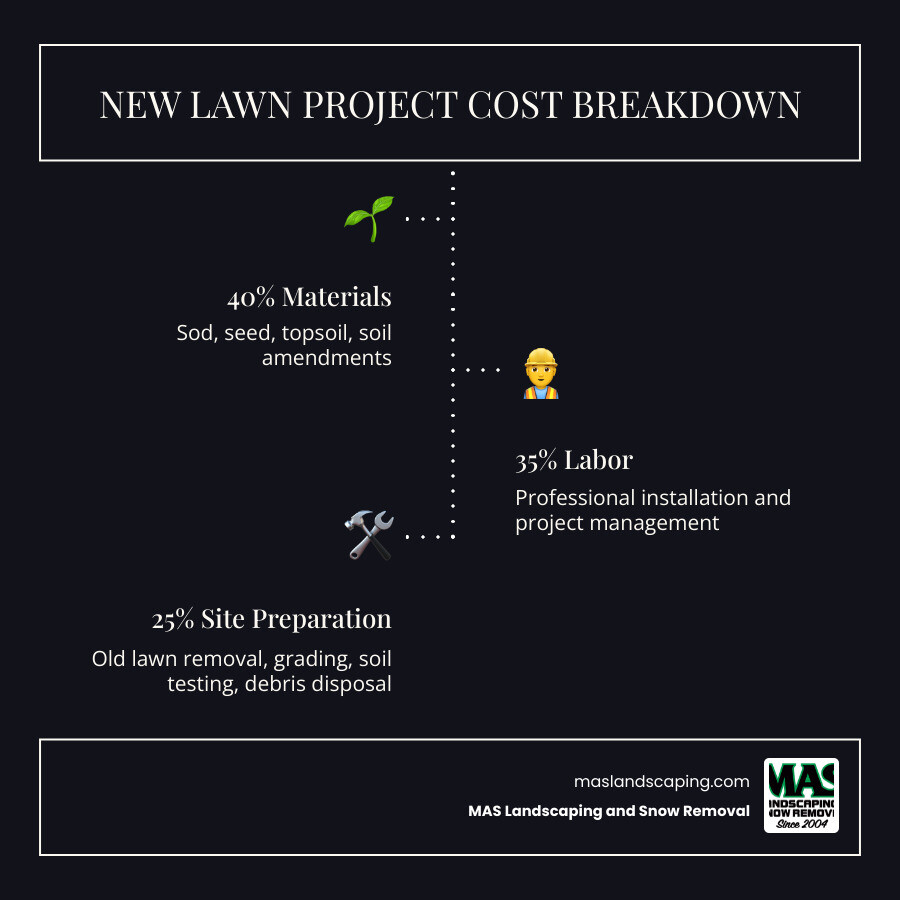
For a typical 1,000-square-foot lawn, professional installation can range from $1,000 to $6,000. Crucially, site preparation—including grading, soil amendment, and old lawn removal—can add another $1,000 to $3,500 to the project.
Understanding these variables is key to budgeting confidently. Whether you choose the instant gratification of sod, the budget-friendly approach of seeding, or the efficiency of hydroseeding, knowing the cost structure helps you make the right choice for your property and wallet. Let’s break down what goes into the cost of a new lawn.
Basic cost of laying a new lawn terms:
- how to prepare ground for sod
- how to care for new sod
- cost of new lawn irrigation system installation
Lawn Installation Methods: A Cost-Benefit Analysis
Choosing your lawn installation method is a balance of budget, timeline, and expectations. Sod offers instant results, seeding is a budget-friendly project, hydroseeding is an efficient middle ground, and artificial turf provides a no-maintenance solution. Let’s compare these options.
Disclaimer: All prices mentioned are national averages for informational purposes and are not a direct quote for services. Costs can vary significantly based on location, project complexity, and specific material choices.
Sod Installation: The Instant Gratification Option
Sod is pre-grown grass that is rolled out like a carpet for an instant lawn. It’s the fastest way to achieve a lush, mature look.

The cost of laying a new lawn with sod is typically $2 to $6 per square foot installed. For a 1,000-square-foot lawn, this averages $1,000 to $6,000.
- Pros: Instant curb appeal, weed-free start, immediate erosion control.
- Cons: Higher upfront cost, fewer grass varieties available, heavy and labor-intensive to install.
- Establishment: Roots take hold in 10-14 days, and the lawn is ready for light use in 2-3 weeks. Learn more about how to prepare ground for sod.
Lawn Seeding: The Budget-Friendly Classic
Seeding involves spreading grass seed over prepared soil. It’s the most traditional and affordable method, but it requires patience.
The total cost of laying a new lawn via seeding is usually $1 to $3 per square foot installed, with most projects falling between $500 and $1,800.
- Pros: Low material cost, vast selection of grass types, can develop a very strong root system adapted to your soil.
- Cons: Takes 1-2 years for full maturity, vulnerable to weeds and washout, requires consistent watering.
- Establishment: Seeds germinate in 7-21 days, but the lawn remains delicate for months.
Hydroseeding: The Efficient Large-Area Solution
Hydroseeding involves spraying a slurry of seed, mulch, and fertilizer onto the soil. This method promotes fast germination and is excellent for large or sloped areas.
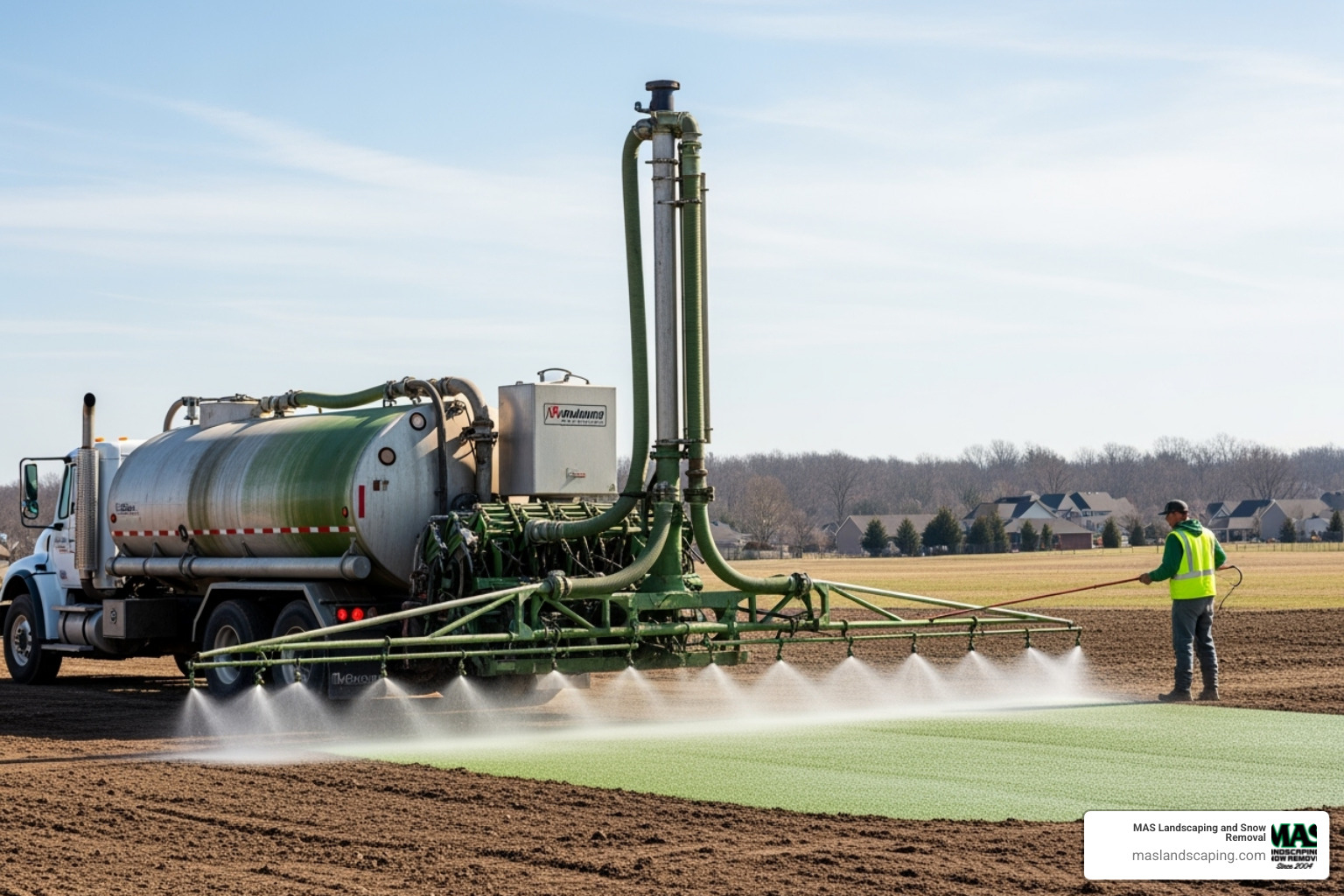
The cost of laying a new lawn with hydroseeding ranges from $1.00 to $3.00 per square foot including prep and labor. The application itself costs around $0.50 to $1.50 per square foot. A 2,000-square-foot project might cost $1,000 to $3,500.
- Pros: Faster germination than dry seeding, excellent for erosion control on slopes, cost-effective for large properties.
- Cons: Requires professional equipment, needs consistent watering, not as instant as sod.
- Establishment: Sprouts appear in 3-4 weeks, offering a middle ground between seeding and sod.
Artificial Turf: The Low-Maintenance Investment
For those seeking a perpetually green lawn with no mowing or watering, artificial turf is the ultimate solution. It’s a synthetic surface installed over a prepared base.
The cost of laying a new lawn with artificial turf is the highest, ranging from $6 to $20 per square foot installed. A full project can cost anywhere from $2,500 to $10,000 or more.
- Pros: Zero maintenance (no mowing, watering, or fertilizing), always green, extremely durable (lasts 15-25 years).
- Cons: High initial investment, can get hot in direct sun, synthetic feel, environmental concerns with disposal.
Artificial turf is a transformative choice for the right situation. Our team offers comprehensive Landscape Installation Services to help evaluate all options for your property.
Key Factors That Drive the Total Cost of Laying a New Lawn
You’ve probably noticed that when you ask around about lawn installation costs, you get wildly different answers. That’s because the cost of laying a new lawn isn’t just about the grass itself – it’s shaped by a whole range of factors unique to your property and project.
Think of it like building a house. The materials matter, sure, but so does the foundation, the lot size, the terrain, and all those finishing touches that make it truly yours. Your lawn is no different. Let’s walk through the key variables that will affect your final price tag.
Disclaimer: All prices mentioned are national averages for informational purposes and are not a direct quote for services. Costs can vary significantly based on location, project complexity, and specific material choices.
Site Preparation: The Foundation of Your Lawn’s Cost
Proper site preparation is non-negotiable for a healthy lawn and can often account for a significant portion of the budget. Proper site preparation is critical for success, and skimping here leads to future problems. Key steps include:
- Old Lawn and Debris Removal: Stripping away old turf and clearing rocks, roots, or construction debris.
- Soil Testing and Amending: Analyzing soil pH and nutrient levels to add what’s missing, like topsoil or compost.
- Grading and Leveling: Ensuring the ground is smooth and sloped correctly to prevent water from pooling or running toward your foundation. This is crucial for older properties in areas like Malden and Everett.
- Tilling: Loosening compacted soil to allow roots, water, and nutrients to penetrate deeply.
Thorough preparation is the difference between a thriving lawn and a struggling one. Our guide on How to Prepare Ground for Sod details this critical process.
Lawn Size, Shape, and Accessibility
While a larger lawn costs more overall, the cost per square foot often decreases with size due to economies of scale. However, complexity is a major factor. An irregularly shaped yard with many curves, garden beds, and trees requires more time for cutting and fitting than a simple rectangle.
Slopes also add to the cost, as they require extra labor and measures to prevent erosion. Furthermore, accessibility matters. Properties in Lynnfield and Saugus with narrow gates or fences may require materials to be hand-carried, increasing labor time and costs. Our Yard Design services account for these unique property characteristics.
Choice of Grass Type and Materials
Not all grass is created equal, and your choice here affects both what you’ll pay upfront and what you’ll spend on maintenance for years to come.
Disclaimer: All prices mentioned are national averages for informational purposes and are not a direct quote for services. Costs can vary significantly based on location, project complexity, and specific material choices.
- Common Varieties: Standard blends like Kentucky Bluegrass are often more affordable. Fescue is great for shady areas, while Ryegrass germinates quickly and is often used in mixes.
- Climate Suitability: Choosing a grass type that thrives in the Massachusetts climate is a long-term investment. A grass suited for our region will require less water, fertilizer, and overall maintenance than one fighting the environment.
- Specialty Sod: Drought-tolerant or deep-shade varieties may have a higher initial material cost but can save money and effort over time.
For a deeper dive, see our guide on the Cost of Grass Installation.
Additional Services and Labor Rates
Once you’ve got the basics covered – the grass, the prep work, the installation – there are several additional services that can transform your lawn project from functional to fantastic.
Disclaimer: All prices mentioned are national averages for informational purposes and are not a direct quote for services. Costs can vary significantly based on location, project complexity, and specific material choices.
- Labor Costs: Professional labor rates vary by skill and task complexity. Experienced installers work efficiently and prevent costly mistakes.
- Sprinkler System Installation: The perfect time to install an irrigation system is when the ground is already open. It ensures your new lawn gets the consistent water it needs.
- Landscaping and Edging: Creating clean borders and integrating new garden beds provides a polished, professional look.
- Debris Removal: Hauling away old turf, soil, and rocks incurs disposal fees.
Our Full Service Landscape Installation coordinates all these elements for a seamless project.
DIY vs. Professional: Calculating Your New Lawn Installation Cost
Once you’ve chosen your lawn type, the next big decision is whether to install it yourself or hire professionals. This choice is a trade-off between saving on labor costs and investing in expertise and efficiency.
The DIY Project: Potential Savings and Hidden Expenses
The main appeal of DIY is cost savings on labor. For a 1,000-square-foot sod project, you might spend $700 to $2,500 on materials alone, compared to a higher professional quote.
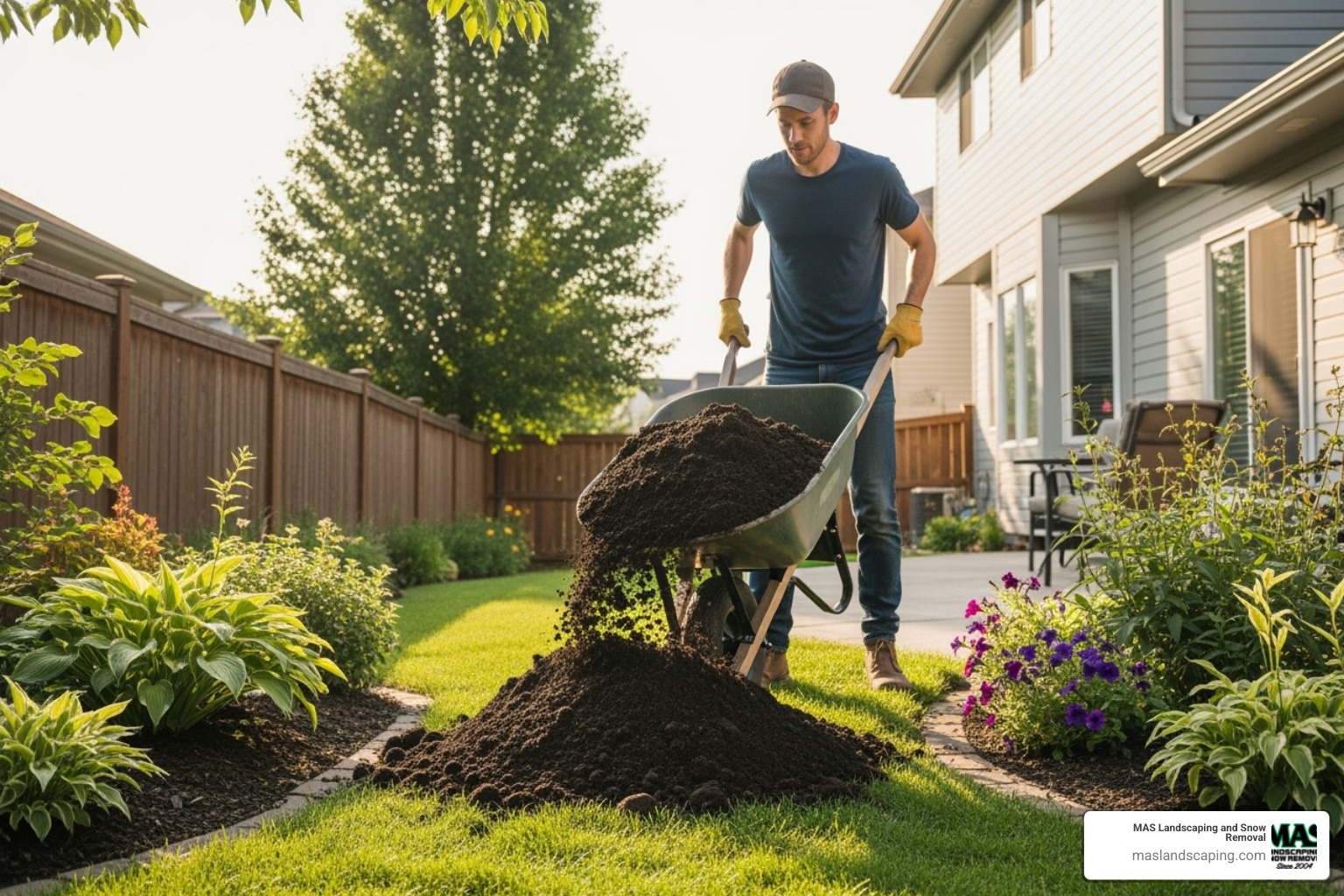
However, consider the hidden costs:
- Equipment Rentals: You’ll likely need to rent a tiller, sod roller, or sod cutter ($50-$100 per day each).
- Disposal Fees: Renting a dumpster for old turf and debris can cost $60 to $450 or more.
- Time and Labor: Site prep and installation are physically demanding and time-consuming. A project that takes a pro crew one day could take you an entire weekend.
- Risk of Mistakes: Improper grading, poor soil prep, or incorrect watering can lead to a failed lawn, costing more to fix than the initial professional installation.
Hiring a Professional: The Cost of Laying a New Lawn with an Expert
When you hire a professional team, you’re not just paying for someone to lay grass. You’re investing in expertise, efficiency, and accountability.
A professional service gives you a turnkey experience. From the moment we arrive to assess your property, through the final watering instructions, everything is handled. Old lawn removal? Done. Soil testing and amendments? Taken care of. Precise grading and leveling? That’s standard.
The cost of laying a new lawn with professionals includes all of this, plus the peace of mind that comes with experience. Our teams have installed hundreds of lawns. We know exactly how to prepare your specific soil type. We understand the drainage patterns common to properties in Saugus, Everett, Lynnfield, and Malden. We’ve solved problems you haven’t even thought of yet.
When you get an itemized quote, you see exactly where your money goes. Materials, labor, site preparation, disposal—it’s all spelled out clearly. No surprises, no hidden fees.
Professional installation also typically comes with guarantees. If something doesn’t take root properly or there’s an issue with the installation itself, we stand behind our work. That’s a safety net you simply don’t have with DIY.
For many homeowners, that trade-off makes perfect sense. The initial investment might be higher, but the long-term value, quality, and time saved often make professional installation the smarter choice. If you’re ready to explore what a professional approach looks like, check out our Sod Installation services.
Beyond Installation: Budgeting for Long-Term Lawn Health
The cost of laying a new lawn extends beyond the installation day. Protecting your investment requires ongoing care, especially during the critical first year as the root system establishes.
Watering, Fertilizing, and Mowing Your New Lawn
Proper care in the first few weeks is crucial for long-term success.
- Watering: This is your top priority. New sod requires daily, deep watering for the first two weeks to keep the soil consistently moist. After that, transition to less frequent, deeper watering (about one inch per week). For seeded lawns, light, frequent watering is needed to keep seeds from drying out during germination.
- Mowing: Wait until new sod is about three inches tall (usually 2-3 weeks) before the first mow. Set your mower to its highest setting to avoid stressing the young grass.
- Fertilizing: A starter fertilizer helps kickstart growth. Plan for annual or semi-annual fertilization in the spring and fall to maintain health. Our guide on the Best Fertilizer for New Sod provides specific recommendations.
- Weed and Pest Control: Be vigilant, especially with new seed, as weeds can quickly take over. Proactive treatments prevent small problems from becoming costly infestations.
For a complete roadmap, see our guide on How to Care for New Sod.
The Best Time of Year to Install and Its Effect on Price
Timing your installation can impact both cost and success. Spring and fall are the ideal seasons for laying a new lawn in New England. The cooler temperatures and reliable moisture reduce stress on new grass, promoting strong root growth.
- Spring offers a long growing season, but it’s also peak demand for landscapers.
- Fall is often considered the best time, as warm soil and cool air are perfect for root establishment with less weed competition.
Summer and winter installations are risky due to heat stress and frozen ground. While spring and fall are the busiest times, they give your investment the best chance to thrive, reducing the risk of costly repairs later.
Frequently Asked Questions about New Lawn Costs
Investing in a new lawn is a big decision. Here are answers to some common questions about the cost of laying a new lawn and the installation process.
How soon can I walk on my new sod?
Patience is key. While sod looks ready instantly, its roots need time to anchor into the soil.
- Light Foot Traffic: Avoid walking on it for the first two weeks.
- Heavy Foot Traffic: Wait at least 4-6 weeks before allowing kids, pets, or lawn furniture on the grass.
To check if it’s ready, gently lift a corner. If you feel resistance, the roots are taking hold. The longer you wait, the stronger your lawn will be.
Is sodding better than seeding for a new lawn?
The “better” method depends on your priorities: budget, timeline, and desired results.
- Choose Sod if: You need instant results, want to prevent erosion quickly, and have a larger budget. It provides a mature, weed-free lawn on day one.
- Choose Seeding if: Your primary concern is budget, you have time to wait for the lawn to mature (1-2 years), and you want the widest possible selection of grass types.
Hydroseeding offers a compromise, with faster results than seeding but at a lower cost than sod.
What is the cost difference between residential and commercial sodding?
While the basic process of laying sod is similar whether it’s for a home or a business, there can be notable differences in pricing and project scale between residential and commercial sodding projects.
- Commercial Projects: These are typically large-scale (e.g., sports fields, corporate parks) and benefit from economies of scale. The cost per square foot is often lower, potentially ranging from $0.75 to $2.50, due to bulk material pricing and efficient, open-area installation.
- Residential Projects: These are smaller and often more intricate, requiring work around existing landscapes, patios, and tight spaces. This detailed labor results in a higher cost per square foot, typically from $2 to $6 or more.
While the per-foot rate is higher for residential sod replacement, the project comes with personalized attention custom to your property’s unique needs.
Disclaimer: All prices mentioned are national averages for informational purposes and are not a direct quote for services. Costs can vary significantly based on location, project complexity, and specific material choices.
Conclusion: Your Path to a Perfect Lawn
So here we are, at the end of our journey through the ins and outs of the cost of laying a new lawn. If you’ve made it this far, you’re no longer guessing at what it takes to turn that bare patch of dirt into a lush, green oasis. You’ve got the knowledge to make smart, confident decisions about your lawn project.
We’ve walked through the different installation methods—whether you’re drawn to the instant gratification of sod, the patience and savings of traditional seeding, the efficiency of hydroseeding for larger areas, or even the zero-maintenance appeal of artificial turf. Each path has its own cost structure, timeline, and set of trade-offs. What matters most is finding the one that fits your property, your schedule, and your budget.
But the method itself is just one piece of the puzzle. The real foundation of a healthy, beautiful lawn lies in proper site preparation. It might not be the most glamorous part of the project, but getting the ground right—removing old turf, testing and amending soil, grading for proper drainage—is what separates a lawn that thrives for decades from one that struggles from day one. And once your new grass is in, the care you provide in those critical first weeks and months will protect your investment for years to come.
A new lawn is more than just grass. It’s an outdoor sanctuary where your family gathers, where kids play, where you relax after a long day. It’s curb appeal that makes you smile every time you pull into the driveway. It’s an investment in your home’s beauty and usability that pays dividends in countless ways.
For homeowners in Saugus, MA, and the surrounding communities—Everett, Lynnfield, Malden, Melrose, Medford, Revere, and Chelsea—you don’t have to tackle this alone. The team at MAS Landscaping brings local expertise, professional equipment, and a genuine commitment to creating outdoor spaces that work for you. We understand New England soil, climate, and the unique challenges of our region.
Ready to turn your vision into reality? Contact Us today for a consultation on your Landscape Design. Let’s work together to bring your dream lawn to life—a green space you’ll be proud of for years to come.
