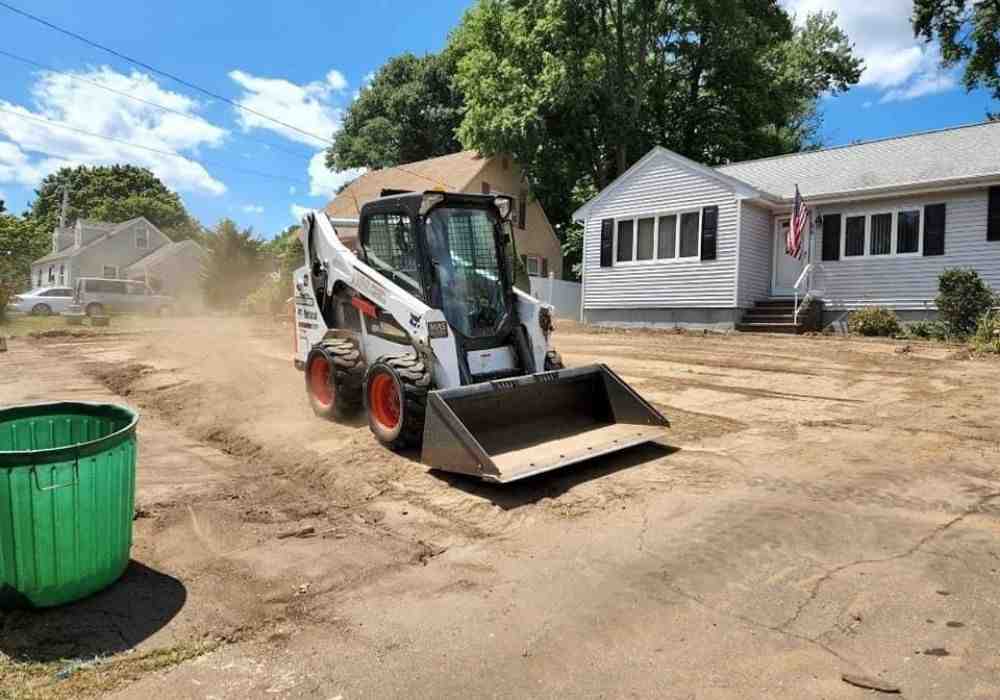



Why Foundation Digging Services Are Critical for Your Construction Project

Foundation digging services are the essential first step in any construction project, creating the stable base that determines your structure’s integrity and longevity. Whether building a new home, adding a basement, or making structural improvements, professional excavation ensures your project starts on solid ground.
Key services include site assessment, precise excavation based on building plans, grading for proper water drainage, utility management, and backfilling to prevent settling. This process is far more complex than simply digging a hole. As one excavation professional with over 20 years of experience notes, “countless variables can ruin the excavation process if due care is not taken. Even the tiniest errors in excavation can cause significant short-term and long-term damage.”
The stakes are high, as your foundation supports everything above it. A proper excavation prevents water damage, structural cracks, and costly future repairs. It requires specialized equipment and expertise in managing challenges like rocky terrain or high water tables.
Professionals handle everything from site clearing to final grading, ensuring compliance with building codes and obtaining necessary permits. For property owners in the Greater Boston area, understanding this process helps you make informed decisions and avoid expensive mistakes.
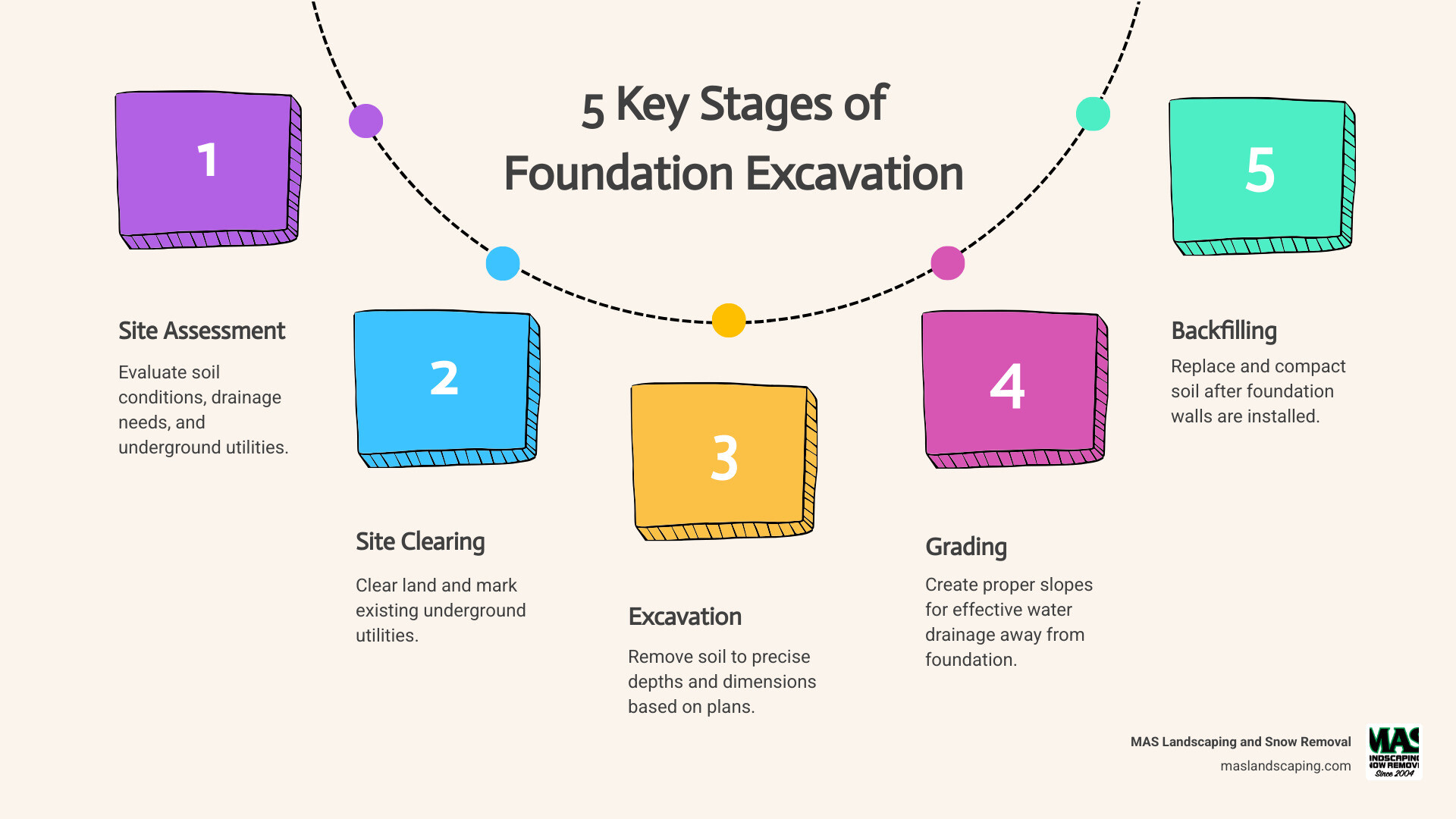
Key Foundation digging services vocabulary:
The Professional Foundation Digging Process
When we undertake a foundation digging services project, we’re not just moving dirt; we’re carefully preparing the canvas for your future structure. The process is a series of orchestrated steps designed for precision and stability.
It begins with a thorough site assessment on your property in areas like Saugus, Everett, or Lynnfield, where we evaluate the land, identify challenges, and develop a custom plan. Next is crucial soil testing. The soil type—be it sandy, clay-heavy, or rocky—guides our equipment choices and digging methods to anticipate issues like unstable ground.
With a clear plan, site clearing begins, removing vegetation and debris to prepare for heavy machinery. Then comes the excavation, where we use specialized equipment to dig the foundation to the precise depths in your architectural plans. Accuracy is paramount to prevent future problems.
After digging, grading shapes the land to direct water away from the foundation, preventing pooling and potential damage. We may also install drainage systems like trench drains or dry wells for comprehensive water management. Finally, after the foundation walls are built, we perform backfilling, carefully compacting soil around the foundation to prevent settling and ensure long-term stability.
For more information about how we manage the land around your property, check out our insights on More info about yard clean ups.
Types of Foundation Digging Services
Every building is unique, and so are the foundation digging services required. We offer specialized excavation for residential and commercial projects across Melrose, Medford, and our other service areas.
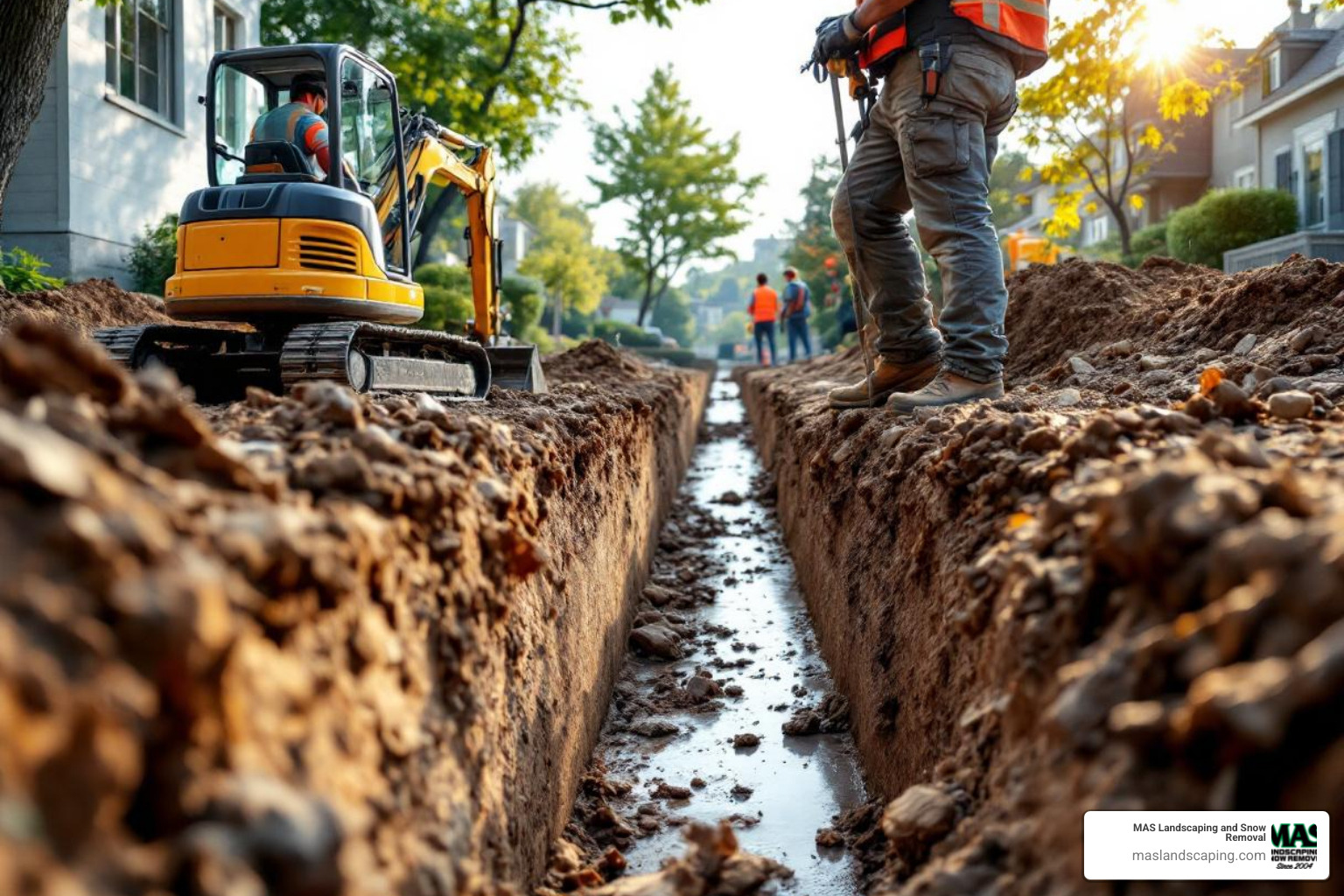
- Basement Excavation: This involves digging deep to create space for a full basement. It’s a complex process managing soil, water, and potential utility rerouting, even under existing homes.
- Crawl Space Digging: We create a shallow space beneath the first floor for access to plumbing and wiring. It’s a more economical option that still requires precision for moisture control.
- Slab-on-Grade Preparation: For garages or additions, we excavate a shallow area for a concrete slab to be poured directly on the ground, requiring careful grading for a level base.
- Footing Excavation: Crucial for all foundation types, we dig trenches for footings—the widened concrete base that distributes the structure’s load and prevents settling.
The main difference between Residential vs. Commercial projects is scale. Commercial jobs often require deeper excavations, extensive shoring, and adherence to stricter building codes, but our commitment to accuracy remains the same for any project size.
To see how we use versatile equipment for various excavation tasks, visit our More info about bobcat services.
The Importance of Grading, Drainage, and Backfilling
Once the hole is dug, the job isn’t over. The critical steps of grading, drainage, and backfilling are the unsung heroes of your foundation’s long-term health, protecting your investment from the varied New England climate.
Proper water flow is paramount. We grade the land to create subtle slopes that guide water away from the structure, preventing seepage into your basement or crawl space that can cause mold and structural damage. This directly prevents water damage by protecting your foundation from hydrostatic pressure and erosion.
Soil stability is another cornerstone. During backfilling, we use proper compaction techniques, layering and compacting the soil to optimal density. This prevents future settling, which could otherwise lead to cracks in foundation walls or uneven floors. These steps safeguard your foundation integrity, minimizing future maintenance and ensuring the safety of your building.
To improve drainage, we can install systems like French drains or sump pumps as part of our comprehensive water management solutions. For projects that require robust earth retention, consider exploring our More info about retaining wall installation.
Decoding the Costs of Foundation Digging Services
Understanding the cost of foundation digging services is a top concern for property owners in Revere, Chelsea, and beyond. The price isn’t just about moving dirt; it’s a complex calculation influenced by numerous variables that impact the safety and longevity of your structure.

The primary cost drivers are project size and excavation depth. A deeper, wider excavation requires more labor, equipment time, and soil removal. Soil type is also a huge factor; digging through loose sand is far easier and cheaper than excavating dense clay or solid rock, which may require specialized equipment. Site accessibility on tight urban lots or sloped backyards can also increase labor and project duration.
Other factors include labor rates for skilled operators, equipment costs, debris removal for hauling away excavated soil, and non-negotiable permit fees from local municipalities, which can range from $1,200 to $2,000+.
Key Factors That Influence Your Final Bill
When we provide an estimate for foundation digging services, we consider several factors that shape the final bill. The most obvious are square footage and depth. However, soil composition is a game-changer. Our experience in areas like Malden and Medford helps us anticipate challenges from high clay or rock content, which increases labor and equipment needs.
| Cost Factor | Simple Slab Excavation | Full Basement Excavation |
|---|---|---|
| Depth Required | Shallow (e.g., 1-2 feet for footings) | Deep (e.g., 8-10 feet for basement walls) |
| Volume of Soil | Low | High |
| Equipment Needed | Smaller excavators, bobcats | Larger excavators, potentially specialized rock breakers |
| Shoring/Support | Minimal to none | Often required for safety |
| Dewatering Needs | Less likely, or simple solutions | More likely, complex systems if high water table |
| Utility Rerouting | Less common | More common, especially for existing homes |
| Permit Complexity | Simpler | More complex, higher fees |
| Overall Cost | Lower | Significantly higher |
For existing structures, other costs can arise. House lifting to excavate a new basement can cost between $3,045 and $9,379. Underpinning, or strengthening an existing foundation, can add $5,000 to $25,000+ to the project. Utility rerouting for water or electrical lines may cost between $1,000 and $5,000+, while permit costs for excavation can range from $1,200 to $2,000+.
For a deeper dive into our excavation capabilities, visit our Foundation Digging Services page.
Average Project Costs: What the Data Says
Please note: The following figures are national averages based on publicly available data and do not represent a quote from MAS Landscaping. Costs can vary significantly based on your project’s specific details.
When budgeting for foundation digging services, it’s helpful to know national averages, but local conditions and project specifics will dictate the final price.
- New Basement Excavation: Creating a new basement under an existing home can range from $10,000 to $90,000+. Costs per square foot typically fall between $30 and $75 but can reach $225+ for complex projects.
- Depth Adjustment: Lowering an existing basement floor may cost $50 to $250+ per square foot.
- Pouring a New Foundation: The cost for the floor, footing, and walls can range from $10,000 to $40,000+.
- Basement Expansion: Expanding an existing basement could cost $20,000 to $70,000+.
- Other Potential Costs: Utility rerouting ($1,000 – $5,000+), exterior access points ($2,500 – $10,000+ each), and soil stabilization ($1,000 – $5,000+).
Foundation work is a substantial investment, but it is essential to the success and safety of your construction project.
Risks, Regulations, and Why Professionals are Essential
Starting on a foundation digging project is not a DIY endeavor. The ground beneath our feet holds many secrets, and disturbing it without expertise carries significant risks. This is why hiring professional foundation digging services is a necessity, not a convenience.
Immediate dangers include structural risks to nearby properties from improper excavation, which can cause settling or even collapse. Hitting underground utility lines can lead to dangerous leaks, outages, and costly repairs. Soil collapse is a serious safety hazard for workers in the trench, and uncontrolled water issues from a high water table can flood a site, increasing costs and compromising the foundation.
The contrast between DIY vs. Professional is stark. While saving money is tempting, the complexity, specialized equipment, and dangers of foundation digging make it a job for experts. Professionals bring experience, the right machinery, and a deep understanding of safety protocols, and they handle all necessary permits and inspections.
Ensuring Safety During Foundation Digging Operations
Safety is the bedrock of our foundation digging services. We prioritize strict safety measures to protect our team, your property, and the public.
For deep excavations, we use critical safety tools like trench boxes and shoring systems to prevent trench walls from collapsing. We also implement comprehensive site security, including fencing and warning signs, to prevent unauthorized access to the hazardous work zone.
Our highly trained operators are skilled in both operating heavy machinery and recognizing potential hazards. Before any work begins, we develop detailed emergency plans for responding to any accidents. Finally, we strictly adhere to all safety codes, including federal OSHA regulations for excavation and trenching, as well as specific municipal requirements in areas like Lynnfield, Malden, and Melrose. Our commitment to safety ensures every project is completed without incident.
Navigating Permits and Local Regulations
Navigating the labyrinth of regulations and permits is an indispensable part of any foundation digging services project. Skipping this step can lead to costly delays, fines, or even demolition orders.
Every town, from Saugus to Everett, has specific building codes and zoning laws that govern construction, excavation depths, and property line setbacks. We are well-versed in these local codes and ensure every project meets or exceeds these standards. The permit application process can be complex, involving detailed plans and site surveys. We guide our clients through this process to avoid legal issues and ensure all documentation is submitted correctly.
Once a permit is issued, it comes with inspection requirements at various stages. We coordinate these inspections with local building officials to ensure your project progresses smoothly and legally. Adhering to these regulations isn’t just about compliance; it’s about building a safe, durable structure.
How to Choose a Reliable Foundation Contractor
Choosing the right contractor for your foundation digging services is the most critical decision for your construction project. You need a partner with proven experience, proper credentials, and a commitment to quality.
When evaluating contractors, prioritize the following:
- Experience: Look for experience in foundation digging, especially within your local area. This means they understand local soil conditions and regulations.
- Licensing and Insurance: A legitimate contractor must be licensed and carry comprehensive general liability and worker’s compensation insurance. This protects you from liability.
- Local Reputation: Check references and online reviews from past clients in towns like Everett, Lynnfield, or Saugus. A strong local reputation is invaluable.
- Portfolio of Work: Request to see a portfolio to assess the quality and scope of their previous foundation projects.
- Detailed Quotes: Insist on a clear, itemized quote that outlines all costs. Be wary of vague estimates.
- Communication: A good contractor is responsive, transparent, and willing to answer all your questions.
Finding the Right Local Expert
For foundation digging services in the Greater Boston area, a local expert is key. At MAS Landscaping, we understand the unique geological conditions and regulatory landscape of communities like Malden, Melrose, and Revere.
To find a reliable local expert, check online reviews, ask for local references, and always verify their credentials. Most importantly, ensure they have deep knowledge of local soil conditions, as this expertise is crucial for handling your project efficiently and safely. Our experience with local geology means we can anticipate and plan for various ground conditions, ensuring your project is handled with the utmost care.
Check out our More info about our reviews to see what our clients say about us.
Frequently Asked Questions about Foundation Digging
We often get questions about foundation digging services, and we’re happy to clarify common queries from property owners. It’s important that you feel informed and confident about your project.
How long does it take to dig a foundation?
The timeline for foundation digging services varies significantly. The most influential factors are project size and complexity. A small, shallow footing takes far less time than a full, deep basement. Weather delays, especially in Massachusetts, can also impact the schedule. The type of equipment used also affects speed; larger excavators are faster but may not fit on tight sites.
Generally, the excavation phase can take anywhere from a few days to several weeks. However, the entire project, from assessment to backfilling, can take several months, including time for permits and inspections.
How does soil type affect foundation digging?
The soil beneath your property profoundly impacts foundation digging services. Understanding how soil type affects foundation digging is crucial for planning and cost.
- Clay soil is dense and can be difficult to dig, often requiring more powerful equipment. It also retains water, creating drainage challenges.
- Sandy soil is easier to excavate but can be unstable, often requiring more shoring to prevent collapse.
- Rocky terrain is the most challenging, as hitting bedrock can significantly slow a project and increase costs, sometimes requiring specialized rock hammers.
Soil stability and the water table level also influence safety measures, equipment choice, and overall cost. This is why our initial soil testing and site assessment are so vital.
For outdoor projects that also require careful consideration of ground conditions, our insights into More info about patio installation are highly relevant.
What are the signs a foundation needs repair or re-excavation?
Even well-built foundations can develop issues. It’s crucial to recognize the signs a foundation needs repair or re-excavation to address problems early.
Look for these warning signs:
- Wall cracks: Horizontal or step-pattern cracks in basement walls, drywall, or exterior brickwork.
- Floor cracks: Cracks in concrete slabs or uneven floors can point to settlement.
- Sticking doors or windows: This can be a sign that the foundation has shifted, misaligning frames.
- Pooling water: Water in your basement or crawl space indicates a drainage problem that could require re-excavation to fix from the exterior.
- Sagging roofline: A dramatic sign of significant foundation issues.
If you observe any of these signs, consult a professional. Early detection can save you from more extensive and costly repairs.
Conclusion
The journey of any successful construction project begins beneath the surface. Professional foundation digging services are not just about creating a hole; they are about laying the groundwork for enduring strength and stability. From meticulous site assessment to precise excavation and expert grading, each step is critical to safeguarding your investment.
Investing in professional excavation is a significant decision, but it prevents costly future repairs and ensures compliance with local regulations in Saugus, Everett, Lynnfield, and our other service areas. The expertise of a seasoned contractor steers the complexities of soil types and safety protocols, turning potential pitfalls into solid ground.
At MAS Landscaping, we deliver comprehensive and precise foundation digging services. We bring our local expertise and commitment to quality to every project, ensuring your structure stands firm for generations. A perfectly prepared foundation is the ultimate long-term investment in your property’s future.
For all your site preparation and excavation needs, explore our professional bobcat services.