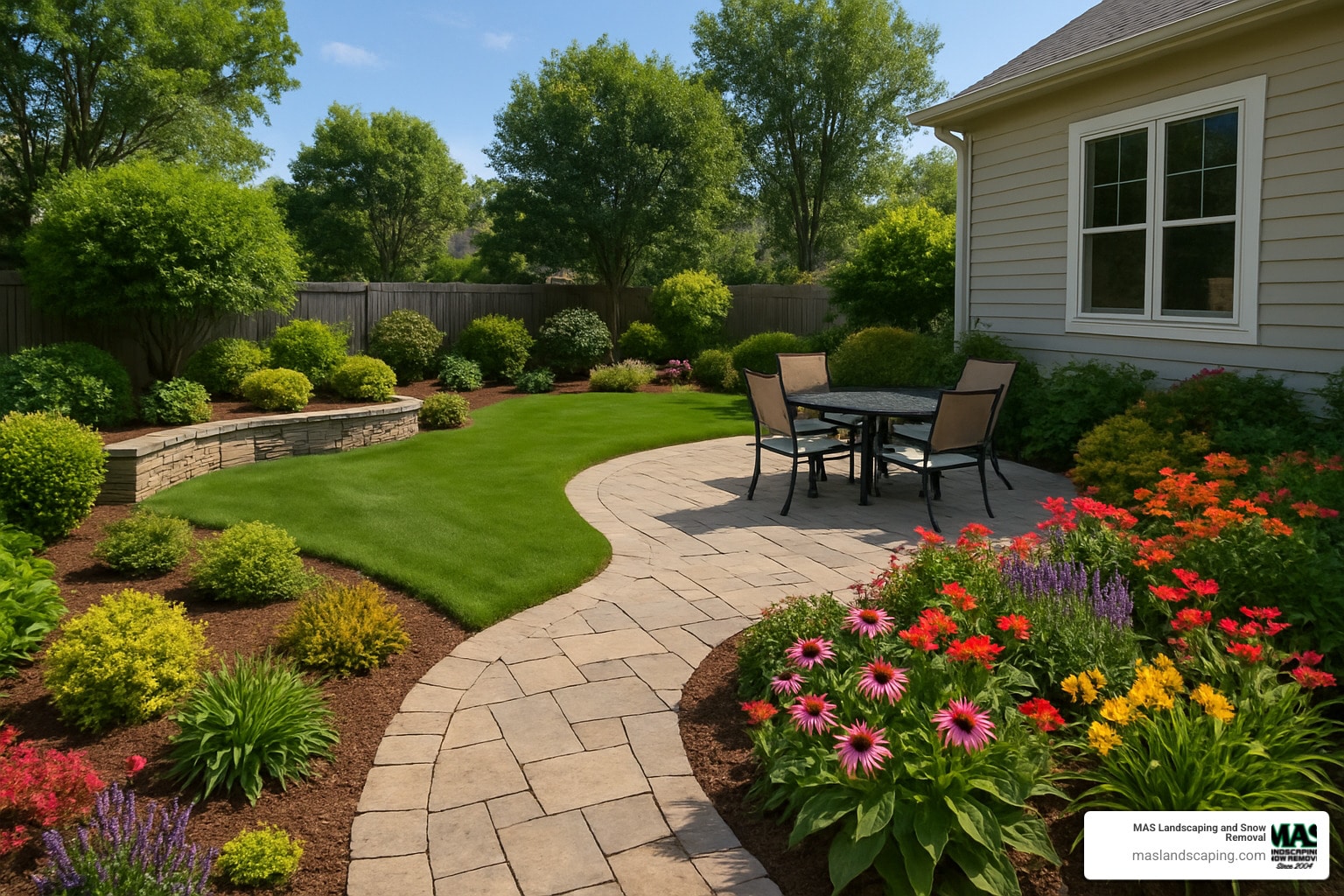



hardscape and landscape: 10 Powerful Ways to Boost Value 2025
The Perfect Outdoor Balance: Hardscape vs. Landscape
Hardscape and landscape are the two essential components that make up any outdoor space. If you’re wondering about the difference:
| Feature | Hardscape | Landscape (Softscape) |
|---|---|---|
| Components | Patios, walkways, retaining walls, driveways, decks | Plants, trees, shrubs, flowers, grass, mulch |
| Materials | Stone, concrete, wood, brick, pavers, gravel | Living plant material, soil, compost |
| Permanence | Long-lasting, structural elements | Seasonal, growing, changing elements |
| Maintenance | Occasional cleaning, sealing (every 1-3 years) | Regular watering, pruning, fertilizing |
| Function | Structure, traffic flow, outdoor living | Beauty, shade, environmental benefits |
When creating an outdoor space, the key is finding the right balance between hard and soft elements. Too much hardscape can make your yard feel cold and commercial, while too much landscape alone can appear wild and unkempt.
Most landscape designers recommend a 60/40 ratio – with hardscape providing the backbone and structure, while softscape adds life, color, and seasonal interest. This balance creates functional outdoor spaces that remain visually appealing and environmentally sound.
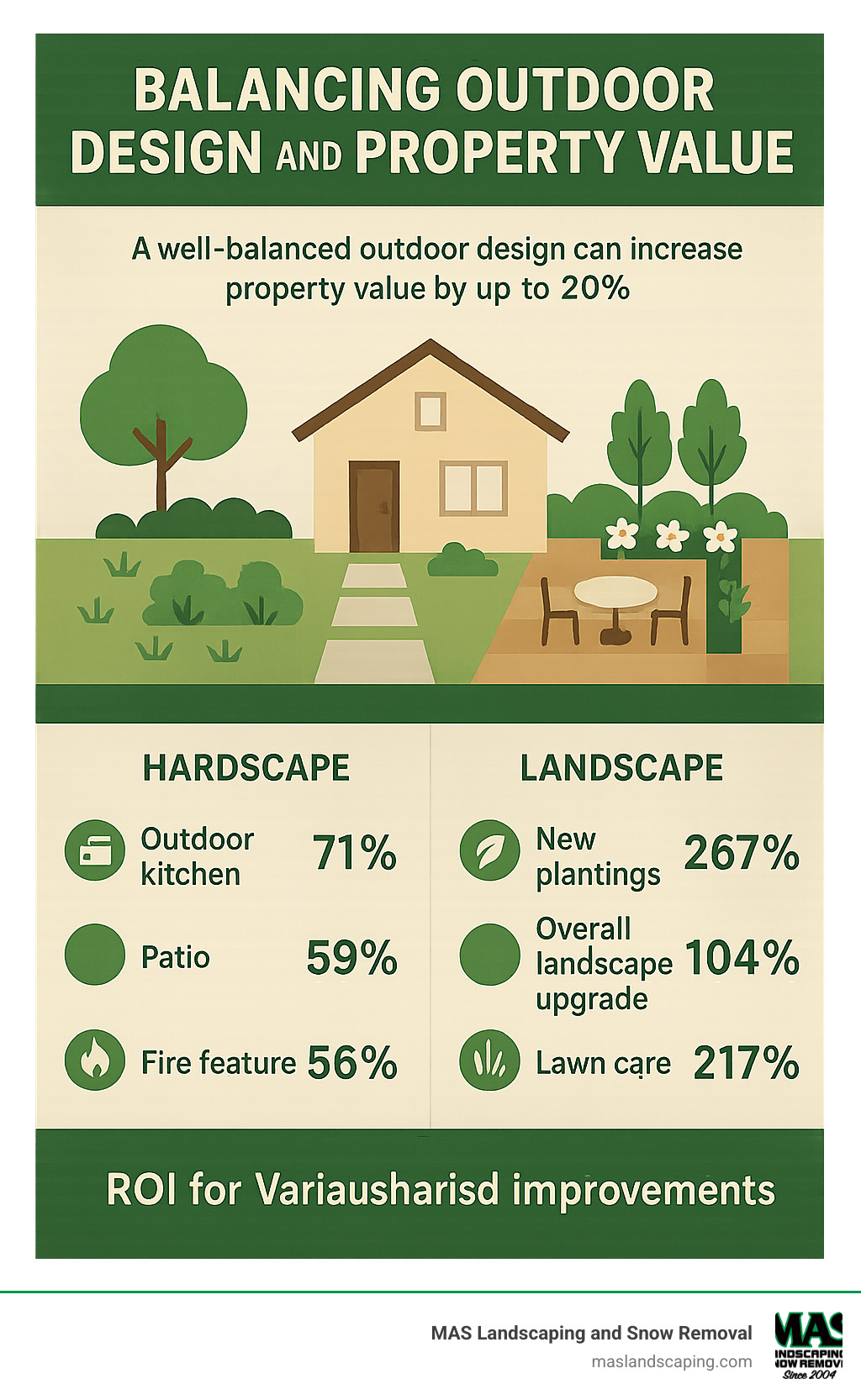
According to a survey by the National Association of Realtors, a well-designed outdoor space that balances hardscape and softscape elements can add up to 20% to your home’s value, with hardscape features like patios offering up to 80% return on investment.
“Hardscape serves as the foundation and structure, while landscape brings the space to life,” explains the American Society of Landscape Architects. “The most successful outdoor designs thoughtfully integrate both.”
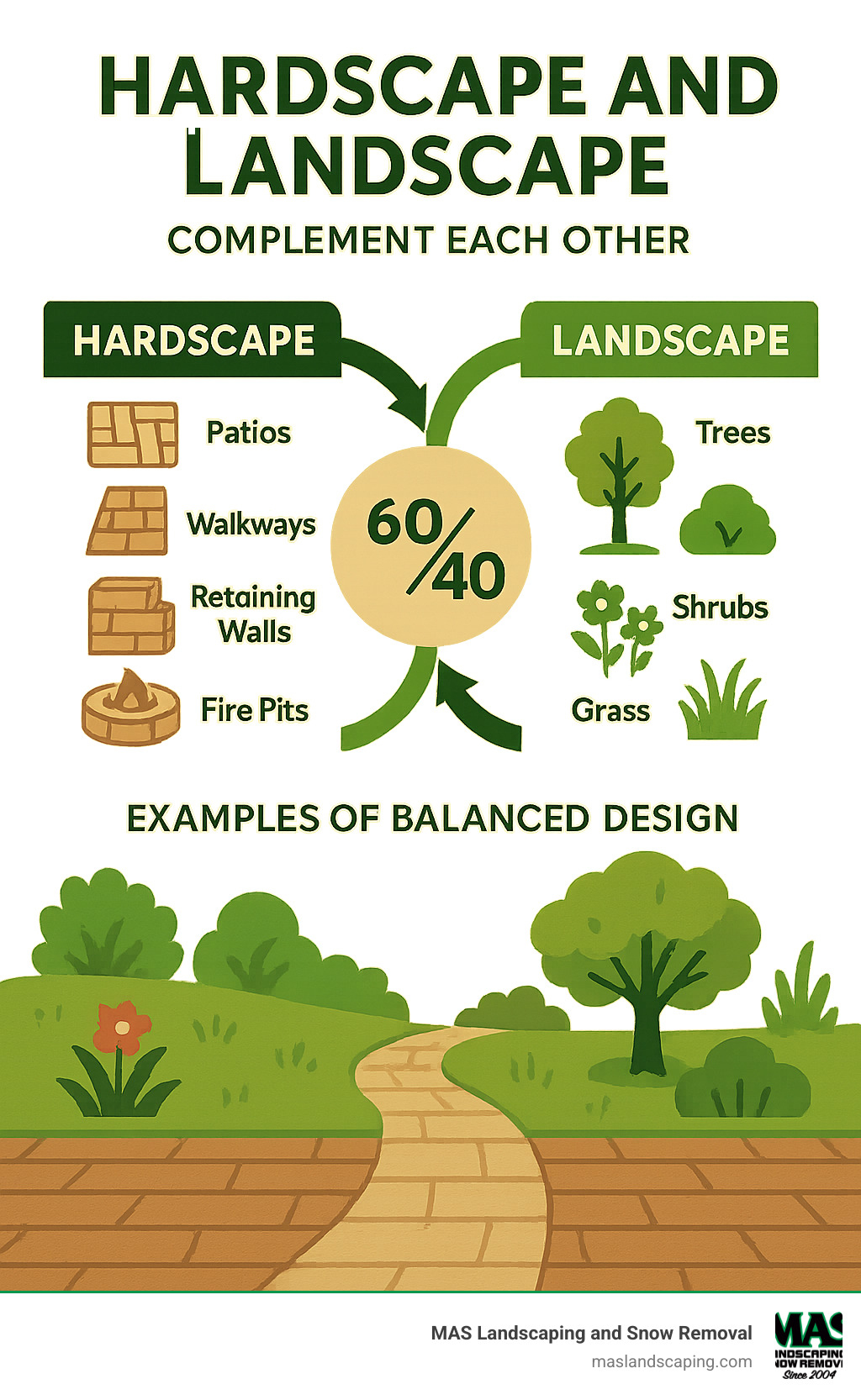
Easy hardscape and landscape glossary:
– grass cutting service near me
– landscape and snow removal services near me
– commercial landscape services near me
Understanding Hardscape and Landscape Basics
When you step outside and look at your yard, everything you see falls into two main categories: hardscape and landscape. Understanding the difference between these elements is like learning the alphabet before writing a story—it’s essential knowledge that helps you create an outdoor space that’s both beautiful and functional.
Think of your yard as having a skeleton and skin. Hardscape elements form the bones—they provide structure, define spaces, and create the framework. Landscape (often called softscape) is like the skin—adding color, texture, and bringing everything to life. When these elements work together in harmony, magic happens.
One key difference is permanence. Your patio or stone wall might last decades with minimal care, while your flowering perennials need regular attention and change with the seasons. This difference in permanence affects everything from initial planning to ongoing maintenance.
The ground beneath both elements matters tremendously. Before installing hardscape, we need to consider proper grading and foundation preparation to prevent settling and water problems down the road. For landscape elements, soil health and drainage directly impact whether your plants will thrive or struggle.
What Exactly Is Hardscape?
Hardscape includes all the non-living, hard elements in your outdoor space—the permanent structures that give your yard its framework and functionality.
When we talk about hardscape and landscape elements working together, we’re referring to how your stone patio might connect to your lawn, or how your retaining wall creates planting beds at different elevations. Common hardscape features include patios, walkways, driveways, retaining walls, outdoor kitchens, fire pits, pergolas, stone edging, water features, and outdoor lighting fixtures.
The term “hardscape” itself is defined by Merriam-Webster as “structures (such as fountains, benches, or gazebos) that are incorporated into a landscape.” These elements are typically crafted from materials like concrete, natural stone, brick, wood, or modern composites.
Beyond just looking good, hardscape serves critical practical purposes. A properly designed retaining wall prevents erosion on a sloped yard. Strategically placed patios create usable outdoor living space. And in our New England climate, thoughtful hardscaping can help manage snow accumulation and spring thaw runoff—something our Lynnfield and Melrose clients particularly appreciate.
What Exactly Is Landscape (Softscape)?
Landscape—or softscape—encompasses all the living elements that grow, bloom, and change with the seasons. These are the components that breathe life into your outdoor space and require regular care.
The heart of landscape includes lawns, trees, shrubs, flower beds, ornamental grasses, ground covers, and garden areas. While hardscape provides structure, landscape brings movement, color, and texture. Plants cool your property through transpiration, provide habitat for birds and beneficial insects, absorb carbon dioxide, and produce oxygen—something our urban clients in Revere and Chelsea especially value.
What makes landscape special is its dynamic nature. Your maple tree puts on a different show each season—spring buds, summer shade, fall color, and winter silhouette. This ever-changing canvas requires maintenance but rewards you with continuous beauty and environmental benefits.
Hardscape, Landscape, Masonry—How They Intersect
The terms hardscape, landscape, and masonry often overlap in conversations about outdoor projects, but understanding their distinct meanings helps clarify what you’re looking for.
Masonry is actually a subset of hardscaping—specifically referring to structures built using brick, stone, concrete blocks, or similar materials bound together with mortar. When we create a beautiful stone fireplace or build a brick retaining wall, we’re using masonry techniques within your overall hardscape design.
At MAS Landscaping, we find that understanding these distinctions helps our clients in Saugus, Malden, and throughout our service area communicate their vision more clearly. When someone says they want “landscaping,” they might actually be envisioning a combination of hardscape elements (like a patio) surrounded by complementary plantings.
The connection between your hardscape masonry and your home’s architecture is particularly important. A well-designed stone wall or brick patio should feel like it belongs with your home—using complementary colors, textures, and styles to create a seamless flow between indoor and outdoor living spaces.
Hardscape Elements Homeowners Love
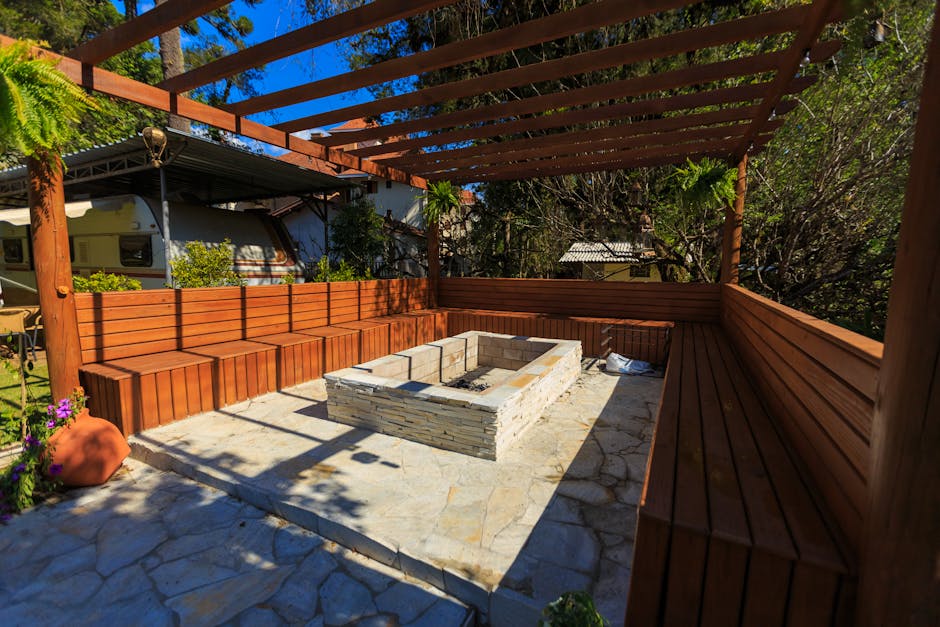
I’ve spent countless afternoons sitting with homeowners in Everett, sipping coffee in Lynnfield backyards, and sketching ideas on Malden patios. One thing becomes clear in these conversations: certain hardscape and landscape features consistently make people’s eyes light up with excitement.
These aren’t just pretty additions to your yard—they’re extensions of your home that transform how you live. Imagine stepping through your back door onto a beautiful stone patio where summer dinners stretch late into the evening, or following a winding pathway that reveals a cozy fire pit perfect for fall gatherings.
The practical side is just as impressive. According to research from the National Association of Realtors, well-designed hardscape elements like patios and outdoor kitchens can recover 80% or more of their cost when you sell. That morning coffee spot you’ve been dreaming about? It’s also a smart investment.
Across our Massachusetts service area, we’ve noticed the most beloved hardscape elements include beautiful patios that serve as outdoor living rooms, walkways that guide movement through the yard, and retaining walls that tame slopes while creating visual interest. Fire features extend your outdoor season well into the crisp New England fall, while outdoor kitchens bring the heart of the home outside. Water features add a sense of tranquility, seat walls provide casual gathering spots, and pergolas create defined spaces with architectural character.
Good hardscape design also considers accessibility—creating smooth, level surfaces that work for everyone, including family members with mobility challenges. This thoughtfulness ensures your outdoor spaces welcome all your loved ones.
You can explore more inspiration in our Gallery: Hardscaping Photos to see how these elements might work in your own space.
Building Blocks & Materials
Here in New England, where we face everything from summer heat waves to winter’s freeze-thaw cycles, choosing the right materials isn’t just about looks—it’s about longevity.
Concrete remains a versatile workhorse, offering economical solutions that can be stamped and colored to mimic more expensive materials. Many of our clients are surprised by how far concrete has come from the plain gray slabs they remember.
Natural stone brings timeless beauty to any project. Whether it’s the cool blues of bluestone, the speckled character of granite, or the warmth of fieldstone, these materials connect your space to the New England landscape. They cost more upfront but often last generations.
Brick offers that classic New England charm many homeowners love, with excellent durability when properly installed. The warm tones complement traditional architecture beautifully.
Pavers give us incredible design flexibility with countless colors, patterns, and textures. They’re also practical—if one gets damaged, we can replace just that piece without disrupting the entire surface.
Gravel provides an affordable, permeable option for paths and driveways. The satisfying crunch underfoot adds a sensory element to your landscape.
Environmental considerations matter more than ever to our clients. Permeable pavers allow rainwater to filter through rather than run off, reducing puddles and helping replenish groundwater. We also frequently recommend locally sourced materials to reduce transportation impacts and support regional businesses.
The harsh Massachusetts winters demand materials that can handle freezing, thawing, salt exposure, and snow removal without deteriorating. Our recommendations always account for these realities to ensure your investment stands the test of time.
Popular Residential Ideas
After helping hundreds of homeowners throughout the North Shore and Greater Boston, I’ve seen which hardscape ideas truly transform properties. These aren’t just trends—they’re proven solutions that improve how people live in their outdoor spaces.
Terraced retaining walls have revolutionized sloped properties across Massachusetts. Instead of an awkward hill you can barely mow, imagine a series of flat, usable spaces for gardens, play areas, or patios. These walls don’t just solve problems—they become beautiful focal points that add architectural interest. Learn more about our approach to Retaining Wall Installation.
Integrated outdoor living spaces combine multiple elements—perhaps a paver patio with built-in seating walls, a fire pit, and ambient lighting—to create true outdoor rooms. I love watching clients’ faces when they first experience these spaces and realize they’ve essentially added another room to their home without the cost of an addition.
The humble walkway has evolved into so much more than a straight concrete path. Transitional walkways with gentle curves, varying materials, and thoughtful plantings guide visitors through your landscape while creating moments of findy. They transform the simple act of moving through your property into an experience.
For homes with pools, the surrounding hardscape is crucial. Pool surrounds require careful material selection for safety and comfort. The right pavers stay cool underfoot on hot days while providing non-slip surfaces when wet. They frame your pool and create the perfect spot for lounging.
Outdoor kitchens have evolved from simple grills to comprehensive cooking spaces with countertops, storage, and sometimes refrigeration. These spaces allow the cook to remain part of the gathering rather than disappearing inside. For many families, these have become the heart of summer entertaining.
Even practical necessities like driveways have tremendous potential. Upgrading from asphalt to pavers or adding decorative borders significantly boosts curb appeal and complements your home’s architecture.
Each of these projects can be custom to your specific style preferences and property needs. Whether you’re drawn to rustic charm, clean contemporary lines, or traditional New England aesthetics, there’s a hardscape solution that will improve your outdoor living experience. Our Patio Design and Installation Near Me service can help you explore options perfect for your space.
Landscape (Softscape) Elements That Bring Spaces to Life

While your patio and walkways provide the backbone of your yard, it’s the living elements that truly breathe life into outdoor spaces. These hardscape and landscape components work together like partners in a dance—one providing structure, the other bringing movement, color, and change throughout the seasons.
Here in Massachusetts, we’ve helped countless homeowners in Saugus, Malden, and Everett transform their properties with thoughtfully selected plantings that thrive despite our challenging New England climate. The magic happens when these living elements complement your hardscape features.
Your lawn areas serve as more than just green carpet—they create usable recreation spaces and give your eye a place to rest between more complex garden elements. A well-maintained lawn connects different areas of your property while providing practical space for everything from family games to summer picnics.
The trees in your landscape work overtime for your property. Beyond their beauty, they create cooling shade in summer, offer privacy from neighbors, provide habitat for birds, and often deliver spectacular fall color. A strategically placed maple or oak becomes a living legacy that increases in value each year it grows.
Shrubs act as the middle layer in your landscape, providing structure and often serving as the transition between taller trees and lower perennials. From flowering hydrangeas to evergreen boxwoods, these versatile plants can define spaces, create natural screens, and offer multi-season interest.
Nothing says “home” quite like perennial gardens that return faithfully each year, evolving and maturing over time. These plant investments pay dividends with reliable blooms and increasingly lush growth. We love helping homeowners select perennials that provide a sequence of blooms from spring through fall.
For those who enjoy change, annual beds deliver intense seasonal color and the freedom to try new designs each year. These temporary plantings are perfect for high-visibility areas near entrances or patios where you want maximum impact.
Don’t overlook the subtle beauty of ornamental grasses that add movement, texture, and often striking winter interest. These low-maintenance plants look particularly striking when backlit by morning or evening sun, and many varieties remain standing through winter, adding structure to the dormant landscape.
In areas where grass struggles to grow, ground covers provide smart alternatives that reduce maintenance while adding texture and sometimes flowers. These workhorses cover soil in difficult spots like steep slopes or deeply shaded areas under trees.
We’re particularly passionate about incorporating native plantings that support local ecosystems. These plants have evolved alongside our local wildlife and typically require less maintenance once established. A patch of native wildflowers not only looks beautiful but also supports pollinators essential to our food supply.
Beyond just looking pretty, your landscape plantings provide crucial environmental benefits. They cool the air through transpiration, reduce erosion during heavy rains, filter pollutants from the air, and create habitat for everything from butterflies to songbirds. In urban settings like Chelsea and Revere, these ecological functions become even more valuable.
The microclimate benefits of thoughtful plantings shouldn’t be underestimated. Those shade trees on the south and west sides of your home can significantly reduce cooling costs in summer while allowing warming sunlight through in winter after they’ve dropped their leaves. Similarly, evergreens on the north side can block biting winter winds, reducing heating costs during our cold Massachusetts winters.
Choosing Plants Wisely
Selecting the right plants for your property combines both art and science. It’s about finding the sweet spot between what looks beautiful, what will actually grow in your specific conditions, and what you can realistically maintain.
Most properties throughout our service area fall within USDA Hardiness Zone 6a or 6b, meaning plants need to tolerate winter temperatures down to around -10°F. This is your first filter when considering plants—if it’s not hardy to Zone 6, it won’t survive our winters without extraordinary measures.
Take time to evaluate the site conditions in different areas of your yard. That sunny, well-drained spot near your driveway offers completely different growing conditions than the shady, moist area on the north side of your house. The most common landscape failures we see come from trying to force plants to grow in conditions they simply can’t tolerate.
We’re big advocates for native species in Massachusetts landscapes. These plants evolved here and generally require less coddling once established. They’ve adapted to our soils, rainfall patterns, and temperature swings. Plus, they provide essential habitat for local wildlife—from the monarch butterflies that depend on milkweed to the songbirds that feed on native berries.
Even in our relatively moist climate, incorporating drought-tolerant plants makes sense, especially in well-drained or exposed areas. These selections reduce water usage and maintenance, particularly during those occasional dry spells we experience in late summer.
Think beyond just spring and summer when planning your landscape. By including plants with seasonal interest throughout the year—spring bulbs, summer perennials, fall foliage, and winter features like colorful bark or persistent berries—you’ll create a landscape that remains engaging year-round.
Be honest about your maintenance capacity. Some plants require regular pruning, deadheading, or division, while others need minimal attention. We help our clients in Lynnfield and Melrose select plants that match their maintenance preferences and capabilities, ensuring long-term success.
Creating biodiversity in your landscape by incorporating a variety of plant species creates resilience against pests and diseases. Monocultures might look tidy and simple, but they’re vulnerable—one disease can wipe out your entire planting. Diverse landscapes not only support more wildlife but also provide insurance against such catastrophic losses.
Softscape Maintenance Essentials
Unlike hardscape elements that might need attention every few years, your living landscape requires ongoing care to thrive. Understanding these maintenance needs helps you plan a landscape you can realistically maintain.
Watering is critical, especially for newly installed plants that haven’t established extensive root systems. That beautiful new maple tree or hydrangea border will need regular watering throughout its first growing season, even if you’ve selected drought-tolerant varieties. Once established, most plants need supplemental watering only during extended dry periods.
Different plants have different pruning requirements and timing. We guide our clients on proper pruning techniques for each plant type. That spring-flowering lilac should be pruned immediately after flowering, while your butterfly bush can be cut back in early spring. Proper pruning maintains plant health, controls size, and often increases flowering.
A layer of mulch around your plantings provides multiple benefits—it conserves soil moisture, suppresses weeds, moderates soil temperature, and adds organic matter as it breaks down. We recommend refreshing mulch annually with a 2-3 inch layer, being careful to keep it pulled away from direct contact with tree trunks and shrub stems.
Most established plants in healthy soil need minimal fertilizing. When needed, we recommend following specific rates and timing for different plant types. Over-fertilization not only wastes money but can harm plants and contribute to water pollution as excess nutrients run off into local waterways.
For lawn care, we advocate maintaining a 3-4 inch height for cool-season grasses, which promotes deeper roots and natural weed suppression. Occasional aeration and proper fertilization keep lawns healthy without excessive chemical inputs. Many of our clients are now reducing their lawn areas to minimize maintenance and environmental impact.
Seasonal cleanup in spring and fall prepares your landscape for the growing season and winter respectively. These important maintenance visits include removing debris, cutting back certain perennials, and preparing plants for seasonal changes. Many homeowners in our service area find that professional seasonal cleanups provide tremendous value.
Even well-maintained landscapes need periodic rejuvenation. Some perennials require division every few years to maintain vigor, while certain shrubs may become overgrown or less vibrant after 10-15 years. Planning for these replacement cycles ensures your landscape continues to improve rather than decline over time.
Our Massachusetts climate creates additional seasonal considerations—protecting sensitive plants from winter damage, monitoring for snow and ice issues, and adjusting irrigation based on seasonal rainfall patterns. Having a professional partner who understands these local conditions can make all the difference in maintaining a beautiful landscape year after year.
For many homeowners throughout our service area, regular Landscape Design help and maintenance provides peace of mind and ensures their landscape investment continues to improve their property’s beauty and value for years to come.
Why Balancing Hardscape and Landscape Matters
Finding that sweet spot between hardscape and landscape elements isn’t just about looks – it’s the secret to creating outdoor spaces that truly work for Massachusetts homeowners. At MAS Landscaping, we’ve seen how this balance transforms properties throughout Saugus, Everett, and beyond.
When your yard achieves this harmony, magic happens. Your outdoor space becomes an ecosystem that thrives, a visual treat that impresses, and a functional extension of your home that you’ll actually use.
Ecosystem health is perhaps the most important benefit that often goes unnoticed. Your landscape elements do heavy environmental lifting – providing homes for birds and beneficial insects, producing oxygen, filtering pollutants from the air, and supporting essential pollinators. Meanwhile, thoughtfully designed hardscape elements direct water where plants need it most, creating a partnership that supports the living elements of your yard.
The visual harmony created by balancing hard and soft elements simply feels right to the human eye. There’s something deeply satisfying about seeing the clean, defined edges of a stone patio softened by the billowing texture of ornamental grasses. The structured hardscape provides definition, while plants add movement, color, and life – each enhancing the other.
Stormwater management becomes increasingly important as New England experiences more intense weather events. A thoughtful combination of permeable hardscape surfaces (like certain pavers or gravel) paired with strategic plantings can dramatically reduce runoff. This prevents erosion and flooding while allowing groundwater to recharge – a win for your property and local waterways.
“A balanced outdoor living space isn’t just beautiful – it’s an investment,” explains our landscape architect. According to research from the National Association of Realtors, well-designed outdoor spaces can boost property values by up to 20%. Both hardscape and landscape elements contribute to this impressive return on investment.
The comfort and usability factor can’t be overstated. Hardscape provides the stable surfaces you need for furniture, dining, and activities, while landscape offers natural shade, windbreaks, and cooling through transpiration. Without this balance, you’ll likely find yourself avoiding your outdoor space rather than enjoying it.
This balance is particularly crucial in communities like Lynnfield and Medford, where outdoor living is treasured during our beautiful but limited warm seasons. A yard dominated by hardscape might look clean and low-maintenance, but it can become unbearably hot in summer without the natural cooling that plants provide. Conversely, a yard that’s mostly landscape might be lush and beautiful but lack the practical spaces needed for entertaining and relaxation.
Design Principles for a Cohesive Yard
Creating a yard that feels intentional rather than random requires understanding some key design principles that apply to both hardscape and landscape elements:
Proportion matters tremendously in outdoor design. Your elements should relate appropriately to each other and to your home’s scale. We often see homeowners in Saugus install patios that are either too massive for their property (creating a “parking lot” effect) or too tiny to be functional. The same goes for planting beds – they should be sized in proportion to your home and other elements.
Repetition creates unity throughout your space. This might mean using the same stone in your walkway, patio, and retaining walls, or repeating certain plant types at key points throughout your yard. This repetition helps the eye move comfortably through the space and creates a sense of intentional design rather than a collection of random elements.
Focal points draw the eye and create visual interest. In our Malden projects, we might use a specimen Japanese maple, a bubbling water feature, or an architectural element like a pergola to create these moments of emphasis. Effective focal points make you pause and notice, adding richness to the experience of your outdoor space.
Texture contrast adds depth to your design. The smooth surface of bluestone pavers looks even more striking when bordered by the feathery texture of ornamental grasses or the bold leaves of hostas. These contrasts create visual interest and make both hardscape and landscape elements more impactful.
Finding color harmony between your hardscape materials and plant selections ties everything together beautifully. For our Everett clients, we might pair warm-toned brick pavers with plants that echo those tones in their foliage or flowers. These thoughtful color connections make a space feel cohesive and considered.
Creating natural flow and connectivity ensures your outdoor space functions well. Hardscape elements should guide movement intuitively, while landscape elements complement and improve this journey through your yard. A well-designed space feels natural to steer, with each area flowing logically into the next.
Hardscape and Landscape: Drainage & Sustainability
Water management might not be the most exciting topic, but it’s absolutely critical to the success of your outdoor space. The thoughtful integration of hardscape and landscape elements can dramatically impact drainage, water conservation, and overall sustainability.
Grade lines form the foundation of effective water management. Proper grading directs water away from structures while ensuring plants receive appropriate moisture. In our hillier Massachusetts communities, hardscape elements like retaining walls and terraces help manage slopes and control water flow, preventing erosion and water damage.
Permeable surfaces represent a huge advance in sustainable hardscaping. Unlike traditional concrete and asphalt that create runoff, permeable pavers, gravel, and certain types of concrete allow water to infiltrate. For our clients in Revere and Chelsea, these surfaces reduce flooding risks while helping replenish groundwater – a win-win for property protection and environmental stewardship.
Rain gardens have become increasingly popular with our eco-conscious clients. These strategic depressions, planted with water-tolerant native species, capture and filter runoff from hardscape areas. They’re beautiful landscape features that protect waterways and reduce the burden on municipal stormwater systems.
Thoughtful plant selection for water conservation makes a significant difference in sustainability. Choosing drought-tolerant plants appropriate for your specific site conditions dramatically reduces irrigation needs. We recommend grouping plants with similar water requirements (a practice called hydrozoning) to allow for more efficient watering.
Smart irrigation technologies have revolutionized landscape water management. Modern systems with rain sensors, smart controllers, and drip delivery minimize waste while keeping plants healthy. For many of our clients, these systems pay for themselves through water savings while ensuring their landscape thrives.
In our Massachusetts communities, where we can experience both heavy rainfall events and summer dry periods, thoughtful water management isn’t just environmentally responsible – it’s essential for protecting your property investment. A sustainable approach to hardscape and landscape integration creates outdoor spaces that remain beautiful and functional regardless of weather conditions.
Planning, Budgeting & Maintaining Your Project
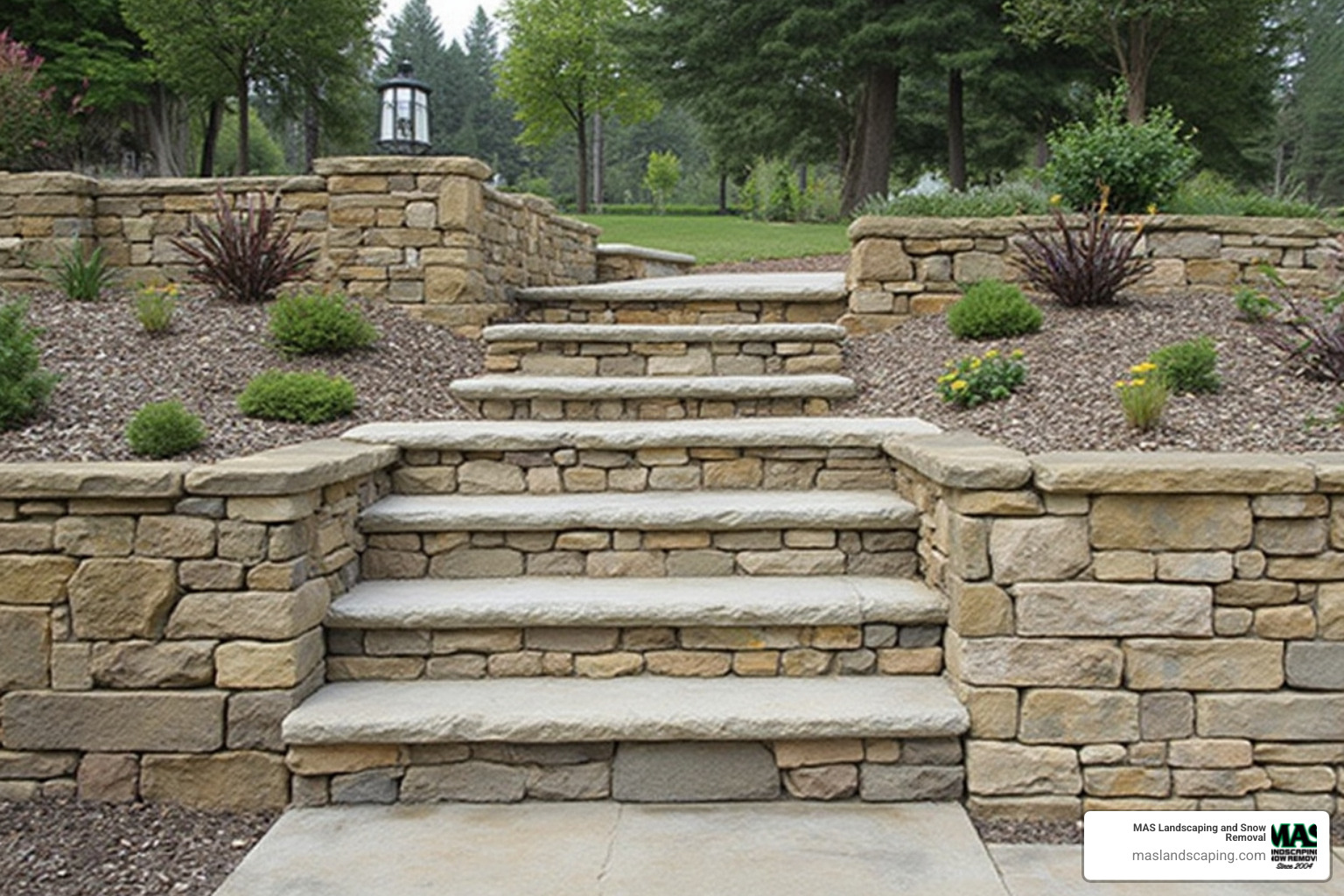
Turning your outdoor dreams into reality starts with thoughtful planning. Whether you’re envisioning a complete backyard change or a focused improvement project, understanding the process, timeline, and budget will set you up for success.
At MAS Landscaping, we’ve guided countless homeowners in Saugus, Malden, and surrounding communities through this journey. We’ve found that successful outdoor projects typically begin with a thorough site analysis – evaluating your property’s existing conditions including soil quality, drainage patterns, sun exposure, and notable views. This foundation helps us understand what’s possible and identify any potential challenges early.
Next comes the needs assessment phase, where we help you clarify exactly how you want to use your outdoor space. Do you need a play area for children? A tranquil garden retreat? An entertainment space for hosting? Understanding your priorities helps guide all subsequent decisions.
With this information, we develop a conceptual design that addresses your needs while working harmoniously with your property’s natural features. This vision then evolves into detailed planning for specific hardscape construction and thoughtful plant selection.
For larger projects, creating a smart phasing strategy allows you to implement changes over time, spreading out the investment while working toward a cohesive final result. And before breaking ground, we research any local permits or approvals needed – something that varies significantly between communities like Everett, Lynnfield, and Medford.
Here in New England, timing matters tremendously. The ideal window for hardscape installation typically runs from spring through fall, while major planting is best scheduled for spring or fall to minimize stress on new plants. And don’t forget our notorious frost line – typically 48″ deep in our region – which means hardscape elements need proper foundations below this depth to prevent winter heaving and damage.
Average Price Ranges*
Understanding typical investment ranges helps with realistic budgeting. While every property and project is unique, these general ranges provide a helpful starting point:
Patios typically range from $8–$45 per square foot, with concrete being most economical and natural stone commanding premium prices. The dramatic range reflects not just materials but also design complexity, accessibility challenges, and site preparation needs.
Walkways generally fall between $6–$30 per square foot, with similar material variables affecting price. A simple gravel path costs far less than an intricate bluestone walkway with custom inlays.
Retaining walls usually run $25–$80 per linear foot, varying significantly based on height, structural requirements, and material choices. A low decorative wall costs much less than a tall wall holding back a significant slope.
Landscape beds typically range from $5–$20 per square foot, with variables including plant selection, soil amendment needs, and planting density. Native plant gardens often require less intensive preparation than exotic varieties.
Specialty features like outdoor kitchens ($5,000–$50,000), fire features ($2,000–$15,000), and irrigation systems ($2,500–$10,000) represent significant investments that add tremendous functionality to your outdoor space.
*Average costs are based on publicly available internet data and do not represent actual pricing from MAS Landscaping.
The DIY versus professional decision ultimately depends on your skills, available time, and project complexity. While maintaining established gardens or installing simple landscape elements might be suitable DIY projects, hardscape installations typically benefit from professional expertise. Proper base preparation, drainage planning, and structural considerations require specialized knowledge to ensure longevity and performance.
Maintenance Showdown: Hardscape vs. Landscape
One of the key differences between hardscape and landscape elements is their ongoing maintenance requirements – understanding these differences helps with both planning and long-term care.
Hardscape maintenance tends to be less frequent but still important. Most hardscape elements need attention seasonally or annually rather than weekly. Common tasks include cleaning surfaces, reapplying sealants every 1-3 years, refreshing joint sand between pavers, and checking for any settling or damage. In our New England climate, winter brings additional considerations like snow removal, ice management, and spring inspections for frost heave damage.
While hardscape typically requires less frequent attention, neglecting maintenance can lead to costly issues. Failing to reseal natural stone or concrete can result in permanent staining, while ignoring settling pavers creates tripping hazards and potential liability.
Landscape maintenance, by contrast, follows nature’s more demanding schedule. During the growing season, your living elements need regular care – mowing lawns, pruning shrubs, weeding beds, appropriate fertilization, watering during dry spells, and monitoring for pests or diseases. Seasonal transitions require specific attention too, with spring and fall cleanups being particularly important in our region.
For many homeowners throughout our service area, the sweet spot is a thoughtful combination of DIY maintenance and periodic professional service. This approach balances cost-effectiveness with quality results, ensuring your outdoor space remains beautiful and functional year after year.
To learn more about keeping your outdoor spaces in top condition, visit our Landscaping and Design Services page for professional maintenance options.
Hardscape and Landscape Working Together—Pro Tips & Common Mistakes
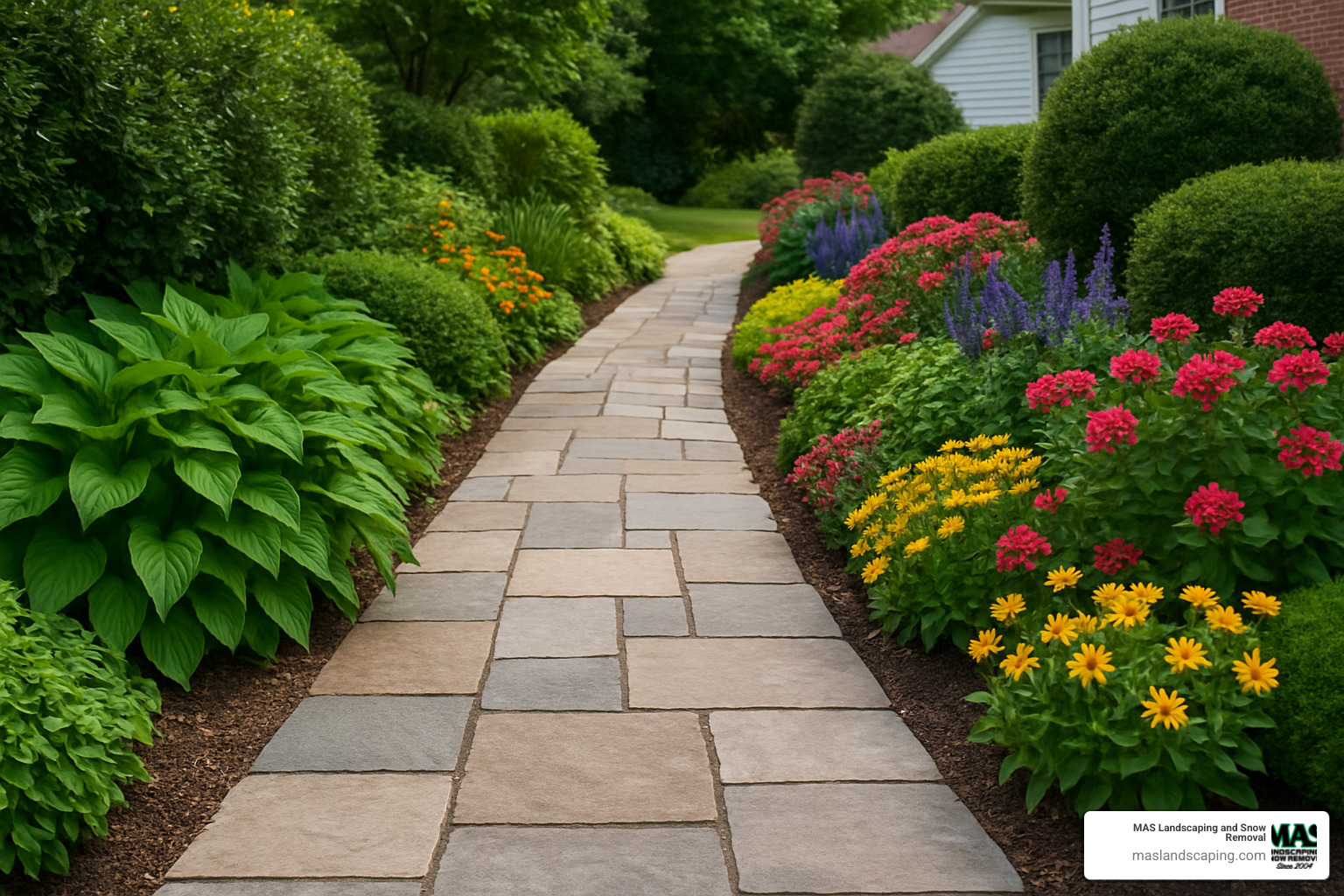
After creating hundreds of outdoor spaces throughout Saugus, Everett, Lynnfield and beyond, we’ve learned what truly makes hardscape and landscape elements sing together in harmony. It’s like choreographing a dance between structure and nature—when done right, the result is pure magic for your property.
Think of your outdoor space as a story where hardscape provides the framework and landscape adds the color and character. The most successful projects we’ve completed always begin with thoughtful integration of these elements.
One of our favorite pro tips is what we call phase planning—always install your hardscape elements first, followed by your landscape features. This simple sequencing prevents damage to delicate plants during construction and ensures each element has its proper space. I can’t tell you how many times we’ve seen homeowners try to retrofit hardscape around existing plants, only to damage root systems or create awkward layouts.
Root space consideration is another crucial factor many homeowners overlook. Those adorable saplings planted right beside your new patio might look perfect today, but trees need adequate soil volume to develop healthy root systems. Without proper planning, those same roots might eventually crack or lift your beautiful pavers. At MAS Landscaping, we always plan for mature plant size when designing spaces.
Creating thoughtful material transitions between different hardscape elements and between hardscape and landscape areas makes all the difference in the final look. Abrupt changes feel jarring, while gradual transitions—perhaps using a border of smaller pavers or a row of low plants—create a more cohesive feel throughout your property.
Smart plant selection near hardscape is essential for low-maintenance enjoyment. We steer our Malden and Medford clients away from trees that drop excessive fruit, sap, or debris onto patios and toward varieties that provide beauty without the mess. Similarly, we avoid aggressive root systems near walls and foundations that might cause damage over time.
One element that ties everything together beautifully is lighting integration. Planning lighting for both your hardscape (path lights, step lights) and landscape (uplighting trees, accent lighting for plants) creates a magical nighttime experience while enhancing safety. The warm glow of properly placed lights can transform even the simplest garden into an evening showpiece.
Irrigation planning might not be the most exciting topic, but trust me—installing irrigation before or during hardscape installation saves enormous headaches down the road. Nothing’s worse than having to cut through your beautiful new patio because you forgot to run water lines for your plants!
Living in New England means we need to address seasonal considerations in every design. Where will snow get piled in winter? How can we create shaded retreats for summer heat? A thoughtful design accounts for our region’s distinct seasons, ensuring your outdoor space remains functional year-round.
Of course, for every success story, we’ve also seen our share of missteps. The most common mistake? Over-hardscaping—creating too much impervious surface without enough softening greenery. This not only creates drainage issues but results in spaces that feel cold and commercial rather than inviting.
Many DIY enthusiasts fall victim to under-preparing bases for their hardscape projects. Skimping on proper base materials might save money initially, but when pavers start settling unevenly after the first freeze-thaw cycle, those savings quickly vanish in repair costs.
Ignoring grade and drainage is another pitfall we frequently encounter. Water always wins, and failing to plan for its movement inevitably leads to pooling, erosion, or worse—water in your basement. Proper grading and drainage solutions integrated into both hardscape and landscape design prevent these issues.
When materials clash with your home’s architecture or with each other, the result is visual discord. We call this mismatched style, and it’s surprisingly common. Your Tudor-style home probably won’t look right with ultra-modern concrete pavers, just as your contemporary home might feel disconnected from a rustic fieldstone wall.
Neglecting scale can make even beautiful materials look awkward. A tiny patio in a sprawling backyard feels insignificant, while an oversized one can overwhelm a modest space. Getting proportions right is essential for visual harmony.
It’s easy to get caught up in how things look and forget about how they’ll actually be used. Forgetting functionality in favor of aesthetics leads to spaces that photograph well but don’t serve your family’s needs. We always prioritize traffic flow, maintenance access, and real-world usability in our designs.
Finally, the enthusiasm of planting day often leads to plant overcrowding. Those small perennials might look sparse when first installed, but giving them room to reach their mature size prevents maintenance headaches down the road.
Hardscape and Landscape Design Tips for New England Yards
New England’s distinctive climate presents unique challenges and opportunities for outdoor design. Our freeze-thaw cycles are particularly hard on hardscape elements, making freeze-thaw resilience a top priority. We select materials and installation methods specifically designed to withstand these conditions, with proper base preparation being absolutely critical to prevent heaving and settling.
Winter road salt is tough on plants, especially along driveways and walkways. Incorporating salt-tolerant plants in these areas prevents the disappointment of brown, damaged shrubs come spring. Plants like juniper, bayberry, and certain ornamental grasses handle salt exposure much better than sensitive varieties.
Every New England property needs designated snow storage zones when designing both hardscape and landscape. These areas require durable plants and drainage considerations to handle the weight and runoff from melting snow piles. Planning for this reality from the beginning prevents damaged plants and flooded areas during spring thaws.
The magic of New England lies in our distinct seasons, and your landscape should celebrate this through four-season interest. We love combining plants that provide winter structure, spring flowers, summer foliage, and fall color so there’s always something beautiful to enjoy outside your window.
There’s wisdom in working with what naturally thrives here. Native plant advantages include better adaptation to our climate extremes and typically lower maintenance requirements once established. Plants like eastern redbud, winterberry holly, and New England aster have evolved to handle everything our region throws at them.
Those biting winter winds can make your heating bills soar and your outdoor spaces uncomfortable. Strategic wind considerations in your design, like evergreen plantings to block prevailing winter winds, can reduce energy costs while making outdoor spaces more enjoyable in shoulder seasons.
Finally, material selection for longevity is crucial in our climate. Not all hardscape materials perform equally well here. Certain types of stone may be more prone to cracking in freeze-thaw conditions, while others will stand the test of time. Our experience with local materials guides these important choices.
Mistakes to Avoid When Blending Hardscape and Landscape
Even the most beautiful design can fail without proper drainage planning. Water will always find its path, and failing to consider how it moves across your property leads to erosion, foundation issues, and plant failure. Every successful project integrates thoughtful drainage solutions into both hardscape and landscape design.
Visual harmony comes from restraint in material selection. Using too many different hardscape materials creates what we call mismatched materials—a disjointed appearance that feels unplanned. We typically recommend limiting your palette and ensuring materials complement both your home and each other for a cohesive look.
Many homeowners in Saugus, Everett, and surrounding communities are surprised to learn about local regulations. Neglecting permits and codes regarding impervious surface coverage, setbacks, and retaining wall heights can result in costly corrections or even removal of completed work. We’re always up-to-date on local requirements to keep your project compliant.
That cute little maple might look perfect next to your patio today, but ignoring future growth is a recipe for trouble. Planting trees and shrubs without considering their mature size often leads to damage and forced removal years later. We always plan for the full-grown size of plants in relation to hardscape features.
Balance and proportion matter tremendously in outdoor design. Improper scale—installing features that are proportionally wrong for your space—creates visual disharmony. A massive fire pit area might overwhelm a modest yard, while tiny hardscape elements can look lost in larger landscapes.
Knowledge is power when it comes to your soil. Skipping soil testing affects both plant selection and hardscape base preparation. Understanding your soil composition helps prevent plant failure and hardscape settling, saving you time and money in the long run.
The magic of evening outdoor enjoyment often comes down to lighting, yet many homeowners treat it as an afterthought. Neglecting lighting rather than integrating it into the initial design limits its effectiveness and often requires disruptive installation later. Thoughtful lighting planning improves both the beauty and functionality of your outdoor space.
By avoiding these common mistakes, you’ll create an outdoor space where hardscape and landscape work together in perfect harmony—a space that not only looks beautiful but functions beautifully for years to come. For more detailed guidance on creating these balanced outdoor spaces, check out our Landscape Architecture Design Services.
Frequently Asked Questions About Hardscape and Landscape
How do hardscape and landscape increase home value?
When homeowners in Saugus and Everett ask us about the return on their outdoor investments, we’re happy to share some encouraging news. Hardscape and landscape improvements don’t just make your daily life more enjoyable—they can significantly boost your property’s market value too.
The curb appeal factor simply can’t be overstated. That first impression when someone pulls up to your home sets the tone for everything that follows. A thoughtfully designed front yard with balanced hardscape and landscape elements creates an emotional connection before a potential buyer even steps inside.
“I’ve seen buyers make up their minds about a house from the driveway,” one local realtor told us recently. “A beautiful outdoor space tells them this home has been well cared for.”
The National Association of Realtors backs this up with hard numbers, finding that homes with high curb appeal typically sell for about 7% more than similar homes with uninspiring exteriors. That percentage can translate to thousands or even tens of thousands of dollars in your pocket.
What’s particularly interesting is how outdoor living spaces have become extensions of the home itself. A well-designed patio with comfortable seating, perhaps a fire pit, and appropriate lighting effectively adds “rooms” to your house without the cost of an actual addition. Buyers mentally calculate this additional living space when determining what they’re willing to pay.
The strongest returns tend to come from specific improvements: patios often return up to 80% of their cost, professional landscaping can return 100% or more, outdoor kitchens about 70%, and fire features around 60%. Strategic plantings that provide shade in summer and wind protection in winter also appeal to energy-conscious buyers looking to reduce utility costs.
For our clients throughout Malden and Lynnfield, we’ve found that these investments not only make their homes more marketable when it’s time to sell but also provide years of enjoyment while they’re still living there—truly the best of both worlds.
Does hardscaping really improve drainage in my yard?
“Will this patio make my yard even wetter?” It’s a question we hear often, especially from homeowners in low-lying areas of Chelsea and Revere. The answer might surprise you: properly designed hardscaping actually serves as an effective drainage solution, not a problem.
The key word here is “properly.” Hardscape and landscape elements need to work together as part of an integrated drainage strategy. Here in Massachusetts, where we can experience everything from spring downpours to summer thunderstorms, managing water flow is essential.
When we install a patio, walkway, or driveway, we’re not just plopping materials on top of existing soil. We’re creating a carefully engineered system that often begins with regrading to direct water away from your home’s foundation and toward appropriate drainage areas. This contouring alone can solve many standing water issues.
For clients concerned about environmental impact, we often recommend permeable hardscape solutions. Permeable pavers, gravel installations, and certain types of concrete allow water to filter through rather than running off. This reduces puddles, prevents erosion, and helps replenish groundwater—a win for both your property and the environment.
Retaining walls do double duty by managing slopes and preventing soil erosion while creating level areas that can be properly drained. When combined with landscape elements like rain gardens or appropriate plantings, these structures can transform previously unusable soggy areas into beautiful, functional spaces.
We’ve seen dramatic improvements in properties throughout our service area where thoughtfully integrated hardscape and landscape design has eliminated standing water issues that homeowners had been battling for years.
When should I hire a professional versus DIY these projects?
The DIY vs. professional question comes down to a realistic assessment of three things: your skills, your time, and the complexity of the project. While we certainly understand the satisfaction that comes from completing projects yourself (many of us started as weekend warriors before entering the landscaping profession), we’ve also seen the frustration of DIY gone wrong.
Hardscape and landscape projects that typically warrant professional installation include:
Complex hardscaping like patios, walkways, and retaining walls over 2 feet tall. These require precise grading, proper base preparation, and technical knowledge to ensure they don’t settle, shift, or fail prematurely. The cost of fixing a failed DIY hardscape often exceeds what professional installation would have cost initially.
Drainage solutions that address existing water issues. Water management requires understanding how water moves through your specific property and implementing appropriate solutions. Getting this wrong can damage your home’s foundation or create problems for neighboring properties.
Projects requiring permits or that must meet specific codes. Many communities in our service area have regulations regarding impervious surface coverage, setback requirements, and structural elements like retaining walls. Professionals steer these requirements daily and can ensure your project is compliant.
Electrical work for landscape lighting or water features. Safety concerns and code requirements make this an area best left to licensed professionals.
Large-scale plantings, especially trees and mature shrubs that represent significant investments. Proper planting techniques ensure these thrive for years to come.
On the flip side, many homeowners in Malden, Medford, and throughout our service area successfully handle simpler tasks like mulching established beds, planting annuals and small perennials, and routine maintenance like pruning and weeding.
A middle-ground approach we often recommend is hiring professionals for the structural elements and complex installations, then handling some of the finishing touches and maintenance yourself. This gives you the satisfaction of personal involvement while ensuring the critical components are built to last.
Whatever approach you choose, we’re always happy to offer guidance. After all, your outdoor space should bring you joy, not stress—whether you create it yourself or bring in the pros.
Conclusion
Finding that sweet spot between hardscape and landscape elements is what truly makes an outdoor space shine. Like a well-composed photograph or a perfectly balanced meal, your yard needs both structure and softness to feel complete. The exact balance will be unique to your property and lifestyle, but the relationship remains the same: hardscape provides the bones and functionality, while landscape adds the breath, color, and living energy.
For our neighbors in Saugus, Everett, Lynnfield, and throughout the North Shore, understanding this relationship helps you make smarter decisions about where to invest your outdoor budget. A patio without plantings feels stark and unwelcoming, while an overgrown garden without proper pathways becomes difficult to enjoy and maintain.
Here at MAS Landscaping and Snow Removal, we’ve seen how New England’s distinct seasons shape the way we need to approach outdoor design. That perfect summer entertaining space needs to stand up to winter freeze-thaw cycles, while those beautiful plantings must offer something to appreciate even when snow blankets the ground.
Great outdoor spaces aren’t built in a day. Starting with a thoughtful master plan allows you to implement changes in phases that make sense for both your budget and your lifestyle. Maybe this year focuses on solving drainage issues and installing a patio, while next year brings the plantings that will soften those edges and create habitat.
The most rewarding yards and gardens reflect something personal about their owners. Whether you’re creating space for family gatherings, a peaceful retreat from busy days, or a showpiece that makes your neighbors slow down as they drive by, the integration of hardscape and landscape elements should support how you actually want to live in your space.
When your outdoor area achieves this balance, it becomes more than just a yard—it becomes an extension of your home that improves your daily life and adds significant value to your property. The natural elements bring life and change with the seasons, while the hardscape provides the structure that makes the space truly usable year-round.
Ready to create your own perfectly balanced outdoor retreat? Contact us at MAS Landscaping and Snow Removal to discuss how our local expertise can help bring your vision to life, one thoughtful element at a time.
*Average costs mentioned in this article are based on publicly available internet data and do not represent actual pricing from MAS Landscaping.