



Hardscape Retaining Wall: Top 10 Best Choices 2025
When it comes to creating stunning and functional outdoor spaces, a hardscape retaining wall plays a crucial role. Whether you have a sloped yard or simply want to add visual interest, these walls serve both practical and aesthetic purposes.
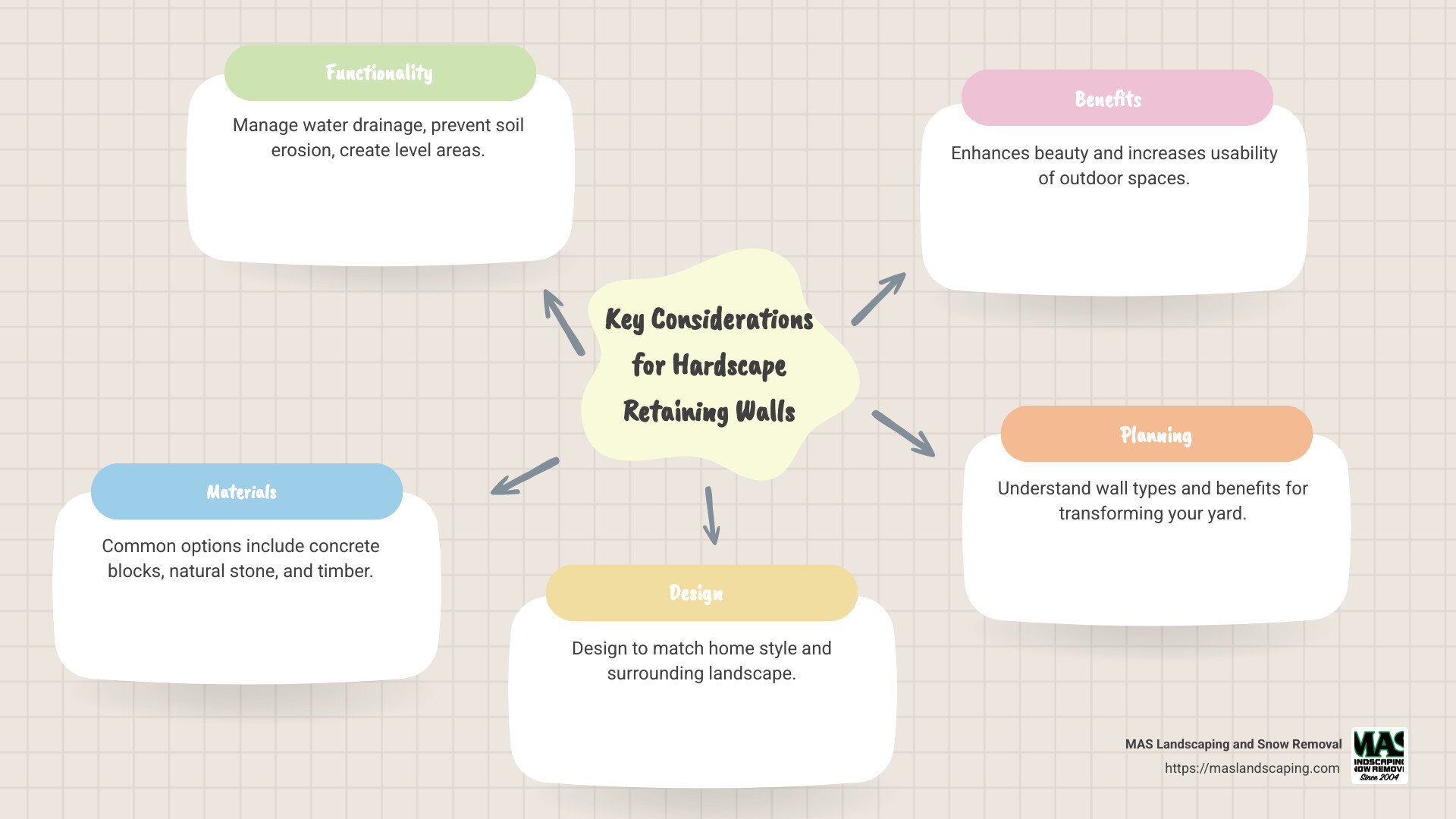
- Function: Retaining walls help manage water drainage, prevent soil erosion, and create level areas in uneven landscapes.
- Materials: Common materials include concrete blocks, natural stone, and timber.
- Design: They can be designed to match your home’s style and the surrounding landscape.
A well-planned retaining wall not only improves the beauty of your outdoor space but also increases its usability. As you start on your landscaping journey, understanding the types and benefits of hardscape retaining walls can transform your yard into a peaceful and organized retreat.
Hardscape retaining wall terms to remember:
– Landscape Walls
– Outdoor wall construction
– Retaining wall stone
Types of Retaining Walls
Choosing the right type of retaining wall is essential for both functionality and aesthetics. Different types of hardscape retaining walls cater to specific needs based on the landscape and soil conditions. Here’s a quick guide to help you understand the options:
Gravity Retaining Walls
Gravity retaining walls rely on their own weight to hold back soil. They are typically made from heavy materials like concrete or stone. The sheer mass of these walls provides stability, making them ideal for supporting large volumes of soil.
- Pros: Simple construction, effective for short walls.
- Cons: Require significant materials, not suitable for very tall walls.
Cantilever Retaining Walls
Cantilever walls are built in an L-shape and use the weight of the soil they hold back to provide stability. Often made from reinforced concrete, these walls are efficient and use less material than gravity walls.
- Pros: Suitable for taller walls, less material needed.
- Cons: More complex design and construction.
Embedded Retaining Walls
Embedded retaining walls are constructed by driving piles into the ground. They are often used in areas with soft soil where additional support is necessary. These walls are common in urban settings where space is limited.
- Pros: Effective in soft soil, space-efficient.
- Cons: Requires specialized equipment for installation.
Reinforced Soil Retaining Walls
These walls combine soil with reinforcement materials such as geogrids. The reinforced soil acts as a monolithic mass that can hold back earth efficiently. This type is often used for highway embankments and large-scale projects.
- Pros: Cost-effective for large projects, adaptable to various conditions.
- Cons: May require more engineering expertise.
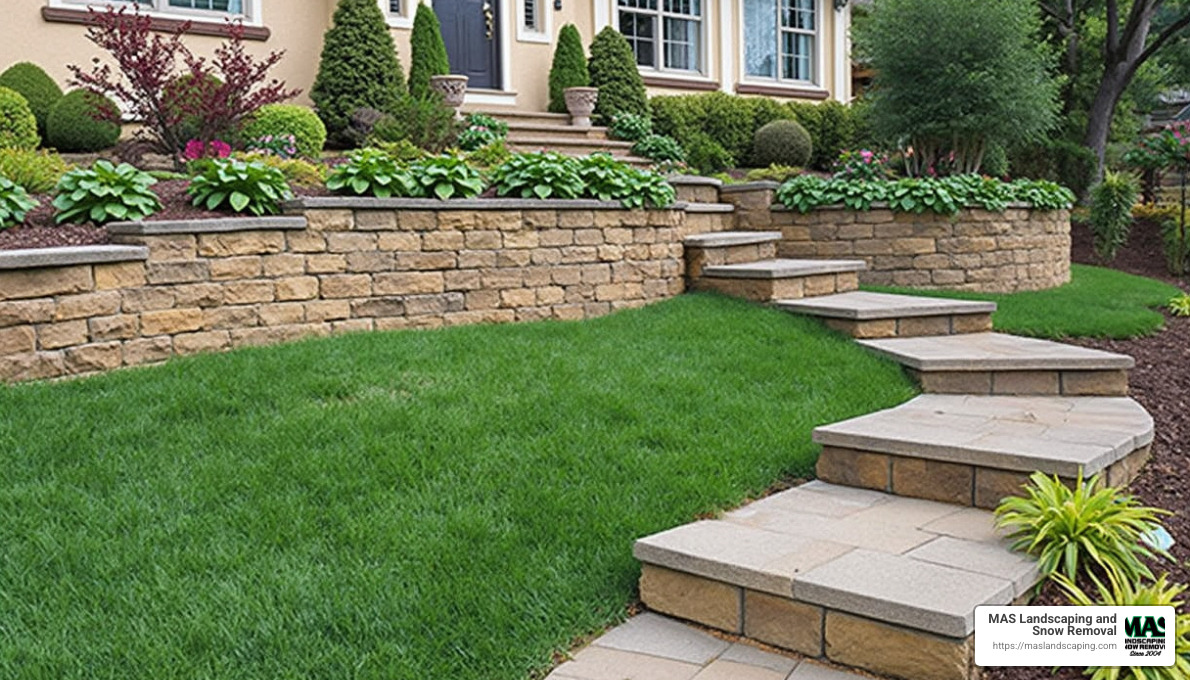
Each type of retaining wall has its own set of advantages and challenges. Selecting the right one depends on factors like the slope of your property, soil type, and desired aesthetics. Understanding these options will help you make an informed decision for your landscaping project.
Affordable Retaining Wall Options
When looking to create a hardscape retaining wall on a budget, there are several affordable options to consider. Each has its unique benefits and can suit different landscaping needs. Let’s explore these cost-effective choices:
Concrete Blocks
Concrete blocks are a popular choice for those seeking durability without breaking the bank. They are versatile and come in various styles and colors to match your landscape design. Concrete blocks are easy to install, making them a great DIY option.
- Pros: Durable, versatile, easy to install.
- Cons: Can be plain-looking without additional finishing.
Railroad Ties
Railroad ties offer a rustic aesthetic and can be a cost-effective solution for small retaining walls. They are made from durable wood and can add a natural look to your garden.
- Pros: Rustic look, relatively inexpensive.
- Cons: Can deteriorate over time, may require treatment for longevity.
Gabion Walls
Gabion walls are made from wire cages filled with stones or other materials. They are not only affordable but also environmentally friendly, as they can use recycled materials.
- Pros: Eco-friendly, adaptable to different designs.
- Cons: Can require more maintenance to prevent rusting of wire cages.
Timber Sleepers
Timber sleepers are another natural and affordable option. They can be stacked to create a low retaining wall, ideal for garden beds and small landscape features.
- Pros: Natural appearance, easy to work with.
- Cons: Susceptible to rot and insect damage if not treated properly.
Retaining Wall Kits
For those who prefer a straightforward approach, retaining wall kits offer a complete solution. These kits include all necessary components and instructions, simplifying the installation process.
- Pros: All-in-one solution, easy assembly.
- Cons: Limited design flexibility.
Natural Stone
Natural stone walls are timeless and can improve the aesthetic appeal of any outdoor space. While they can be more labor-intensive to build, they offer best beauty and durability.
- Pros: Aesthetic appeal, durable.
- Cons: Higher labor costs, can be more expensive depending on stone choice.
Terraced Gardens
Terraced gardens use a series of small retaining walls to create levels in a sloped garden. This option maximizes space and can be achieved using various materials, including timber or stone.
- Pros: Maximizes space, visually appealing.
- Cons: Requires more planning and materials.
Pallets
Using pallets for retaining walls is an innovative and budget-friendly approach. Pallets can be stacked and secured to create a small retaining wall, perfect for garden borders.
- Pros: Recyclable, very low cost.
- Cons: Not suitable for larger walls, less durable.
Choosing the right material for your hardscape retaining wall depends on your budget, the landscape’s needs, and your personal style. Each of these options offers a unique way to improve your outdoor space affordably.
Best Materials for Retaining Walls
Choosing the right materials for your hardscape retaining wall can make all the difference in durability, aesthetics, and overall functionality. Let’s explore some of the best materials available:
Concrete
Concrete is a popular choice for retaining walls due to its strength and versatility. It can be molded into various shapes and finishes, allowing for a range of design possibilities. Concrete walls are known for their durability and ability to withstand harsh weather conditions.
- Pros: Strong, versatile, and long-lasting.
- Cons: Can look plain without decorative finishes.
Granite
Granite is a natural stone that offers a luxurious and timeless look. It’s incredibly durable and can handle significant weight, making it a great choice for taller retaining walls. The unique patterns and colors of granite can add a sophisticated touch to any landscape.
- Pros: Neat appearance, highly durable.
- Cons: More expensive and labor-intensive to install.
Natural Stone
Natural stone walls are prized for their beauty and the natural look they bring to a garden. Stones like limestone, sandstone, and fieldstone are commonly used. They provide a rustic charm and blend seamlessly with natural surroundings.
- Pros: Aesthetic appeal, blends with nature.
- Cons: Higher installation costs, may require skilled labor.
Modular Blocks
Modular blocks are pre-cast concrete blocks designed for easy stacking and installation. They come in various shapes, sizes, and finishes, making them a flexible option for DIY enthusiasts and professionals alike. These blocks can mimic the look of natural stone at a fraction of the cost.
- Pros: Easy to install, cost-effective, available in many styles.
- Cons: Less natural appearance compared to true stone.
Stone-like Finishes
For those who want the look of stone without the cost, stone-like finishes on concrete or modular blocks offer a great alternative. These finishes can replicate the texture and color of natural stone, providing an neat look at a lower price point.
- Pros: Cost-effective, visually appealing.
- Cons: May not match the durability of natural stone.
Choosing the right material for your retaining wall involves balancing aesthetics, budget, and the specific needs of your landscape. Whether you prefer the sleek look of concrete or the rustic charm of natural stone, there’s a material that will perfectly suit your outdoor space.
Benefits of Retaining Walls
Retaining walls are more than just functional structures; they offer a range of benefits that can improve your property. Let’s explore some of these key advantages:
Erosion Control
One of the primary functions of a retaining wall is to prevent soil erosion. By holding back soil, these walls maintain the integrity of your landscape. This is especially important for properties with steep slopes, where erosion can quickly become a problem. Retaining walls act as a barrier, keeping your soil in place and protecting your plants and foundation.
Rainwater Management
Water can be both a blessing and a curse in landscaping. While it’s essential for plant growth, excess rainwater can lead to flooding and damage. Retaining walls help manage rainwater by guiding it away from your home and into designated drainage areas. This reduces the risk of water damage and ensures that your garden beds remain healthy.
Soil Stabilization
In areas with unstable soil, retaining walls provide much-needed stability. They hold back soil that might otherwise slide or shift, which is crucial for maintaining a safe and usable outdoor space. By stabilizing the soil, these walls create a solid foundation for other landscape elements like patios and walkways.
Visual Appeal
Beyond their practical uses, retaining walls add visual interest to your landscape. Whether you’re using natural stone, concrete, or modular blocks, these structures can transform the look of your property. They create defined spaces that improve the overall aesthetic, allowing for more creative landscaping designs.
Increased Usable Space
Retaining walls can turn a sloped or uneven yard into a series of terraces, providing flat, usable areas for gardening, seating, or play. This change not only improves the functionality of your outdoor space but also increases its value. By creating more level areas, you can make the most of your property, regardless of its natural topography.
Incorporating retaining walls into your landscape offers numerous benefits, from practical solutions like erosion control and rainwater management to aesthetic improvements and increased usable space. These versatile structures are an investment in both the beauty and functionality of your outdoor environment.
How to Choose the Right Retaining Wall
Selecting the right hardscape retaining wall for your property is crucial for both functionality and aesthetics. Here’s a straightforward guide to help you make the best choice:
Property Slope
The slope of your property heavily influences the type of retaining wall you should choose. Steeper slopes often require more robust walls like gravity retaining walls or reinforced soil retaining walls to prevent soil erosion and landslides. For gentler slopes, simpler structures like timber sleepers or garden walls may suffice.
Soil Type
Understanding your soil type is essential. Clay soils, for example, retain water and can exert more pressure on a wall, necessitating stronger materials like concrete or modular blocks. Sandy soils, being less cohesive, might require a wall that allows for better drainage to prevent washouts.
Drainage Needs
Proper drainage is key to the longevity of your retaining wall. Poor drainage can lead to water buildup and wall failure. Consider walls with built-in drainage solutions or incorporate features like drainage pipes and gravel backfill. Gabion walls, with their open structure, naturally provide excellent drainage.
Aesthetic Preferences
Your retaining wall should complement your landscape’s aesthetic. For a natural look, consider using natural stone or stone-like finishes, which blend seamlessly with outdoor environments. For a modern appearance, concrete blocks offer sleek lines and a variety of finishes.
Functionality
Determine what you need the retaining wall to do. Is it purely for erosion control, or do you want it to double as seating or a garden bed? Terraced gardens can add layers of functionality, providing planting spaces and walkways. Meanwhile, modular block systems are versatile for creating multi-functional walls.
Choosing the right hardscape retaining wall involves balancing practical needs with aesthetic desires. Consider your property’s slope, soil type, and drainage needs while also thinking about how the wall will look and function within your landscape. With these factors in mind, you’ll be well-equipped to make an informed decision that improves both the beauty and utility of your outdoor space.
Installation Tips for Hardscape Retaining Walls
Installing a hardscape retaining wall might seem daunting, but with the right approach, it can be a straightforward process. Here are some essential tips to ensure a successful installation:
Footings
The foundation of any retaining wall is critical. For walls over 3 feet, it’s crucial to have a solid footing. This means digging below the frost line to prevent shifting during freeze-thaw cycles. Use compacted gravel or concrete as a base to provide stability.
Soil Preparation
Before building your wall, assess and prepare the soil. Remove any loose debris and ensure the area is level. Proper soil preparation prevents future issues like settling or wall movement. For areas with clay or sandy soil, consider adding a layer of compacted gravel to improve stability.
Drainage Solutions
Drainage is vital for the longevity of your retaining wall. Without adequate drainage, water can build up behind the wall, leading to pressure and potential failure. Incorporate drainage pipes and gravel backfill to allow water to escape. Gabion walls are an excellent choice for natural drainage due to their open structure.
Modular Block Systems
Modular block systems offer an easy-to-install option for retaining walls. These interlocking blocks provide strength and flexibility, allowing for curves and varying heights. They are user-friendly and often don’t require mortar, making them ideal for DIY enthusiasts.
Professional Installation
For larger or more complex projects, hiring a professional can save time and ensure a durable result. Professionals can handle challenging installations involving steep slopes or intricate designs. They also bring expertise in local building codes and regulations, ensuring your wall is both safe and compliant.
By focusing on these key areas—footings, soil preparation, drainage, and choosing the right materials—you can build a hardscape retaining wall that stands the test of time. Whether you’re going the DIY route with modular block systems or opting for professional installation, these tips will help you achieve a functional and attractive addition to your landscape.
Next, let’s address some common questions about retaining walls to further assist you in your landscaping journey.
Frequently Asked Questions about Hardscape Retaining Walls
What is the cheapest retaining wall to build?
If you’re on a budget, there are several affordable options for building a hardscape retaining wall:
- Concrete Blocks: These are widely available and relatively inexpensive. They offer a balance between cost and durability, making them a popular choice for DIY projects.
- Railroad Ties: Known for their rustic appearance, railroad ties are cost-effective but may require treatment to prevent decay.
- Gabion Walls: Made from wire cages filled with rocks or other materials, gabion walls are both economical and effective, especially in areas needing good drainage.
What are the 4 types of retaining walls?
When planning your landscape, it’s important to understand the different types of retaining walls:
- Gravity Retaining Walls: These rely on their mass to hold back soil. They are typically constructed from heavy materials like stone or concrete.
- Cantilever Retaining Walls: Designed like an “L,” these walls use a slab foundation to support the wall and are often reinforced with steel.
- Embedded Retaining Walls: These walls are partially buried into the ground, providing stability through depth. They are ideal for retaining large amounts of soil.
- Reinforced Soil Retaining Walls: These use layers of soil reinforced with materials like geogrids to provide strength and stability.
What is the best type of retaining wall?
The best type of retaining wall depends on your specific needs and site conditions, but concrete retaining walls are often favored for their strength and versatility. Concrete can be molded into various shapes and sizes, making it suitable for both functional and decorative purposes. Additionally, concrete walls can be improved with stone-like finishes for a more natural look.
By understanding the different types of retaining walls and their applications, you can choose the best solution for your landscape. Whether you prioritize cost, strength, or aesthetics, there’s a retaining wall option that fits your needs.
Next, let’s explore the benefits of retaining walls and how they can improve your outdoor space.
Conclusion
At MAS Landscaping and Snow Removal, we pride ourselves on delivering professional service with a personal touch. Our team is committed to changing outdoor spaces into functional and beautiful extensions of your home. With over 20 years of experience, we bring local expertise to every project, ensuring that your landscape not only looks great but also stands the test of time.
Operating primarily in Saugus, MA, and surrounding areas like Everett, Lynnfield, and Malden, we understand the unique challenges and opportunities of landscaping in this region. Our knowledge of local soil types, weather patterns, and community aesthetics allows us to create custom solutions that meet your needs.
Whether you’re considering a hardscape retaining wall for erosion control, increased usable space, or simply to improve the visual appeal of your garden, we are here to guide you through every step of the process. From selecting the right materials to ensuring proper installation, our team is dedicated to making your vision a reality.
For those ready to take the next step in enhancing their outdoor space, we invite you to explore our retaining wall installation services. Let us help you create a landscape that not only meets your functional needs but also reflects your personal style.
Trust MAS Landscaping and Snow Removal to deliver exceptional results with professionalism and care. Your dream landscape is just a call away.
