


Hardscaping and Softscaping: Top Benefits in 2025
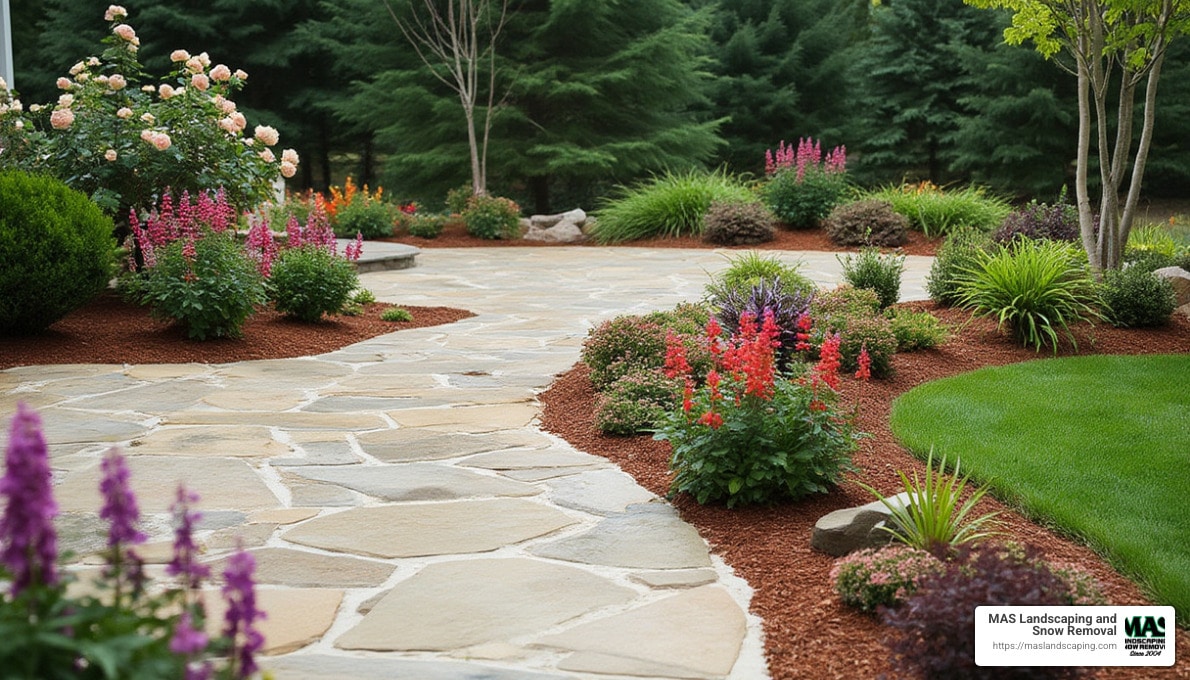
Hardscaping and softscaping are two essential elements of landscape design that transform any outdoor space into an oasis. At first glance, the blend of hard, permanent structures with the soft, living elements might seem straightforward, but achieving the right balance can be a bit tricky.
To quickly address what hardscaping and softscaping involve:
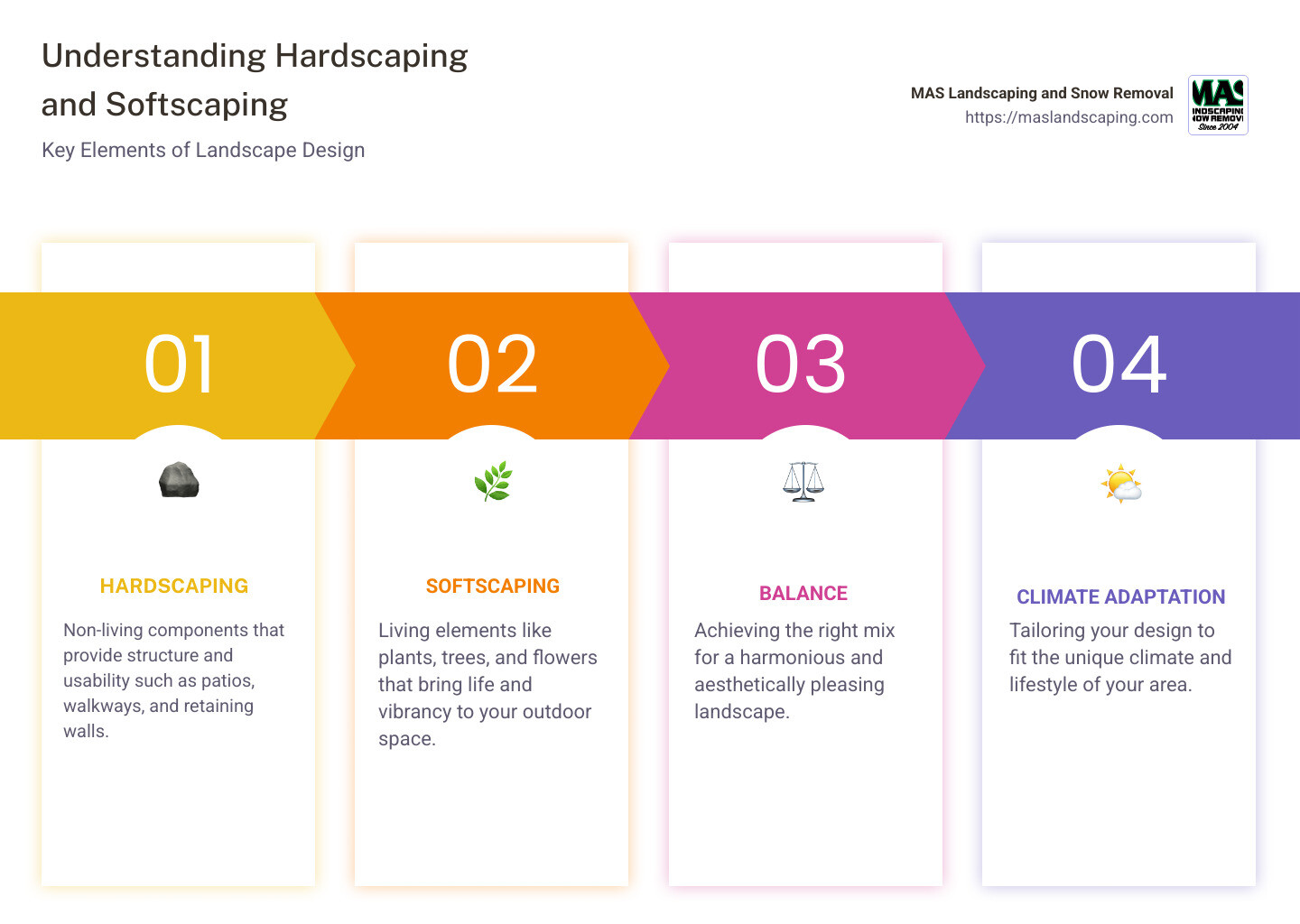
– Hardscaping focuses on the non-living elements like patios, walkways, and retaining walls.
– Softscaping involves the living components, such as plants, trees, and flowers.
Both components are vital for creating a beautiful and functional outdoor space. While hardscaping provides structure and usability, softscaping brings life and vibrancy, ensuring your yard is both inviting and harmonious.
Finding the right mix between these elements is key to achieving a balanced and aesthetically pleasing landscape. It’s not just about what looks good, but also what fits your lifestyle and the unique climate of the Greater Boston area. This balance not only improves curb appeal but also adds functional value to your property.
Let’s dig into how these elements come together to craft your dream outdoor living space.
Understanding Hardscaping and Softscaping
When designing a landscape, understanding the roles of hardscaping and softscaping is crucial. These two components work together to create a stunning and functional outdoor space. Let’s break down each element to see how they contribute to your yard’s overall look and feel.
Hardscaping Elements
Hardscaping refers to the non-living parts of your landscape. These are the solid structures that provide shape and functionality. Think of them as the backbone of your outdoor area. Here are some key hardscaping elements:
- Stone and Concrete: These materials are commonly used for building patios, walkways, and retaining walls. They’re durable and provide a clean, modern look.
- Patios: A patio is a flat area where you can place outdoor furniture. It’s perfect for hosting gatherings or just enjoying some quiet time outside.
- Walkways: These paths guide you through your garden, ensuring you can enjoy the scenery without trampling on delicate plants.
- Retaining Walls: These are used to hold back soil and create level areas on sloped land. They can also serve as seating areas or decorative features.

The beauty of hardscaping is its permanence. Once installed, features like stone paths and concrete patios require little maintenance and can last for decades. This durability makes them a wise investment for any home.
Softscaping Elements
Softscaping is all about the living things that bring color and life to your landscape. These elements can change with the seasons, offering a dynamic and changing view. Here’s what softscaping includes:
- Plants and Trees: Trees provide shade and structure, while plants add color and texture. Together, they create a lush and inviting environment.
- Shrubs and Flowers: These add layers and depth to your garden. Flowers, in particular, bring seasonal interest with their vibrant blooms.
- Grass: A well-maintained lawn is a classic choice for many homeowners. It provides a soft, green area for play and relaxation.
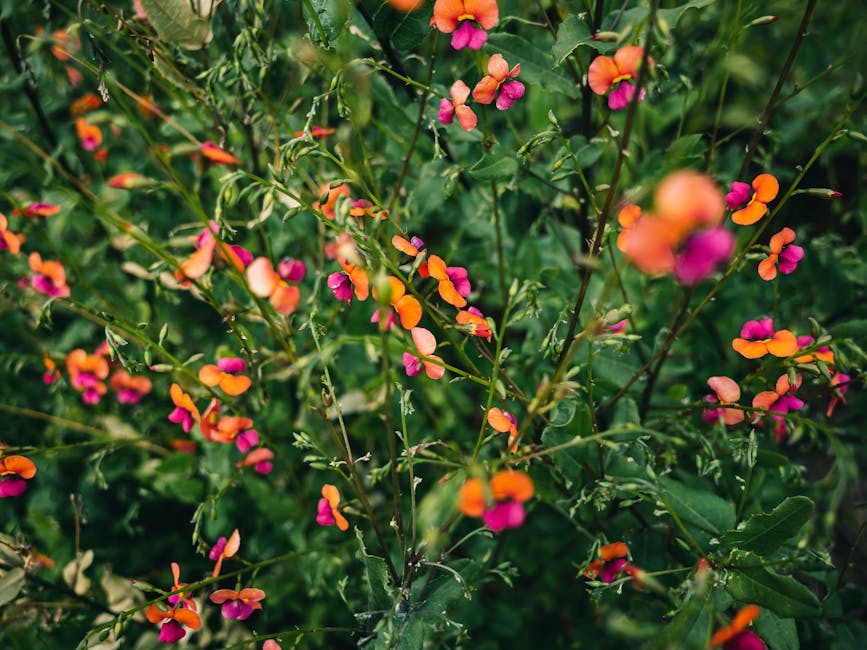
Unlike hardscaping, softscaping is flexible. You can change plants, try new arrangements, or swap out flowers to reflect your changing tastes or the seasons. This adaptability makes softscaping an exciting part of landscape design.
In summary, hardscaping and softscaping are both essential for a balanced landscape. Hardscaping provides the structure and functionality, while softscaping adds life and color. Together, they create an outdoor space that’s both beautiful and practical.
Next, we’ll explore the benefits of hardscaping and how it can improve your outdoor living experience.
The Benefits of Hardscaping
Hardscaping offers several advantages that can transform your outdoor space into a functional, beautiful, and low-maintenance haven.
Permanence
One of the standout benefits of hardscaping is its permanence. When you install features like stone paths, patios, or retaining walls, you’re investing in structures that will stand the test of time. Unlike the ever-changing nature of plants, these elements remain consistent, providing a solid foundation for your landscape. This permanence means you won’t have to worry about frequent replacements, saving you time and effort in the long run.
Low Maintenance
If you’re not a fan of constant upkeep, hardscaping is your friend. Unlike softscaping, which involves regular tasks like watering and trimming, hardscaping requires minimal maintenance. Once installed, features like concrete patios and stone walkways need only occasional cleaning to look their best. This low-maintenance nature makes hardscaping a practical choice for those who want a beautiful yard without the hassle.
Outdoor Living Spaces
Hardscaping creates inviting outdoor living spaces that extend the comfort of your home into the yard. Imagine a cozy patio where you can host family gatherings or a stone path that leads to a tranquil garden nook. These spaces are perfect for socializing, relaxing, or simply enjoying the beauty of the outdoors. With the right design, hardscaping can turn your yard into a functional extension of your home.
Property Value
Investing in hardscaping can significantly boost your property’s value. According to various sources, well-designed hardscaping can increase curb appeal and make your home more attractive to potential buyers. Features like patios and retaining walls add both functionality and aesthetic appeal, making your property stand out in the real estate market. This added value makes hardscaping a smart investment for homeowners looking to improve their property’s worth.
In conclusion, the benefits of hardscaping are clear: it offers permanence, low maintenance, inviting outdoor living spaces, and increased property value. Next, let’s explore the flexibility of softscaping and how it can bring dynamic beauty to your landscape.
The Flexibility of Softscaping
Softscaping is all about flexibility and change. It brings life to your landscape with its dynamic nature and endless possibilities.
Changeable
One of the greatest advantages of softscaping is its changeability. Unlike hardscaping, which is permanent, softscaping allows you to experiment and refresh your garden’s look as often as you like. Want to try out a new trend or plant variety? Go ahead! Softscaping gives you the freedom to adapt your landscape to match your evolving tastes and needs.
Seasonal Interest
Softscaping shines with its ability to provide seasonal interest. By choosing a variety of plants that bloom at different times, your garden can showcase new colors and textures throughout the year. Imagine vibrant tulips in spring, lush green leaves in summer, fiery maples in fall, and evergreen shrubs in winter. This constant change keeps your garden lively and engaging, no matter the season.
Plant Variety
The variety of plants available for softscaping is astounding. From towering trees to delicate flowers, you can create a garden that’s as unique as you are. This diversity allows you to design a landscape that reflects your personal style. Whether you prefer a classic English garden or a modern minimalist look, there’s a plant palette that suits your vision.
Mood Creation
Plants have a profound impact on mood creation. Softscaping can transform your outdoor space into a serene retreat or a vibrant entertainment area. The gentle rustle of leaves, the fragrance of blooming flowers, and the sight of colorful blossoms can evoke feelings of peace and happiness. By thoughtfully selecting and arranging plants, you can craft an atmosphere that improves your outdoor experience.
In summary, softscaping offers unparalleled flexibility with its changeable nature, seasonal interest, diverse plant variety, and ability to influence mood. Let’s explore how to find the right balance between hardscaping and softscaping for a harmonious and functional landscape.
Hardscaping and Softscaping: Finding the Right Balance
Creating a beautiful outdoor space is like painting a masterpiece. You need to find the perfect balance between hardscaping and softscaping to achieve design harmony. This balance ensures your landscape is not only stunning but also functional and inviting.
Design Harmony
Think of hardscaping as the frame and structure of your outdoor space. It’s the stone paths, patios, and retaining walls that give your garden shape and order. On the other hand, softscaping is the color and life within that frame. It’s the plants, trees, and flowers that add vibrancy and warmth.
To achieve design harmony, blend these elements thoughtfully. Too much hardscape can make your yard feel cold and rigid. Too much softscape can lead to chaos and overgrowth. The key is to find a balance where each element complements the other, creating a cohesive and pleasing look.
Aesthetic Appeal
A well-balanced landscape captures the eye and heart. Hardscaping provides clean lines and defined spaces, while softscaping adds softness and natural beauty. Together, they create aesthetic appeal that improves your property’s curb appeal.
Consider using a mix of textures and colors from both elements. Pair smooth concrete patios with lush green lawns or vibrant flower beds. Use natural stone pathways to guide the eye through a garden filled with a variety of plants. This combination of hard and soft elements creates a visually engaging and inviting space.
Functional Spaces
Balance is not just about looks. It’s also about creating functional spaces that meet your needs. Hardscaping offers practical features like patios for dining, walkways for easy navigation, and retaining walls for structural support. These elements make your outdoor space usable and enjoyable.
Softscaping adds function by creating shade, providing privacy, and attracting wildlife. Trees can offer a cool retreat on a sunny day, while shrubs can form natural barriers. By balancing both elements, you can design an outdoor area that is both beautiful and functional.
Complementary Elements
To achieve a seamless design, ensure that your hardscaping and softscaping elements complement each other. Choose materials and plants that work well together. For instance, a rustic stone wall pairs beautifully with native wildflowers, while sleek modern pavers complement minimalist plantings.
Consider the style and architecture of your home when planning your landscape. A traditional house might look best with classic brick paths and formal hedges, while a contemporary home might suit bold concrete features and sleek grasses. By matching your landscape to your home’s style, you create a harmonious and unified look.
Finding the right balance between hardscaping and softscaping is the secret to a stunning and functional outdoor space. Next, let’s dive into frequently asked questions to address common concerns and tips for maintaining this balance.
Frequently Asked Questions about Hardscaping and Softscaping
What is the difference between hardscaping and softscaping?
The distinction between hardscaping and softscaping is quite straightforward. Hardscaping includes the non-living elements of your landscape. Think of paths, patios, retaining walls, and other structures made from materials like stone, concrete, or wood. These elements provide structure, function, and organization to your outdoor space.
On the flip side, softscaping involves the living components of your landscape. This includes plants, trees, flowers, grass, and shrubs. Softscaping adds life, color, and vibrancy to the space. While hardscaping gives your garden its shape, softscaping fills it with life.
How do I maintain a balance between hardscaping and softscaping?
Maintaining balance between hardscaping and softscaping is key to creating an appealing and functional landscape. Here are a few tips:
- Start with a Plan: Consider what you want from your outdoor space. Do you need a patio for gatherings, or a lush garden for relaxation? Planning helps you allocate space for both hard and soft elements.
- Consider Scale and Proportion: Ensure that the size of your hardscape features complements the scale of your softscape elements. A massive stone patio might overwhelm a small garden, while a tiny path might get lost in a vast lawn.
- Use Complementary Materials and Plants: Choose materials and plants that work well together. For instance, natural stone can be paired with native plants for a cohesive look.
- Adapt and Adjust: Over time, your needs and tastes may change. Don’t be afraid to adjust your landscape to maintain balance. You might add more plants or extend a walkway as needed.
Can I change my softscape design easily?
Absolutely! One of the great benefits of softscaping is its flexibility. Unlike hardscape elements, which are often permanent, softscape elements can be changed and adapted with relative ease. Here’s how:
- Seasonal Changes: You can change plants with the seasons to keep your garden looking fresh. Spring bulbs, summer perennials, and fall foliage can all be rotated in and out.
- Plant Variety: Experiment with different plant varieties to see what works best in your space. This allows for personalization and creativity in your garden.
- Modify and Improve: If a particular plant isn’t thriving, you can replace it with another. Similarly, you can add new plants to fill gaps or improve the existing design.
This flexibility allows you to keep your landscape vibrant and custom to your preferences, ensuring it remains a reflection of your style and needs.
Next, we’ll explore how MAS Landscaping and Snow Removal can help bring your landscape vision to life with their local expertise and personalized service.
Conclusion
At MAS Landscaping and Snow Removal, we believe that every outdoor space can be a beautiful, functional extension of your home. Our team is dedicated to changing your yard into a personal retreat that suits your lifestyle and improves your property’s value.
Local Expertise: Based in Saugus, MA, we understand the unique challenges and opportunities presented by the local climate and terrain. Our knowledge of the area ensures that we use the right materials and plants that thrive in our environment. This expertise allows us to create landscapes that are not only stunning but also sustainable and functional.
Personalized Service: We know that every homeowner has different needs and visions for their outdoor space. That’s why we offer personalized services custom to your specific requirements. From the initial consultation to the final touches, our team listens to your ideas, respects your budget, and works closely with you to bring your landscape dreams to life.
Functional Outdoor Spaces: Whether you’re looking to create a serene garden for relaxation or a vibrant space for entertaining, we have the skills and experience to make it happen. Our approach combines both hardscaping and softscaping to achieve a balanced, cohesive design that meets your functional needs and aesthetic preferences.
If you’re ready to start planning the landscape of your dreams, explore our Hardscape Design Services. Let’s work together to create an outdoor space that you’ll love for years to come.