


How to Install Artificial Grass on Soil: Top 5 Benefits
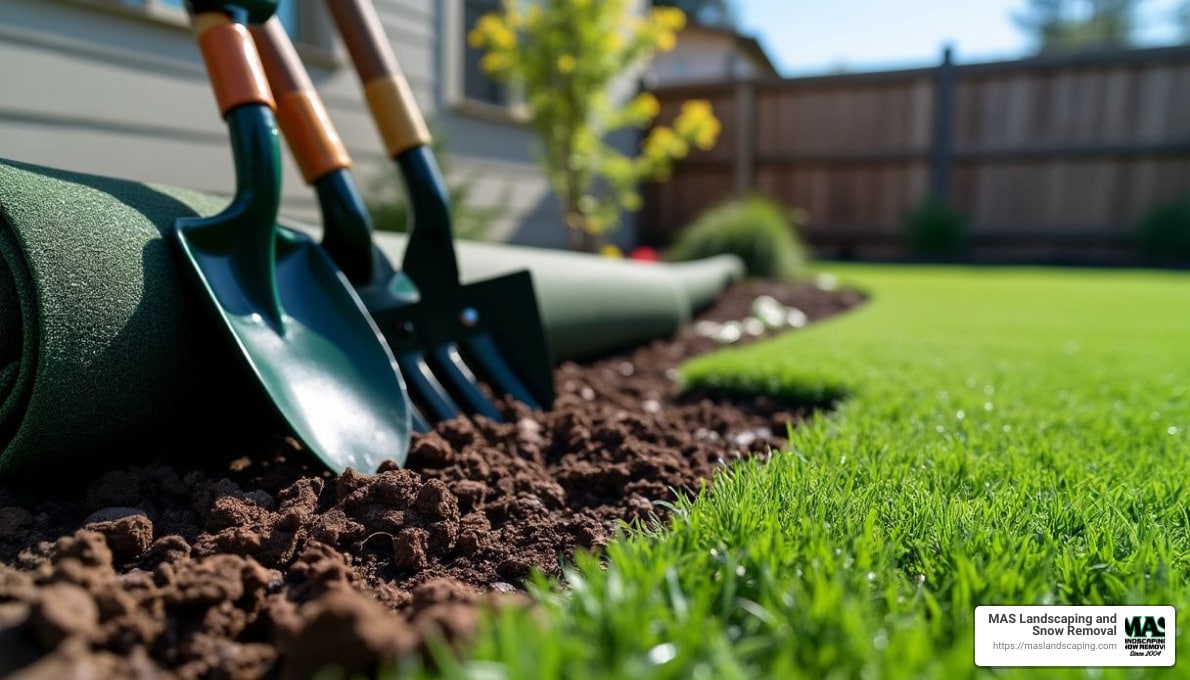
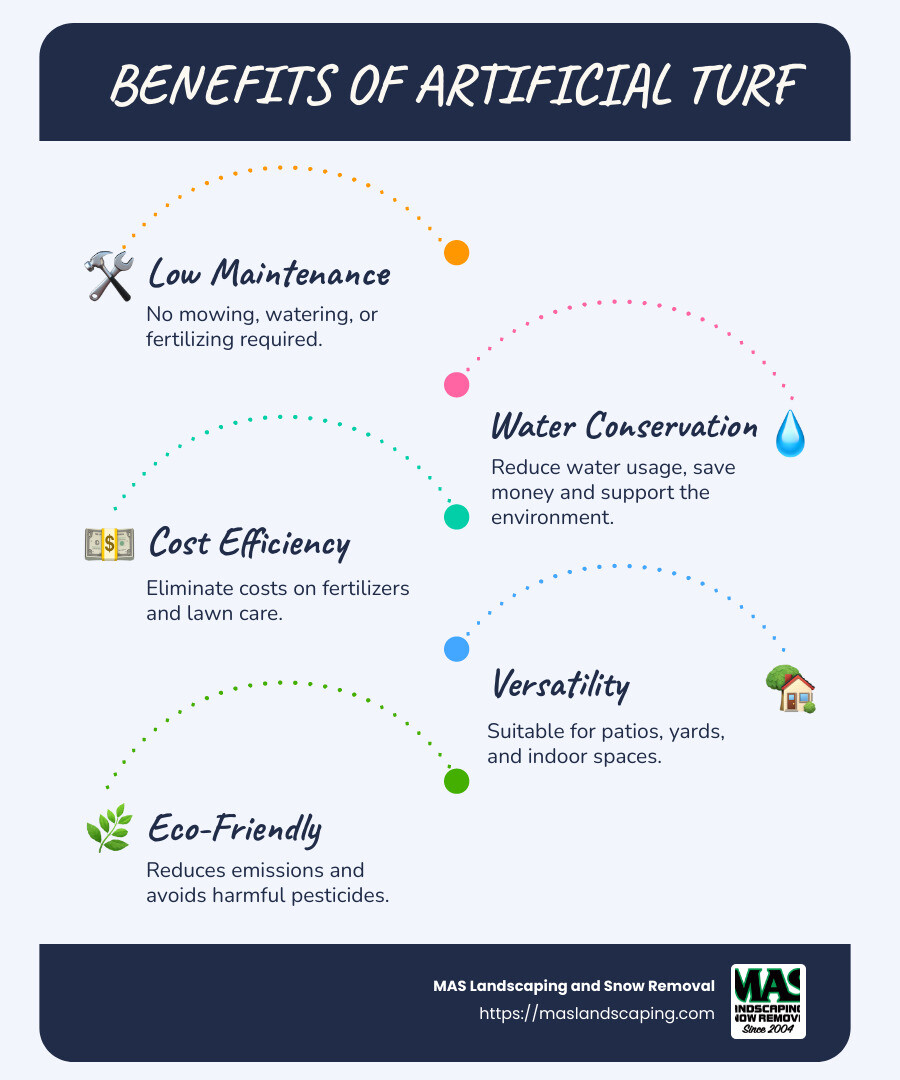
How to install artificial grass on soil is easier than you might think and brings many benefits to your outdoor space. If you’re searching for a vibrant, low-maintenance lawn, artificial turf is a fantastic choice. Here’s why:
- Low Maintenance: No more mowing, watering, or fertilizing. Save time and effort every season.
- Water Conservation: Synthetic grass reduces water usage, which is great for the environment and your water bill.
- Cost Efficiency: Eliminate expenses on fertilizers, pesticides, and frequent lawn care.
- Versatility: Perfect for yards, patios, and even indoor spaces.
At MAS Landscaping and Snow Removal, we understand that a beautiful lawn improves your home’s curb appeal without the hassle. Our professional landscaping services ensure a flawless installation, leaving you with more time to enjoy your revamped outdoor area.
Simple guide to how to install artificial grass on soil terms:
– Artificial turf for yards
– garden artificial grass installation
– synthetic grass price per square foot
Tools and Materials Needed
Installing artificial grass on soil requires the right tools and materials to ensure a smooth and long-lasting finish. Here’s a list of essential items you’ll need to get started:
Tools
- Shovel: For digging and removing any existing grass or debris from the soil.
- Rake: Helps in leveling the soil and removing loose stones or roots.
- Utility Knife: Essential for cutting the artificial grass to fit the desired area precisely.
- Stiff Bristle Broom: Used to brush the grass fibers upright after installation, ensuring a natural look.
- Lawn Roller: Helps in compacting the soil and the base layers to create a firm foundation.
- Garden Hose: Useful for lightly spraying the area to settle the infill material and clean the turf.
- Hammer: Needed for securing turf nails into the ground.
- Wheelbarrow: Handy for transporting materials like sand, soil, and debris.
- Measuring Tape: Ensures accurate measurements for cutting and fitting the artificial grass.
- Chalk or Paint: Used to mark boundaries and cutting lines on the turf for precision.
- Lawn Spreader: Helps in evenly distributing infill material over the artificial grass.
- Compactor: Aids in compacting the base layers, ensuring stability and longevity of the turf.
Materials
- Turf Nails: These keep the artificial grass securely in place, especially around the edges.
- Seam Tape: Used to join pieces of artificial grass together seamlessly.
- Adhesive: Ensures the seam tape bonds effectively, creating a smooth surface without visible joins.
With these tools and materials in hand, you’re well-equipped to transform your yard into a stunning, low-maintenance oasis. How to install artificial grass on soil becomes a manageable project with the right preparation and equipment.
Prepping the Soil for Artificial Grass Installation
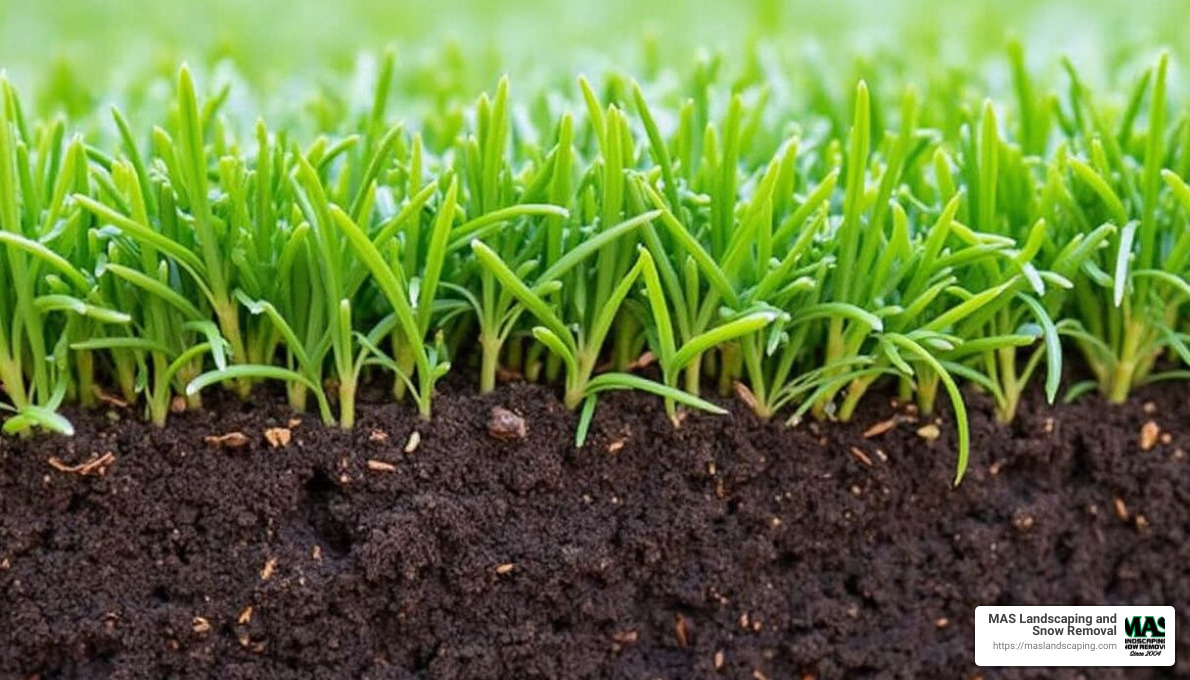
Before you can lay down that beautiful artificial turf, you need to prepare the soil. This step is crucial for a smooth and long-lasting finish. Let’s break it down into simple steps:
Remove Natural Grass and Clear Debris
First, get rid of any existing grass and debris. Use a shovel or sod cutter to cut away the grass, roots, and weeds. This ensures a clean slate and prevents any organic matter from affecting your turf.
Tip: It’s important to dig down about 2-3 inches to remove all organic material. This depth helps avoid future issues with growth under the turf.
Next, clear the area of rocks, roots, and other debris. Use a rake to make this job easier. Removing debris not only tidies up your space but also prevents potential hazards.
Apply Weed Killer
Once the area is clear, apply a weed killer. This will stop weeds from sneaking through and ruining your artificial lawn. Make sure to follow the instructions on the weed killer for the best results.
Level and Compact the Soil
Now, it’s time to level the area. Use the rake to spread the soil evenly. For larger areas, a lawn roller or compactor will help create a firm and even surface. Compacting the soil is essential to prevent any sinking or shifting over time.
Pro Tip: Aim for about 80-90% compaction to ensure stability.
Add Timber Edges
Adding timber edges around the perimeter helps define the space and keeps the base material in place. You can use treated wood or composite materials for durability. Secure them firmly into the ground.
Add a Base Layer
The base layer is crucial for drainage and stability. Crushed stone or gravel works well for this. Spread it evenly across the area and compact it down. This layer should be about 2-4 inches deep, depending on your climate and soil conditions.
Fun Fact: A well-prepared base can handle up to 30 inches of water per hour!
Add Sharp Sand or Granite Dust
On top of the base layer, spread a thin layer of sharp sand or granite dust. This helps create a smooth surface and aids in drainage. Use a lawn spreader to distribute it evenly, then compact it again.
Add a Protective Layer
Finally, lay down a protective layer, like a geotextile fabric. This acts as a barrier against weeds and adds an extra layer of stability. Cut it to size and place it over the entire area before laying the turf.
By following these steps, you’re setting the stage for a flawless artificial grass installation. With the soil prepped and ready, you’re one step closer to changing your yard into a lush, low-maintenance oasis.
How to Install Artificial Grass on Soil
Step 1: Install Shock Pad Underlay
Start by laying down a shock pad underlay. This is crucial for a soft, natural feel underfoot and helps extend the life of your artificial grass. Roll out the underlay across the prepared soil, ensuring it covers the entire area. Use jointing tape and tacks to secure the edges, creating a seamless base. Secure the underlay with tacks placed every 10-20 cm around the perimeter.
Pro Tip: Place heavy objects on the underlay edges to prevent it from rolling back while you work.
Step 2: Roll Out and Cut the Artificial Grass
Next, roll out the artificial grass over the underlay. Let it rest for a couple of hours to allow any wrinkles to settle. This ensures a smooth finish. When ready, cut the grass to size using a sharp utility knife. Leave an extra 5 cm around the edges for a neat trim later. Carefully trim the edges to fit the space perfectly.
Top Tip: Keep the pile direction consistent for a uniform look.
Step 3: Join Pieces of Artificial Grass
If you’re using multiple pieces of turf, you’ll need to join them seamlessly. Align the pieces so the pile runs in the same direction. Fold back the edges and place jointing tape underneath. Apply adhesive to the tape and press the turf edges firmly onto it. Apply pressure evenly along the seam to ensure a strong bond.
Important: Avoid gaps or overlaps to keep the joins invisible.
Step 4: Secure the Turf to the Ground
Secure the turf to the ground using turf nails or landscaping anchor pins along the perimeter. Space them about 6 inches apart for a firm hold. This step ensures the turf stays in place and doesn’t shift over time. Use adhesive along the edges for extra security.
Step 5: Add Infill and Brush the Grass
Finally, add infill material to keep the grass fibers upright and improve drainage. Spread kiln-dried sand evenly across the turf using a lawn spreader. Aim for about 4-5 kg per square meter. Use a stiff broom to brush the sand into the grass, ensuring it settles well.
Technique: Brush against the pile direction to lift the fibers and evenly distribute the infill.
By following these steps, you’re well on your way to a stunning and durable artificial lawn. With the right materials and careful installation, your yard will be ready for years of enjoyment.
Care and Maintenance of Artificial Turf
Once you’ve installed your artificial turf, it’s important to keep it looking fresh and vibrant. The good news? It’s easier than maintaining natural grass.
Clean Spills Promptly
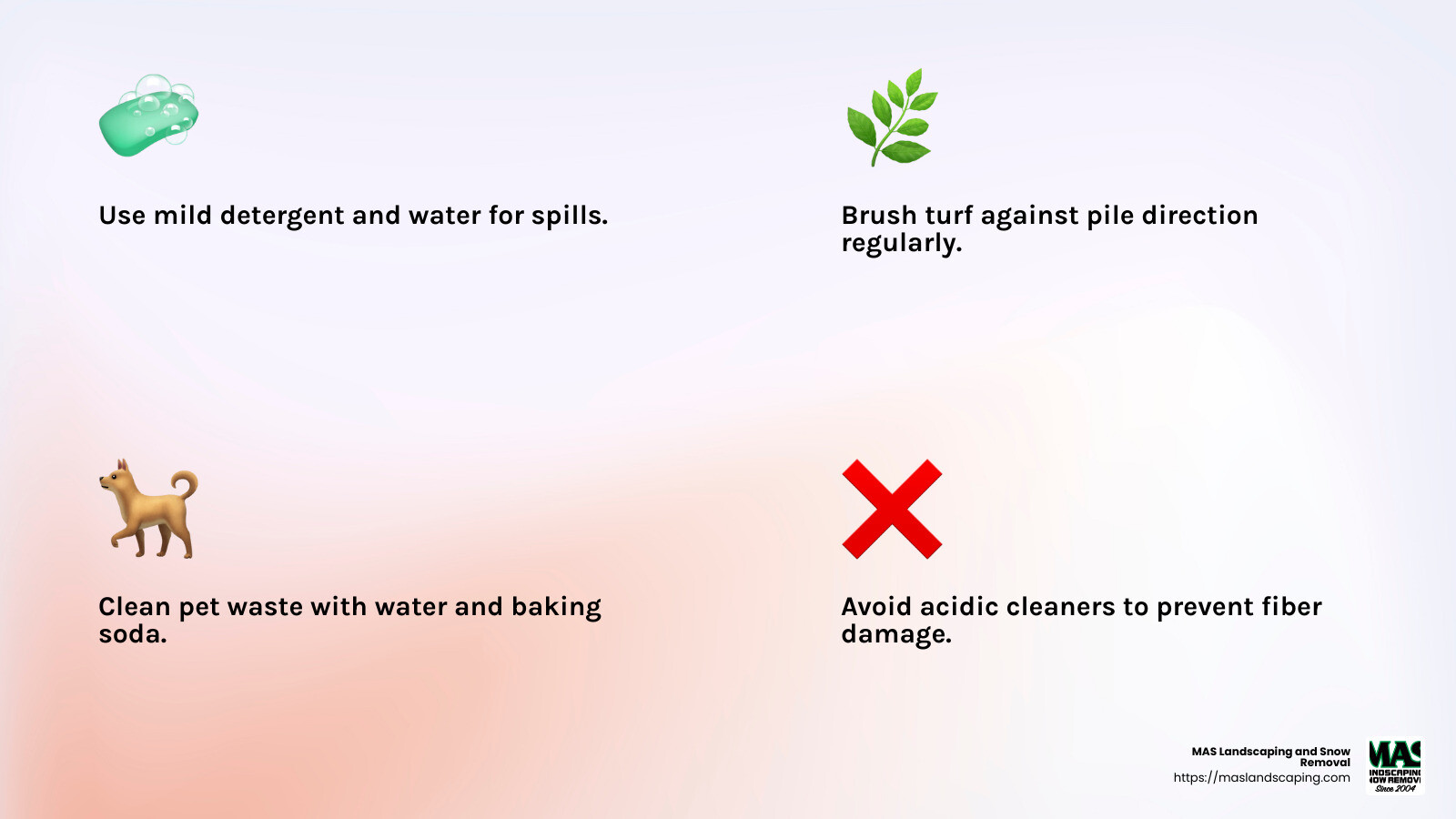
Accidents happen, but with artificial turf, cleaning spills is straightforward. Use a solution of mild household detergent and warm water for stains like ice cream or ketchup. Always rinse the area with cold water to remove soap residue. Prompt cleaning prevents stains from setting, keeping your turf pristine.
Brush Regularly
To maintain the lush look of your turf, regular brushing is key. Use a stiff broom to brush against the pile direction. This prevents matting and keeps fibers upright, especially in high-traffic areas. Periodic cross-brushing helps maintain an even appearance.
Remove Pet Waste
Artificial turf is pet-friendly, but it requires specific care. Allow solid waste to dry before picking it up, then rinse the area with water. For urine, sprinkle baking soda to neutralize odors and rinse thoroughly. This simple routine keeps your turf clean and odor-free.
Avoid Acidic Cleaners
While artificial turf is durable, some cleaning products can cause damage. Avoid acidic cleaners or those containing bleach. These can degrade the fibers and shorten the life of your turf. Stick to mild detergents or products specifically designed for artificial grass.
Follow Manufacturer Instructions
Every artificial turf product is unique. Always follow the manufacturer’s instructions for care and maintenance. This ensures you get the best performance and longevity from your artificial grass. If you’re unsure, consult the guidelines provided during installation.
Regular care and maintenance will keep your artificial turf looking its best, ensuring a beautiful and functional yard for years to come. Now, let’s explore some popular uses for artificial turf that can transform your outdoor spaces.
Popular Uses for Artificial Turf
Artificial turf is not just for sports fields anymore. It’s a versatile option that can transform various areas of your home, making them both practical and visually appealing. Let’s explore some popular uses for artificial turf.
Patios
Imagine relaxing on your patio, surrounded by the lush look of grass without the hassle of mowing. Artificial turf is perfect for patios, providing a soft, green surface that complements potted plants and outdoor furniture. It’s a simple way to create a cozy outdoor oasis right at home.
Walkways
Tired of muddy paths? Artificial turf walkways are a great solution. They guide movement through your yard while staying clean and tidy. Whether you prefer straight lines for a formal look or curved paths for a more relaxed feel, turf walkways are both practical and stylish.
Door Mats
Transform the entrance to your home with an artificial turf door mat. It’s a welcoming touch that keeps dirt and mud outside. Plus, it’s durable enough to withstand heavy foot traffic, making it a smart choice for busy households.
Screened-In Porches
Bring the outdoors in with artificial turf on your screened-in porch. It adds a touch of greenery and creates a unique play area for kids, rain or shine. It’s an easy way to enjoy the feel of grass without worrying about weather conditions.
Backyard Putting Greens
For golf enthusiasts, a backyard putting green is a dream come true. Artificial turf allows you to practice your swing at home, saving on greens fees and travel time. With the right installation, your putting green will offer the perfect surface for honing your skills.
Kids’ Play Areas
Safety and fun go hand in hand with artificial turf play areas. Add foam padding underneath for extra cushioning, and you’ll have a safe space for kids to play. It’s easy to maintain and keeps the area clean, letting kids enjoy their playtime without muddy messes.
Pet Areas
Pets love artificial turf too! It’s ideal for pet areas because it stays clean and mud-free, even after rain. Plus, it’s durable enough to handle rough play. Use a Zeolite infill to control odor, ensuring a fresh-smelling play space for your furry friends.
Artificial turf offers endless possibilities to improve your outdoor spaces. From patios to pet areas, its versatility and low maintenance make it a popular choice for homeowners looking to upgrade their yards.
Frequently Asked Questions about Installing Artificial Grass on Soil
Can I lay artificial grass on top of natural grass?
No, it’s not advisable to lay artificial grass directly on top of natural grass. This might seem like a shortcut, but it creates an uneven surface that can lead to damage. Natural grass can continue to grow underneath, causing the artificial turf to lift or develop bumps. This not only affects the appearance but can also trap moisture, leading to mold and unpleasant odors. To avoid these issues, it’s crucial to remove the natural grass completely before installation.
What do you put under artificial grass for drainage?
Proper drainage is key to a successful artificial grass installation. Without it, water can accumulate, leading to soggy turf and potential damage. The best practice is to use a crushed stone or gravel base. This base allows water to pass through easily, preventing pooling. A drainage underlay can also be used for added effectiveness, especially in areas with heavy rainfall. The underlay helps direct water away from the turf, keeping it dry and firm.
How does artificial grass stick to the ground?
Artificial grass relies on a combination of weight and adhesives to stay in place. The weight of the grass itself, along with a sand infill, helps keep it stable. The sand infill adds weight and supports the grass blades, making them stand upright. For additional security, adhesive is used along the edges and seams. This ensures the turf stays put, even in high-traffic areas. Proper installation techniques, including securing the perimeter with turf nails, also contribute to a long-lasting and durable surface.
Conclusion
Installing artificial grass on soil offers numerous advantages, making it a smart choice for homeowners seeking a low-maintenance and eco-friendly lawn solution. Artificial turf saves time and money by eliminating the need for mowing, watering, and fertilizing. It also contributes to water conservation, which is especially beneficial in areas with water restrictions.
At MAS Landscaping and Snow Removal, we take pride in providing expert artificial grass installation services. Our team is committed to delivering professional results that meet your specific needs. With our local expertise in the Saugus, MA area, including Everett, Lynnfield, and Malden, we ensure your artificial turf is installed correctly and beautifully, enhancing your outdoor space.
Our comprehensive landscaping services go beyond just installation. We offer ongoing support to ensure your artificial lawn remains in excellent condition for years to come. Whether you’re looking to create a lush patio, a safe play area for kids, or a pet-friendly zone, we are here to help make your vision a reality.
Ready to transform your yard with artificial grass? Contact us today to get started with MAS Landscaping and Snow Removal. Let us help you create a stunning and sustainable outdoor space that reflects your personal style and needs.