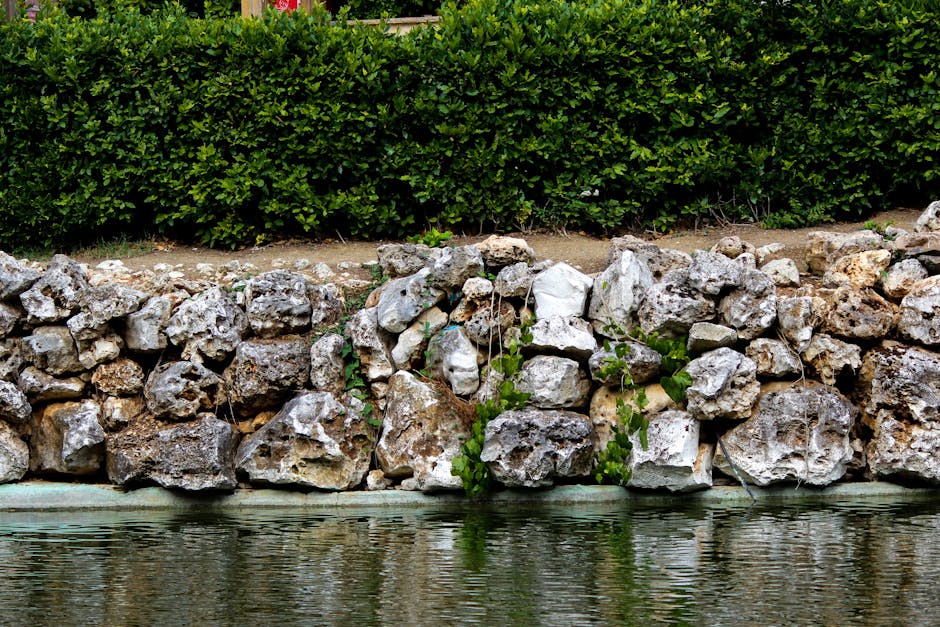



Outdoor Retaining Wall Ideas: 25 Best Stunning Designs
Outdoor retaining wall ideas can transform any backyard into a beautiful and functional space. Whether you’re dealing with a sloped landscape or looking to add a striking feature to your garden, these ideas will help you design the perfect retaining walls to improve your outdoor environment.
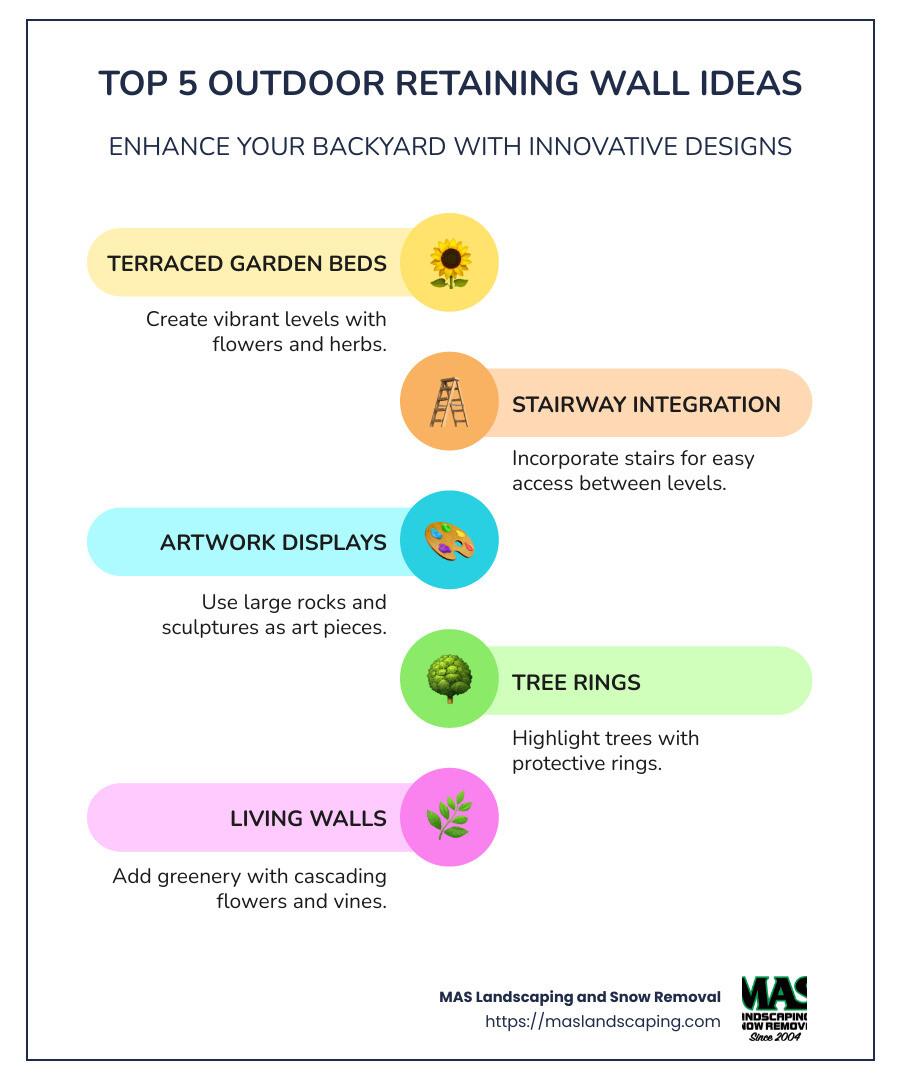
Here’s a quick summary of practical outdoor retaining wall ideas to boost your home’s curb appeal:
– Terraced garden beds for vibrant flowers and herbs
– Stairway integration for smooth access between levels
– Displays for artwork using large rocks and statues
– Tree rings to showcase and protect specimen trees
– Living walls with greenery and cascading flowers
Retaining walls aren’t just functional structures for soil stabilization and erosion control. They can also serve as stunning features that lift your garden’s aesthetic appeal. By exploring various styles and materials like concrete, natural stone, and timber, you can create a design that suits your personal taste and adds value to your property. Each idea offers unique benefits, whether you’re looking for practicality, beauty, or both.
Learn more about Outdoor retaining wall ideas:
– Garden wall designs
– Hardscape design services
– Landscape Walls
What Is a Retaining Wall?
A retaining wall is more than just a structure; it’s a crucial component in landscape design. Its primary purpose is to hold back soil, rocks, or other materials on a slope. This helps to stabilize the land and prevent erosion, making it essential for properties with significant elevation changes.
Purpose of Retaining Walls
Retaining walls are vital in areas prone to erosion. They act as barriers, controlling the flow of rainwater and reducing soil loss. This is particularly important in sloped landscapes where erosion can lead to land instability.
But retaining walls aren’t just about functionality. They can also be beautiful additions to your outdoor space. By using different materials and designs, these walls can improve the visual appeal of your property. They can serve as focal points, garden dividers, or even artistic displays.
Soil Stabilization and Erosion Control
One of the main benefits of a retaining wall is soil stabilization. On sloped properties, soil can easily wash away during heavy rainfalls. A well-built retaining wall keeps the soil in place, protecting your landscape from damage.
Erosion control is another critical function of retaining walls. By controlling the movement of soil and water, these walls prevent the loss of valuable topsoil. This is especially important for gardens and areas where plants need stable ground to thrive.
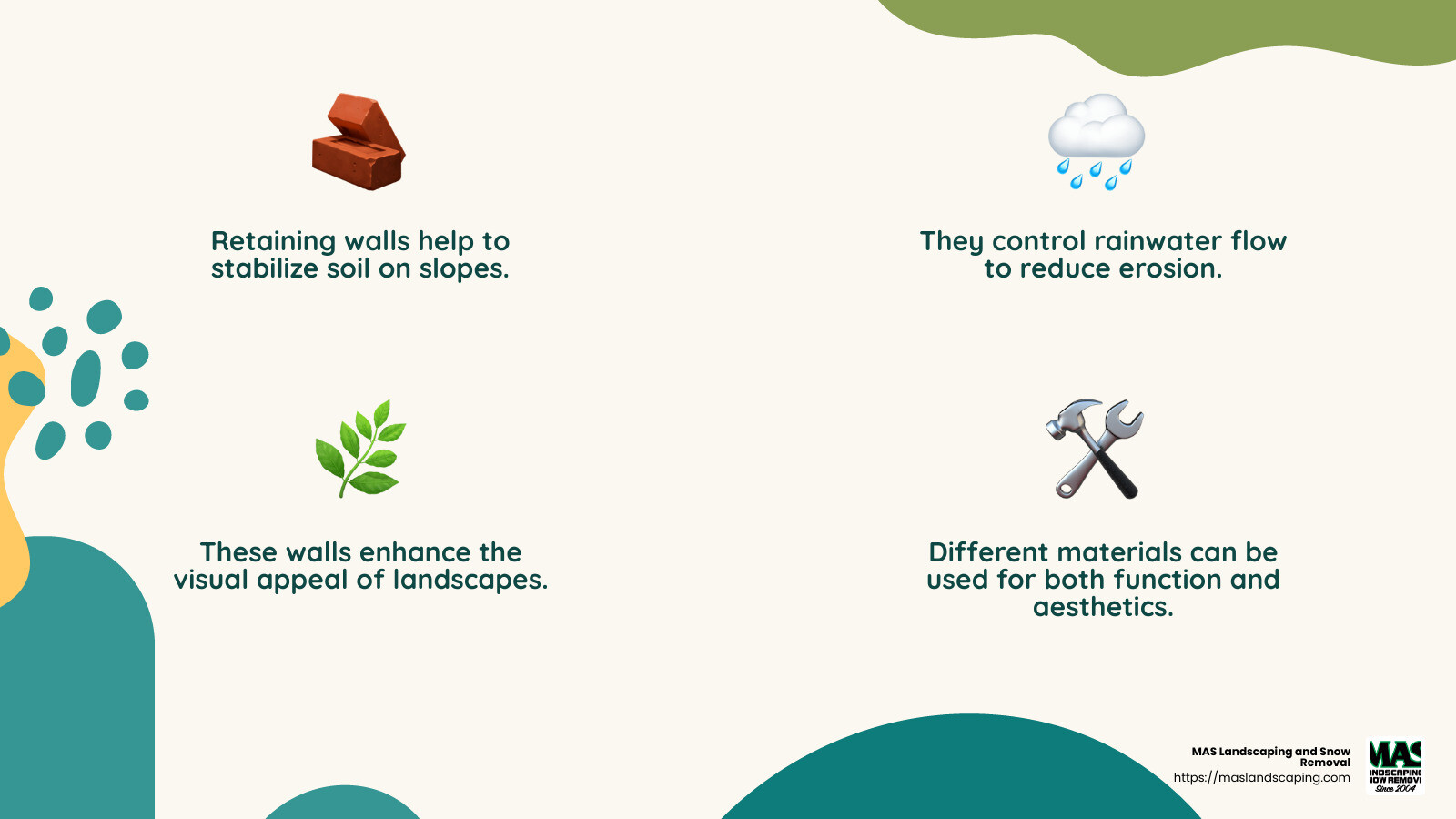
In summary, retaining walls are essential for both practical and aesthetic reasons. They provide necessary support and protection for your landscape while offering opportunities for creative design. Whether you need a wall for soil stabilization or want to add a unique feature to your garden, retaining walls can meet a variety of needs.
Next, let’s explore the different materials you can use to create a stunning retaining wall that complements your outdoor space.
Materials for Retaining Walls
When it comes to building retaining walls, the choice of materials can significantly impact both the appearance and functionality of the structure. Let’s explore some popular options that can improve your outdoor space while providing essential support.
Concrete Blocks
Concrete blocks are a versatile and durable choice for retaining walls. They come in various shapes, sizes, and colors, allowing for a high degree of customization. Concrete block walls are known for their strength and longevity, making them ideal for larger projects or areas with heavy soil pressure. Their modular nature also makes installation relatively straightforward, even for DIY enthusiasts.
Natural Stone
For a timeless and neat look, natural stone is an excellent option. Whether stacked in a regular or irregular pattern, natural stone walls offer rustic charm that blends seamlessly with the landscape. They are not only visually appealing but also incredibly sturdy. However, they may require professional installation due to their weight and the need for precise placement.
Brick
Bricks bring a classic and traditional feel to retaining walls. They are often used in more formal garden settings. Brick walls are durable and offer a clean, polished look. They can be arranged in various patterns, adding visual interest to your garden or yard. Like natural stone, brick walls may require skilled labor to ensure proper alignment and stability.
Timber Beams
Timber beams offer a warm and natural aesthetic, perfect for creating a cozy atmosphere in your outdoor space. While timber retaining walls are cost-effective, they have a shorter lifespan compared to stone or concrete. To extend their durability, opt for pressure-treated wood and apply a wood preservative regularly. Be cautious about planting too close due to potential chemical leaching from treated wood.
Boulders
For those seeking a rugged and natural look, boulders are an excellent choice. Boulder walls are not only visually striking but also provide natural drainage, which can be beneficial in areas prone to heavy rainfall. They are often less expensive than other materials and require minimal maintenance, making them a practical option for rustic landscapes.
Gabions
Gabion walls are a modern and industrial option, consisting of wire baskets filled with rocks or gravel. They offer both style and effective drainage, making them suitable for various landscapes. Gabions are flexible and can be shaped to fit specific design needs, providing a unique and eye-catching feature in your garden.
Reinforced Soil
Reinforced soil walls are an innovative solution that combines soil with reinforcing elements like mesh or geogrid. This method provides excellent stability and is often used in large-scale projects. Reinforced soil walls are versatile and can be adapted to various terrains, making them a practical choice for challenging landscapes.
Choosing the right material for your retaining wall depends on your specific needs, style preferences, and budget. Each material offers distinct advantages and can be custom to suit your outdoor environment.
25 Practical Retaining Wall Ideas for Extra Curb Appeal
Retaining walls can be more than just functional structures; they can improve the aesthetic appeal of your outdoor space. Here are 25 creative ideas to transform your retaining walls into beautiful landscape features.
1. Terraced Garden Beds
Terraced garden beds are perfect for adding layers of visual interest to your yard. Use retaining walls to create terraces filled with vibrant flowers, herbs, or even small fruit trees. This approach not only maximizes planting space but also creates a stunning multi-level garden.
2. Stairway Integration
Incorporate a staircase into your retaining wall design to effortlessly connect different levels of your landscape. This practical feature can lead to hidden gems like a zen garden or a cozy fire pit area.
3. Display Artwork
Turn your retaining wall into a canvas by adding artwork such as large rocks, sculptures, or mosaic pieces. Improve these features with lighting to create a striking focal point in your garden.
4. Tree Rings
Highlight and protect your favorite trees by constructing low retaining walls around their base. These tree rings can safeguard roots, maintain mulch, and add a touch of elegance with landscape lights.
5. Living Walls
Create a living wall by integrating soil pockets into your retaining structure. Plant cascading flowers or vines to add lush greenery, changing your wall into a vibrant vertical garden.
6. Unique Seating
Design built-in bench seating atop your retaining wall for a unique outdoor gathering spot. Pair it with a fire pit for a cozy and inviting atmosphere.
7. Privacy Walls
Improve patio privacy with strategically placed L-shaped retaining walls. These structures can shield your outdoor space from roads or neighboring properties, offering a secluded retreat.
8. Water Features
Incorporate waterfalls or other water features into your retaining wall for a serene and eye-catching landscape element. The soothing sound of cascading water can improve any outdoor setting.
9. Natural Stone Elegance
Use stacked stones in an irregular pattern to add rustic charm to your landscape. This approach not only looks neat but also blends seamlessly with natural surroundings.
10. Wooden Retaining Walls
Opt for timber retaining walls for a warm and natural look. Stained or untreated, wood offers a range of design possibilities to suit your style.
11. Gabion Walls
For a modern twist, consider gabion walls made of wire baskets filled with rocks. This industrial style provides both visual appeal and effective drainage.
12. Concrete Blocks
Concrete block walls offer durability and versatility. Available in various shapes and colors, they allow for creative customization to match your landscape vision.
13. Colorful Plantings
Improve your retaining wall with colorful plantings like flowers, shrubs, or climbing vines. This lush greenery can turn your wall into a vibrant focal point.
14. Retaining Wall Lighting
Add built-in lighting to your retaining wall for a magical nighttime ambiance. This feature is perfect for illuminating walkways or outdoor entertaining areas.
15. Curved Retaining Walls
Introduce curves to your retaining wall design for a sense of flow and movement. Curved walls can create a dynamic atmosphere in your garden.
16. Mixed Materials
Combine stone, wood, concrete, and metal for a unique aesthetic. Mixing materials can add depth and texture to your retaining wall.
17. Natural Retaining Walls
Use natural elements like logs, firewood, or post-demolition concrete to construct eco-friendly retaining walls. These materials offer a rustic and organic look.
18. Freestanding Walls
Consider freestanding walls like Keystone Country Manor for added versatility. These walls can serve as standalone features or part of a larger design.
19. Gravity Retaining Walls
Gravity walls use their weight to hold back soil, often made from concrete blocks. They provide stability and a classic appearance.
20. Modular Concrete Blocks
Modular blocks offer an easy-to-install solution with customizable designs. They are ideal for homeowners seeking a straightforward yet stylish wall.
21. Pressure-Treated Timber
Use pressure-treated timber for a durable retaining wall. This material offers a natural look with added protection against decay.
22. Large Stacked Boulders
Create a boulder wall for a rugged and natural appearance. Boulders provide stability and require minimal maintenance.
23. Gabions
Incorporate gabions filled with rocks for a contemporary design. These structures offer excellent drainage and a distinctive look.
24. Stacked Soil Reinforced
Use reinforced soil with mesh or anchors for stability. This method is adaptable to challenging landscapes and offers a natural appearance.
25. Custom Designs
Work with a professional landscaper to create custom retaining wall designs custom to your property. Personalized designs ensure a unique and cohesive landscape.
These retaining wall ideas not only add curb appeal but also improve the functionality and beauty of your outdoor space.
1. Terraced Garden Beds
Transform your sloped yard into a beautiful and functional space with terraced garden beds. These structures can turn challenging terrains into lush, layered gardens that offer a variety of planting opportunities.
Benefits of Terraced Gardens
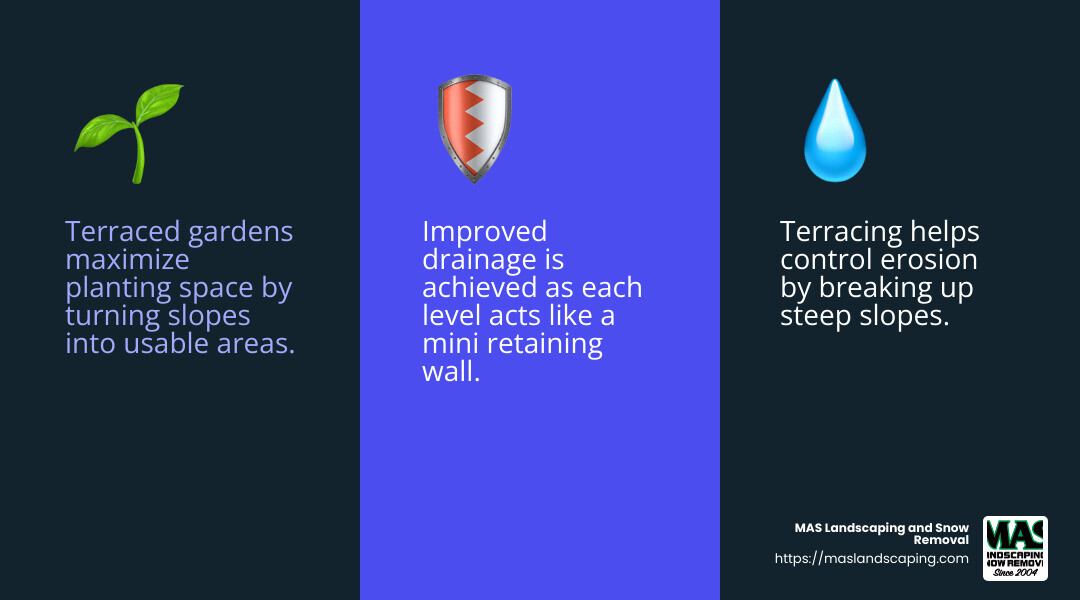
- Maximized Planting Space: By creating flat areas on a slope, terraced garden beds increase your usable planting space. This is perfect for growing a variety of flowers, herbs, and even small vegetable gardens.
- Erosion Control: Terracing helps prevent soil erosion by breaking the slope into smaller, more manageable sections. This keeps your soil in place and protects your plants.
- Improved Drainage: Each level of a terraced garden acts as a mini retaining wall, providing better water distribution and drainage.
Versatile Planting Options
- Flowers: Add bursts of color with seasonal blooms. Consider perennials for long-lasting beauty or annuals for a fresh look each year.
- Herbs: Grow your own culinary herbs like basil, thyme, and rosemary. They thrive in well-drained soil and can be easily accessed from terraced beds.
- Vegetable Gardens: Use the flat sections for planting vegetables. Terraced beds provide the perfect environment for growing everything from leafy greens to root vegetables.
- Fruit Trees: Plant dwarf fruit trees on the terraces. They not only add height and interest but also provide delicious home-grown produce.
Design Tips
- Material Choices: Use natural stone, timber, or concrete blocks for your terraced walls. Each material offers a distinct look and can blend with your garden’s overall design.
- Layering: Create different levels for various types of plants. Taller plants can go at the back or top levels, while shorter plants can fill the front tiers.
- Pathways: Incorporate pathways or steps between terraces for easy access and maintenance. This adds both functionality and aesthetic appeal.
Terraced garden beds not only improve your landscape’s visual appeal but also provide a practical solution for challenging terrains. With a bit of planning, they can become a stunning focal point in your outdoor space.
2. Stairway Integration
Integrating a staircase into your retaining wall design is a smart way to improve both access and aesthetics in your outdoor space. This approach not only improves the functionality of your landscape but also adds a touch of elegance and charm.
Easy Access and Flow
A well-placed staircase can transform your garden by providing seamless access to different levels. Whether you have a steep slope or a series of terraced garden beds, stairs allow for easy navigation and movement.
- Material Choices: Opt for materials like natural stone, timber, or concrete that complement your retaining wall. This ensures a cohesive look throughout your garden.
- Safety First: Consider adding handrails or non-slip surfaces to improve safety, especially in wet conditions.
Zen Garden Integration
Pair your staircase with a zen garden to create a peaceful retreat. The calming presence of sand, stones, and minimalist plantings can turn your outdoor space into a sanctuary.
- Design Elements: Use gravel or sand to form patterns around the stairs. Add carefully placed rocks or a small water feature for tranquility.
- Plant Selection: Choose plants like bamboo or moss that thrive in shaded, serene environments. These add greenery without overwhelming the zen aesthetic.
Fire Pit Gathering Spot
A staircase can also lead to a cozy fire pit area, perfect for social gatherings. This creates a natural flow from your home to an inviting outdoor entertaining space.
- Seating Options: Incorporate built-in seating along the retaining wall. This not only saves space but also provides ample room for guests.
- Lighting: Install subtle lighting along the stairs and around the fire pit to improve safety and ambiance during evening gatherings.
By integrating a staircase into your retaining wall design, you improve the usability and beauty of your landscape. Whether leading to a tranquil zen garden or a lively fire pit area, a well-designed staircase can lift your outdoor experience.
3. Display Artwork
Transform your retaining wall into a stunning canvas by using large rocks, sculptures, and mosaic pieces. These elements not only serve as artistic expressions but also make your outdoor space unique and memorable.
Large Rocks as a Statement
Incorporating large rocks into your retaining wall design can make a bold statement. These natural elements add texture and depth, creating a rustic yet sophisticated look.
- Placement Tips: Strategically place rocks of varying sizes along the wall to create visual interest. Mixing different types of stone can improve the natural appeal.
Sculptures for Personal Touch
Add a personal touch to your retaining wall with sculptures. Whether you prefer abstract art or more traditional forms, sculptures can serve as focal points in your garden.
- Material Choices: Opt for weather-resistant materials like metal or stone to ensure longevity. These materials withstand the elements while maintaining their beauty.
- Positioning: Place sculptures at eye level or slightly above to draw attention. Consider the backdrop of your wall to ensure the sculpture stands out.
Mosaic Pieces for Color and Creativity
Mosaic pieces offer a colorful and creative way to embellish your retaining wall. These intricate designs can reflect your personal style and add a vibrant touch to your outdoor space.
- Design Ideas: Use colorful tiles or glass pieces to create patterns or images that resonate with you. This can range from simple geometric shapes to elaborate scenes.
- Installation: Ensure the mosaic pieces are securely attached to the wall. Use weatherproof adhesive to prevent damage over time.
Lighting to Highlight Art
Lighting plays a crucial role in showcasing your artwork, especially after dark. Proper lighting can improve the visibility and impact of your art pieces.
- Types of Lighting: Use spotlights to focus on specific sculptures or mosaic areas. LED lights are energy-efficient and provide a bright, clear illumination.
- Placement: Install lights at the base of sculptures or along the top edge of the wall to cast shadows and highlight textures. This creates a dramatic effect that improves the overall ambiance.
By integrating artwork into your retaining wall, you not only improve its aesthetic appeal but also create a space that reflects your personality and style. Whether through the use of large rocks, sculptures, or mosaic pieces, your wall becomes more than just a functional element—it becomes a work of art.
4. Tree Rings
A tree ring is a charming way to highlight a specimen tree in your yard while providing essential benefits. These low retaining walls encircle the tree, offering both protection and aesthetic appeal.
Root Protection
One of the main purposes of a tree ring is to safeguard the tree’s roots. By creating a defined boundary, you prevent soil compaction and damage from foot traffic. This ensures the tree can grow healthy and strong.
- Materials: Use natural stone or brick for a classic look, or opt for timber beams for a rustic charm. Ensure the materials allow for proper drainage to avoid waterlogging.
Mulch for Health
Inside the tree ring, apply a layer of mulch. This helps retain moisture, suppress weeds, and regulate soil temperature. Mulch also breaks down over time, adding nutrients to the soil.
- Types of Mulch: Choose organic options like wood chips or bark. These not only look good but also contribute to soil health.
- Application: Spread mulch evenly, keeping it a few inches away from the tree trunk to prevent rot.
Landscape Lights for Drama
Add landscape lights to your tree ring for a striking visual effect. Lighting not only highlights the beauty of your tree but also improves safety around the area at night.
- Lighting Options: Solar-powered lights are eco-friendly and easy to install. Alternatively, use low-voltage LED lights for a more permanent solution.
- Placement Tips: Position lights to cast upward onto the tree canopy, creating a dramatic and inviting glow. Ensure the lights are angled to avoid glare.
By incorporating tree rings into your landscape, you create a focal point that celebrates the natural beauty of your trees. This simple yet effective feature adds both function and flair to your outdoor space.
5. Living Walls
A living wall is a vibrant way to incorporate nature into your retaining wall design. By using materials like boulders, gabions, and timber beams, you can create a structure that blends seamlessly with the landscape while supporting cascading flowers and vines.
Boulders for Stability and Style
Boulders offer a natural and sturdy option for living walls. Their large size provides stability and a rugged aesthetic that complements the organic look of cascading plants.
- Design Tip: Arrange boulders in an irregular pattern to mimic natural formations. This creates pockets where plants can thrive, adding texture and depth.
Gabions for a Modern Touch
Gabion walls, constructed using wire baskets filled with rocks or gravel, provide a modern and industrial look. They are excellent for drainage and can support a variety of plant life.
- Planting Strategy: Use the spaces between the rocks to plant hardy vines or succulents. These plants will drape over the edges, softening the wall’s appearance.
Timber Beams for Warmth
Timber beams bring warmth and versatility to living walls. They can be arranged horizontally or vertically, offering numerous design possibilities.
- Cascading Flowers: Plant trailing flowers like petunias or nasturtiums along the top of the wall. As they grow, they will spill over the timber beams, creating a colorful and inviting display.
Vines for Vertical Interest
Incorporating vines into your living wall adds vertical interest and a lush, green backdrop. Choose fast-growing varieties that can quickly cover the wall and create a dense, leafy screen.
- Popular Choices: Consider using ivy, clematis, or climbing roses. These plants are known for their vigorous growth and beautiful blooms.
By combining these elements, you can design a living wall that is both functional and visually stunning. This approach not only improves the aesthetic appeal of your outdoor space but also promotes biodiversity and provides habitat for wildlife.
6. Unique Seating
Transform your outdoor space with built-in bench seating that seamlessly integrates with your retaining wall. This feature not only improves the utility of your landscape but also provides a cozy spot for relaxation and conversation.
Built-in Bench Seating
Incorporating seating into your retaining wall design is a smart way to maximize space and functionality. Imagine a stone or wood bench that flows naturally from the wall, creating a harmonious and inviting atmosphere.
- Design Tip: Use natural stone or pressure-treated timber for a durable and attractive finish. Both materials blend well with outdoor environments, providing a rustic or modern look depending on your preference.
- Comfort Considerations: Add cushions or pillows made from weather-resistant fabric to improve comfort and style. Choose colors that complement your garden’s palette for a cohesive look.
Fire Pit for Warm Gatherings
Adding a fire pit to your retaining wall seating area transforms it into a year-round gathering place. Whether it’s a chilly autumn evening or a summer night, a fire pit provides warmth and ambiance.
- Placement Strategy: Position the fire pit centrally within the seating area to create a focal point. Ensure there’s enough space for guests to move comfortably around it.
- Safety First: Consider using a gas-powered fire pit for easy control and minimal smoke. Always follow local regulations and safety guidelines when installing and using a fire pit.
Case Study: Organic Flow
Los Angeles landscape architect Patricia Benner designed a retaining wall with built-in stone seating that flows organically into the surroundings. This design creates a sense of unity with nature, making the seating feel like a natural extension of the landscape.
- Quote: “It has a nice, organic flow and makes the seating feel of a piece with its surroundings,” says Benner.
By combining built-in bench seating with a fire pit, you can create a multifunctional outdoor area that encourages relaxation and socializing. This unique seating arrangement not only adds value to your property but also improves your outdoor living experience.
7. Privacy Walls
Create a peaceful retreat with retaining walls designed for privacy. If your patio is exposed to a public road or close neighbors, consider L-shaped walls to shield your space and make it more secluded.
L-Shaped Walls for Privacy
L-shaped retaining walls are a clever solution to improve patio privacy. By strategically positioning these walls, you can create a cozy nook that feels intimate and secure.
- Design Tip: Use materials like natural stone or modular concrete blocks to match the existing landscape. These materials not only offer privacy but also add a touch of elegance to your outdoor space.
- Height Considerations: Ensure the walls are tall enough to block unwanted views but not so high that they overpower the space. A height of about 4-6 feet is often ideal for privacy without feeling enclosed.
Shielding from Public Roads and Neighbors
Living near a busy road or having neighbors close by can sometimes intrude on your outdoor enjoyment. Privacy walls can act as a barrier, reducing noise and providing a serene environment.
- Noise Reduction: Consider planting tall shrubs or vines alongside the wall to further dampen sound and improve the natural aesthetic.
- Visual Appeal: Incorporate vertical planters or climbing plants to soften the wall’s appearance and bring greenery into the design.
Case Study: Urban Oasis
In the busy city of Boston, landscape designer Mark Hovis transformed a client’s patio into a private retreat using L-shaped retaining walls. The walls not only provided privacy but also served as a backdrop for a vibrant vertical garden.
- Quote: “The walls create a sense of separation from the city while adding layers of greenery that transform the space,” explains Hovis.
By using L-shaped retaining walls, you can craft a private sanctuary that allows you to enjoy your outdoor space without prying eyes or noise. This approach not only improves your patio’s functionality but also boosts its aesthetic appeal.
8. Water Features
Transform your landscape with the soothing allure of water features integrated into your retaining walls. Whether it’s a gentle waterfall, neat fountain, or cascading water, these elements can add both tranquility and visual interest to your outdoor space.
Waterfalls: A Natural Backdrop
A waterfall can serve as a stunning focal point for your garden. By using your retaining wall as a backdrop, you create a dramatic effect where water gracefully descends, adding movement and sound to your landscape.
- Design Tip: Incorporate natural stone to improve the organic feel of the waterfall. Stacked stones or irregular patterns can mimic a natural stream, making the feature blend seamlessly with the environment.
- Maintenance Consideration: Ensure proper water circulation and filtration systems are in place to keep the water clear and reduce algae growth.
Fountains: Neat and Timeless
Fountains integrated into retaining walls provide a sophisticated touch. They offer a gentle, continuous flow of water that can be both mesmerizing and calming.
- Design Options: Choose from classic tiered fountains to modern, minimalist designs. The style should complement the overall aesthetic of your garden.
- Lighting Improvement: Add underwater LED lights to highlight the fountain at night, creating a magical atmosphere.
Cascading Water: Dynamic and Engaging
Cascading water features can transform a simple retaining wall into a lively and engaging element. The sound of water flowing over rocks can drown out city noise and create a peaceful retreat.
- Case Study: In a project by Bianchi Brickyard & Landscaping Supply, a cascading water feature was added to a client’s backyard in Medford, MA. The feature used a series of small ledges to create multiple waterfalls, providing a continuous and soothing soundscape.
- Quote: “The cascading water not only adds beauty but also creates a relaxing environment that our clients love,” says the project lead at Bianchi Brickyard.
By incorporating water features into your retaining wall, you can create a dynamic landscape that appeals to both the eyes and ears. Whether you choose a waterfall, fountain, or cascading water, these elements can turn your outdoor space into a serene oasis.
9. Natural Stone Elegance
Accept the timeless beauty of natural stone for your retaining walls. This material offers a classic and rustic charm that can improve the overall aesthetic of your outdoor space.
Stacked Stones: Timeless and Sturdy
Stacked stone retaining walls are a popular choice for their durability and natural look. The method involves carefully arranging stones without visible mortar, creating a seamless and organic appearance.
- Design Tip: Opt for a variety of stone sizes to achieve a more natural and less uniform look. This approach can make the wall appear as if it has always been part of the landscape.
- Case Study: In Saugus, MA, a homeowner transformed their sloped backyard into a terraced garden using stacked stones. The result was a series of neat terraces that provided both functionality and visual appeal.
Irregular Patterns: Unique and Artistic
Using irregular patterns in your stone retaining walls can add an artistic touch to your landscape. This technique involves mixing different stone shapes and sizes, creating a mix-like effect.
- Design Options: Consider using stones of various colors and textures to add depth and interest. This can turn your retaining wall into a focal point in your garden.
- Quote: “Irregular stone patterns bring a unique character to any garden,” says a landscape designer from Everett, MA. “Each wall becomes a piece of art, reflecting the natural beauty of the stones.”
Rustic Charm: Natural and Inviting
Natural stone retaining walls exude a rustic charm that is both welcoming and timeless. They blend seamlessly with the surrounding environment, making them ideal for gardens that aim to maintain a natural look.
- Inspiration: Imagine a quaint cottage garden in Melrose, MA, where a natural stone wall supports a variety of climbing roses and ivy. The rustic charm of the stones complements the lush greenery, creating a picturesque setting.
- Maintenance Tip: While natural stone walls are relatively low-maintenance, regular checks for stability and occasional cleaning can help preserve their beauty over time.
By choosing natural stone for your retaining walls, you infuse your outdoor space with elegance and durability. Whether you prefer the structured look of stacked stones or the creative flair of irregular patterns, natural stone can transform your garden into a stunning retreat.
10. Wooden Retaining Walls
Warmth and Versatility: Wooden retaining walls offer a cozy and inviting atmosphere to any outdoor space. Timber is a popular choice because of its natural appearance and versatility in design.
Stained or Natural: Tailor to Your Taste
Wooden retaining walls can be stained or left in their natural state, providing flexibility to match your landscape’s theme.
- Staining: Opt for a stain to improve the wood’s natural grain and protect it from the elements. This adds a polished look and helps the wall blend with other features in your yard.
- Natural: Leaving the wood untreated offers a raw, rustic charm. This approach is perfect for gardens aiming for a more organic and earthy feel.
Design Possibilities: Endless Creativity
Timber allows for a wide range of design possibilities, from straight lines to more intricate patterns.
- Vertical Sleepers: Use vertical sleepers to create a small, fence-like wall. This design is excellent for adding visual movement and separating garden areas.
- Case Study: In Lynnfield, MA, a homeowner used vertical wooden sleepers to create a small retaining wall that seamlessly integrated with their garden’s natural slope. The result was a charming and functional addition that provided both support and style.
Practical Considerations: Durability and Maintenance
While wood is an affordable and common choice, it’s important to consider its lifespan and maintenance needs.
- Durability: Pressure-treated timber can extend the wall’s longevity by resisting rot and insect damage. This makes it a practical choice for those looking to balance cost with durability.
- Maintenance Tip: Regularly inspect your wooden retaining wall for signs of wear or damage. Applying a wood preservative can help maintain its appearance and structural integrity over time.
By incorporating wooden retaining walls into your landscape, you can achieve a warm and inviting environment with plenty of room for creativity. Whether you prefer a stained finish or a natural look, timber offers a versatile and attractive solution for enhancing your outdoor spaces.
11. Gabion Walls
Modern and Industrial Appeal: Gabion walls are a striking choice for those looking to add a contemporary touch to their outdoor spaces. These walls are made from wire baskets filled with rocks or gravel, giving them a rugged yet stylish look.
Construction Basics: Wire Baskets and Fill Materials
Gabion walls are constructed using wire baskets, which are then filled with a variety of materials.
- Wire Baskets: The wire mesh provides the structural framework for the gabion wall. It’s essential to choose high-quality, corrosion-resistant wire to ensure longevity and stability.
- Fill Options: Common fill materials include rocks, gravel, or even recycled concrete. The choice of material can influence both the wall’s appearance and its drainage capabilities.
Aesthetic Versatility: Modern Meets Rustic
The combination of metal and stone creates a unique aesthetic that suits both modern and rustic landscapes.
- Visual Interest: The contrast between the sleek wire and the natural stones creates a visually appealing structure. This makes gabion walls suitable for both minimalist gardens and more elaborate designs.
- Case Study: In Everett, MA, a homeowner used gabion walls to create a striking boundary around their property. By filling the baskets with locally sourced stones, they achieved a natural look that complemented the surrounding landscape.
Functional Benefits: Strength and Drainage
Gabion walls are not only visually appealing but also highly functional.
- Strength: The weight of the rocks provides a stable and robust structure, making gabion walls ideal for supporting large amounts of soil.
- Drainage: The gaps between the stones allow water to pass through, reducing pressure on the wall and preventing erosion. This makes gabion walls an excellent choice for areas prone to heavy rainfall.
Customization and Creativity: Personalize Your Design
Gabion walls offer endless possibilities for customization.
- Mix and Match: Experiment with different sizes and colors of stones to create a pattern or design that reflects your personal style.
- Add Plants: Incorporate greenery by planting small succulents or cascading vines within the gaps of the wall. This adds a touch of life and color to the otherwise industrial structure.
By choosing gabion walls, you can add a modern, industrial flair to your landscape while benefiting from their strength and excellent drainage properties. Whether you’re looking to create a boundary or add a unique feature to your garden, gabion walls offer a versatile and durable solution.
12. Concrete Blocks
Concrete blocks are a popular choice for retaining walls due to their durability and versatility. These blocks are engineered to withstand the test of time, making them ideal for both residential and commercial projects.
Durable and Long-Lasting
Concrete blocks are known for their strength and resilience. They can endure harsh weather conditions and resist deterioration over time.
- Weather Resistance: Unlike wood, concrete does not rot or warp, making it a reliable option for areas with fluctuating climates.
- Low Maintenance: Once installed, concrete block walls require minimal upkeep, which saves time and effort in the long run.
Versatile Shapes and Sizes
One of the standout features of concrete blocks is the variety of shapes and sizes available. This flexibility allows for creative designs that can be custom to any landscape.
- Standard Blocks: These are perfect for straightforward, linear walls.
- Interlocking Blocks: These provide added stability and are great for curved or terraced designs.
Color and Customization Options
Concrete blocks aren’t limited to the traditional gray. They come in a wide range of colors and finishes, allowing you to customize the look of your retaining wall.
- Color Variety: From earthy tones to vibrant hues, you can choose a color that complements your home and garden.
- Textured Finishes: Opt for a smooth finish for a sleek, modern look or a textured finish for a more natural appearance.
Creative Design Possibilities
Concrete blocks offer endless possibilities for customization. You can let your imagination run wild and create a truly unique retaining wall.
- Patterned Walls: Use different block sizes and colors to create eye-catching patterns.
- Integrated Features: Incorporate built-in seating, planters, or lighting to improve functionality and aesthetics.
Concrete blocks are a practical and stylish choice for anyone looking to build a retaining wall. With their durability, versatility in design, and customization options, they can transform any outdoor space into a stunning and functional area. Whether you’re aiming for a modern look or a rustic charm, concrete blocks provide the foundation for a beautiful and lasting landscape feature.
13. Colorful Plantings
Adding colorful plantings to your retaining wall can transform it from a mere structural element into a stunning focal point in your garden. Flowers, shrubs, and climbing vines not only improve the aesthetic appeal but also bring life and vibrancy to your outdoor space.
Flowers: Brighten Up Your Wall
Flowers are a simple way to add a splash of color to your retaining wall. Choose plants that complement your climate and soil type to ensure they thrive. Moss phlox and creeping thyme are excellent choices for cascading over the edge of a wall, creating a beautiful waterfall effect of blooms.
- Seasonal Blooms: Select flowers that bloom at different times of the year to maintain a colorful display throughout the seasons.
- Color Coordination: Consider coordinating the flower colors with the exterior of your home or other garden features for a cohesive look.
Shrubs: Add Texture and Depth
Incorporating shrubs into your retaining wall design can add depth and texture. They are perfect for creating layers in your garden, offering a lush backdrop for smaller plants or flowers.
- Evergreen Shrubs: These provide year-round greenery and can act as a foundation for seasonal flowers.
- Variety of Heights: Use shrubs of varying heights to create visual interest and dimension.
Climbing Vines: Create Vertical Interest
Climbing vines are a fantastic way to use the vertical space of your retaining wall. They can soften harsh lines and add a sense of movement to the structure.
- Fast-Growing Options: Consider vines like ivy or honeysuckle for quick coverage.
- Flowering Vines: Choose varieties like clematis or wisteria for added color and fragrance.
Lush Focal Point: Make a Statement
By combining flowers, shrubs, and vines, you can turn your retaining wall into a lush focal point that draws the eye. This approach not only improves the beauty of the wall but also contributes to the overall harmony of your landscape.
- Layered Planting: Start with taller shrubs at the back, mid-height flowers in the middle, and trailing vines at the front for a tiered effect.
- Mix and Match: Experiment with different plant textures and colors to create a dynamic and inviting garden space.
Incorporating colorful plantings into your retaining wall design is a simple yet effective way to boost curb appeal and create a vibrant outdoor environment. With thoughtful selection and arrangement, your retaining wall can become a beautiful and integral part of your landscape.
14. Retaining Wall Lighting
Retaining wall lighting is an excellent way to improve both the beauty and functionality of your outdoor spaces. By incorporating built-in lighting into your retaining walls, you can transform your garden into a magical nighttime retreat.
Built-In Lighting: Subtle and Stylish
Built-in lighting offers a seamless way to illuminate your retaining walls. These lights are integrated directly into the structure, providing a clean and modern look.
- LED Strip Lights: These can be hidden along the edges of the wall to create a soft glow that highlights the wall’s texture.
- Recessed Lights: Installed within the wall, recessed lights provide focused illumination and are ideal for creating dramatic effects.
Walkways: Safe and Inviting
Lighting up walkways with retaining wall lighting not only adds to the aesthetic appeal but also improves safety. Well-lit paths guide visitors and prevent accidents during nighttime.
- Path Lights: Small lights placed along the walkway edges ensure visibility and improve the overall ambiance.
- Step Lights: If your retaining wall includes steps, consider adding step lights for both safety and style.
Outdoor Entertaining: Set the Mood
Lighting plays a crucial role in creating the perfect atmosphere for outdoor entertaining. Whether you’re hosting a dinner party or enjoying a quiet evening, the right lighting can set the mood.
- Dimmable Options: Choose lights with dimming capabilities to adjust the brightness according to the occasion.
- Accent Lighting: Use accent lights to highlight specific features of your garden, such as a water feature or a beautiful plant.
By thoughtfully integrating lighting into your retaining walls, you can create a warm and inviting outdoor space that is both functional and visually appealing. Whether for safety or ambiance, retaining wall lighting is a valuable addition to any landscape design.
15. Curved Retaining Walls
Curved retaining walls bring a touch of elegance and movement to any landscape. Unlike traditional straight walls, curves create a sense of flow and can transform a static garden into a dynamic space.
Accept the Flow
Curved walls introduce a natural rhythm to your outdoor environment. This design choice can soften the rigid lines of a typical yard, making it feel more inviting.
- Gentle Curves: These can guide the eye and create a sense of continuity throughout the landscape.
- Dramatic Arcs: Use bold arcs to make a statement and draw attention to specific areas of your garden.
Create a Dynamic Atmosphere
The movement suggested by curved walls can energize a landscape, adding depth and interest. They can also help define different sections of your yard, providing a clear yet organic separation between spaces.
- Tiered Levels: Incorporating multiple levels with curved walls can improve the visual interest and usability of sloped terrain.
- Planting Beds: Curved walls can be used to create unique planting beds that follow the natural contours of your garden.
Practical and Aesthetic Benefits
Curved retaining walls are not just about looks; they offer practical benefits too. They can be designed to blend seamlessly with the natural landscape, minimizing environmental impact.
- Erosion Control: Curves can help manage water flow, reducing erosion and protecting your garden.
- Space Maximization: Use curves to carve out usable space on sloped or uneven terrain, making your yard more functional.
By choosing curved retaining walls, you can create a landscape that feels both cohesive and lively. This design element adds a touch of sophistication and ensures your garden stands out with its unique character.
16. Mixed Materials
Mixing materials in your retaining wall design can create a unique and eye-catching aesthetic that lifts your outdoor space. By combining stone, wood, concrete, and metal, you can craft a retaining wall that not only serves its functional purpose but also acts as a standout feature in your landscape.
Stone and Wood: A Natural Blend
Pairing natural stone with wood can soften the appearance of a retaining wall, making it blend seamlessly into its surroundings. This combination is perfect for those who want a rustic yet refined look.
- Natural Stone: Offers timeless beauty and durability. Use it for the main structure to provide strength.
- Wood Accents: Add warmth and texture. Consider using wood for seating or decorative elements.
Concrete and Metal: Modern and Sleek
For a contemporary look, consider using concrete and metal. This pairing can give your retaining wall a sleek, industrial feel that complements modern garden designs.
- Concrete: Known for its strength and versatility, it can be molded into various shapes and finishes.
- Metal: Introduces a touch of elegance and can be used for accents or as structural support.
Creating a Unique Aesthetic
The beauty of mixed materials lies in the endless design possibilities. You can tailor your retaining wall to reflect your personal style and the specific needs of your landscape.
- Contrast and Harmony: Use contrasting materials to highlight different sections of your wall, or blend similar textures for a harmonious look.
- Functionality: Incorporate functional elements like seating or planters using different materials to improve both utility and visual appeal.
Practical Considerations
While mixed materials offer aesthetic benefits, they also come with practical considerations. Ensure that the materials you choose are suitable for your local climate and soil conditions.
- Durability: Select materials that can withstand the elements and require minimal maintenance.
- Installation: Consult with a professional to ensure the structural integrity of your retaining wall, especially when using multiple materials.
By thoughtfully combining materials, you can create a retaining wall that is not only functional but also a beautiful focal point in your garden. This approach allows for creativity and personalization, making your outdoor space truly one-of-a-kind.
17. Natural Retaining Walls
If you’re looking for a more eco-friendly and rustic approach to retaining walls, natural retaining walls might be the perfect choice. These walls use materials that are often readily available and can blend beautifully with the natural landscape.
Logs and Firewood
Using logs and firewood for retaining walls offers a warm, natural look that can seamlessly integrate with wooded surroundings. This method is ideal for gardens or backyards that have a more rustic or forest-like aesthetic.
- Logs: Sturdy and durable, logs can be stacked to create a strong retaining wall. They also provide a habitat for small wildlife.
- Firewood: Smaller pieces of wood can be used in decorative patterns or stacked alongside logs for added texture.
Tip: Ensure the wood is treated to prevent rot and extend its lifespan.
Post-Demolition Concrete
Recycled materials like post-demolition concrete can be an innovative way to build retaining walls. This approach not only reduces waste but also offers a unique, industrial look.
- Reclaimed Concrete: Often available at a lower cost, these pieces can be arranged in creative patterns to add character to your wall.
- Sustainability: Reusing concrete helps minimize environmental impact, making it a responsible choice for eco-conscious homeowners.
Tip: Make sure the concrete pieces are structurally sound and properly anchored to maintain stability.
Gabion Cages
Gabion cages are a modern yet natural option for retaining walls, combining wire baskets with natural materials like rocks or gravel.
- Wire Baskets: Offer flexibility in design and can be filled with various materials to achieve different looks.
- Rocks and Gravel: Provide natural drainage and can be sourced locally to match your landscape.
Tip: Use a mix of sizes and colors in the fill material to create visual interest and texture.
Natural retaining walls not only serve their functional purpose but also add a unique charm to your outdoor space. By using materials like logs, recycled concrete, and gabions, you can create a wall that is both environmentally friendly and visually appealing.
18. Freestanding Walls
Freestanding walls are an excellent choice if you’re looking to add both function and beauty to your outdoor space. These walls can be used as standalone features or to complement existing landscaping. Two popular options are the Keystone Country Manor and the Bella Vista Hardscape Collection.
Keystone Country Manor
The Keystone Country Manor offers a classic and timeless look that can improve any landscape. These blocks are designed to mimic the appearance of natural stone, providing an neat touch to your garden or yard.
- Versatility: The modular design allows for various configurations, making it easy to create curved or straight walls.
- Durability: Made from high-quality materials, these blocks are built to withstand harsh weather conditions.
Tip: Use Keystone Country Manor blocks to create garden borders or low walls to define spaces in your yard.
Bella Vista Hardscape Collection
The Bella Vista Hardscape Collection is known for its stylish and contemporary designs that can transform any outdoor area. This collection offers a range of colors and textures, allowing you to customize your wall to fit your aesthetic preferences.
- Customization: With a variety of shapes and finishes, it’s easy to tailor the look to match your home’s exterior or garden theme.
- Ease of Installation: The Bella Vista blocks are designed for straightforward assembly, making them a great option for DIY enthusiasts.
Tip: Consider using Bella Vista blocks for creating seating areas or accent walls that can double as decorative elements in your garden.
Freestanding walls like the Keystone Country Manor and Bella Vista Hardscape Collection not only provide structural support but also add significant curb appeal to your property. By choosing the right style and material, you can achieve a look that complements your overall landscape design.
19. Gravity Retaining Walls
Gravity retaining walls are a robust solution for managing sloped landscapes. These walls rely on their own weight to hold back soil, making them a popular choice for both residential and commercial projects.
Keystone Retaining Wall
The Keystone Retaining Wall system is a standout option for those seeking durability and aesthetic appeal. Known for its strength, this system uses interlocking concrete blocks that are easy to assemble and customize.
- Strength and Stability: The interlocking design of Keystone blocks provides excellent stability, making them suitable for supporting large amounts of soil.
- Design Flexibility: Available in various shapes and colors, these blocks can be arranged to create both straight and curved walls, offering flexibility in design.
Tip: Use Keystone blocks to create terraced gardens or to define outdoor living spaces. Their robust nature makes them perfect for areas with significant elevation changes.
Concrete Blocks
Concrete blocks are a tried-and-true material for gravity retaining walls. They offer a balance of strength, versatility, and cost-effectiveness.
- Durability: Concrete blocks are designed to withstand harsh weather conditions and resist erosion, ensuring a long-lasting solution for your landscape.
- Versatility: These blocks come in numerous sizes and finishes, allowing you to tailor the wall to your specific needs and aesthetic preferences.
Tip: Consider using concrete blocks for projects where long-term durability is a priority. They are ideal for creating large retaining walls that need to support heavy loads.
Gravity retaining walls, particularly those using the Keystone system and concrete blocks, are an excellent choice for adding both function and visual interest to your property. By selecting the right materials and design, you can effectively manage your landscape while enhancing its overall appeal.
20. Modular Concrete Blocks
Modular concrete blocks offer a practical and stylish solution for creating retaining walls. Their design allows for easy installation, making them a favorite among DIY enthusiasts and professionals alike.
Modular Design
The beauty of modular concrete blocks lies in their uniformity and ease of use. Each block is designed to fit seamlessly with the next, creating a strong and stable wall without the need for mortar. This interlocking system not only simplifies construction but also adds to the wall’s strength and durability.
- Simplicity: The blocks are pre-cast and ready to use, reducing the time and effort needed for installation.
- Flexibility: Available in various shapes and sizes, modular blocks can be used to build walls of different heights and configurations, from simple garden borders to complex terraced structures.
Easy Installation
One of the standout features of modular concrete blocks is their ease of installation. Because they are designed to interlock, these blocks can be assembled quickly, even by those with limited construction experience.
- Quick Setup: The interlocking design reduces the need for additional adhesives or complex tools, speeding up the installation process.
- Minimal Maintenance: Once installed, modular concrete block walls require very little upkeep, making them a low-maintenance option for busy homeowners.
Bella Vista Hardscape Collection
The Bella Vista Hardscape Collection offers a wide range of modular concrete blocks that combine functionality with aesthetic appeal. Known for their durability and design versatility, these blocks are an excellent choice for anyone looking to improve their outdoor space.
- Aesthetic Options: Bella Vista blocks come in an array of colors and textures, allowing you to customize the look of your retaining wall to match your landscape.
- Durability: Crafted to withstand the elements, these blocks ensure your retaining wall remains strong and attractive for years.
Tip: Consider using Bella Vista’s modular blocks to create a visually striking retaining wall that complements your garden’s natural beauty. Their ease of installation and variety of styles make them a smart choice for any landscaping project.
Modular concrete blocks, particularly those from the Bella Vista Hardscape Collection, provide a reliable and attractive option for building retaining walls that add both function and curb appeal to your outdoor environment.
21. Pressure-Treated Timber
Pressure-treated timber is a popular choice for retaining walls due to its affordability and natural look. Made from timber beams and planks, these walls offer a rustic charm that blends seamlessly with outdoor landscapes.
Timber Beams and Planks
Timber beams and planks are often chosen for their versatility and aesthetic appeal. They can be arranged in various configurations to suit different design needs, providing a natural and warm look to your garden or yard.
- Versatility: Timber can be cut to fit any shape or size, making it suitable for both straight and curved walls.
- Natural Beauty: The organic texture and color of wood add a warm, inviting feel to any outdoor space.
Durability
While wood is naturally prone to decay, pressure-treated timber is designed to last longer. This treatment process helps protect the wood from insects, rot, and moisture, extending the life of your retaining wall.
- Pressure Treatment: The timber is infused with preservatives under high pressure, making it resistant to environmental damage.
- Longevity: With proper maintenance, pressure-treated timber walls can last for many years, offering a durable solution for soil stabilization and erosion control.
Design Possibilities
Pressure-treated timber allows for creative design possibilities. From tiered garden beds to natural seating, the flexibility of timber can help you achieve a unique look that complements your landscape.
- Tiered Gardens: Use timber to create terraced garden beds, perfect for growing flowers, herbs, or vegetables.
- Built-in Seating: Incorporate benches or seating areas into your design for added functionality and charm.
Note: When using pressure-treated timber, be mindful of the chemicals used in the treatment process. Avoid planting edible plants too close to the timber to prevent contamination.
Pressure-treated timber is a cost-effective and attractive option for building retaining walls. Its durability and natural appearance make it a favorite for homeowners looking to improve their outdoor space with a touch of rustic elegance.
22. Large Stacked Boulders
Using large stacked boulders for retaining walls is a fantastic way to create a natural look that seamlessly blends with the landscape. These massive stones offer not only aesthetic appeal but also incredible stability and durability.
Natural Look
Boulders provide a rugged, organic feel to outdoor spaces. Each stone is unique, contributing to a one-of-a-kind wall that mirrors the natural environment. This makes boulder walls ideal for homeowners who want their garden to have a more natural and earthy vibe.
- Unique Texture: The rough surface and varied colors of boulders add texture and depth to the landscape.
- Blend with Nature: Boulders often match the surrounding terrain, making them a perfect choice for properties near rocky landscapes or wooded areas.
Stability
One of the key benefits of using large boulders is their natural stability. Their weight and size make them excellent for holding back soil and preventing erosion.
- Heavyweight Advantage: The sheer mass of boulders helps them stay in place, even under pressure from soil and water.
- Minimal Maintenance: Once installed, boulder retaining walls require little maintenance due to their durability and resistance to weathering.
Installation Tips
While boulders are stable, their installation requires careful planning and execution. It’s important to ensure that each stone is placed securely to maintain the wall’s integrity.
- Professional Help: Due to their size and weight, it’s often best to hire professionals for installation to ensure safety and structural soundness.
- Proper Alignment: Carefully align each boulder to fit snugly together, reducing gaps and enhancing the wall’s stability.
Boulder retaining walls are an excellent choice for those seeking a durable and visually striking solution for soil stabilization. Their natural look and inherent stability make them a popular option for creating a lasting impact in any outdoor setting.
23. Gabions
Gabion walls offer a modern and industrial twist to traditional retaining wall ideas. These structures consist of wire cages filled with rocks or gravel, providing both aesthetic appeal and essential functionality, especially in terms of drainage.
Wire Cages
The backbone of gabion walls is their wire cages. These cages are typically made from galvanized or stainless steel, ensuring they withstand the elements and last for years.
- Durability: The wire cages are rust-resistant, making them suitable for various climates.
- Flexibility: They can be shaped into different forms, allowing for creative designs that fit any landscape.
Rocks
Filling these cages with rocks or gravel not only adds weight and stability but also creates a unique visual texture.
- Natural Aesthetic: The rocks used can vary in color and size, offering a customizable look that can blend with or stand out from the surrounding environment.
- Eco-Friendly: Often, locally sourced rocks are used, reducing transportation costs and environmental impact.
Drainage
One of the standout features of gabion walls is their excellent drainage capability. The gaps between the rocks allow water to flow through, reducing pressure on the wall and minimizing erosion.
- Effective Water Management: This makes gabion walls ideal for areas with high rainfall or where water runoff is a concern.
- Reduced Erosion: By allowing water to pass through, gabions help prevent soil erosion behind the wall, maintaining the landscape’s integrity.
Installation Tips
While gabion walls are relatively easy to install, there are a few key considerations to ensure they perform well.
- Secure Foundation: A stable base is crucial for supporting the weight of the filled cages.
- Proper Filling: Ensure rocks are packed tightly within the cages to maintain structure and appearance.
Gabion walls are a versatile and practical solution for those looking to incorporate a modern edge into their outdoor space. Their ability to manage water effectively while providing a robust and visually appealing structure makes them a popular choice for many homeowners.
24. Stacked Soil Reinforced
Stacked soil reinforced retaining walls are a powerful solution for soil stabilization. They use a combination of mesh, anchors, and soil to create a solid structure that holds back earth and prevents erosion.
Mesh
The key to these walls is the use of strong mesh materials. This mesh is usually made from high-tensile steel or synthetic fibers, providing the necessary support to hold the soil in place.
- Strength: The mesh acts like a net, distributing the load evenly and preventing soil from shifting.
- Flexibility: It can adapt to the natural contours of the landscape, making it ideal for irregular terrains.
Anchors
Anchors play a crucial role in securing the mesh to the ground. They ensure that the wall remains stable even under pressure from the soil it supports.
- Deep Embedding: Anchors are driven deep into the earth, providing a firm hold that resists pulling forces.
- Stability: They help maintain the wall’s position, especially in areas prone to heavy rainfall or seismic activity.
Soil Stabilization
The main goal of a stacked soil reinforced wall is to stabilize the soil. By using layers of reinforced mesh and anchors, these walls effectively prevent soil movement.
- Erosion Control: By holding the soil in place, these walls reduce the risk of landslides and erosion, protecting the landscape.
- Long-lasting: Properly installed, these walls can last for decades, offering a durable solution for challenging terrains.
Installation Tips
While installing a stacked soil reinforced wall, consider these tips for optimal performance:
- Layering: Ensure that each layer of soil is compacted properly before adding the next. This increases the wall’s strength.
- Drainage: Incorporate drainage solutions to prevent water buildup, which can weaken the wall over time.
Stacked soil reinforced walls are an excellent choice for those seeking a robust and flexible solution to soil erosion. By integrating mesh and anchors, these walls provide a reliable way to stabilize your landscape while enhancing its visual appeal.
25. Custom Designs
When it comes to outdoor retaining wall ideas, custom designs offer the ultimate in personalization and uniqueness. A custom retaining wall can transform your landscape into a work of art that reflects your personal style and complements the architecture of your home.
Personalized Touch
Custom designs allow you to tailor every aspect of the retaining wall to suit your needs and preferences. Whether you desire a wall that matches the aesthetic of your garden or one that serves a specific function, customization is key.
- Material Choice: Select from materials like natural stone, wood, or concrete to achieve the desired look and feel.
- Color and Texture: Choose colors and textures that harmonize with your existing outdoor elements for a cohesive appearance.
- Shape and Layout: Opt for unique shapes and layouts that improve the flow and functionality of your outdoor space.
Unique Features
Incorporating unique features into your retaining wall design can lift it from a mere structural necessity to a focal point of your yard.
- Integrated Seating: Built-in benches or seating areas provide a cozy spot to enjoy your garden.
- Water Features: Add a waterfall or fountain for a soothing soundscape and visual appeal.
- Planter Boxes: Include planter boxes within the wall for a seamless blend of hardscape and greenery.
Professional Landscaper
Working with a professional landscaper is essential to bring your custom retaining wall vision to life. Professionals have the expertise to ensure that your wall is not only beautiful but also structurally sound.
- Design Expertise: Landscapers can offer creative solutions and design ideas that you might not have considered.
- Technical Know-how: They understand the engineering aspects necessary to build a safe and durable wall.
- Local Knowledge: A professional familiar with your area’s climate and soil conditions can optimize the wall for longevity and performance.
Case Study: Creative Customization
Imagine a backyard in Saugus, MA, where a homeowner wanted a retaining wall that doubled as an outdoor art gallery. By collaborating with a local artist and a professional landscaper, they created a stunning wall featuring embedded mosaic tiles and sculptures. This project not only stabilized the landscape but also added a unique artistic element to the yard.
Custom retaining walls are an excellent way to add personality and value to your outdoor space. By partnering with a skilled landscaper, you can create a wall that is both functional and a reflection of your personal taste.
Frequently Asked Questions about Outdoor Retaining Wall Ideas
What are the benefits of retaining walls?
Retaining walls offer several benefits that make them a valuable addition to any landscape:
- Erosion Control: Retaining walls help prevent soil erosion by holding back soil, especially on sloped areas. This is crucial for maintaining the stability of your landscape.
- Soil Stabilization: By reinforcing slopes and embankments, retaining walls ensure that your yard remains intact and safe from landslides or soil movement.
- Aesthetic Appeal: Beyond their functional benefits, retaining walls can improve the visual appeal of your outdoor space. They can be designed to complement your garden and add depth and interest to your landscape.
How do I choose the right material for my retaining wall?
Selecting the right material for your retaining wall depends on several factors:
- Purpose: Consider what you need the wall to do. Is it primarily for support, or do you want it to also serve as a decorative feature?
- Style Preference: Think about the look you want to achieve. Natural stone offers a rustic charm, while concrete blocks provide a modern, sleek appearance.
- Durability: Different materials offer varying levels of durability. For example, concrete and stone are long-lasting options, whereas wood may require more maintenance over time.
Can I build a retaining wall myself?
Building a retaining wall can be a DIY project, but there are important considerations:
- DIY vs. Professional Help: While small walls can be tackled as a DIY project, larger or more complex walls often require professional assistance to ensure they are built correctly.
- Safety: Safety is paramount. A poorly constructed wall can fail, leading to damage or injury. Ensure all safety measures are considered.
- Structural Integrity: Professionals have the expertise to ensure that the wall is structurally sound, taking into account factors like soil type and drainage.
In conclusion, retaining walls are a versatile solution for both functionality and beauty in your landscape. Whether you choose to DIY or hire a professional, understanding these key aspects will guide you in making the best choices for your outdoor space.
Conclusion
At MAS Landscaping and Snow Removal, we pride ourselves on offering professional service and local expertise to transform your outdoor spaces. Our team understands that each property is unique, and we are committed to providing personalized landscaping solutions that meet your specific needs.
Professional Service: With over two decades of experience, our skilled team ensures that every aspect of your landscaping project is handled with care and precision. We are fully licensed and insured, giving you peace of mind throughout the process. From design to installation, we adhere to the highest standards of quality and craftsmanship.
Local Expertise: Our deep understanding of the local climate, soil types, and plant species sets us apart. We know what materials and designs will thrive in the Saugus area and surrounding communities, ensuring your landscape is not only beautiful but also sustainable and low-maintenance.
Personalized Landscaping Solutions: We believe that your outdoor space should reflect your personal style and improve your quality of life. That’s why we take the time to listen to your ideas and preferences, working closely with you to bring your vision to life. Whether you’re interested in terraced garden beds, unique seating, or stunning water features, we tailor our services to create a landscape that you’ll love for years to come.
Ready to lift your outdoor space? Find how MAS Landscaping and Snow Removal can help you achieve the perfect balance of function and beauty in your landscape. Visit our retaining wall installation service page to learn more about our services and get started on your project today. Let’s create a stunning outdoor environment together!