




Pavers Patios: Top 10 Stunning Designs for 2024
What Are Paver Patios and Why Are They a Must for Your Outdoor Space?
Paver patios are a versatile and durable option for changing your outdoor space into a stunning, functional area. Designed to fit various styles, they offer the perfect blend of beauty and practicality. Whether you’re dreaming of a warm and inviting patio for entertaining or a chic and modern walkway, paver patios provide an neat solution that withstands the test of time.
Quick Highlights on Paver Patios:
– Customization: Adapt to any style, from traditional to contemporary, with Belgard pavers.
– Durability: Long-lasting and resistant to shifting or cracking compared to traditional concrete.
– Functionality: Ideal for driveways, walkways, or patio areas.
– Eco-friendly Options: Choose permeable pavers to improve groundwater absorption.
When it comes to excellence and variety, Belgard pavers stand out. They offer a wide array of colors, textures, and shapes, resembling natural stone’s elegance. Belgard’s pavers are more than just visually appealing; they’re engineered to tackle weight stress and weather changes effectively. With Belgard, you can lift your home’s curb appeal and enjoy the seamless integration of indoor and outdoor spaces.
Ready to turn your outdoor space into a luxurious retreat? Paver patios might be your answer, offering an best combination of style, strength, and enduring beauty.

Simple pavers patios word guide:
– affordable patio
– patio contractor
– paver installation near me
Choosing the Right Materials for Your Paver Patio
Selecting the right materials for your paver patio is crucial to achieving the perfect balance of aesthetics, durability, and functionality. Let’s explore the most popular materials: concrete pavers, brick pavers, and natural stone.
Concrete Pavers
Concrete pavers are a versatile and cost-effective choice for any outdoor space. They offer numerous benefits:
- Durability: Concrete pavers are known for their strength and ability to withstand heavy loads, making them ideal for driveways and high-traffic areas.
- Design Flexibility: Available in a wide variety of shapes, colors, and textures, concrete pavers can mimic the look of natural stone or brick.
- Low Maintenance: Unlike poured concrete, these pavers resist cracking due to their interlocking design, which allows for natural expansion and contraction.
Belgard offers a stunning selection of concrete pavers, ensuring your patio not only looks beautiful but also stands the test of time.
Brick Pavers
Brick pavers bring a classic and timeless appeal to any patio design. Here’s why they might be the right choice for you:
- Aesthetic Appeal: The warm, earthy tones of brick pavers add a rustic charm to your outdoor space.
- Longevity: Brick pavers are incredibly durable and can last for decades with proper maintenance.
- Eco-Friendly: Made from natural clay, brick pavers are an environmentally sustainable option.
While they may require occasional cleaning and sealing, brick pavers offer a traditional look that never goes out of style.
Natural Stone
For those seeking a luxurious and unique patio, natural stone pavers are best:
- Natural Beauty: Each stone is unique, offering a one-of-a-kind appearance that improves any landscape.
- Versatility: Suitable for various applications, from patios to walkways and pool decks.
- Durability: With proper care, natural stone can last a lifetime, offering excellent resistance to weathering.
Belgard’s Origins and Bordeaux series are excellent options to consider if you desire the elegance of natural stone with the added benefits of engineered durability.
Belgard: A Trusted Name
When it comes to quality and innovation in paver patios, Belgard is a leader in the industry. Their products are engineered to offer superior performance and aesthetic appeal, ensuring that your outdoor space remains beautiful and functional for years to come.
By choosing the right materials, you can create a paver patio that not only meets your practical needs but also improves the beauty and value of your home.
Planning and Designing Your Paver Patio
Creating a paver patio is not just about laying stones; it’s about crafting a space that complements your outdoor lifestyle. Here’s how you can plan and design the perfect patio.
Patio Size
First, think about how you will use your patio. Will it be a cozy spot for two, or a lively area for entertaining guests? The size of your patio should reflect its purpose.
- Measure your space and consider the dimensions of your furniture. Make sure there’s enough room to move around comfortably. A good rule of thumb is to allow at least 3 feet of walking space around furniture.
- Consider future needs. If you plan to add more furniture or features like a fire pit, ensure you have the space to accommodate them.
Furniture Space
Your furniture layout plays a crucial role in patio design. Here are a few tips:
- Plan for traffic flow. Arrange furniture so that people can easily move around without obstruction.
- Balance seating and open space. Too much furniture can make the patio feel cramped, while too little can make it feel empty.
- Choose weather-resistant materials for outdoor furniture, ensuring they can withstand the elements and still look great.
Sight Lines
Sight lines are the views from your home to the patio and from the patio to your garden or yard. Good sight lines improve the beauty and functionality of your outdoor space.
- Position your patio so that it offers the best views from your home. Consider how the patio will look from different angles and rooms.
- Use plants and structures to frame views and create focal points. Larger plants can provide privacy, while smaller ones can highlight specific areas.
Local Codes
Before you start any construction, check your local building codes and regulations. This step is vital to ensure your project is compliant and avoids any legal issues.
- Contact your local municipality to find out if you need a permit for your patio. Some areas have specific requirements for patio size, height, and materials.
- Check with your Homeowners Association (HOA) if applicable, as they may have additional guidelines or restrictions.
- Call 811 before you dig to ensure there are no underground utilities that could interfere with your project.
By carefully planning your patio size, furniture layout, and sight lines, and by adhering to local codes, you can create a paver patio that is both beautiful and functional. This thoughtful approach will ensure your new outdoor space is a seamless extension of your home, offering enjoyment for years to come.
Next, we’ll explore the essential tools and materials needed for a successful paver patio installation.
Essential Tools and Materials for Paver Patio Installation
Creating a paver patio is an exciting DIY project that can transform your outdoor space. To ensure a smooth installation, you’ll need the right tools and materials. Here’s a breakdown of what you’ll need to get started.
Tools
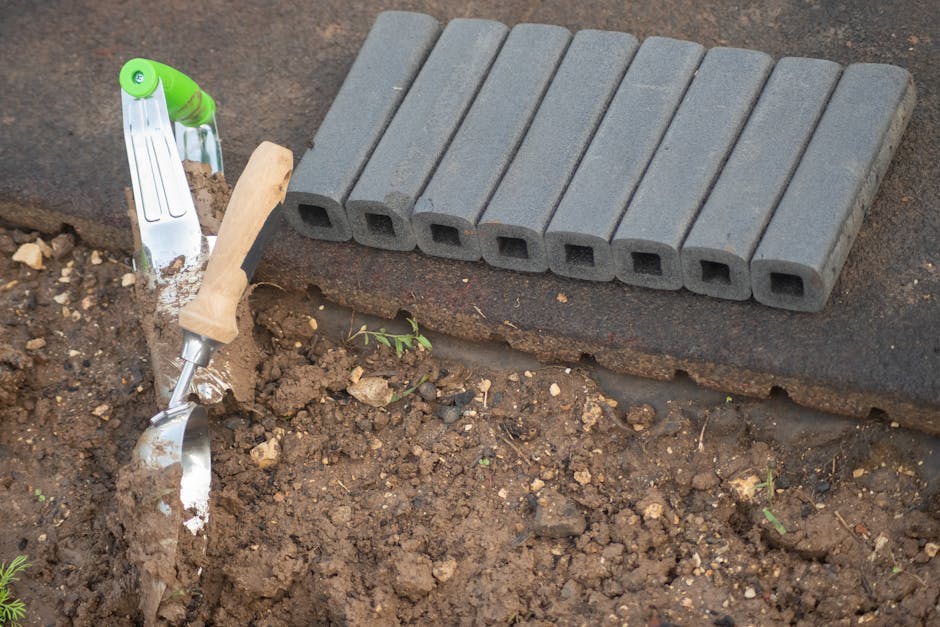
- Shovel: Essential for digging out the area where your patio will be. You’ll use it to remove grass, soil, and any debris.
- Garden Rake: Perfect for leveling the ground after digging. It helps in spreading and smoothing the paver base and sand.
- Hand Tamper: A crucial tool for compacting the soil and sand layers. This ensures a stable foundation for your pavers.
- Plate Compactor: For larger areas, a plate compactor (which can be rented) is more efficient than a hand tamper. It provides a more uniform compaction.
- Rubber Mallet: Used to gently tap pavers into place without damaging them. It’s key for adjusting pavers to the correct level.
- Tape Measure: Accuracy is essential. Use a tape measure to ensure your patio dimensions and paver placements are precise.
Materials
- Paver Base: This is typically a 6-inch layer of gravel that forms the foundation of your patio. It provides stability and drainage.
- Leveling Sand: A 1-inch layer of sand goes on top of the gravel. It helps in leveling the surface before laying the pavers.
- Polymeric Sand: This is used to fill the joints between pavers. It hardens when wet, helping to lock pavers in place and prevent weed growth.
Additional Considerations
While these are the essentials, some optional tools and materials can make your job easier:
- Line Level and 4-ft Level: For checking the evenness of your base and pavers.
- Utility Knife: Useful for cutting landscape fabric or opening bags of sand.
- Wheelbarrow: Helps in moving heavy materials like gravel and sand around your site.
By gathering these tools and materials, you’ll be well-prepared for your paver patio project. Each tool and material plays a vital role in ensuring your patio is both durable and visually appealing. With the right preparation, you’ll be ready to move on to the next step: installation.
Next, we’ll guide you through the step-by-step installation process for your paver patio.
Step-by-Step Installation Guide for Paver Patios
Creating your dream paver patio involves a series of straightforward steps. Let’s explore the details of each phase to ensure your project is a success.
Preparing the Site
Excavation is the first critical step. Begin by marking the perimeter of your patio area. Use your shovel to dig down about 6 to 8 inches, depending on the thickness of your pavers and base material. This depth allows for adequate drainage and a stable foundation.
Once you’ve excavated the site, it’s time for grading. Ensure the ground slopes away from your home to prevent water pooling. A slight slope of about 1 inch for every 4 feet is typically sufficient.
Laying the Base
A solid base is crucial for a long-lasting patio. Start by spreading a layer of gravel about 4 inches thick. Use a plate compactor to compact the gravel, creating a firm foundation. This step is vital for preventing future shifting or settling.
Next, add a 1-inch layer of sand over the compacted gravel. Use a garden rake to level the sand evenly. This layer allows for minor adjustments and helps in leveling the pavers.
Installing the Pavers
Now for the fun part: laying the pavers! Begin at one corner and work your way out, following your desired pattern. Popular patterns include running bond, herringbone, and basket weave. Use a rubber mallet to gently tap each paver into place, ensuring they are level and aligned.
Alignment is key; check your work frequently with a tape measure and level to maintain straight lines and consistent spacing.
Finishing Touches
With the pavers in place, it’s time to lock them in with polymeric sand. Spread the sand over the patio and use a broom to sweep it into the joints between pavers. Once the joints are filled, lightly mist the area with water to activate the polymeric sand. This step helps to secure the pavers and prevent weed growth.
Finally, consider sealing your paver patio to protect it from stains and improve its color. Sealing can extend the life of your patio and maintain its beauty over time.
By following these steps, you’ll create a stunning and durable paver patio that improves your outdoor space. In the next section, we’ll explore how to maintain your patio to keep it looking its best for years to come.
Maintaining Your Paver Patio
Once your paver patio is installed, keeping it in top shape requires regular maintenance. Here’s how you can ensure your patio remains beautiful and functional over time.
Cleaning
Regular cleaning is essential to maintain the appearance of your paver patio. Dirt, grime, and organic debris can accumulate over time, dulling the surface.
- Routine Sweeping: Use a broom to sweep away leaves, dirt, and debris regularly. This simple task prevents staining and keeps your patio looking fresh.
- Pressure Washing: For a deeper clean, consider using a pressure washer. This method is effective for removing stubborn dirt and moss. Be sure to use a low-pressure setting to avoid damaging the pavers.
Sealing
Sealing your paver patio is a smart way to protect it from the elements and improve its color.
- Why Seal?: Sealing creates a barrier against water, oil, and other stains. It also helps to prevent fading from UV rays.
- How Often?: Depending on the sealant used, you may need to reseal your patio every 2 to 3 years. Always follow the manufacturer’s recommendations for the best results.
Weed Control
Weeds can be a persistent problem in the joints of your paver patio. Here’s how to keep them at bay:
- Polymeric Sand: As mentioned, polymeric sand is a great ally in preventing weed growth. It hardens in the joints, making it difficult for weeds to take root.
- Regular Inspections: Check for weeds periodically and remove them promptly. Pulling weeds by hand is effective, especially after rain when the soil is moist.
- Herbicides: If weeds persist, consider applying a non-toxic herbicide. Always read and follow the instructions to ensure safe and effective use.
By following these maintenance tips, your paver patio will remain a stunning feature of your outdoor space. Next, we’ll explore how to improve your patio with furniture, lighting, and more to create a truly inviting environment.
Enhancing Your Paver Patio
Once your paver patio is beautifully installed and well-maintained, it’s time to make it truly shine. Enhancing your patio with thoughtful additions can transform it into an inviting outdoor haven. Let’s explore how you can lift your space with outdoor furniture, lighting, planting beds, and a fire pit.
Outdoor Furniture
Choosing the right outdoor furniture is crucial for comfort and style. Opt for weather-resistant materials like teak or aluminum that can withstand the elements. Consider the layout of your patio to ensure there’s enough space for movement and relaxation.
- Seating Options: Deep seating sofas and chaise lounges offer comfort akin to indoor furniture. Arrange them to encourage conversation and relaxation.
- Dining Sets: A sturdy dining table with comfortable chairs can turn your patio into an alfresco dining area, perfect for family meals or entertaining friends.
Lighting
Proper lighting can extend the use of your patio beyond daylight hours and create a magical ambiance at night.
- Pathway Lights: Illuminate walkways and steps to improve safety and guide guests.
- Accent Lights: Use strategically placed lights to highlight features like trees or sculptures. LED lights are a popular choice for their energy efficiency and longevity.
Planting Beds
Adding planting beds around your patio brings a touch of nature and color to your outdoor space.
- Garden Beds: Incorporate a variety of plants to add texture and interest. Choose drought-tolerant plants like succulents for low maintenance and sustainability.
- Container Gardens: Use pots and planters to introduce greenery without taking up much space. These can be easily rearranged to refresh your patio’s look.
Fire Pit
A fire pit can be a stunning centerpiece for your paver patio, offering warmth and a cozy gathering spot for cooler evenings.
- Design and Safety: Ensure both your patio and fire pit pavers are fire-resistant. Consider a fire pit kit for ease of installation and a cohesive design.
- Placement: Keep the fire pit a safe distance from your home, furniture, and any nearby vegetation to ensure safety.
By thoughtfully selecting and arranging these elements, your paver patio can become the highlight of your outdoor space—a perfect blend of functionality and beauty. Next, we’ll move on to answering some frequently asked questions about paver patios to address any lingering queries you might have.
Frequently Asked Questions about Paver Patios
Can I DIY a Paver Patio?
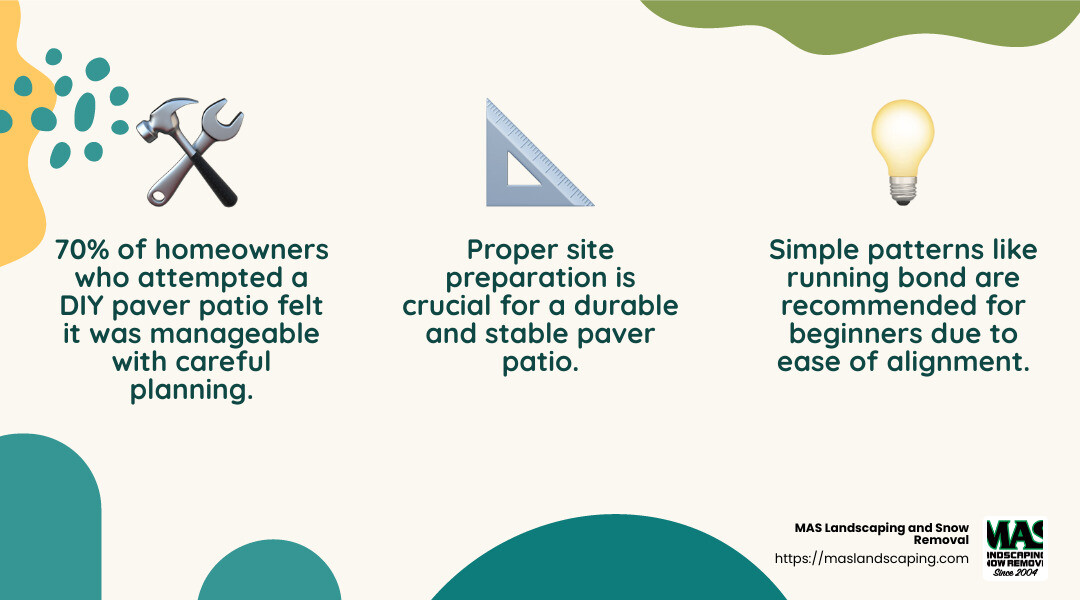
Absolutely! Building a paver patio can be a rewarding DIY project if you plan carefully and have the right tools. Start by choosing a design that matches your skill level. Simple patterns like running bond are easier for beginners, while more complex designs like herringbone may require more precision.
Key Steps:
- Plan and Design: Sketch your patio layout, considering size and shape. Check local codes for any restrictions.
- Prep the Site: Excavate the area, ensuring it’s level and has proper drainage.
- Lay the Base: Use gravel and sand to create a stable foundation.
- Install the Pavers: Lay pavers in your chosen pattern, adjusting for alignment and spacing.
- Finishing Touches: Fill joints with polymeric sand to lock pavers in place and prevent weed growth.
How Much Does a Paver Patio Cost?
The cost of a paver patio can vary widely based on size, materials, and location. On average, expect to spend between $10 to $20 per square foot.
Factors Affecting Cost:
- Materials: Concrete pavers are typically more affordable than natural stone. Brick pavers fall in the mid-range.
- Labor: DIY can save labor costs, but professional installation ensures precision and saves time.
- Size and Complexity: Larger patios or intricate designs require more materials and labor, increasing costs.
Tip: Consider long-term savings. Quality materials may cost more upfront but often require less maintenance and have a longer lifespan.
How Do I Choose the Right Paver Pattern?
Choosing the right pattern for your paver patio depends on your aesthetic preference and the overall style of your home.
Popular Patterns:
- Running Bond: Simple and classic, ideal for beginners.
- Herringbone: Offers a striking visual effect, suitable for both modern and traditional settings.
- Basket Weave: Provides a rustic look, great for country-style homes.
Considerations:
- Style: Match the pattern to your home’s architecture and landscape design.
- Space: Smaller spaces benefit from simpler patterns to avoid visual clutter.
- Functionality: Ensure the pattern provides a stable surface, especially for high-traffic areas.
By carefully considering these aspects, you can create a paver patio that not only improves your outdoor space but also reflects your personal style. Now that you’ve got the basics down, you’re ready to start planning your dream patio!
Conclusion
At MAS Landscaping and Snow Removal, we believe that your outdoor space should be a reflection of your personal style and functional needs. Designing your dream paver patio is not just about choosing the right materials and patterns—it’s about creating a space where you can relax, entertain, and enjoy the beauty of the outdoors.
Our team is committed to helping you transform your yard into a stunning outdoor retreat. With our local expertise in the Saugus, MA area, we understand the unique challenges and opportunities that come with landscaping in our region. Whether you’re looking to DIY or prefer professional assistance, we’re here to support you every step of the way.
We pride ourselves on our personalized service and dedication to quality. From selecting the perfect pavers to ensuring a seamless installation, our goal is to exceed your expectations and deliver a patio that improves your home’s value and appeal.
Ready to start your project? Explore our landscape design services to find how we can help bring your vision to life. Let us guide you through the exciting journey of creating a beautiful, functional outdoor space that you’ll love for years to come.
Thank you for considering MAS Landscaping and Snow Removal. We look forward to working with you to design the perfect paver patio for your home.
