



Why Concrete Paver Sealers Matter for Your Hardscape
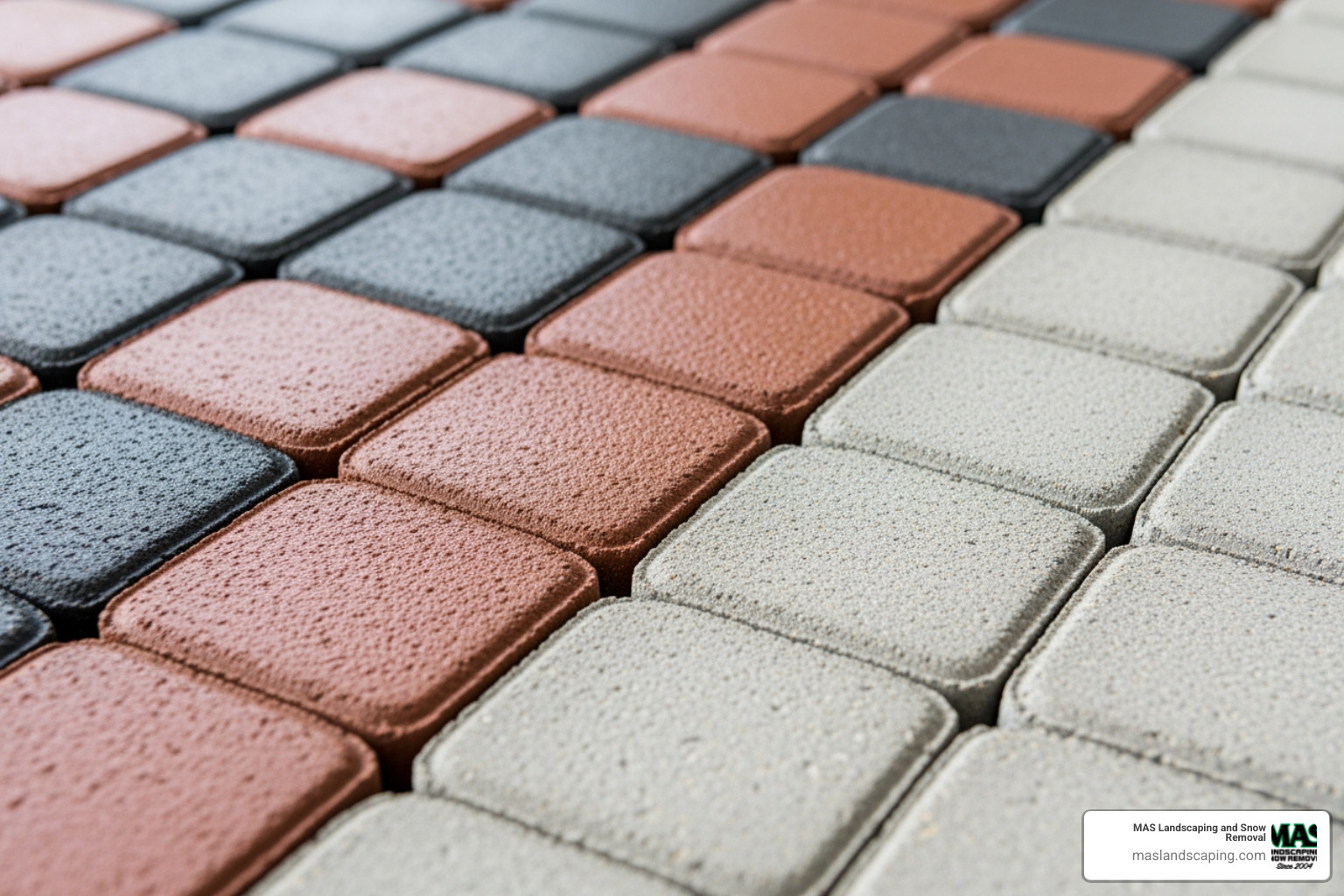
Concrete paver sealer is a protective coating applied to paver surfaces like patios, walkways, and driveways to improve durability, protect against stains, and improve appearance. It works by either soaking into the paver surface (penetrating sealers) or forming a protective layer on top (film-forming sealers).
Quick Answer: What Does a Concrete Paver Sealer Do?
- Protects against oil, grease, and water stains
- Improves natural color and can add a glossy or wet look
- Prevents weed growth between joints
- Extends paver lifespan by blocking moisture and UV damage
- Reduces freeze-thaw damage in harsh climates
If you’ve invested in a beautiful paver patio, driveway, or walkway, you’ve probably wondered whether sealing is worth it. Maybe you’ve noticed your pavers looking dull, or you’re worried about oil stains on your driveway. Perhaps you’re simply trying to protect your investment and keep your hardscape looking great for years to come.
The truth is, sealing your concrete pavers isn’t always mandatory, but it offers significant benefits that can save you money and headaches down the road. In the Greater Boston area, where freeze-thaw cycles and harsh winters take a toll on outdoor surfaces, a quality sealer can make the difference between pavers that last decades and those that start crumbling after just a few years.
This guide will walk you through everything you need to know about concrete paver sealers. You’ll learn about the different types available, the pros and cons of sealing, how to choose the right product for your project, and best practices for application.
What is Paver Sealer and Why Use It?
At its core, a paver sealer is a protective liquid solution designed to be applied to permeable surfaces such as concrete pavers, brick pavers, and even natural stone. Its primary mission is to create a barrier that shields your beautiful hardscape from the relentless assault of the elements and everyday wear and tear. Think of it as a clear coat of armor for your outdoor living spaces.
The main purposes of applying a paver sealer are threefold: to improve durability, protect against stains and weather damage, and improve the overall appearance of your hardscape. Whether you have a charming patio, a functional driveway, or an inviting walkway, sealing helps maintain its integrity and aesthetic appeal. For our clients in Everett, Lynnfield, Malden, and other Massachusetts towns, where we experience everything from scorching summers to freezing winters, this protection is invaluable.
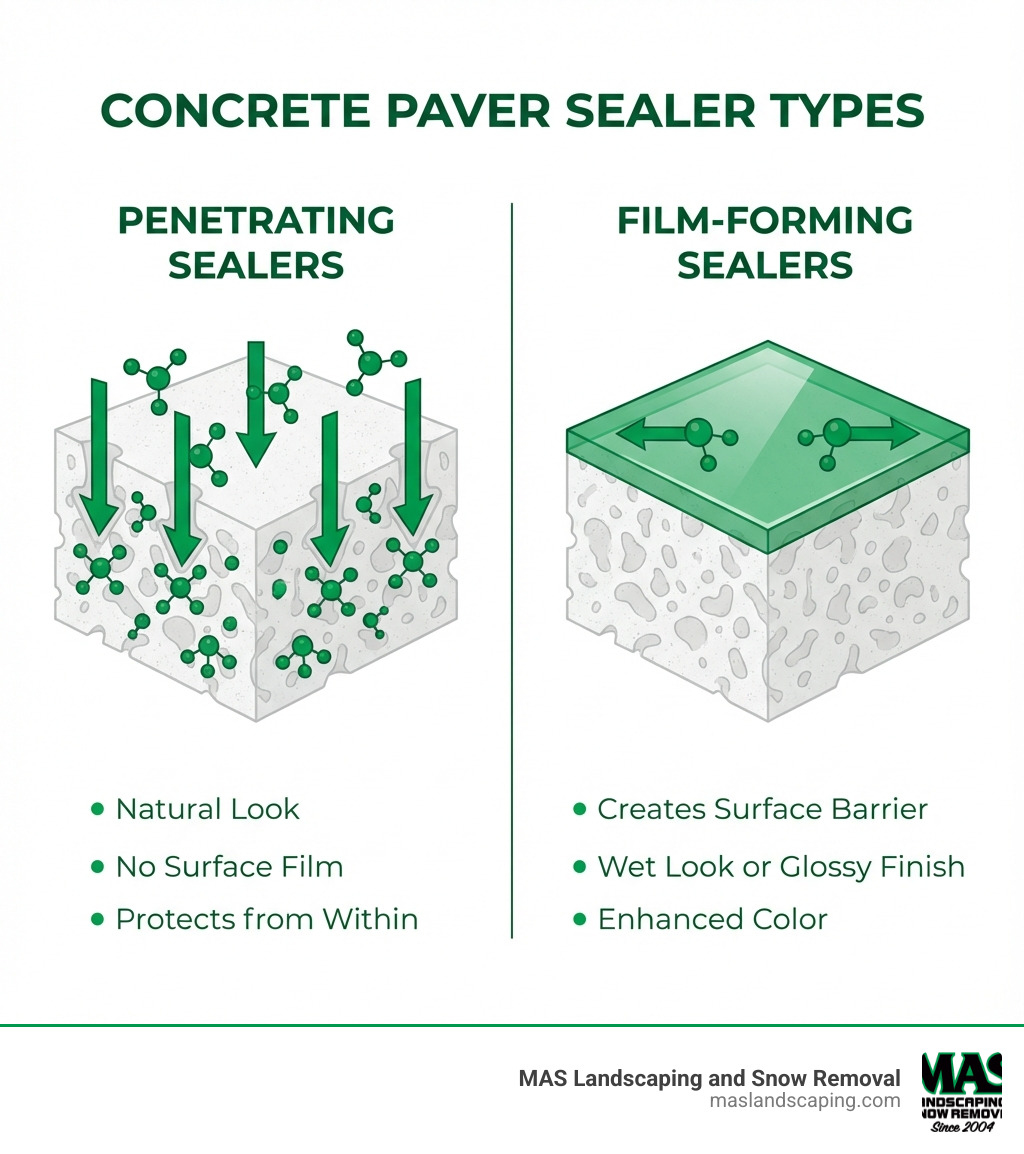
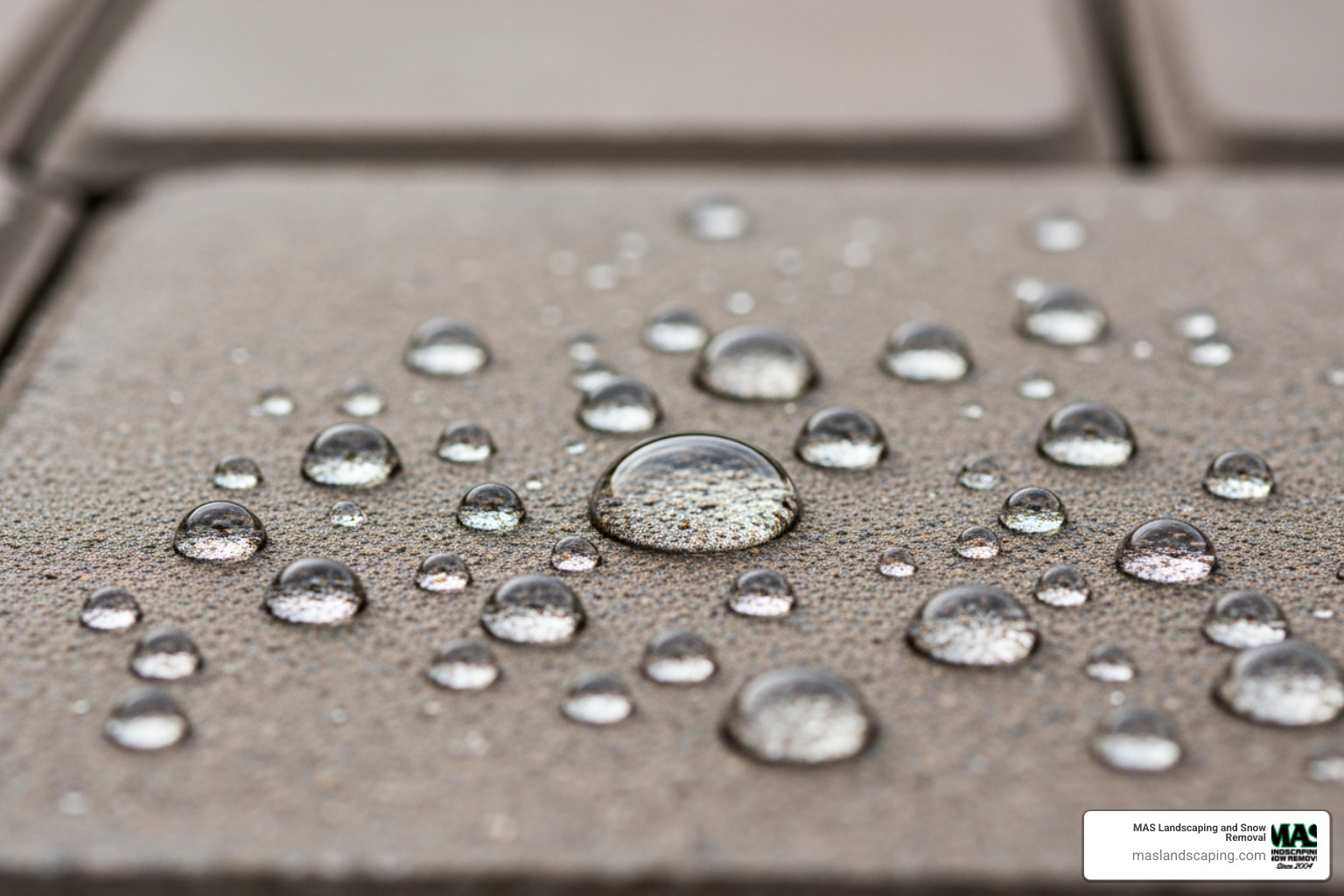
A good concrete paver sealer works by either penetrating deeply into the paver’s surface or forming a protective film on top. Both methods create a barrier that actively repels water, oil, grease, and other contaminants, preventing them from soaking in and causing permanent damage or unsightly stains. This means fewer worries about spilled BBQ sauce on your patio or oil drips on your driveway.
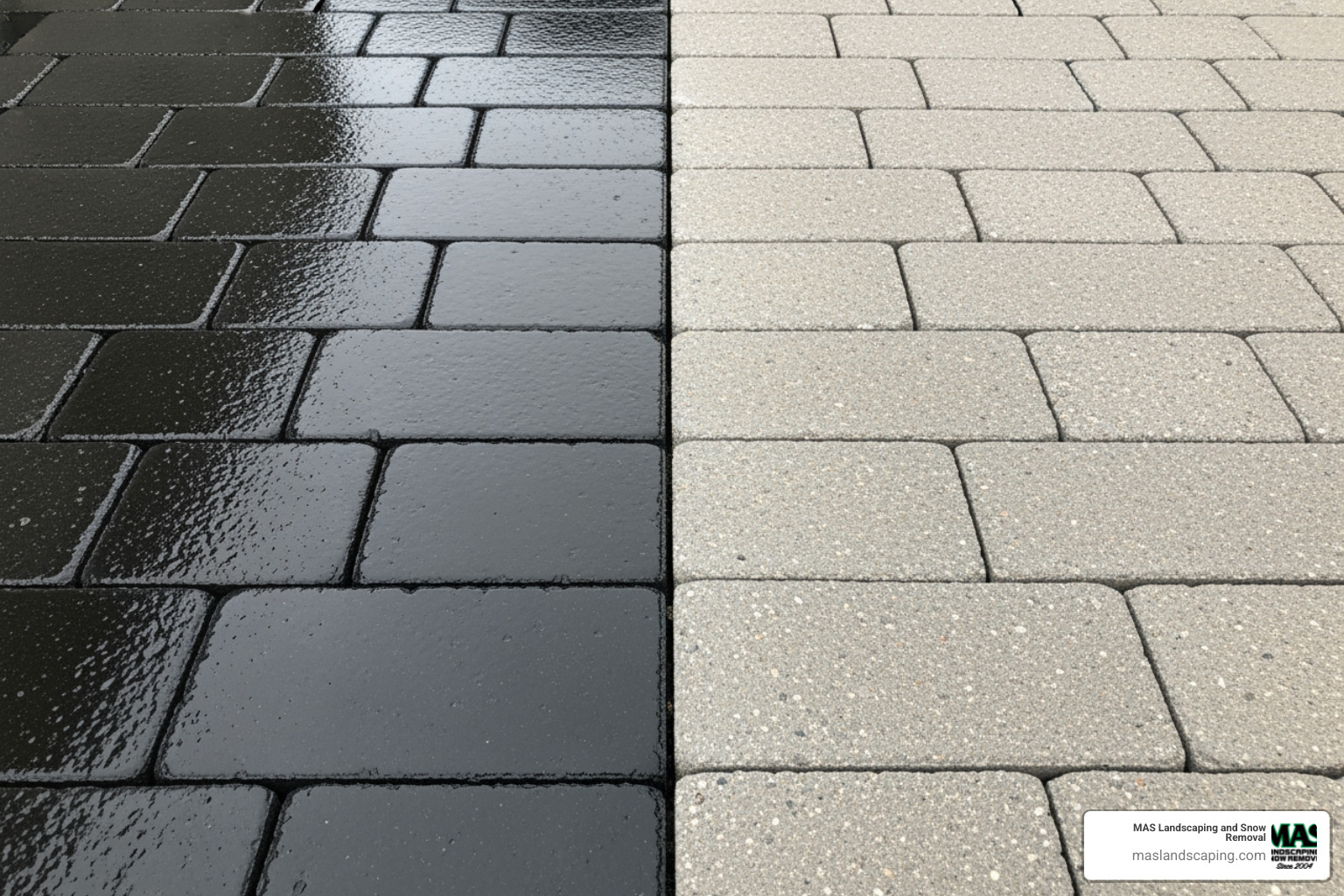
Beyond just protection, sealers also play a crucial role in maintaining and even enhancing the beauty of your pavers. They can revitalize faded colors, give your pavers a “wet look” that deepens their hues, or simply provide a subtle, natural finish.
Using a paver sealer is about smart hardscape maintenance. It’s about protecting your investment and ensuring that your outdoor spaces remain beautiful and functional for years to come. We believe your pavers deserve the best care, and sealing is a key part of that commitment. Learn more about how we can transform your outdoor space with our patio paver services.
Exploring the Types of Concrete Paver Sealers
Choosing the right concrete paver sealer can feel like navigating a maze of options. However, understanding the basic categories will help you make an informed decision about what’s best for your particular hardscape and desired aesthetic. Different sealers offer varying levels of protection, durability, and visual effects.
Water-Based vs. Solvent-Based Sealers
The first major distinction you’ll encounter is between water-based and solvent-based formulas. This refers to the carrier liquid that holds the active sealing ingredients.
| Feature | Water-Based Sealers | Solvent-Based Sealers |
|---|---|---|
| VOC Content | Low VOCs (Volatile Organic Compounds), more eco-friendly | Higher VOCs, stronger odor, can be restricted in some areas |
| Cleanup | Easy cleanup with water | Requires mineral spirits or other solvents for cleanup |
| Finish Options | Natural matte or low-gloss finishes | Typically provide a glossy or satin finish, “wet look” |
| Durability | Good, with improved formulations; generally less durable than solvent-based | High durability, excellent resistance to oil, grease, water, and UV rays |
| Application | Often more forgiving | Can be more challenging to apply evenly, faster drying |
Water-based sealers are popular for their low VOC content, making them a more eco-friendly choice with less odor and simple water cleanup. Modern formulas offer good durability and protection.
Solvent-based sealers are known for robust performance and creating a high-gloss or “wet look” finish. They offer superior durability and stain resistance but have higher VOCs (Volatile Organic Compounds), which means a stronger smell and stricter regulations in some areas. Proper ventilation is essential when using them.
Penetrating vs. Film-Forming (Acrylic) Sealers
Beyond the base, sealers are also categorized by how they interact with the paver surface:
-
Penetrating Sealers: Made with silane or siloxane, these soak into the paver to create an invisible, water-repellent barrier from within. They don’t change the paver’s appearance, leaving a natural, matte finish. Their high breathability helps prevent trapped moisture and efflorescence, making them ideal for maintaining the original look of pavers in towns like Medford and Revere.
-
Film-Forming Sealers (Acrylic): These create a protective layer on the paver’s surface. As a common type, acrylic sealers offer excellent UV resistance and come in various finishes, from satin to high gloss, often creating a color-enhancing “wet look.” This surface film provides great stain resistance but can be less breathable. Sealers with lower solids content (15% or less) are more breathable and better suited for the Massachusetts climate to avoid issues like clouding from trapped moisture.
When deciding, consider the look you desire (natural vs. improved/glossy) and the specific needs of your paver material and local environment.
The Pros and Cons of Sealing Your Pavers
Making the decision to seal your pavers is an upfront investment that offers peace of mind and protection down the line. While we at MAS Landscaping often recommend sealing for the long-term health and beauty of your hardscape, it’s important to understand both the benefits and potential drawbacks.
Key Benefits of Sealing
Sealing your pavers offers a multitude of advantages that contribute to their longevity, appearance, and ease of maintenance.
- Stain Resistance: A concrete paver sealer creates a barrier that repels oil, grease, and spills. This prevents permanent stains and makes cleanup much easier, perfect for a busy patio in Melrose.
- Improved Color and Appearance: Sealers can enrich the natural colors of pavers, making them look more vibrant. A “wet look” sealer offers a perpetually clean appearance, boosting curb appeal, while matte finishes protect without altering the color.
- Easier Cleaning: A sealed surface prevents dirt and grime from sticking, making routine cleaning faster and simpler—often just a quick rinse is needed.
- Increased Paver Lifespan: By blocking water and UV rays, sealers slow the natural deterioration of pavers, extending the life of your hardscape investment.
- Joint Stabilization: Certain sealers harden the sand in paver joints, which helps prevent erosion, inhibit weed growth, and deter ants.
- Reduced Weed and Moss Growth: Sealers make surfaces less hospitable for weeds, moss, and algae, meaning less time spent on tedious weeding.
- Protection from Elements: In areas like Saugus and Chelsea, sealers defend against UV rays, acid rain, and damaging freeze-thaw cycles that cause cracking.
We take pride in creating stunning outdoor spaces that stand the test of time. You can see the difference a well-maintained hardscape makes in our hardscaping photo gallery.
Potential Drawbacks to Consider
While the benefits are clear, it’s also important to be aware of the potential downsides of sealing your pavers.
- Slipperiness When Wet: High-gloss, film-forming sealers can become slippery when wet. For pool decks or walkways, consider adding a non-slip additive for safety.
- Trapped Moisture and Efflorescence: Improper application or a non-breathable sealer can trap moisture, leading to a milky white haze called efflorescence. Proper prep and a breathable sealer are key to avoiding this.
- Reapplication Needs: Sealing isn’t a one-time job. Most sealers need reapplication every 3-5 years, which is an ongoing commitment of time and money.
- Cost of Materials: Quality sealers are an investment, and the cost can add up for large areas. It’s a factor to budget for.
- Potential for Color Change or Yellowing: Lower-quality sealers or improper application can cause unwanted color shifts or yellowing over time. Always test on a small, hidden area first.
By weighing these pros and cons, you can make an informed decision that aligns with your expectations for your paver hardscape.
How to Choose the Right Concrete Paver Sealer
Selecting the perfect concrete paver sealer is a critical step in ensuring the long-term beauty and protection of your outdoor spaces. What works best for a quiet backyard patio might not be ideal for a heavily trafficked driveway. When advising our clients in the Greater Boston area, we always consider several factors to guide their choice.
Here are the key questions to ask yourself before buying a paver sealer:
- What type of pavers do I have (concrete, brick, natural stone)?
- What kind of finish do I want (natural, wet look, high gloss, matte)?
- How much foot or vehicle traffic will the area receive?
- What are the typical weather conditions in my area (e.g., heavy rain, strong sun, freeze-thaw cycles)?
- Am I comfortable with regular reapplication, or do I prefer a longer-lasting option?
- What is my budget for the sealer and its application?
- Are there any local VOC regulations I need to be aware of?
Factors to Consider: Finish, Durability, and Cost
-
Finish Options: This choice dramatically alters your paver’s appearance.
- Natural/Matte: Penetrates the paver to protect without changing the original look or texture.
- Satin/Low Gloss: Adds a subtle sheen and slight color improvement. A popular middle-ground option.
- Wet Look/High Gloss: Creates a shiny, color-deepening finish that looks perpetually wet. Can be slippery, so consider non-slip additives for pool decks or sloped areas.
-
Durability: The longevity and protective capabilities of a sealer are paramount.
- UV Resistance: Look for high UV resistance to prevent fading, especially in sunny New England summers.
- Traffic: High-traffic areas like driveways in Malden or Everett need a more durable, abrasion-resistant sealer.
- Weather Exposure: Choose sealers with strong resistance to water and de-icing salts.
- Breathability: Breathable sealers (15% or lower solids content) are crucial in our climate to prevent trapped moisture and efflorescence.
-
Cost: The price of concrete paver sealer can vary significantly, from approximately $65 to over $400 per gallon, based on its type and quality. This wide range is an estimate from online data and not a quote for MAS Landscaping services. Quality sealers are an investment, but they can save you money in the long run by preventing costly repairs.
Lifespan and Reapplication Needs for a Concrete Paver Sealer
Most paver sealers last 2 to 6 years, with reapplication typically needed every 3–5 years. Longevity is affected by sealer type, traffic, weather, and application quality. You’ll know it’s time for reapplication when water no longer beads on the surface of your pavers, or when you notice the color improvement fading.
A Step-by-Step Guide to Applying Paver Sealer
Applying concrete paver sealer might seem like a daunting task, but with the right preparation and technique, it’s a project many homeowners can tackle. However, to achieve truly optimal and long-lasting results, precision is key. We’ve seen many DIY attempts go awry due to rushing or overlooking crucial steps.
Best Practices for Applying Concrete Paver Sealer
Whether you decide to take on this project yourself or hire professionals like us, understanding the best practices is essential.
- Prepare the Surface: Your pavers must be perfectly clean and dry. Remove all dirt, stains, and weeds using a pressure washer and appropriate cleaners. Rinse thoroughly and allow the surface to dry completely for at least 24-48 hours to prevent trapping moisture, which causes a hazy finish.
- Check the Weather: Apply sealer on a dry, clear day with temperatures between 50°F and 90°F. The ideal temperature is around 75°F. Avoid direct, hot sun, which can cause streaking, and ensure no rain is forecast for at least 24 hours post-application.
- Gather Tools and Test: Use a garden sprayer for fast, uniform coats or a roller to work the sealer into porous surfaces. Always wear safety gear like gloves and eye protection. Before starting, test the sealer on a small, hidden spot to confirm you like the finish and color.
- Apply Thin, Even Coats: Work in manageable sections, maintaining a “wet edge” to prevent lap lines. Apply the sealer evenly and avoid letting it puddle. Two thin coats are usually more durable than one thick coat. If using a high-gloss sealer in a high-traffic area, add a non-slip additive to the final coat.
- Allow for Proper Curing: The sealer will be dry enough to walk on in about 24 hours. However, it needs 7 to 30 days to fully cure and achieve maximum protection. Avoid placing heavy furniture or driving on the surface during this curing period.
Following these best practices will help ensure your concrete paver sealer performs as intended, protecting and beautifying your hardscape for years to come. For professional and worry-free results on your walkway projects, consider our expert walkway installation services.
Frequently Asked Questions about Concrete Paver Sealers
We often get questions from homeowners in Everett, Lynnfield, and surrounding areas about the practicalities of concrete paver sealer. Here are some of the most common inquiries we address:
How long does paver sealer last?
The lifespan of a paver sealer is typically 2 to 6 years, but most require reapplication every 3–5 years. Longevity depends on the sealer type, traffic levels, and weather exposure. It’s time for a fresh coat when water no longer beads on the surface or the color begins to fade.
Is it better to spray or roll on paver sealer?
Both spraying and rolling are effective. Spraying is faster for large areas and provides a uniform coat. Rolling helps press the sealer into porous pavers. The best method often depends on the product, so always check the manufacturer’s instructions. Sometimes a combination of both is ideal.
How much paver sealer will I need for my project?
The coverage rate varies significantly based on paver porosity and the sealer itself. A general estimate is that one gallon of sealer covers approximately 80 square feet. However, this is just a guideline. To get an accurate estimate, always check the manufacturer’s label on the product you plan to use, as it will provide detailed coverage rates. It’s wise to buy a little extra just in case.
Protect Your Investment with Professional Sealing
Sealing concrete pavers is a crucial step to protect your hardscape, improve its beauty, and extend its life. From preventing stubborn oil stains on your driveway in Everett to preserving the vibrant colors of your patio in Lynnfield, a quality concrete paver sealer acts as a shield against the elements and daily wear. While a rewarding DIY project for some, achieving a flawless, durable finish requires proper preparation, the right tools, and precise application techniques. Without these, you risk issues like hazing, uneven finishes, or simply less effective protection.
For homeowners in the Saugus, MA area, including our valued clients in Malden, Melrose, Medford, Revere, and Chelsea, who desire a perfect, long-lasting result without the hassle, the expert team at MAS Landscaping offers professional paver sealing services. We have the experience, equipment, and knowledge of local climate conditions to ensure your pavers receive the best possible care.
Let us help you protect your investment and keep your outdoor living spaces looking their best for years to come. Don’t let your beautiful pavers fall victim to stains, fading, or weather damage. Contact us today for a consultation on your patio installation project and let’s discuss how professional paver sealing can benefit your home.