


Synthetic Grass Layers: Top 6 Essential Tips 2025
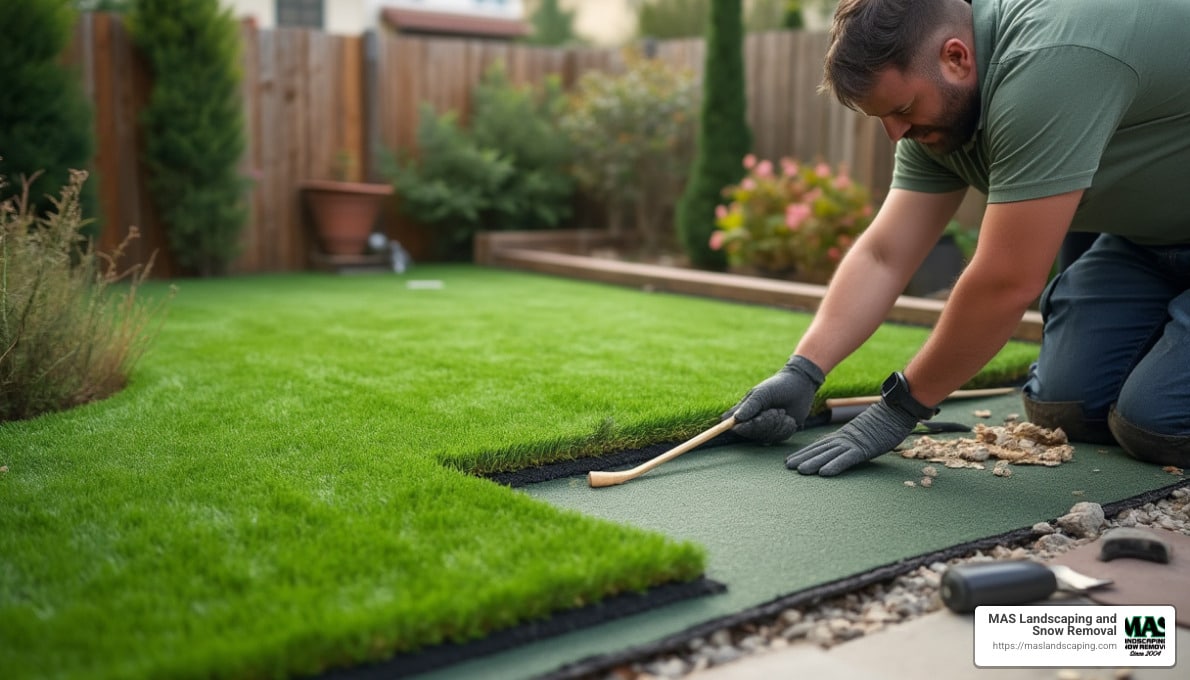
Synthetic grass layers are the foundation to a flawless, low-maintenance lawn that stays lush all year round. Preparing the base for artificial grass is essential for ensuring a smooth, durable, and visually appealing surface. Without a solid foundation, even the best synthetic grass can’t perform to its fullest potential. So, what does this involve?
- Base Preparation: It starts with a stable, compact layer that supports the turf and provides excellent drainage.
- Artificial Turf Benefits: Enjoy a beautiful, green lawn with minimal upkeep, safe for pets and kids, and ready for fun in all seasons.
Creating the perfect base is crucial to make sure your synthetic lawn lasts longer and looks its best. When done right, the base improves the lush, realistic appearance and supports the turf’s longevity.
Understanding Synthetic Grass Layers
Synthetic grass layers are more than just the green surface you see. They’re a carefully designed system that ensures your lawn looks great and functions well. Let’s break it down:
The Role of Base Layers
The base layer is the foundation of your synthetic grass. Think of it as the bedrock that keeps everything stable. Without a solid base, your artificial lawn might shift, wrinkle, or even develop drainage problems. The base layer typically consists of compacted materials like crushed stone or decomposed granite. These materials create a sturdy base that helps prevent the synthetic grass from moving or becoming uneven over time.
Importance of Drainage
Good drainage is crucial to avoid water pooling on your synthetic lawn. Poor drainage can lead to unpleasant odors, mildew, and even damage to your turf. A well-prepared base layer ensures water flows away efficiently. This is achieved by sloping the base slightly away from buildings and using materials that allow water to pass through easily.
Layer Composition
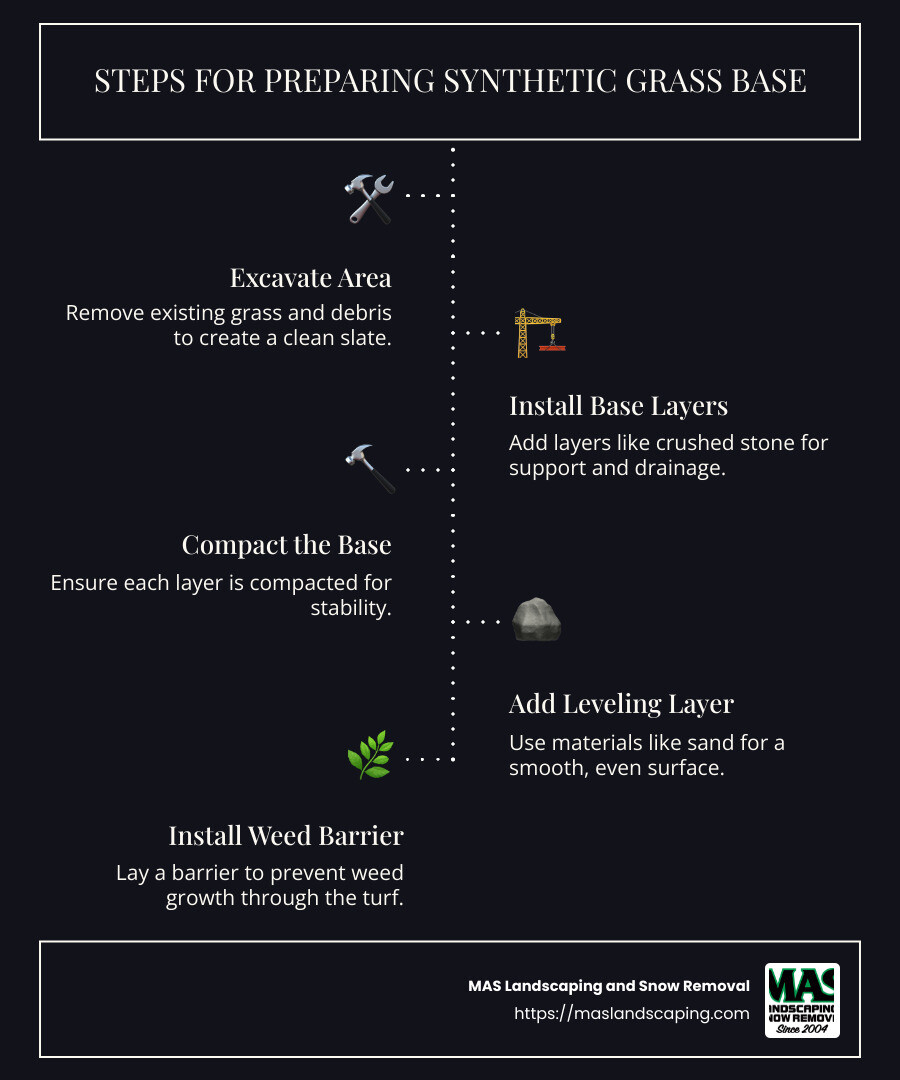
Here’s a simple breakdown of the layers involved:
- Sub-base: This is usually made of coarse, crushed stone or recycled concrete. It provides stability and helps with drainage.
- Weed Barrier: A weed membrane is laid on top to prevent weeds from growing through the turf.
- Leveling Sand: A fine layer of sand is spread to smooth out the surface and ensure a level installation.
- Synthetic Grass: Finally, the artificial grass is laid on top, secured, and brushed to give it that natural look.
Each layer plays a vital role in maintaining the quality and appearance of your synthetic lawn. By understanding these layers, you can appreciate the complexity behind creating a flawless artificial turf surface.
In the next section, we’ll dive into the essential materials needed for a perfect synthetic grass base.
Essential Base Materials for Synthetic Grass
Creating a solid foundation for synthetic grass layers is crucial for a long-lasting, beautiful lawn. Let’s explore the essential base materials that ensure your artificial turf stays in top shape.
Crushed Stone
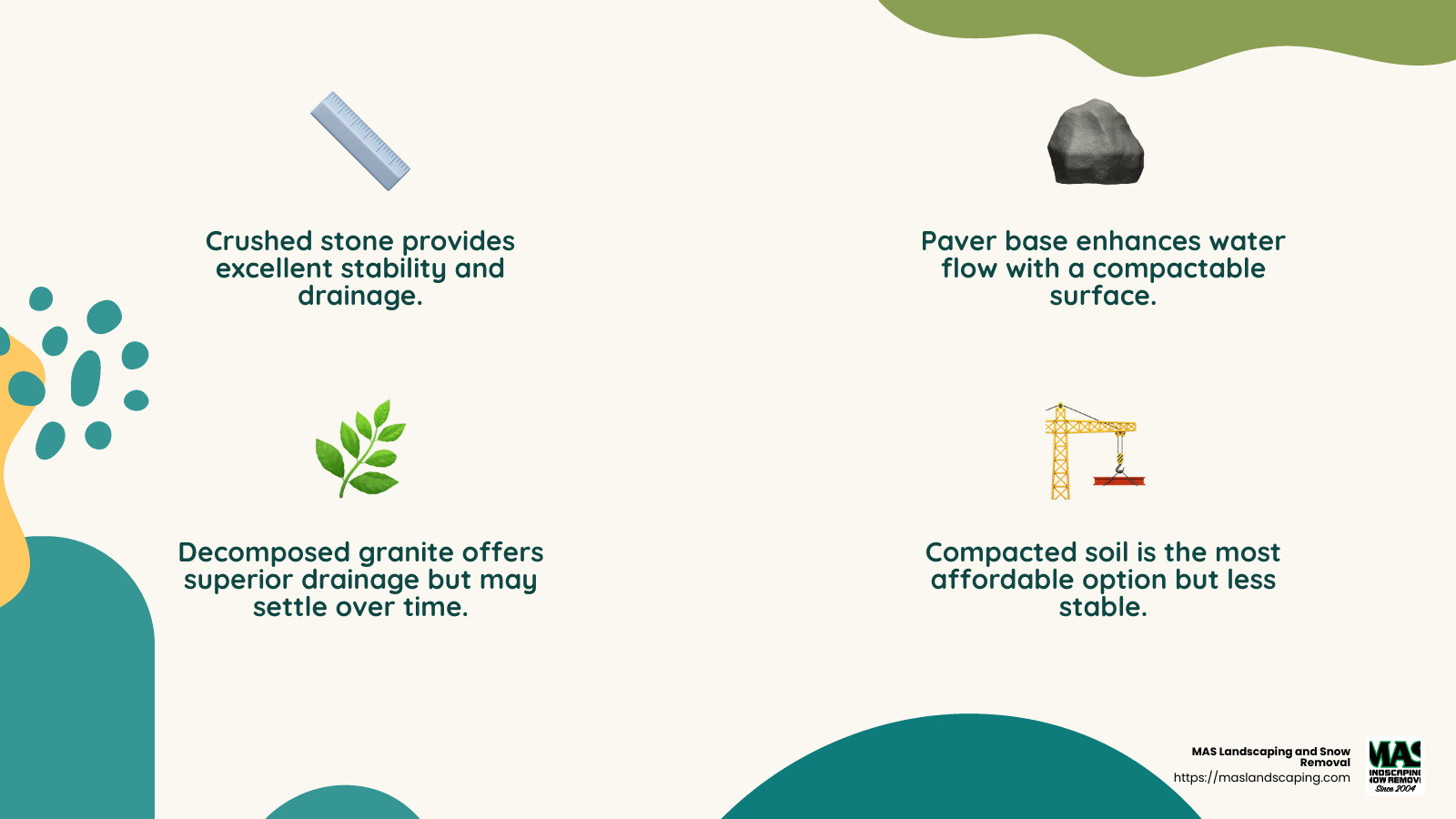
Crushed stone is a popular choice for base layers. It’s made of small, jagged rocks that provide excellent stability and drainage. A 1-2 inch layer of crushed stone allows water to flow through easily, preventing pooling and puddling. This material forms a firm, smooth foundation for laying synthetic grass.
Paver Base
Paver base is similar to crushed stone but includes a mix of smaller stones and sand. This combination creates a compactable surface that improves drainage even more. A 2-3 inch layer is typically used, making it a great option if you’re looking for improved water flow.
Decomposed Granite
Decomposed granite is made of tiny granite particles. It compacts well and offers superior drainage. However, it can be more expensive than other materials. Over time, decomposed granite may settle, causing uneven surfaces. Keeping this in mind, it remains a top choice for those seeking excellent drainage and stability.
Compacted Soil
Using compacted soil as a base is the most affordable option. However, it may not offer the same stability and drainage as other materials. The key is to compact the soil well to create a firm, flat surface. Renting a gas-powered compactor can help achieve the right level of compression.
Sand
Sand, especially sharp, coarse builders sand, can be used as a base layer. A 1-2 inch layer works best, allowing excess moisture to drain through the synthetic grass. The downside is that sand may shift over time if not properly contained.
Choosing the Right Base
Selecting the right base material depends on your specific needs and budget. Each option has its benefits and drawbacks, but all aim to provide a stable, well-drained foundation.
In the next section, we’ll guide you through the step-by-step process of installing synthetic grass layers to ensure your lawn looks perfect and lasts for years.
Step-by-Step Guide to Installing Synthetic Grass Layers
Installing synthetic grass layers involves several important steps to ensure a smooth, durable, and well-drained surface. Let’s walk through each step carefully.
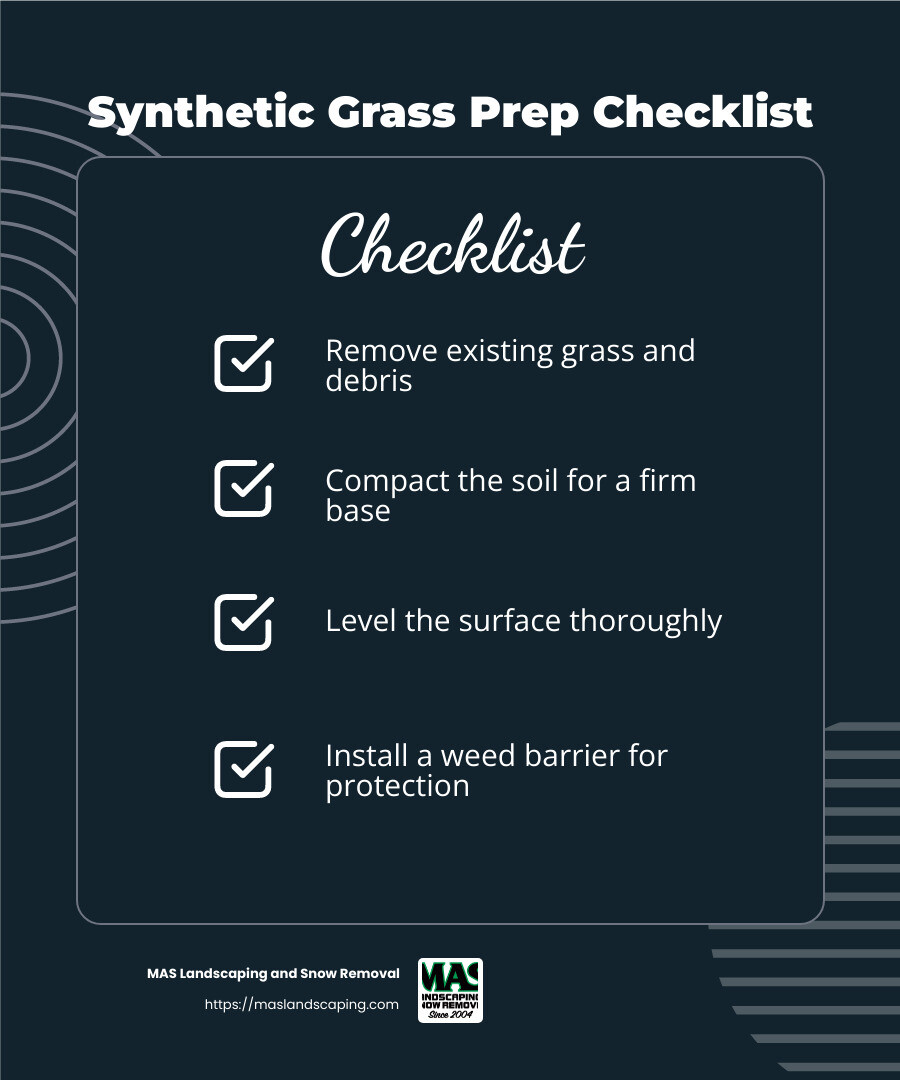
1. Removal of Existing Grass
Start by clearing the area of any existing grass, plants, or debris. Use a sod cutter or a shovel to remove the top layer of grass and soil. Aim for a depth of about 3 to 4 inches. This ensures a clean slate for your new synthetic grass.
2. Compaction
Once the area is cleared, it’s time to compact the soil. Use a mechanical compactor or a hand tamper to press down the soil. This step is crucial for creating a firm base that will support the synthetic grass. A well-compacted soil prevents future settling and uneven surfaces.
3. Leveling
After compaction, check the surface for levelness. Use a long board or a level tool to ensure the area is flat. If there are any low spots, fill them with additional base material and compact again. A level surface is essential for the proper installation of synthetic grass.
4. Weed Barrier
To prevent weeds from growing through the synthetic grass, lay down a weed barrier fabric. This step is optional but highly recommended, especially if the area previously had a lot of vegetation. Secure the fabric with landscape staples or fixing pins to keep it in place.
5. Drainage
Proper drainage is key to maintaining the longevity of synthetic grass. Ensure the base has a slight slope away from any structures to direct water flow. If drainage is a concern, consider using a drainage grid or installing a permeable backing under the grass. This allows water to pass through easily, preventing waterlogging.
By following these steps, you’ll create a solid foundation for your synthetic grass layers. Next, we’ll explore different applications and how to tailor the installation process for specific needs.
Synthetic Grass Layers for Different Applications
When it comes to synthetic grass layers, different applications require unique approaches. Whether you’re designing a pet-friendly lawn, a putting green, a heavy traffic area, or installing on a slope, each has specific needs.
Pet-Friendly Lawns
For pet owners, synthetic grass can be a game-changer. Pet-friendly lawns need to manage odors and maintain cleanliness. Start with a compacted base, just like any other lawn. Then, add a layer of Zeofill. This natural infill acts as a deodorizer, trapping ammonia from pet urine until you can clean the area. Avoid using a weed barrier in this setup, as it can trap odors. For areas with dips, consider installing a French drain to improve drainage and keep everything fresh.
Putting Greens
Creating a backyard putting green is a fun project for golf enthusiasts. The key here is precision. Grading and leveling are crucial since even small bumps can affect gameplay. After compacting your base, add a thin layer of decomposed granite for extra smoothness. This ensures the ball rolls true. Professional installation is often recommended to achieve the perfect surface, as uneven spots can be more noticeable on putting greens.
Heavy Traffic Areas
Areas that see a lot of foot traffic or even vehicle use need extra stability. For heavy traffic areas, use geotextile permeable pavers under the base layer. These pavers provide additional support and prevent the grass from shifting. After laying the base, proceed with the installation as usual, ensuring everything is tightly compacted. This setup ensures durability and longevity, even in the busiest spots.
Slopes
Installing synthetic grass on slopes requires a bit more effort to prevent shifting. For slopes up to 15 degrees, lay wire mesh, such as chicken wire, before adding the road base. This provides extra grip. For steeper slopes, use a stabilization membrane cell for added security. Once the base is compacted, add a small layer of decomposed granite to smooth the surface. These steps help keep the grass in place, even on challenging terrains.
By tailoring the base layers and installation techniques to these specific applications, you can achieve a durable and functional synthetic grass surface that meets your needs. Next, we’ll address some frequently asked questions about synthetic grass layers and their maintenance.
Frequently Asked Questions about Synthetic Grass Layers
What is the best base for synthetic grass?
When it comes to laying a strong foundation for synthetic grass, Class II road base is the top choice. This material offers a solid and stable foundation, ensuring that your artificial turf remains level and durable over time. It provides excellent drainage and compaction, making it ideal for any synthetic grass project.
If you’re looking for an alternative, decomposed granite is another popular option. It compacts well and offers superior drainage, although it can be more expensive and may settle over time. Both options create a reliable base, but Class II road base is often recommended for its long-lasting performance.
How do I ensure proper drainage under synthetic grass?
Proper drainage is crucial for maintaining the longevity and appearance of synthetic grass. To achieve this, consider using drainage grids like AirDrain or DrainCore. These grids create an air void beneath the turf, allowing water to flow away efficiently and preventing pooling.
Additionally, choose a synthetic grass with a permeable backing. This backing allows water to pass through the turf, reducing the risk of waterlogging and promoting healthy drainage. For areas with severe drainage issues, installing a French drain system can further improve water movement away from the surface.
Can synthetic grass be installed over concrete?
Yes, synthetic grass can be installed over concrete, but it requires careful preparation. Start by ensuring the concrete surface is clean and free of debris. Then, apply a layer of adhesive specifically designed for artificial turf to secure the grass in place. This adhesive ensures that the turf stays put even with heavy use.
For added comfort and drainage, consider placing a shock-absorbing layer or drainage mat between the concrete and the turf. This setup not only improves the feel underfoot but also improves water flow, preventing water from pooling on the surface.
By understanding these key aspects of synthetic grass installation, you can ensure a successful and long-lasting project. Up next, we’ll explore the benefits of professional installation and how it can improve the performance of your synthetic lawn.
Conclusion
Choosing the right synthetic grass layers is just the beginning. Professional installation by a trusted company like MAS Landscaping and Snow Removal ensures that your artificial lawn not only looks great but also lasts for years.
Why Choose Professional Installation?
- Expertise and Precision: Our team brings years of experience to every project. We know the ins and outs of synthetic grass installation, from preparing a flawless base to ensuring seamless edges.
- Quality Materials: We use only the best materials, custom to the specific needs of your landscape. Whether it’s a pet-friendly lawn or a high-traffic area, we have the right solutions.
- Long-Term Benefits: Proper installation means fewer repairs and replacements. With our professional touch, your synthetic grass will withstand the test of time, saving you money in the long run.
- Local Knowledge: Based in Saugus, MA, we understand the local climate and terrain. This allows us to make recommendations that are perfect for your area, ensuring optimal drainage and performance.
By choosing MAS Landscaping and Snow Removal, you’re investing in a beautiful and durable outdoor space. Our commitment to professionalism and personalized service guarantees satisfaction. Let us help you create a stunning landscape that improves your property and brings joy for years to come.
Experience the benefits of a professionally installed synthetic lawn today!