

Wet Look Paver Sealer: Flawless Finish 2025
Why Choosing the Right Paver Sealer Matters
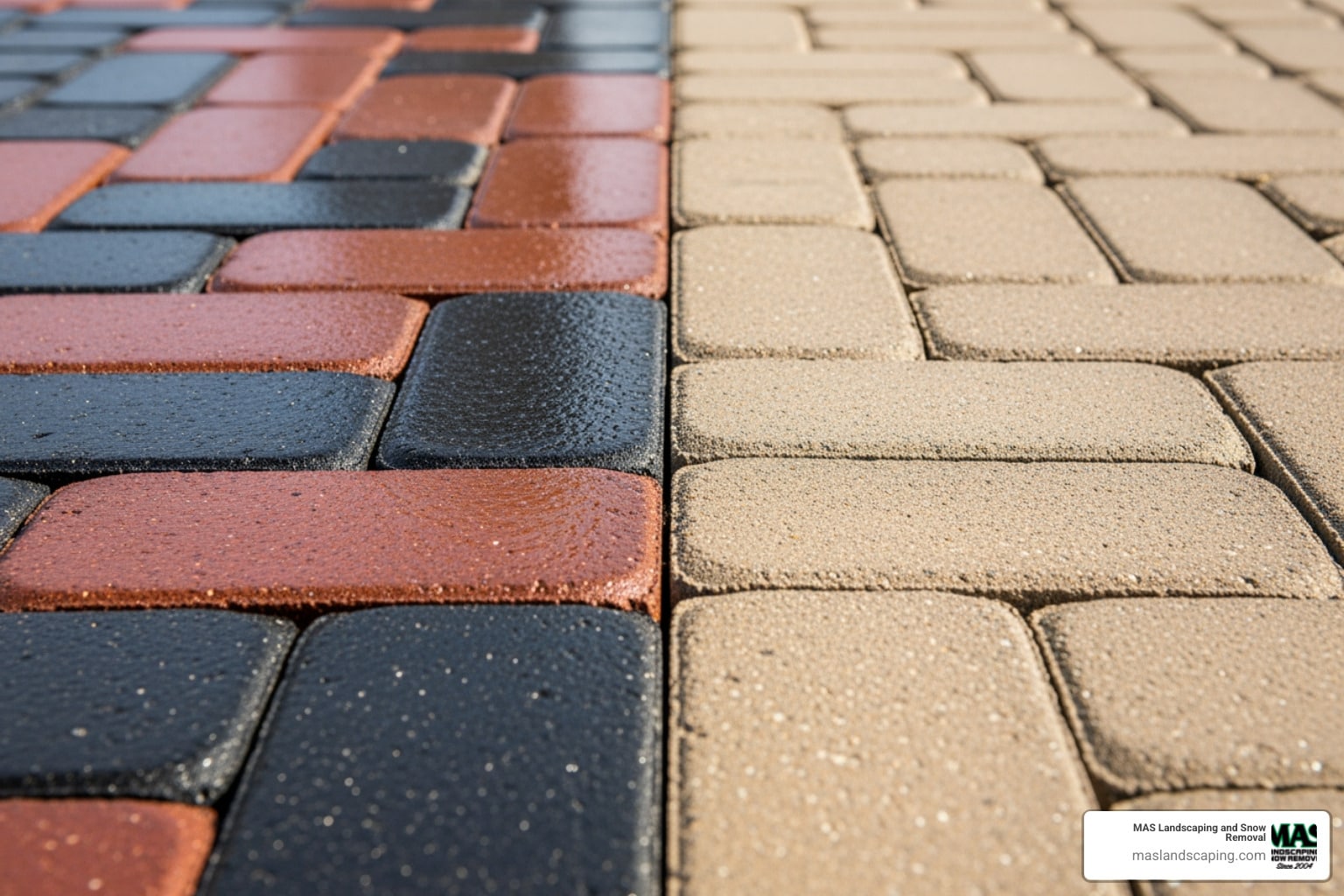
A wet look paver sealer transforms outdoor hardscapes by creating a glossy, rich finish that improves color depth while providing critical protection against stains, UV damage, and weathering. It captures the vibrant, freshly-washed appearance of wet pavers and makes it permanent.
Key Points About Wet Look Paver Sealers:
- Appearance: Creates a high-gloss or satin finish that darkens pavers and makes them look perpetually wet.
- Protection: Forms a barrier against oil stains, grease, de-icing salts, and UV rays.
- Durability: Typically lasts 2-5 years before reapplication is needed.
- Types: Available in water-based (eco-friendly, easier cleanup) or solvent-based (deeper color improvement) formulas.
- Best For: Concrete pavers, brick, natural stone, stamped concrete, pool decks, patios, and driveways.
Beyond aesthetics, a quality sealer stabilizes joint sand to prevent weed growth and makes cleaning easier. For homeowners in the Greater Boston area, this protective barrier is especially valuable against damage from freeze-thaw cycles and de-icing salts.
However, not all wet look sealers are created equal. Some may yellow, trap moisture and turn milky, or create dangerously slippery surfaces. This guide will help you understand the different types, learn proper application techniques, and avoid common mistakes for a beautiful, long-lasting finish.
The “Why” and “What”: Understanding the Core Concepts
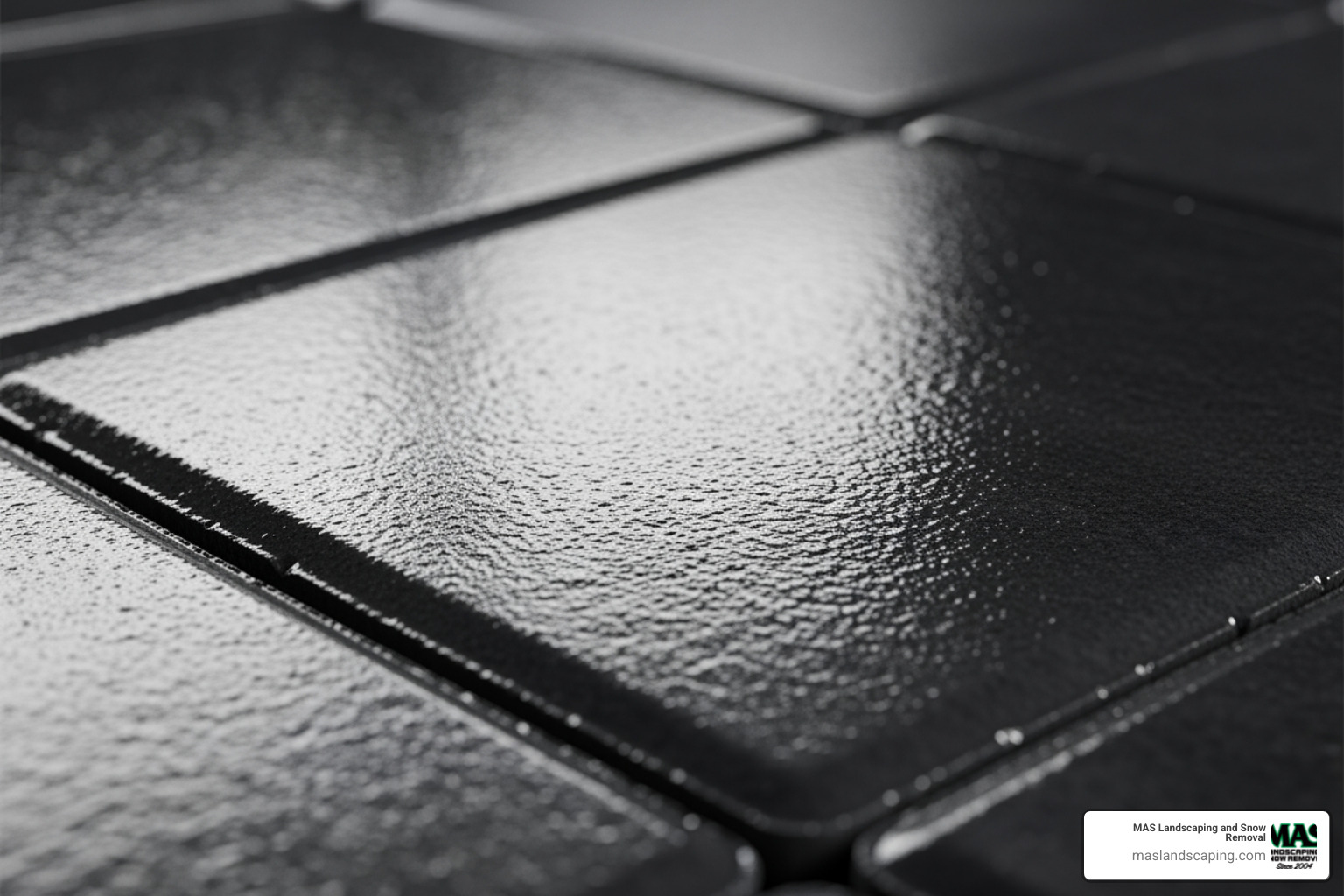
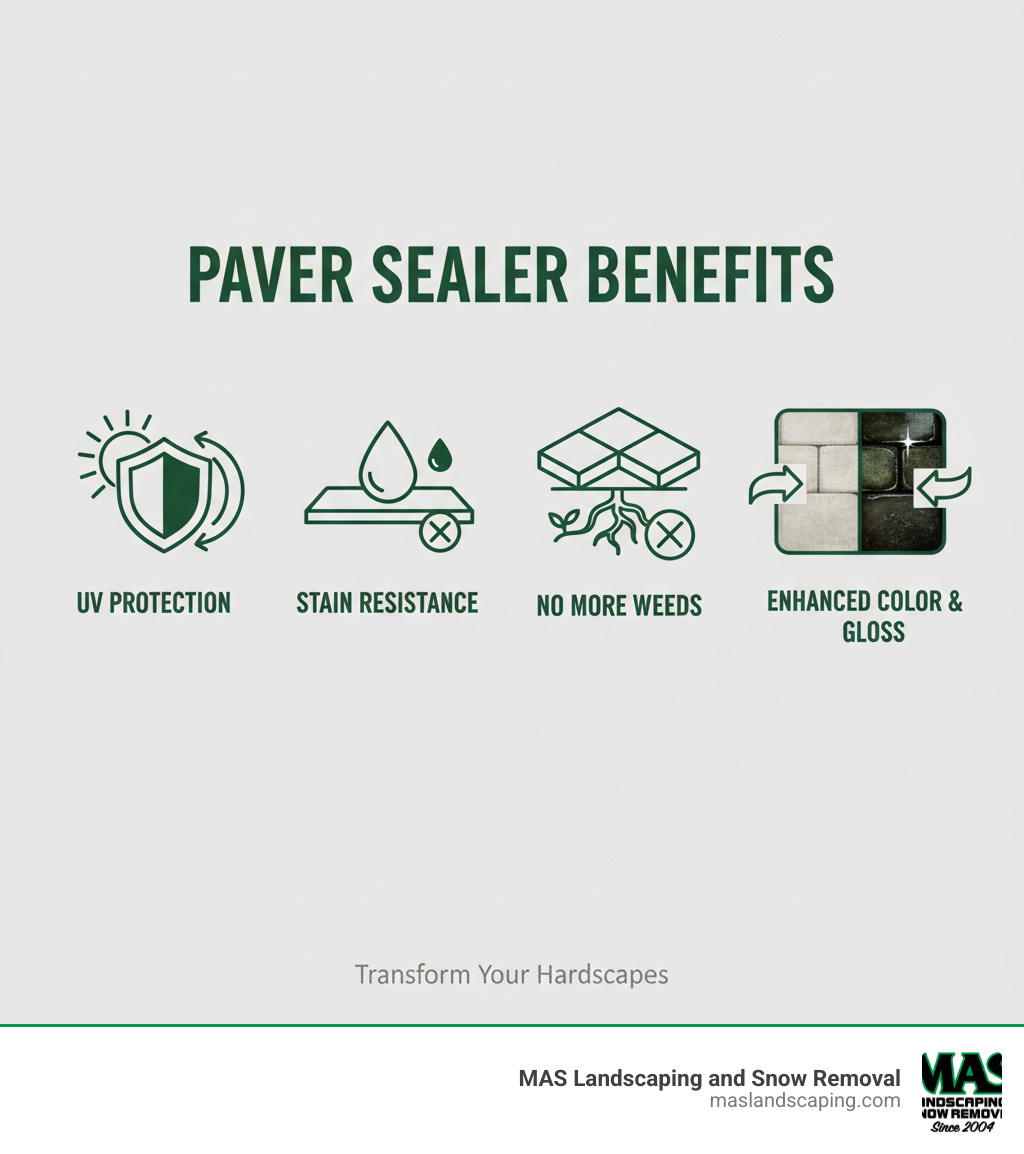
A wet look paver sealer is a valuable investment that performs two key jobs: it makes your pavers look stunning and shields them from damage. By locking in the deep, rich color of wet pavers, it provides a permanent aesthetic upgrade. This protective coating also acts as an invisible shield, defending your investment from stains, weather, and wear. Together, these benefits boost your property’s long-term value and contribute to a more beautiful hardscape and landscape overall.
Understanding the Benefits of a Wet Look Paver Sealer
If you’re considering sealing your patio in Lynnfield or driveway in Saugus, here are the key benefits:
- Vibrant Color Improvement: A wet look sealer transforms pavers, making colors deeper, richer, and more saturated. Faded brick and dull concrete regain a brand-new appearance.
- UV Ray Protection: Quality sealers contain UV inhibitors that act like sunscreen for your pavers, preventing the New England sun from fading colors and making the surface brittle.
- Stain Resistance: Unsealed pavers absorb spills like a sponge. A sealer creates a barrier where oil, grease, and wine sit on the surface for easy cleanup, preventing permanent stains.
- Easier Cleaning and Maintenance: Dirt and grime remain on the sealed surface instead of penetrating the paver’s pores, allowing for simple removal with a sweep or rinse.
- Joint Sand Stabilization: Many sealers harden the sand between pavers, locking it in place. This prevents erosion, keeps pavers from shifting, and creates a solid barrier that deters weed growth and ant tunnels.
- Protection from De-icing Salts: For Massachusetts winters, a sealer provides a chemical-resistant barrier that protects masonry from the corrosive effects of rock salt, preventing pitting and spalling. This is vital for protecting your paver retaining wall and other structures.
What Surfaces Are Suitable?
The versatility of wet look paver sealers makes them suitable for most porous masonry surfaces. Concrete pavers on driveways, patios, and walkways respond beautifully to sealing. Natural stone like flagstone and slate becomes luminous, with its patterns and colors brought into sharp relief.
Brick pavers gain a rich, warm tone, while stamped concrete gets improved color depth and protection for its detailed texturing. Even aggregate surfaces benefit, as the sealed stones catch the light and gain protection. These sealers are ideal for patios, walkways, driveways, and pool decks. They also work well on Mexican tile, unglazed ceramic, and stucco, making them a great choice for all kinds of backyard stone work projects.
Choosing Your Sealer: A Breakdown of Types
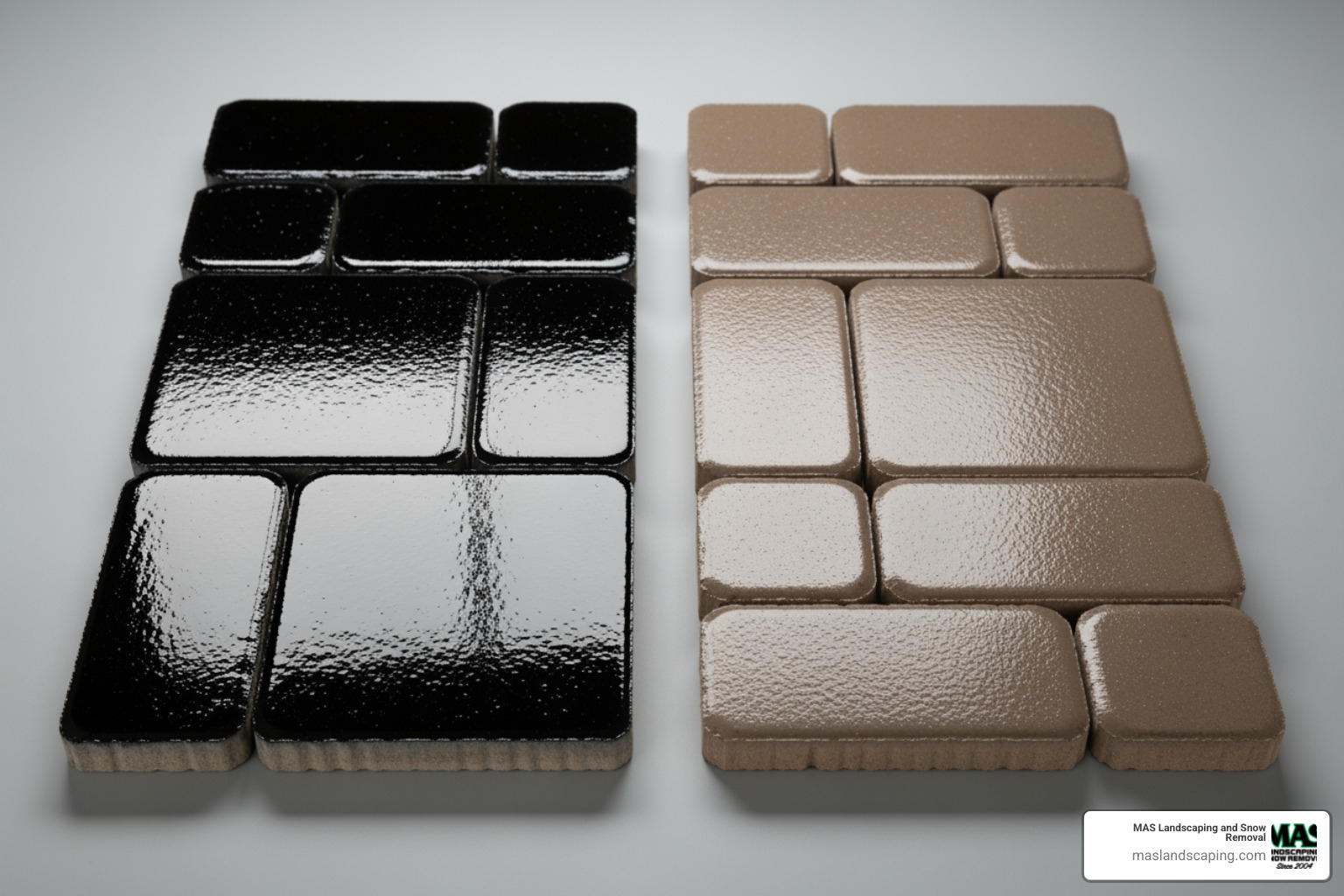
Choosing a wet look paver sealer can be confusing, but understanding a few key differences will help you select the right product. The sealer you choose impacts how your outdoor space looks and performs for years, much like selecting materials for a new paver patio design.
Choosing the Right Type of Wet Look Paver Sealer
The first major decision is water-based versus solvent-based. Water-based sealers are eco-friendly with low VOCs (volatile organic compounds) and minimal odor, plus they clean up with soap and water. Solvent-based sealers often provide deeper color improvement but have strong odors and require chemical solvents for cleanup.
The sealer’s chemistry is also important. Acrylic sealers are a common choice, offering good UV resistance and a protective surface film. Polyurethane sealers are a more durable, heavy-duty option, creating a tougher barrier against abrasion and chemicals. Many professional-grade sealers are two-part water-based polyurethanes, which are exceptionally resilient and ideal for the harsh New England winters in areas like Malden or Revere.
Other features to consider include:
- Breathable Formulas: These allow trapped moisture vapor to escape, which helps prevent the sealer from turning milky or peeling in freeze-thaw cycles.
- Low VOC Options: Many water-based formulas are low in volatile organic compounds, making them a better choice for air quality.
- Gloss Level: “Wet look” can mean a high-gloss, mirror-like shine or a more subtle satin finish. The number of coats applied often determines the final level of gloss.
All wet look paver sealers are film-forming, creating a visible layer on the paver that provides the sheen and protection.
Water-Based vs. Solvent-Based Sealers
This table breaks down the key differences to help you decide:
| Feature | Water-Based Sealers | Solvent-Based Sealers |
|---|---|---|
| VOC Level/Odor | Low VOCs, minimal to no harsh odor, eco-friendly. | Higher VOCs, strong fumes, requires good ventilation. |
| Color Improvement | Good improvement, can be very vibrant. | Often provides deeper, richer color improvement. |
| Application Ease | Generally easier to apply, more forgiving. | Can be more sensitive to application conditions. |
| Cleanup | Easy cleanup with soap and water. | Requires solvents (e.g., xylene) for cleanup. |
| Durability | Excellent, especially 2-part polyurethanes (2-3 years+). | Good, but gloss may dissipate faster (9-12 months for some). |
| Moisture Sensitivity | Less sensitive, some can be applied to damp surfaces. | More sensitive, requires bone-dry surfaces to avoid hazing. |
For most homeowners in our service areas like Saugus or Lynnfield, high-quality water-based polyurethane sealers offer the best balance of performance, durability, and ease of use.
The Complete Application Guide for a Flawless Wet Look Paver Sealer Finish
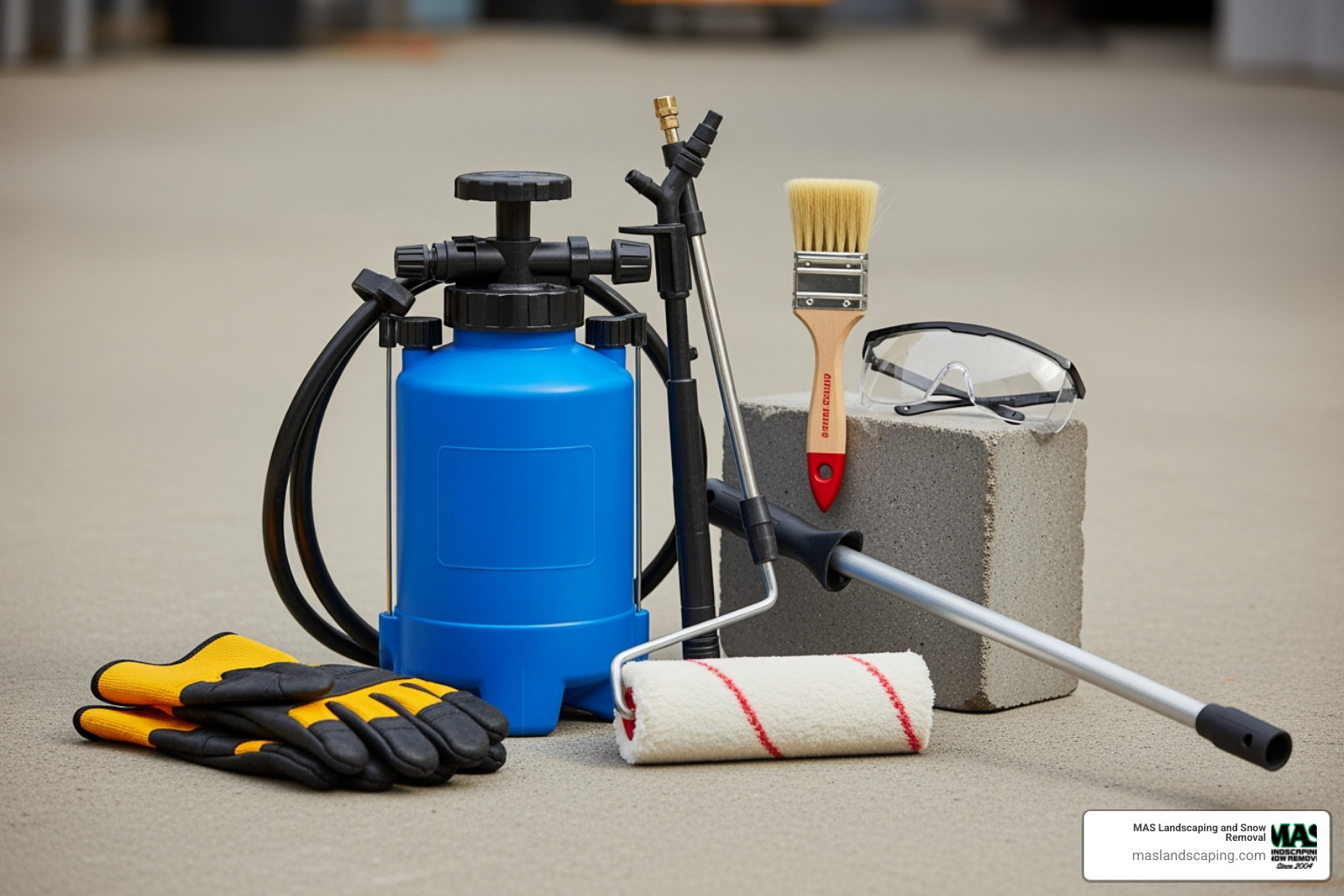
Applying a wet look paver sealer correctly is crucial for achieving a professional finish. Proper technique is just as important as the product itself. This guide covers the essential steps, whether you’re doing it yourself or want to understand what goes into our professional patio installations.
Step 1: Surface Preparation is Key
This is the most critical step for a successful outcome. A sealer can only perform as well as the surface it’s applied to.
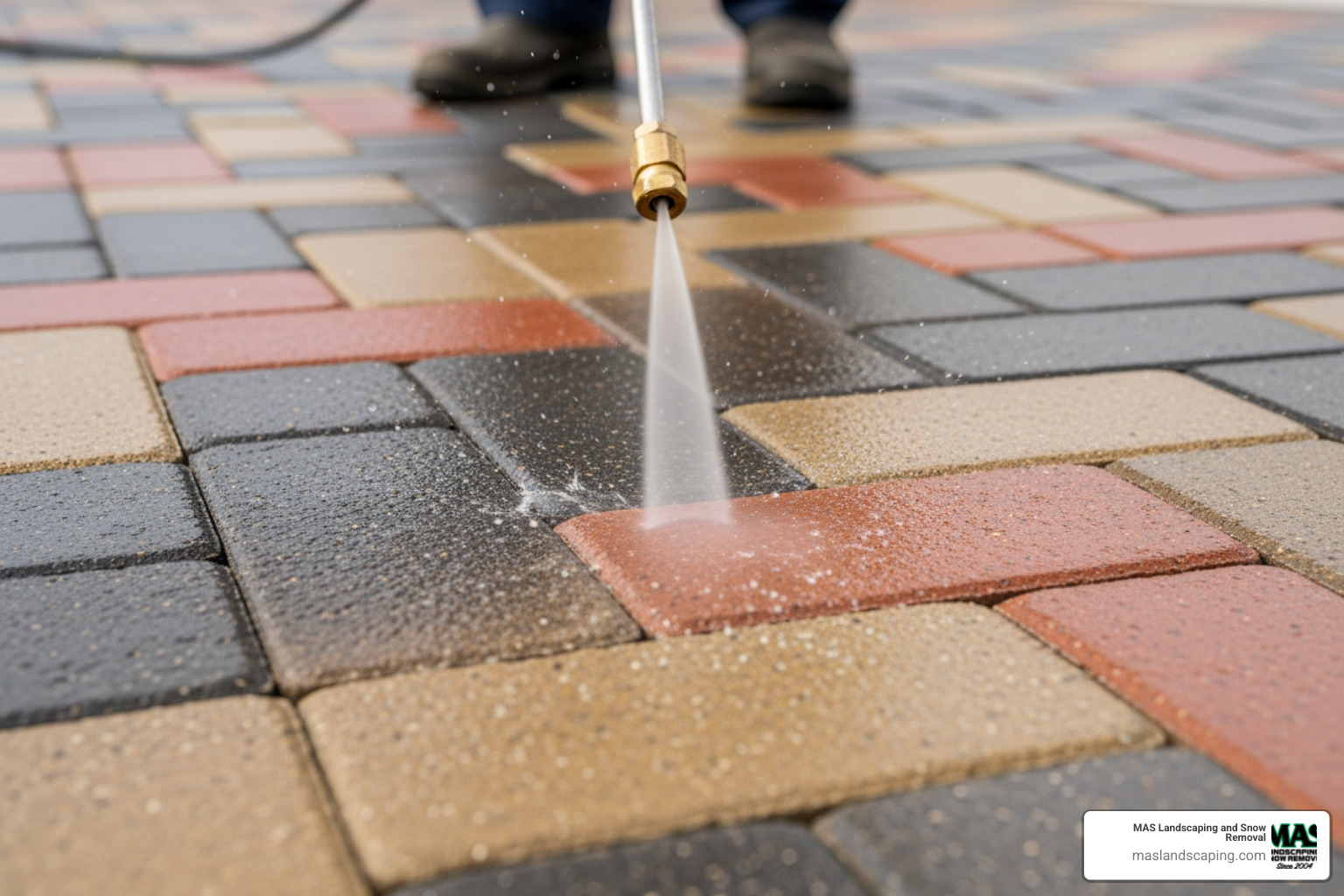
- Thorough Cleaning: Use a pressure washer (1500-3000 PSI) and a mild detergent to remove all dirt, grime, moss, and debris.
- Stain Removal: Use a degreaser for oil, a rust remover for rust stains, and a simple detergent mix for organic stains.
- Efflorescence Removal: If you see a white, powdery residue, use an acidic efflorescence cleaner and rinse thoroughly.
- Strip Old Sealer: If a previous sealer is peeling or flaking, it must be completely stripped with a chemical agent before applying a new coat.
- Check Joints: Ensure paver joints are filled with sand to about 1/8″ below the paver surface. If using polymeric sand, allow it to cure for at least 48 hours before sealing.
- Ensure Dryness: The surface must be completely bone dry. Allow at least 48 hours of dry weather before sealing, especially for solvent-based products.
- Check Weather: Apply sealer on a day with moderate temperatures (50-90°F) and no rain expected for at least 24-48 hours. Avoid direct, hot sun, which can cause the sealer to dry too quickly. This prep work is a key part of any hardscape maintenance plan.
Step 2: The Application Process
With your surface prepped, it’s time to apply the sealer. You’ll need a solvent-resistant pump sprayer, a 3/8″ nap roller, a small brush for edges, and protective gear (gloves, eye protection).
Coverage rates vary by paver porosity, typically from 150 to 450 square feet per gallon. Always check the product’s data sheet. Before starting, apply the sealer to a small test area to check the finish and compatibility.
Stir the sealer well before and during use. Working in manageable sections, apply a consistent flood coat with the pump sprayer. Immediately back-roll the sprayed area with your roller. This is a critical step that ensures even coverage, pushes the sealer into the pores, and eliminates puddles for a streak-free, professional finish.
Apply thin, even coats rather than one thick coat to prevent bubbling and hazing. Two coats are usually enough for a satin finish, while a third can achieve a higher gloss. Allow each coat to dry to the touch before applying the next. For more detailed instructions, you can read a sample Application Guide.
Step 3: Drying and Curing Times
Patience during the drying and curing phase is essential.
- Dry to Touch: 1-4 hours, depending on conditions.
- Light Foot Traffic: Wait at least 24 hours.
- Heavy Traffic/Furniture: Wait at least 72 hours.
- Vehicle Traffic: Wait 24-72 hours. Some manufacturers recommend placing cardboard under tires for the first two weeks to prevent hot tire pickup.
A full cure, where the sealer reaches maximum hardness and chemical resistance, can take 3-30 days. Drying times are affected by temperature, humidity, and airflow. Always follow the manufacturer’s specific instructions for the product you are using.
Longevity, Maintenance, and Key Considerations
Once your pavers are sealed, proper long-term care will keep them looking great. Maintaining your sealed hardscape is a key part of protecting your investment, and our hardscaping services often include guidance on this.
Lifespan and Reapplication Schedule
A quality wet look paver sealer should last 2-5 years. The exact lifespan depends on the product, traffic, and weather exposure. Acrylic sealers may need reapplication every 18-36 months, while durable two-part polyurethanes can last 3-5 years or more.
It’s time to reseal when you notice these signs:
- The wet look begins to fade.
- Water no longer beads up on the surface.
- Stains become more difficult to clean.
- Joint sand starts to erode.
In Greater Boston, our harsh winters and de-icing salts can accelerate wear. The reapplication process is simpler than the initial job, usually requiring just a thorough cleaning before applying a new coat.
Potential Drawbacks and How to Avoid Them
Most issues with wet look paver sealers are preventable with proper application.
- Slipperiness When Wet: High-gloss sealers can reduce traction. To avoid this, use an anti-slip additive mixed into the final coat of sealer. This is especially important for pool decks and sloped areas.
- Hazy or White Finish: This is caused by moisture trapped under the sealer. To prevent this, ensure pavers are completely dry before sealing (wait at least 48 hours after rain) and use a breathable sealer in moisture-prone areas.
- Bubbling: This occurs when sealer is applied in direct sun or on a hot surface, causing it to dry too quickly. To avoid this, apply sealer during cooler parts of the day and use thin, even coats.
- Yellowing: Lower-quality acrylics can yellow over time from sun exposure. To prevent this, invest in a high-quality, non-yellowing sealer with strong UV inhibitors, such as a polyurethane formula.
Understanding these potential issues helps ensure your sealed pavers look fantastic for years. For detailed product information, you can view a sample Safety Data Sheet.
Frequently Asked Questions about Wet Look Sealers
We often hear the same questions about wet look paver sealers from homeowners in Saugus, Lynnfield, and Malden. Here are the answers to the most common concerns.
Can I apply a wet look sealer over an existing sealer?
Possibly, but compatibility is critical to avoid hazing or peeling. The safest approach is to apply the same type of sealer over the old one (water-based over water-based, or solvent-based over solvent-based) after a thorough cleaning. You generally cannot mix types. If the old sealer is a different type or is failing (peeling, flaking), you must strip it completely before applying a new coat. Always test a small, inconspicuous area first to check for compatibility issues. If you’re unsure, consulting a professional is the wisest choice.
How much does it cost to seal a paver patio?
Costs for sealing a paver patio or driveway vary widely. For professional sealing services, you can expect costs to range from approximately $1.50 to $5.00 or more per square foot. This range depends on the sealer type (premium polyurethanes cost more than basic acrylics), the condition of the pavers (extensive cleaning or stripping adds labor), and the size of the area. For a DIY project, your main cost is the sealer itself, which can run from $30 to over $100 per gallon.
These figures represent average industry costs based on internet data and are not specific quotes for MAS Landscaping services. For a personalized estimate, you can get a quote for your walkway cost or other projects.
Will a wet look sealer make my pavers slippery?
Yes, high-gloss, film-forming wet look paver sealers can reduce traction and make surfaces more slippery when wet. This is a significant safety concern for pool decks, sloped areas, and entryways.
Fortunately, this is a solvable problem. Many manufacturers offer sealers formulated with lower slip potential. The most effective solution is to use an anti-slip additive, which consists of fine granules mixed into the final coat of sealer. This creates a textured surface that improves grip without significantly altering the wet look appearance. For high-traffic or wet areas, using an anti-slip additive is a must. For professional advice on ensuring a safe, beautiful finish, contact local patio paver sealer companies near me for a professional consultation.
Conclusion: Protect Your Investment and Boost Your Curb Appeal

Sealing your pavers with a wet look paver sealer is about more than just aesthetics—it’s about protection, preservation, and adding real value to your home. A quality sealer creates a durable barrier against UV rays, stains, and the corrosive de-icing salts used in Massachusetts winters. It deepens paver colors, stabilizes joint sand to prevent weeds, and makes cleanup simple, changing tired surfaces into vibrant, welcoming outdoor spaces.
While sealing can be a rewarding DIY project, proper application requires careful preparation and attention to detail to avoid common issues like hazing or bubbling. For homeowners in Saugus, Lynnfield, Malden, and throughout the Greater Boston area, professional application ensures a flawless, durable finish that stands up to our local climate.
MAS Landscaping offers expert hardscape installation and maintenance, including professional paver sealing. Our team has the experience and equipment to protect your investment perfectly. Your outdoor spaces deserve to look their best and last for decades. Don’t let fading, stains, or weeds diminish your home’s curb appeal. Whether you’re sealing a new patio or revitalizing an old one, we can help. Contact local patio paver sealer companies near me for a professional consultation and let’s discuss bringing a gorgeous, lasting wet look to your landscape.