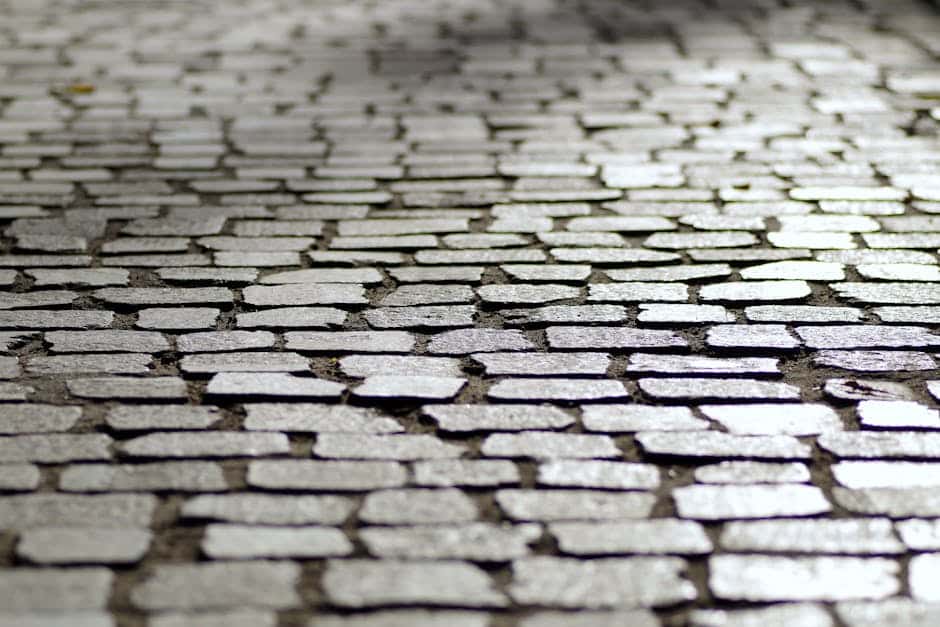



Driveways and Walkways: Top 10 Best Materials in 2024
Enhancing Curb Appeal: The Role of Driveways and Walkways
Your driveways and walkways are the first things visitors notice when they arrive at your home. They create a pathway that welcomes guests and sets the tone for your entire property. Whether you’re aiming for a sleek, modern look or a charming, rustic vibe, the materials you choose for your driveways and walkways significantly impact both functionality and aesthetic appeal.
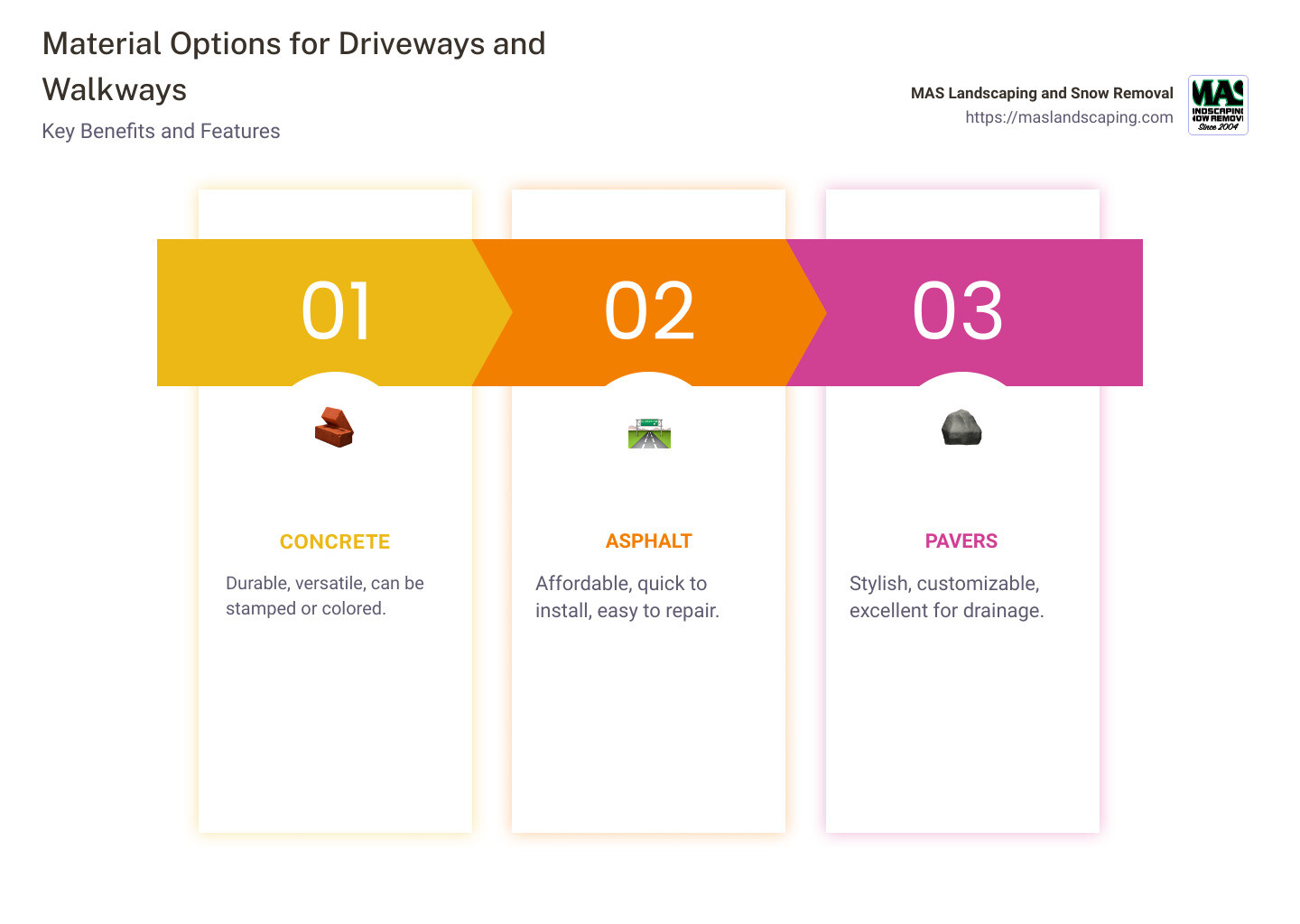
Here’s a quick snapshot to get you started:
- Concrete: Durable, versatile, can be stamped or colored.
- Asphalt: Affordable, quick to install, easy to repair.
- Pavers: Stylish, customizable, excellent for drainage.
- Gravel: Cost-effective, ideal for rural settings, requires upkeep.
The condition and design of your driveway and walkway also contribute to your home’s curb appeal. A well-maintained path invites admiration, while a cracked or uneven surface can detract from even the most beautiful home.
Investing in quality materials and proper installation not only boosts your home’s appearance but also ensures longevity and safety. With so many options on the market, it’s crucial to select materials that fit your needs, style preferences, and budget.
Common Materials for Driveways and Walkways
Concrete and Its Variations
Concrete is a go-to choice for driveways and walkways due to its durability and versatility. It can withstand heavy loads, making it ideal for high-traffic areas. Standard concrete offers a clean, uniform look, but you can also opt for decorative variations to improve curb appeal.
Stamped concrete mimics the appearance of more expensive materials like brick or stone. This makes it a cost-effective way to get a high-end look. Colored concrete can be custom to match your home’s exterior, adding a personalized touch. Although concrete can crack in freezing conditions, proper installation and maintenance can mitigate this issue.
Maintenance: Regular sealing helps protect against stains and weather damage, extending the lifespan of your concrete surfaces.
Asphalt and Blacktop
Asphalt, also known as blacktop, is another popular material for driveways. It’s affordable and quick to install, making it a practical choice for many homeowners.
Asphalt’s flexibility allows it to withstand ground movement, which is particularly beneficial in colder climates. However, it requires periodic sealing to protect against UV damage and water infiltration. In extreme heat, asphalt can soften and become susceptible to tire marks or indentations.
Maintenance: Regular sealing every few years is essential to keep asphalt looking fresh and to prolong its life.
Pavers and Stones
Pavers and stones offer a wide range of design possibilities, allowing for creative and customizable patterns. Concrete pavers are a cost-effective option, while natural stone provides a timeless, high-end look. One significant advantage of pavers is their ability to be easily replaced if damaged.
Paver systems also facilitate better water drainage compared to solid surfaces, reducing the risk of puddles and ice formation. However, installing pavers can be more labor-intensive and costly than poured concrete or asphalt.
Maintenance: Pavers need occasional cleaning and re-sanding of joints to maintain their appearance and stability.
Gravel
Gravel is a cost-effective option, especially suitable for rural areas. It provides a rustic charm and is easy to install. However, gravel requires regular maintenance to keep the surface level and free of weeds.
Gravel driveways are highly permeable, allowing for excellent water drainage. This makes them an eco-friendly option, preventing water runoff and reducing erosion. But keep in mind that gravel can be difficult to steer for wheelchairs and strollers, potentially limiting accessibility.
Maintenance: Regular raking and adding new gravel as needed will keep your driveway in good condition.
Each material comes with its own set of advantages and challenges. Choosing the right one depends on your specific needs, budget, and aesthetic preferences.

Next, let’s dig into the key design considerations to ensure your driveway and walkway are both functional and visually appealing.
Key Design Considerations for Driveways and Walkways
When designing driveways and walkways, balance functionality, safety, and aesthetics. Here are some key considerations to keep in mind:
Width and Dimensions
Driveways should be wide enough to accommodate vehicles comfortably. A standard single-car driveway typically needs to be at least 10-12 feet wide. For double-car driveways, plan for a width of 20-24 feet.
Walkways should be spacious enough for easy movement. A minimum width of 36 inches is recommended for comfortable passage, especially if you expect foot traffic from wheelbarrows or strollers. This width also ensures accessibility for wheelchairs.
Slope and Drainage
Proper slope and drainage are crucial to prevent water accumulation, which can lead to slippery surfaces and damage over time.
- Slope: Aim for a slope of 1-2% for driveways to facilitate water runoff. For walkways, a slope of no more than 5% is ideal to ensure safety and accessibility.
- Drainage: Incorporate drainage solutions like French drains or swales to direct water away from the surface. This helps prevent puddles and reduces the risk of ice formation in colder climates.
Poor drainage can lead to serious safety hazards and structural issues. Ensuring proper slope and drainage is a top priority in your design.
Accessibility and Safety Features
Accessibility: Ensure smooth transitions between different surfaces to accommodate wheelchairs and strollers. Curb cuts at intersections are essential for easy navigation.
Safety: Handrails are recommended in areas with steps to provide additional support. Textured surfaces can improve traction, especially in wet conditions. For driveways, adequate lighting is crucial for visibility and security during nighttime use.
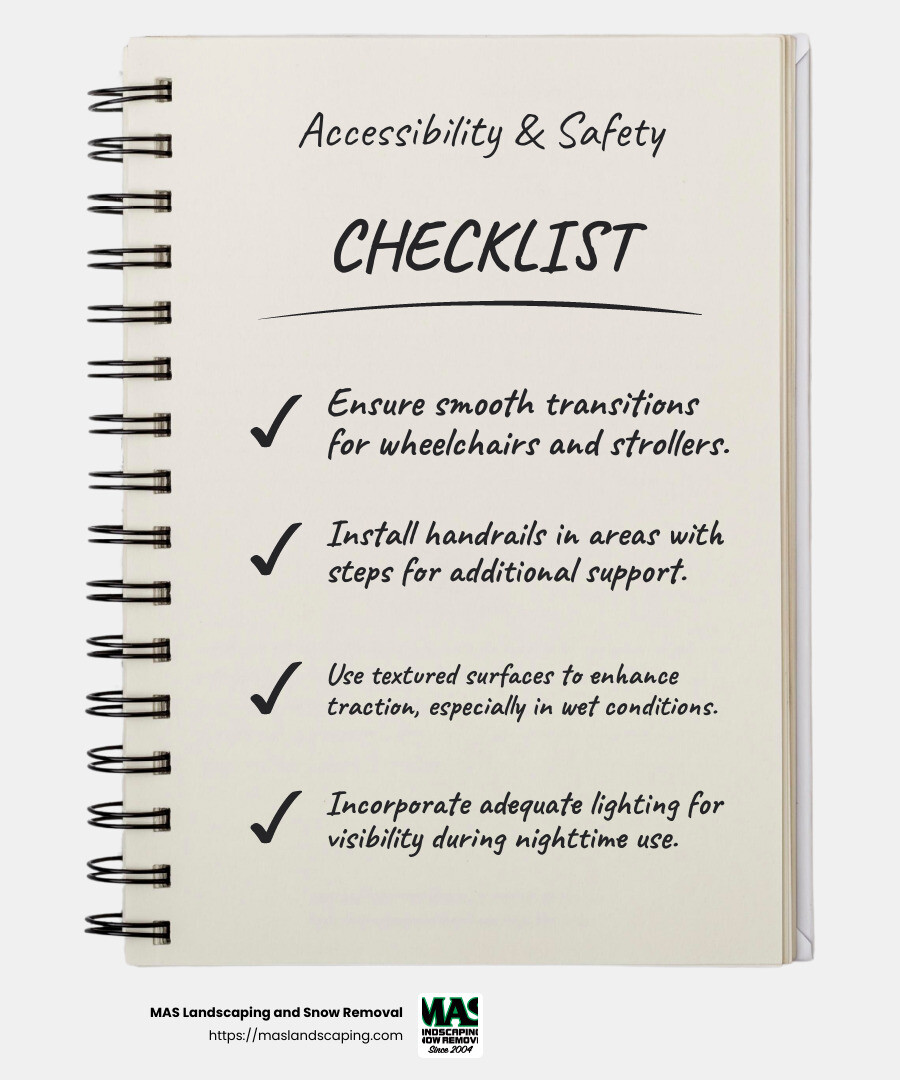
Lighting: Install lighting along walkways and driveways to improve safety and aesthetics. Solar-powered lights are an eco-friendly option, while recessed lighting can provide a sleek, modern look.
By carefully considering these design aspects, you can create driveways and walkways that are not only functional but also improve the overall aesthetic and safety of your property.
Next, let’s dig into the installation best practices to ensure your driveway and walkway are built to last.
Installation Best Practices
Proper installation is crucial for the longevity and performance of driveways and walkways. Here’s how to do it right.
Proper Ground Preparation
Before you start, make sure the ground is well-prepared. This is the foundation of a successful installation.
- Vegetation Removal: Clear any grass, roots, or plants from the area. This prevents future growth from disrupting the surface.
- Grading: Grade the area to achieve the desired slope for drainage. This is vital to prevent water pooling and damage.
- Soil Compaction: Compact the soil thoroughly. A stable base is essential for preventing settling and cracks. Use a plate compactor for best results.
- Gravel Base: Add a layer of gravel or crushed stone. This improves drainage and further stabilizes the base. Typically, a 4-6 inch layer is recommended, but this can vary based on soil type and climate.
Material-Specific Installation Techniques
Each material requires specific techniques for optimal performance.
Asphalt Installation
- Base Preparation: Ensure the base is well-compacted and graded.
- Temperature: Lay asphalt at the correct temperature, usually between 275-300°F.
- Compaction: Compact the asphalt evenly to avoid weak spots.
Concrete Installation
- Forms: Set forms accurately to shape the concrete.
- Reinforcement: Use wire mesh or rebar to prevent cracking.
- Pouring: Pour concrete evenly and use a screed to level it.
- Curing: Allow proper curing time to develop strength. Keep it moist for at least 7 days.
Paver Installation
- Sand Bed: Start with a level sand bed, about 1 inch thick.
- Laying Pavers: Lay pavers in the desired pattern. Use a rubber mallet to set them firmly.
- Joint Sand: Sweep sand into the joints to lock pavers in place and provide stability.
Addressing Elevation Changes
Handling elevation changes correctly is essential for safety and functionality.
Slopes
- Consistent Grade: For gradual slopes, maintain a consistent grade. Ensure it doesn’t exceed a 1:12 ratio for accessibility.
- Drainage: Make sure the slope facilitates proper water runoff to prevent erosion and puddles.
Steps
- Riser Heights: Steps should have consistent riser heights and tread depths for safety.
- Handrails: Install handrails for added support.
- Anchoring: Secure steps properly and provide drainage to avoid water accumulation.
Retaining Walls
- Support: Use retaining walls to manage steeper elevation changes.
- Drainage: Ensure proper drainage behind walls to prevent pressure buildup and wall failure.
- Materials: Choose durable materials like concrete blocks or natural stone for longevity.
By following these best practices for installation, you can ensure your driveways and walkways are built to last, providing both functionality and aesthetic appeal.
Next, let’s explore maintenance and repair to keep your driveway and walkway in top condition.
Maintenance and Repair
Maintaining and repairing your driveways and walkways is essential for their longevity and appearance. Regular upkeep can prevent minor issues from becoming major problems.
Common Defects and DIY Repairs
Cracks: Cracks are common in both concrete and asphalt. They can be caused by settling, freeze-thaw cycles, or tree roots.
- DIY Repair: Small cracks can be filled with crack filler. For concrete, use a concrete patching compound. For asphalt, an asphalt crack filler works best. Make sure the area is clean and dry before applying the filler.
Heaving: Heaving occurs when soil beneath the surface expands and contracts, often due to frost. This can lead to uneven surfaces.
- DIY Repair: For minor heaving, you can remove affected pavers, re-level the base, and reinstall them. For concrete or asphalt, professional help may be needed.
Potholes: Potholes are usually caused by water infiltration and freeze-thaw cycles, leading to the breakdown of the surface.
- DIY Repair: Clean the pothole, remove loose debris, and fill it with a cold patch asphalt mix. Compact the patch thoroughly to ensure it bonds well.
Staining: Stains can result from oil leaks, rust, or organic matter like leaves.
- DIY Repair: Use specialized cleaners for different types of stains. Power washing can also help remove surface stains. For stubborn stains, commercial stain removers are available.
When to Call a Professional
While some repairs can be handled by homeowners, certain issues require professional expertise:
- Large Cracks or Extensive Damage: If cracks are wide or there’s significant damage, it might indicate underlying issues that need professional assessment.
- Drainage Issues: Poor drainage can lead to water pooling and damage. Professionals can design and implement effective drainage solutions.
- Major Settling or Heaving: These issues often point to deeper soil problems that professionals can diagnose and address properly.
- Complete Resurfacing: For driveways and walkways that have extensive wear and tear, resurfacing might be necessary. This is best handled by professionals to ensure a durable and even finish.
Regular maintenance and timely repairs can extend the life of your driveways and walkways, keeping them safe and visually appealing.
Next, let’s explore how enhancing curb appeal can make your driveway and walkway stand out.
Enhancing Curb Appeal
Decorative Options and Finishes
Elevating the curb appeal of your driveways and walkways can transform the first impression of your home. Here are some decorative options and finishes to consider:
- Stamped Patterns: Stamped concrete can mimic the look of brick, stone, or even wood. It’s a versatile way to add texture and visual interest to your driveway or walkway.
- Colored Concrete: Adding color to concrete can improve its appearance. You can choose from a variety of hues to match your home’s exterior or landscape.
- Paver Designs: Pavers come in various shapes, sizes, and colors. They can be arranged in intricate patterns, such as herringbone or basket weave, to create a unique look.
Landscaping Integration
Integrating landscaping with your driveways and walkways can create a cohesive and inviting outdoor space. Consider these tips:
- Plants and Shrubs: Planting strips along the edges of your driveway or walkway can soften the hardscape and add greenery. Choose plants that thrive in your local climate and require minimal maintenance.
- Cohesive Look: Use similar materials and colors in your landscaping and hardscaping to create a unified appearance. For example, if your walkway has a stone finish, use similar stones in your garden beds.
- Planting Strips: Narrow planting strips between pavers or along the edges can be filled with low-growing plants or decorative gravel. This not only looks good but also aids in water drainage.
Lighting Considerations
Proper lighting can improve the safety and beauty of your driveways and walkways. Here’s how to light up your outdoor space effectively:
- Safety: Illuminate pathways and driveways to prevent trips and falls. Use lights along the edges and at steps or elevation changes.
- Solar-Powered Lights: These are energy-efficient and easy to install. They charge during the day and automatically light up at night, providing a sustainable lighting solution.
- Recessed Lighting: Installed directly into the ground or hardscape, recessed lights offer a sleek and modern look. They’re perfect for highlighting the edges of a walkway or the perimeter of a driveway.
Enhancing the curb appeal of your driveways and walkways with these decorative options, landscaping integrations, and thoughtful lighting can make a significant impact on your home’s overall aesthetic.
Cost Factors and Budget Planning
Planning the budget for your driveways and walkways is crucial to ensure a balance between cost, quality, and aesthetics. Here’s a breakdown of the key cost factors you need to consider.
Material Costs Comparison
Material costs can vary widely based on the type you choose. Here’s a general guide:
- Asphalt: $7–$13 per square foot. Asphalt is affordable but requires regular maintenance.
- Concrete: $4–$15 per square foot. Concrete offers durability and versatility in design.
- Gravel: $1.25–$3 per square foot. Gravel is the most cost-effective option, ideal for rural areas.
- Pavers: $8–$25 per square foot. Pavers provide a high-end look with various design possibilities.
Installation Expenses
Installation expenses often make up a significant portion of your budget. Factors affecting these costs include:
- Labor Costs: Local labor rates can influence the total cost. High-demand areas typically have higher rates.
- Site Preparation: Clearing vegetation, grading, and soil compaction can add to the expenses. Proper preparation ensures a stable and long-lasting installation.
- Design Complexity: Intricate designs or patterns, like stamped concrete or detailed paver layouts, require more time and expertise, increasing labor costs.
Long-Term Maintenance Costs
When planning your budget, consider the long-term maintenance costs to keep your driveways and walkways in top condition:
- Asphalt: Requires sealing every three to five years to prevent cracks and extend its lifespan.
- Concrete: May need occasional sealing or resurfacing, especially if exposed to harsh weather conditions.
- Pavers: Periodic re-leveling and joint sand replenishment are necessary to maintain stability and appearance.
- Gravel: Needs regular raking and replenishment to keep the surface even and free of weeds.
By understanding these cost factors, you can make informed decisions and budget effectively for your driveways and walkways. This ensures you get the best value while achieving your desired look and functionality.
Frequently Asked Questions about Driveways and Walkways
What is the difference between a driveway and a walkway?
A driveway is designed to handle vehicle traffic. It needs to be wide enough for cars, typically around 10-12 feet for a single-car driveway and 20-24 feet for a two-car driveway. Driveways also need to support the weight of vehicles and withstand oil spills and tire wear.
A walkway, on the other hand, is meant for pedestrians. Walkways are usually narrower, around 3-4 feet wide, and focus on providing a smooth, safe path for walking. They often feature curb cuts and ramps to accommodate wheelchairs and strollers, enhancing accessibility.
What is the cheapest option for a driveway?
Gravel is the most cost-effective option for a driveway. It typically costs between $1.25 and $3 per square foot, making it ideal for those on a budget. Gravel driveways are especially popular in rural areas due to their affordability and ease of installation.
However, gravel does require regular maintenance, such as raking and replenishing, to keep the surface even and free of weeds. It’s also less suitable for areas with heavy snowfall, as snow removal can be challenging on a gravel surface.
How can I improve the curb appeal of my driveway and walkway?
Improving the curb appeal of your driveways and walkways can make a big impact on your home’s overall look. Here are some ideas:
- Decorative Options: Consider using stamped concrete or pavers to add texture and design to your driveway. Stamped concrete can mimic the look of stone or brick, while pavers come in various shapes and colors to create unique patterns.
- Landscaping: Integrate plants and shrubs along the edges of your driveway and walkway. Use larger plants as focal points and smaller ones to fill in gaps. This not only adds beauty but also creates a cohesive look with your garden.
- Lighting: Install outdoor lighting to improve safety and ambiance. Solar-powered lights along walkways and recessed lighting in driveways can make your outdoor space inviting and functional after dark.
By focusing on these elements, you can significantly boost the aesthetic appeal of your driveways and walkways, making your home more attractive and welcoming.
Conclusion
In summary, choosing the right materials and design for your driveways and walkways can significantly improve your home’s curb appeal and functionality. From durable concrete and affordable asphalt to versatile pavers and cost-effective gravel, each material offers unique benefits to suit different needs and preferences.
At MAS Landscaping and Snow Removal, we pride ourselves on delivering professional service with a personal touch. Based in Saugus, MA, we serve clients in Everett, Lynnfield, Malden, and surrounding areas. Our commitment to quality, professionalism, and local expertise ensures that your landscaping projects are completed to the highest standards.
Whether you’re looking to install a new driveway, revamp your walkway, or integrate landscaping elements, our team is here to help. We understand the local climate and zoning laws, allowing us to create outdoor spaces that are not only beautiful but also functional and compliant with regulations.
Ready to transform your outdoor space? Contact us today to get started on planning your perfect landscape with MAS Landscaping and Snow Removal. Let’s create a stunning and functional outdoor area that you and your family will enjoy for years to come.