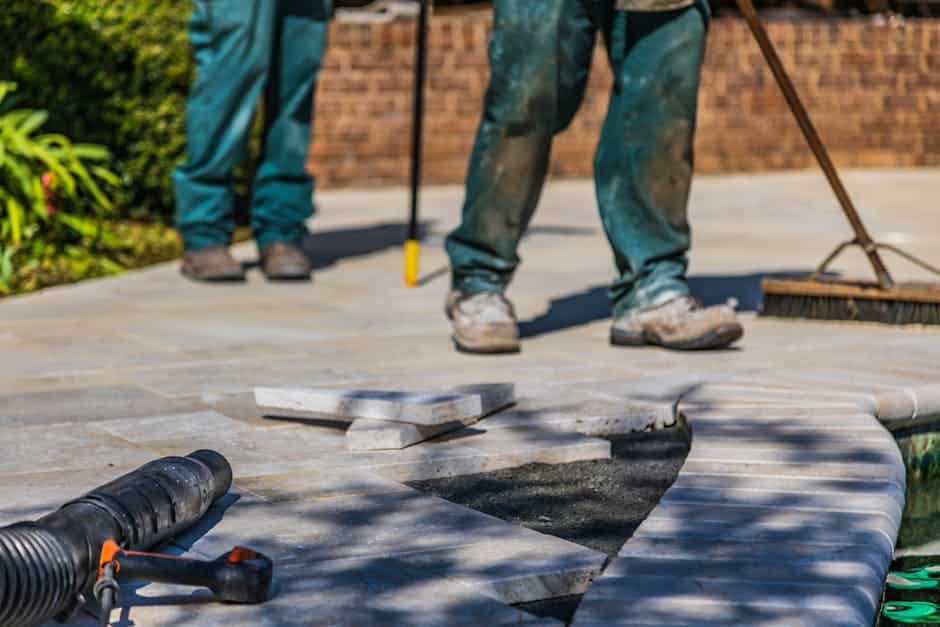



Top 5 Patio Paver Installers: Best Choice 2024
When considering patio paver installers for your home, there are a few key expectations and criteria you should keep in mind to ensure a successful project. Whether you’re dreaming of an neat pathway, a rustic retreat, or a durable outdoor dining area, knowing what to expect from patio paver installers will guide you toward the perfect choice.
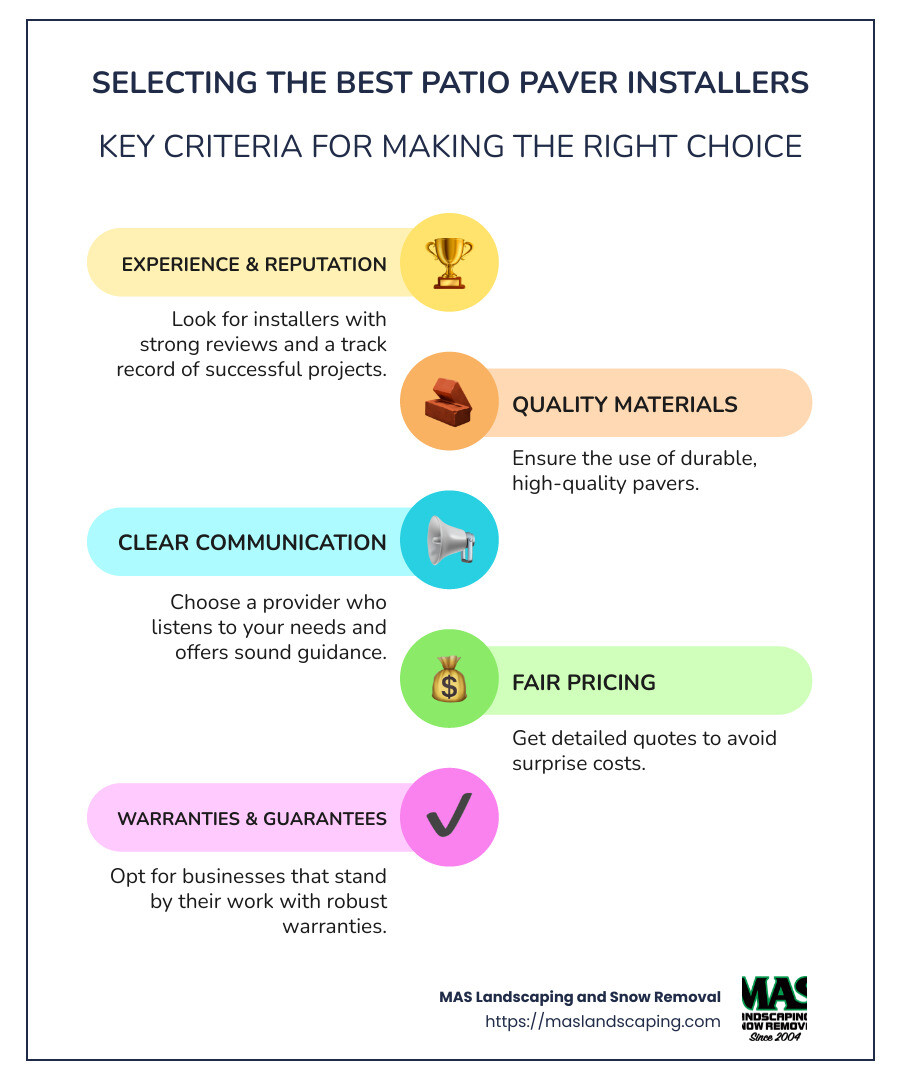
Here’s what to prioritize when selecting patio paver installers:
– Experience and Reputation: Look for installers with strong reviews and a track record of successful projects.
– Quality Materials: Ensure they use durable, high-quality pavers that suit your aesthetic and functional needs.
– Clear Communication: Choose a provider who listens to your needs and offers sound guidance and updates.
– Fair Pricing: Get detailed quotes, understanding what’s included to avoid surprise costs later.
– Warranty and Guarantees: Opt for businesses that stand by their work with robust warranties.
Choosing the right patio paver installers can transform your outdoor space into a beautiful, functional oasis. It’s not just about installing stones; it’s about crafting a space that adds real value and enjoyment to your home. Take time to evaluate your options, understand the process, and select a contractor who meets your standards for quality and service.
Basic patio paver installers glossary:
– affordable patio
– brick paver patio contractor
– patio contractor
Understanding Patio Paver Installation
When it comes to changing your outdoor space, understanding the ins and outs of patio paver installation is crucial. Let’s break it down into the key elements: Types of Pavers, Installation Process, Durability, and Flexibility.
Types of Pavers
Pavers come in various materials, each with its unique look and benefits. Here are the most common types:
- Concrete Pavers: These are popular for their durability and versatility. They can mimic the appearance of stone or brick at a lower cost.
- Brick Pavers: Known for their classic look, brick pavers offer a timeless aesthetic. They are durable but might require more maintenance than concrete.
- Natural Stone Pavers: These include materials like granite, slate, or limestone. They are often chosen for their natural beauty and variety of textures.
Choosing the right type of paver depends on your budget, style preference, and the intended use of your patio.
Installation Process
Installing patio pavers involves several steps to ensure a stable and long-lasting surface:
- Planning and Design: Start by mapping out the area and choosing a design that fits your needs and space.
- Excavation: This involves removing the existing soil to a depth that allows for the paver base and pavers themselves.
- Base Preparation: A layer of gravel is compacted to create a solid foundation. This step is crucial for preventing shifting and settling.
- Sand Layer: A thin layer of sand is spread over the gravel to help with leveling and drainage.
- Laying Pavers: Pavers are placed in the desired pattern. This step requires precision to ensure a snug fit and even surface.
- Sealing and Finishing: Finally, sand is swept into the joints, and the surface is compacted again to lock everything in place. Sealing the pavers can improve their durability and appearance.
Durability
One of the standout features of pavers is their durability. They are designed to withstand heavy loads and resist cracking, unlike poured concrete. This makes them ideal for high-traffic areas and driveways. With proper installation and maintenance, pavers can last for decades.
Flexibility
Pavers also offer flexibility in both design and function. Their interlocking nature allows them to shift slightly with ground movement, reducing the risk of cracking compared to rigid surfaces like concrete. This flexibility is especially beneficial in areas with fluctuating temperatures or seismic activity.
By understanding these aspects, you can make informed decisions about your patio project, ensuring it meets both your aesthetic desires and functional needs. The next step is to evaluate potential installers who can bring your vision to life.
Evaluating Patio Paver Installers
Choosing the right patio paver installers can make a big difference in the quality and longevity of your outdoor space. Here are some key factors to consider:
Experience
Experience is crucial. Installers with years in the business have likely encountered a variety of projects and challenges. This means they can handle unexpected issues and offer creative solutions. Look for companies with a long history of successful projects in hardscaping and outdoor installations.
Reviews
Customer reviews provide insight into an installer’s reliability and quality of work. Look for patterns in feedback. Are previous clients satisfied with the timeliness, professionalism, and final results? 5-star ratings are a good indicator of consistent quality. Positive reviews from happy customers can be a strong testament to an installer’s reputation.
Warranties
A solid warranty is a sign of confidence in the work performed. Look for companies offering warranties on both materials and craftsmanship. A comprehensive warranty gives you peace of mind that your investment is protected.
Certifications
Certifications from recognized industry bodies can indicate a commitment to high standards. Certified installers are often up-to-date with the latest techniques and materials. While not always necessary, certifications can be a bonus point in your decision-making process.
By focusing on these factors, you can choose a patio paver installer who will not only meet but exceed your expectations. Next, let’s dive into the cost considerations for your patio paver installation.
Cost Considerations for Patio Paver Installation
When planning for patio paver installation, understanding the costs involved is essential. Here’s a breakdown of what you can expect and how to manage your budget effectively.
Price Ranges
The cost of installing patio pavers can vary widely. On average, homeowners spend around $1,845, with typical prices ranging from $1,200 to $1,845. However, the costs can be as low as $500 or as high as $4,600, depending on various factors.
Factors Affecting Cost
Several elements can influence the final price of your patio paver project:
- Material Choice: The type of paver you select—whether brick, concrete, or natural stone—can significantly impact costs. Natural stone is often more expensive than manufactured options.
- Project Size and Complexity: Larger patios or intricate designs require more materials and labor, increasing costs. For example, a simple rectangular patio will generally cost less than a complex, multi-level design.
- Site Preparation: If your site requires extensive preparation, such as leveling or clearing, this can add to the cost. Proper preparation ensures durability and longevity.
- Labor Costs: Labor charges can vary based on the expertise and reputation of the installers. Hiring experienced professionals might cost more upfront but can save on future repairs.
Budgeting Tips
To keep your project within budget, consider these tips:
- Get Multiple Quotes: Obtain estimates from different installers to compare prices and services. This helps ensure you get a fair deal.
- Plan for a Contingency: Set aside an extra 10-20% of your budget for unexpected expenses, such as changes in material prices or additional labor needs.
- Phased Approach: If budget is a concern, consider completing your project in phases. This can spread out costs over time, making it more manageable.
- Focus on Essentials: Prioritize the most important features of your patio and consider adding extras later. This helps keep initial costs down.
By understanding these cost considerations, you can plan your patio paver installation effectively, ensuring it aligns with your financial goals while achieving the desired outcome. Next, we’ll explore how to choose the right materials and design for your patio.
Choosing the Right Materials and Design
Selecting the perfect materials and design for your patio paver installation is crucial to ensure longevity, aesthetics, and functionality. Let’s explore the key aspects you should consider.
Paver Types
When it comes to pavers, you have several options:
- Concrete Pavers: These are popular for their affordability and versatility. They come in various shapes, sizes, and colors, making them a great choice for custom designs.
- Brick Pavers: Known for their classic look, brick pavers are durable and provide a timeless appeal. They’re ideal for traditional aesthetics.
- Natural Stone: If you’re aiming for a luxurious finish, natural stone like granite or flagstone is your go-to. While more expensive, they offer best beauty and durability.
Design Ideas
Your patio design should reflect your personal style and complement your home. Here are some ideas:
- Geometric Patterns: Use different shapes and sizes to create eye-catching patterns. This can add depth and interest to your patio.
- Color Blending: Mix colors to create a unique look. This works well in modern or eclectic settings.
- Borders and Inlays: Adding borders or inlays can define spaces and add an extra layer of sophistication.
Load-Bearing Considerations
Load-bearing capacity is a critical factor, especially if your patio will support heavy furniture or features like a hot tub. Concrete pavers are known for their strength, providing nearly four times the load-bearing weight of a concrete slab. This makes them an excellent choice for areas requiring extra durability.
Maintenance
Proper maintenance ensures your patio looks great and lasts for years. Here’s how to keep it in top shape:
- Sealing: Seal your pavers every year or two to protect them from stains and weather damage. This keeps them looking new and extends their lifespan.
- Joint Sand Replacement: Over time, joint sand can wash away. Replacing it periodically helps maintain the stability of your pavers.
- Easy Repairs: One of the advantages of pavers is the ease of repair. If a paver gets damaged, simply remove and replace it without disturbing the surrounding area.
By carefully selecting the right materials and design, you can create a patio that not only improves your outdoor space but also stands the test of time. Next, we’ll address some frequently asked questions about patio paver installers to help you make informed decisions.
Frequently Asked Questions about Patio Paver Installers
What is the typical cost range for installing a patio paver?
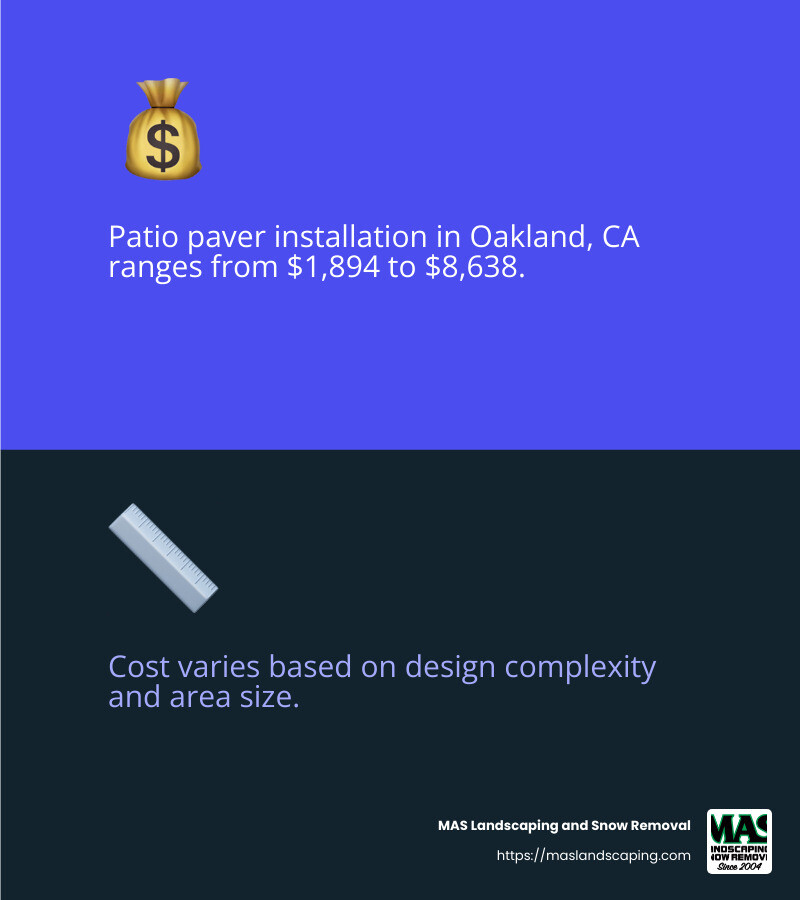
The cost of installing a patio paver typically ranges from $1,894 to $8,638. However, prices can vary significantly based on the complexity of the design, the type of pavers chosen, and the size of the area. Some projects can be as low as $900, while more intricate installations might reach up to $18,200. It’s essential to get a detailed quote from your installer to understand all the factors affecting the cost.
How long does the installation process take?
The time required to install a patio paver depends on several factors, including the size of the patio, the complexity of the design, and the weather conditions. Generally, a straightforward project can take anywhere from a few days to a week. For more complex designs or larger areas, it might take longer. Always discuss the timeline with your installer to set realistic expectations.
How do I maintain my patio pavers?
Maintaining your patio pavers is crucial to ensure they remain in excellent condition over the years. Here are some simple tips:
- Regular Cleaning: Sweep your patio regularly to remove debris. Use a mild detergent and water to clean stains as needed.
- Sealing: Apply a sealant every year or two to protect against stains and environmental damage. This keeps the pavers looking vibrant and extends their lifespan.
- Joint Sand Replacement: Over time, joint sand can erode. Replacing it periodically helps maintain the stability and appearance of your patio.
- Repair: If a paver becomes damaged, it’s easy to remove and replace it without disturbing the surrounding area.
By following these maintenance tips, you can keep your patio looking beautiful and functional for years to come.
Next, we’ll explore the long-term value of your investment and how MAS Landscaping and Snow Removal can help you enjoy your new patio to the fullest.
Conclusion
Investing in a patio paver installation is more than just enhancing your home’s aesthetic appeal—it’s about creating a space for memories and relaxation. At MAS Landscaping and Snow Removal, we understand the importance of crafting outdoor spaces that not only add value to your property but also enrich your lifestyle.
Long-term Value
Choosing the right patio paver installer is crucial for ensuring long-term value. A well-installed patio can last for decades with minimal maintenance, offering you a high return on investment. By selecting durable materials and a design that complements your home, you’re setting the stage for a lasting improvement to your outdoor space.
Our team at MAS Landscaping and Snow Removal is committed to delivering quality and durability with every project. We use our local expertise to recommend materials that withstand regional weather conditions, ensuring your patio remains beautiful and functional for years to come.
Enjoying Your New Patio
Once your patio is complete, it’s time to enjoy the fruits of your investment. Whether you’re hosting family gatherings, enjoying a quiet evening under the stars, or simply savoring your morning coffee in the fresh air, a well-designed patio improves these experiences.
Our dedication to customer satisfaction doesn’t end with the installation. We offer follow-up support and maintenance tips to help you keep your patio in top condition. We’re just a call away, ready to assist with any questions or additional improvements you might consider.
Ready to transform your outdoor space? Contact us today to start planning your perfect patio with MAS Landscaping and Snow Removal. Let us help you create an outdoor retreat that reflects your personal style and meets your needs.