


Artificial Grass Outdoor Installation: Top 10 Easy Steps
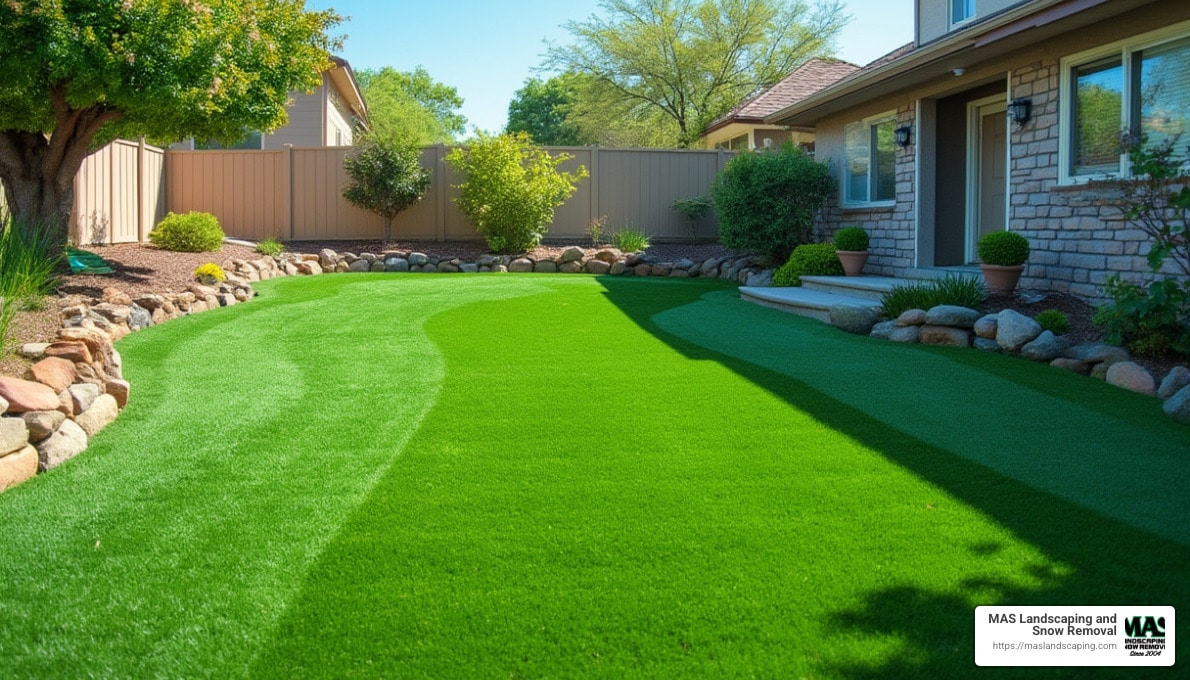
Artificial grass outdoor installation provides a smart solution for homeowners and business owners seeking a vibrant, hassle-free lawn. Here’s a quick rundown of why it’s worth considering:
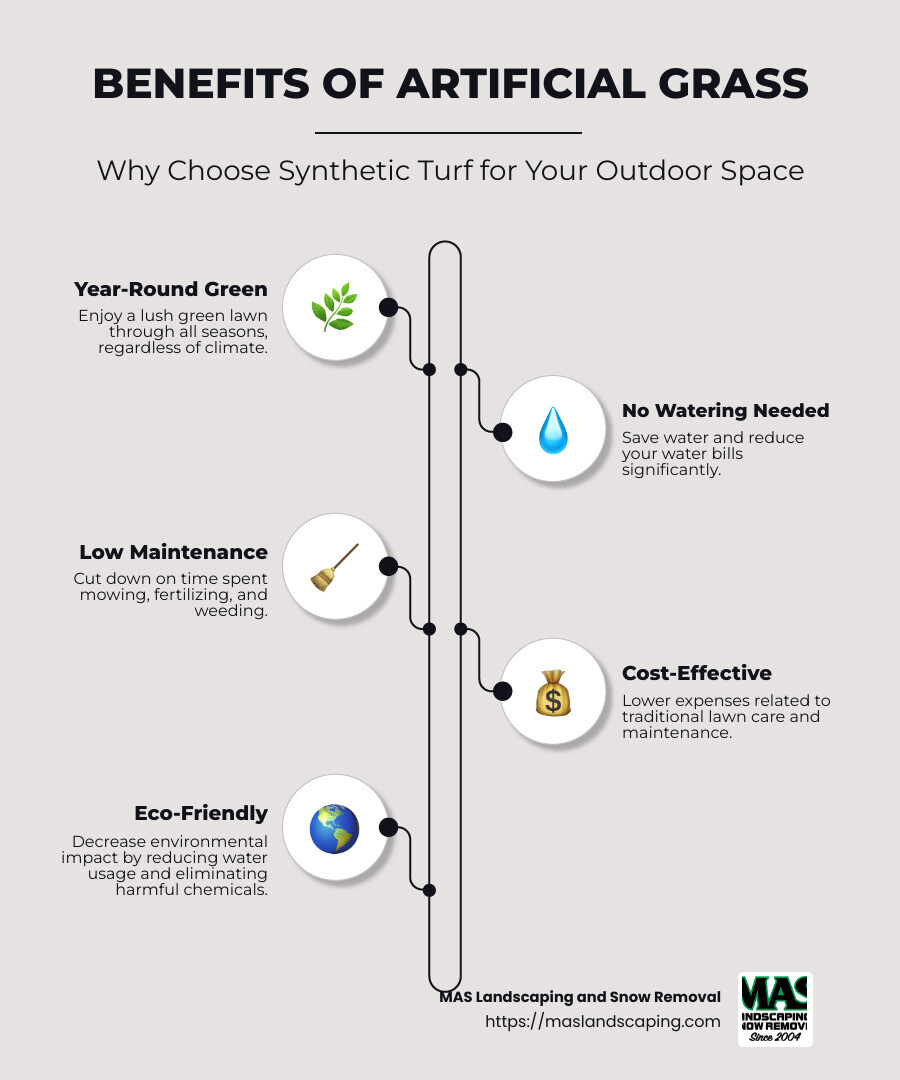
- Benefits: Stays green all year round without needing water, mowing, or fertilizing.
- Low-maintenance: Spend more time enjoying your yard, less time maintaining it.
- Cost-effective: Cuts down on expenses related to lawn care and water bills.
- Eco-friendly: Reduces water usage and eliminates the need for harmful fertilizers and pesticides.
Imagine a lawn that’s always lush, no matter the weather. With artificial grass, this dream becomes a reality. It’s perfect for areas with water restrictions or for those who want a beautiful yard without the weekend chores. Synthetic turf can transform patios, walkways, play areas, and provides a soft, mud-free surface for pets and children alike.
Jump into this eco-friendly trend to improve your outdoor space, save money, and contribute positively to the environment. Your outdoor oasis awaits!
Easy artificial grass outdoor installation glossary:
– garden artificial grass installation
– artificial turf for yards
– how to install artificial grass on soil
Tools and Materials Needed
Starting on an artificial grass outdoor installation project? You’ll need the right tools and materials to ensure a smooth and successful process. Here’s a straightforward guide to what you’ll need:
Essential Tools
- Hammer: Needed for securing nails along the edges of the turf. Make sure to hold the grass blades aside to avoid squashing them.
- Carpet Kicker: This tool helps stretch the turf for a snug fit, especially around corners and edges.
- Putty Knife: Useful for tucking the turf against hard surfaces or borders, providing a clean, finished look.
- Box Cutter: Essential for trimming the turf to fit the designated area. Remember to overcut slightly to allow for tucking.
- Compactor: Ensures the base is solid and level, which is crucial for a smooth turf surface.
Materials Needed
- Base Material: A mix of crushed stone or gravel serves as the foundation. This layer is key for stability and drainage.
- Infill Sand: This is spread over the turf to weigh it down and keep the blades upright. Use a power broom to evenly distribute the sand.
- Nails: Use 40d nails for securing the turf edges every 4 to 6 inches. U-nails are great for seams, placed every six inches.
- Seam Tape and Glue: These are used to join pieces of turf together. The seam tape provides a base for the glue, ensuring a strong bond.
Additional Considerations
- Gopher Wire and Weed Barrier: These optional layers protect your turf from pests and prevent weeds from growing through.
With these tools and materials in hand, you’re well-equipped to tackle your artificial grass installation. It’s a rewarding DIY project that transforms any outdoor space into a lush, green paradise. Whether you’re creating a play area for kids, a pet-friendly zone, or a maintenance-free lawn, the right preparation makes all the difference.
Next, we’ll look at how to prepare your yard for the installation process, ensuring the groundwork is perfectly laid for your new artificial turf.
Prepping Your Yard for Artificial Grass Installation
Before you can enjoy the lush look of artificial grass, proper preparation of your yard is crucial. This ensures a smooth installation and a long-lasting, beautiful surface. Let’s walk through the key steps:
Remove Natural Grass
Start by removing the existing grass and topsoil. This is essential to create a solid foundation for your artificial grass. It’s recommended to remove at least the top four inches of soil. Consider renting a dump trailer to help dispose of the removed material according to local regulations.
Soil Preparation
Once the natural grass is gone, you’ll need to prepare the soil. This involves leveling the surface and ensuring proper drainage. A well-prepared soil base helps prevent any dips or uneven surfaces in your artificial lawn. Pro Tip: Lightly wet the area before compacting to achieve a smoother base.
Base Layer
The next step is laying down a base layer of crushed stone or gravel. This should be about three inches deep to provide stability and facilitate drainage. Use a compactor to ensure the base is well-packed and level. A solid base layer is vital for maintaining the integrity of your artificial grass over time.
Drainage
Proper drainage is key to preventing water from pooling on your artificial grass. Make sure the base layer is sloped slightly away from any structures to direct water flow effectively. This will help keep your new lawn dry and prevent any potential water damage to nearby areas.
Gopher Wire
In certain areas, gophers and other burrowing animals can be a problem. Installing gopher wire beneath the base layer can help protect your artificial grass from these pests. This wire acts as a barrier, preventing animals from digging through and damaging your new lawn.
Weed Barrier
To prevent weeds from popping up through your artificial grass, consider adding a weed barrier. This layer can help reduce maintenance and keep your lawn looking pristine. However, if you have pets, it’s best to skip the weed barrier, as it can trap odors and make cleaning more challenging.
By following these steps, you’ll set the stage for a successful artificial grass outdoor installation. A well-prepared yard ensures your artificial turf looks great and lasts for years to come.
Next, we’ll dive into the installation process itself, detailing how to lay the base and install your new turf.
Step-by-Step Guide to Installing Artificial Grass
Step 1: Excavation
The first step in installing artificial grass is to remove the topsoil. You’ll need to clear at least four inches of soil to create a solid foundation. This is crucial for preventing future issues with uneven surfaces. Tip: Renting a dump trailer can make the disposal process easier. Be sure to follow local regulations for disposing of soil and natural grass.
Step 2: Laying the Base
After excavation, it’s time to lay the base. Use a mix of crushed stone and gravel, commonly known as class two road base. Spread it evenly to a depth of about three inches. This base layer is essential for stability and drainage.
Use a compactor to pack the base tightly. A well-compacted base prevents shifting and ensures your artificial grass stays smooth and even. Pro Tip: Lightly wetting the base before compacting can help achieve a smoother finish.
Step 3: Installing the Turf
Now comes the exciting part—rolling out your new turf! Carefully roll it out over the prepared base, ensuring it doesn’t drag or disturb the surface. Let the turf sit in the sun for 30-60 minutes. This allows it to expand and makes it easier to work with.
Use a carpet kicker to stretch and adjust the turf into place. With a box cutter, trim the turf to fit the shape of your yard, leaving a little extra around the edges for finishing touches.
To join pieces of turf seamlessly, use seam tape and glue. Align the pieces carefully, ensuring the blades run in the same direction for a natural look. Secure the seams with turf nails, placing them every six inches to prevent movement.
Step 4: Adding Infill
The final step is to add infill sand. Infill is important because it weighs down the turf and helps the grass blades stand upright. We recommend using a power broom or push broom to distribute the sand evenly and brush it into the turf. This step improves the appearance, making your artificial lawn look lush and freshly mowed.
Adding infill also provides a cushioned feel underfoot and helps the turf withstand regular use. Once the infill is in place, give the turf another good brushing to ensure the blades stand up straight.
By following these steps, you’ll achieve a professional-looking artificial grass outdoor installation that will improve your outdoor space for years to come.
Next, we’ll explore the popular uses for artificial grass, from patios to play areas.
Popular Uses for Artificial Grass
Artificial grass isn’t just for replacing your lawn. It’s a versatile solution that can transform various outdoor spaces into functional, beautiful areas. Here are some popular ways to use artificial grass in your yard:
Patios
Imagine stepping out onto your patio and feeling soft, lush grass underfoot. Artificial grass can turn a regular patio into a cozy, green oasis. It’s a great way to add a touch of nature without the hassle of maintaining real grass. Pair it with potted plants and a bistro set for a charming outdoor retreat.
Walkways
Artificial grass can be used to create unique walkways in your garden. It provides a soft transition from one area to another and can be combined with materials like stone or gravel for a striking effect. Plus, it stays green and clean all year round, making it a practical choice for high-traffic paths.
Door Mats
Using artificial grass as a door mat is a clever way to keep dirt and mud out of your home. It’s durable, easy to clean, and adds a pop of greenery at your doorstep. You can even customize the size to fit your entryway perfectly.
Screened-In Porches
Transform your screened-in porch into an inviting space with the addition of artificial grass. It’s a simple way to bring the feel of the outdoors inside, creating a play area for kids or a relaxing spot to unwind. The grass is soft and safe, making it ideal for family use.
Play Areas
Artificial grass is perfect for children’s play areas. It’s soft, cushioned, and free from harmful chemicals, providing a safe surface for kids to play on. You can even add foam padding underneath for extra protection. Unlike natural grass, it won’t get muddy or worn out, so kids can enjoy it year-round.
Putting Greens
For golf enthusiasts, installing a backyard putting green is a dream come true. Artificial grass provides a smooth, consistent surface for putting practice, and it’s low-maintenance compared to natural grass. You can practice your swing any time, right in your own backyard.
These are just a few ways to incorporate artificial grass into your outdoor spaces. Its versatility and low-maintenance nature make it a popular choice for homeowners looking to improve their yards creatively.
Next, we’ll dive into how to care for and maintain your artificial grass to ensure it stays looking great.
Care and Maintenance of Artificial Grass
Taking care of your artificial grass outdoor installation is simple and straightforward, but it does require some routine attention to keep it looking its best. Here are some essential tips to maintain your synthetic lawn:
Routine Maintenance
Even though artificial grass doesn’t grow, it benefits from regular upkeep. Brush the grass fibers regularly, especially in high-traffic areas, to keep them standing upright. This helps prevent matting and maintains the lush appearance of your lawn.
Cleaning Spills
Accidents happen, especially in active households. For spills like ice cream, ketchup, or juice, act quickly. Mix a solution of one teaspoon of mild detergent with a pint of warm water to clean the stain. Rinse thoroughly with cold water to remove any soap residue and blot up excess liquid.
Brushing
Regular brushing is key to keeping your artificial grass looking fresh. Use a stiff brush to fluff up the fibers, especially after heavy use or bad weather. This not only keeps the grass looking vibrant but also helps distribute infill evenly across the surface.
Pet Waste Management
Artificial grass is pet-friendly, but managing pet waste is important. For solid waste, let it dry before scooping it up and disposing of it. Hose down the area to remove any residue. If you notice any lingering odors, sprinkle baking soda on the spot, let it sit for 20 minutes, and rinse with warm water.
Avoiding Acidic Cleaners
When cleaning your artificial grass, steer clear of acidic cleaners or those containing bleach. These can damage the fibers and shorten the lifespan of your lawn. If using commercial cleaners, ensure they are specifically designed for artificial grass and follow the manufacturer’s instructions.
By following these simple care and maintenance tips, your artificial grass will stay beautiful and functional for years to come. Next, we’ll answer some frequently asked questions about artificial grass outdoor installation.
Frequently Asked Questions about Artificial Grass Outdoor Installation
Can I just lay artificial grass on soil?
Laying artificial grass directly on soil might seem like a quick fix, but it’s not recommended. Removing natural grass and preparing the ground properly is key to a successful installation. If you skip this step, the surface will be uneven, leading to a bumpy lawn that can shift over time.
To start, remove the top layer of natural grass and soil. This creates a clean slate for your new lawn. Following this, you’ll need to lay a base layer of crushed stone or gravel. This layer provides stability and ensures proper drainage, preventing water from pooling and damaging your turf.
What do you put under artificial grass?
Underneath artificial grass, a base layer is essential. This typically consists of crushed stone or gravel. These materials create a stable foundation that helps with drainage and keeps the grass looking smooth and even.
After laying the base, compact it to form a flat, firm surface. This step is crucial for a long-lasting installation. Without a solid base, the grass may sag or develop dips, affecting both appearance and functionality.
Is artificial grass good for outdoor use?
Absolutely! Artificial grass is perfect for outdoor use. It’s weather-proof, standing up to sun, rain, and even snow without fading or getting damaged. Plus, it’s low-maintenance. You won’t need to mow, water, or fertilize, saving you time and money.
Moreover, artificial grass is cost-effective in the long run. While the initial installation might seem pricey, the savings on water bills and maintenance tools quickly add up. Plus, you’ll enjoy a lush, green lawn all year round without the hassle of traditional grass care.
With these benefits, it’s no wonder more homeowners are choosing artificial grass for their outdoor spaces. Whether you’re considering it for a patio, play area, or putting green, it’s a versatile and practical choice.
Conclusion
At MAS Landscaping and Snow Removal, we pride ourselves on our local expertise and commitment to changing outdoor spaces into functional, beautiful areas that improve your lifestyle. Our team understands the specific needs of the communities in and around Saugus, MA, which allows us to tailor each project to thrive in the local environment. This means we select the right plants, materials, and designs that not only look great but also stand the test of time.
Our personalized service sets us apart. We work closely with you from the initial design phase to the final installation, ensuring your vision is realized. We believe that every outdoor space has unique potential, and we are dedicated to open uping that potential in a way that reflects your personal taste and needs.
Whether it’s installing artificial grass for a low-maintenance lawn or designing a comprehensive landscape plan, our focus is on creating spaces that are both functional and visually appealing. We aim to deliver outdoor environments that you and your family can enjoy for years to come.
Ready to transform your outdoor area? Let us help you create the perfect space. Explore our full-service landscape installation to see how we can bring your vision to life. With MAS Landscaping and Snow Removal, you’re not just getting a service; you’re partnering with a team committed to excellence and customer satisfaction.