



Why Soil pH Is the Secret to Thriving Blueberries and Acid-Loving Plants
Acid plants soil additives are materials you add to your garden soil to lower its pH — making it more acidic so plants like blueberries, azaleas, and rhododendrons can thrive.
Here are the most effective options, at a glance:
| Additive | Speed | Best For |
|---|---|---|
| Elemental sulfur | Slow (months) | Large beds, long-term |
| Iron sulfate (ferrous sulfate) | Fast (2-3 weeks) | Quick fix, hydrangeas |
| Sphagnum peat moss | Moderate | Planting beds, soil texture |
| Ammonium sulfate | Moderate | Fertilizing + acidifying |
| Aluminum sulfate | Fast | Small areas, ornamentals |
Picture a blueberry bush loaded with ripe fruit, leaves deep green and healthy. Now picture the same bush with yellowing leaves and almost no fruit. The difference? Often, it comes down to one number: soil pH.
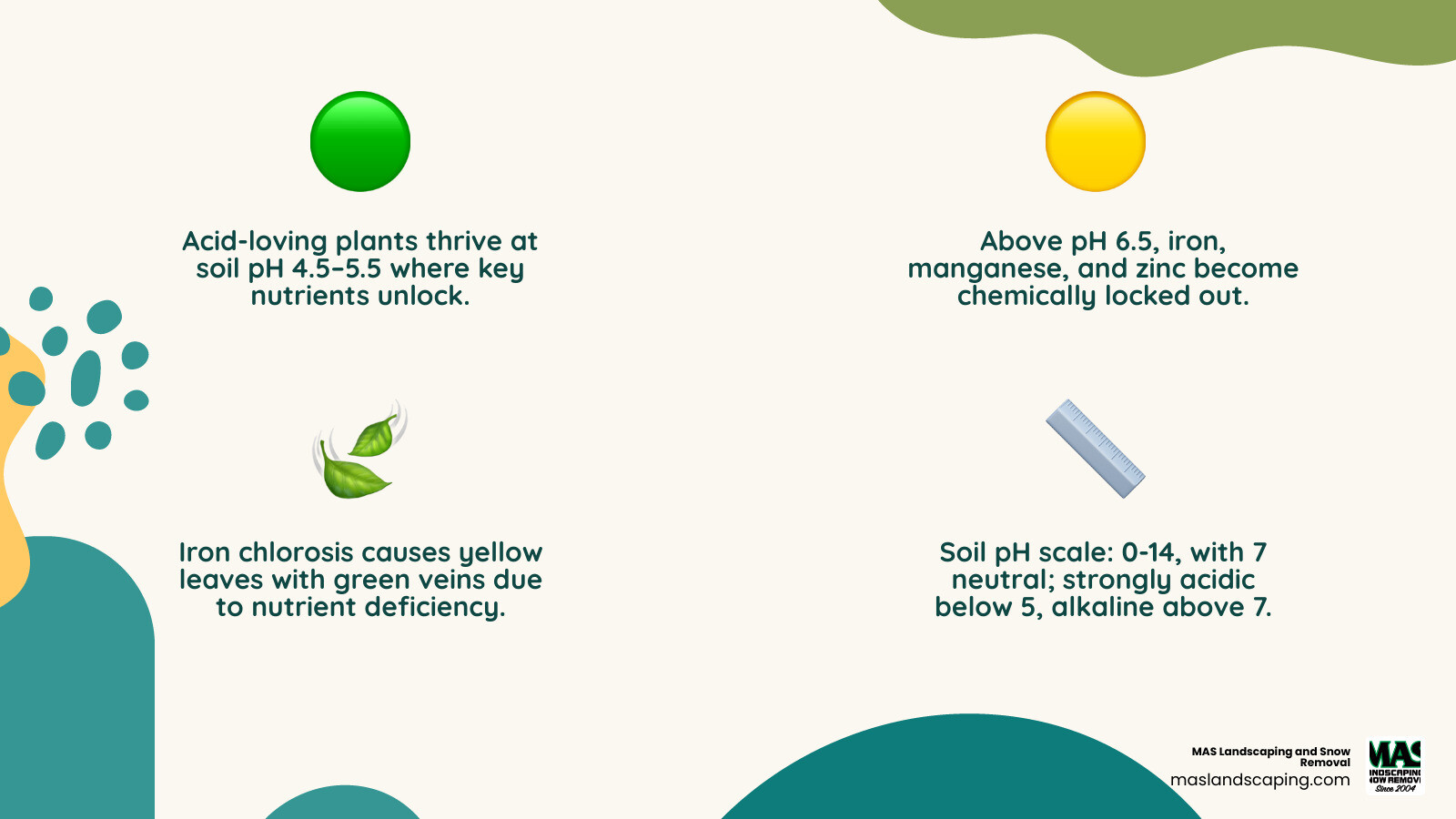
Most garden plants are happy anywhere between pH 6.0 and 7.0. But blueberries, azaleas, and rhododendrons are different. They need soil closer to pH 4.5–5.5 to unlock the nutrients they depend on — especially iron.
Here’s the key insight: acid-loving plants don’t actually crave acid itself. What they need are the nutrients — like iron, manganese, and zinc — that only become available when soil pH is low enough. When pH climbs above that sweet spot, those nutrients get chemically “locked up” in the soil, no matter how much fertilizer you apply.
The result? A condition called iron chlorosis — leaves turn pale yellow while the veins stay green. It’s one of the most common signs that your soil pH is too high for the plant growing in it.
The good news: you can fix it. The right acid plants soil additives, applied correctly, can bring your soil into the ideal range and keep it there for years.
Quick acid plants soil additives terms:
- Plantings Addition
- do i need additional top soil when planting grass seed
- how to get additional nutrients into your plants
Identifying Acid-Loving Plants and Their Needs
In our experience serving North Shore communities like Lynnfield and Middleton, many homeowners want to grow vibrant, colorful landscapes but struggle when their soil isn’t quite right. To succeed, you first need to know which plants are “acid-lovers.”

Common plants that thrive in acidic conditions include:
- Blueberries: These are the “divas” of the acidic world, requiring a very low pH of 4.5 to 5.5.
- Azaleas and Rhododendrons: Staples of Massachusetts spring gardens, these prefer a pH between 4.5 and 6.0.
- Hydrangeas: Specifically Hydrangea macrophylla. While they can grow in neutral soil, they only produce those iconic blue flowers in acidic soil (below pH 5.5). In alkaline soil, they turn pink!
- Camellias and Gardenias: Beautiful but sensitive shrubs that need acidic feet to keep their leaves dark green.
- Evergreens: Many pines and hollies prefer slightly acidic conditions.
Recognizing Signs of Trouble
If your soil is too alkaline (meaning the pH is too high), your plants will tell you. The most dramatic sign is iron chlorosis. Because iron becomes insoluble at higher pH levels, the plant cannot “eat,” even if the soil is full of nutrients. You will see young leaves turning yellow or pale green, while the veins remain a sharp, dark green. If left untreated, the leaves may turn almost white, and the plant’s growth will be stunted.
Understanding this connection is vital for How to Get Additional Nutrients Into Your Plants. Without the right pH, those nutrients are just sitting there, out of reach. For a deep dive into the science of lowering pH, you can explore this resource on Soil Acidification: How to Lower Soil pH.
Essential Acid Plants Soil Additives and How They Work
To change your soil’s chemistry, you need the right tools. Not all acid plants soil additives are created equal; some work slowly over months, while others provide a “quick hit” of acidity.
| Additive | How it Works | Pros | Cons |
|---|---|---|---|
| Elemental Sulfur | Microbial oxidation (bacteria eat it and release acid) | Long-lasting (5+ years), safe, inexpensive | Slow-acting (requires months/years) |
| Iron Sulfate | Chemical reaction | Very fast (2-3 weeks), treats chlorosis | Can cause heavy metal buildup if overused |
| Ammonium Sulfate | Nitrogen fertilizer reaction | Feeds the plant while acidifying | Can “burn” plants if over-applied |
| Sphagnum Peat Moss | Naturally low pH organic matter | Improves soil texture and holds moisture | Only a moderate pH drop; expensive for large areas |
| Aluminum Sulfate | Immediate chemical reaction | Instant pH drop; turns hydrangeas blue | Risk of aluminum toxicity to plant roots |
For more details on general soil health, check out our guide on Plant Additives. You can also find professional advice on Acidifying soil through the RHS.
Using Elemental Sulfur as a Long-Term Acid Plants Soil Additive
Elemental sulfur is widely considered the best long-term solution. It isn’t a chemical “burn”; instead, it relies on tiny soil-dwelling bacteria called Thiobacillus. These bacteria “digest” the sulfur and convert it into sulfuric acid.
Because this is a biological process, it takes time. The bacteria are most active when the soil is warm (above 55°F) and moist. This means if you apply sulfur in the late fall in Saugus or Reading, it won’t do much until the following spring. Once the process is complete, however, the effect can last for five years or more.
Fast-Acting Acid Plants Soil Additives for Immediate Results
If you have a hydrangea that is stubbornly pink or a blueberry bush that looks like it’s fading away, you don’t have months to wait. Iron sulfate (also called ferrous sulfate) provides results in just 2 to 3 weeks. It provides immediate iron to the plant while simultaneously lowering the pH.
Aluminum sulfate is another “fast” option often used by hydrangea enthusiasts. It works instantly because it doesn’t require bacteria to break it down. However, be careful! Over-application can lead to aluminum toxicity, which stunts root growth. We generally recommend fast-acting additives for “emergency” spot treatments rather than whole-garden acidification.
Step-by-Step Guide to Acidifying Your Garden Soil
Ready to get your hands dirty? Follow this guide to transform your garden bed into an acidic paradise.
Step 1: Test Your Soil
Never guess. Applying acid plants soil additives without a test is like taking medicine without a diagnosis. You can use a home kit or send a sample to a local lab (like the UMass Amherst soil lab). You need to know two things: your current pH and your soil texture (sand, loam, or clay).
Step 2: Calculate the Dosage
Soil type matters immensely. Sandy soils (common in some coastal areas) change pH easily. Clay soils (common in many parts of Essex and Middlesex County) are “buffered,” meaning they resist change and require much more additive to move the needle.
- To lower pH from 7.0 to 5.5 in 100 sq. ft.:
- Sandy Soil: ~1.0 lb of elemental sulfur
- Silt Loam: ~2.5 lbs of elemental sulfur
- Clay Soil: ~4.5 lbs of elemental sulfur
Step 3: Application and Incorporation
For new beds, the best method is to broadcast the granular sulfur or iron sulfate over the surface and then mix it into the top 6 inches of soil. If you are using our Loam Delivery service, we can help you calculate the amendments needed for your new soil volume.
Step 4: Consider Your Water
In some areas, irrigation water can be highly alkaline (rich in lime/carbonates). Every time you water, you might be “liming” your soil back to a neutral state. Professional growers often use specialized systems for Adjusting Alkalinity with Acids in their irrigation water to prevent this. For home gardeners, adding a layer of acidic mulch like pine needles can help counteract this effect.
Managing Soil Types and Application Costs
In our local service areas, from the rocky soils of Boxford to the urban plots in Somerville, soil composition varies wildly.
Sandy Soils: These drain quickly and have low buffering capacity. While they are easy to acidify, the acidity can also “wash out” faster, requiring more frequent monitoring. Clay and Loam Soils: These hold onto nutrients well but require significant amounts of sulfur to change. Calcareous Soils: These are soils with “free lime” (calcium carbonate). If you have these, acidification is a massive uphill battle. You have to neutralize all the lime before the pH will even start to drop.
A Note on Costs
When looking at professional soil management, costs can vary based on the scale of the project and the materials used. Based on internet data, the average cost for large-scale soil acidification amendments ranges from $250 to over $1,800 per hectare equivalent (roughly $100 to $730 per acre). For a small home garden bed (100–500 sq. ft.), expect to spend between $30 and $150 on high-quality additives and testing.
Note: These are average costs based on internet data and not actual costs for MAS Landscaping. Our professional services are tailored to your specific property and soil needs.
If your native soil is simply too difficult to change (like heavy, alkaline clay), we often recommend Raised Garden Beds. This allows you to start with a “perfect” acidic mix of peat, compost, and sand, rather than fighting Mother Nature.
Frequently Asked Questions about Soil Acidification
Do coffee grounds or vinegar really work to lower pH?
This is a classic gardening myth with a grain of truth. Fresh coffee grounds are acidic, but once they are brewed, most of that acid ends up in your cup. Used grounds are nearly neutral (pH 6.5–6.8). They are great for How to Get Additional Nutrients Into Your Plants as organic matter, but they won’t fix a high pH.
Vinegar (acetic acid) will lower pH instantly, but it is extremely temporary. Soil bacteria eat the acetic acid almost immediately, and the pH bounces back within days. It’s okay for a quick fix for a single potted plant, but it’s not a solution for a garden bed.
How often should I monitor my soil pH?
We recommend testing your soil every year, ideally at the same time (either spring or fall). Soil pH can fluctuate seasonally by as much as 0.5 to 1.0 units depending on moisture and temperature. Consistent annual testing helps you see the long-term trend so you can adjust your acid plants soil additives before the plants start showing signs of stress.
Can I over-acidify my soil?
Yes! If you get too aggressive and the pH drops below 4.0, you risk aluminum toxicity. At very low pH levels, aluminum naturally present in the soil becomes soluble and “burns” the roots of your plants. If this happens, you’ll need to apply agricultural lime to bring the pH back up. Slow and steady adjustment is always the best practice.
Conclusion
Creating the perfect home for your blueberries and azaleas doesn’t have to be a mystery. By understanding the pH scale and choosing the right acid plants soil additives, you can transform even the most stubborn Massachusetts soil into a lush, acidic oasis.
Whether you are in Saugus, Lynnfield, or Danvers, MAS Landscaping and Snow Removal is here to help. We bring local expertise to every project, ensuring your outdoor spaces are not only beautiful but scientifically sound. From professional soil testing to localized acidification for your favorite ornamental trees, we handle the technical details so you can enjoy the “blueberry bliss.”
Ready to give your garden the professional touch? More info about landscaping and design services is just a click away. Let’s build a landscape that thrives together.
