




Artificial Grass Over Pavers: Top 5 Expert Tips 2024
Artificial grass over pavers offers homeowners a remarkable solution for enhancing their outdoor spaces with minimal effort. Whether you’re looking to soften a hardscape or add a splash of green, synthetic turf provides several compelling benefits:
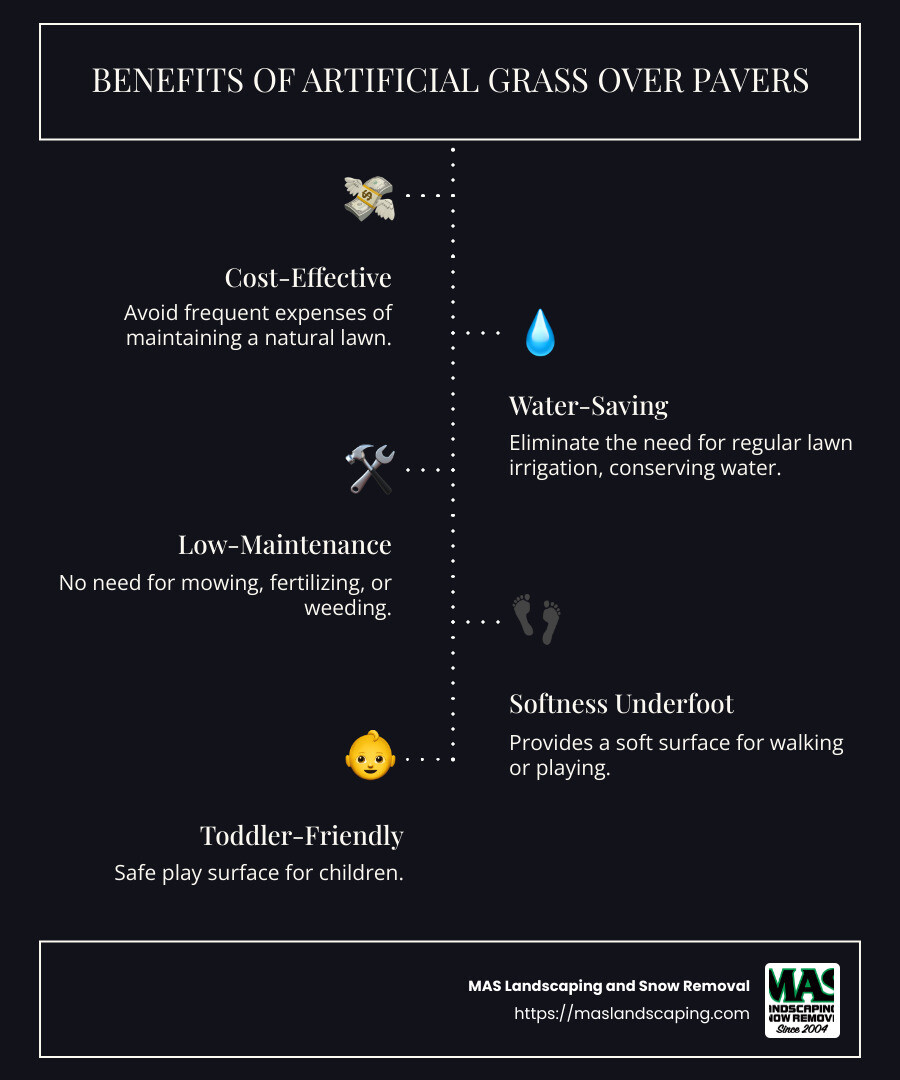
- Cost-Effective: Skip the frequent expenses of maintaining a natural lawn.
- Water-Saving: Conserve water by eliminating the need for regular lawn irrigation.
- Low-Maintenance: Say goodbye to mowing, fertilizing, and weeding.
Installing artificial grass over pavers not only transforms the aesthetic appeal of your yard but also offers practical advantages such as softness underfoot and a safe play surface for toddlers. This guide will walk you through the process, helping you achieve a beautiful, functional outdoor space.
Artificial grass over pavers further reading:
– artificial turf with pavers
– garden artificial grass installation
– underlay for artificial grass on soil
Why Choose Artificial Grass Over Pavers?
When considering a revamp of outdoor spaces, artificial grass over pavers stands out as an excellent choice. Here are a few reasons why:
Softness and Comfort
Artificial grass transforms hard paver surfaces into soft, lush areas. This is especially beneficial for families with children. Unlike concrete or pavers, synthetic turf provides a cushioned surface that is gentle on bare feet and safer for toddlers to play on. Many parents find this softer surface more appealing for outdoor play areas.
Vibrant Color and Visual Impact
Adding artificial grass introduces a vibrant green color that can dramatically change the look of any space. The change can be striking, as seen in before-and-after photos of installations around swimming pools. The lush green contrasts beautifully with the hardscape, creating an inviting and lively atmosphere.
Toddler-Friendly Play Surface
For families with young children, artificial grass is a safer alternative to pavers or concrete. Its soft texture reduces the risk of injury from falls, making it an ideal surface for play areas. Many consider it more toddler-friendly due to its cushioning effect and non-abrasive surface.
Easy Change and Visual Effect
Installing artificial grass over pavers is a quick way to change the look of your yard without extensive construction work. The installation process is straightforward and can be temporary, allowing for flexibility. This makes it perfect for renters or those who like to refresh their space frequently without committing to permanent changes.
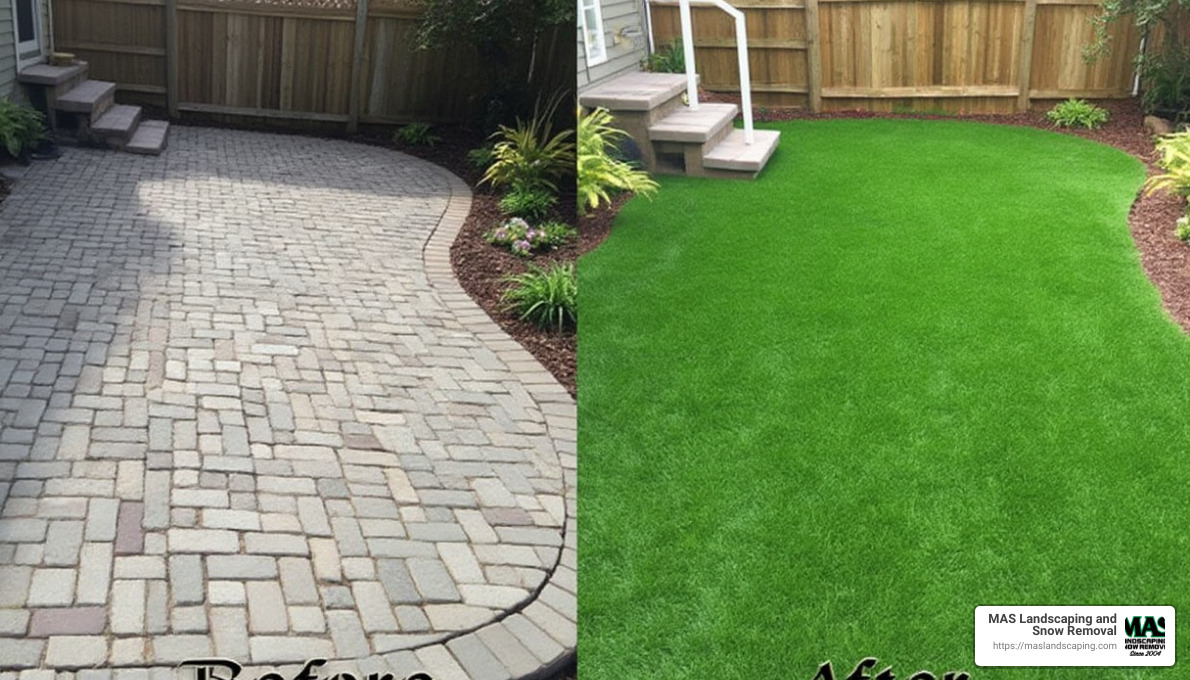
By choosing artificial grass over pavers, you can enjoy a soft, colorful, and safe outdoor environment that improves the beauty and functionality of your space. This setup not only offers aesthetic appeal but also practical benefits that cater to families and individuals alike.
Preparing the Area for Installation
Before you install artificial grass over pavers, it’s crucial to prepare the area properly. This ensures a smooth and long-lasting installation. Let’s explore the steps for cleaning, leveling, and ensuring proper drainage.
Cleaning and Leveling the Surface
1. Clean the Surface
Start by thoroughly cleaning the area where the artificial grass will be laid. Remove any debris, dirt, and loose materials from the paver surface. A clean base is essential for a successful installation, as it allows the turf to lay flat and adhere properly.
2. Level the Surface
Next, check the surface for any uneven areas. Use a spirit level to identify high or low spots on the pavers. If necessary, adjust these areas to create a smooth and stable foundation. A level surface prevents bumps or wrinkles in the artificial grass, ensuring a neat appearance.
3. Ensure Stability
Stability is key when installing artificial grass over pavers. Make sure the pavers are firmly set in place. If any pavers are loose, secure them before proceeding. A stable base prevents movement and maintains the integrity of the artificial turf over time.
Ensuring Proper Drainage
Proper drainage is vital to prevent water buildup and ensure the longevity of your artificial grass. Here’s how to achieve it:
1. Drainage Holes
Artificial grass comes with drainage holes punched into the backing. These allow water to pass through the turf, preventing puddles on the surface. Ensure the drainage holes align with the paver joints or gaps to facilitate efficient water flow.
2. Cracker Dust Base
For improved drainage, consider adding a layer of cracker dust. Replace any existing sand with 50-100mm of cracker dust. This material is porous and, when compacted, creates a firm yet breathable base that allows water to drain efficiently. Cracker dust also helps prevent movement from foot traffic and erosion.
3. Water Runoff
When installing over non-porous surfaces like concrete, plan for water runoff. Without a permeable base, water will need to run off the edges of the area. Arrange the installation to guide water away from the artificial grass, preventing pooling and potential damage.
By carefully preparing the area, cleaning and leveling the surface, and ensuring proper drainage, you set the stage for a successful and durable artificial grass installation over pavers. This groundwork is essential for creating a beautiful and functional outdoor space that stands the test of time.
Step-by-Step Installation Guide
Installing artificial grass over pavers is a straightforward process if you follow these steps carefully. Let’s break it down into manageable parts: measuring and cutting, laying the base material, placing and aligning the turf, securing the turf, and applying infill sand.
Step 1: Measure and Cut the Turf
Tools and Materials Needed:
– Measuring tape
– Sharp utility knife
– Chalk or marker
1. Measure the Area:
Begin by measuring the dimensions of the area where the artificial grass will be installed. Accurate measurements are crucial to ensure that you cut the turf to fit perfectly over the pavers.
2. Cut the Turf:
Once you have your measurements, unroll the artificial turf and let it sit in the sun for at least 30 minutes. This makes it easier to work with. Use a sharp utility knife to cut the turf to the required size, ensuring all pieces are cut with the blades facing the same direction for a uniform look.
Step 2: Lay the Base Material
Tools and Materials Needed:
– Cracker dust
– Compactor
– Rake
1. Spread Cracker Dust:
Lay a 50-100mm layer of cracker dust over the pavers. This base material is crucial for proper drainage and stability.
2. Compact and Level:
Use a compactor to press down the cracker dust, making sure it is level and firm. A smooth, compacted base ensures the artificial grass lays flat and looks seamless.
Step 3: Place and Align the Turf
Tools and Materials Needed:
– Turf roller
1. Place the Turf:
Carefully place the cut pieces of turf over the prepared base. Align the edges and ensure there are no gaps or overlaps.
2. Align and Settle:
Use a turf roller to press the turf down, helping it settle into place. This step ensures the turf conforms to the paver surface and aligns correctly.
Step 4: Secure the Turf
Tools and Materials Needed:
– Non-galvanized nails
– Adhesive
1. Secure the Edges:
Use non-galvanized nails to secure the turf along the edges, placing a nail every 2 inches. This prevents the turf from shifting.
2. Apply Adhesive:
For hard surfaces, apply adhesive sparingly to the edges of the turf to bind it securely to the base. Ensure the surface is clean before applying the adhesive to avoid clogging drainage.
Step 5: Apply Infill Sand
Tools and Materials Needed:
– Silica sand
– Stiff-bristled brush or power broom
1. Distribute Infill:
Spread silica sand evenly across the turf’s surface. This infill helps keep the grass blades upright and supports drainage.
2. Brush the Surface:
Use a stiff-bristled brush or a power broom to work the infill into the turf and fluff up the grass fibers. This step improves the natural look and feel of the artificial grass.
By following these steps, you can successfully install artificial grass over pavers, creating a lush, low-maintenance landscape that will last for years. With the turf cut, placed, secured, and filled, you’re ready to enjoy your transformed outdoor space!
Installing Artificial Grass Strips Between Pavers
Choosing the Right Turf
When installing artificial grass strips between pavers, selecting the right type of turf is crucial for both aesthetics and functionality. The choice of turf depends largely on the intended use of the area and personal preference.
- Short Pile Turf: Ideal for high-traffic areas like driveways or walkways. It offers durability and a neat appearance, staying flush with the pavers.
- Long Pile Turf: Best suited for areas where comfort is key, such as patios or lounging spaces. Its plush, soft texture provides a cozy feel but may require more maintenance to keep upright.
Consider the area’s primary use and choose a turf that balances durability with visual appeal.
Preparing the Gaps
Proper preparation of the gaps between pavers ensures a smooth installation and a professional finish. Here’s how to get started:
- Gap Width and Depth: Aim for a gap width of 3-4 inches for optimal results. The depth should be around 3 inches to accommodate both the base material and the turf.
- Cleaning Edges: Before laying the turf, clean the edges of the pavers thoroughly. Remove any debris, loose stones, or excess concrete. This ensures the turf can be secured properly without obstruction.
- Base Material: Fill the gaps with about 2 inches of base material, such as cracker dust, to promote drainage and stability. Compact it well to create a firm foundation for the turf strips.
Laying and Securing the Turf Strips
With the gaps prepared, it’s time to lay and secure the turf strips. This process involves careful placement, cutting, and securing to achieve a seamless look.
- Placing the Turf: Lay the turf strips over the prepared gaps, ensuring the blades are aligned in the same direction. This ensures a uniform appearance and prevents the grass from looking disjointed.
- Securing the Strips: Use 5-inch nails to secure the turf along the edges of the pavers. Place nails every 16 inches along the edges and every 12 inches down the center of the strip. This prevents shifting and keeps the turf in place.
- Cutting and Seaming: Once secured, use a sharp utility knife to trim excess turf along the edges of the pavers. For larger installations, use seam tape and glue to join sections of turf, following product instructions for best results.
By following these steps, your artificial grass strips between pavers will not only look great but also stand up to wear and weather. This installation method blends the natural appeal of grass with the structural benefits of pavers, offering a visually striking and functional outdoor space.
Frequently Asked Questions about Artificial Grass Over Pavers
Can you lay synthetic grass over pavers?
Yes, you can lay synthetic grass over pavers. This is a popular choice for those looking to add a touch of green to their outdoor spaces without the hassle of maintaining a natural lawn. Installing artificial grass over pavers can transform a hard, uninviting surface into a soft, visually appealing area. It’s especially beneficial in areas where growing real grass is challenging due to shade or soil conditions.
Can I put artificial grass on paving slabs?
Absolutely, artificial grass can be installed on paving slabs. The process is straightforward and involves laying the turf over the slabs and securing it in place. This method is often used in temporary installations, such as rental properties, where you might want to take the grass with you later. To secure the grass without permanent adhesives, heavy items like pot plants can be placed on the corners to prevent movement.
Can you use paver base under artificial grass?
Yes, using a paver base under artificial grass is a common practice. A paver base, like cracker dust, provides a stable and porous foundation. This base helps with drainage, preventing water from pooling on the surface. It also ensures the grass remains level and secure, reducing movement from foot traffic. Compacting the base material is crucial to create a firm surface that supports the artificial grass effectively.
By understanding these aspects, you can confidently improve your outdoor space with artificial grass over pavers, combining the durability of pavers with the lush look of grass.
Conclusion
At MAS Landscaping and Snow Removal, we pride ourselves on delivering top-notch landscaping solutions with a personal touch. Our expertise in artificial grass over pavers ensures that your outdoor spaces are not only beautiful but also functional and low-maintenance.
Professional Service and Local Expertise
Based in Saugus, MA, we understand the unique challenges and opportunities presented by the local climate and environment. Our team uses this knowledge to craft outdoor spaces that thrive in the conditions specific to areas like Everett, Lynnfield, and Malden. Our commitment to professionalism means we handle each project with care, ensuring every detail aligns with your vision and needs.
Creating Functional Outdoor Spaces
Our goal is to transform your yard into a functional oasis that reflects your personal style. By incorporating artificial grass over pavers, we offer a solution that blends the strength of hardscaping with the soft, inviting look of grass. This combination provides a versatile space perfect for relaxation, play, or entertaining guests.
Let us help you turn your landscaping dreams into reality. With our comprehensive services, we handle everything from design to installation, ensuring a seamless experience from start to finish. Ready to improve your outdoor living space? Contact us today to get started with MAS Landscaping and Snow Removal. Our team is eager to bring your vision to life with professionalism and local expertise.
