

Hardscape Install: 10 Proven Steps for Powerful Success 2025
Transform Your Outdoor Space with Professional Hardscape Installation
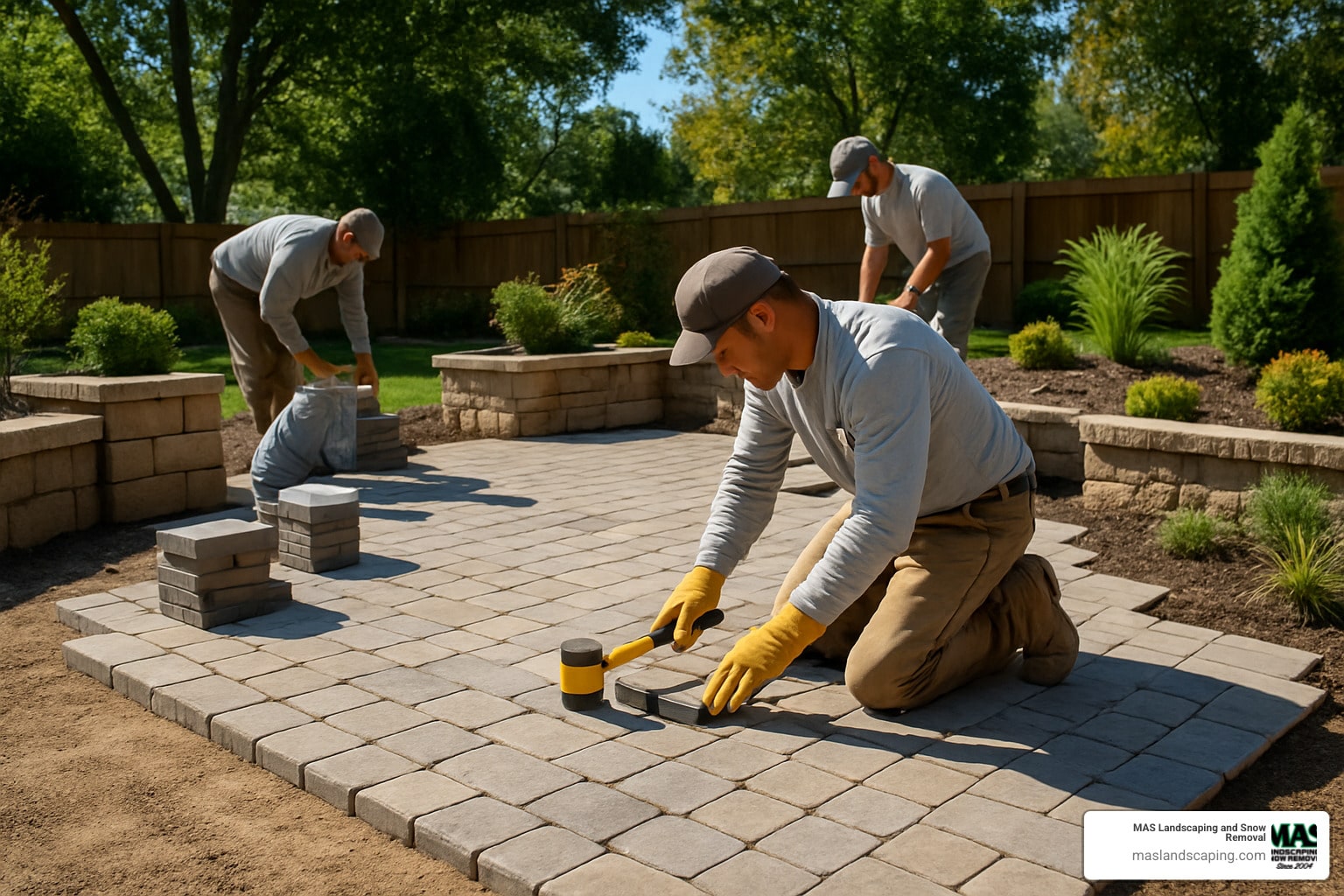
Hardscape install refers to the process of adding permanent, non-living elements to your landscape such as patios, walkways, retaining walls, and outdoor kitchens. If you’re looking to install hardscape features, here’s a quick overview:
- Planning: Design your hardscape layout and obtain necessary permits
- Site preparation: Clear the area, mark utilities, and excavate to proper depth
- Base preparation: Install geotextile fabric, add and compact gravel base (4-12″ depth)
- Material installation: Lay your chosen materials with proper spacing and slope (1″ per 10′)
- Finishing touches: Add edge restraints, joint sand, and final cleaning
A well-executed hardscape installation creates functional outdoor living spaces while boosting your property value by up to 20%. Unlike plants and grass (softscape), hardscape elements provide structure, reduce maintenance needs, and can last for decades with proper installation.
The most important factor in any hardscape install is proper base preparation. According to industry experts, ignoring drainage requirements causes more hardscape failures than all other errors combined. A professionally installed hardscape project starts with thorough planning and site preparation, ensuring your investment stands the test of time.
Whether you’re considering a DIY project or hiring professionals, understanding the fundamentals of hardscape installation will help you make informed decisions about your outdoor space change. The right hardscape elements can improve your property’s functionality, curb appeal, and value while creating lasting outdoor environments for relaxation and entertainment.
Terms related to hardscape install:
– landscape maintenance service near me
– grass cutting service near me
– landscape and tree service near me
Why Hardscape Matters: Definitions, Benefits & Value
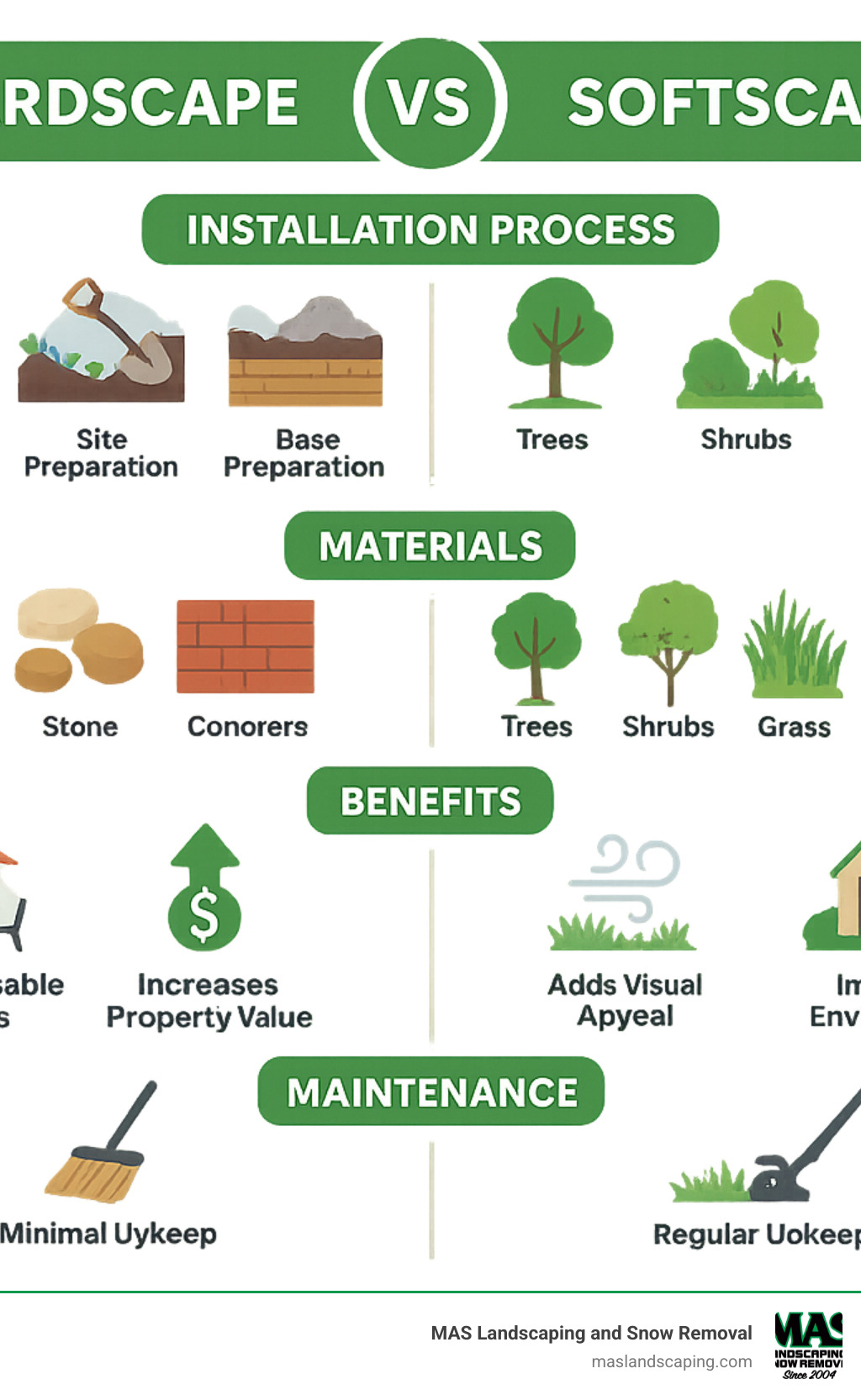
Ever wondered what makes some outdoor spaces feel so complete and inviting? It’s all about balance. When we talk about landscaping, we’re really discussing two key players working together: hardscape and softscape.
Hardscape refers to all the non-living elements in your yard—those beautiful stone patios, winding walkways, sturdy retaining walls, practical driveways, shady pergolas, and outdoor kitchens where summer memories are made. Softscape, meanwhile, encompasses everything that grows—your trees, flowering shrubs, perennial gardens, and lush lawns.
Here in Massachusetts, where we experience the full drama of all four seasons, a thoughtful hardscape install provides structure and functionality year-round, even when your garden has gone dormant for winter.
The value of investing in quality hardscape goes far deeper than just creating a pretty yard. Homeowners in Everett, Lynnfield, and Malden are often surprised by the practical benefits these elements deliver:
Your property value can jump significantly—up to 20% according to real estate experts—with well-designed hardscape features. Why? Because buyers recognize the permanence and functionality these elements bring to outdoor living.
Those retaining walls and permeable pavers aren’t just attractive; they’re working hard to manage water flow and prevent soil erosion around your home’s foundation. Good drainage is essential in our New England climate with its heavy spring rains and winter snowmelt.
Think of hardscape as extending your home’s living space outdoors. That patio becomes your summer living room, the fire pit your gathering spot on cool autumn evenings. These spaces create opportunities for relaxation and connection that modern families crave.
Your energy bills might even thank you. According to data from Energy.gov, strategically placed hardscape elements can reduce energy costs so effectively that they pay for themselves within about eight years. Properly positioned patios and walls can block winter winds or provide summer shade exactly where needed.
First impressions matter too. Research shows that attractive outdoor spaces significantly boost curb appeal, with businesses in areas featuring quality hardscape seeing shoppers spend an extra 9-12% on services and goods. This same principle applies to your home, where an inviting front walkway or neat driveway sets the tone for visitors.
Unlike that lawn that demands weekly mowing from spring through fall, hardscape installations require minimal maintenance once they’re properly installed. A quick seasonal cleaning is typically all that’s needed to keep them looking their best.
It’s worth noting that 63% of homebuyers are willing to pay more for properties with thoughtfully designed outdoor spaces. Whether you’re planning to sell soon or simply want to enjoy your property more fully, hardscape elements deliver lasting value through every season.
More info about Hardscape and Landscape
average of eight years landscaping energy savings
Planning Your Project: Design, Materials & Budget
Every beautiful outdoor space starts with a thoughtful plan. In our years of creating stunning hardscapes throughout the greater Boston area, we’ve finded that the planning phase is where dreams begin to take shape – and where potential headaches are prevented.
When you’re considering a hardscape install project, start by simply wandering your outdoor space. Imagine how you’ll use it. Will this be where summer barbecues happen? A tranquil morning coffee spot? A practical pathway that guides visitors to your door? Your vision will steer everything that follows.
Key Planning Considerations:
Water is both friend and foe to any hardscape. Drainage and grading deserve your careful attention, as proper water management prevents costly damage. We typically recommend a gentle slope (1″ per 10′) to guide water away from your home’s foundation. Here in Massachusetts, where winter freeze-thaw cycles can wreak havoc, proper drainage isn’t just nice – it’s essential.
Your hardscape should feel like it belongs with your home. Style harmony means different things for different properties – a sleek modern home in Malden might call for clean-lined pavers, while a historic colonial in Saugus might shine with traditional brick or natural stone that echoes its character.
Before getting too excited about breaking ground, check on permit requirements. Many towns in our service area have specific regulations, especially for projects involving retaining walls or drainage changes. We’re familiar with local codes and can help steer this sometimes confusing process.
Our New England climate demands thoughtful material selection and installation techniques. What works in Florida won’t necessarily survive here! We account for our harsh winters by installing deeper bases and selecting materials that can withstand the freeze-thaw cycles without cracking or heaving.
Safety first – always call 811 before any digging begins. This free utility marking service prevents dangerous encounters with gas, electric, or water lines. It’s not just smart; it’s required by law.
For environmentally conscious homeowners, we offer several eco-friendly options. Permeable pavers allow rainwater to filter naturally into the ground rather than contributing to runoff. These systems are increasingly popular in communities like Chelsea and Revere, where stormwater management is a growing concern.
A detailed site plan becomes your roadmap to success. Measure your space, note existing features like trees and utilities, and mark drainage patterns. This information helps us calculate materials accurately and guide the installation process with precision.
More info about Hardscape Design Services
Choosing Materials & Cost Ranges
The materials you select will define both the look and longevity of your hardscape. Each option brings its own character to your project:
| Material | Durability | Slip Resistance | Color Retention | Average Internet Cost Range* |
|---|---|---|---|---|
| Concrete | Good (25+ years) | Good when textured | Fades over time | $6-$15 per sq ft |
| Pavers | Excellent (50+ years) | Very good | Minimal fading | $10-$30 per sq ft |
| Natural Stone | Excellent (lifetime) | Varies by finish | Excellent | $15-$45 per sq ft |
| Porcelain | Excellent (50+ years) | Good when textured | Excellent | $20-$60 per sq ft |
| Gravel | Good (requires periodic topping) | Fair | Excellent | $1-$5 per sq ft |
*Note: These are average ranges based on internet data, not actual costs for MAS Landscaping and Snow Removal services. Actual costs may vary significantly based on design complexity, site conditions, and other factors.
When helping our clients choose materials, we consider more than just appearance. Traffic patterns matter – busy walkways need more durable materials than decorative borders. Maintenance requirements vary widely – some homeowners accept regular upkeep while others prefer low-maintenance options. We also look at integration with existing features, ensuring your new hardscape complements your home’s architecture and current landscape elements.
For our clients in Lynnfield, Everett, and surrounding communities, we often recommend materials specifically suited to our New England climate. Some beautiful options that work wonderfully in milder regions simply don’t stand up to our freeze-thaw cycles, leading to premature cracking and settling.
Sustainable & Eco-Friendly Choices
More and more homeowners are embracing environmentally responsible hardscape install approaches. These choices aren’t just good for the planet – they often solve practical problems too.
Permeable pavers have become increasingly popular among our environmentally conscious clients. These specialized pavers allow water to seep through the joints into a prepared base below, reducing runoff and helping replenish groundwater. They’re particularly valuable in areas like Revere where flooding concerns are common.
We’re also seeing growing interest in recycled materials like rubber pavers made from old tires or composite decking created from reclaimed plastic. These materials give new life to what would otherwise end up in landfills.
There’s something authentically New England about using native stone in hardscape projects. Beyond the reduced transportation emissions, local stone creates a natural harmony with our regional landscape that imported materials simply can’t match.
Thoughtful rain-capture design integrates hardscape elements with rain gardens or bioswales, creating beautiful spaces that also manage stormwater naturally. These designs can transform problem areas into attractive, functional features.
For projects with historical character, salvaged materials like reclaimed brick or granite can add authentic charm while reducing environmental impact. We’ve helped many homeowners in older communities incorporate these elements to stunning effect.
More info about Hardscaping with River Rock
Step-by-Step Hardscape Install Process
A successful hardscape install isn’t just about placing stones or pavers—it’s about creating a foundation that will stand the test of time. Think of it as building a cake: the layers you don’t see are just as important as the beautiful frosting on top!
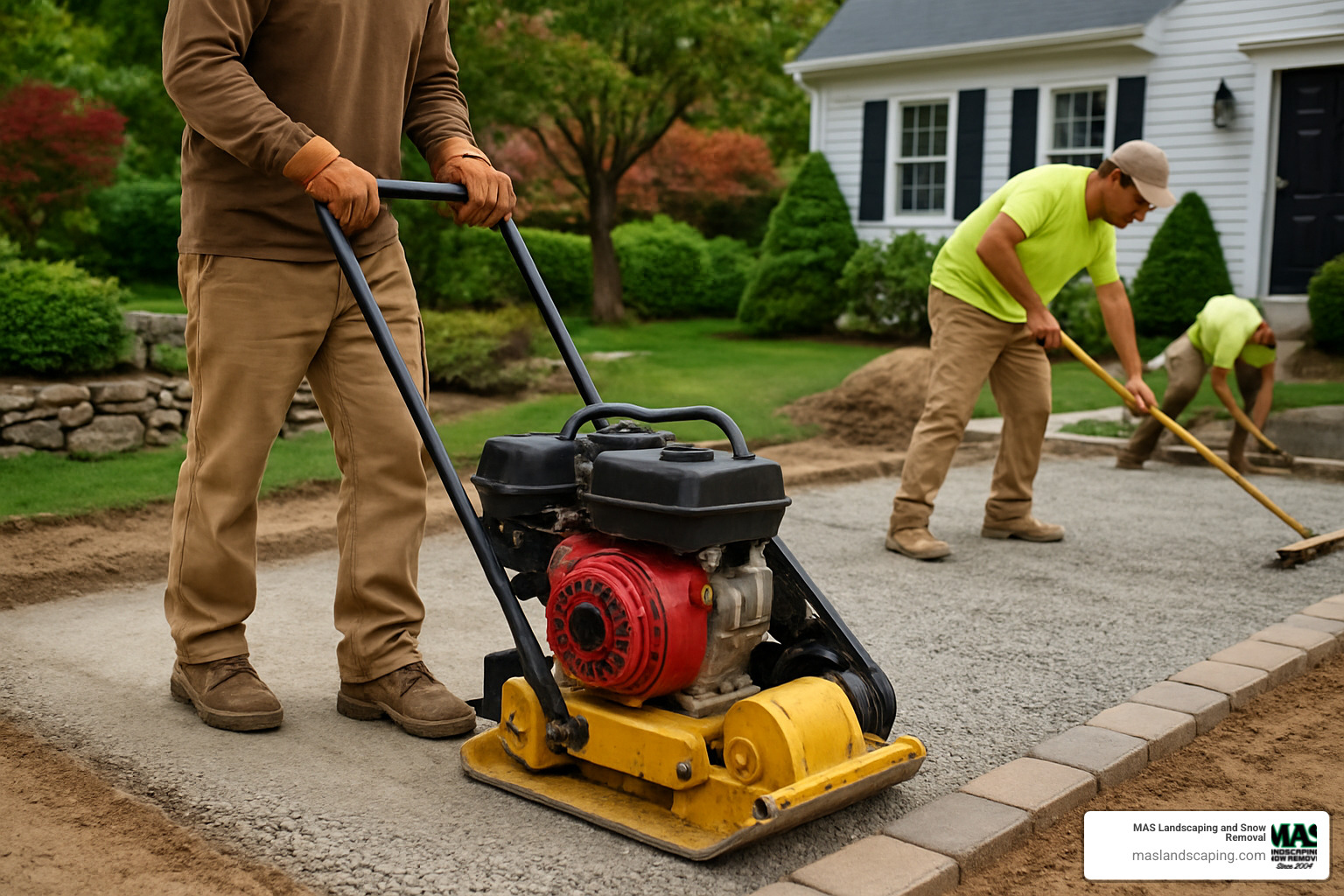
Hardscape Install: Site Preparation & Drainage
Before we even think about laying a single paver, proper site preparation sets the stage for success:
First things first—call 811 before your shovel hits the dirt! This free service marks underground utilities, preventing what could be dangerous (and expensive) accidents. It’s a step we never skip, whether we’re working in Melrose, Medford, or anywhere in between.
Once we know what’s beneath the surface, we clear away existing vegetation and debris. In our Massachusetts climate, we typically dig 8-12″ deep for patios and walkways. This might seem excessive, but that extra depth is your insurance policy against frost heave during our notorious New England winters.
Proper grading is absolutely critical. We establish a slope of approximately 2% (that’s about a 1″ drop for every 4 feet) away from your home’s foundation. You might not notice this gentle slope by eye, but your basement will thank you during those spring rainstorms that often flood properties in Malden and Revere.
Many homeowners are surprised to learn that we need to compact the existing soil before adding any materials. Skip this step, and that perfect patio might start to resemble a wavy potato chip within months!
For properties with drainage challenges, we often incorporate French drains or dry wells. These hidden heroes direct water away from your hardscape and prevent the pooling that can undermine even the most beautiful installation.
Hardscape Install: Base & Compaction
The base layer is where amateur and professional installations truly diverge:
We start by rolling out geotextile fabric—think of it as the bouncer at the club, keeping the subsoil and base material from mingling. This simple layer prevents weed growth and improves drainage while maintaining the separation that ensures long-term stability.
Next comes the crushed stone (typically 3/4″ minus), added in manageable 2-3″ layers. The total depth varies based on your project:
– 4-6″ for walkways you’ll stroll along
– 6-8″ for patios where you’ll entertain
– 8-12″ for driveways that need to support vehicles
– 12″+ for areas with challenging drainage or soil conditions
Each layer gets thoroughly compacted before adding the next—no shortcuts here! A plate compactor (that vibrating machine you’ve probably seen on construction sites) is our best friend during this phase. The size of the compactor should match your project’s scale—smaller units for garden paths, larger ones for expansive driveways.
The moisture content of your base material matters more than you might think. We aim for that Goldilocks zone of about 5-6% moisture—not dusty dry, not sopping wet, but just right for optimal compaction.
Throughout this process, we’re constantly checking grades and slopes with levels and string lines. It’s meticulous work, but these careful measurements prevent water issues down the road.
When serving our clients in Chelsea, Everett, and throughout our service area, we never cut corners on base preparation. It might be invisible in the finished project, but it’s the foundation that determines whether your hardscape will last for years or decades.
More info about Hardscape Patio Contractors Near Me
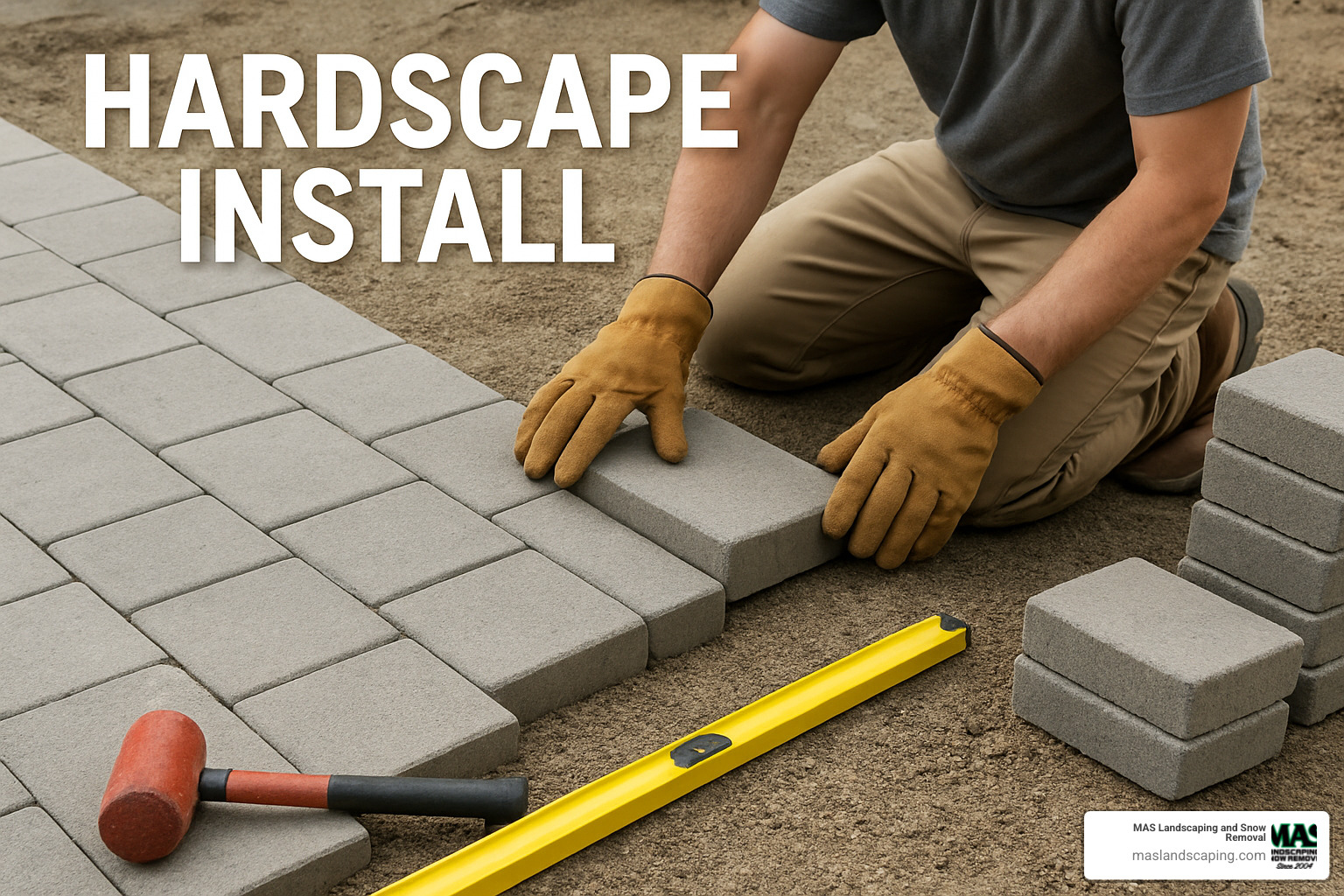
Hardscape Install: Laying Surface & Finishing
Now for the exciting part—installing the materials that will become your outdoor oasis:
Before laying a single paver, we establish the pattern and layout. For complex designs, we often create a small mock-up so you can visualize how those herringbone or basketweave patterns will actually look in your space.
A thin bedding layer comes next—typically 1″ of coarse sand or stone dust that’s carefully screeded (leveled with a straight edge) but not compacted. Think of it as providing a smooth, consistent surface for your pavers to rest upon.
Edge restraints are the unsung heroes that prevent lateral movement over time. Options range from plastic or metal edging to concrete curbs, or even the pavers themselves set in concrete. Without proper edging, even the most beautiful patio can start to spread and shift within a season or two.
Now comes the most visible part—laying your chosen surface material. For porcelain pavers, which have become increasingly popular in Malden and Medford, we follow specific techniques:
– Using 1/8″ or 3/16″ spacers to prevent edge-to-edge contact
– Never compacting porcelain with a plate compactor (they can crack!)
– Cutting with specialized wet-cut porcelain blades
– Maintaining proper moisture in the bedding sand
The joints between your pavers need proper filling to prevent weeds and maintain stability. Traditional dry sand works well with narrow joints (about 1/16″), while polymeric sand creates a more solid fill for wider spacing (1/8″ or more). With polymeric sand, we carefully sweep it in, compact appropriately, then mist with water to activate the binding polymers.
Finally, we thoroughly clean the surface and apply an appropriate sealer if recommended for your material. While some materials like porcelain may not require sealing, concrete pavers often benefit from this extra protection against staining and wear.
For our Saugus neighbors and clients throughout the region, we take time to explain these finishing options and their maintenance implications, ensuring you understand how to care for your new hardscape for years to come.
Microsoft Word – 3 cm Porcelain Installation Guidelines
Avoiding Pitfalls, Maintenance & DIY vs Pro
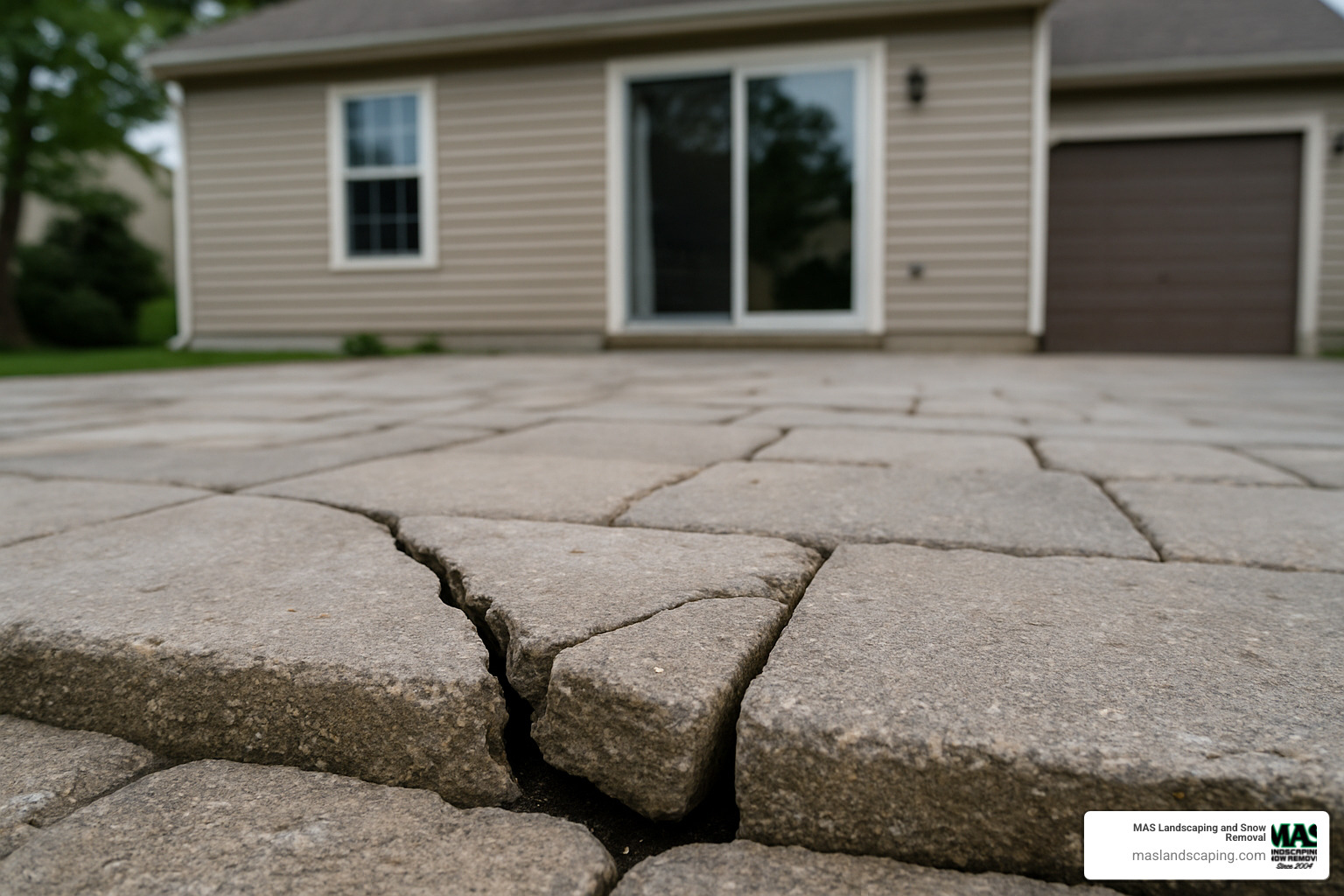
Even the most beautiful hardscape install can crumble before its time without proper technique and ongoing care. After years of serving homeowners throughout Everett, Lynnfield, and Malden, we’ve seen how small mistakes can lead to big headaches down the road.
The photo above tells a painful story we see too often – pavers cracking because someone cut corners on base preparation. It’s like building a house on sand instead of solid ground. Let’s help you avoid these common pitfalls.
Common Installation Mistakes:
Water is both your garden’s lifeline and your hardscape’s potential nemesis. Inadequate drainage tops our list of hardscape failures. When water can’t escape properly, it creates erosion, settling, and in our New England winters, the dreaded frost heave that can transform your level patio into a roller coaster by spring.
Many DIYers try to save money with a thin base layer. In Massachusetts, where the ground freezes and thaws repeatedly, this is penny-wise but pound-foolish. That extra depth of crushed stone might seem unnecessary in July, but come January, you’ll be grateful for every inch.
I’ve watched homeowners struggle with hand tampers, determined to compact their base material through sheer willpower. While admirable, poor compaction almost always leads to settling. There’s a reason professionals use plate compactors – physics simply demands it for proper density.
When installing pavers or stone, spacing matters tremendously. Improper joint spacing – too tight or too wide – can lead to cracking or instability. Each material has its own requirements, especially newer options like porcelain pavers that need specific installation techniques.
Maintenance Requirements:
The good news? Once properly installed, hardscapes need far less attention than your lawn or garden beds. Still, some regular TLC keeps them looking their best:
A good sweeping removes debris before it can stain or allow weeds to take root. For deeper cleaning, a gentle pressure washing (emphasis on gentle!) or specialized cleaners once a year will keep your surfaces looking fresh.
Keep an eye on those joints between pavers or stones. When sand washes away, weeds find opportunity and pavers find wiggle room. A quick top-up of joint sand maintains both appearance and structural integrity.
Even with weed barrier fabric and proper sand, some determined weeds will find a way through. Pull them promptly before their roots can establish and potentially shift your pavers.
Depending on your material choice, resealing every 2-5 years protects both appearance and longevity. Natural stone might need different treatment than concrete pavers, so follow manufacturer recommendations.
Winter in Saugus and surrounding towns brings special challenges. Metal shovels can chip delicate surfaces, and not all ice melt products play nicely with all hardscape materials. A bit of research before the first snowfall can prevent springtime regrets.
DIY vs. Professional Installation:
The home improvement shows make it look so easy, don’t they? While we admire the DIY spirit, hardscape installation involves more complexities than most weekend warriors anticipate:
Skill and experience matter tremendously. Professional installers develop an eye for grade, drainage patterns, and material-specific techniques that take years to master. What looks level to the naked eye might actually direct water straight toward your foundation.
The equipment needs for proper installation go beyond basic garden tools. Professional-grade plate compactors, wet saws for precise cuts, and laser levels for perfect slopes represent significant investments for a one-time project.
That weekend project often stretches into weeks for first-timers. The time commitment extends not just because of the learning curve, but because professionals have efficient processes developed through hundreds of installations.
When calculating costs, consider the long-term value of professional work. Internet data suggests DIY hardscape projects might save 30-50% on labor initially, but those savings evaporate quickly if problems develop that require reinstallation.
For complex projects or those involving structural elements like retaining walls, professional installation becomes particularly important. We’ve helped countless clients in Medford, Revere, and Chelsea transform their outdoor spaces with hardscapes built to withstand decades of New England weather.
More info about Hardscaping a Sloped Yard
Selecting a Qualified Contractor
If you decide professional installation makes sense for your project, finding the right contractor becomes your next challenge:
Start by verifying credentials – proper licensing, insurance, and bonding protect both you and the contractor. Don’t be shy about asking for proof; reputable companies expect these questions.
A picture tells a thousand words, so review their portfolio carefully. Look for projects similar to yours in scope and style. Before-and-after photos reveal not just capability but attention to detail.
Past clients offer invaluable insights, so check references and reviews thoroughly. Look beyond star ratings to the specific comments about communication, problem-solving, and how the contractor handled any unexpected challenges.
Professional proposals should leave no room for confusion. Expect detailed specifications about materials, base preparation, drainage solutions, and realistic timelines. Vague estimates often lead to surprising final bills.
Quality hardscape installations should come with written warranties covering both materials and workmanship. The industry standard ranges from 1-5 years depending on the project type, but some materials carry much longer manufacturer warranties.
Finally, establish clear payment terms upfront. Never pay the full amount before work begins. A typical arrangement includes a deposit, progress payments tied to completion milestones, and final payment upon satisfactory completion.
At MAS Landscaping and Snow Removal, we’ve built our reputation on clear communication throughout every project. Our experience throughout Everett, Lynnfield, and surrounding communities has taught us that well-informed clients become our happiest clients.
More info about Hardscape Retaining Walls
Maintenance Checklist by Feature
Different hardscape elements have their own maintenance needs:
For patios and walkways, regular sweeping prevents debris buildup, while annual washing keeps surfaces vibrant. Check those joints periodically – when sand washes away, a quick refill prevents bigger problems. Most concrete pavers benefit from resealing every 2-3 years, though some newer formulations extend that timeline considerably.
Retaining walls require attention to their drainage systems, especially before winter sets in. A wall that can’t drain properly becomes a dam instead, with pressure building behind it. Watch for any bulging or leaning – small shifts caught early prevent major failures. Keep vegetation from establishing in the joints, as roots can exert surprising pressure over time.
Fire pits and outdoor kitchens need cleanup after each use. Remove ash and food debris promptly to prevent staining and deterioration. Check for any cracked components each spring, as freeze-thaw cycles can be particularly hard on these features. If you have gas lines, an annual inspection ensures safety and functionality.
Your driveway takes the most abuse of any hardscape feature. Asphalt benefits from sealing every 2-3 years, while concrete and pavers have different maintenance needs. Address cracks and stains quickly before water infiltration can worsen the damage. Regular edging prevents grass encroachment that can break down your driveway’s edges over time.
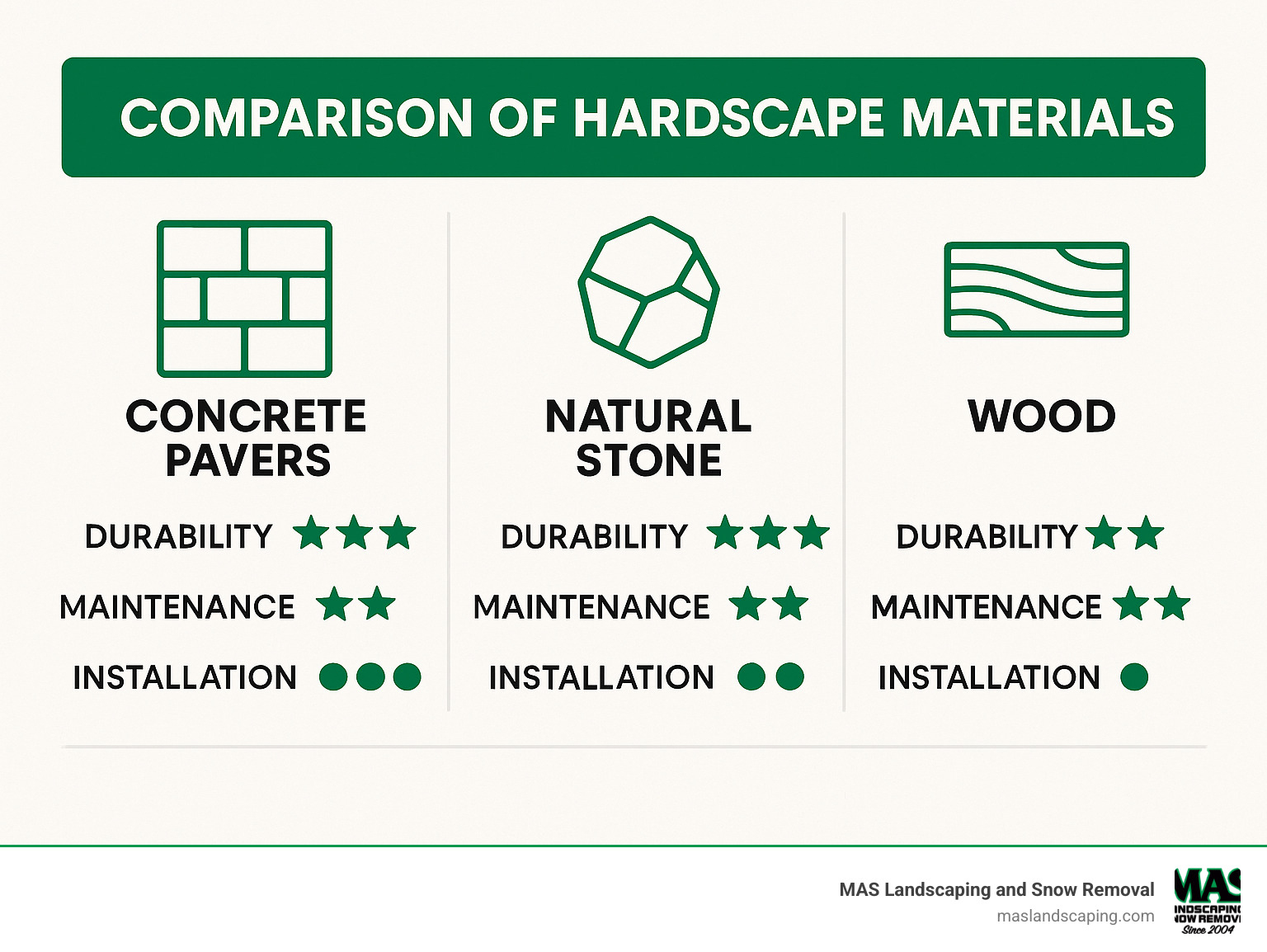
With proper care, your hardscape investments will serve you for decades. Concrete pavers typically last 25-50 years, natural stone can last a lifetime, and even wood features can provide 15-20 years of enjoyment with appropriate maintenance.
For our clients in Chelsea, Saugus, and throughout our service area, we often provide seasonal maintenance plans to ensure their outdoor spaces remain beautiful and functional through every New England season. After all, a well-maintained hardscape doesn’t just preserve your investment – it continues to improve your enjoyment of outdoor living year after year.
Frequently Asked Questions about Hardscape Installation
After helping countless homeowners in Everett, Lynnfield, Malden, and throughout the North Shore transform their outdoor spaces, we’ve fielded many questions about hardscape install projects. Here are straightforward answers to the questions we hear most often:
How much does a typical hardscape project cost?
This is usually the first question homeowners ask us, and understandably so! Based on internet data (not our specific pricing), hardscape projects vary significantly depending on materials, complexity, and your property’s unique conditions:
Patios typically range from $10-$35 per square foot according to online sources, though premium designs with high-end materials can reach $100+ per square foot. Walkways generally fall between $10-$25 per square foot, while retaining walls might cost $25-$75 per square foot depending on height and engineering requirements. For outdoor kitchens, internet data shows ranges from $5,000 for basic setups to $50,000+ for elaborate outdoor cooking spaces.
What drives these price differences? Several factors come into play: sloped sites require more extensive preparation work; natural stone costs more than concrete pavers; curved designs and intricate patterns increase labor time; difficult site access adds complexity; and additional features like lighting or specialized drainage systems affect the bottom line.
For an accurate estimate custom to your specific Melrose or Medford property, we’d be happy to schedule a personalized consultation.
Do I need a permit for my hardscape?
Permit requirements can be confusing because they vary by town and project scope. Here’s what we typically see throughout our service area:
Ground-level patios and walkways usually don’t require permits, unless they significantly affect drainage or exceed local impervious surface limits. Retaining walls over 2-3 feet in height (this threshold varies by municipality) generally need permits for safety reasons. Structures like pergolas, outdoor kitchens with utilities, or anything involving electrical or plumbing work almost always require proper permitting.
In communities like Revere and Chelsea, we steer additional local regulations including setback requirements from property lines, historic district guidelines if applicable, and stormwater management requirements. Many towns have become increasingly concerned about runoff and drainage issues, so even seemingly simple projects might need drainage plans.
Having worked throughout the North Shore for years, we’re familiar with the permitting quirks of each town and can guide you through this sometimes confusing process.
How long will my new patio last?
With proper installation and maintenance, your investment in hardscape features should bring enjoyment for decades. Natural stone is truly generational – properly installed, it can last 100+ years and often outlives the homes it surrounds. Concrete pavers typically provide 25-50+ years of service, while brick offers 25-100+ years depending on quality and installation methods. Concrete slabs generally last 20-30+ years, and wood decking provides 15-25 years with proper care.
The secret to this longevity isn’t just the material – it’s what lies beneath. A properly prepared base prevents settling and shifting. Effective drainage solutions prevent erosion and frost damage (especially important in our New England climate). Quality materials installed with professional techniques ensure your hardscape stands the test of time.
For our Saugus neighbors and clients throughout our service area, we emphasize that investing in proper installation pays dividends through decades of enjoyment with minimal repairs. A well-executed hardscape install is truly one of the best investments you can make in your property.
Conclusion
A well-executed hardscape install does more than just beautify your property—it creates an outdoor sanctuary that extends your living space and improves your daily life. Whether you’re enjoying morning coffee on a new paver patio or entertaining friends around a custom fire pit, these permanent landscape elements provide structure, function, and lasting value.
We’ve seen how thoughtfully designed hardscapes transform properties throughout Everett, Lynnfield, Malden and beyond. The most successful projects always begin with careful planning, continue with meticulous base preparation, and finish with skilled installation techniques. This foundation-first approach is what separates hardscapes that last decades from those requiring costly repairs after just a few seasons.
At MAS Landscaping and Snow Removal, we bring our local expertise to every project, understanding the unique challenges of New England’s climate and how to address them properly. Our team takes pride in creating outdoor spaces that stand up to harsh winters while providing beautiful, functional areas for you to enjoy during our precious warm months.
Your outdoor space should reflect your personality and lifestyle while adding significant value to your property. Whether you’re considering a simple walkway or a complete outdoor living area with a kitchen and fire features, investing in quality materials and proper installation techniques pays dividends for decades to come.
Ready to transform your property with beautiful, durable hardscape elements? We’d love to help bring your vision to life. Our consultative approach ensures we understand your needs, preferences, and budget before recommending solutions that will exceed your expectations and stand the test of time.
More info about comprehensive landscaping services