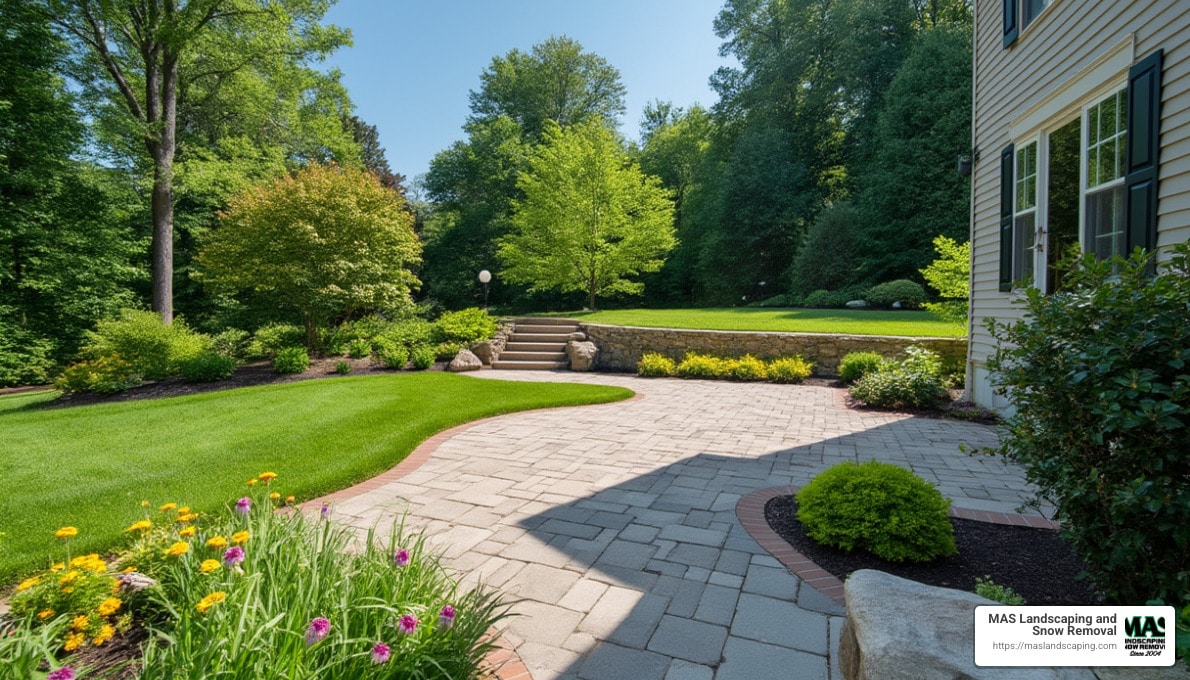



Hardscaping Your Yard: Top 5 Transformative Ideas 2025
Creating Your Dream Outdoor Space
Hardscaping your yard is the process of incorporating permanent, non-living elements like patios, walkways, retaining walls, and other structures to create functional and visually appealing outdoor spaces. If you’re planning to hardscape your yard, here’s what you need to know:
Quick Guide to Hardscaping Your Yard:
1. Assessment: Evaluate your yard’s topography, drainage, and sun patterns
2. Planning: Determine your goals, budget, and timeline
3. Design: Create a cohesive plan that balances hardscape with softscape elements
4. Material Selection: Choose appropriate materials based on style, durability, and budget
5. Installation: Either DIY appropriate elements or hire professionals for complex projects
Changing your outdoor space through hardscaping is one of the most impactful improvements you can make to your property. Unlike softscaping (the living elements like plants and grass), hardscape features add structure, function, and year-round appeal to your yard.
When done properly, hardscaping creates outdoor rooms that extend your living space, reduce maintenance, conserve water, and significantly boost your property’s value. In fact, well-designed hardscaping can deliver a return on investment as high as 150 percent.
“Hardscaping brings a more architectural feel to an outdoor space,” explains landscape architect Jim Skånberg. “It also creates a real opportunity for incorporating a wide vocabulary of interesting materials into a project.”
Whether you’re dreaming of a cozy patio for entertaining, neat walkways that connect garden spaces, or a dramatic fire pit for evening gatherings, thoughtful hardscaping transforms ordinary yards into extraordinary outdoor sanctuaries.
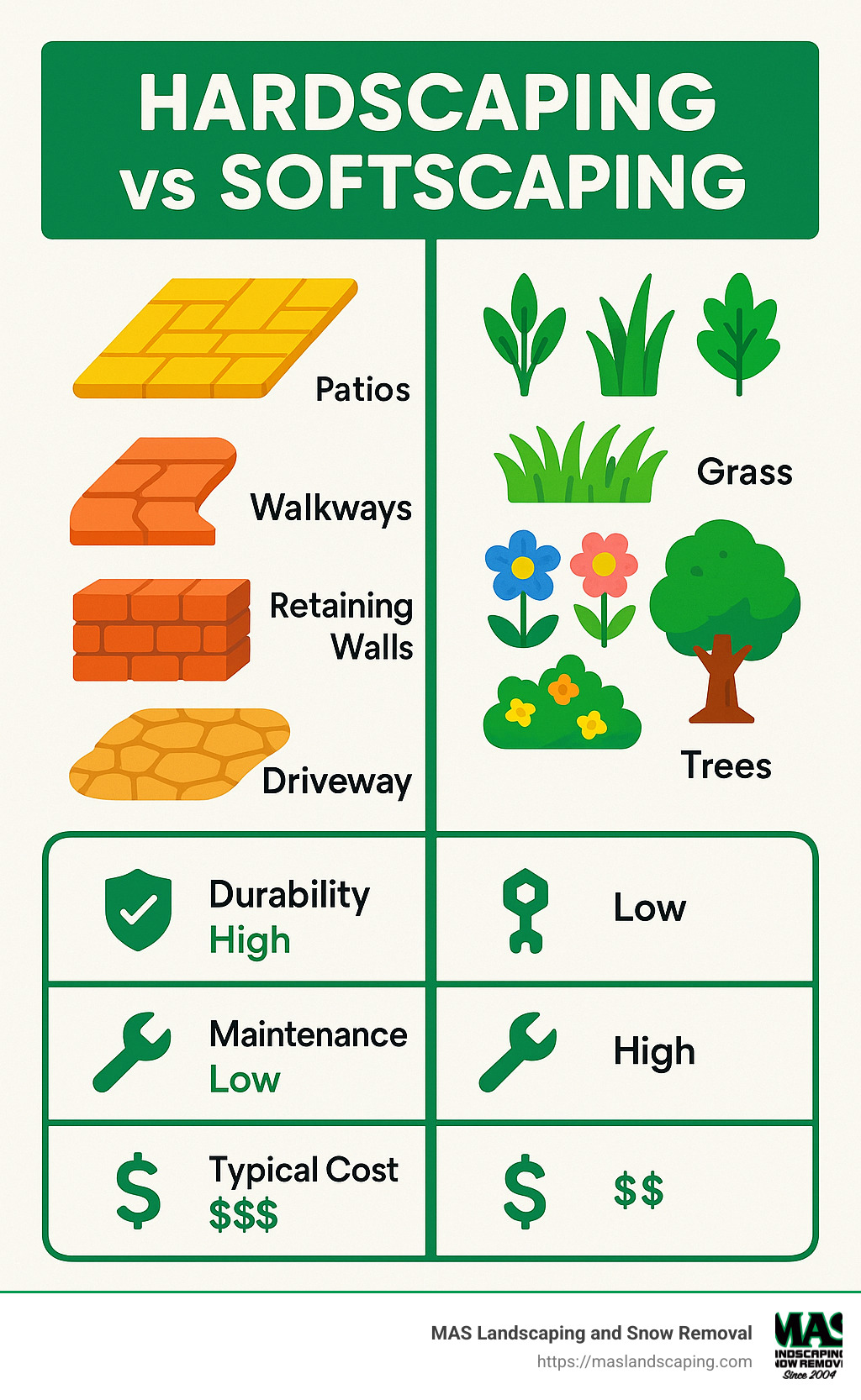
Basic hardscaping your yard terms:
– hardscaping a sloped yard
– hardscaping with river rock
– hardscaping around inground pool
Understanding Hardscaping: The Foundation of Your Outdoor Space
When you think about hardscaping your yard, imagine creating the skeleton that gives your outdoor space its structure and personality. Unlike the living elements of your landscape (those gorgeous flowers and lush shrubs), hardscaping encompasses all the non-living, permanent features that transform a simple yard into an outdoor oasis.
Think of patios where summer barbecues come to life, winding walkways that guide guests through your garden, sturdy retaining walls that tame sloping terrain, and neat water features that create a sense of tranquility. These hardscape elements aren’t just pretty additions—they’re the workhorses that make your outdoor space both functional and beautiful.
“Hardscaping brings a more architectural feel to an outdoor space,” says Jim Skånberg, architect, owner, and design principal at 280 West. “It also creates a real opportunity for incorporating a wide vocabulary of interesting materials into a project.”
This architectural dimension is what lifts your yard from a simple patch of grass to a thoughtfully designed living area. Well-planned hardscaping creates a sense of permanence and structure that beautifully complements the softer, more changeable nature of your plants and flowers.
Benefits of Hardscaping Your Yard
Hardscaping your yard delivers rewards that go far beyond just creating a pretty picture. Let’s explore why so many homeowners are investing in these permanent outdoor features:
Water Conservation becomes increasingly important in our changing climate. By replacing portions of your thirsty lawn with beautiful patios or decorative gravel areas, you’ll dramatically cut your water usage. Your wallet (and the environment) will thank you, especially if you live in a drought-prone region.
The low maintenance aspect of hardscaping is perhaps one of its most appealing benefits. While your garden demands constant attention, your stone patio quietly exists, requiring just occasional sweeping and perhaps a power wash once a year. No mowing, watering, fertilizing, or weekly pruning—just years of enjoyment with minimal effort.
When it comes to increased functionality, hardscaping truly shines. That awkward sloped area that was impossible to mow? A terraced retaining wall transforms it into a gorgeous multi-level garden. The muddy path to your back door? A charming paver walkway makes it accessible year-round. Every square foot of your property becomes usable with the right hardscaping approach.
Unlike your flower beds that sleep through winter, hardscaped areas offer year-round enjoyment. Add a fire pit to your patio, and suddenly those crisp fall evenings become the perfect time for gathering with friends. Your outdoor living season extends far beyond summer when you invest in thoughtful hardscaping.
From a financial perspective, hardscaping delivers impressive property value improvement. Potential buyers consistently pay premium prices for homes with well-designed outdoor living spaces. Industry data suggests hardscaping can deliver a return on investment as high as 150 percent—making it one of the smartest home improvements you can make.
The durability of quality hardscaping materials means your investment will last for decades. Unlike decks that need regular staining or lawns that require constant care, properly installed stone patios or brick walkways will look beautiful for generations with minimal upkeep.
For properties with slopes or drainage issues, hardscaping provides essential erosion control. Strategic retaining walls and properly designed drainage systems protect your property from water damage and soil loss—solving problems while enhancing beauty.
Finally, hardscaping creates defined spaces that bring order and purpose to your yard. Just as walls define rooms in your home, hardscape elements create outdoor “rooms” for dining, relaxing, cooking, or playing. This spatial definition makes your entire property more inviting and usable.
For more information on creating the perfect balance between hardscape and softscape elements, visit our Hardscaping and Softscaping resource page.
Popular Hardscaping Materials and Their Advantages
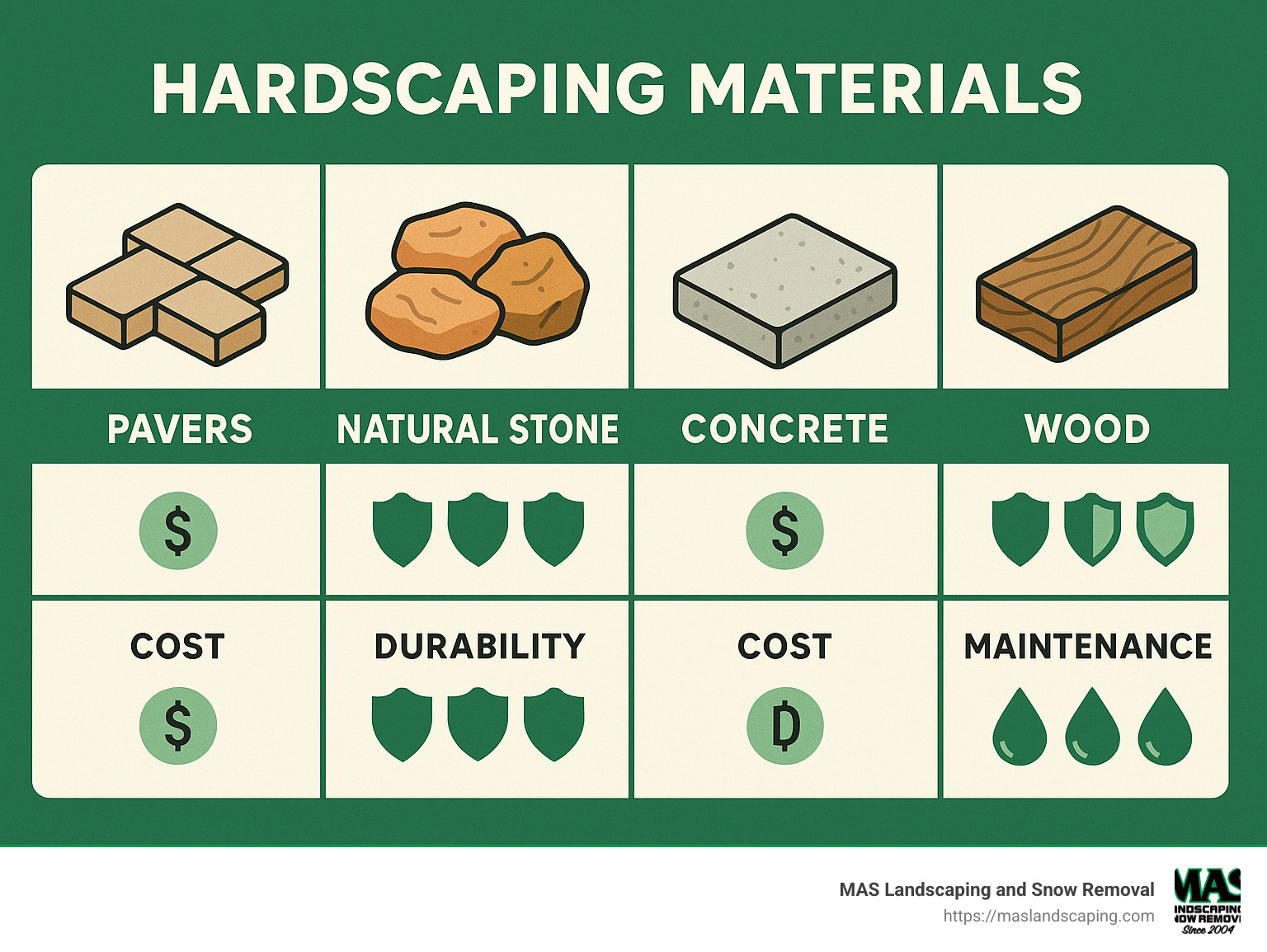
Choosing materials is one of the most exciting parts of hardscaping your yard. Each option brings its own character, advantages, and aesthetic appeal to your project. Let’s explore the possibilities:
Concrete Pavers offer incredible versatility and value. Available in countless shapes, colors, and textures, pavers can mimic the look of cobblestone, brick, or natural stone at a more accessible price point. Their interlocking design makes them surprisingly forgiving on unstable ground, as they flex slightly with soil movement rather than cracking. If one paver gets damaged or stained, you can replace just that piece without disturbing the entire installation.
Nothing matches the timeless beauty of Natural Stone. Whether you choose the blue-gray tones of bluestone, the warm earthy colors of flagstone, or the neat look of granite, natural stone brings authentic character to your landscape. Each stone is unique, creating installations with depth and visual interest that manufactured products can’t quite replicate. While more expensive initially, natural stone often increases in character as it ages, developing a patina that adds to its appeal.
Poured Concrete has come a long way from the plain gray slabs of yesterday. Today’s decorative concrete can be stamped, stained, and textured to create stunning effects at a reasonable cost. It works beautifully for contemporary designs and can be formed into virtually any shape—making it perfect for curved patios or custom features. Modern sealants have improved its durability significantly, though it can still be prone to cracking in regions with freeze-thaw cycles.
For pathways and informal areas, Gravel and Decomposed Granite provide affordable, permeable options with natural appeal. The satisfying crunch underfoot adds sensory pleasure to garden walks, while excellent drainage makes these materials perfect for rain gardens or areas with water management concerns. While they require occasional replenishing, they remain among the most economical hardscaping materials available.
Brick brings warmth and traditional charm to any landscape. Its rich red and brown tones complement classic architecture beautifully and age gracefully over time. Brick can be laid in various patterns—herringbone, basket weave, running bond—each creating a distinct visual effect. Though more labor-intensive to install than some materials, brick’s traditional appeal and durability make it a perennial favorite.
Wood adds natural warmth to decks, pergolas, and other structures. Cedar, redwood, and pressure-treated lumber are traditional choices, while newer composite materials offer the look of wood with greater durability and minimal maintenance. Though requiring more upkeep than stone or concrete, wood’s natural beauty and relative affordability keep it popular for vertical elements and raised structures.
Travertine has become increasingly popular, especially around pools and in warmer climates. This natural stone stays remarkably cool underfoot even in direct sun—a huge advantage for barefoot comfort. Its neutral colors and porous texture provide a sophisticated Mediterranean look that complements many architectural styles.
The newest star in hardscaping materials, Porcelain Pavers, offers exceptional durability with virtually no maintenance. These engineered products resist staining, fading, and frost damage while convincingly mimicking the look of wood, stone, or concrete. Though higher in initial cost, their longevity and minimal upkeep requirements make them increasingly popular for high-end installations.
For specialized applications like decorative borders or dry creek beds, our guide to Hardscaping with River Rock provides specific insights on incorporating these versatile materials into your design.
Planning Your Hardscaping Project: From Concept to Design
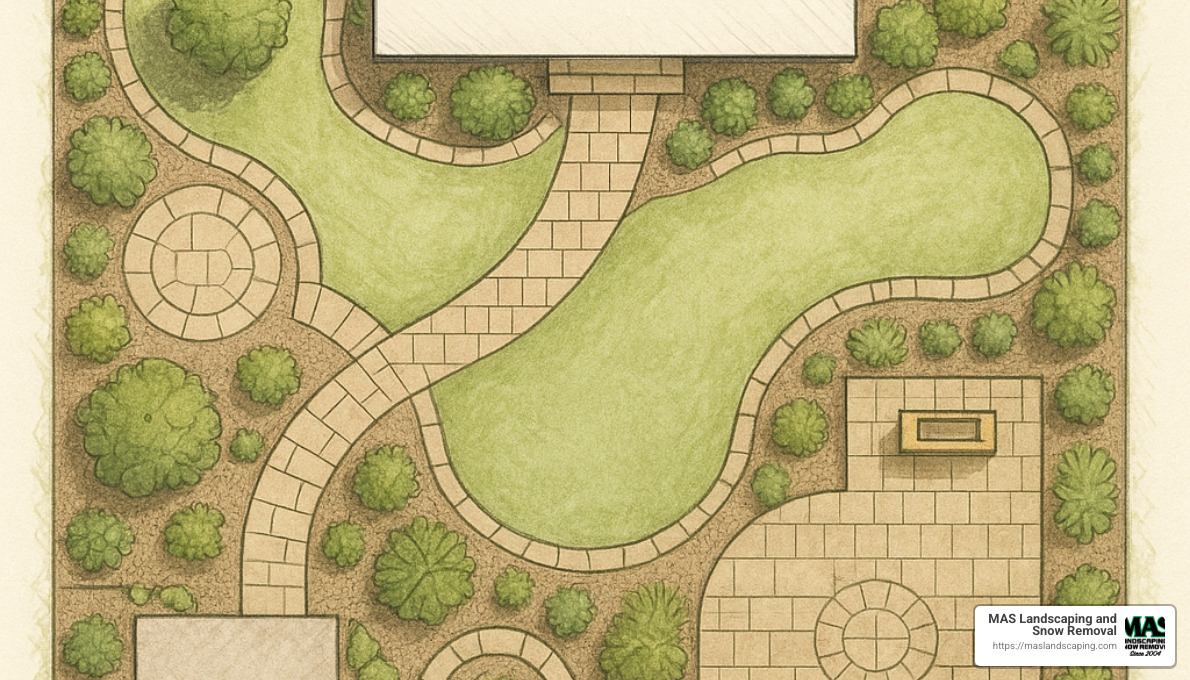
The difference between an ordinary yard and a stunning outdoor oasis often comes down to thoughtful planning. When you’re hardscaping your yard, taking time to develop a comprehensive plan before breaking ground can save you thousands of dollars and countless headaches down the road.
Think of your hardscape plan as the blueprint for your outdoor dream space. It’s where practical needs meet creative vision—where drainage solutions can become beautiful design features and where problem areas transform into focal points.
“The most successful hardscape projects I’ve seen always start with a detailed plan,” says landscape designer Maria Torres. “It’s tempting to jump right in, but those who invest time in planning end up with spaces that work better and look more cohesive.”
Your planning process should begin with a thorough site assessment. Walk your property with a notepad, taking time to observe how water moves across your yard during rainfall, where the sun hits throughout the day, and how you naturally move through the space. These observations will inform every decision that follows.
Next, clarify what you hope to achieve. Are you creating an outdoor kitchen for summer entertaining? Building a peaceful retreat for morning coffee? Solving drainage nightmares that have plagued your basement for years? Having clear goals helps prioritize your investments and guides material choices.
Budget planning deserves special attention. Be honest about what you can afford, but also consider the long-term value of quality materials and proper installation. A well-built patio might cost more initially but will outlast cheaper alternatives by decades. Many homeowners find that phasing their projects over several seasons makes ambitious plans more financially manageable.
As your design takes shape, consider how hardscape elements will interact with existing and planned plantings. The most beautiful outdoor spaces strike a balance between hard and soft elements, using each to complement the other. Your patio might frame a garden view, while plantings soften the edges of a retaining wall.
Don’t forget to research local building codes and permit requirements before finalizing your plans. Some municipalities have strict regulations about impermeable surfaces, and many require permits for retaining walls above certain heights. A quick call to your local building department can prevent expensive corrections later.
Taking time to plan thoroughly now means you’ll enjoy your finished hardscape for many years to come—with fewer maintenance headaches and greater satisfaction in the result.
Assessing Your Yard and Setting Goals for Hardscaping Your Yard
The success of your hardscaping project begins with seeing your yard with fresh eyes. Before you select a single paver or sketch a design, take time to truly understand the canvas you’re working with.
Grab a notebook and spend an afternoon observing your property as if you were seeing it for the first time. Notice how the land slopes and dips. Watch where water collects after a rainstorm. Observe which areas bake in full sun and which enjoy cooling shade throughout the day. These observations aren’t just interesting—they’re critical insights that will inform every aspect of your design.
Topography matters enormously when hardscaping your yard. Even subtle slopes affect everything from patio placement to drainage solutions. If your property features significant elevation changes, don’t view them as obstacles—see them as opportunities for dramatic multi-level designs. Our guide to Hardscaping a Sloped Yard offers specialized approaches for making the most of challenging terrain.
Water flow patterns reveal the hidden story of your landscape. During your next rainstorm, pull on your boots and observe how water moves across your property. Note any areas where it pools or where soil erodes away. These observations will help you design drainage solutions that work with nature rather than against it—perhaps a dry creek bed that doubles as a beautiful landscape feature or strategically placed permeable pavers.
Soil conditions dramatically impact hardscape stability. Clay soils hold water and may require additional drainage solutions beneath patios and walkways. Sandy soils might need extra reinforcement to provide stable foundations. A simple soil test can save you from costly corrections later.
Pay attention to existing features that will remain in place—mature trees you want to preserve, utility access points that need to stay accessible, or architectural elements of your home that your hardscape should complement. These fixed points will shape your design possibilities.
As you complete your assessment, begin setting specific goals for your project. The best hardscaping solutions solve problems while creating beauty. Perhaps you need better access between your driveway and front door, or maybe you’re dreaming of an outdoor living room where your family can gather on summer evenings.
Many homeowners prioritize reducing maintenance by replacing high-upkeep lawn areas with durable hardscape surfaces. Others focus on enhancing privacy by creating secluded outdoor retreats shielded from neighboring views. Some projects aim primarily at solving drainage issues or maximizing usable space on challenging properties.
Whatever your priorities, write them down and rank them. When design decisions get complicated (as they inevitably do), this prioritized list will help you make choices that align with what matters most to you.
The most successful hardscaping projects don’t just look beautiful—they function beautifully for the families who use them every day. By thoroughly understanding your yard’s unique characteristics and clearly defining your goals, you create the foundation for a hardscape that will improve your property and your lifestyle for years to come.
Creating a Realistic Budget for Your Hardscape Project
Let’s talk money—because creating your dream outdoor space requires a clear-eyed view of what things cost. When hardscaping your yard, understanding the financial landscape is just as important as understanding your physical landscape.
Most homeowners are surprised by the true cost of quality hardscaping. That beautiful stone patio you’ve been admiring on Pinterest? It represents a significant investment. But unlike many home improvements that depreciate immediately, well-executed hardscaping typically increases your property value while delivering daily enjoyment.
Start by researching typical costs for projects similar to what you’re envisioning. A typical paver driveway in Central Florida costs about $7.50 a square foot, while paver patios generally cost between $7 and $10 per square foot. These are average costs based on internet data and not actual costs for MAS Landscaping. That prices vary significantly based on your location, site conditions, and material choices.
Material quality dramatically impacts both cost and longevity. Natural stone might cost three times more than concrete pavers initially, but could last twice as long with less visible wear. Premium materials often offer better freeze-thaw durability in cold climates and retain their color better under intense sun in warm regions. Consider the long-term value rather than just the initial price tag.
Don’t underestimate site preparation costs. On a challenging site with poor drainage or significant grade changes, preparation can represent nearly a third of your total budget. This isn’t where you want to cut corners—proper base preparation is the foundation (literally) of a hardscape that performs well for decades.
If your vision exceeds your immediate budget, consider a phased approach. Many successful landscapes develop over several years, with each phase building toward a cohesive vision. You might start with essential walkways and a modest patio, then add a fire feature or outdoor kitchen in subsequent seasons. This approach allows you to spread costs while still working toward your dream outdoor space.
Always build in a contingency of at least 15% for unexpected expenses. Even with thorough planning, surprises often emerge once work begins—from hidden utility lines to drainage issues that become apparent only during excavation. This buffer helps you handle surprises without compromising on important elements of your design.
When evaluating professional quotes, look beyond the bottom line. The cheapest bid rarely delivers the best value. Ask detailed questions about materials, base preparation depth, drainage solutions, and guarantees. A professional who takes time to explain these elements likely brings the same attention to detail to their installation work.
Remember to budget for those finishing touches that transform a hardscape from merely functional to truly spectacular. Landscape lighting can extend your enjoyment into evening hours. Quality outdoor furniture turns a patio into a living space. Strategic plantings soften hardscape edges and add seasonal interest. These elements, while sometimes overlooked in initial budgeting, often make the difference between a space you like and one you love.
By approaching your budget with both realism and creativity, you can create an outdoor space that delivers exceptional value while enhancing your daily life—proving once again that the best investments are those we get to enjoy every day.
Essential Hardscaping Elements to Transform Your Outdoor Space
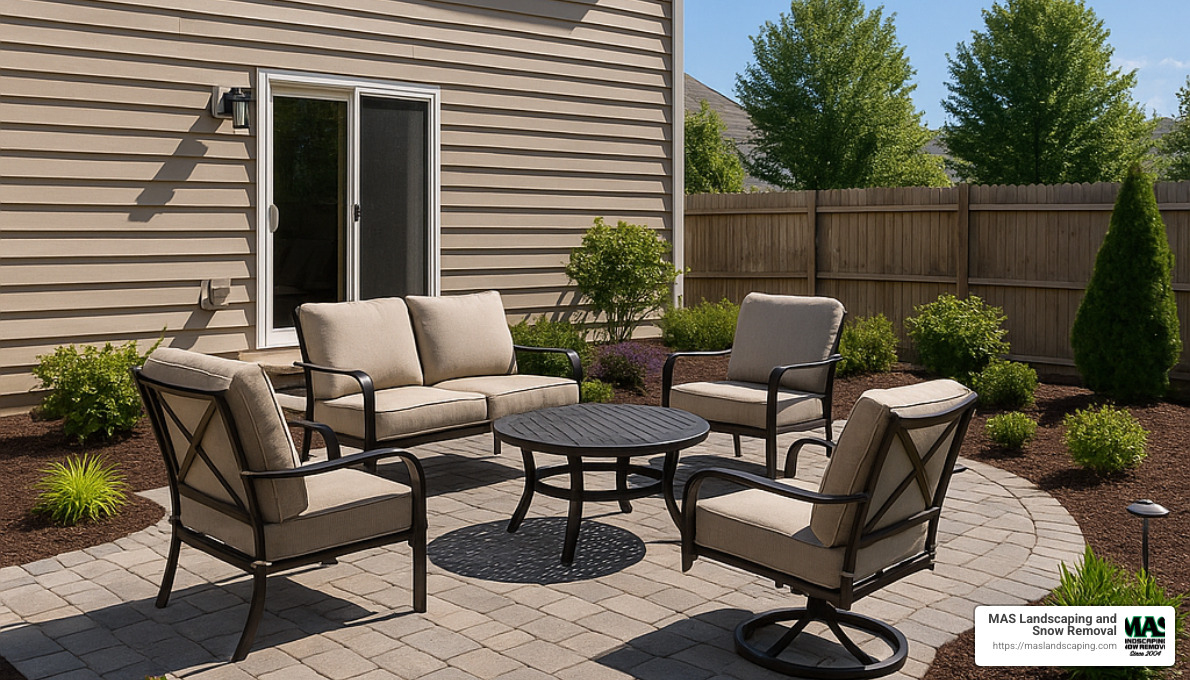
When hardscaping your yard, certain elements serve as the foundation for creating spaces that are both beautiful and functional. These aren’t just decorative additions – they’re the building blocks that define how you’ll use and enjoy your outdoor areas for years to come. The right combination of hardscape features transforms an ordinary yard into a series of interconnected outdoor rooms, each with its own purpose and character.
Patios and Outdoor Living Areas
A thoughtfully designed patio essentially creates an outdoor room – an extension of your home where life happens under the open sky. Whether you’re hosting summer barbecues, enjoying morning coffee, or simply relaxing with a book, your patio becomes the heart of outdoor living.
“This is a great opportunity for adding additional dining and lounging space to your garden,” says Cate Singleton, director of design for Tilly. “They can be dry-laid on a sand base to allow for water to percolate through. They can also be constructed in various shapes and sizes to tie in with the existing landscape.”
The most successful patios balance form and function in equal measure. Size matters significantly – a dining patio should provide at least 10-12 feet of diameter to comfortably accommodate a table, chairs, and movement space. For conversation areas centered around seating or a fire feature, 8-10 feet typically provides comfortable breathing room.
Material selection speaks volumes about your style while addressing practical needs. Natural flagstone creates an organic, timeless feel that blends beautifully with gardens. Porcelain pavers offer sleek, contemporary elegance with remarkable durability and stain resistance. Concrete pavers strike a balance between affordability and design flexibility with their wide range of colors, textures, and patterns.
Rather than defaulting to a simple rectangle, consider how your patio’s shape can respond to your yard’s natural features. Gentle curves soften the transition between hardscape and landscape, while clean geometric forms complement modern architecture. Think about how your patio connects to your home – these transitions should feel intuitive and welcoming.
Don’t forget to incorporate elements that extend usability throughout the day and seasons. A strategically placed pergola, retractable awning, or shade sail can transform a sun-baked patio into a comfortable retreat even on hot afternoons. Thoughtful plantings or decorative screens can create privacy without sacrificing openness.
For inspiration custom to our New England climate and aesthetic, visit our Hardscape Patio Designs resource to see how we’ve helped homeowners throughout Saugus, Everett, Lynnfield, and Malden create outdoor living spaces they love.
Walkways and Pathways: Connecting Your Outdoor Spaces
Walkways do far more than provide a place to walk – they guide the journey through your landscape, connecting spaces physically and visually while protecting your plantings from foot traffic. Well-designed paths invite exploration and movement, creating a sense of findy as you steer your outdoor spaces.
“Walking paths are one of the most functional hardscaping ideas you can incorporate into your yard. You’ve got plenty of options, so consider the home’s architecture and the rest of the yard to see what works best,” according to landscape designers at Side Angle Side.
When hardscaping your yard with pathways, consider both practical function and aesthetic contribution. Primary walkways that receive heavy traffic, like your front entrance path, should be wider (typically 4-5 feet) and constructed from durable materials that complement your home’s architecture. Secondary garden paths can be narrower (2-3 feet) and might use more casual materials like stepping stones or gravel to create a more relaxed feel.
The character of your paths significantly influences how people experience your landscape. Straight paths create formality and efficiency, moving visitors directly from point to point. Curved paths slow the journey, creating a more contemplative experience as new views unfold around each bend. Consider which approach best suits your landscape style and the experience you want to create.
Safety should never be compromised for aesthetics. Ensure adequate width for comfortable passage, stable surfaces that remain slip-resistant when wet, and proper lighting for evening navigation. Where steps are necessary, make them consistent in height and depth with proper handrails if needed.
Some of the most charming walkways achieve a perfect balance between hardscape and plantings. Consider allowing low-growing plants to softly spill onto path edges, or plant fragrant herbs like thyme between stepping stones to release their scent when walked upon. These thoughtful touches create a more integrated, natural-feeling landscape.
For more detailed information about walkway materials and installation techniques, visit our Walkway Installation page to see how we approach these essential connecting elements for our clients throughout the Saugus area.
Retaining Walls and Terracing
Retaining walls transform challenging slopes into usable space while preventing erosion and adding architectural interest to your landscape. When thoughtfully designed, these structural elements become beautiful features in their own right rather than merely functional necessities.
For many New England properties with natural grade changes, retaining walls are essential for creating level spaces for patios, planting beds, or lawn areas. A sloped yard that might otherwise feel unusable can be transformed into a series of attractive, functional terraces that add dimension and interest to your landscape.
The structural requirements of retaining walls vary significantly based on height and soil conditions. Walls under 3-4 feet can often be built as DIY projects with proper preparation, while taller walls typically require engineering expertise and permits. Always prioritize proper drainage behind retaining walls to prevent water pressure buildup that can lead to failure – this is the most common cause of wall collapse.
Your choice of materials dramatically affects both appearance and longevity. Segmental concrete blocks designed specifically for retaining walls offer excellent structural integrity with a range of colors and textures. Natural stone creates a timeless, organic look that often blends beautifully with the landscape. For contemporary designs, gabion baskets filled with stone create distinctive textural interest while providing excellent drainage.
Rather than building one tall wall, consider the advantages of terracing with multiple shorter walls. This approach is often more visually appealing and creates usable planting areas between levels. Terracing also distributes the structural load more effectively and can make maintenance easier.
Smart designers look for opportunities to make retaining walls multifunctional elements. By capping walls at seating height (18-24 inches) and providing adequate depth (at least 12-16 inches), you can create informal seating throughout your landscape. Integrated steps, planters, or lighting can further improve functionality and visual interest.
For specialized information on retaining wall options suited to our New England conditions, visit our dedicated pages on Hardscape Retaining Walls and Retaining Wall Installation to see examples of our work throughout Everett, Lynnfield, Malden, and surrounding communities.
Driveways and Entryways: Creating Lasting First Impressions
Your driveway and front entrance create the critical first impression of your home. These hardscape elements set the tone for your entire property, balancing everyday functionality with aesthetic appeal that complements your home’s architecture.
When hardscaping your yard, these entry features deserve thoughtful consideration that goes beyond basic utility. Your driveway design should consider both practical needs and visual impact. A traditional rectangular approach creates a formal, symmetrical feel, while a gently curved drive creates a sense of arrival that reveals your home gradually. For properties with sufficient space, circular driveways offer convenient access and a gracious approach that never requires backing up.
Material selection for driveways balances durability, maintenance, and appearance. Concrete pavers have become increasingly popular for their combination of strength, design flexibility, and the ability to be lifted and reset if repairs are needed. Natural stone provides best elegance but at a premium price point. Stamped or decorative concrete offers design options at a more moderate cost. Even asphalt can be liftd with decorative borders or patterns that add visual interest.
The edges of your driveway deserve special attention. Clearly defined borders using contrasting materials, decorative edging, or well-maintained plantings lift the overall appearance while preventing edge deterioration. This seemingly small detail makes a significant difference in the finished look.
Your front walkway creates the pedestrian journey to your home and deserves equal consideration. It should be wide enough for two people to walk side-by-side (minimum 4 feet) and use materials that complement both your driveway and home architecture. Consider how the path can create a pleasant experience rather than simply a direct route – gentle curves, widened areas with seating, or focal points along the way all improve the journey.
Thoughtful transitions between different areas and levels create a sense of intention and refinement. Where steps are necessary, ensure they’re consistent in height and depth for safety and comfort. Landing areas provide space to pause and transition between levels, while changes in materials can subtly signal movements between different zones.
Proper drainage solutions are essential for longevity and function. Slight crowning or cross-slopes direct water off driving surfaces, while permeable materials or well-designed drainage systems manage runoff. These practical elements can be designed as attractive features rather than utilitarian afterthoughts.
For more information about our approach to creating distinctive driveways and entrances, visit our Paver Installation page to explore how we help homeowners throughout Saugus, Everett, Lynnfield, and Malden make memorable first impressions with their hardscaping.
Enhancing Your Hardscape with Complementary Features

You’ve laid the foundation with your patios, walkways, and retaining walls—now it’s time for the magic that transforms a good outdoor space into a great one. Think of these complementary features as the jewelry that completes your outfit. They add personality, create focal points, and most importantly, they make your outdoor space a place where memories happen.
Water Features: Fountains, Ponds, and Waterfalls
There’s something almost magical about water in a landscape. That gentle babbling sound can transport you from a suburban backyard to a mountain retreat in seconds.
“Water features instantly create a soothing atmosphere and add variety to your yard. They give the yard the appeal of running water, provide the sound, and give the look of being in the woods or mountains,” says Kody J. Ketterling, landscaping expert and founder of K-IT Products.
When hardscaping your yard with water elements, you have plenty of options to match your space and style. Fountains work beautifully in even the smallest yards, creating a focal point without major construction. They’re self-contained and relatively simple to install—most just need an electrical connection and occasional maintenance.
For a more dramatic effect, consider streams and waterfalls that create movement and sound. These work particularly well if your property has natural slopes to work with. The sound of tumbling water not only soothes the soul but also helps mask road noise or neighbor sounds.
If you have more space, ponds introduce opportunities for water plants and possibly fish. They create mini-ecosystems that bring your landscape to life with movement and biodiversity. For families with small children, consider pondless water features that give you the beautiful sight and sound without an exposed water basin.
Remember to think about practical matters like water conservation (using recirculating systems), proper filtration to prevent algae, and winter protection in our Massachusetts climate. With thoughtful design, your water feature can become the heart of your outdoor space, drawing people in and creating a peaceful retreat.
Fire Features: Pits, Fireplaces, and Cooking Areas
Nothing brings people together quite like fire. There’s something primal and comforting about gathering around flames that makes conversation flow and creates instant atmosphere. When hardscaping your yard, a fire feature extends your outdoor season well into the cooler months, making it a smart investment in our New England climate.
Fire pits offer wonderful versatility and come in countless designs. Wood-burning pits deliver that authentic campfire experience—complete with crackling sounds and the occasional spark—at a relatively affordable price point. For convenience and clean operation, gas-fueled pits provide instant ambiance with the flip of a switch. Either way, make sure to surround your fire pit with comfortable seating that encourages people to linger and connect.
For a more substantial statement, outdoor fireplaces create impressive vertical elements that serve as major focal points. They often provide better wind protection than fire pits and lend a more architectural feel to your space. Whether built from matching stone that complements your patio or created as a standout feature with distinctive materials, a fireplace instantly lifts your outdoor room.
Want to take outdoor entertaining to the next level? Consider incorporating cooking features. From simple built-in grills to elaborate outdoor kitchens with pizza ovens, smokers, refrigeration, and prep space, cooking outdoors brings a whole new dimension to your hardscape. There’s something special about preparing and enjoying meals in the open air that makes even simple food taste better.
Whatever fire feature you choose, think carefully about placement. Consider prevailing winds, views from inside your home, proximity to seating areas, and safety clearances from structures and plants. And don’t forget to check local regulations about open fires—requirements vary by location and season.
Pergolas, Pavilions, and Shade Structures
Every great outdoor space needs a balance of sun and shade. Vertical elements like pergolas and pavilions not only provide that much-needed relief from the summer sun but also add architectural interest that makes your landscape feel more established and designed.
“A pergola is a great addition to a yard because it creates a destination for entertainment,” says Kath Meier, an award-winning landscape designer. “It also provides vertical structure in the landscape and can overall improve the aesthetics of your outdoor area.”
Pergolas, with their open-roofed design featuring columns supporting cross-beams and rafters, provide that perfect middle ground of filtered light and dappled shade. They maintain an open, airy feel while defining a space as a distinct outdoor room. Many homeowners in the Saugus and Everett areas choose to improve their pergolas with climbing plants like wisteria or grape vines, which add natural beauty and increase shade as they mature.
For complete protection from sun and rain, pavilions offer solid roofs that essentially create outdoor living rooms. They range from simple structures with open sides to more elaborate designs with partial walls, outdoor fireplaces, or even integrated entertainment systems. In our New England climate, a pavilion can dramatically extend your outdoor season, providing shelter during unexpected summer showers or creating a cozy space with the addition of outdoor heaters in spring and fall.
For a more contemporary look, shade sails use tensioned fabric to create sculptural shade solutions that can adapt to unusual spaces. They’re relatively affordable compared to permanent structures and can be removed seasonally if desired.
Whatever structure you choose, select materials that complement your home’s architecture and other hardscape elements. Position your shade structure thoughtfully, considering where protection will be most valuable during the hottest parts of the day and how it will frame views of your property.
Lighting Your Hardscape: Functionality and Ambiance
Think of lighting as the secret ingredient that transforms your hardscape from a daytime-only environment into a 24-hour outdoor living space. Good lighting doesn’t just illuminate—it creates mood, highlights special features, improves safety, and extends the usability of your outdoor areas long after the sun goes down.
When hardscaping your yard, integrating lighting from the beginning of your design process yields much better results than treating it as an afterthought. Start by thinking about the different types of lighting your space needs.
Pathway lighting ensures everyone can steer your outdoor spaces safely after dark. Low-profile fixtures that direct light downward reduce glare while providing enough illumination for secure footing. For steps, recessed lights in the risers make a huge difference in preventing trips and falls.
To highlight special features of your landscape, accent lighting draws the eye where you want it to go. Uplighting a beautiful tree creates dramatic shadows on its branches, while grazing light across a textured stone wall reveals its dimension in a way daylight never could. These techniques turn ordinary elements into nighttime showstoppers.
Don’t forget task lighting for areas where specific activities happen. Cooking areas need brighter, more direct light, while dining spaces benefit from adjustable lighting that can be dimmed for intimate dinners or brightened for family game nights.
For overall mood, ambient lighting sets the tone. String lights zigzagging overhead create instant festivity, while subtle wash lighting on planting areas creates a gentle glow that makes evening gatherings feel magical.
With today’s technology, lighting has become much more sophisticated and easier to control. LED systems offer energy efficiency and long life, while smart controls allow you to create different lighting scenes for various occasions, all controllable from your phone. Consider incorporating conduit under your hardscape features during installation—this foresight allows you to add lighting later without disrupting your beautiful patio or walkways.
The goal isn’t to recreate daylight but to thoughtfully illuminate your space in a way that creates beauty and functionality after dark. Often, less is more—too much light creates harsh glare that eliminates the natural beauty of evening shadows.
Thoughtful lighting reveals your hardscape’s beauty in entirely new ways after sunset, effectively doubling the time you can enjoy the outdoor living spaces you’ve invested in. For homeowners in Saugus, Everett, Lynnfield, and Malden, this means getting much more value from your landscape throughout our distinct New England seasons.
DIY vs. Professional Hardscaping: Making the Right Choice
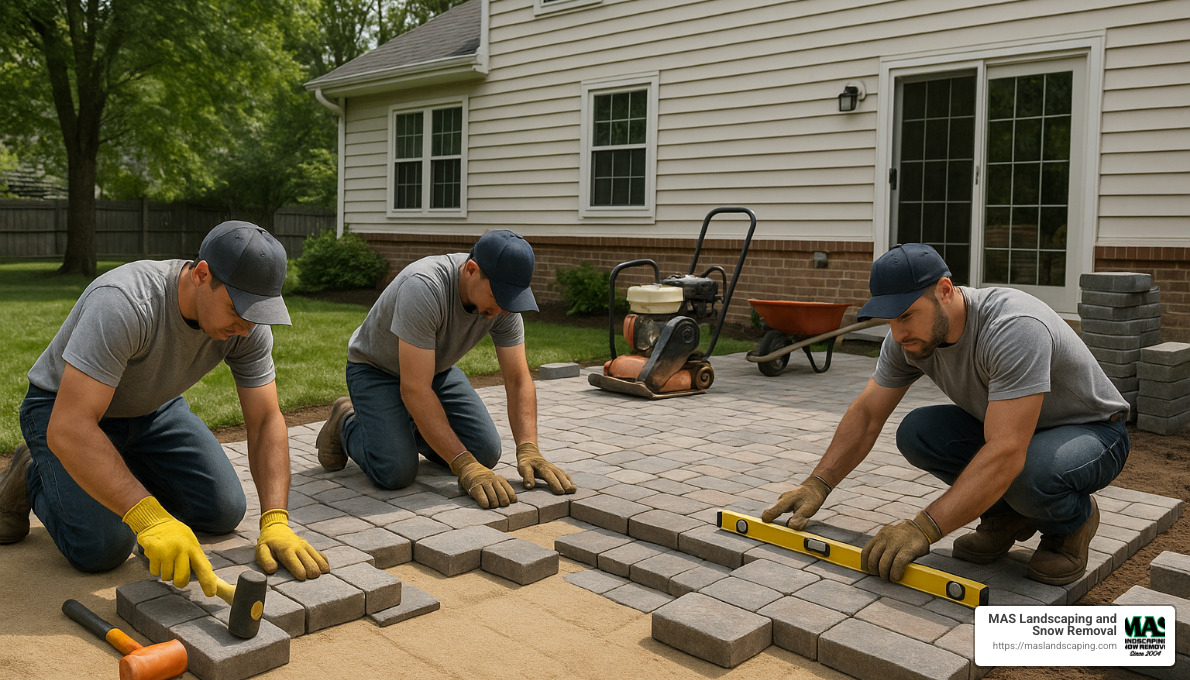
One of the biggest decisions you’ll face when planning your outdoor change is whether to tackle the project yourself or bring in the professionals. This choice impacts not just your wallet, but also your timeline, the complexity of what you can achieve, and ultimately, how long your hardscape will last. Let’s explore both paths to help you make the right decision for your specific situation.
When to DIY Your Hardscaping Projects
There’s something deeply satisfying about stepping back and admiring a hardscape feature you’ve built with your own hands. DIY projects can be rewarding and cost-effective in certain circumstances when hardscaping your yard.
Small-scale projects often make excellent DIY candidates. Simple stepping stone pathways, basic gravel patios with proper edging, or installing a prefabricated fire pit can be manageable for homeowners with some basic skills. These projects offer a good entry point into hardscaping without requiring specialized equipment or technical expertise.
Budget constraints are another valid reason to consider the DIY route. Labor typically accounts for 40-60% of professional hardscape installation costs, so handling the work yourself can lead to significant savings. This might allow you to upgrade to higher-quality materials while staying within your budget.
The personal satisfaction factor shouldn’t be underestimated either. There’s a special connection that forms when you’ve invested your own sweat equity into your outdoor space. Many homeowners find the learning process rewarding, and the skills developed can be applied to future projects around your property.
Before grabbing your shovel, though, be honest about your capabilities. Successful DIY hardscaping requires physical stamina for digging and hauling materials, basic knowledge of grades and drainage principles, and the ability to maintain consistent levels and patterns. You’ll also need access to proper tools and enough time to complete the project without rushing.
Common DIY pitfalls include underestimating material quantities, inadequate base preparation (the invisible but critical foundation of any hardscape), improper slope for drainage, and taking on too large a project at once. Starting small allows you to build confidence and expertise before tackling more complex features like retaining walls or extensive patios.
Proper preparation is non-negotiable, even for DIY projects. Never skimp on base materials or compaction – these invisible elements determine whether your hardscape will look great for decades or start shifting after the first freeze-thaw cycle.
Benefits of Hiring Professional Hardscape Designers and Installers
For many hardscaping projects, professional expertise offers advantages that often justify the investment. This is especially true for more complex elements like retaining walls, extensive patios, or projects involving significant grade changes.
Professional designers bring both creative vision and practical knowledge to your project. They can visualize possibilities you might not have considered and integrate your hardscape seamlessly with your existing architecture and landscape. Their experience helps maximize your budget for the greatest impact, and many use 3D rendering tools that let you preview the finished project before a single stone is laid.
The technical knowledge professionals bring is perhaps their most valuable asset. They understand proper base preparation techniques for your specific soil conditions, accurate grading and drainage solutions to prevent water issues, and structural considerations for walls and liftd features. They’re also familiar with local building codes and permit requirements that might otherwise catch you by surprise.
“MAS Landscaping and Snow Removal offers comprehensive hardscaping services with local expertise in creating functional, beautiful outdoor spaces throughout Saugus, Everett, Lynnfield, and Malden, MA. Our deep understanding of New England’s unique climate challenges ensures that your hardscape will perform beautifully through all four seasons.”
Specialized equipment makes a significant difference in both efficiency and quality. Professional installers have access to excavation equipment, laser levels, plate compactors, and professional-grade cutting tools that produce cleaner, more precise results than typical homeowner equipment. This specialized gear helps ensure your hardscape will stand the test of time.
Time efficiency is another major advantage. Professional crews complete projects more quickly with established systems and full-time focus. They monitor weather conditions to prevent delays and coordinate material deliveries to keep the project moving smoothly. What might take a homeowner several weekends (or months) can often be completed by professionals in days.
Perhaps most importantly, professional installation typically includes warranty protection. Workmanship guarantees protect your investment, and many manufacturer warranties actually require professional installation to remain valid. This accountability provides peace of mind that any issues will be addressed properly.
For projects of significant scope, complexity, or visibility (like front entrances), professional installation often provides the best long-term value despite the higher initial investment. The combination of design expertise, technical knowledge, proper equipment, and warranty protection delivers results that truly stand the test of time.
Visit our Hardscape Design Services page to learn more about our professional approach to creating exceptional outdoor living spaces for homeowners throughout our service area.
Conclusion
The journey of hardscaping your yard is truly transformative – not just for your property, but for how you experience outdoor living. As we’ve seen throughout this guide, thoughtfully designed hardscaping creates spaces that aren’t merely attractive, but functional extensions of your home that improve your daily life in countless ways.
Think about the difference between a basic lawn and a beautifully hardscaped outdoor environment with defined living spaces, comfortable gathering areas, and architectural interest. The change is remarkable, and the benefits extend far beyond aesthetics.
When done right, hardscaping delivers exceptional long-term value. Unlike many home improvements that depreciate over time, quality hardscape elements often appreciate, potentially delivering returns on investment as high as 150 percent. But the true value goes beyond dollars and cents – it’s about creating spaces where memories are made, where you connect with family and friends, and where you find daily enjoyment in your surroundings.
The environmental benefits shouldn’t be overlooked either. By replacing water-hungry lawns with thoughtful hardscape elements, you’re making a choice that conserves resources while reducing ongoing maintenance requirements. A well-designed patio or walkway doesn’t need mowing, fertilizing, or weekly attention – just occasional cleaning to keep it looking its best for decades.
For homeowners in Massachusetts, our challenging New England climate makes hardscaping particularly valuable. The freeze-thaw cycles, heavy snow loads, and seasonal transitions demand materials and installation techniques that can withstand these conditions. This is where local expertise becomes invaluable – understanding which materials perform best in our region and how to install them properly for maximum longevity.
Whether you’ve tackled some elements yourself or partnered with professionals, the investment in hardscaping your yard pays dividends through increased property value, reduced maintenance, and most importantly, improved enjoyment of your outdoor spaces. From intimate patios where you enjoy morning coffee to expansive entertaining areas for gathering with friends, hardscaping creates the framework for outdoor living at its best.
At MAS Landscaping and Snow Removal, we’ve had the privilege of helping countless homeowners throughout Saugus, Everett, Lynnfield, and Malden transform their outdoor spaces with quality hardscaping. We’ve seen how these improvements change not just properties, but lifestyles – creating new possibilities for outdoor enjoyment in every season.
If you’re considering hardscaping for your own property, we invite you to learn more about our hardscape design services and how our local expertise can help bring your outdoor vision to life. From initial concept to final installation, we’re committed to creating hardscaped environments that reflect your unique style, meet your functional needs, and stand the test of time in our demanding New England climate.
Frequently Asked Questions about Hardscaping Your Yard
What is the average return on investment for hardscaping projects?
When it comes to home improvements that truly pay off, hardscaping your yard stands out as an exceptional investment. Homeowners are often pleasantly surprised to learn that quality hardscaping can deliver a return on investment as high as 150 percent, making it one of the most financially rewarding projects you can undertake for your property.
This impressive ROI isn’t just about dollars and cents—it reflects the multiple ways hardscaping improves your property’s appeal and functionality. Potential buyers are immediately drawn to homes with attractive hardscaped entrances and usable outdoor living spaces. That strong first impression often translates directly to higher offers when it’s time to sell.
Today’s homebuyers increasingly view the outdoor space as an extension of the home itself. Well-designed patios, fire pit areas, and outdoor kitchens effectively increase your home’s functional square footage without the extreme costs of traditional building additions. This expanded living space becomes even more valuable in regions with mild climates where outdoor living is possible much of the year.
The reduced maintenance requirements of hardscaped areas compared to traditional lawns and gardens also appeal to busy homebuyers who appreciate the beauty without the weekend chores. And let’s not forget the practical benefits—improved drainage and erosion control protect the property’s long-term value by preventing costly water damage issues.
To maximize your hardscaping investment, focus on quality materials and professional installation for highly visible areas. While it might be tempting to cut corners, potential buyers can usually spot the difference between professional work and hasty DIY solutions. A thoughtfully designed hardscape that complements your home’s architecture will consistently deliver the strongest returns.
How do I maintain my hardscaped areas throughout the seasons?
One of the major advantages of hardscaping your yard is the relatively low maintenance requirements compared to traditional landscaping. However, some seasonal care will ensure your investment continues to look beautiful and function properly for decades to come.
Spring is the perfect time for a thorough inspection after winter’s challenges. Look for any pavers that might have heaved during freeze-thaw cycles or mortar that’s cracked in retaining walls. A gentle pressure washing (appropriate to your specific materials) will remove winter grime and reveal any issues that need addressing. This is also the ideal time to replace any joint sand that’s been washed away between pavers and to check that your drainage systems are clear before spring rains arrive. If your hardscape elements are due for sealing (typically every 2-3 years depending on material and exposure), spring offers perfect moderate temperatures for this task.
As summer arrives, your maintenance routine becomes simpler. Keep an eye out for opportunistic weeds that might try to establish themselves in joints or cracks, and remove them promptly before their root systems become established. An occasional rinse helps prevent staining from pollen, bird droppings, or tree sap, especially on lighter-colored materials. Take a moment to inspect any wooden elements like pergolas or decking for signs of weathering or damage, and make small repairs before they become major issues.
When the leaves begin to fall in autumn, regular clearing of organic debris becomes important to prevent staining and slippery surfaces. This is also the time to trim back any overhanging plants before winter to prevent damage from snow loads. If you live in a colder climate, autumn is when you’ll want to store or cover outdoor furniture and winterize water features before freezing temperatures arrive.
Winter maintenance focuses on safe usage and protection. Choose ice melt products specifically formulated for your hardscape materials—the wrong products can cause spalling, discoloration, or other damage. When shoveling snow, avoid metal shovels on sensitive surfaces like natural stone or stamped concrete. Keep wooden structures clear of heavy snow loads that can cause warping or collapse, and ensure drainage paths remain clear so melting snow can flow away properly.
Different materials have their own specific needs. Natural stone may require specialized cleaners to maintain its beauty, while wood demands regular inspection for signs of rot or insect activity. Concrete pavers benefit from occasional joint sand replenishment, and retaining walls should be checked annually for any shifting or bulging that might indicate structural issues.
With this seasonal attention, your hardscape will continue to perform beautifully year after year with far less effort than traditional landscaping requires—just another reason why hardscaping delivers such exceptional value.
What are some sustainable hardscaping practices I should consider?
Creating an environmentally responsible landscape doesn’t mean sacrificing beauty or functionality. Sustainable approaches to hardscaping your yard can actually improve its performance while reducing environmental impact and long-term maintenance needs.
“Create a beautiful, maintenance-free outdoor entertaining space with sustainable materials, either as a stand-alone patio or complementing concrete, stone, or decking,” advises Suzanne Mackay, an exterior landscape designer with Montana Hardscape Hub.
Water management sits at the heart of sustainable hardscaping. Traditional impermeable surfaces force rainwater to run off quickly, often carrying pollutants and causing erosion. Instead, consider permeable pavers that allow water to filter through to the soil below, or strategically spaced pavers with ground cover plants between them. These approaches not only reduce runoff but can recharge groundwater supplies naturally.
Taking water management further, you might incorporate rain gardens that capture and filter runoff from hardscaped areas, or install rainwater harvesting systems connected to downspouts. These collected resources can later irrigate your garden during dry periods. Even simple grading adjustments that direct water to planted areas rather than storm drains make a significant difference in overall environmental impact.
Material selection offers another opportunity for sustainable choices. Opt for locally sourced stone and aggregates that minimize transportation impacts and support regional economies. Consider recycled concrete or crushed brick for base materials—these diverted resources perform excellently while keeping materials out of landfills. For wooden elements, look into reclaimed timber or composite materials containing recycled content that offer the warmth of wood with improved durability.
Energy efficiency becomes particularly important with hardscape lighting. Solar-powered fixtures eliminate wiring needs while harvesting renewable energy. For wired systems, LED technology dramatically reduces power consumption while providing warm, inviting illumination. Smart controls that prevent unnecessary operation further reduce resource use without sacrificing the beauty and safety that good lighting provides.
Working with your local climate rather than against it represents another sustainable approach. In hot climates, light-colored materials reflect rather than absorb heat, creating more comfortable spaces and reducing the urban heat island effect. In windy areas, strategic hardscape placement can create sheltered microclimates. For cold regions, consider snow management in your design to minimize the need for chemical de-icers.
Perhaps most important is thoughtful integration of plants with your hardscape. Strategic tree placement provides natural cooling through shade, while green roofs on structures like garden sheds or pavilions reduce runoff and provide wildlife habitat. Living walls incorporated into retaining structures transform utilitarian elements into vertical gardens. Native plant selections require minimal supplemental water once established and support local pollinators and wildlife.
By incorporating these sustainable practices, your hardscape can contribute positively to your local ecosystem while creating beautiful, functional spaces that require fewer resources to maintain over time—truly a win-win approach to outdoor living.