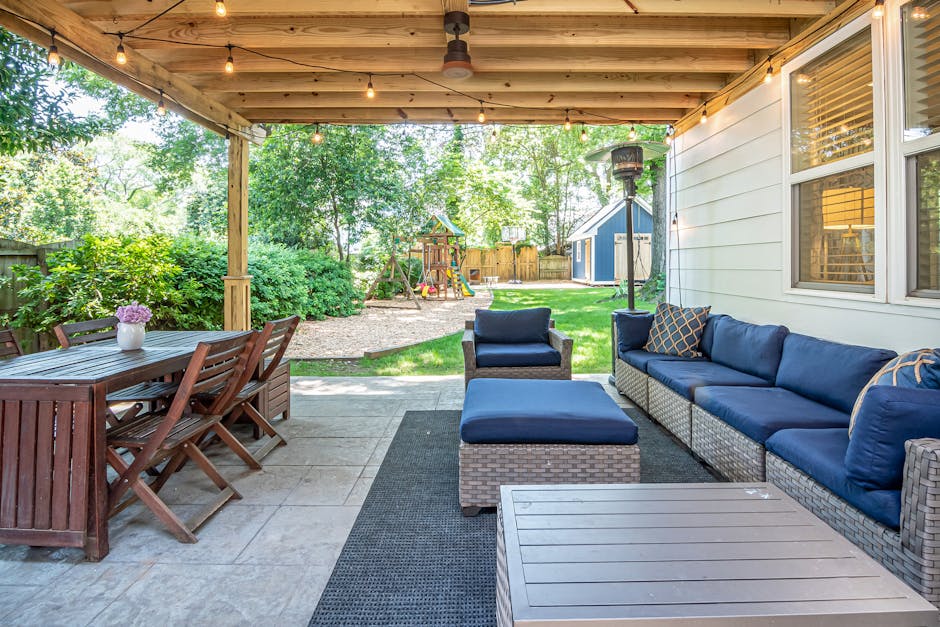



Your Backyard Patio Could Be the Best Room in Your House
A backyard patio is one of the smartest upgrades you can make to your home. It adds usable living space, boosts curb appeal, and can return 60–80% of its cost in home value — sometimes even more for premium builds.
Here are the key things to know before designing yours:
- Size matters — Most patios should be at least 12×16 ft to feel functional
- Material options include concrete, pavers, flagstone, brick, and gravel — each with different looks, costs, and maintenance needs
- Functional zones (dining, lounging, cooking) make a patio feel intentional, not thrown together
- Shade and lighting are what turn a patio from “fine” to actually enjoyable
- DIY is possible for simple paver or gravel projects — but complex installs benefit from a pro
Whether you want a cozy fire pit corner or a full outdoor kitchen, the right design makes all the difference. A patio that’s too small, poorly drained, or built from the wrong materials won’t just disappoint — it’ll cost you more to fix later.
This guide walks you through everything: materials, design ideas, costs, installation, and maintenance — so your patio actually gets used.
Backyard Patio terms simplified:
Essential Elements of a Great Design
Creating a backyard patio that you actually want to spend time on requires more than just throwing some stones on the grass. A truly great Backyard Patio Design considers how the space interacts with your home and the environment. We always tell our clients in Saugus and Lynnfield that the “flow” is just as important as the materials.
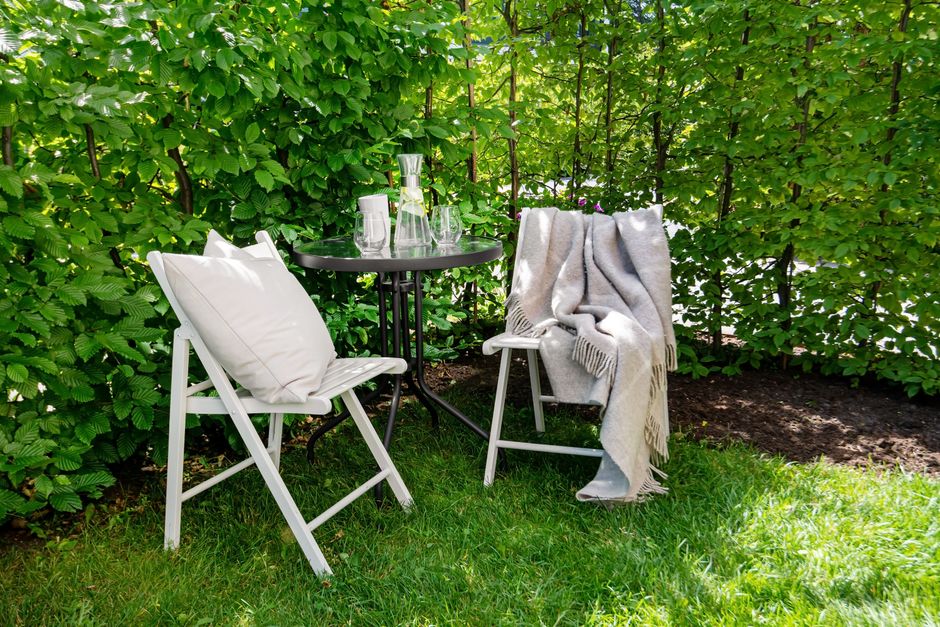
To get your Patio Design right, you need to look at these core elements:
- Sun Orientation: Do you want to sip morning coffee in the sun or host sunset dinners in the shade? Orienting your patio based on the sun’s path ensures you aren’t roasting during peak BBQ hours.
- Drainage: This is the unsexy part of landscaping, but it’s critical. A good patio must slope away from your house (usually a 1-inch drop for every 4 feet) to prevent water from pooling against your foundation.
- Indoor-Outdoor Transition: The best patios feel like an extension of the house. Matching the threshold height of your back door and using complementary colors helps blur the line between inside and out.
- Privacy Screens: Especially in tighter neighborhoods like Everett or Malden, privacy is a must. Lattice tops, tall planters, or strategic Patio Designer techniques like “living walls” can make your space feel like a secluded sanctuary.
Planning and Measuring Your Backyard Patio
Before you buy a single paver, you need a plan. We recommend a thorough site assessment. Start by using a garden hose or stakes and cords to outline the proposed shape on your lawn. Walk around inside the outline. Does it feel cramped? Can you fit an eight-person table without someone tripping into the bushes?
When calculating square footage, remember the “size up” rule. A common mistake is building too small; a 10×10 patio sounds big until you put a grill and four chairs on it. Aim for at least 12×16 feet for a medium-sized yard. If you’re looking for Custom Patio Design Near Me, visualizing traffic flow—the path people take from the door to the seating—is the secret to a layout that doesn’t feel congested.
Popular Ideas for Small Spaces
Don’t let a small footprint stop you. Small patios can actually feel more intimate and “jewel-box” like if designed correctly.
- Sensory Design: In a small space, every detail counts. Use fragrant plants like thyme or lavender between pavers to enhance the “smell” of the garden.
- Vertical Gardens: If you can’t grow out, grow up! Use wall-mounted planters or trellis systems to add greenery without taking up floor space.
- Bistro Sets: Swap the giant sectional for a sleek bistro set or a small Patio Design and Installation Near Me favorite: the “egg chair.”
- Folding Doors: If your budget allows, installing folding glass doors can make a tiny patio feel twice as large by visually merging it with your living room.
Choosing the Best Materials for Your Backyard Patio
The material you choose dictates the maintenance, longevity, and “vibe” of your yard. We often help homeowners choose between a classic Patio Paver look and the rugged beauty of natural stone.
| Material | Durability | Maintenance | Best For |
|---|---|---|---|
| Concrete Pavers | High | Low | Modern looks, heavy traffic |
| Natural Flagstone | Very High | Medium | Rustic, organic designs |
| Poured Concrete | Medium | Low | Budget-friendly, minimalist |
| Gravel | Low | Medium | DIYers, French country style |
| Brick | High | Medium | Traditional, historic homes |
For a professional finish, a Patio Paver Installation is often the gold standard because if one paver cracks, you can replace it individually—unlike a concrete slab. If you are searching for Patio Pavers Near Me, consider how the color will react to the sun; lighter stones stay cooler on bare feet in July!
Durable and Low-Maintenance Patio Materials
If you want to spend your weekends relaxing rather than scrubbing, your material choice is key.
- Poured and Stamped Concrete: This is often the easiest to clean with a leaf blower or power washer. Interestingly, concrete slabs cost about 15% less than laying individual pavers. Stamped concrete can even mimic the look of slate or stone.
- Flagstone: It’s incredibly durable and handles the freeze-thaw cycles of Massachusetts well.
- Travertine: Popular for pool decks because it stays cool, though it requires a bit more care in our North Shore climate.
- Paver Patterns: A well-executed Patio Paver Design using high-quality interlocking stones can last 50+ years.
Understanding Backyard Patio Installation Costs
When planning your budget, it’s helpful to look at general market trends. Please note: the following ranges are average costs based on internet data and not actual costs for MAS Landscaping. Your final Paver Patio Installation Cost will depend on site accessibility, soil conditions, and design complexity.
Internet Average Material Price Ranges (per square foot):
- Concrete: $6 – $25 (Basic slab to high-end stamped)
- Brick: $4 – $30 (Standard red brick to reclaimed historic)
- Pavers: $2.25 – $35 (Basic concrete to premium natural stone textures)
- Flagstone: $3 – $45 (Irregular shapes to custom-cut patterns)
That professional labor can add significantly to these totals—often around 45% of the project cost—but it ensures proper drainage and a base that won’t sink after the first winter.
Creating Functional Zones for Dining and Lounging
A big slab of stone is just a slab of stone until you give it a purpose. We recommend “zoning” your patio much like you would an open-concept living room.
By working with Patio Installation experts, you can create a layout that flows naturally. If you’re looking for Patio Installers Near Me, ask how they handle utility “rough-ins.” Even if you aren’t building a full outdoor kitchen today, running the gas and water lines during the initial build saves you a massive headache later.
- Dining Zones: Place these closest to the house for easy trips to the kitchen.
- Lounging Zones: These can be further away, perhaps centered around a fire feature.
- Cooking Stations: Ensure your grill has enough “landing space” (countertops) for platters and tools. Using Patio Designs with Pavers allows you to create beautiful borders that visually separate these areas.
Adding Shade and Ambiance to Your Backyard Patio
In the height of summer, a patio without shade is just a hot rock. You need overhead relief to make the space usable year-round. An Aluminum Pergola & Dining Area is a fantastic modern solution because it’s low-maintenance and provides structure for climbing vines.
Other ways to boost the mood include:
- Retractable Umbrellas: Great for flexibility in smaller yards.
- String Lighting: Often called “bistro lights,” these add an instant “vacation” vibe.
- Fire Features: Whether it’s a built-in stone fireplace or a portable fire pit, heat extends your patio season into the crisp New England autumn. A professional Backyard Paver Installation can include a dedicated “fire pit pad” to keep things safe and stylish.
Furniture and Decor Trends
The best patios feel like an extension of your interior design.
- Weather-Resistant Rugs: Look for polypropylene (olefin) fabrics. They are stain-resistant, UV-protected, and easy to hose off.
- Modern Minimalism: Think sleek metal frames and neutral cushions.
- Rustic Cedar: Perfect for a “cottage” feel that blends into the Massachusetts landscape.
- Potted Plants: Use oversized planters to create “walls” of greenery. This is a favorite trick for any Patio Contractor looking to add instant color.
DIY Installation and Maintenance Tips
For the weekend warriors in Saugus and Melrose, a DIY patio is a rewarding (but back-breaking) project. If you’re planning to Instal Patio Pavers yourself, the secret is all in the base.
Most Patio Installations fail because the ground wasn’t prepared properly. You need to excavate at least 8 inches plus the thickness of your material. Using Backyard Paver Walkway Ideas can help you practice your technique on a smaller scale before tackling a 400-square-foot patio.
Steps for Installing a DIY Paver Patio
- Base Preparation: Fill your excavated area with 6 inches of crushed gravel or limestone. Compact it until it’s hard as a rock.
- Landscape Fabric: Lay this down to prevent weeds from peeking through your joints.
- Leveling Sand: Add 1 inch of sand and use a long straight board to “screed” it perfectly flat.
- Laying Stones: Place your pavers close together. Don’t slide them into place; drop them straight down to avoid disturbing the sand.
- Edge Restraints: Install plastic or metal edging to keep the pavers from “creeping” outward over time.
- Joint Filling: Sweep polymeric sand into the cracks, then mist with water to lock everything in place.
If this sounds like a lot of work, searching for Paver Installation or Paver Installation Near Me can connect you with pros who have the heavy machinery to do this in a fraction of the time.
How to Maintain and Clean Your Backyard Patio
To keep your investment looking new, follow these simple maintenance steps:
- Pressure Washing: Do this once a year to remove moss and grime, but be careful not to blast out the sand between the joints.
- Sealing: Sealing your pavers every 2-3 years protects them from oil stains and keeps the colors vibrant.
- Weed Prevention: If you see a weed, pull it early. Don’t let the roots settle into your base material.
- Seasonal Debris: In the fall, keep leaves off the stone to prevent tannin staining.
If you notice pavers sinking or shifting, it might be time to call for Patio Construction Near Me or find a Paver Patio Installer Near Me to perform a “lift and reset.”
Frequently Asked Questions
What is the most low-maintenance backyard patio material?
Poured concrete is generally the easiest to maintain because it has no joints for weeds to grow through. However, high-quality pavers with polymeric sand are a close second and offer better long-term durability since they don’t crack as easily as solid slabs.
How much value does a new patio add to a home?
On average, a well-designed patio can provide a 60% to 80% return on investment (ROI). In high-demand areas like Reading or Wakefield, an inviting outdoor space can be the deciding factor for a buyer, sometimes pushing that ROI over 100%.
Do I need a permit to build a ground-level patio?
In most of our local service areas like Everett or Saugus, ground-level patios typically do not require a permit. However, if you are adding electricity, gas lines for a kitchen, or building a raised structure like a deck or a roof extension, you will almost certainly need to check with your local building department.
Conclusion
A backyard patio shouldn’t just be a place where you store your grill—it should be your favorite place to unwind after a long day. From choosing the right Paver Patio Contractor to picking out the perfect weather-resistant rug, every decision helps create a space that fits your lifestyle.
At MAS Landscaping and Snow Removal, we take pride in our local expertise. Based in Saugus, MA, we’ve helped homeowners across Everett, Lynnfield, and Malden turn muddy yards into stunning retreats. Whether you need professional hardscaping, a custom paver design, or year-round maintenance, we’re here to ensure your outdoor space is functional, beautiful, and—most importantly—a place you love to be. Ready to start your transformation? Let’s build something great together.