




Landscaping Leaf Cleanup: Top 3 Methods 2024
Why Landscaping Leaf Cleanup is Crucial
If you’re wondering how to handle fallen leaves, here are the main landscaping leaf cleanup methods:
- Raking: The classic, manual approach, good for smaller yards.
- Leaf Blowing: Fast and efficient, especially for larger areas.
- Mowing/Mulching: Chops leaves into tiny pieces, returning nutrients to your lawn.
- Leaving Leaves (in moderation): A small amount can benefit wildlife and soil.
- Hiring a Professional: Best for large properties or if you’re short on time.
Fall brings beautiful colors. But soon, those colorful leaves pile up. Then, landscaping leaf cleanup becomes a big job.
Many homeowners dread this yearly task. Yet, it’s vital for your yard’s health. Leaving too many leaves on your lawn can cause real problems.
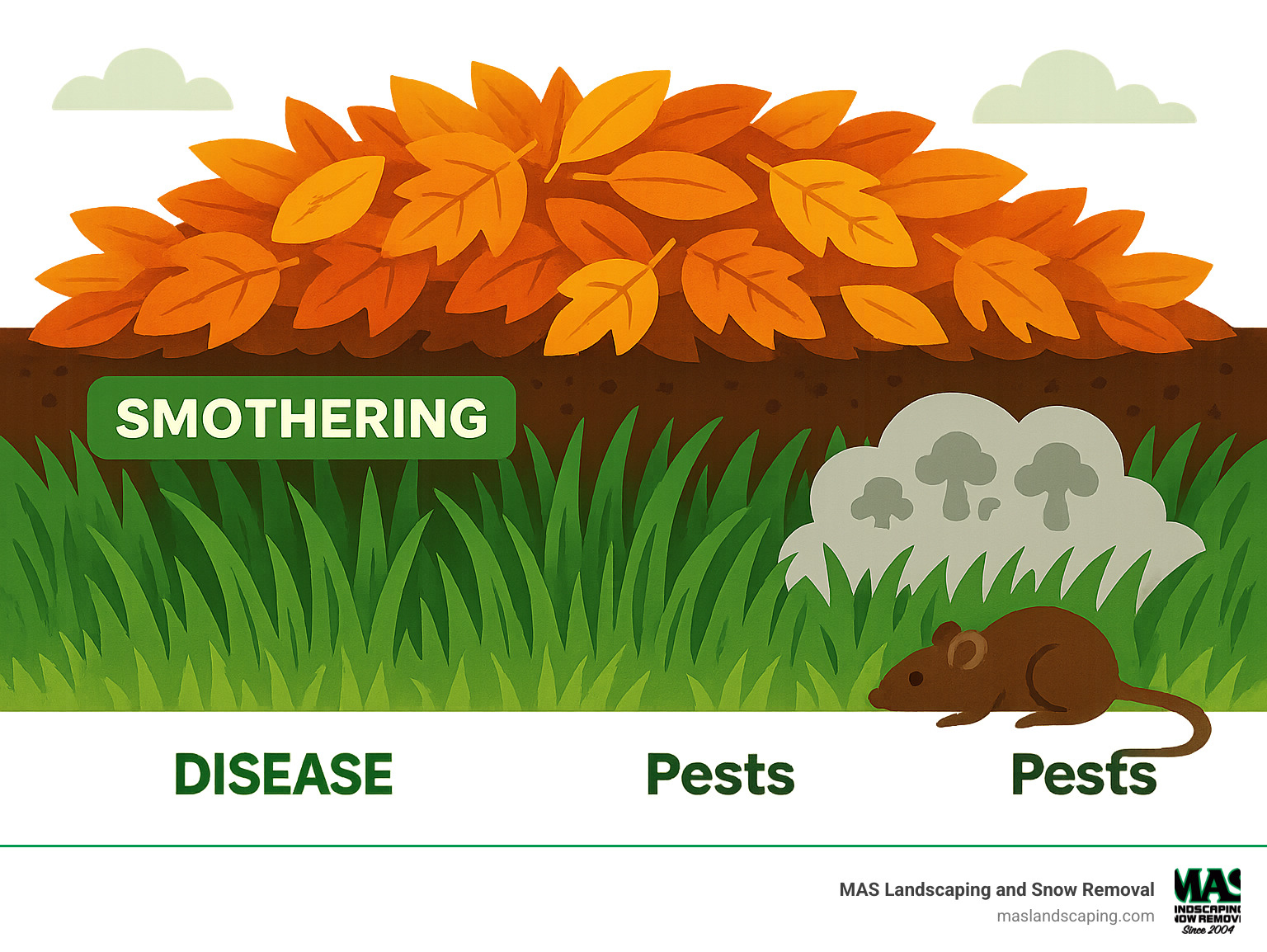
Thick layers of leaves can smother your grass. They block sunlight and air. This weakens your lawn. It can also lead to dead patches in spring.
Wet leaves create a perfect home for mold, mildew, and fungus. These can spread diseases to your grass. Leaves also attract pests like mice, moles, and voles. These critters can damage your lawn over winter.
A proper leaf cleanup keeps your yard healthy. It also helps prepare it for the colder months.
Relevant articles related to landscaping leaf cleanup:
Why Fall Leaf Cleanup is Essential for a Healthy Yard
Hello there, fellow homeowner! As the beautiful, vibrant colors of autumn begin to fade, you’ll notice one thing for sure: the leaves start to fall. And boy, do they fall! While a blanket of colorful leaves looks picturesque for a moment, it quickly becomes a big job. Ignoring these piles of leaves can lead to some real headaches for your lawn. That’s why thorough landscaping leaf cleanup isn’t just about tidying up; it’s a vital step in keeping your yard healthy and happy.
Preventing Lawn Damage and Disease
Imagine trying to breathe under a thick, wet blanket. That’s pretty much what a heavy layer of fallen leaves does to your grass. It literally smothers it! These wet, matted leaves block precious sunlight and crucial air from reaching your grass blades. They also do a fantastic job of trapping moisture right against your lawn. This weakness makes your turf struggle, leading to weak spring growth and even dead patches when warmer weather finally arrives.
But wait, there’s more! Those damp leaf piles are like a luxury resort for unwanted guests: mold, mildew, and various fungi. They just love to set up shop there. These can quickly spread to your grass, promoting nasty snow mold diseases and leaving unsightly, damaged areas. We all want our lawns to emerge from winter looking vibrant and green, not sickly and brown, right? Proper leaf removal ensures your grass can breathe, get the light it needs, and stay free from these fungal invaders.
Deterring Unwanted Pests and Critters
Beyond diseases, those cozy leaf piles are an open invitation for all sorts of pests and critters. Think of it as a warm, insulated winter hotel! Mice, voles, and moles find fallen leaves to be a perfect habitat. They get shelter, and often, a convenient food source – like your grass roots! These little guys can cause extensive turf damage, leading to chewed roots and truly damaged landscapes that need a lot of work to fix in the spring. Even various insects can find a comfortable home in undisturbed leaf litter. By removing these leaf havens, we’re essentially taking away their welcome mat, helping to deter these unwelcome guests and protect your valuable lawn.
Maintaining Curb Appeal and Winter Preparedness
A clean, tidy yard just feels good, doesn’t it? It also functions a whole lot better! A well-executed landscaping leaf cleanup helps maintain your home’s curb appeal throughout the colder months, showing off your beautiful property. But it’s not just about looks; it’s about safety and smart preparation. Piles of wet leaves on walkways and driveways can become incredibly slippery hazards. We want to make sure our paths are clear and safe for everyone walking around.
And here’s a big one: neglected leaves can easily clog gutters. This can lead to serious problems like ice dams, which can cause damage to your roof and siding. Leaves accumulating against your home’s foundation can also promote mold growth and even lead to structural issues over time. So, by diligently removing leaves, you’re not just tidying up; you’re actively preparing for winter and protecting your home from potential damage.
For more information on keeping your yard in top shape throughout the year, why not explore our yard clean up services?
Mastering Landscaping Leaf Cleanup: Methods and Tools
Alright, we’ve talked about why a good landscaping leaf cleanup is so important. Now, let’s get to the how! The truth is, there’s no single ‘best’ way to tackle those fallen leaves. What works for you depends on a few things: the size of your yard, how many leaves you get, what tools you have, and how much effort you’re ready to put in. Let’s explore the most popular methods!
The Traditional Approach: Raking
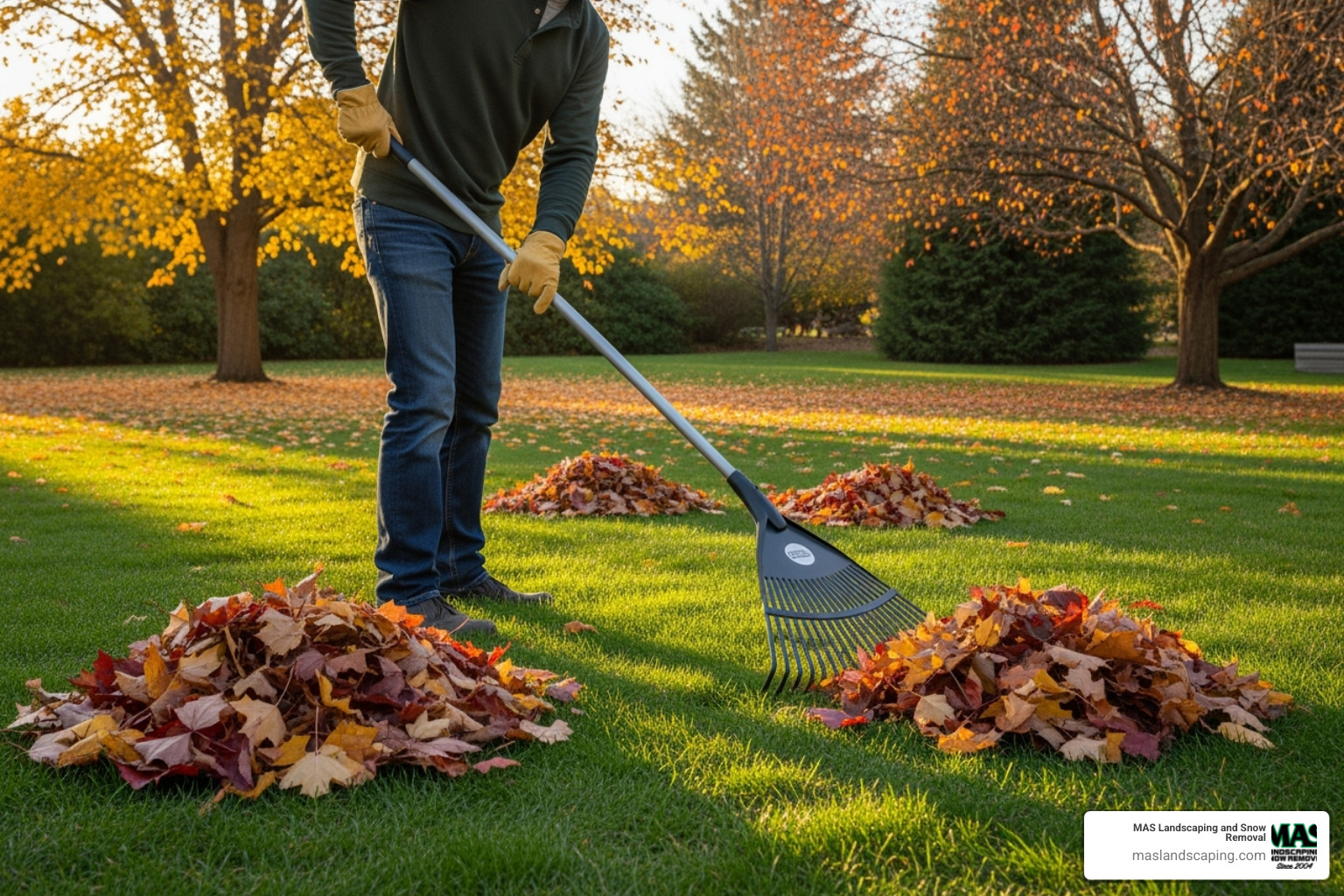
Ah, the trusty rake! For many of us, this is the classic image of fall cleanup. And for good reason! Raking is a tried-and-true method that works wonderfully for smaller or medium-sized yards. It’s also perfect for those tricky spots, like flower beds, where bigger machines just can’t go. Think of it as your outdoor autumn workout – great exercise and fresh air! Plus, it’s super cost-effective, as the main tool won’t break the bank.
To make raking easier on your back, we suggest using an ergonomic rake. These are designed to reduce strain. Once you’ve gathered your leaves into piles, a big tarp is your secret weapon! Instead of bagging each small pile, you can rake loads of leaves onto a tarp. Then, just drag the tarp to your disposal area. It saves so much effort! Make sure to have sturdy leaf bags ready for disposal (paper ones are often required for city pickup). And don’t forget good gloves to protect your hands from blisters and debris.
The Power Method: Using Leaf Blowers
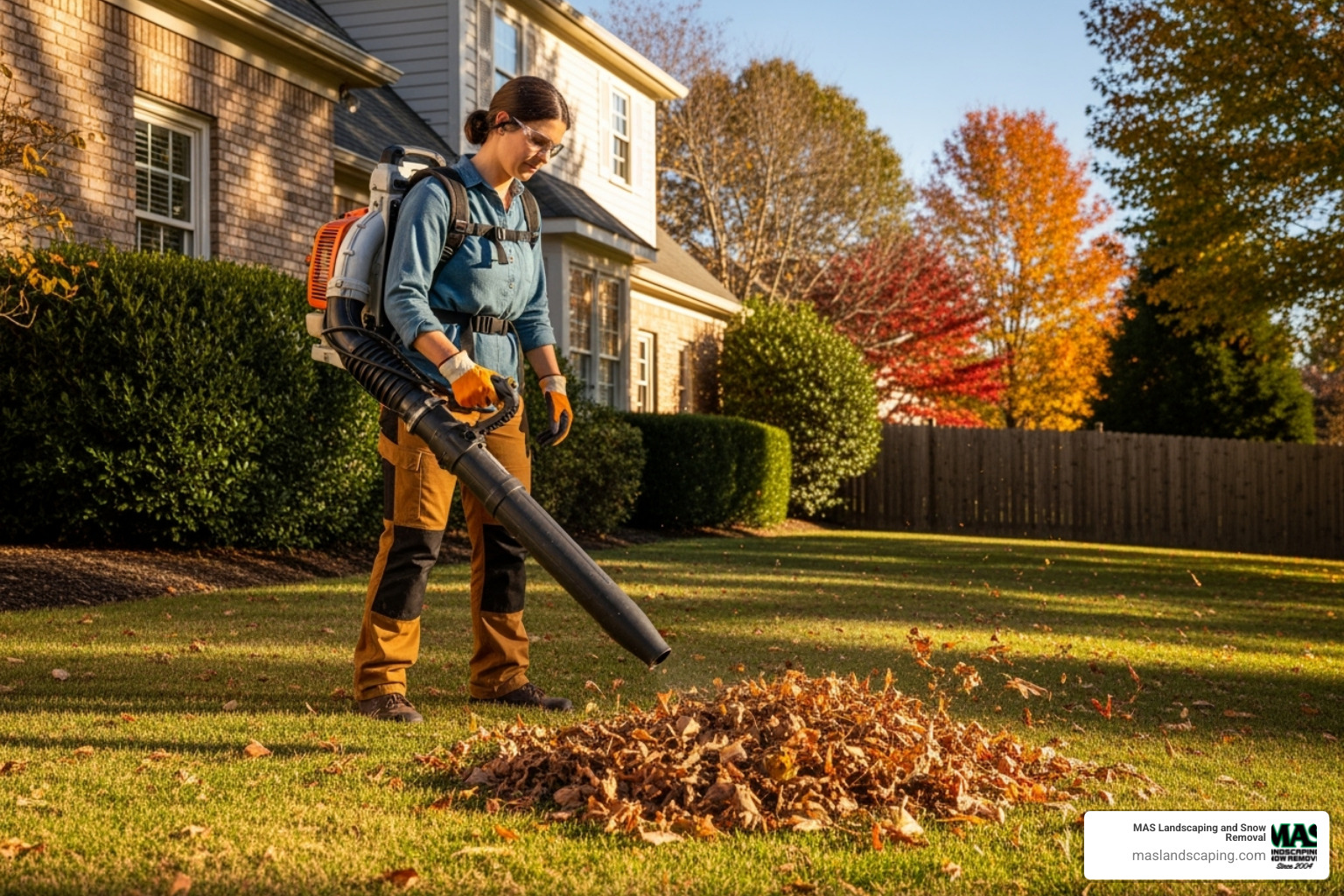
Got a big property or a mountain of leaves? That’s where a leaf blower really shines! These power tools are fantastic for quickly moving large amounts of leaves. They can turn hours of raking into a much faster job. Blowers are also super handy for clearing leaves off driveways, patios, and other paved areas.
You’ll usually find two main types: gas-powered and electric. Gas blowers are often more powerful and let you move freely around a huge yard. But they can be quite loud (so wear ear protection!) and they create emissions. Electric blowers, especially battery-powered ones, are much quieter and produce no fumes. Corded electric blowers need an outlet, which can limit how far you go. Battery models give you freedom, but their run time is limited. Good news: battery technology keeps getting better!
No matter which type you choose, always put safety first. Eye protection is a must to guard against flying debris. And, especially with noisy gas models, hearing protection is a very good idea. Want to learn more about picking the right leaf blower? This guide can help: A guide to leaf blowers.
The Eco-Friendly Method: Mulching with a Mower
This method is one of our favorites because it’s a true win-win! Mulching your leaves with a lawn mower turns them into free, natural fertilizer for your yard. As those chopped leaves break down, they add valuable nutrients and organic matter right back into your soil. This makes your grass stronger and healthier. Some types of leaves, like maples, can even help keep weeds from sprouting when mulched into your lawn.
To do this effectively, you’ll need a mulching mower, or a standard mower fitted with a mulching blade. For the best results, make sure the leaves are dry. Wet leaves can clump together and might smother your grass. Set your mower blade to about 3 inches high. Then, make a few passes over the leaves until they are chopped into tiny, dime-sized pieces. These small bits will easily fall down into your grass. A good trick is to make sure you can still see about 10-20% of your grass through the mulched leaves. If the layer looks too thick, it could still suffocate your lawn.
Mulching saves you from bagging and hauling away leaves, making it a super efficient and eco-friendly way to handle your landscaping leaf cleanup. Curious about more ways to keep your landscape healthy all year? Check out our landscape maintenance tips here: More info about landscape maintenance.
Comparing Leaf Cleanup Methods
| Method | Pros | Cons | Best For |
|---|---|---|---|
| Raking | Inexpensive, good exercise, precise | Time-consuming, labor-intensive | Small yards, garden beds |
| Blowing | Fast, efficient for large areas | Noisy, can be costly, emissions (gas) | Large properties, heavy leaf fall |
| Mulching | Fertilizes lawn, eco-friendly, no disposal | Can smother grass if too thick, requires specific mower | Light to moderate leaf coverage |
Smart Ways to Repurpose Fallen Leaves
While a good amount of landscaping leaf cleanup is vital for your lawn’s health, it’s important to remember that not every fallen leaf is “yard waste.” In fact, they are a truly valuable resource! Many of us in the landscaping world affectionately call leaves “black gold.” That’s because they’re packed with rich organic matter and wonderful nutrients. Repurposing leaves isn’t just great for the environment; it can work wonders for your garden and landscape too.
Creating Nutrient-Rich Compost and Leaf Mold
One of the absolute best ways to use those fallen leaves is to toss them into your compost pile. Leaves are super rich in carbon, which is a key ingredient for amazing compost. When you mix them with “green” materials like grass clippings, you get a perfectly balanced blend. This mix breaks down into incredible compost, which is fantastic for enriching your garden soil. It’s like giving your plants a natural, healthy boost!
To help everything break down faster, we suggest chopping your leaves before adding them to the compost. This stops them from clumping together and lets those tiny, helpful microbes do their job much more efficiently.
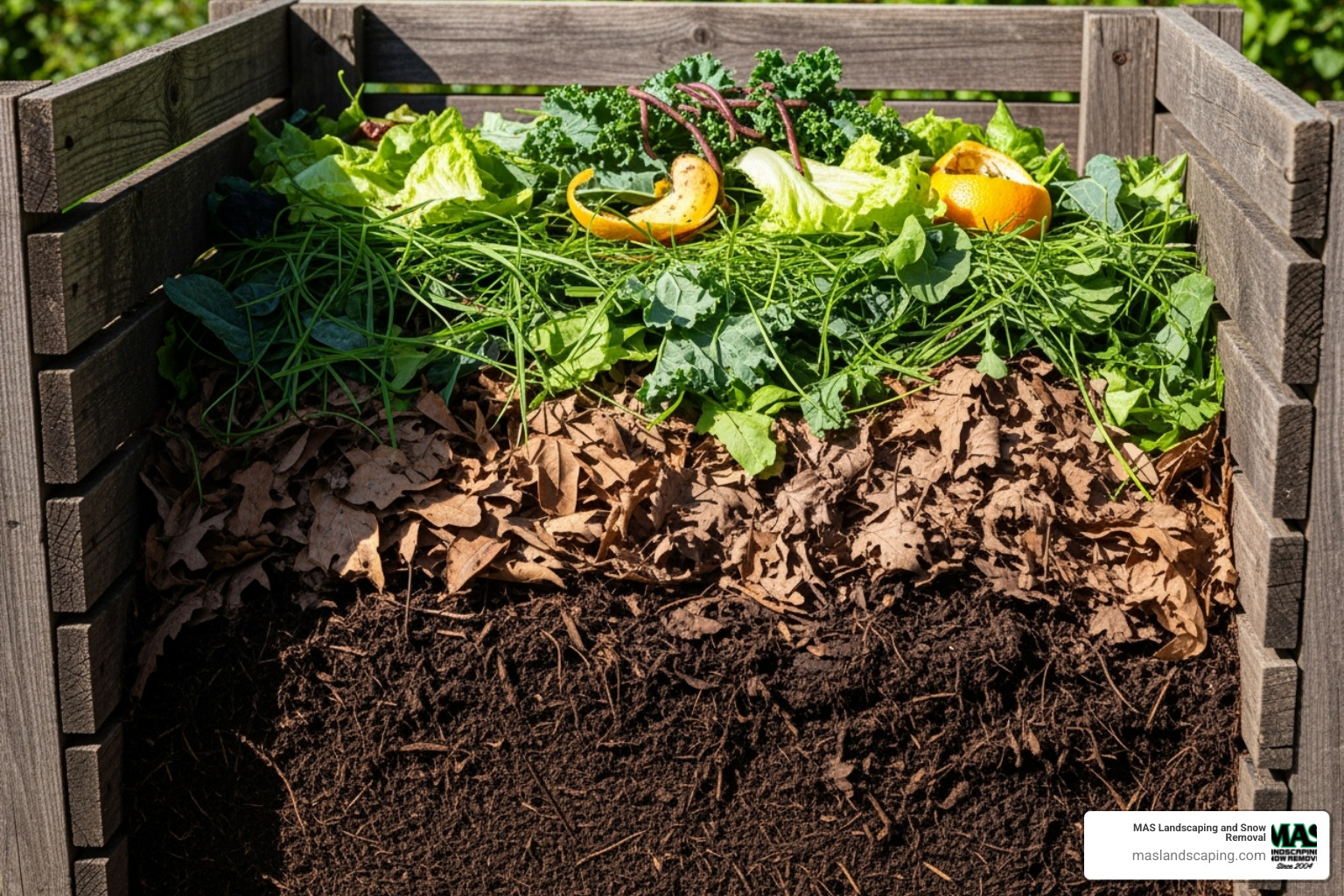
Then there’s leaf mold – another truly wonderful soil conditioner. This is simply decomposed leaves, often made by just piling leaves in a dedicated spot, or stuffing them into bins or sturdy bags. Give them a good watering, and then let nature take its course over 12-18 months. Leaf mold is like a super-absorbent sponge! It can hold up to 300 to 500 percent of its own weight in water. This makes it an excellent addition for improving your soil’s structure and helping it hold onto moisture.
Using Leaves as Natural Garden Mulch
Beyond the compost pile, chopped leaves make an amazing natural mulch for your garden beds. Spreading a layer of mulched leaves around your plants offers so many benefits. Think of it as giving your garden a cozy blanket!
It insulates plant roots, protecting them from crazy temperature swings, especially in winter. A nice layer also helps with weed suppression, acting as a natural barrier to keep those pesky weeds from popping up. Plus, it helps the soil retain moisture, so you might not need to water as often. And as the leaves slowly break down, they gently release nutrients right into the soil, feeding your plants naturally.
When you’re applying leaf mulch, aim for a layer that’s no more than 3-4 inches thick. And always remember to keep it a few inches away from plant stems and tree trunks. This ensures good airflow around the plants. It protects your perennials and gives your garden a beautiful, natural look.
To find more ways we can help make your outdoor spaces truly shine, explore our full range of More info about landscaping services.
The Right Way to “Leave the Leaves”
While a good amount of landscaping leaf cleanup is super important for your lawn’s health, it’s also true that leaving some leaves in specific areas of your yard can be incredibly beneficial. This practice actually helps local ecosystems and boosts biodiversity right in your backyard!
Leaves can provide important winter protection and a cozy habitat for all sorts of good guys, like beneficial insects, pollinators, and even small creatures. When left in planting beds, under shrubs, or in naturalized areas, they offer shelter. Many insects, like butterflies and moths, spend their winter as eggs, larvae, or pupae nestled in leaf litter. By leaving a modest amount, we offer them a safe haven and help them survive.
The secret here is all about moderation and choosing the right spot. A small amount of leaves, usually around 10-20% coverage, can enrich the soil as they break down. They also offer shelter without suffocating your grass. We highly recommend concentrating these leaves in areas where you don’t have turf, like:
- Garden Beds: A thin layer can insulate plants and make the soil even better.
- Under Shrubs and Trees: This provides natural protection and a home for wildlife.
- Perimeter or Wooded Areas: Here, natural decomposition can happen, supporting local wildlife.
Even the U.S. Department of Agriculture champions this balanced approach! You can learn more about the wonderful benefits of this practice by visiting The U.S. Department of Agriculture on leaving leaves for wildlife. It’s all about finding that perfect balance between a neat lawn and a thriving, healthy ecosystem.
When to Hire a Professional for Fall Cleanup
We’ve talked a lot about tackling those fall leaves yourself, and we truly admire the DIY spirit! But let’s be honest, landscaping leaf cleanup can feel like climbing a mountain sometimes. For many homeowners, bringing in the pros isn’t just a luxury – it’s often the smartest, easiest, and most beneficial choice.
Signs You Might Need Expert Help
So, how do you know if it’s time to hang up your rake and call in the cavalry? Here are some clear signs that professional help might be your best bet this autumn:
First off, let’s talk about overwhelming leaf volume. If your yard looks like a forest decided to shed its entire wardrobe on your lawn, you know the feeling. Properties with lots of mature trees can generate truly massive amounts of leaves. What starts as a weekend chore can quickly stretch into weeks of back-breaking work. Professionals, like us at MAS Landscaping, come armed with powerful blowers, industrial vacuums, and commercial shredders. We can tackle those leaf mountains in a fraction of the time it would take you.
Then there’s the question of equipment. Do you have the right tools for this big job? Investing in a heavy-duty leaf blower, a mulching mower, or even just a good quality rake and a sturdy tarp can add up quickly. Our team already has a full arsenal of top-notch equipment. We also handle all the hauling, saving you countless trips to the compost facility or headaches with municipal pickup schedules.
Perhaps the most important reason to consider help is physical limitations. Let’s face it, leaf cleanup is incredibly demanding work. If you have health concerns, back problems, or simply find the task too strenuous, please don’t risk injury. Our team is physically prepared and equipped to handle all the heavy lifting safely and efficiently.
And finally, life gets busy, right? If your weekends are already packed with family activities, work commitments, or you just want to enjoy the beautiful fall weather, a busy schedule is a perfectly good reason to outsource. Think of the time you’ll get back! Plus, if you’re looking for truly comprehensive winter prep that goes beyond just removing leaves, a professional service can cover all your bases.
At MAS Landscaping, we pride ourselves on providing professional, thorough landscaping leaf cleanup services. We have the experience, the specialized tools, and the dedicated team to get your yard looking pristine, giving you priceless peace of mind.
Combining Landscaping Leaf Cleanup with Winter Prep
Choosing a professional team means you get a complete package, not just leaf removal. It’s about setting your entire yard up for success through the cold months ahead. Our comprehensive fall cleanup services are designed to do just that, ensuring your landscape emerges vibrant and healthy next spring.
Beyond just clearing away those leaves, our comprehensive service can include a range of vital tasks:
- A Final Mow: We’ll give your lawn a precise, slightly shorter trim. This helps the grass dry faster and prevents it from matting under heavy snow, which is key for healthier growth when spring arrives.
- Aeration: This clever process involves creating small holes in your lawn. Why? It allows air, water, and vital nutrients to soak deeply into the soil. This helps reduce compaction and gives your grass roots room to breathe.
- Fall Fertilization: We apply a special fertilizer, often rich in potassium, that helps your lawn build up its strength. This boosts its resilience against freezing temperatures and the stress of winter.
- Gutter Cleaning: Leaves don’t just fall on the ground! They love to clog gutters. We’ll clear them out to prevent ice dams, which can cause costly damage to your roof and home.
- Pruning: We’ll take care of any dead or overgrown branches on your trees and shrubs. This prepares them for winter and removes potential hazards, like branches breaking under snow.
- Yard Waste Hauling: This is a huge benefit! We don’t just collect the leaves; we haul away all the collected debris. No more worrying about filling your car or missing municipal pickup days.
By combining meticulous leaf removal with these essential winterization tasks, we ensure your entire property is carefully prepared. It sets the perfect stage for a thriving landscape come spring! And speaking of winter, when the snow does start to fall, remember we’ve got you covered there too. Learn all about our reliable snow management services right here: More info about snow management.
Frequently Asked Questions about Landscaping Leaf Cleanup
We totally get it! When it comes to managing all those beautiful fall leaves, questions often pop up. Here at MAS Landscaping, we’ve heard them all. So, let’s tackle some of the most common inquiries about landscaping leaf cleanup from our years of experience.
When is the best time to clean up leaves?
Timing is everything when it comes to fall leaf cleanup! Generally, the best window is after most of the leaves have fallen from your trees, but ideally before the first big snowfall. Here in Massachusetts, that usually means late October through November, though it can vary a bit depending on the types of trees on your property.
For homes with lots of mature trees, we often recommend more than one cleanup. Leaves tend to fall in stages, so a couple of passes ensure your lawn stays happy. It’s super important to get those leaves off your lawn before they get wet and matted down under snow. That’s when they can cause the most damage, like snow mold. Plus, cleaning up dry leaves is always much easier, whether you’re raking, blowing, or mulching!
Can I just mow over leaves without a mulching mower?
That’s a great question many homeowners ask! The good news is, yes, you absolutely can use your standard rotary lawn mower to chop up leaves. You don’t necessarily need a fancy “mulching mower” for light to moderate leaf coverage.
However, the effectiveness might vary. You might need to make a few passes over the leaves to shred them into small enough pieces. The goal is dime-sized bits that can easily fall into your grass. Also, if the leaves are wet, they can clump up, which might still smother your grass. For the best results, always make sure your mower blade is sharp. If you have a bagging attachment, you can even collect those chopped leaves to add to your compost pile or use as garden mulch! While a dedicated mulching mower is designed for super-fine shredding, your regular mower can certainly help out.
What’s the most environmentally friendly way to handle leaves?
We’re passionate about eco-friendly practices here at MAS Landscaping, and leaves offer some fantastic opportunities to be kind to our planet! Here are our top picks for handling leaves in an environmentally friendly way:
First up is mulching. This is arguably the greenest option for leaves right on your lawn. By shredding them with your mower and letting them break down in place, you’re returning valuable nutrients and organic matter directly to your soil. This reduces the need for chemical fertilizers and keeps leaves out of landfills.
Another excellent choice is composting. Gathering leaves for your own compost pile or contributing them to a community program is a wonderful idea. Composted leaves turn into a rich, dark soil amendment. This diverts waste from landfills, where decomposing leaves can release harmful methane gases.
Remember our earlier chat about “leaving the leaves”? Leaving some leaves in garden beds or naturalized areas provides vital habitat for beneficial insects and helps enrich the soil as they decompose naturally. It’s about finding that balance between a tidy lawn and a thriving ecosystem.
Finally, if you’re using power tools for landscaping leaf cleanup, consider electric tools. Choosing electric (corded or battery-powered) leaf blowers over gas-powered ones significantly cuts down on air pollution and noise. This makes them a much more environmentally conscious choice for your yard work. Our main goal is always to repurpose leaves on-site or through composting, avoiding landfills whenever possible!
Conclusion
Phew! We’ve covered a lot about landscaping leaf cleanup, haven’t we? It might seem like a never-ending autumn chore, but as we’ve explored together, it’s truly a critical step in keeping your lawn and garden happy and healthy. Think of it as putting your yard to bed properly for the winter!
The benefits are clear: you’re preventing turf damage, keeping those pesky critters away, boosting your home’s curb appeal, and getting everything ready for the colder months. It’s an investment that truly pays off when spring arrives with a vibrant, green lawn.
Whether you enjoy the satisfying workout of raking, appreciate the speed and efficiency of a leaf blower, or prefer the eco-friendly magic of mulching, understanding these methods makes the task much less daunting. And remember, those fallen leaves aren’t just “waste”—they’re actually a valuable resource! When used wisely, they can enrich your soil and even help out local wildlife.
But let’s be honest, sometimes the thought of tackling a mountain of leaves feels completely overwhelming. Or maybe you just want to reclaim your precious autumn weekends for family, friends, or simply relaxing! That’s where the professional touch comes in.
Here at MAS Landscaping, we’re proud to serve Saugus, Everett, Lynnfield, Malden, and the surrounding areas. Our team has the expertise, the right equipment, and the dedication to handle all your fall cleanup needs efficiently and effectively. We’re here to take the burden off your shoulders, ensuring your yard emerges from winter looking its absolute best.
Ready to enjoy a pristine, healthy lawn without lifting a finger (well, except to click!)? Don’t hesitate. Get a professional yard cleanup quote from us today!
