


Outdoor Wall Construction: Top 10 Essential Tips 2025
Outdoor wall construction is an essential element when it comes to creating a resilient and attractive outdoor environment. For both homeowners and business owners in the Greater Boston area, constructing sturdy outdoor walls not only improves the visual appeal but also optimizes the functionality of your outdoor spaces. Here are a few takeaways about outdoor wall construction:
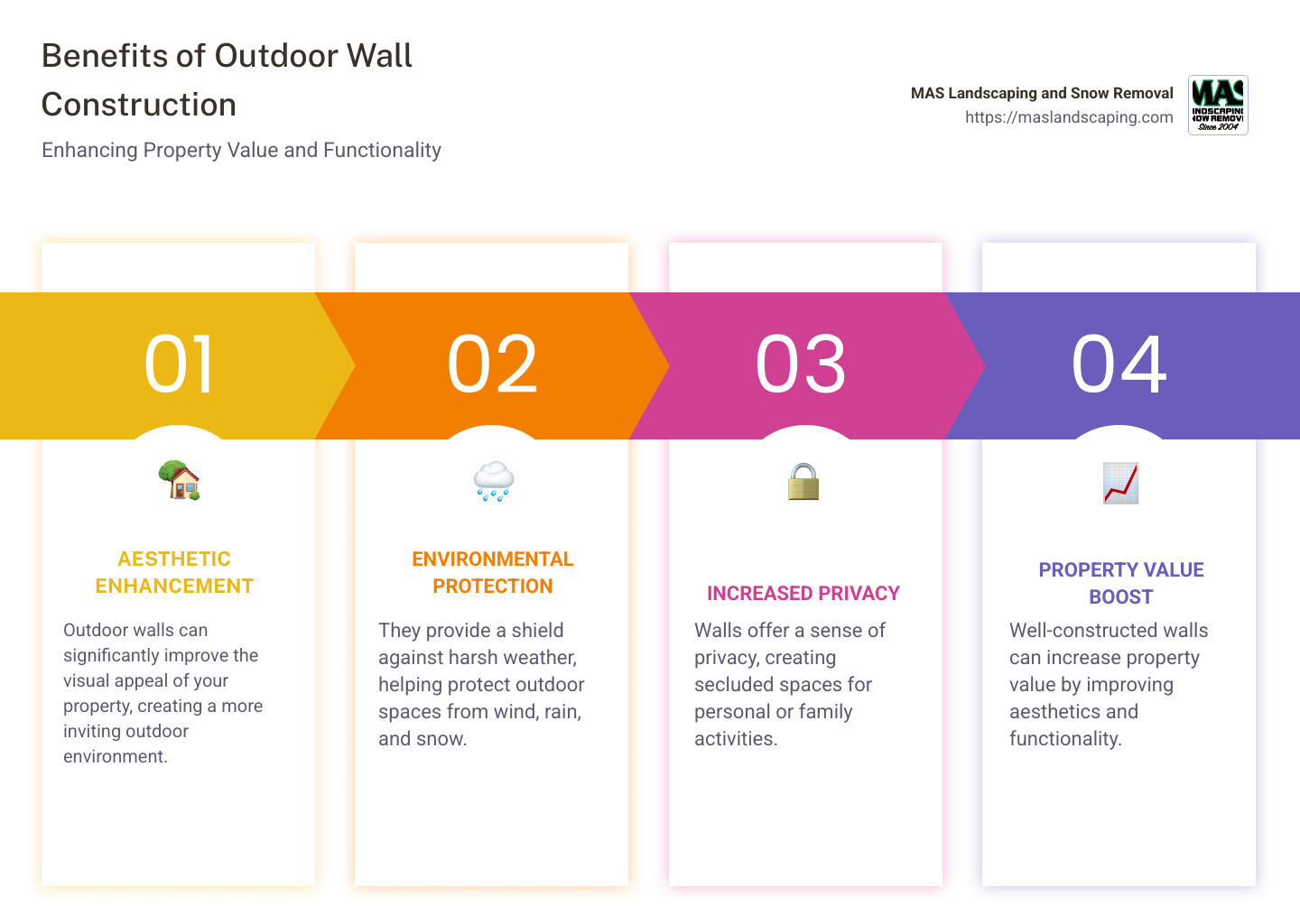
- Improvement in property aesthetics and functionality
- Protection against environmental elements
- Increase in property value
Outdoor walls are more than just boundaries—they’re key components that define and protect an area, provide privacy, and support landscaping features. From retaining walls to decorative fences, the choices you make in materials and construction techniques can significantly impact how well these structures perform over time.
Considering the variable weather conditions in areas like Everett, MA, and Lynnfield, MA, select construction techniques and materials that can withstand harsh winters and rainy springs. This means thinking about everything from foundational stability to aesthetic cohesiveness with the environment around them. Whether you’re looking to demarcate your space, add privacy, or support gardening endeavors, well-constructed walls can profoundly enrich your outdoor experience.
Outdoor wall construction basics:
– Custom wall services
– Wall construction services
– Landscape Walls
Planning Your Outdoor Wall Construction
When planning outdoor wall construction, the first step is a thorough site assessment. This involves understanding the terrain, soil type, and any existing structures that may impact your project. For instance, in areas like Medford, MA, where the soil can vary, knowing whether you need additional support or drainage solutions is crucial.
Choosing the Right Materials
Selecting the right materials is vital for durability and aesthetics. Here’s a quick guide:
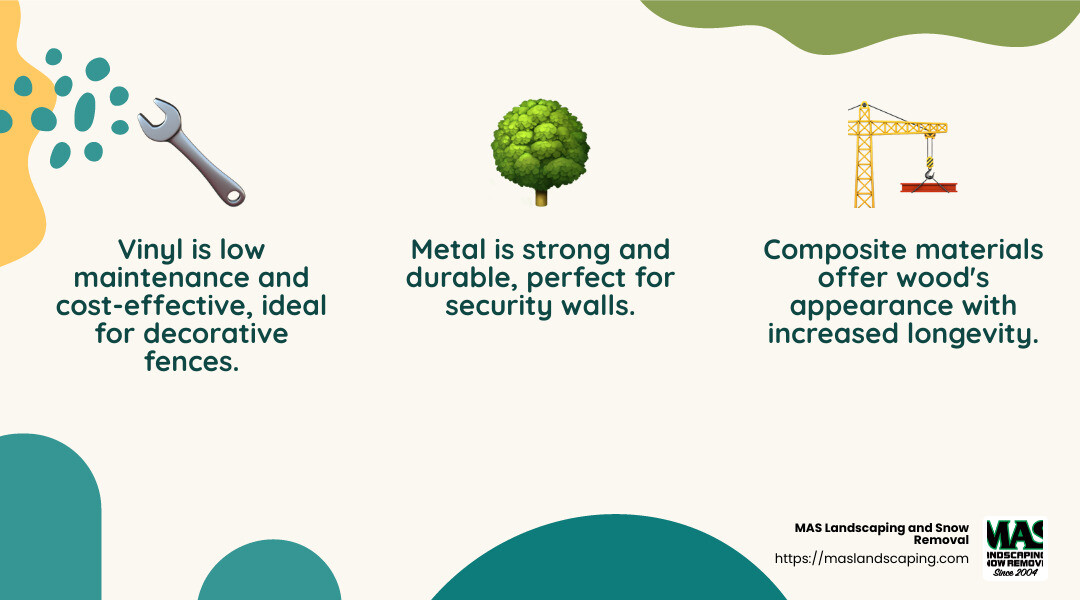
- Vinyl: Low maintenance and cost-effective. Ideal for decorative fences.
- Composite: Offers the appearance of wood but with increased longevity and reduced upkeep.
- Wood: Provides a classic look. Requires regular maintenance to prevent rot.
- Metal: Strong and durable, perfect for security walls.
- Insulating Concrete Forms (ICFs): Excellent for energy efficiency and sound insulation.
Each material has its benefits and limitations, so consider what best suits your needs and the local climate. For example, wood might not be ideal in wet areas like Revere, MA, due to potential rot, whereas vinyl or composite might offer better longevity.
Understanding Local Building Codes
Navigating local building codes is essential to avoid costly mistakes. Regulations can vary significantly between locations like Everett, MA, and Chelsea, MA. Here’s what you need to know:
- Permits: Most municipalities require permits for outdoor wall construction. Check with your local city hall for specifics.
- Regulations: These can dictate the height, materials, and even the placement of your walls. It’s crucial to comply to avoid fines.
- Inspections: Inspections may be required at various stages of construction to ensure safety and compliance with standards.
Understanding these codes not only ensures legal compliance but also helps in planning the design and load requirements of your wall. For example, a retaining wall in Saugus, MA, might require specific load-bearing capacities due to potential snow loads in winter.
Design Considerations and Load Requirements
Designing your outdoor wall involves more than just aesthetics. Consider the function—whether it’s for privacy, security, or as a retaining wall for landscaping.
- Load Requirements: Ensure your wall can handle the weight it needs to support, especially for retaining walls. This could involve consulting with a structural engineer.
- Design Considerations: Think about how the wall will integrate with existing outdoor features. This includes everything from pathways to garden beds.
By carefully planning your outdoor wall construction, you can create a structure that not only improves your property’s beauty but also stands the test of time, meeting both aesthetic and practical needs.
Step-by-Step Guide to Building an Outdoor Wall
Building an outdoor wall can seem daunting, but breaking it down into simple steps makes it manageable. Here’s how you can create a sturdy and beautiful wall.
Digging and Laying the Foundation
A strong foundation is the key to a long-lasting wall. Start by marking the area where your wall will be built. Use stakes and string to outline the shape and ensure everything is straight.
Next, dig a trench along the marked line. The depth and width of the trench depend on the wall’s height and the type of soil. In cities like Everett, MA, where soil types can vary, consider consulting a local expert if you’re unsure.
Once the trench is ready, pour a concrete base. This concrete foundation will support the entire structure, so make sure it’s level and smooth. Allow the concrete to cure before moving to the next step.
Framing the Wall
With the foundation set, it’s time to frame the wall. Choose between wood studs or metal studs based on your design and budget. Wood studs (often 2×4 or 2×6) are common and easy to work with, while metal studs offer more durability and are resistant to pests and rot.
For taller walls, 2×6 framing provides additional strength. Attach the studs to the foundation securely, ensuring they are level and evenly spaced.
Adding Insulation
Insulation is crucial for energy efficiency, especially in colder climates. There are several types to consider:
- Fiberglass: Affordable and easy to install.
- Cellulose: Made from recycled materials, it’s eco-friendly and effective.
- Rigid Foam Board: Offers high insulation value and moisture resistance.
- Batt Insulation: Commonly used for its ease of installation.
- Blown-in Insulation: Great for filling irregular spaces and providing thorough coverage.
Choose the insulation that best fits your climate and budget. Proper insulation will help keep your home comfortable year-round.
Sheathing and Weather-Resistant Barrier
After framing and insulation, it’s time for sheathing. Sheathing materials like plywood or OSB (Oriented Strand Board) add strength and a base for the exterior finish.
Once sheathing is in place, apply a weather-resistant barrier. This barrier prevents water from penetrating the wall, protecting the insulation and structure. A vapor barrier may also be necessary in areas with high humidity.
Finishing Touches
Finally, add the exterior finish. The finish could be siding, stucco, or brick, depending on your desired look. Consider adding coping stones on top of the wall for added protection and aesthetics.
Additionally, pay attention to the pointing joints, which are the visible lines between bricks or stones. Proper pointing not only improves the wall’s appearance but also prevents water ingress.
By following these steps, you can build an outdoor wall that is both functional and attractive, enhancing your property’s value and appeal.
Next, we’ll explore innovations in outdoor wall construction that can improve efficiency and durability.
Innovations in Outdoor Wall Construction
Innovations in outdoor wall construction have transformed how we build, making walls more durable, energy-efficient, and easier to install. Two standout advancements are Insulating Concrete Forms (ICFs) and continuous insulation techniques.
Benefits of Insulating Concrete Forms (ICFs)
ICFs are a building material that combines the strength of concrete with the insulation properties of foam. Here’s why they’re gaining popularity:
- Durability: ICFs create solid concrete walls that stand up to extreme weather. This makes them ideal for areas like Everett, MA, where the weather can be unpredictable.
- Energy Efficiency: ICFs provide excellent insulation, reducing the need for extra heating or cooling. This can lead to significant energy savings over time.
- Ease of Installation: These forms are lightweight and stackable, making them easy to work with. Even beginners can achieve professional results with ICFs.
- Sound Insulation: The combination of concrete and foam offers superior soundproofing. This is perfect for homes in busy neighborhoods or near busy roads.

Continuous Insulation Techniques
Continuous insulation is another innovation that improves wall performance by covering the entire exterior without gaps. Here’s why it’s beneficial:
- Minimizing Thermal Bridging: Continuous insulation eliminates thermal bridges, which are weak points where heat escapes. This ensures a consistent temperature inside your home.
- High R-Value: The R-value measures how well a material resists heat flow. Continuous insulation offers a high R-value, improving energy efficiency.
- Moisture Resistance: By covering the entire wall, continuous insulation helps prevent moisture from penetrating, reducing the risk of mold and rot.
- Air Tightness: This technique improves air tightness, reducing drafts and improving indoor comfort. It also helps lower energy bills by keeping heating and cooling systems efficient.
Both ICFs and continuous insulation are changing outdoor wall construction. They offer practical benefits that improve the performance and longevity of your walls, making them a smart choice for any building project.
Next, we will answer some frequently asked questions about outdoor wall construction to help you make informed decisions for your project.
Frequently Asked Questions about Outdoor Wall Construction
What is the cheapest way to build an exterior wall?
When considering cost-effective materials for exterior walls, vinyl and composite options often top the list. Vinyl siding is popular due to its affordability and low maintenance. It is resistant to rot and insect damage, making it a durable choice. Composite materials, which blend wood fibers with plastic, offer a similar low-maintenance advantage and can mimic the appearance of natural wood without the associated upkeep.
Another budget-friendly approach is using standard wood framing with 2×4 studs. This method is economical and widely used in residential construction. However, consider local climate and building codes to ensure the materials are suitable for your area.
How to build an outdoor wall?
Building an outdoor wall involves several key steps: foundation, framing, sheathing, and finishing.
- Foundation: Start by marking the area where the wall will be constructed. Dig a trench and pour concrete to create a sturdy foundation. This step is crucial for the wall’s stability and longevity.
- Framing: Choose between wood studs or metal studs for the wall’s frame. Wood is traditional and easy to work with, while metal offers greater resistance to fire and pests. Use 2×4 or 2×6 framing, depending on structural needs.
- Sheathing: Apply sheathing to the frame to add strength and provide a base for the exterior finish. Common materials include plywood or OSB (oriented strand board).
- Finishing: Finally, add the exterior finish. Options range from vinyl or composite siding to stucco or brick veneer. The finish not only improves the wall’s appearance but also adds a layer of protection against the elements.
What is the proper framing for exterior walls?
Proper framing is essential for a strong and reliable exterior wall. The choice between wood studs and metal studs depends on factors like cost, climate, and intended use.
- Wood Studs: These are the traditional choice and are easy to cut and assemble. They work well in most climates but need treatment to resist moisture and pests.
- Metal Studs: While slightly more expensive, metal studs offer superior fire resistance and durability. They are ideal for areas with high humidity or termite activity.
Regardless of material, ensure that the framing complies with local building codes. These codes dictate the minimum requirements for safety and performance, including the spacing of studs and the type of sheathing used.
By understanding these basics of outdoor wall construction, you can choose the most suitable and cost-effective methods for your project, ensuring a durable and visually appealing result.
Conclusion
Outdoor wall construction is a rewarding project that improves the beauty and functionality of your property. By following the right steps and choosing suitable materials, you can create a durable and attractive structure. From laying a solid foundation to selecting the perfect finish, each phase is crucial to the wall’s success.
At MAS Landscaping and Snow Removal, we bring over a decade of local expertise to every project. Our team understands the unique climate, soil, and building requirements of the Saugus area and surrounding communities. This knowledge ensures that your outdoor wall not only meets but exceeds your expectations.
Our commitment to professionalism and customer satisfaction means we stand by our work long after the project is complete. Whether you need advice on maintaining your new wall or are considering additional landscaping improvements, our team is just a phone call away.
Ready to transform your outdoor space with a beautifully constructed wall? Contact us today to learn more about our services and how we can help bring your vision to life. Let MAS Landscaping and Snow Removal be your trusted partner in creating an outdoor environment that reflects your personal style and improves your lifestyle.