



What to Know Before Searching for Paver Sealing Near Me
Paver sealing near me is one of the smartest searches a homeowner can make to protect their outdoor investment. Whether you have a brick patio, travertine pool deck, or concrete driveway, sealing keeps surfaces looking great and lasting longer.
Here’s a quick overview of what you need to know:
- What it is: Paver sealing applies a protective coating that blocks stains, prevents weed growth, and enhances color.
- Who needs it: Any homeowner with brick, concrete, travertine, or stamped concrete outdoor surfaces.
- How often: Most pavers need resealing every 3-5 years.
- What to look for in a company: Experience, low-VOC products, proper surface prep, and knowledge of local conditions.
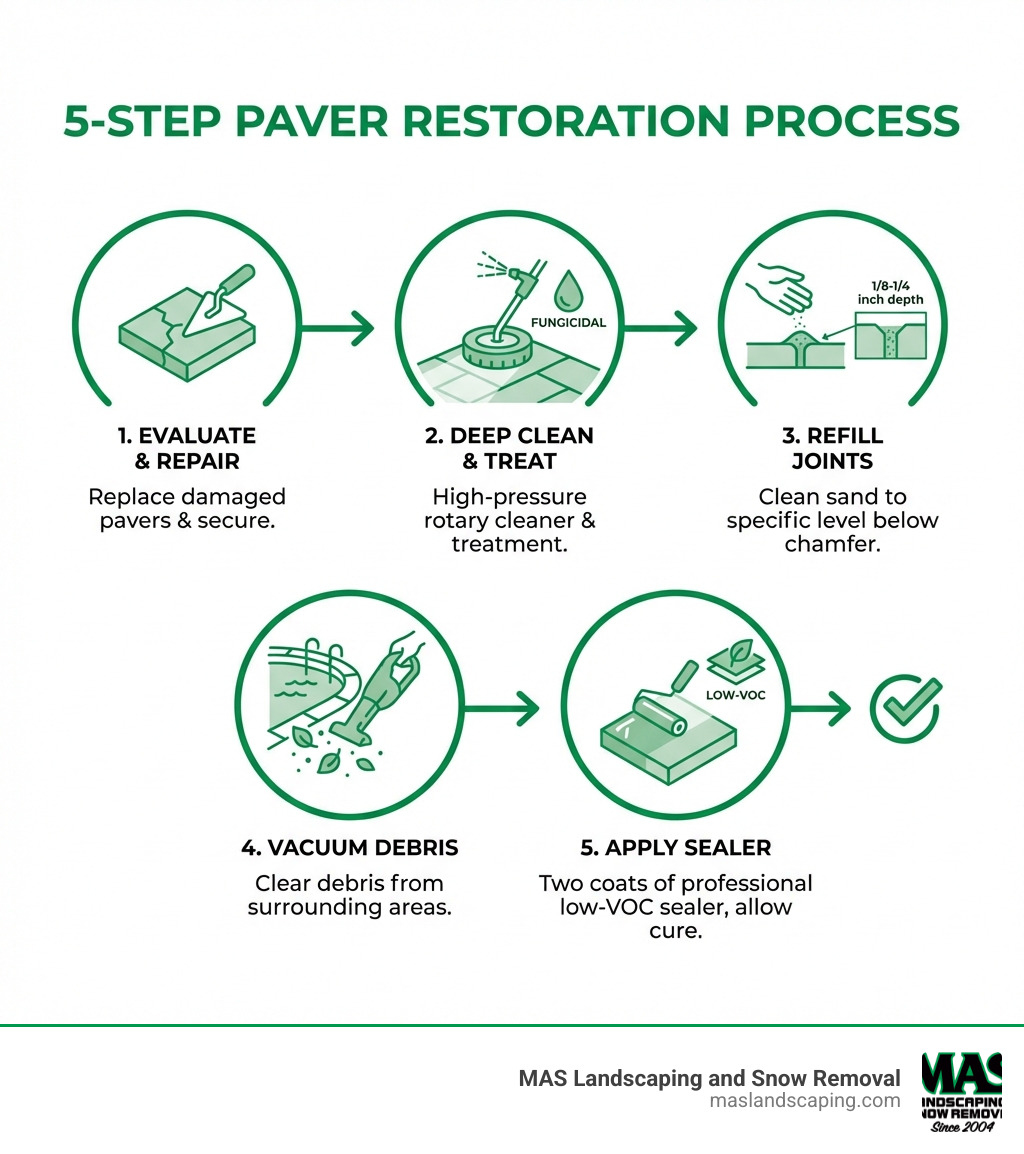
- The process: Evaluate, clean, repair, re-sand joints, then apply two coats of sealer.
Pavers are porous by nature. Without sealing, they absorb oil, dirt, and moisture. Over time, you get stains, fading, mildew, shifting, and weed growth pushing through the joints. The good news? A professional sealing job can reverse most of that damage – and prevent it from coming back.
But not all paver sealing services are equal. Hiring the wrong company can leave you with a cloudy, uneven finish that costs even more to fix.
This guide covers the 10 most important things to understand before hiring a paver sealing service in your area – so you make a confident, informed decision.
Basic Paver Sealing Near Me glossary:
1. Why Professional Paver Sealing Near Me is Essential
When we think about our outdoor spaces in places like Lynnfield or Reading, we often focus on the furniture or the fire pit. But the ground beneath your feet—the pavers—takes the most abuse from the elements. Concrete and stone are naturally porous. This means they act like a hard sponge, soaking up everything from spilled BBQ grease to motor oil and acid rain.
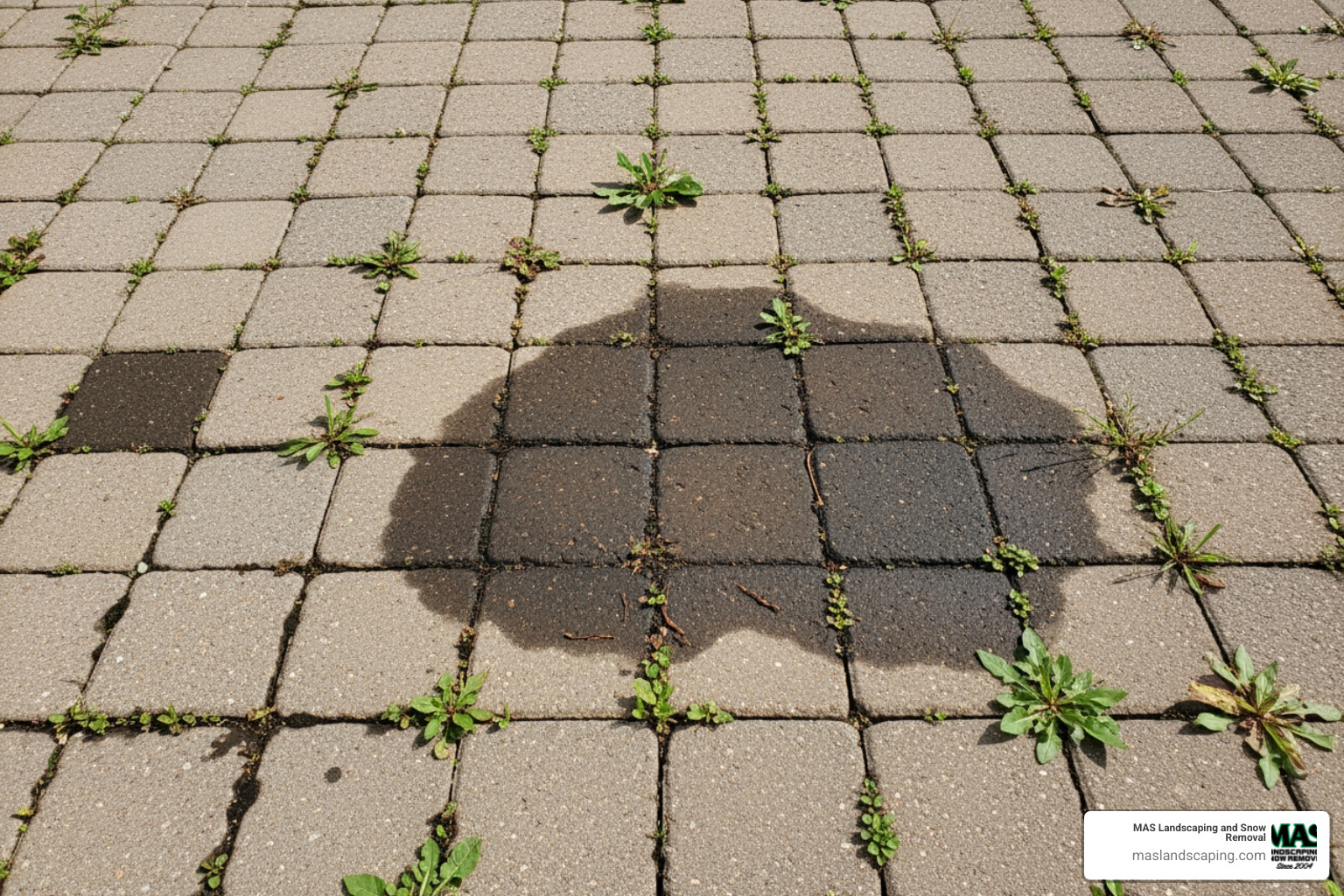
Without a professional seal, your pavers are vulnerable to UV fading, which can turn a vibrant patio into a dull, gray expanse in just a few seasons. Sealing creates a barrier that blocks oil penetration and locks out moisture, which is the primary cause of mildew and algae growth. Furthermore, sealer plays a structural role: it helps with joint stabilization, keeping your sand in place so your pavers don’t start “walking” or shifting out of alignment.
Common Problems Solved by Paver Sealing Near Me
If you’ve noticed a white, chalky powder on your stones, you’re looking at efflorescence—a natural salt buildup that sealing can help manage. Beyond aesthetics, sealing is your best defense against:
- Weed Growth: By stabilizing the joint sand, we make it much harder for seeds to take root.
- Ant Hills: Insects love loose sand; sealed joints are far less inviting.
- Paver Shifting: Properly sealed joints keep the entire surface interlocked and level.
Using products like Techniseal® Paver Prep during the restoration process ensures that the pores of the stone are open and ready to receive the sealant, removing that stubborn efflorescence before the final coat goes on.
How to Choose the Best Paver Sealing Near Me Service
Choosing a company isn’t just about finding the lowest price; it’s about finding expertise. We always recommend looking for a team that follows ICPI (Interlocking Concrete Paver Institute) guidelines. This ensures the structural integrity of your hardscape is respected. A reputable local service will use professional-grade equipment—like high-pressure rotary cleaners—and environmentally friendly, low-VOC sealants that are safe for your family and pets. You can even view our work on YouTube to see the transformation process in action.
2. Understanding Sealant Types and Finishes
Not all sealers are created equal, and the one you choose will completely change the look of your home. Broadly speaking, there are two categories: film-forming and non-film-forming.
- Film-forming sealants create a physical barrier on top of the paver. These are available in gloss or semi-gloss finishes and are often called a Wet Look finish.
- Non-film-forming sealants penetrate deep into the stone without leaving a “film” on top. These provide a Natural Look finish and are excellent for those who want protection without the shine.
If you’re feeling overwhelmed, check out our choosing the best paver sealer guide for a deeper dive into which one fits your style.
Benefits of Film-Forming Sealants
If you want your pavers to “pop,” film-forming is the way to go. It offers the ultimate protection by creating a thick shield against stains. It also provides significant color enhancement, making older, faded pavers look like they were just installed. For more on this aesthetic, read our wet look guide.
When to Use Penetrating Sealants
Penetrating sealants are the “invisible heroes” of paver care. They allow the stone to breathe, which is vital for certain materials like travertine or in areas with high salt exposure. If you prefer the original texture and color of your stone, a natural look sealer is your best bet.
3. The Professional Cleaning and Application Process
You can’t just spray sealer on a dirty patio and call it a day. In fact, doing that will trap dirt forever! The process must begin with a deep, professional cleaning.
We use high-pressure rotary cleaners that provide a much deeper clean than a standard garden hose or consumer-grade power washer. This is followed by a fungicidal treatment to kill any mold or mildew spores hiding in the pores. Proper surface preparation is 90% of the job. If you want to see the DIY version vs. the pro version, here is a guide on how to seal patio pavers.
The Importance of Joint Sand Stabilization
After cleaning, we address the joints. We use high-quality sand (often polymeric sand) to fill the gaps. This isn’t just for looks; it prevents erosion and maintains the structural integrity of the surface. Our patio cleaning and resanding services are designed to ensure your pavers stay level for years to come.
Two-Coat Application Techniques
For the best results, we apply two coats of sealer. This ensures total saturation and even coverage. We prioritize environmentally safe sealers that are non-solvent based. These low-VOC options are better for the air and won’t harm the landscaping surrounding your patio.
4. Timing, Weather, and Curing Requirements
Timing is everything when it comes to Paver Sealing Near Me. The sealant needs the right “window” to bond correctly. Ideally, we look for temperatures between 50 and 90 degrees Fahrenheit. If it’s too hot, the sealer dries too fast and can bubble; if it’s too cold, it won’t cure properly. Humidity also plays a role—if the air is too damp, moisture can get trapped under the sealer, causing a cloudy appearance. Learn more about the nuances in how to seal paving.
Curing Times for Foot and Vehicle Traffic
Once the job is done, you’ll need a little patience. While it varies by product, a general rule of thumb is:
- Foot Traffic: Usually safe after 4 hours.
- Furniture: Wait 24 hours before moving heavy items back.
- Vehicle Traffic: For driveways, wait a full 48 hours to ensure the sealer has hardened completely.
Curing Requirements for New Paver Installations
If you just had a new patio installed in Saugus or Peabody, don’t rush to seal it! New pavers need time to “breathe” out efflorescence.
- Non-film-forming sealants: Can often be applied after 1 week.
- Film-forming sealants: Require a 30-day cure time to avoid trapping moisture inside the new stone.
For more details, see our concrete paver sealer guide.
5. Understanding the Costs of Paver Maintenance
Maintaining your outdoor space is an investment in your home’s value. While we can’t give exact quotes without seeing your property, we can look at national and internet averages to give you a ballpark idea of what to expect. Please note that these are average costs based on internet data and not actual costs for MAS Landscaping.
| Service Type | Average Cost Range (Internet Data) |
|---|---|
| Concrete Driveway Installation | $4.00 – $60.00 per sq. ft. |
| Concrete Resurfacing | $3.00 – $45.00 per sq. ft. |
| Professional Sealing (Total Project) | $0.75 – $25.00 per sq. ft. |
| Sealant Materials | $20.00 – $300.00 per gallon |
Note: These are average costs based on internet data and not actual costs for MAS Landscaping.
Average Pricing for Sealing and Restoration
The total price of your project depends on several factors: the square footage, the current condition of the pavers (how much cleaning and repair is needed), and the quality of the sealant used. While resurfacing can range from $2 to $30 per square foot depending on the complexity, a standard cleaning and sealing job is usually much more affordable than a full replacement. Choosing the cheapest quote often leads to using lower-quality materials that may fail within a year.
Frequently Asked Questions
How often should pavers be re-sealed?
For most homes in the Massachusetts area, a 3-5 year maintenance cycle is ideal. You’ll know it’s time when water no longer beads on the surface or if the colors start to look noticeably dull during rain. Check out our paver perfection guide for more maintenance tips.
What are the risks of hiring an inexperienced company?
Hiring someone who doesn’t understand the chemistry of sealants can be a nightmare. Common issues include a “cloudy” or “blushing” finish caused by trapped moisture, which requires expensive stripping to fix. Inexperienced crews might also ignore drainage issues or use too much sealer, creating a slippery surface.
Can all outdoor surfaces be sealed?
Yes! We provide services for a wide variety of materials. This includes standard concrete pavers, traditional brick, elegant travertine, and even stamped concrete. Each material requires a slightly different approach, which is why local expertise is so important. You can see the different paver installation types we work with to see if yours is on the list.
Conclusion
At MAS Landscaping and Snow Removal, we’ve spent years perfecting the art of hardscape care. Based in Saugus, MA, we take pride in serving our neighbors in Everett, Lynnfield, Malden, and the surrounding Essex and Middlesex counties. We understand the local climate and exactly what it takes to make your patio or driveway withstand a New England winter.
Don’t let your beautiful pavers fade away or become overrun by weeds. Whether you need a simple refresh or a full restoration, our team is ready to help. Schedule your paver sealing consultation with us today and let’s get your outdoor space looking its absolute best!
