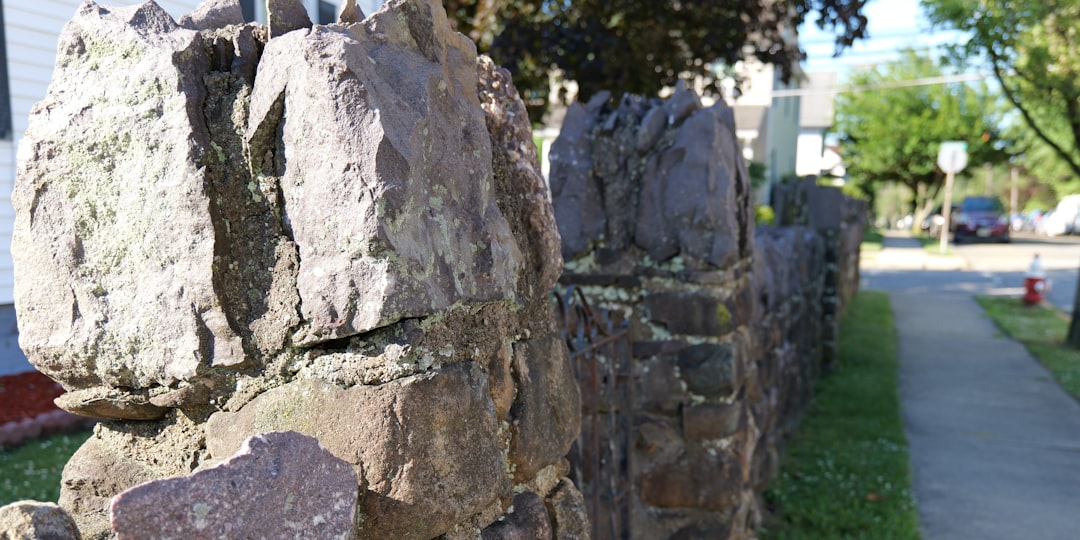



Stone fence cost: Ultimate 2025 Value
Why Understanding Stone Fence Cost Matters Before You Build
Stone fence cost varies widely based on materials, labor, and site conditions. Before adding a stone fence to your Greater Boston property, understand the investment, which combines timeless beauty with a significant financial commitment.
Quick Answer: What Does a Stone Fence Cost?
Based on national data, here are the typical cost ranges:
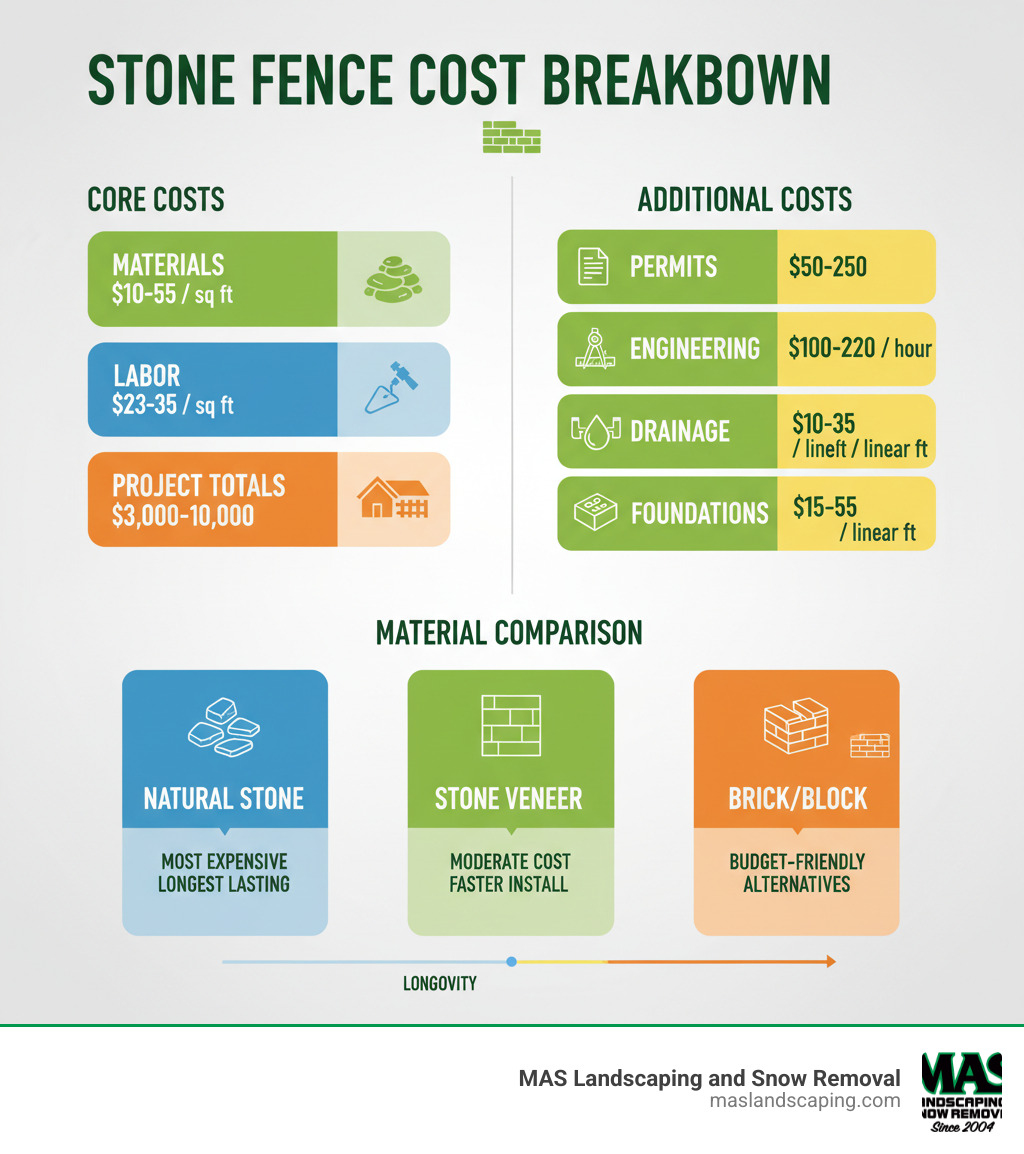
- Cost per square foot: $20 to $85 (with premium natural stone reaching $200+)
- Cost per linear foot: $80 to $480 (for walls 4 to 8 feet tall)
- Average total project cost: $3,000 to $10,000 for a typical residential installation
- Material costs alone: $10 to $55 per square foot
- Labor costs: $20 to $75 per square foot
Note: These are average costs based on industry data and do not represent MAS Landscaping’s actual pricing.
Unlike a simple wooden fence, a stone fence requires careful planning, skilled labor, and proper engineering. You’re investing in a structure that could outlast your home, with natural stone walls lasting 50 to 200 years when properly built. This permanence is reflected in the cost compared to wood or vinyl, which need replacement multiple times over a stone fence’s lifespan.
What most homeowners don’t realize is that labor often accounts for more than one-third of the total project cost. Hidden expenses like foundation work, drainage, permits, and site preparation can add thousands to your estimate. Understanding these factors now prevents sticker shock later.
Deconstructing Stone Fence Costs: The Key Influencing Factors
Every stone fence project is unique, shaped by your property, design, and the required expertise. For properties in Everett, Lynnfield, and Malden, the final stone fence cost is a puzzle of several interconnected factors. The size, complexity, labor, and site conditions all play a crucial role in your final investment.
Fence Dimensions and Design Complexity
Your vision directly translates into cost. While linear feet is the most basic factor, fence height significantly impacts the price. Walls over 3-4 feet require deeper foundations, more structural support, and specialized equipment, making them an engineering challenge, not just a taller version of a short fence. The wall thickness also affects material and labor costs. Furthermore, design elements like curves, corners, pillars, gates, and integrated features (seating, planters) add complexity. Each requires custom cutting and fitting by a skilled mason, increasing time and labor costs.
Labor and Professional Expertise
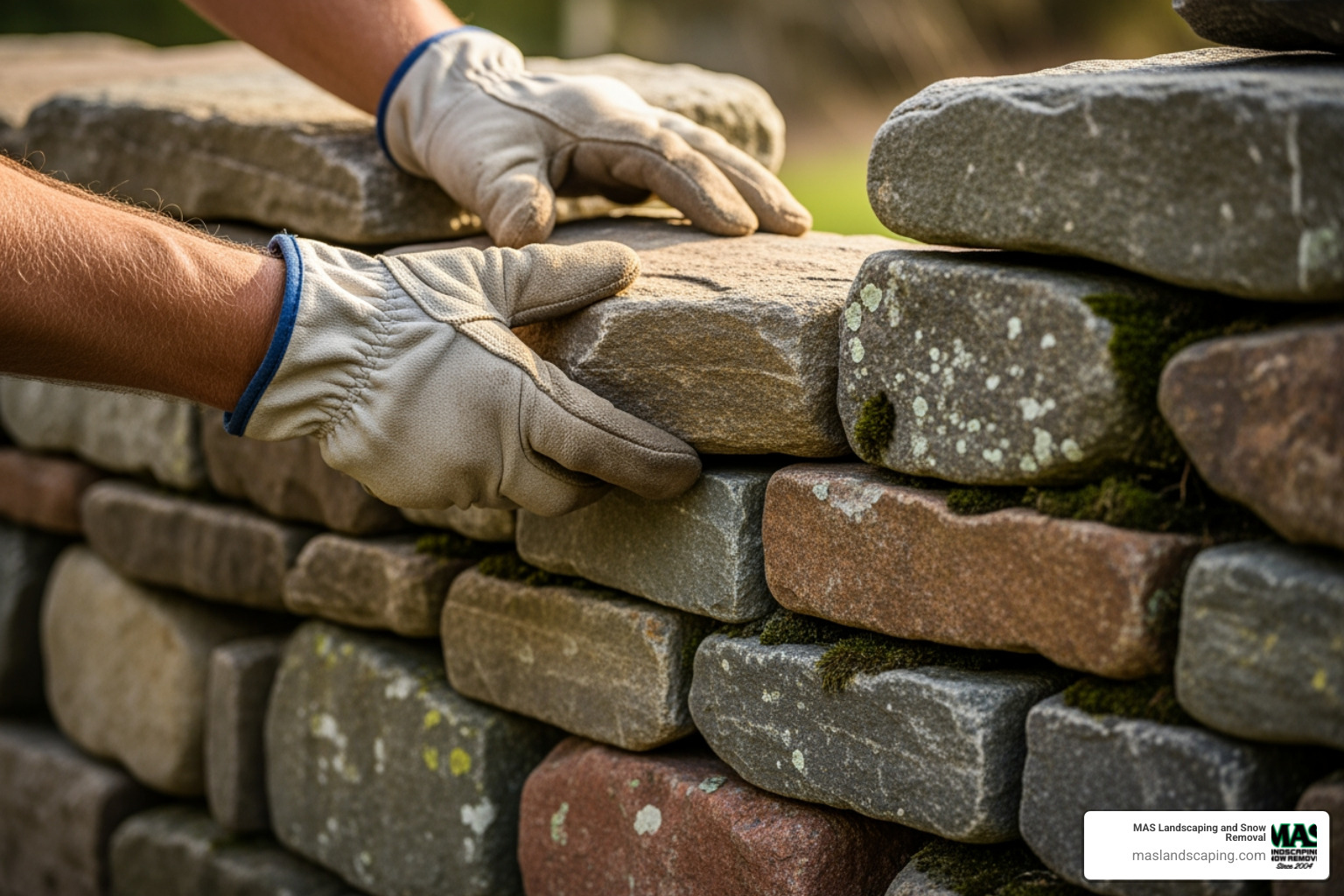
Skilled stonework is an art form combined with engineering, and it’s a significant part of your budget. A talented mason reads each stone to ensure a structurally sound and aesthetically pleasing fit that will endure New England weather for decades. Based on national data, mason hourly rates can range from $35 to $120 per hour, or $12 to $40 per square foot, with Massachusetts rates reflecting high demand and living costs.
A reputable contractor’s markup (typically 13-22%) covers project management, insurance, permits, and overhead, ensuring your project is completed to code and on schedule. While a DIY garden border might be feasible, a structural fence demands professional installation. The work is physically demanding, and mistakes in foundations or drainage can lead to costly failures. To ensure quality, consider hiring certified masons through industry associations.
Site Preparation and Accessibility
Before construction begins, your property’s condition must be addressed. Land clearing of brush or trees is the first step if the area isn’t clear. Excavation for the foundation trench can be complicated by rocky soil, common in Massachusetts, requiring specialized equipment. Grading and leveling create a stable base, preventing future structural issues. Finally, site access for machinery is a key factor; limited access means more manual labor, increasing time and costs. Our comprehensive bobcat services help us manage challenging sites efficiently for clients across the Greater Boston area.
Note: National averages for site work can range from $1,500-$5,000 per acre for clearing, $100-$300 per hour for excavation, and $0.40-$2.00 per square foot for grading. These are industry estimates and do not represent MAS Landscaping’s actual pricing.
Material Matters: How Stone Type Impacts Your Budget
The type of stone you choose is one of the biggest factors influencing your stone fence cost. Each material offers a unique aesthetic and price point, from rugged natural boulders to classic brick.
| Material Type | Average Material Cost (per sq ft) | Labor Intensity | Lifespan | Aesthetic |
|---|---|---|---|---|
| Natural Stone | $25 – $80 (materials only) | High | 50-200+ years | Rustic, organic, high-end, unique |
| Stone Veneer | $8 – $30 (materials only) | Medium | 30-75 years | Natural stone look, lighter, customizable |
| Brick | $15 – $45 (installed) | Medium | 50-100+ years | Classic, uniform, traditional |
| Concrete Block (CMU) | $12 – $40 (installed, unfaced) | Low-Medium | 50-100+ years | Functional, industrial, good base for veneer |
Note: These are average costs based on industry data and do not represent MAS Landscaping’s actual pricing.
Natural Stone: The Premium Choice
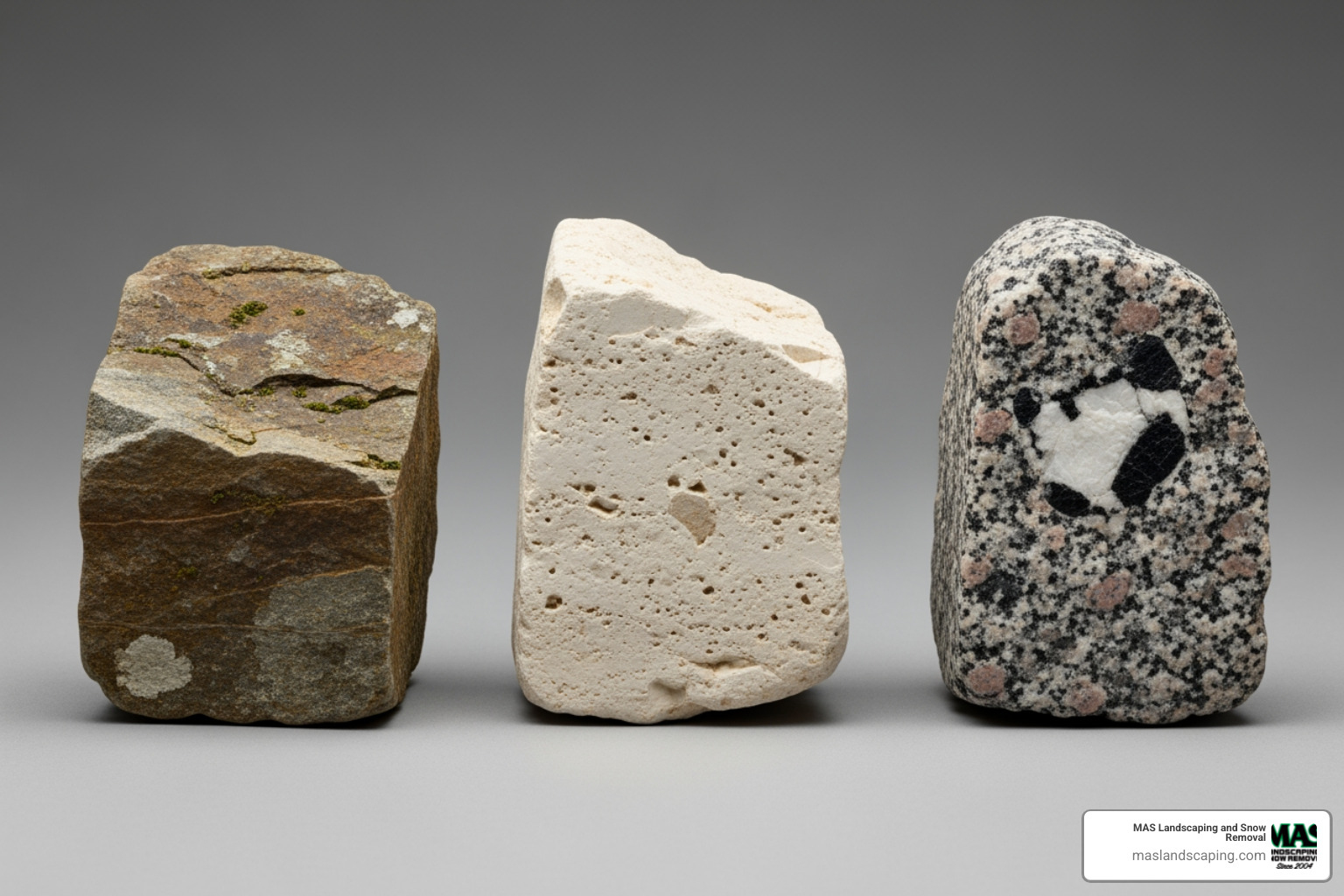
Natural stone offers timeless beauty and a premium price. For many homeowners in Everett and Lynnfield, the investment is worth it. Fieldstone ($10-$35/sq ft, materials) provides a classic New England look but requires high-skill labor. Granite is incredibly strong and durable, making it a top choice for structural integrity. Limestone ($20-$70/sq ft, materials) offers a more refined, sophisticated look. For a dramatic statement, boulders ($15-$55/sq ft, materials) can be used, but they require heavy machinery, adding to the cost. Sourcing local stone can help manage transportation expenses and ensure the material suits the Massachusetts climate.
Stone Veneer: The Look for Less
Stone veneer offers the look of natural stone on a tighter budget. Manufactured stone veneer is a lighter, concrete-based product that is easier to install, with installed costs often ranging from $10 to $35 per square foot. Natural thin stone veneer uses thinly cut real stone, providing an authentic look with reduced material and foundation costs. The primary advantages of veneer are its lower weight and faster installation speed, which translate directly into lower labor costs and overall project savings.
Brick and Concrete Block Options
Brick and concrete blocks are reliable, uniform, and affordable choices. Brick offers a timeless, traditional aesthetic, with installed costs typically ranging from $15 to $45 per square foot. It’s durable and requires little maintenance. Concrete masonry units (CMUs), or cinder blocks, provide a strong, cost-effective structural base ($12-$40/sq ft installed). While plain on their own, CMU walls can be transformed with finishing options like stucco ($6-$20/sq ft) or paint, or they can serve as the structural core for a beautiful stone veneer finish.
Beyond the Blocks: Uncovering Additional Project Expenses
Many homeowners are surprised by the behind-the-scenes expenses that are crucial for a long-lasting stone fence. These elements separate a fence that looks good for a few years from one that stands for generations, especially in the demanding Massachusetts climate.
Understanding the True Stone Fence Cost with Permits and Engineering
Skipping paperwork and engineering is a costly mistake. Building permits are required in most municipalities we serve, including Everett, Lynnfield, and Malden, and ensure your fence is safe and compliant with local codes. These codes dictate fence height, placement, and materials. If property lines are unclear, a land survey is a wise investment to prevent neighborly disputes. For walls over 3 to 4 feet in height, a structural engineer’s plan is often mandatory for safety. This professional oversight ensures the fence can handle immense pressure without failing.
Note: Based on national data, permits can cost $50-$450, land surveys $200-$1,200, and structural engineer fees $100-$350 per hour. These are industry estimates and do not represent MAS Landscaping’s actual pricing.
The Role of Foundations and Drainage in Your Stone Fence Cost
What you can’t see matters most. A solid foundation is non-negotiable. Concrete footers provide a stable base, distribute the fence’s weight, and prevent settling. To combat the frost heave caused by New England’s freeze-thaw cycles, these foundations must extend below the local frost line depth. This requires deeper excavation and more concrete but is essential for long-term stability.
Proper drainage is equally critical. Water buildup behind a wall creates hydrostatic pressure that can destroy stonework. Systems like French drains and the use of proper backfill material channel water away safely. Weep holes at the base of mortared walls also allow water to escape. These elements, similar to those in our retaining wall installation services, are the unseen heroes that protect your investment for decades.
Note: National averages for concrete footers range from $15-$50 per linear foot, while French drains can cost $10-$35 per linear foot. These are industry estimates and do not represent MAS Landscaping’s actual pricing.
Stone vs. The Rest: A Fencing Material Cost & Value Comparison
How does the stone fence cost stack up against other popular options? While stone has the highest upfront cost, its long-term value tells a more complete story.
- Wood Fencing: The most budget-friendly option initially. However, it requires constant maintenance (staining, sealing) and has a short lifespan of 10-20 years before rot or damage necessitates replacement.
- Vinyl Fencing: A low-maintenance alternative to wood with a 20-30 year lifespan. It doesn’t need painting but can become brittle and crack in harsh winters, requiring panel replacement.
- Metal Fencing: This ranges from functional chain link to neat ornamental iron. Lifespans can reach 20-50+ years, but they offer little privacy and require painting to prevent rust.
- Stone Fencing: The premium choice with the highest initial investment. Its key advantage is a lifespan of 50-200+ years. A well-built stone fence is a one-time purchase that will likely outlast the house itself.
Note: Average installed costs per square foot based on national data are: Wood ($2-$10), Vinyl ($10-$30), Chain Link ($8-$25), Wrought Iron ($25-$80), and Stone ($20-$85+). These are industry estimates and do not represent MAS Landscaping’s actual pricing.
The real difference lies in lifetime cost and maintenance. While a wood fence might be replaced several times, a stone fence requires little more than occasional cleaning. This durability, combined with the significant boost to curb appeal and property value, makes stone a superior long-term investment. A stone fence isn’t a temporary fix; it’s a permanent, high-value selling point for your home.
Long-Term Value: Why a Stone Fence is a Worthy Investment
While the initial stone fence cost is significant, it’s an investment that pays dividends for decades. Unlike other materials, a stone fence offers a unique combination of longevity, durability, and aesthetic value that makes it a smart choice for your property.
- Best Durability and Weather Resistance: A properly built stone fence is essentially permanent, lasting 50 to 200 years or more. It easily withstands New England’s harsh weather, from heavy snow and ice to summer heat, without rotting, rusting, or warping.
- Extremely Low Maintenance: Forget the annual cycle of staining, painting, or sealing. A stone fence requires virtually no upkeep. An occasional cleaning is all that’s needed to keep it looking its best, saving you countless hours and dollars over its lifetime.
- Increased Curb Appeal and Property Value: A stone fence makes a powerful statement of quality and permanence. It dramatically improves your home’s curb appeal, a benefit we often see in our landscape design projects. This translates directly to higher property value.
- Superior Security, Privacy, and Sound Reduction: The solid, dense nature of stone provides a formidable barrier, offering exceptional security and privacy for your yard. It also acts as an effective sound barrier, reducing noise from busy roads or neighbors and creating a more tranquil outdoor retreat.
In short, a stone fence is not just a boundary. It’s a permanent improvement that adds beauty, security, and tangible value to your home, making the upfront cost a wise long-term investment.
Frequently Asked Questions about Stone Fence Costs
Homeowners in our Greater Boston service areas often have questions about the investment. Here are answers to the most common concerns regarding stone fence cost.
How can I reduce the cost of a stone fence?
While a stone fence is a premium product, there are several ways to manage the budget without sacrificing quality:
- Choose Stone Veneer: Using manufactured or natural thin veneer instead of full-thickness stone can significantly reduce material and labor costs while achieving a similar look.
- Simplify the Design: A straight fence with a consistent height is less labor-intensive than a complex design with curves, pillars, or built-in features.
- Use Locally Sourced Stone: Sourcing materials from nearby quarries minimizes transportation costs, which can be substantial for heavy materials like stone.
- Invest in Site Prep: Spending on proper land clearing, grading, and drainage upfront prevents far more expensive structural repairs in the future. Doing it right the first time is always the most cost-effective approach.
What is the expected lifespan of a stone fence?
A properly constructed stone fence can last 50 to 200+ years. Its longevity is one of its greatest assets. Mortared walls generally offer the most stability, but the true secret to a century-plus lifespan is a solid foundation and proper drainage. In our Massachusetts climate, a foundation that extends below the frost line and drainage systems that prevent water pressure from building up are absolutely essential to protect your investment from freeze-thaw cycles. You can learn about masonry best practices from industry certification programs.
Do regional differences significantly affect stone fence prices?
Yes, location plays a major role. Your stone fence cost in the Greater Boston area is influenced by several regional factors:
- Labor Rates: Skilled labor costs are higher in areas with a stronger economy and higher cost of living, like Greater Boston.
- Material Proximity: Transportation costs for heavy stone are a real factor. Proximity to local quarries can help keep material prices down.
- Climate Requirements: Our Massachusetts climate necessitates more robust foundations that go below the frost line to prevent damage from frost heave. This adds to the cost compared to projects in warmer climates but is crucial for durability.
Your Local Stone Fence Experts
A stone fence is a lasting investment in your property’s beauty, security, and value. While the upfront stone fence cost is higher than for wood or vinyl, its incredible longevity, low maintenance, and curb appeal provide best long-term value. The final cost depends on your unique project—the materials, design, and site conditions.
This is where local expertise is critical. At MAS Landscaping and Snow Removal, we build beautiful, durable stone features for homeowners throughout Saugus, Everett, Lynnfield, and the surrounding MA communities. We understand our local climate, soil, and building codes, ensuring your project is done right.
Ready to transform your property with a stunning stone fence? Get a detailed estimate with our rock retaining wall cost guide to see similar projects, or contact us directly for a personalized consultation. Let’s build a fence that stands the test of time.