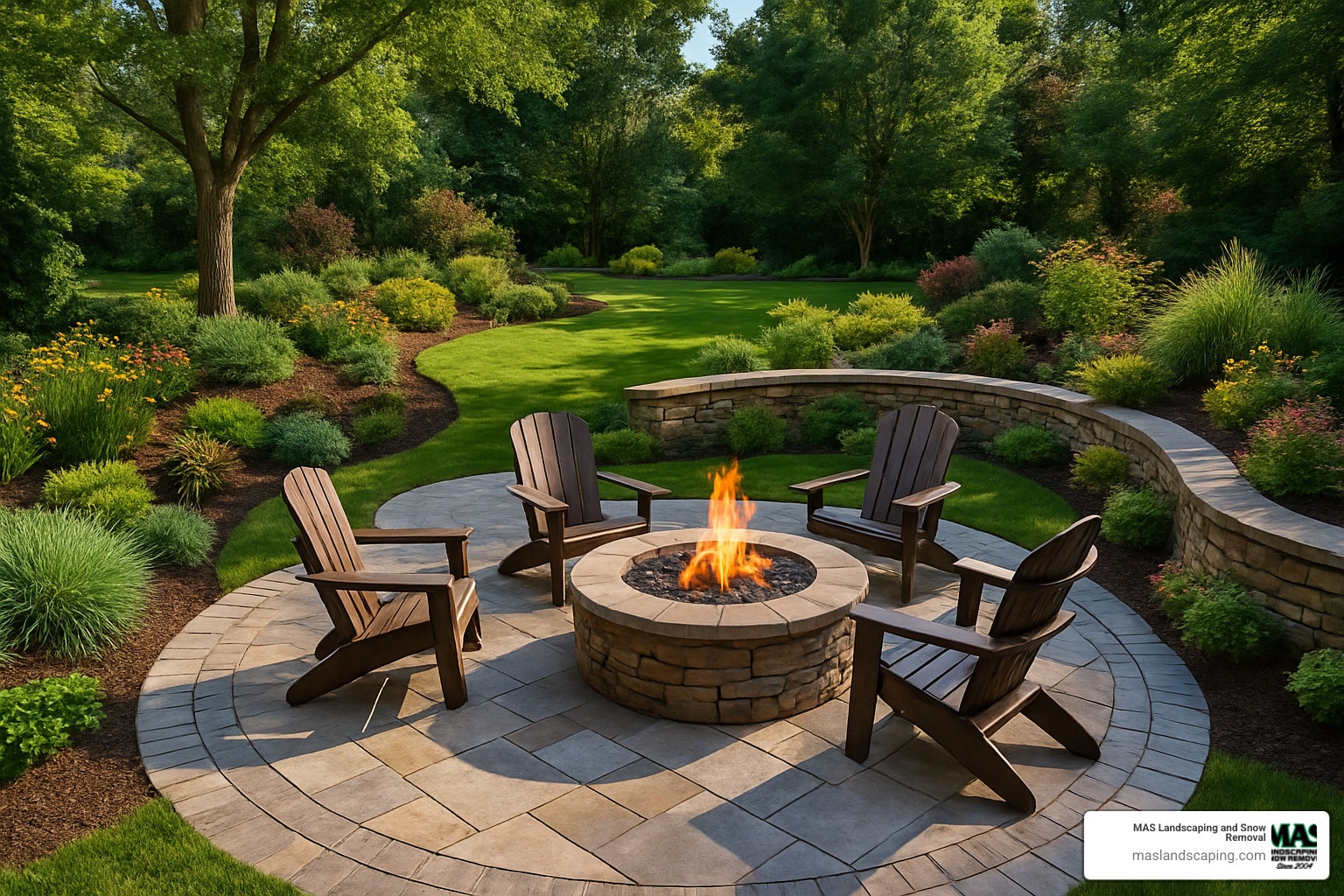



Backyard Hardscape Design: 10 Powerful Ways to Boost Value 2025
Transform Your Outdoor Space with Hardscape Design
Backyard hardscape design refers to the strategic planning and installation of permanent, non-living elements in your outdoor space. If you’re looking to create a functional, beautiful backyard, here’s what you need to know:
- Definition: Hardscaping includes patios, walkways, retaining walls, decks, fire pits, pergolas, and water features
- Purpose: Creates structure, defines spaces, improves functionality, and reduces maintenance
- Process: Typically involves planning, material selection, professional installation, and integration with softscape elements
- Timeline: Most projects take 2-8 weeks from concept to completion, depending on complexity
Your backyard is more than just a patch of grass—it’s an extension of your home waiting to be transformed. Backyard hardscape design brings structure and functionality to outdoor spaces, creating areas for relaxation, entertainment, and enjoyment year-round.
A well-designed hardscape can increase your home’s resale value by up to 20% according to industry experts, making it not just a lifestyle improvement but a smart investment. Whether you have a sprawling yard or a compact urban space, thoughtful hardscaping creates definition, reduces maintenance, and maximizes usability regardless of New England’s seasonal changes.
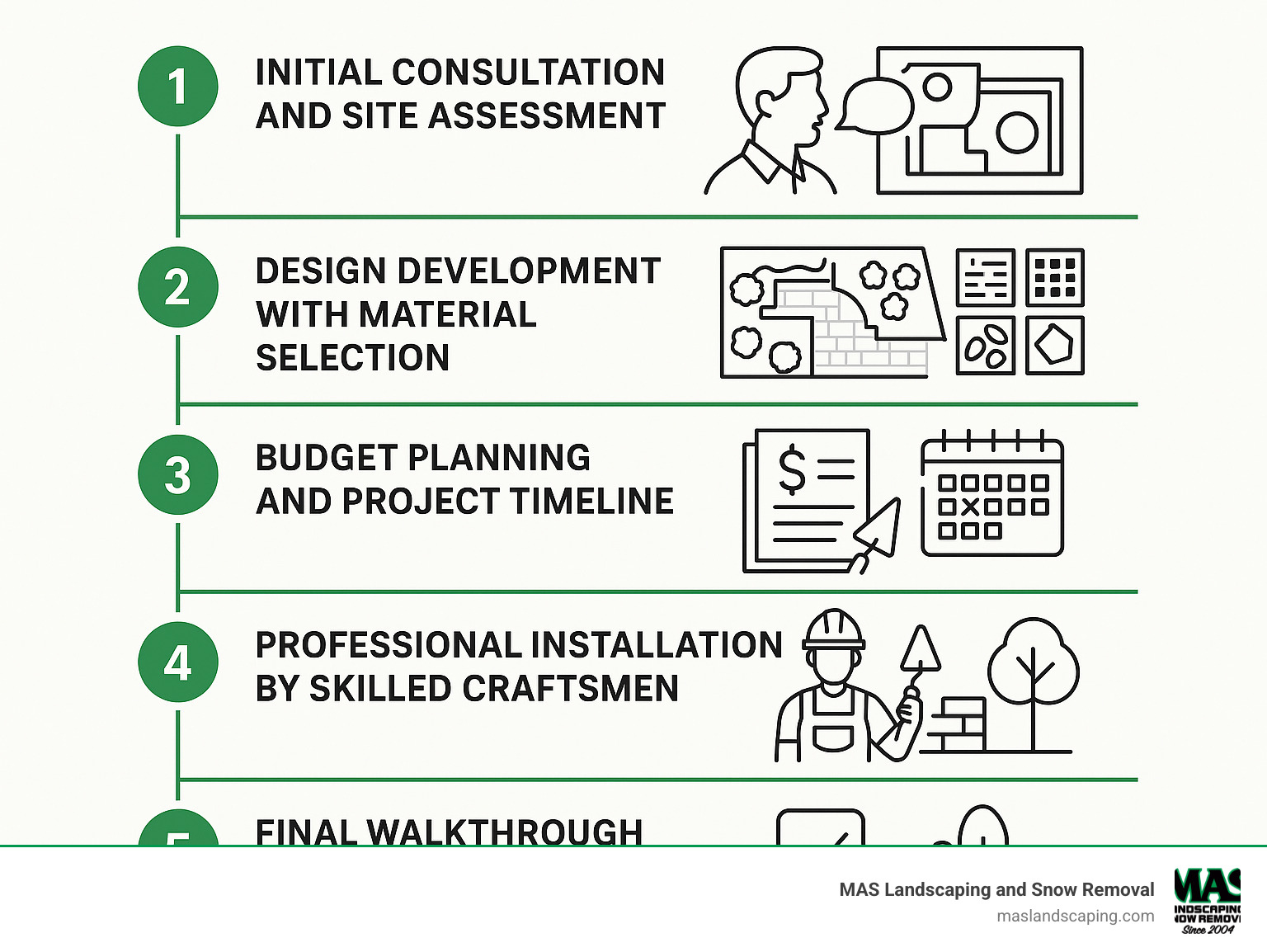
Backyard hardscape design terms you need:
– hardscaping and softscaping
– hardscaping with river rock
– paver patio with retaining wall
Hardscaping 101: The Foundation
Before jumping into your backyard change, it helps to understand what makes up the “bones” of your outdoor space. Think of your yard as having two main components that work together – the hard and the soft.
Hardscape refers to all those non-living elements in your yard—the patios, walkways, and walls that create structure and function. Softscape includes all the living elements—your trees, flowers, shrubs, and that lush green lawn. Together, they create the complete picture of your outdoor space.
| Hardscape Elements | Softscape Elements |
|---|---|
| Patios and decks | Trees and shrubs |
| Walkways and paths | Flower beds |
| Retaining walls | Lawns |
| Fire pits and fireplaces | Garden beds |
| Pergolas and gazebos | Climbing vines |
| Water features | Potted plants |
Think of hardscaping as creating the “rooms” of your outdoor living space. These permanent structures solve practical problems like uneven ground, water runoff, and erosion while defining areas for cooking, dining, and relaxing.
Benefits of Backyard Hardscape Design
When we talk with homeowners in Saugus and surrounding towns, they’re often surprised by just how many advantages come with thoughtful backyard hardscape design:
- Your home essentially gets bigger when you add usable outdoor “rooms”
- Good hardscaping helps you enjoy your yard beyond just summer
- Less lawn means less mowing and maintenance
- A well-designed outdoor space can boost your property value by up to 20%
- Strategic hardscaping helps manage water flow and prevent erosion
Key Differences & Overlaps
The magic happens when hardscape and softscape elements complement each other. The most inviting yards blend these elements naturally, creating spaces that feel both structured and alive.
The best designs include planting pockets where greenery can soften hard edges. Material transitions matter too, creating flow and purpose throughout your outdoor space. Don’t forget about irrigation planning to ensure water reaches your plants and drains properly.
In our experience working with homeowners throughout Melrose, Medford, and Chelsea, the most successful yards maintain a visual balance—roughly 60/40 between hardscape and softscape elements, though this varies based on how you use your space.
Backyard Hardscape Design Planning Steps
Creating a beautiful, functional backyard doesn’t happen by accident. Thoughtful planning is essential to ensure your hardscape elements work together harmoniously.
Step 1: Dream & List Priorities
Before you pick up a shovel or call a professional, take some time to envision what your perfect outdoor space looks like. Ask yourself: How do you want to use your backyard? Are you picturing summer barbecues, a tranquil reading nook, or a play area for kids?
Create a wish list that ranks your priorities from “must-have” to “nice-to-have.” Consider different zones for various activities and don’t forget about traffic flow! For more inspiration on Hardscaping Your Yard, our previous projects throughout Saugus and surrounding communities can provide ideas custom to New England’s unique conditions.
Step 2: Map Existing Conditions
Understanding what you’re working with is crucial for successful backyard hardscape design. Observe how sunlight moves across your yard throughout the day. Notice any slopes or low spots that affect drainage. Take note of your soil conditions and map out existing trees and plants you want to keep.
For homeowners in Revere and Lynnfield, winter considerations are particularly important. Where does snow pile up? Which areas get the most ice buildup? These practical considerations will save you headaches down the road.
Step 3: Select Materials & Set Budget
The materials you choose make all the difference in both appearance and function. Concrete offers versatility and durability. Natural stone provides timeless appeal. Gravel paths offer a budget-friendly option, while brick brings classic charm.
Your budget should account for more than just materials. Don’t forget site preparation, professional design fees, installation labor, and any necessary permits. In our experience serving communities from Chelsea to Malden, investing in quality materials and proper installation often saves money in the long run.
While concrete and gravel tend to be more cost-effective options, custom stonework typically represents the higher end of the price spectrum. These are average costs based on internet data and not actual costs for MAS Landscaping services.
Step 4: Visualize With Digital Tools
Before committing to a design, seeing your plan come to life can help refine ideas and prevent costly mistakes.
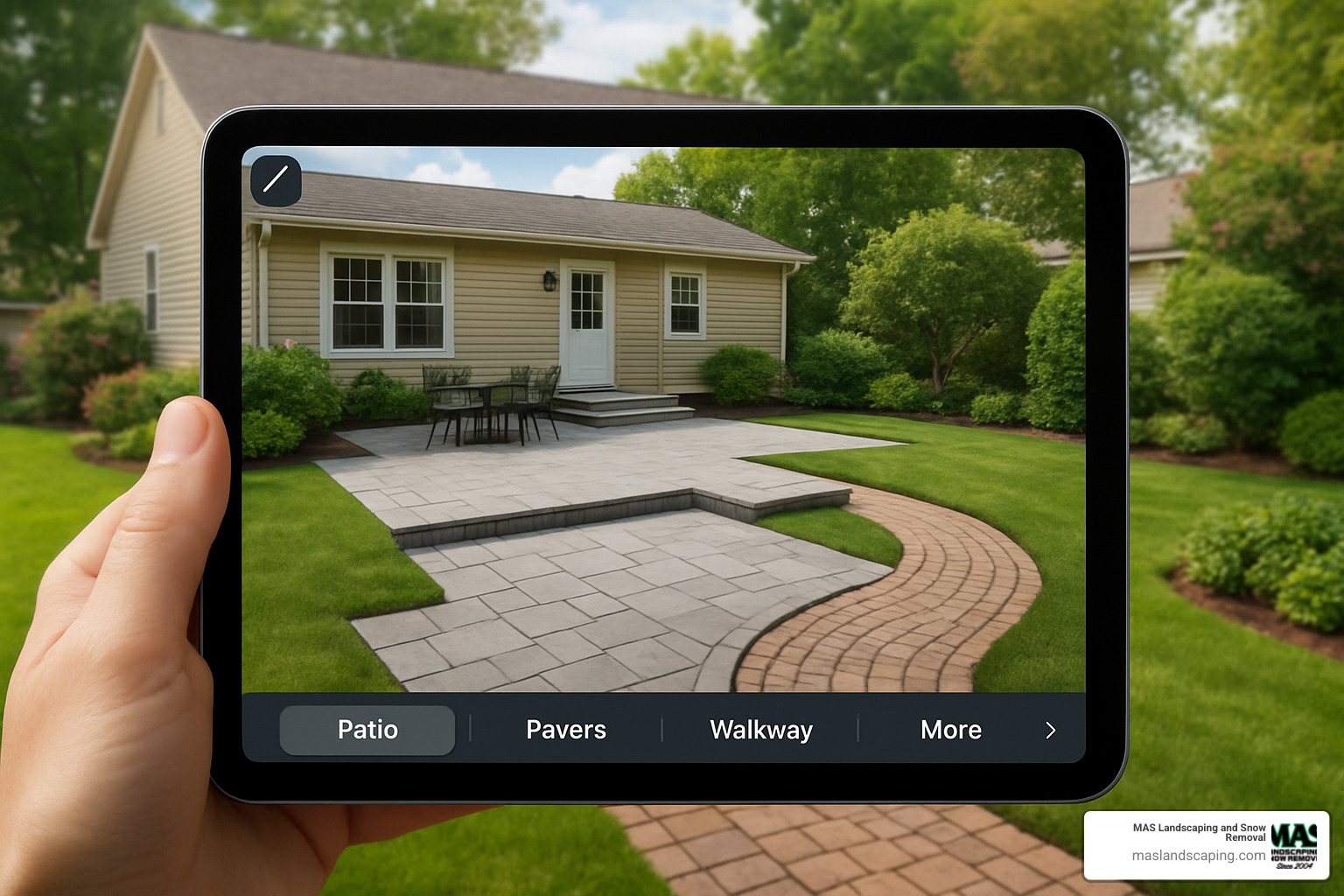
Apps like iScape let you take photos of your actual yard and overlay hardscape elements. Home Outside offers simple drag-and-drop design tools, while Home Design 3D Outdoor & Garden lets you create detailed 3D models.
Not tech-savvy? Try using a garden hose to outline the shape of patios or walkways directly on your lawn. The important thing is to visualize your plan before committing to permanent changes.
Popular Features & Material Choices for Backyard Hardscape Design
Now that you understand the planning process, let’s explore the most popular hardscape elements that can transform your outdoor space.
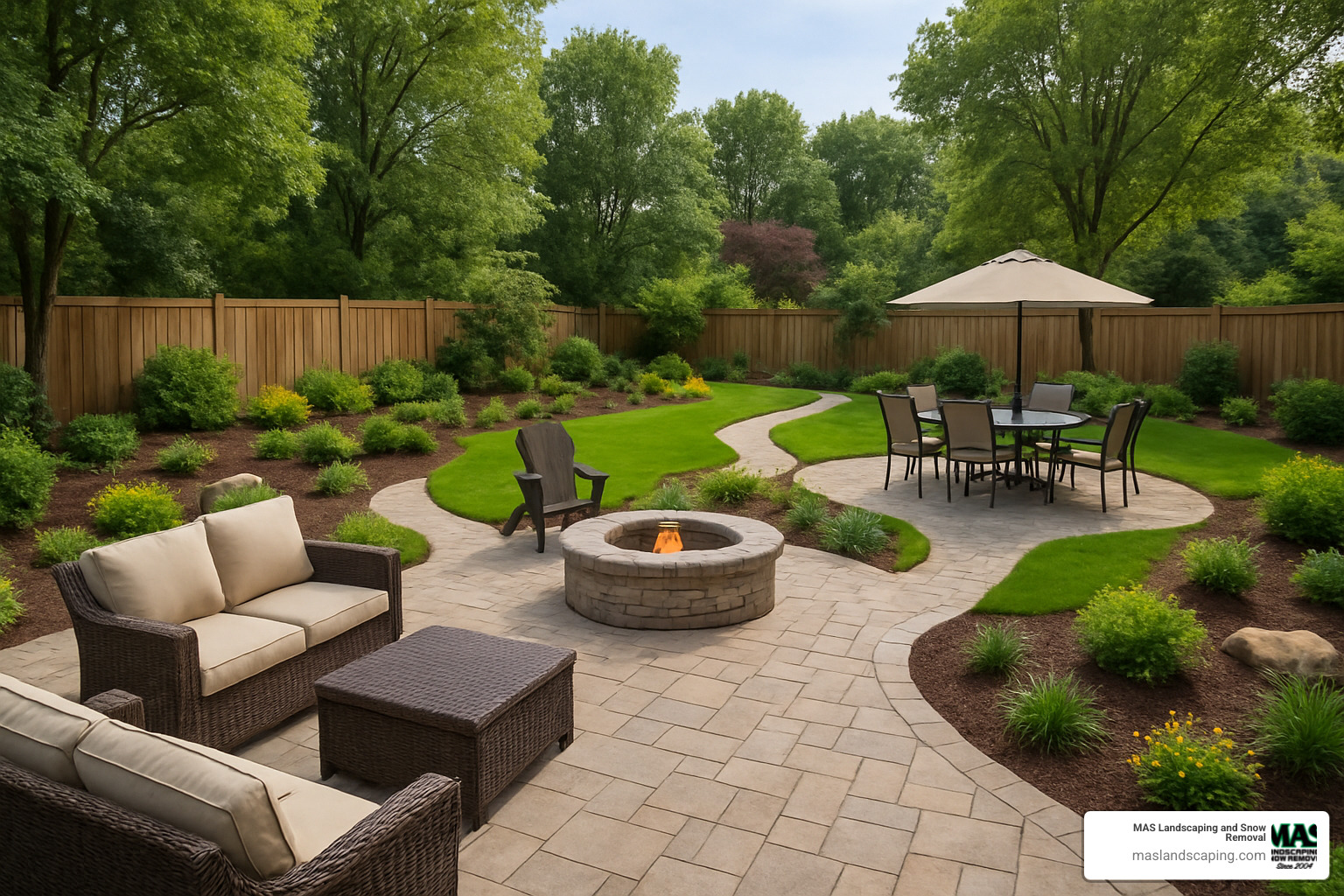
Patios & Decks: Heart of Outdoor Living
Patios and decks create the foundation of most backyard hardscape designs. These stable, level surfaces become the stage for everything from quiet morning coffees to lively evening gatherings.
Paver patios offer incredible versatility, while natural stone provides timeless elegance. For properties with slopes and elevation changes, multi-level decks and patios can follow the natural topography beautifully.
When designing patios and decks, we consider proximity to the house, sun patterns, size requirements, and appropriate drainage. For inspiration, check out our Paver Patio with Retaining Wall showcase or explore our Hardscape Patio Designs and Patio Installation services.
Walkways & Entry Paths
Well-designed walkways do far more than provide somewhere to walk—they guide movement, connect different areas, and contribute significantly to your landscape’s visual appeal.
The best walkways consider natural traffic patterns, appropriate width, complementary materials, and thoughtful lighting. For our Massachusetts clients, we always consider winter conditions when selecting walkway materials.
For more path inspiration, visit our Backyard Paver Walkway Ideas gallery or check out the work of design experts at Hub of the House Studio for creative approaches.
Retaining Walls & Slopes
Many properties in our service area feature challenging slopes that require creative solutions. Retaining walls not only manage elevation changes but can become striking design features in their own right.
A well-designed retaining wall controls erosion, creates level areas for patios or gardens, defines different zones, and can even provide built-in seating. Boulder walls create a natural look, while segmental block systems offer consistent appearance.
Proper engineering is crucial for these structures. For more information, visit our Landscape Walls and Retaining Wall Stone pages.
Fire Features & Outdoor Kitchens
Fire features consistently rank among the most requested elements in backyard hardscape design, extending outdoor enjoyment well into New England’s cooler seasons.
From simple fire pits to substantial outdoor fireplaces, these features become instant magnets for family and friends. Outdoor kitchens take entertaining to the next level, ranging from simple built-in grills to comprehensive cooking stations.
Water & Shade Elements
Water and shade features add sensory dimensions to your hardscape design while providing practical benefits during hot summer months.
Water features create soothing sounds and add visual interest. Shade structures like pergolas, gazebos, and shade sails extend the usability of your outdoor space during hot summer days.
At MAS Landscaping, we’ve created numerous water and shade features designed specifically to withstand New England’s seasonal changes, giving our clients in Everett, Lynnfield and surrounding communities beautiful outdoor spaces they can enjoy year-round.
Budget-Friendly & Eco-Smart Strategies
Creating a beautiful backyard hardscape design doesn’t have to drain your savings account. With thoughtful planning and smart material choices, you can transform your outdoor space while being kind to both your wallet and the environment.
Maximizing Small Yards with Hardscaping
Many homes in Revere, Chelsea, and throughout Greater Boston have modest-sized yards, but limited space doesn’t mean limited potential.
Vertical elements draw the eye upward, creating visual interest without consuming precious ground space. Built-in seating eliminates the need for bulky furniture that clutters small yards. Creating distinct “rooms” within even the smallest yard helps it feel larger and more purposeful.
Curves work magic in tight spaces, preventing the eye from seeing the entire yard at once and creating a sense of journey. Don’t forget the power of negative space—thoughtfully placed open areas create breathing room and make small spaces feel less cluttered.
Sustainable Material Picks
Permeable surfaces like permeable pavers, gravel, and specialized concrete allow water to filter through rather than run off, reducing erosion and supporting groundwater recharge.
Locally sourced stone reduces transportation carbon footprint and naturally complements our regional landscape. Reclaimed materials like salvaged brick, stone, or wood add character and history while keeping valuable materials out of landfills.
For wooden elements, look for FSC-certified wood or explore recycled composite materials that incorporate recycled plastics and wood fibers for impressive durability with minimal maintenance.
Money-Saving Tips
Phase your project over time, breaking larger plans into manageable sections that can be completed as budget allows. Mix premium and budget materials thoughtfully, using higher-end materials in high-visibility areas while opting for more economical choices elsewhere.
Don’t overlook the versatility of gravel at a fraction of the cost of pavers or concrete. Consider where you might DIY appropriately and look for opportunities to reuse onsite materials.
Simplify designs where possible—straight lines and right angles typically require less cutting and fitting than elaborate curves and patterns, reducing both material waste and labor costs.
For inspiration on combining budget-friendly elements with higher-end features, check out our Backyard with Pavers and Artificial Grass showcase or explore Fine Gardening inspiration for creative approaches.
Care & Maintenance for Long-Lasting Hardscapes
Your beautiful hardscape isn’t just a one-time investment—it’s a lasting addition to your home that deserves proper care. With the right maintenance routine, your patios, walkways, and walls can continue to improve your outdoor living experience for decades.
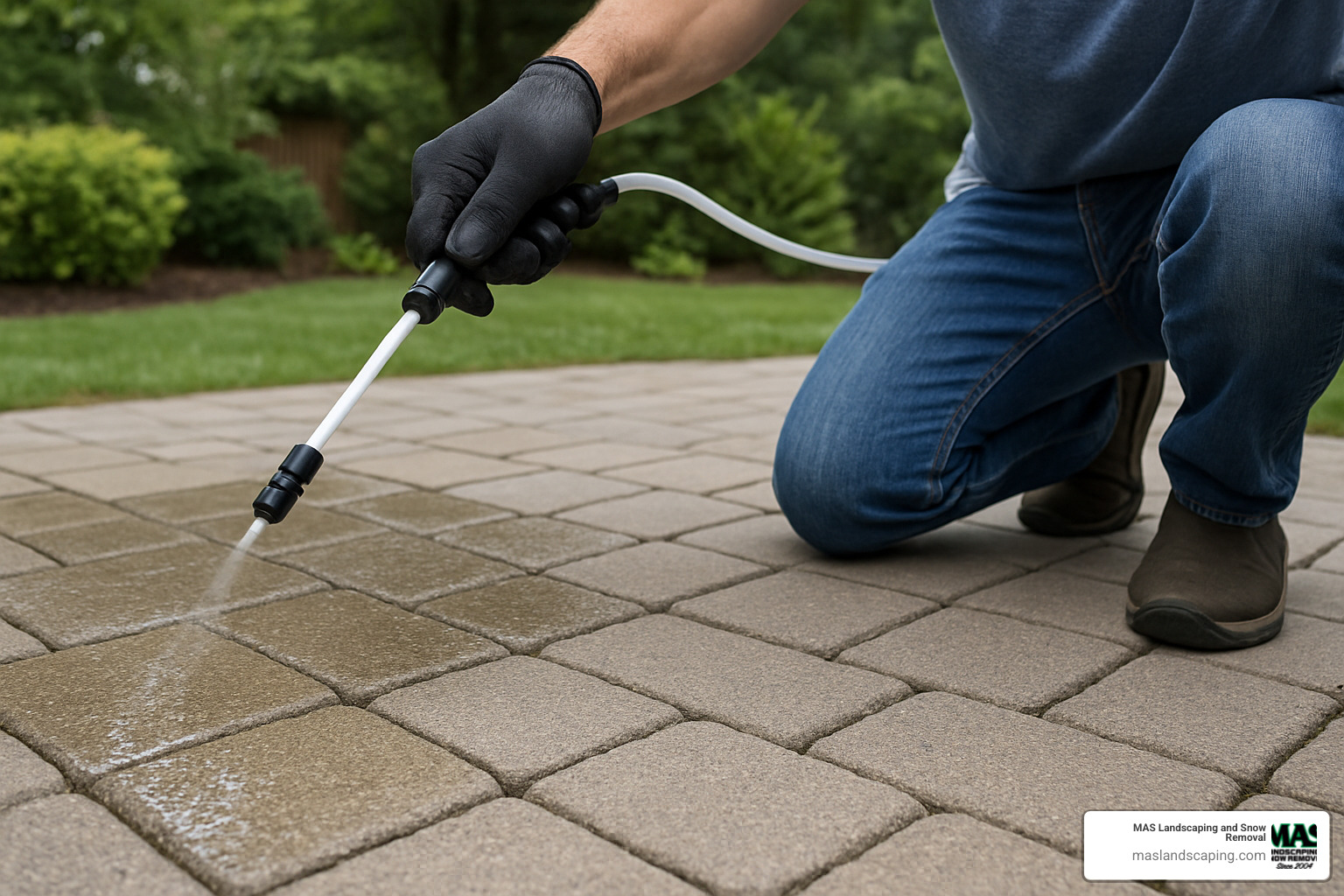
Most backyard hardscape design elements benefit from regular sweeping, seasonal inspections, and prompt attention to any developing issues. Taking a few minutes each month for basic maintenance prevents small problems from becoming expensive repairs.
Material-Specific Care Plans
Concrete Pavers and Patios need regular sweeping and occasional rinsing. Every 2-3 years, applying a quality sealer protects the surface. Polymeric sand between pavers should be checked annually and replenished every 3-5 years.
Natural Stone requires gentler cleaning with mild, pH-neutral soap and water. Different stone types need different sealers, and after winter, check for any loose or shifting stones.
Wood Decks in our New England climate need annual cleaning and fresh stain or sealer every 2-3 years. Inspect for loose boards, popped nails, or early signs of rot, particularly where wood meets the ground.
Retaining Walls should be inspected each spring for any bulging, leaning, or cracking. Check that drainage systems remain clear and remove any vegetation growing in the joints.
Gravel Areas benefit from occasional raking and a fresh layer every few years. Strong edging is the secret to keeping gravel where it belongs.
Troubleshooting Common Issues
Settling and Heaving often result from freeze-thaw cycles. Minor settling can sometimes be addressed by adding sand or fine gravel under affected pavers, but significant heaving usually signals problems with the base preparation.
Efflorescence appears as a white, powdery residue on concrete and masonry surfaces. Specialized cleaners can remove it, and quality sealers help prevent its return.
Cracked Joints between pavers or stones create opportunities for weeds and water damage. When you notice deteriorating joints, remove the old material completely before applying fresh polymeric sand or appropriate mortar.
Drainage Issues can undermine even the most beautiful hardscape. If you notice standing water or erosion, investigate whether drainage systems have become clogged or if additional solutions are needed.
Weed Growth between pavers or in gravel is more than just unsightly—those roots can eventually cause structural issues. Regular weeding prevents small problems from becoming big ones.
For homeowners in Saugus, Everett, and surrounding communities, we recommend two major hardscape inspections annually: one in spring to address any winter damage, and another in fall to prepare for the coming cold season.
Frequently Asked Questions about Backyard Hardscape Design
What is the most affordable hardscape option?
Gravel consistently tops our list of budget-friendly options at just $1-5 per square foot installed. It works beautifully for pathways, patios, and even driveways, while allowing water to permeate naturally.
Concrete pavers offer an excellent middle ground, providing durability and design flexibility while typically costing less than natural stone options.
One approach we often recommend to our Saugus and Everett clients is using premium materials in high-visibility areas while selecting more economical options for secondary spaces. This strategy delivers maximum visual impact where it matters most while keeping your overall project within budget.
These are average costs based on internet data and not actual costs for MAS Landscaping services.
How do I prevent drainage problems in a hardscape yard?
All hardscape surfaces should slope gently away from your home’s foundation (typically ¼ inch per foot). This simple principle prevents water from pooling against your house.
Consider incorporating permeable materials in areas prone to water accumulation. Subsurface solutions like French drains can work wonders for directing water away from problem areas.
For a more visible water management approach, consider a dry creek bed. In our frost-prone climate, installing a proper base of compacted gravel beneath all hardscape elements provides space for water to drain, dramatically reducing the risk of frost heave.
Can hardscaping and softscaping look cohesive together?
Absolutely! The most stunning yards achieve a beautiful harmony between hardscape elements and plantings. The secret lies in thoughtful integration.
Echo colors from your home’s exterior and hardscape materials in your plant selections. Soften edges where hardscape meets landscape by allowing plants to spill slightly onto patios or walkways.
Create planting pockets within your hardscape features to bring life and movement to otherwise static surfaces. Maintain material consistency throughout your yard for visual unity, limiting your hardscape palette to 2-3 complementary materials.
Balance proportions between hard and soft elements—most traditional designs aim for approximately 40% hardscape to 60% softscape. This balance creates yards that feel both structured and natural.
Conclusion
The journey from dreaming about your outdoor oasis to enjoying your completed backyard hardscape design is deeply rewarding. When done thoughtfully, hardscaping transforms your property into a natural extension of your home – a place where memories are made, stress melts away, and your property’s value increases.
The most successful hardscape projects balance function with beauty. That stunning fire pit isn’t just decorative – it extends your outdoor season well into fall. Those carefully planned walkways don’t just look pretty – they guide movement through your space and prevent worn paths across your lawn.
For homeowners in Saugus, Everett, Lynnfield and other communities north of Boston, working with professionals who understand our region’s specific challenges makes all the difference. From frost heave concerns to proper drainage solutions for our significant snowmelt, local expertise ensures your hardscape elements will stand the test of time.
If you’re ready to take the next step toward your dream outdoor space, the team at MAS Landscaping and Snow Removal brings years of local experience to every project. We understand that your home is unique, and your outdoor space should reflect your personal style while solving any functional challenges your property presents.
For more information about our Hardscape Design Services or to schedule a no-pressure consultation, reach out today. Let’s create an outdoor living space that makes you smile every time you step outside – through every season of New England’s beautiful but demanding climate.