


Lawn Maintenance: 4 Easy Tips for a Lush Yard
Why Proper Lawn Maintenance Matters for Your Property
Lawn maintenance is the foundation of a beautiful, healthy outdoor space that improves your property’s curb appeal and value. A well-cared-for lawn isn’t just about aesthetics; it’s a natural defense against weeds, pests, and diseases.
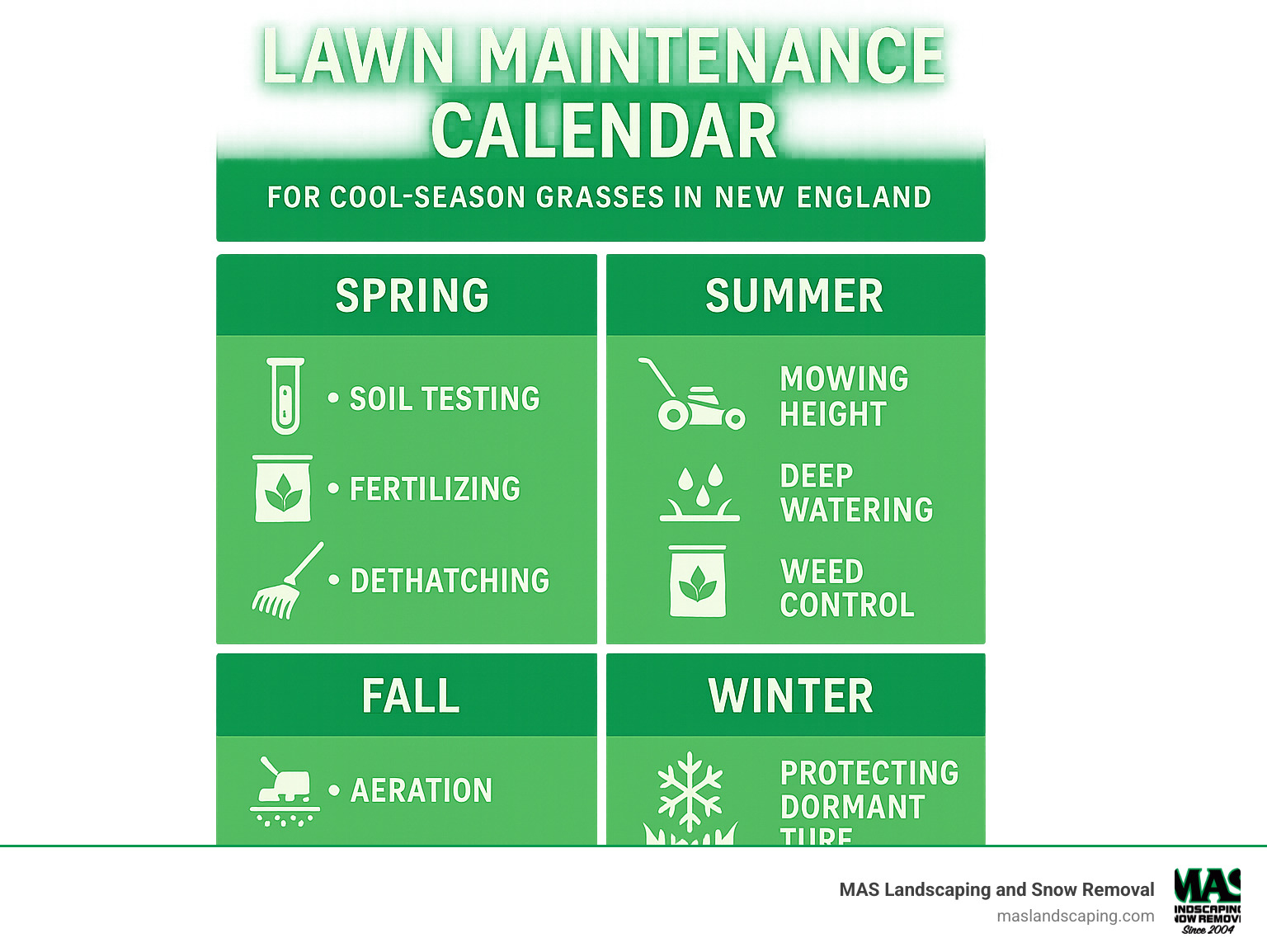
Essential lawn maintenance includes mowing at the proper height, watering deeply but infrequently, fertilizing according to your grass type, and managing soil health through aeration and pH testing. The key to success lies in understanding your specific conditions, especially for New England homeowners who typically work with cool-season grasses like tall fescue and Kentucky bluegrass.
Whether you handle the work yourself or hire professionals, consistency is crucial. Proper techniques can make your time more productive and lead to a healthier, more resilient lawn.
Lawn maintenance helpful reading:
The Foundation of a Healthy Lawn: Soil and Grass
The secret to a great lawn starts below the surface. Healthy soil is the foundation for lush, green grass that can naturally fend off weeds and diseases. The first step is a soil test, which reveals your soil’s pH and nutrient levels. Without it, you’re just guessing. You can learn more about this process with A Guide to Collecting Soil Samples for Farms and Gardens.
Understanding your soil type—whether it’s heavy clay, fast-draining sandy soil, or a balanced loam—is also crucial. This knowledge helps you water and amend your lawn correctly. Finally, knowing your grass type is key. In New England, we primarily deal with cool-season grasses that thrive in our climate, unlike warm-season grasses found in southern states. This determines the best schedule for mowing, fertilizing, and seeding.
Understanding Your Soil’s pH
Soil pH measures acidity or alkalinity on a scale of 0 to 14. For most lawns, the ideal range is 6.0 to 7.0. If the pH is too high or too low, nutrients in the soil become “locked up” and unavailable to your grass. New England soils are often acidic (low pH), so applying lime can raise the pH and open up these nutrients. If the soil is too alkaline, sulfur can help lower it. Testing your soil every few years ensures you maintain the right balance for optimal growth.
Choosing the Right Grass for New England
In Massachusetts and the greater New England area, cool-season grasses are the go-to choice. They are well-suited for our cold winters and mild springs and falls.
- Kentucky Bluegrass: Known for its rich color and dense, self-repairing growth. It can struggle in high heat without adequate water.
- Perennial Ryegrass: A fast-germinating grass that provides quick green cover and holds up well to foot traffic.
- Tall Fescue: A durable, drought-tolerant option thanks to its deep root system, making it great for active lawns.
- Fine Fescue: A group of grasses, including creeping red fescue, that are excellent for shady areas and require less water and fertilizer.
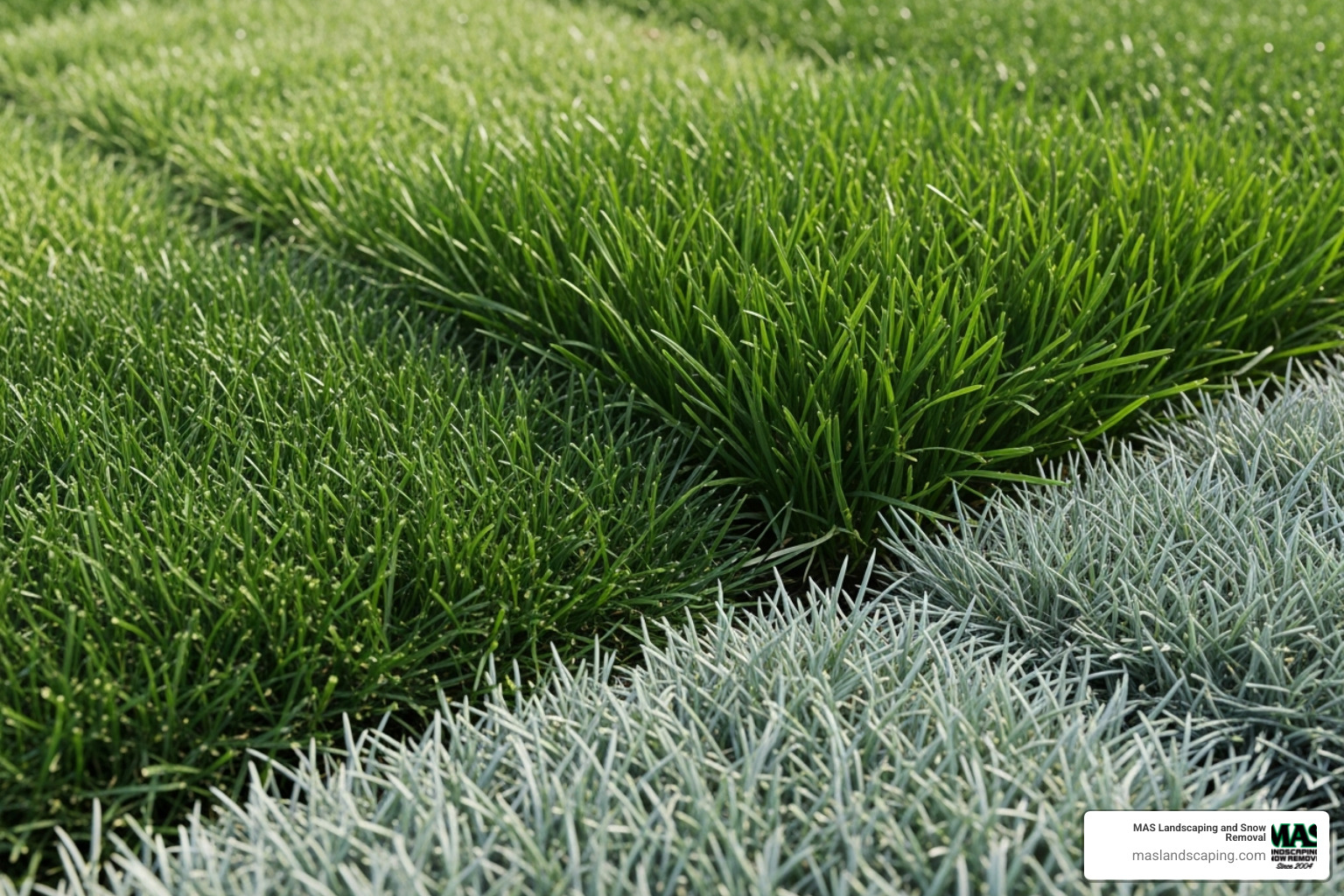
Using a seed mix is often the best strategy, as it combines the strengths of different grass types to suit lawns with both sun and shade. For help with starting a new lawn, check out our guide on More info about New Lawn Installation Near Me.
The Core Four of Lawn Maintenance: Mowing, Watering, Fertilizing, and Seeding
With a good understanding of your soil and grass, you can focus on the four pillars of routine lawn maintenance: mowing, watering, fertilizing, and seeding. Getting these right is the key to a vibrant, healthy lawn.
Best Practices for Mowing
Proper mowing encourages thick, healthy growth. Here are the key rules:
- The One-Third Rule: Never cut more than one-third of the grass blade’s height at once. This prevents stress and keeps your lawn resilient.
- Mowing Height: For New England’s cool-season grasses, aim for 3 inches in spring and fall, and raise it to 4 inches during the summer heat to protect the roots.
- Blade Sharpness: A sharp blade makes a clean cut, preventing the frayed, brown tips that can invite disease. Sharpen your mower blades at least twice a season.
- Mowing Patterns: Vary your mowing pattern each time to prevent ruts and encourage upright growth.
- Mulching Clippings: Leave the clippings on the lawn. This “grasscycling” acts as a natural fertilizer, returning nitrogen to the soil.

For a consistently sharp and healthy cut, consider our professional More info about Grass Cutting Near Me services.
Watering for Deep Root Growth
Deep, infrequent watering is the secret to a strong, drought-resistant lawn.
- How Much & How Often: Aim for 1 to 1.5 inches of water per week, delivered in one or two deep soakings rather than light, daily sprinkles. This encourages roots to grow deeper.
- When to Water: The best time is early morning (6 a.m. to 10 a.m.) to minimize evaporation and allow leaves to dry, preventing fungal growth.
- The Screwdriver Test: A simple way to check soil moisture. If you can’t easily push a screwdriver into the ground, it’s time to water.
For automated and efficient watering solutions, explore the More info about Cost of New Lawn Irrigation System Installation.
How and When to Fertilize
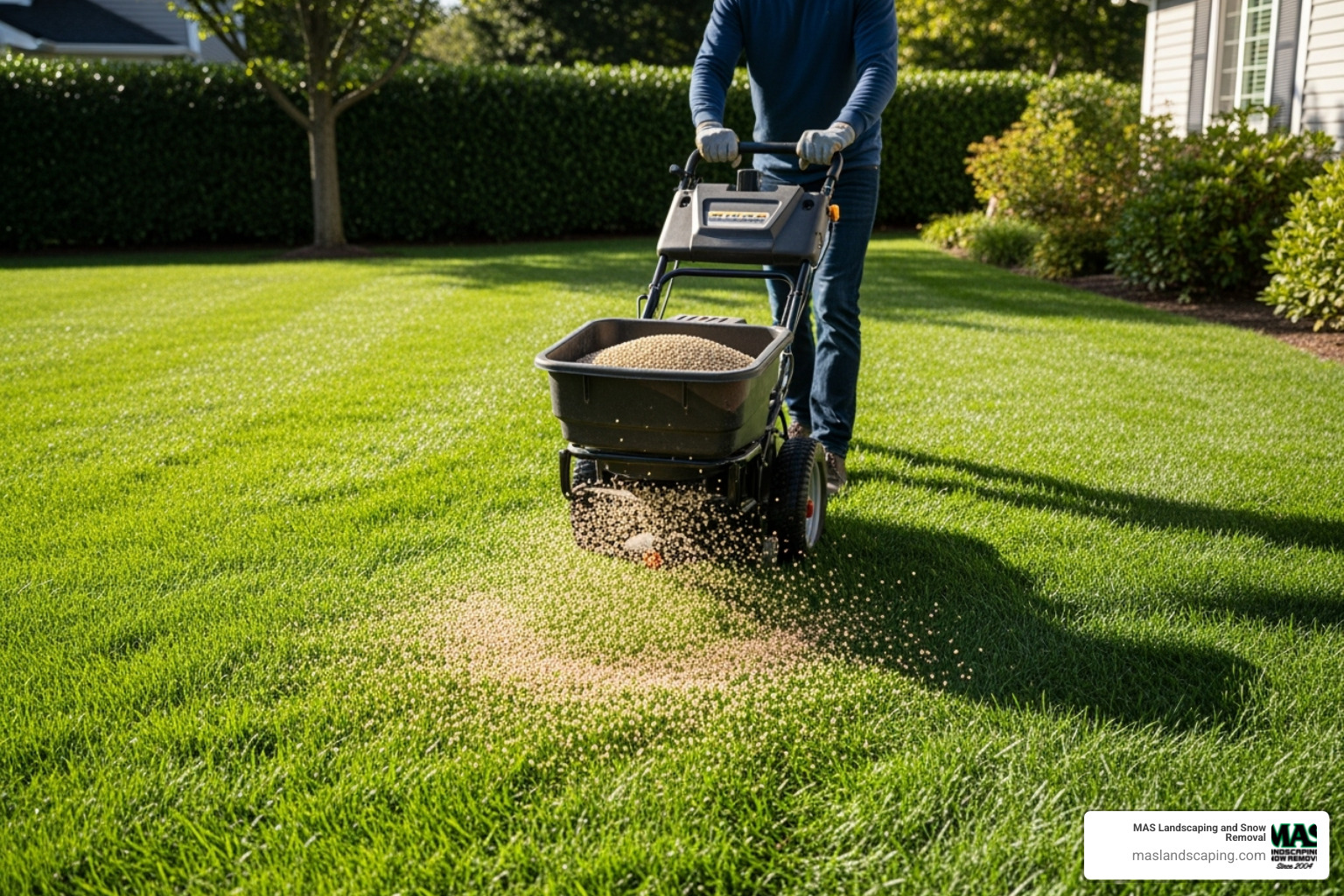
Fertilizer provides the essential nutrients (Nitrogen, Phosphorus, Potassium) your lawn needs to thrive. We recommend a mix of slow-release and quick-release fertilizers for both immediate greening and sustained health.
For New England’s cool-season grasses, the most critical application is in the fall. This helps the lawn store energy for winter and ensures a quick green-up in the spring. Lighter applications in early and late spring also support healthy growth. For more details, see this guide on Fertilizing Lawns.
For a custom approach, consider our More info about Lawn Treatment Services Near Me to ensure your lawn gets precisely what it needs.
Seeding and Repairing Bare Spots
Seeding helps thicken your turf and fill in bare patches, which is a great defense against weeds.
- Overseeding: Spreading seed over your existing lawn increases density and improves its overall health and color. We recommend this every one to two years.
- Best Time to Seed: For cool-season grasses, fall is the ideal time. The warm soil and cool air create perfect conditions for germination. Spring seeding is an option but faces more competition from weeds.
- Watering New Seed: New seed requires consistent moisture. Water lightly once or twice a day until the new grass is established.
Whether you’re looking to thicken your existing lawn or install a completely new one, our experts can guide you through More info about How to Install a New Lawn.
Advanced Care: Tackling Thatch, Compaction, Weeds, and Pests
Even with the best basic lawn maintenance, issues like thatch, compacted soil, weeds, and pests can arise. Addressing these challenges proactively is key to long-term lawn health.
Dethatching and Aeration Explained
Thatch is a layer of dead and living organic matter between the grass and soil. A thin layer (under ½ inch) is beneficial, but a thick layer can block water, air, and nutrients. Dethatching removes this excess layer, best done in early spring or fall for cool-season grasses. For more details, you can check out See Thatch in Home Lawns for more information.
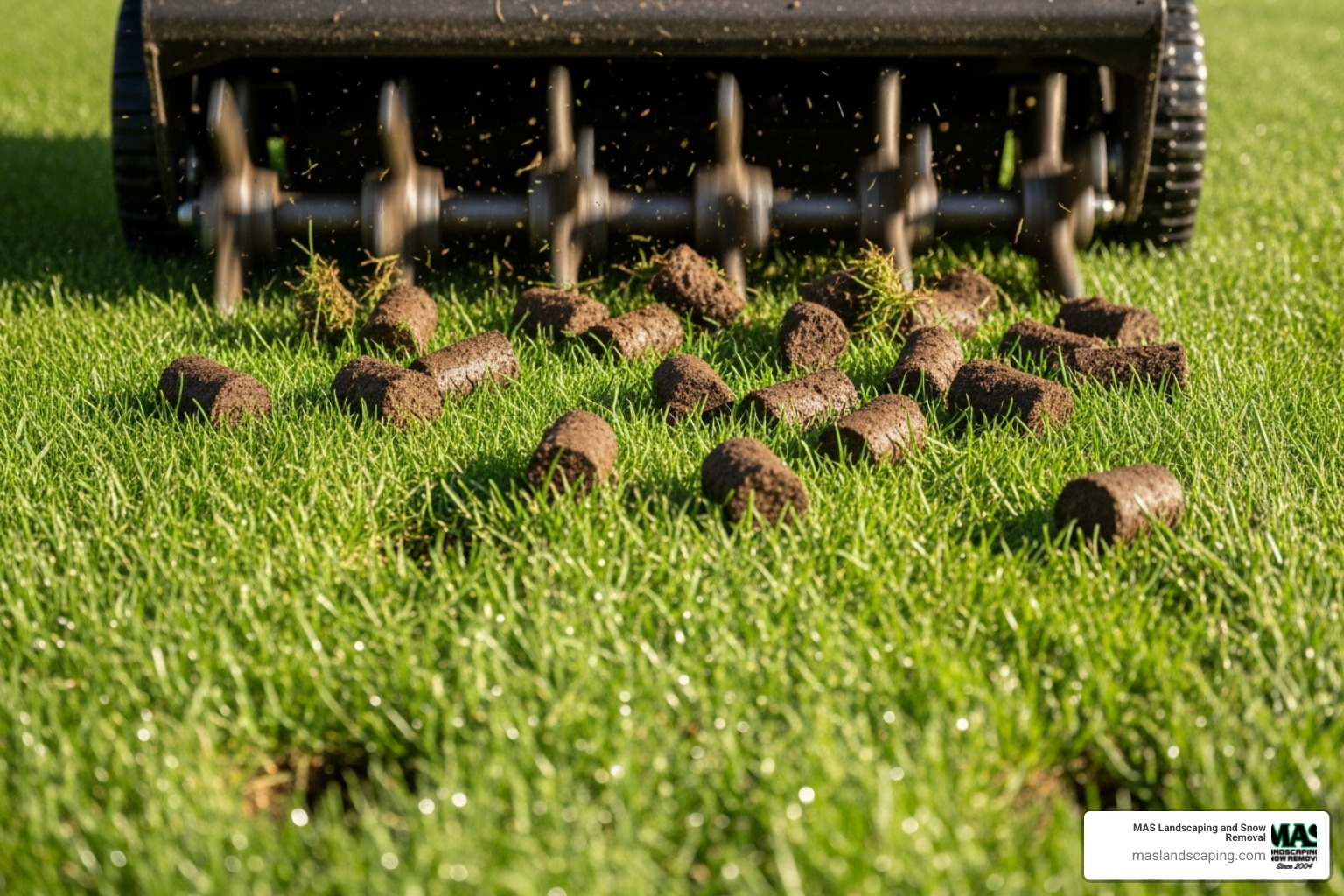
Soil compaction, often from foot traffic, prevents roots from getting what they need. Core aeration is the solution. This process pulls small plugs of soil from the lawn, relieving compaction and allowing air, water, and nutrients to reach the roots. We recommend aerating in the fall, as it’s also the perfect time to overseed.
Effective Weed Control Methods
Weeds like crabgrass, dandelions, and clover compete with your grass for resources. A multi-pronged approach is most effective:
- Pre-Emergent Herbicides: Applied in early spring, these prevent weed seeds from germinating.
- Post-Emergent Herbicides: These are used to spot-treat weeds that have already appeared.
- Healthy Turf as Defense: The best long-term strategy is a thick, healthy lawn. Proper mowing, watering, and fertilizing will naturally crowd out most weeds.
Dealing with Common Lawn Pests and Diseases
Keep an eye out for common lawn problems to address them quickly.
- Pests: Grubs (beetle larvae) and chinch bugs are common culprits. Grubs eat roots, causing brown patches, while chinch bugs damage grass blades. Preventative treatments in late spring or early summer are the best defense.
- Diseases: Fungal diseases like Brown Patch, Red Thread, and Dollar Spot often appear as discolored patches. They are usually caused by environmental factors like excess moisture. Proper watering and good air circulation are key preventative measures. A healthy, well-fed lawn is naturally more resistant to both pests and diseases.
For help getting ahead of these issues, especially as the seasons change, our More info about Fall Landscaping Services can help prepare your lawn for anything.
DIY vs. Hiring a Pro: What’s Right for You?
Now, the big question: should you tackle all this lawn maintenance yourself, or call in the professionals? The answer depends on your time, budget, physical ability, and desired results.
The Pros and Cons of DIY Lawn Maintenance
Taking care of your own lawn can be rewarding. The main benefit is cost savings on labor, as you only pay for materials and equipment. You also have complete control over the products and schedule. However, the downsides are significant. It’s time-consuming, often requiring several hours per week, not including research and shopping. The cost of equipment—mowers, spreaders, aerators—can be substantial. Finally, there’s a steep learning curve; mistakes like over-fertilizing or misdiagnosing a pest problem can be costly and damage your lawn.
When to Call a Professional Lawn Care Service
Hiring a professional service is a great investment for many homeowners. Consider calling in experts if you’re facing complex issues like persistent weeds or diseases, or if you simply lack the time to dedicate to proper lawn care. Professionals provide consistent, high-quality results because they have the right training, commercial-grade products, and specialized equipment. This is especially true for large properties or for those with physical limitations that make lawn work difficult.
For a hassle-free, beautiful lawn, consider our More info about Best Lawn Care Service Near Me and let our experts handle the hard work.
Frequently Asked Questions about Lawn Care
Here are answers to some common lawn maintenance questions.
Should I bag my grass clippings when I mow?
Generally, no. Mulching clippings back into the lawn, a practice called “grasscycling,” returns valuable nutrients to the soil. However, you should bag them if the grass is excessively long or if you see signs of lawn disease, to prevent smothering healthy grass or spreading the problem.
How much does professional lawn aeration cost?
The cost of professional aeration varies by lawn size and location. Based on internet data, average national costs can range from $75 to over $300 for larger properties. These are not specific to MAS Landscaping. For a personalized quote, please contact us directly.
What are some low-maintenance alternatives to a traditional grass lawn?
If you’re looking for a low-maintenance alternative to a traditional lawn, consider options like clover lawns, native groundcovers, or wildflower meadows. These require less water and care once established. You can also reduce lawn space by expanding garden beds or adding hardscaping features like patios and walkways.
Get the Lush Lawn You Deserve
Creating a fantastic lawn is an ongoing commitment, but the results are worth it. A healthy, green lawn boosts your home’s curb appeal and provides a beautiful space for your family to enjoy. The secret to success is consistency—applying the right care, from mowing and watering to fertilizing and pest control, season after season.
If you’re a homeowner in the Saugus, MA area, including Everett, Lynnfield, Malden, Melrose, Medford, Revere, and Chelsea, and you want a perfect lawn without the hassle, we’re here to help. At MAS Landscaping and Snow Removal, we have the local expertise to manage our region’s specific soil and climate challenges. We offer professional, personalized service to create and maintain the beautiful outdoor space you’ve always wanted.
Let us take the guesswork out of your lawn maintenance. We’re committed to keeping your property looking its best year-round. To learn more about how we can transform your yard, explore our More info about Landscape Maintenance Services.