




Why Your Garden’s Foundation Matters
Plant soil additives are materials you add to your soil to improve its structure, drainage, aeration, water retention, or nutrient content. They help create the ideal growing environment for your plants by addressing specific soil deficiencies.
Quick Answer: Key Types of Plant Soil Additives
- Organic amendments – Compost, manure, worm castings, peat moss, and coco coir that decompose to feed soil life and add nutrients
- Inorganic amendments – Perlite, vermiculite, sand, and rock minerals that improve soil structure and drainage
- Purpose – Fix drainage problems, improve aeration, retain moisture, adjust pH, and add nutrients
- Application – Best added in spring or fall after soil testing reveals specific needs
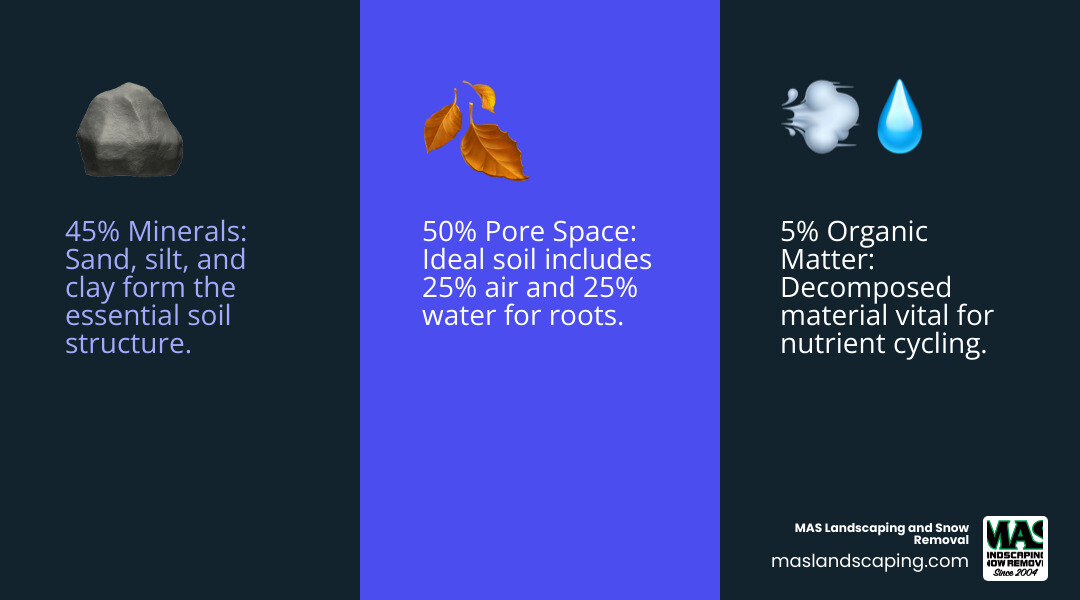
Just as we are what we eat, your plants’ health depends on their soil. Outdoor gardens face countless variables—heavy rains, summer heat, and winter freezes—that deplete and compact the ground. Ideal soil (45% minerals, 5% organic matter, 25% air, and 25% water) is rare. Most of us have heavy clay that holds too much water or sandy soil that drains too quickly.
The good news is that soil is not static. You can dramatically improve it with the right amendments. This growing understanding is reflected in the global soil amendments market, projected to reach $27.5 billion by 2030. Whether you’re growing vegetables in Saugus or maintaining flower beds in the Greater Boston area, understanding soil amendments is your key to success. This guide will walk you through choosing and using them effectively.
Related content about plant soil additives:
The Two Main Families of Plant Soil Additives: Organic vs. Inorganic
At its core, healthy soil is a dynamic ecosystem. The right plant soil additives can profoundly influence this ecosystem, impacting soil structure, drainage, aeration, water retention, and pH levels. Let’s explore the two main categories: organic and inorganic amendments.
Common Organic Amendments: Building Living Soil
Organic amendments come from living sources. As they decompose, they enrich the soil with nutrients and foster a thriving microbial community, improving soil structure and its ability to hold water and air.
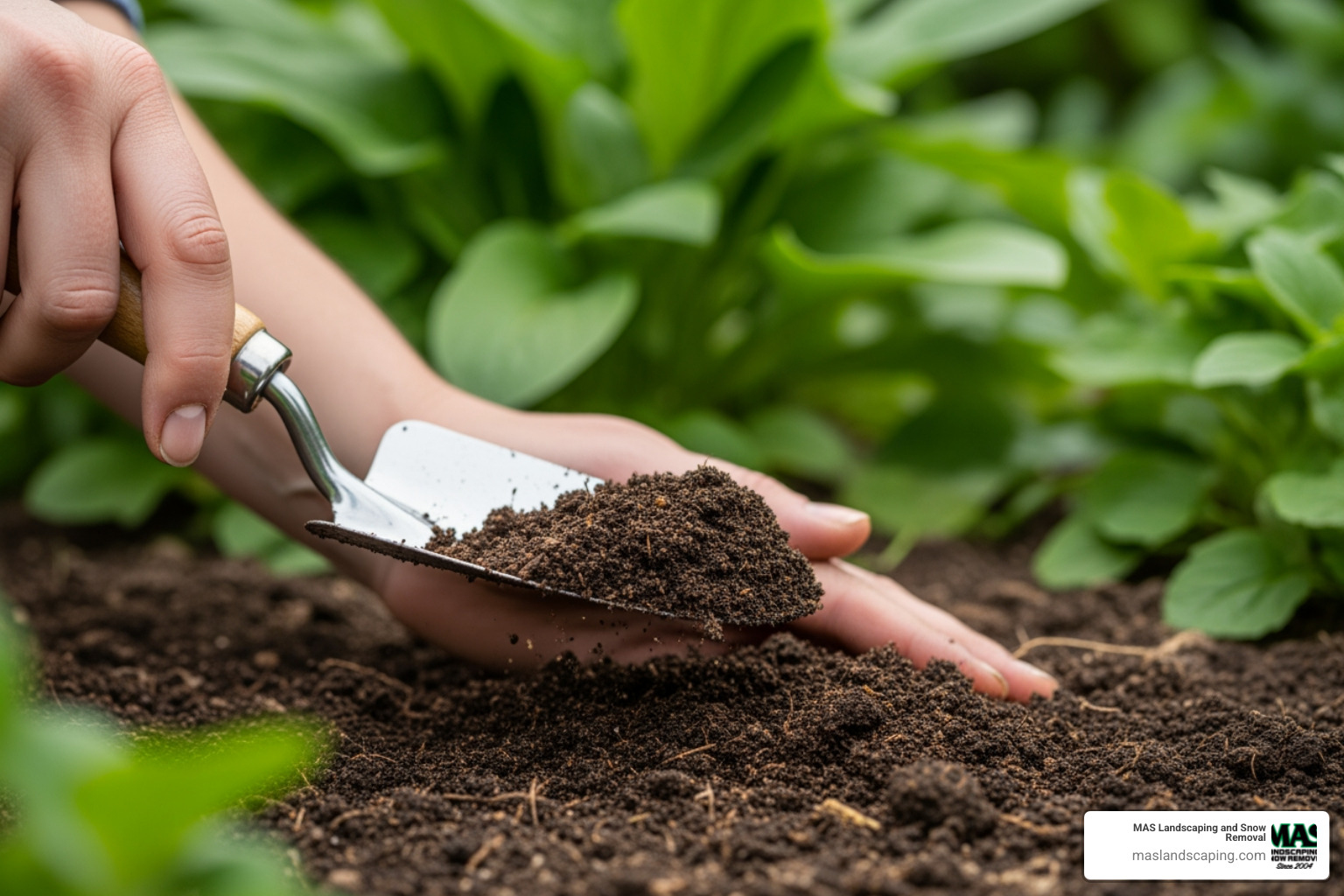
Here are some common organic amendments:
- Compost: Often called “black gold,” this mix of decomposed organic matter is a powerhouse for soil health. It improves structure, increases water retention in sandy soils, and improves drainage in clay soils while adding a slow release of nutrients. We recommend incorporating a 1-3 inch layer annually in garden beds, especially for vegetables in areas like Everett and Malden.
- Manure: Aged or composted animal waste is a rich source of organic matter and nutrients. It improves soil structure and boosts microbial activity. Crucially, always use well-aged or composted manure, as fresh manure can “burn” plants and may contain pathogens.
- Worm Castings: This “black gold” is prized for its concentrated nutrients and microbial life. It improves aeration and water retention, making it a fantastic, gentle amendment for potted plants or as a top-dressing. Its main drawback is its higher cost.
- Peat Moss & Coco Coir: Peat moss is excellent for moisture retention and lowering soil pH for acid-loving plants, but its harvest raises sustainability concerns. Coco coir, made from coconut husks, is a sustainable, pH-neutral alternative that also improves water retention and soil texture.
- Biochar: This charcoal-like substance improves water and nutrient retention, provides a habitat for beneficial microbes, and sequesters carbon, making it a great long-term investment for soil health.
- Other Organic Amendments: Many other materials can enrich soil. Leaf mold (decomposed leaves) improves structure. Blood meal offers a fast nitrogen boost, while bone meal provides phosphorus for roots and flowers. Kelp meal adds trace minerals. Materials like sawdust and straw improve aeration but must be well-decomposed before being mixed into the soil to avoid tying up nitrogen.
For more in-depth information on organic matter and its role in soil health, we recommend checking out Organic Matter and Soil Amendments.
Common Inorganic Amendments: Modifying Soil Structure
Inorganic amendments are mineral-based materials that primarily alter the physical properties of the soil, like drainage and aeration.
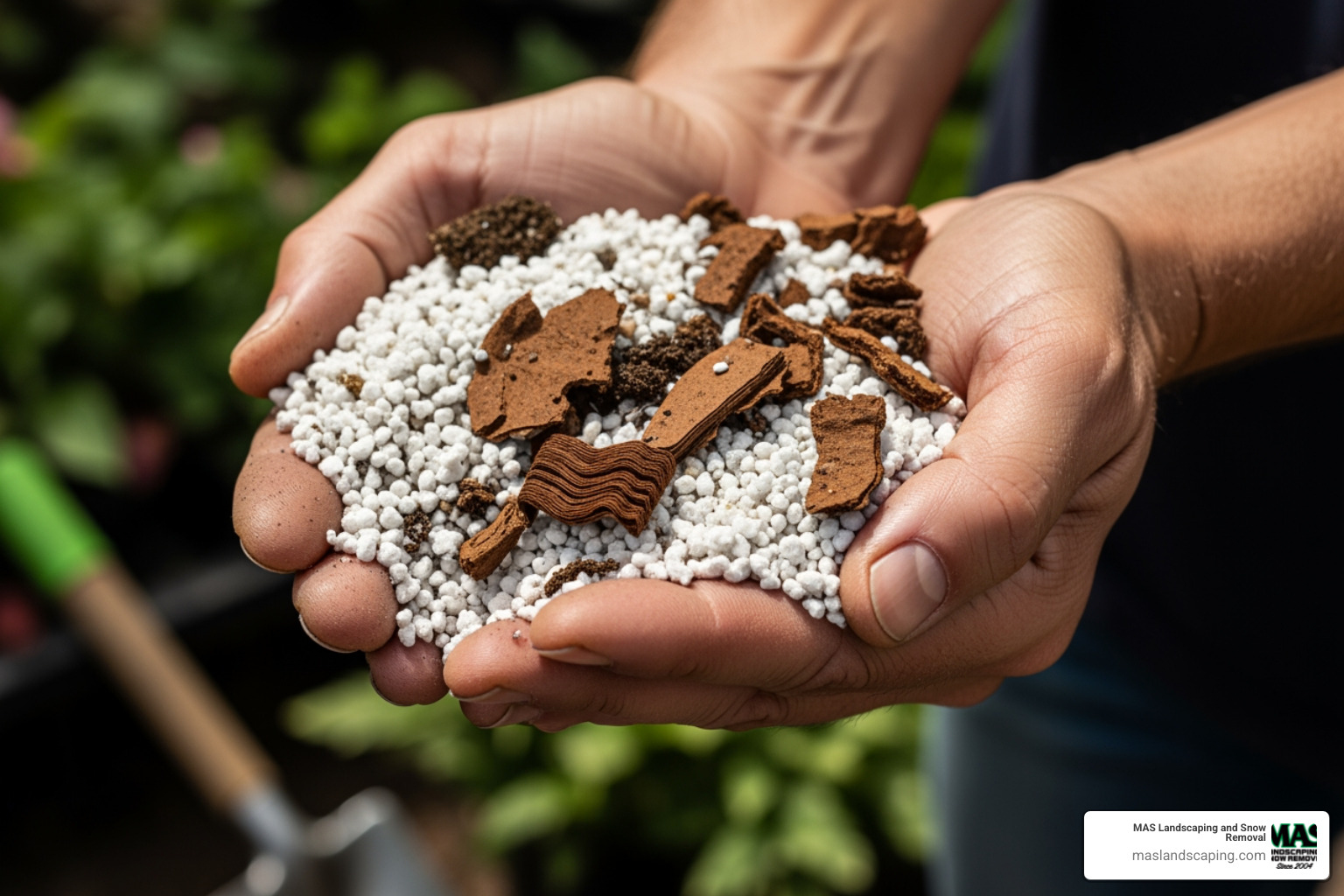
Here are some common inorganic amendments:
- Perlite: A lightweight volcanic glass that dramatically improves drainage and aeration. It’s excellent for plants prone to root rot and is a staple in potting mixes or for loosening heavy outdoor soils in areas like Lynnfield and Medford.
- Vermiculite: This mineral expands when heated and is great for achieving “moist but not soggy” conditions. It retains water while also improving aeration, making it ideal for seed starting and moisture-loving plants.
- Sand: Coarse sand improves drainage but must be used carefully. Adding sand alone to clay soil can create a concrete-like mixture; always use it with significant amounts of organic matter.
- Greensand: This mineral adds potassium and improves soil texture in clay soils and water retention in sandy soils.
- Rock Phosphate: A natural, slow-release source of phosphorus, essential for root development and flowering. It’s a good long-term amendment for perennial beds.
- Lava Rock: This porous volcanic rock provides excellent drainage with very low water retention, making it popular for cacti and succulents.
- Gypsum: Best used to improve the structure of very heavy, compacted clay, especially sodic (high sodium) soils. It improves aeration but does not significantly alter soil pH.
- pH Adjusters:
- To Raise pH (Reduce Acidity): Garden lime (agricultural lime) is the standard choice. Wood ashes can also be used but apply them sparingly due to high salt content.
- To Lower pH (Increase Acidity): Elemental sulfur is a common choice for acid-loving plants like blueberries and azaleas. Aluminum sulfate or ammonium sulfate work more rapidly but can be harsh, so use them according to soil test recommendations.
Diagnosing and Treating Your Soil: A Practical Guide
Understanding the different types of plant soil additives is the first step. The real art is knowing what your specific soil needs and how to apply the right amendments for optimal plant health.
First, Know Your Soil: The Importance of Soil Testing
Before adding anything, you need to know what you’re working with. Soil testing is the single most important step, as guessing can lead to nutrient imbalances or pH problems.
- What a Soil Test Reveals: A test provides a detailed report on your soil’s pH, nutrient levels, and texture (percentage of sand, silt, and clay).
- How to Get a Test: DIY kits offer basic readings, but for the most accurate analysis, we recommend a university extension service. In Massachusetts, the UMass Extension Soil Testing Lab provides detailed data and custom recommendations. To take a sample, dig down six inches and collect soil from the bottom four inches.
As the Colorado State University Extension advises, “Choosing a Soil Amendment” begins with understanding your current soil conditions. A guide to Choosing a Soil Amendment can provide further insights.
Matching Amendments to Soil Types and Plant Needs
Once you have your soil test results, you can strategically choose the best plant soil additives.
- For Clay Soil (e.g., in parts of Chelsea or Revere): This soil is dense, slow-draining, and compacts easily. Improve its drainage and aeration by adding large amounts of organic matter like compost and aged manure. Perlite can also help create air pockets.
- For Sandy Soil (e.g., some coastal areas): This soil drains too quickly, losing water and nutrients. Improve retention by adding organic matter like compost, coco coir, or vermiculite, which act like sponges.
- For Loam Soil: This is often considered ideal, but still benefits from an annual top-dressing of compost or aged manure to replenish organic matter and nutrients.
- For Vegetable Gardens: Vegetables are heavy feeders and need nutrient-rich, well-draining soil. Regularly add compost, aged manure, and worm castings. Bone meal (for phosphorus) or blood meal (for nitrogen) can address specific needs.
- For Flower Beds: Most flowering plants appreciate good drainage and moderate fertility. Amend with compost, aged leaf mold, and perlite if extra drainage is needed.
- For Houseplants: Standard potting mixes often need adjustment. For succulents and cacti, add perlite or coarse sand to ensure excellent drainage. For tropicals that prefer consistent moisture, use vermiculite and coco coir for retention, balanced with perlite for aeration.
Knowing your plants’ needs is the first and most important part of amending your soil. If you’re looking for ways to boost your plants’ nutrient intake, explore how to get additional nutrients into your plants.
Best Practices and Common Pitfalls When Amending Soil
Knowing when, how, and what to add (and what to avoid) can save you a lot of grief and ensure your efforts lead to a flourishing garden.
Application Timing and Frequency for plant soil additives
- When to Amend: Fall is an excellent time to add organic amendments like compost, allowing them to break down over winter. Spring, before planting, is another prime time. For vegetable gardens, you can also amend between crop successions.
- How Often to Amend: This depends on your soil quality and plant needs. As a general rule, we recommend amending annually with organic matter like compost to maintain a healthy, fertile environment.
- Tilling vs. Top-Dressing: You can till amendments into the top 6-8 inches of soil for quick incorporation, but be gentle to avoid harming soil structure. Alternatively, top-dressing involves spreading a layer on the surface, which is less disruptive and great for established beds.
For more information on preparing your soil for new plantings, check out how to install a new seed lawn bed preparation.
Mistakes to Avoid and Amendments to Use with Caution
Even experienced gardeners can fall into common traps. Here’s what to watch out for:
- Nitrogen Lock-Up: Avoid mixing fresh, high-carbon materials like sawdust or wood chips directly into your soil. Microbes use up available nitrogen to decompose them, starving your plants. Always use well-composted woody materials or apply them only as a top-layer mulch.
- Using Fresh Manure: Never apply fresh manure directly to plants. Its high ammonia content can “burn” roots, and it may contain weed seeds or pathogens. Always use well-aged or composted manure.
- Over-Amending: More is not better. Adding excessive amounts of any amendment without a soil test can create nutrient imbalances or drastic pH shifts that harm plants.
- The “Concrete” Effect: Never add only sand to heavy clay soil. This creates a hard, concrete-like mixture. Instead, focus on incorporating ample organic matter like compost to improve clay soil structure.
- Using Wood Ash Carelessly: Wood ash raises pH and adds potassium, but it’s also high in salts. Use it sparingly (no more than 20 pounds per 1,000 sq. ft. annually) and only if a soil test shows a need to raise pH.
- Misusing Gypsum: Gypsum is not a universal fix for all clay soils. It primarily helps improve structure in sodic (high-sodium) clay. For general clay improvement, organic matter is the better choice.
- Relying on Peat Moss: Due to the environmental concerns of harvesting peat, consider sustainable alternatives like coco coir or compost whenever possible.
- Using Shredded Rubber: This is not a soil amendment. As it degrades, it can leach toxic substances into the soil, harming plants and soil life. The truth about rubber mulch in landscapes highlights these concerns. (Note: Rubber mulch is discussed for educational purposes only and is not offered or recommended by MAS Landscaping.)
Frequently Asked Questions about Soil Amendments
We often hear similar questions from our clients in Everett, Lynnfield, and Saugus. Here are some common inquiries about plant soil additives.
What’s the difference between a soil amendment and a fertilizer?
They serve different primary functions. Soil amendments improve the soil’s physical properties—its structure, drainage, and water retention—to build a healthy foundation for long-term growth. Think of them as feeding the soil. Fertilizers, on the other hand, provide a direct, concentrated supply of nutrients to feed the plant for more immediate results. A healthy garden needs both: amendments to build good soil and fertilizers to address specific nutrient needs.
Can I use topsoil instead of plant soil additives?
Topsoil is the upper layer of earth used to create new beds or level areas, while plant soil additives are materials you blend into topsoil or existing soil to improve it. While quality topsoil provides a good base, it often needs to be amended. For example, you would add compost to heavy clay topsoil to improve drainage or to sandy topsoil for better water retention. For optimal results, we recommend blending quality topsoil with the right amendments. You can read more about this in do i need additional top soil when planting grass seed.
How do I know if my houseplants need amended soil?
Look for these signs in your houseplants:
- Poor Drainage: Water sits on top of the soil or the plant suffers from root rot. The soil likely needs more aeration (add perlite).
- Rapid Drying: The soil dries out too quickly, requiring constant watering. It needs better moisture retention (add coco coir or vermiculite).
- Compacted Soil: The soil feels hard and dense, restricting root growth and air circulation.
- Stunted Growth: If you’ve ruled out other issues like pests or lighting, poor soil structure could be the culprit.
“All-purpose” potting mixes are a starting point, but they are rarely ideal. Tailoring the soil with amendments to match your plant’s specific needs is key to helping it thrive.
Conclusion: Cultivating a Thriving Landscape from the Ground Up
Understanding and utilizing plant soil additives is not just a gardening chore; it’s a fundamental investment in the long-term health and beauty of your landscape. From balancing pH to improving aeration and water retention, the right amendments create the optimal foundation for robust plant growth, vibrant blooms, and bountiful harvests. We’ve seen how these essential materials, whether organic or inorganic, work to transform challenging soils into thriving ecosystems.
The global soil amendments market’s projected growth underscores a universal truth: healthy soil is the bedrock of a healthy environment. By taking the time to test your soil, choose appropriate amendments, and apply them correctly, you’re not just growing plants; you’re cultivating a resilient, productive, and beautiful outdoor space that will bring joy for years to come.
At MAS Landscaping, we understand the unique soil challenges and opportunities here in Saugus, Everett, Lynnfield, Malden, and the surrounding Massachusetts communities. Our local expertise, combined with a commitment to personalized service, ensures that your landscaping projects—from vibrant flower beds to lush lawns and productive vegetable gardens—start with the healthiest possible foundation. Let us help you open up the full potential of your landscape.
Ready to transform your outdoor space? Explore our professional landscaping and design services today.