

Best Wet Look Concrete Sealer: Top 3 Ultimate 2025
What is a Wet Look Concrete Sealer?
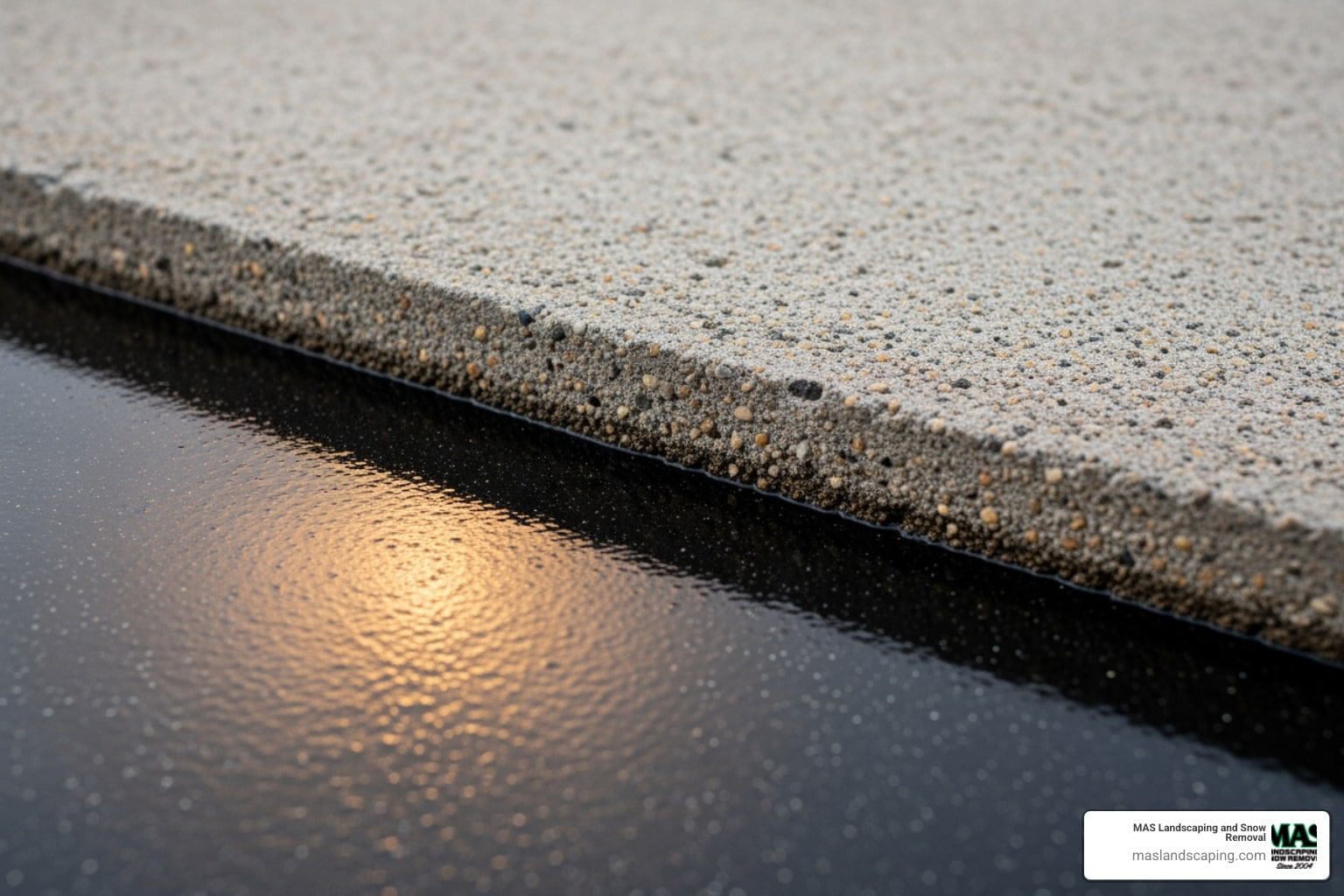
The best wet look concrete sealer transforms dull, faded concrete into a glossy surface that looks perpetually wet, enhancing color depth while protecting against stains, moisture, and UV damage. Here are the top options to consider:
Top Wet Look Sealer Categories:
- Solvent-Based Acrylic – Best overall for driveways and patios (3-7 year lifespan)
- Urethane-Acrylic Blend – Best for high-traffic areas like garage floors (3-5 year lifespan)
- Water-Based Acrylic – Best for DIY application with low odor (1-3 year lifespan)
A wet look sealer is a film-forming coating that sits on top of your concrete rather than soaking in. Unlike penetrating sealers that leave surfaces looking natural, wet look products create a shiny, glossy finish that darkens the concrete and makes colors pop.
These sealers work by creating a protective layer—typically made from acrylic, polyurethane, or epoxy resins—that shields your concrete from water, oil, chemicals, and the sun’s harsh rays. The “wet look” effect comes from light reflecting off this smooth, glossy surface.
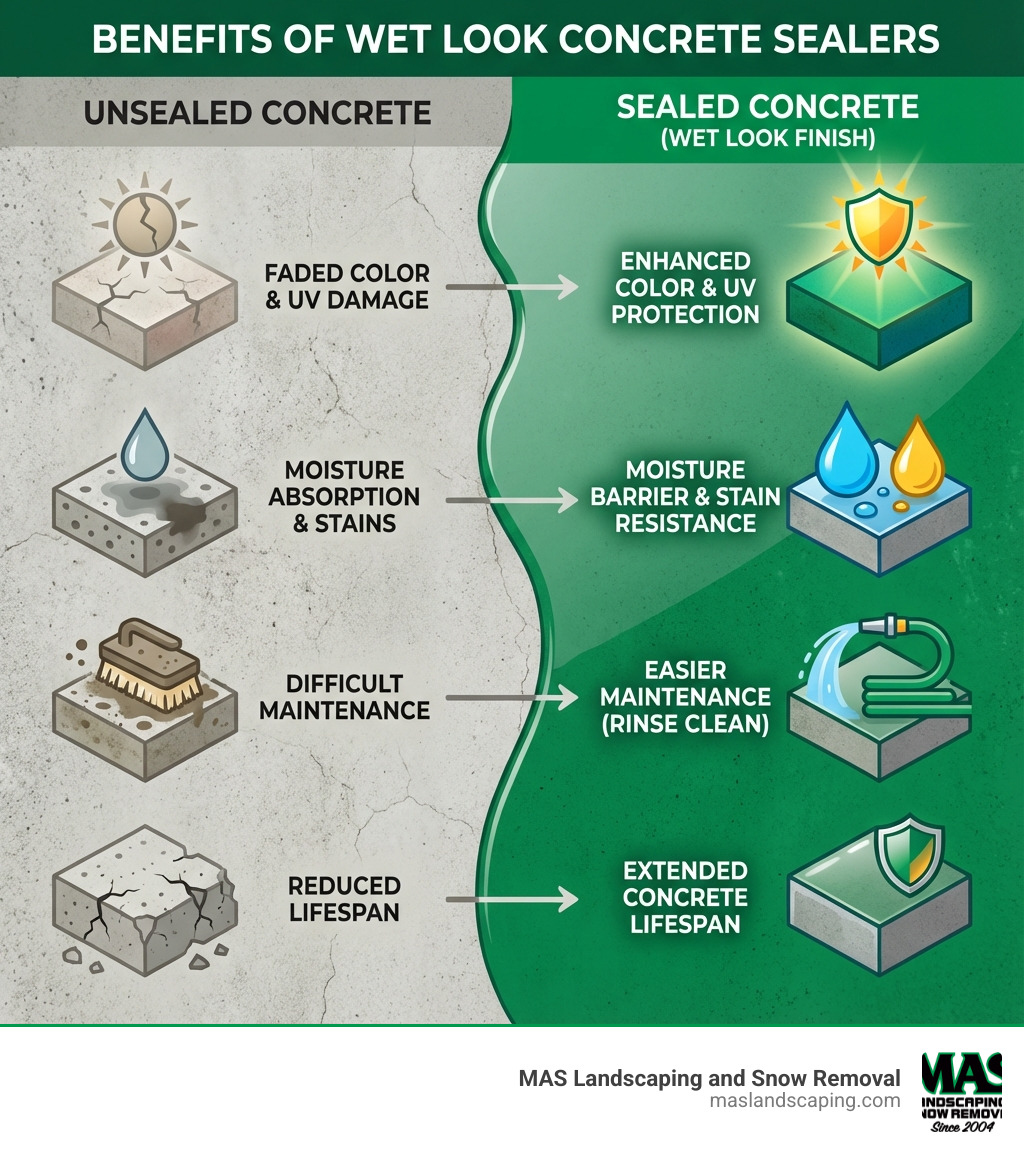
Why choose a wet look finish? Beyond the aesthetic appeal, these sealers offer real protection. They can extend the life of sealed concrete by up to 30 percent compared to unsealed surfaces. They resist staining from oil spills, prevent mold and mildew growth, and make cleaning as simple as hosing down the surface.
The trade-off? Film-forming sealers require reapplication every few years as they wear down from foot traffic, vehicles, and weather. They can also make surfaces slippery when wet—though slip-resistant additives can help.
Whether you’re looking to revive faded stamped concrete, protect a new paver patio, or give your driveway that showroom shine, understanding your options helps you pick the right sealer for your specific needs.
How to Choose the Right Wet Look Sealer for Your Project
Choosing the best wet look concrete sealer for your project can feel a bit like picking out the perfect pair of shoes – there are many styles, some are better for certain activities, and comfort (or in this case, durability and performance) is key! When we help our clients in Everett, Lynnfield, Malden, and other Massachusetts communities select a sealer, we consider several factors to ensure the longevity and beauty of their outdoor spaces.
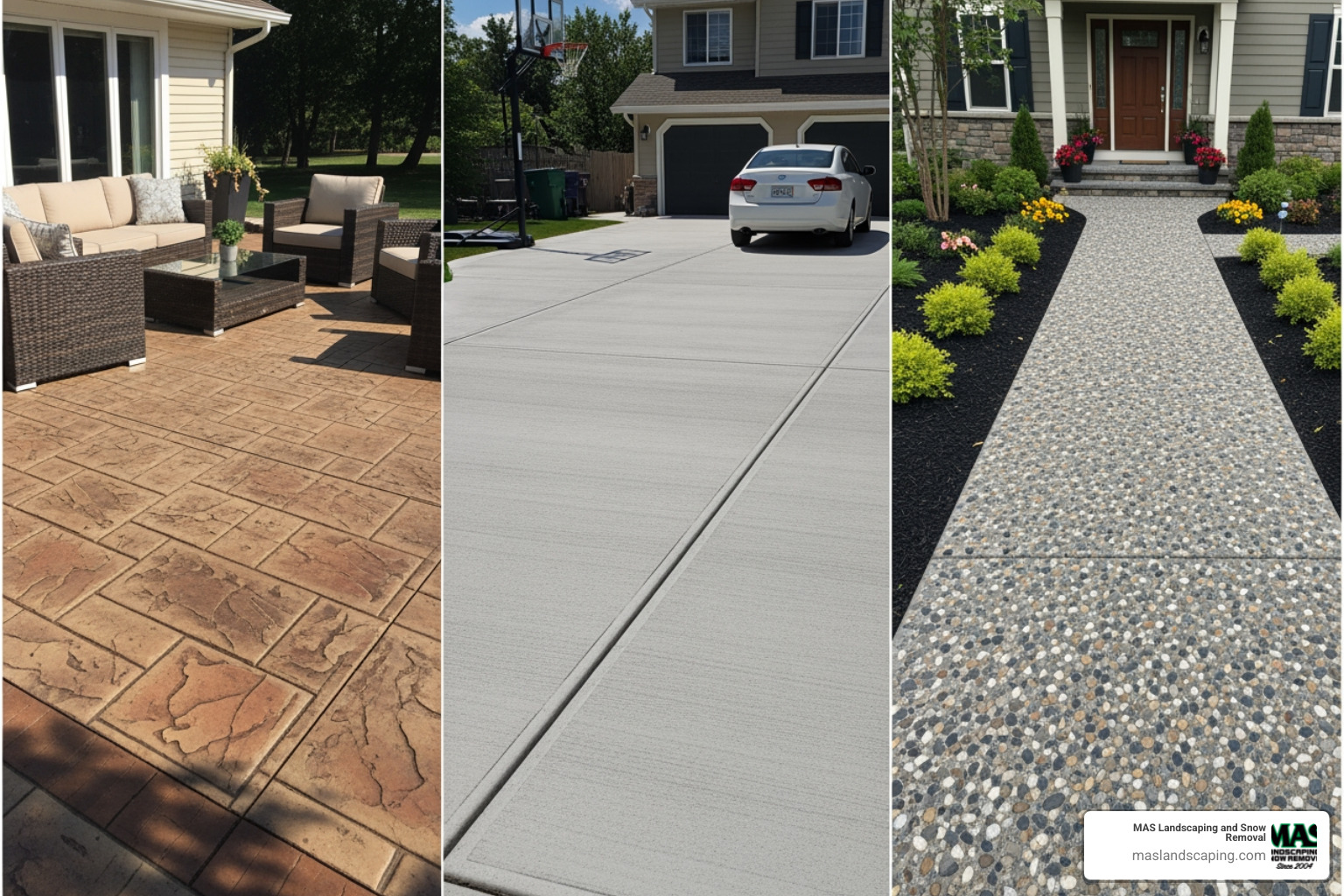
First, let’s talk about the surface itself. Is it a newly installed patio, an aging driveway, or an interior basement floor? The type of concrete, its age, and its current condition all play a significant role. For instance, a highly porous surface like an exposed aggregate patio will absorb sealer differently than a smooth, troweled garage floor.
Next, consider the climate. Here in Massachusetts, we experience all four seasons, with freezing winters and hot, humid summers. This means we need sealers that can withstand freeze-thaw cycles, UV radiation, and general moisture exposure. Some sealers are better suited for exterior applications where they face the elements head-on, while others are ideal for interior spaces where aesthetics and low odor are priorities.
The choice between water-based and solvent-based sealers is also crucial. Water-based formulas are generally easier to apply and clean up, and they emit fewer volatile organic compounds (VOCs), making them a better choice for indoor projects or when you want to minimize fumes. However, solvent-based sealers often offer superior adhesion and deeper color improvement, making them a popular choice for outdoor applications where durability is paramount.
Finally, think about the desired finish. Do you want a subtle, low-gloss sheen or a super high-gloss, mirror-like finish? Both are available in wet look sealers, and the choice depends on your personal preference and the aesthetic you’re aiming for. It’s also important to consider potential downsides like slipperiness, especially for high-traffic areas or around pools. Fortunately, many wet look sealers can be improved with slip-resistant additives to improve traction.
We’re always here to help you steer these choices for your patios and walkways. For more information on different options, check out our More info about patio and walkway options.
Key Features in the Best Wet Look Concrete Sealer
When we evaluate different products to find the best wet look concrete sealer, we look for a combination of features that guarantee both stunning aesthetics and lasting protection. It’s not just about how shiny it looks on day one, but how it performs over time.
- Durability: This is paramount. A high-quality sealer should resist abrasion, chemicals, and general wear and tear. Look for formulations that boast robust acrylic or urethane components, as these tend to stand up well to foot and vehicle traffic.
- Non-Yellowing Formula: Nothing ruins a beautiful wet look faster than a sealer that yellows under UV exposure. Especially for outdoor applications in our sunny Massachusetts summers, a non-yellowing formula is essential to maintain the clear, vibrant finish.
- Breathability: Concrete needs to breathe. A breathable sealer allows moisture vapor to escape from within the concrete slab, preventing issues like delamination, blistering, and an unsightly milky-white appearance. This is particularly important for slabs on grade or in areas prone to moisture.
- Solids Content: Generally, a higher solids content indicates a more substantial film-forming sealer, which can translate to better protection and a more pronounced wet look. However, extremely high solids content can sometimes make application more challenging.
- Tinting Options: While clear wet look sealers are popular for enhancing natural concrete colors, some products offer tinting options. This can be a fantastic way to customize your concrete’s appearance, either by subtly altering its hue or restoring faded colors.
- Slip-Resistance Additives: As we mentioned, wet look sealers can be slick when wet. The best wet look concrete sealer brands often offer or recommend compatible slip-resistance additives (like fine sand or polymer beads) that can be mixed into the final coat. This creates a textured surface that significantly improves traction without detracting from the glossy finish.
What Surfaces Are Best for a Wet Look Finish?
The beauty of a wet look finish is how it deepens and enriches the natural colors and textures of various concrete surfaces. It’s like giving your concrete a refreshing drink after a long, dry spell! From our experience with hardscaping projects across Everett, Lynnfield, and Malden, certain surfaces truly shine with this treatment.
- Stamped Concrete: This is perhaps the most popular candidate for a wet look sealer. Stamped concrete already mimics natural materials like stone, brick, or wood. A wet look sealer improves the intricate patterns and vibrant colors, making the stamped design truly pop and look more realistic. It brings out the depth and dimension, creating a stunning visual impact.
- Exposed Aggregate: For surfaces where aggregates (small stones or pebbles) are visible, a wet look sealer works wonders. It darkens the stones and makes them appear richer and more defined, giving the surface a sophisticated, high-end finish that glistens.
- Concrete Pavers: Whether it’s a paver patio or a walkway, wet look sealers can revive faded colors and protect the pavers from staining and weathering. They unify the appearance of individual pavers, creating a cohesive and attractive surface.
- Stained Concrete: If you’ve invested in acid-stained or water-stained concrete, a wet look sealer will intensify those colors, creating a deeper, more saturated look. It preserves the unique artistry of the staining process while adding a protective layer.
- Broom-Finished Concrete: Even standard broom-finished concrete, often found on sidewalks and driveways, can benefit from a wet look sealer. It adds a clean, polished appearance that lifts its aesthetic beyond basic functionality, while also providing crucial protection against the elements.
If you’re looking to improve the aesthetic appeal and prolong the life of your concrete, a wet look sealer is an excellent choice. You can see some of the beautiful changes we’ve achieved for our clients by visiting our View examples of hardscaping projects.
Our Top Picks for the Best Wet Look Concrete Sealer
When it comes to selecting the best wet look concrete sealer, we’ve found that different projects call for different solutions. There’s no one-size-fits-all answer, but rather categories of sealers that excel in specific situations. Here are our top picks, based on their performance, durability, and ease of application.
Best Overall: Solvent-Based Acrylic Sealer
For outdoor surfaces that demand superior durability and a rich, improved appearance, solvent-based acrylic sealers often take the crown. These sealers penetrate well and create a robust film that stands up to the harsh weather conditions we experience in Massachusetts.
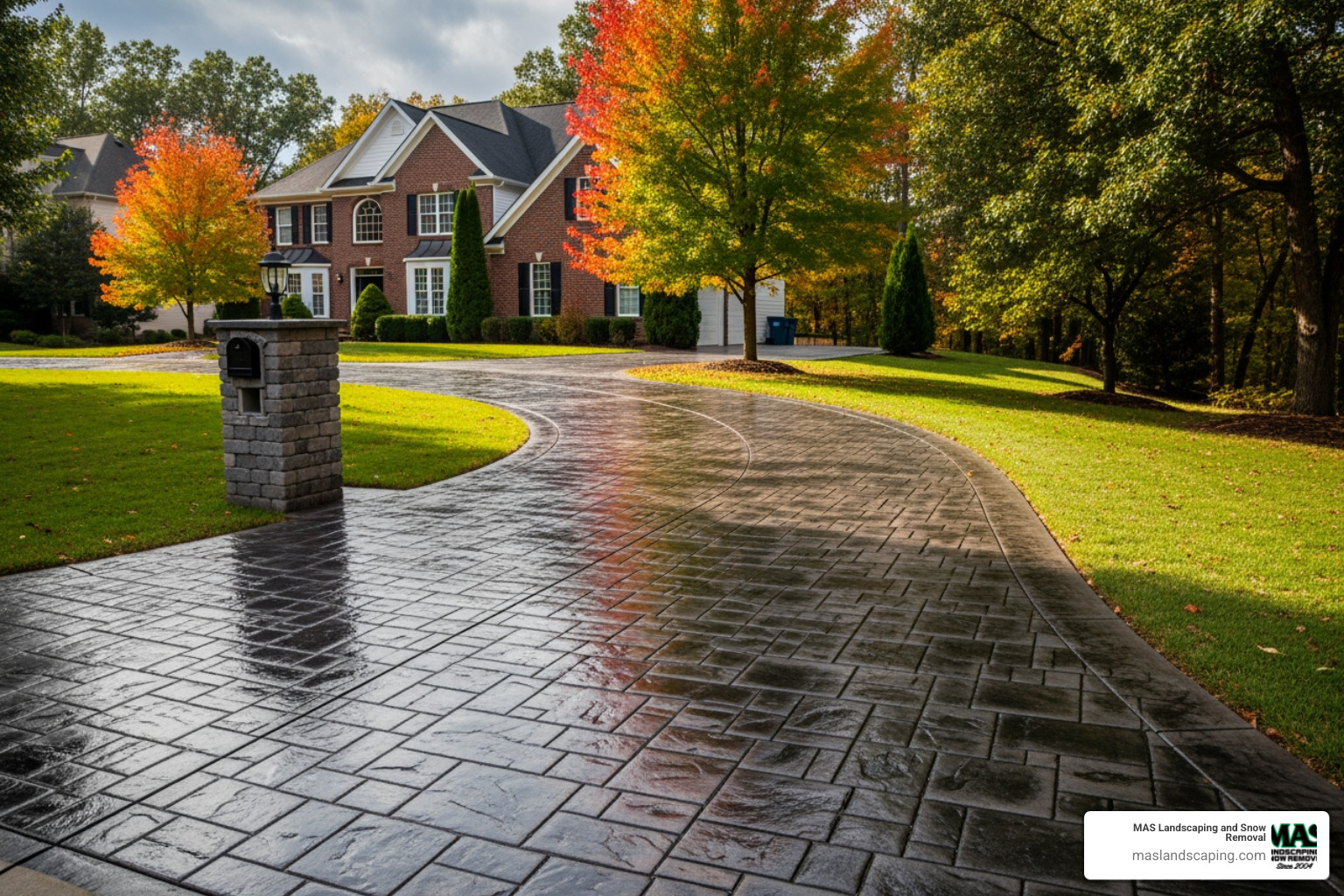
Features: These sealers are known for their excellent color improvement, deepening the hues of your concrete and giving it that signature “wet” appearance. They typically cure to a durable, low-to-medium gloss finish that brightens dull or faded surfaces. Many are breathable and non-yellowing, meaning they won’t trap moisture or turn an unsightly amber over time. Their solvent base often allows for superior adhesion, ensuring a long-lasting bond with the concrete.
Best for: Solvent-based acrylics are ideal for driveways, patios, concrete pavers, and exposed aggregate surfaces. They provide robust protection against moisture intrusion, freeze-thaw damage, and common stains like oil and grease. If you have stamped concrete, this type of sealer will truly make the patterns and colors pop.
Lifespan: You can expect these workhorse sealers to last anywhere from 3 to 7 years, depending on traffic, environmental exposure, and initial surface preparation. Regular cleaning and proper application are key to maximizing their lifespan.
For a product that consistently delivers a fantastic wet look and strong protection, a solvent-based acrylic is hard to beat. Example of a top-rated product in this category is a popular choice for homeowners and professionals alike.
Best for High-Traffic Areas: Urethane-Acrylic Sealer
When your concrete surface sees a lot of action – think garage floors, workshops, or commercial spaces in Medford or Chelsea – you need a sealer that can take a beating. Urethane-acrylic blends offer improved toughness and chemical resistance, making them a top contender for high-traffic applications.
Features: These sealers combine the best qualities of acrylics (good looks, UV stability) with the superior durability and chemical resistance of urethanes. They create a very hard, protective film that resists scuffing, abrasion, and stains from oils, cleaners, and other common spills. Many urethane-acrylic sealers offer a high-gloss sheen and can even be self-leveling, which helps fill in minor imperfections for a smoother finish. While some are technically film-forming, their robust nature sets them apart.
Best for: This type is excellent for garage floors, interior concrete floors in homes or businesses, and even concrete countertops where superior wear resistance is needed. They provide a beautiful, long-lasting finish that can withstand heavy use and frequent cleaning.
Lifespan: With proper application and maintenance, urethane-acrylic sealers can last between 3 to 5 years, or even longer in less abrasive interior environments. Their extended durability means less frequent reapplication, saving you time and effort.
If you’re looking for a sealer that will truly last in demanding environments, a urethane-acrylic blend is an investment that pays off. Take a look at an Example of a durable acrylic sealer for a high-performance option.
Best for DIY Application: Water-Based Sealer
For the weekend warrior or anyone concerned about strong fumes, water-based wet look sealers are a fantastic choice. They offer a beautiful finish with an easier application process and significantly lower VOCs, making them more user-friendly for indoor projects or when you want to be kind to your lungs.
Features: The primary advantage of water-based sealers is their low VOC content, which means less odor during application and faster cleanup with just soap and water. They typically offer a durable gloss finish that improves concrete and masonry surfaces. Many are non-yellowing and suitable for both interior and exterior use, though their exterior lifespan might be slightly shorter than their solvent-based counterparts in harsh climates. They dry quickly, allowing for recoating in just a couple of hours.
Best for: Water-based sealers are perfect for basement floors, interior living spaces, and patios where minimizing odor is a priority. They can also be used on vertical masonry surfaces like concrete block walls. Their ease of application makes them a great option for DIYers looking to achieve a professional-looking wet finish without the hassle of strong solvents.
Lifespan: While generally not as long-lasting as solvent-based or urethane options, water-based sealers typically provide a beautiful finish for 1 to 3 years, depending on traffic and exposure. Their quick drying and easy reapplication make maintenance a breeze.
For a straightforward application and a great wet look, a water-based sealer is an excellent entry point. Consider an Example of a user-friendly water-based sealer for your next project.
Application and Long-Term Maintenance Guide
Applying the best wet look concrete sealer isn’t just about pouring it on and hoping for the best. It’s a process that requires careful preparation and proper technique to ensure a beautiful, long-lasting finish. Think of it like painting a masterpiece – the prep work is half the battle! And once it’s done, a little maintenance goes a long way in preserving that stunning wet look.
How to Apply the Best Wet Look Concrete Sealer for Flawless Results
Surface preparation is the most critical step. Skipping it is like building a house on a shaky foundation – it just won’t last!
- Clean and Degrease: Start by thoroughly cleaning the concrete. Remove all dirt, wax, dust, mildew, and loose or scaling material. For grease, wax, or oil stains, scrub with a heavy-duty detergent in warm water, then rinse thoroughly. If using a pressure washer, do not exceed 1750 psi to avoid damaging the concrete surface.
- Remove Efflorescence: If you see white, powdery, crystal-like deposits (efflorescence), these are naturally occurring salt compounds that need to be removed. Treat with an appropriate concrete cleaner or muriatic acid (following manufacturer directions carefully), then rinse and allow to dry completely.
- Etch if Necessary: For dense, smooth, or previously coated surfaces where water doesn’t readily absorb, you might need to etch the concrete. This creates a profile for the sealer to adhere to. Properly etched concrete should feel like medium-grit sandpaper. Always neutralize the surface completely after acid etching.
- Moisture Testing: This is crucial, especially for interior applications. Tape a 12″ x 12″ piece of 3 mil plastic or aluminum foil tightly to the surface for 24 hours. If there’s condensation under the plastic, the surface is too damp to seal. Wait for it to dry.
- Patch Holes and Cracks: Before sealing, repair any holes or cracks with a suitable cement-based patching compound and smooth evenly.
- Test for Adhesion: If applying over a previously sealed or painted surface, always test a small, inconspicuous area first. Ensure the old coating is sound and scuff it with sandpaper to remove any gloss for better adhesion. If the old sealer is failing (peeling, flaking), it must be completely removed.
- Application Environment: Apply sealer when both air and surface temperatures are between 40°F and 85°F. Avoid applying if rain is expected within 24 hours for exterior projects.
- Mix Thoroughly: Stir the sealer thoroughly before and during application to ensure uniform consistency. Do not thin the product unless specified by the manufacturer.
- Apply Thin, Even Coats: Two thin coats are almost always better than one heavy coat. Over-application can lead to bubbles, poor adhesion, or a milky appearance. Use a low-pressure HVLP or airless sprayer for large areas, or a medium-nap roller (1/4-inch to 3/8-inch) for most surfaces. A brush or pad applicator works well for edges and smaller areas. Avoid puddles.
- Drying and Recoat Times: Most sealers are dry to the touch in 1-2 hours, with recoat times around 2-6 hours. Allow light foot traffic after 24 hours and heavy traffic after 72-96 hours. Always check the manufacturer’s specific instructions.
- Safety First: Wear appropriate personal protective equipment, including eye protection, chemical-resistant gloves, and respiratory protection, especially when working with solvent-based sealers or in enclosed areas. Ensure adequate ventilation. If you’re dealing with old paint, lead dust can be a concern. Learn about lead safety from the EPA.
How Long Do Wet Look Sealers Last?
The lifespan of a wet look concrete sealer depends on several factors, including the type of sealer, the amount of traffic it receives, exposure to UV light and harsh weather (like our Massachusetts winters), and how well the surface was prepared.
Here’s a general guide to typical lifespans and reapplication frequencies:
| Sealer Type | Lifespan (Exterior) | Lifespan (Interior) | Reapplication Frequency |
|---|---|---|---|
| Acrylic (Water-based) | 1-3 years | 1-3 years | Annually or as needed |
| Acrylic (Solvent-based) | 3-7 years | 3-7 years | Every 3-7 years |
| Urethane-Acrylic | 3-5 years | 5-10+ years | Every 3-5 years |
| Epoxy | 3-5 years | 5-10+ years | Every 3-5 years (exterior), longer (interior) |
You’ll know it’s time to reseal when the water no longer beads up on the surface, or when the finish starts to look dull, worn, or dingy. Regular cleaning and prompt spot treatment of spills can help extend the life of your sealer.
Frequently Asked Questions about Wet Look Concrete Sealers
We often get asked common questions about maintaining concrete surfaces and achieving that perfect wet look. Here are some of the most frequent inquiries and our expert answers.
Can you apply a wet look sealer over an old sealer or paint?
Yes, in many cases, you can apply a new wet look sealer over an existing one or even over concrete paint, but proper preparation is absolutely critical. The old coating must be in good, stable condition – meaning no peeling, flaking, or significant wear. If the old sealer or paint is failing, it needs to be completely stripped before applying a new coat. Trying to seal over a compromised surface will only lead to premature failure of your new sealer.
If the existing coating is sound, you’ll need to thoroughly clean it and, in most cases, scuff the surface with sandpaper to remove any gloss. This creates a “tooth” for the new sealer to adhere to. Always perform a small adhesion test in an inconspicuous area to ensure compatibility and proper bonding before coating the entire surface. We’ve seen many DIY projects go sideways because this crucial step was overlooked!
Will a wet look sealer make my concrete slippery?
This is a very important consideration, especially for outdoor patios, walkways, and pool decks in areas like Saugus or Revere, where slips and falls can be a real concern. Yes, film-forming sealers, particularly those with a high-gloss finish, can reduce the surface traction of your concrete, making it more slippery when wet.
However, this doesn’t mean you have to sacrifice the wet look for safety. To counteract this, we highly recommend incorporating a non-slip additive into the final coat of the sealer. These additives are typically fine powders (like H&C SHARKGRIP or DRYLOK® Non-Skid Texture Additive) that are mixed directly into the sealer before application. They create a subtle texture on the surface that significantly improves traction without noticeably altering the glossy appearance. Always ensure the additive is compatible with your chosen sealer and follow the manufacturer’s instructions for mixing and application.
How much does a wet look concrete sealer cost?
The cost of a wet look concrete sealer can vary widely based on the type of sealer (water-based acrylic, solvent-based acrylic, urethane-acrylic, epoxy), the brand, and the quantity you purchase. Generally, you can expect to pay between $40 and $150 per gallon for quality products. However, some specialized or industrial-grade sealers, especially when purchased in smaller quantities, might push the cost per gallon higher, potentially up to $250 or more.
These are average costs based on internet data; actual product prices will vary depending on your chosen supplier and specific product features. While it might be tempting to opt for the cheapest option, investing in a high-quality sealer often pays off in terms of durability, longevity, and the overall aesthetic appeal of your concrete. Think of it as an investment in the curb appeal and protection of your property!
Get a Professional Finish That Lasts
Achieving a flawless, durable wet look finish requires careful preparation and application. While a DIY approach is possible, improper technique can lead to a blotchy appearance, premature failure, or a dangerously slick surface. For a guaranteed beautiful and long-lasting result on your patio, walkway, or driveway in Everett, Lynnfield, Malden, or any of our service areas, consider professional application. The experts at MAS Landscaping and Snow Removal ensure your concrete surfaces are perfectly prepared and sealed for maximum protection and curb appeal. Contact us for your hardscaping and patio installation needs.