

Concrete Retaining Wall Block: Your 2025 Smart Choice
Why Concrete Retaining Wall Blocks Are Essential for Your Property
Concrete retaining wall block systems have become the go-to solution for homeowners dealing with sloped yards, soil erosion, and the need for more usable outdoor space. These engineered blocks offer the perfect balance of strength, affordability, and design flexibility that makes them ideal for both residential and commercial applications.
Quick Answer: Where to Buy Concrete Retaining Wall Blocks
- Home improvement stores: Home Depot, Lowe’s (basic interlocking blocks)
- Landscape supply centers: Professional-grade blocks, delivery available
- Concrete manufacturers: Allan Block, Belgard, Unilock dealers
- Local masonry suppliers: Best selection and expert advice
- Online retailers: Specialty blocks, direct shipping options
If you’re struggling with slopes that cause washouts during storms or are difficult to mow, you’re not alone. As one landscaping expert notes: “Not only can they leave you with washouts during storms, but can also be a nuisance to mow or pull weeds. Steep slopes can make you feel as though you can’t fully use your yard.”
Concrete retaining wall blocks solve these problems while adding significant value to your property. They prevent soil erosion, create level tiers for gardens or patios, and transform unusable slopes into functional outdoor living spaces.
The key benefits include:
- Durability: With compressive strengths of 5000+ PSI, these blocks withstand freeze-thaw cycles
- Versatility: Available in multiple sizes, colors, and textures to match any design
- Cost-effectiveness: More affordable than natural stone, longer-lasting than timber
- DIY-friendly: Interlocking systems allow for easier installation
Simple concrete retaining wall block glossary:
Why Concrete Blocks are the Smart Choice for Your Landscape
When we think about making our outdoor spaces more functional and beautiful, concrete retaining wall blocks consistently stand out as a top-notch solution. They’re not just about looks (though they certainly help there!); these blocks offer essential structural support and can completely reshape how you use your yard. They truly are a smart choice for tackling common landscape challenges.
The Functional Power of a Retaining Wall
At its heart, a retaining wall is a strong, supportive structure designed to hold back soil, rocks, or other materials, especially when there’s a difference in ground elevation. Think of them as helping hands for your landscape! They’re absolutely vital in yards with slopes or uneven terrain, where they work tirelessly to prevent landslides and stop that frustrating soil erosion. Can you picture a stunning terraced garden on a steep hillside, or a perfectly flat patio where a tricky slope used to be? That’s the kind of magic retaining walls can perform, creating truly usable space out of challenging areas.
Beyond just keeping soil in place, these walls are fantastic at managing water runoff. They cleverly guide water away from your home’s foundation, helping to prevent potential damage. By building these walls, you can effectively create level tiers, changing sloped, difficult-to-use areas into welcoming spots for new garden beds, children’s play areas, or even a cozy outdoor dining space. This change doesn’t just improve your yard’s functionality; it can also significantly increase property value. As one landscaping expert wisely put it, retaining walls can turn “uneven or sloped terrain into functional, level areas, ideal for creating terraces for gardens, play areas, or dining.”
Advantages Over Other Materials
Of course, there are many materials you could choose for a retaining wall – timber, natural stone, or even poured concrete. But when it comes to the overall package, concrete retaining wall blocks often offer distinct advantages that make them a superior choice for a wide range of projects.
Let’s take a quick look at how they stack up against some popular alternatives:
| Feature | Concrete Blocks | Wood (Timber/Railroad Ties) | Natural Stone (Dry Stack/Mortared) |
|---|---|---|---|
| Cost | Mid-range; excellent value for durability | Least expensive upfront; high long-term replacement cost | Most expensive; high material and labor costs |
| Lifespan | Long (50+ years); highly durable | Short (5-10 years); prone to rot, insects, deterioration | Very long (100+ years); highly durable |
| Maintenance | Very low; occasional cleaning | High; requires sealing/treatment, prone to rot/insect damage | Low to moderate; occasional repointing (mortared), weed removal (dry stack) |
| Design Flexibility | High; various colors, textures, sizes, curves, steps | Limited; linear designs, rustic aesthetic | High; natural aesthetic, custom shapes possible |
| Strength | High; engineered for structural integrity | Moderate; less stable, prone to bowing/shifting | High; excellent structural integrity |
| Installation | Moderate difficulty; interlocking systems simplify | Moderate difficulty; requires fastening | High difficulty; requires skilled masons |
Concrete retaining wall blocks truly shine with their exceptional longevity and durability. Engineered to last, they boast impressive compressive strengths (often 5000+ PSI!), meaning they can easily handle freeze/thaw cycles and stay strong even through tough New England winters. Unlike timber, these blocks won’t rot, warp, or invite pests, offering a consistent and reliable strength that some natural stone applications might lack.
What’s more, the way these blocks are made allows for incredible design consistency. Many are crafted using molds taken from actual quarried stone, giving them the beautiful, natural look of rock with amazing realism. This means you can achieve that high-end aesthetic without the hefty price tag and intense labor often associated with natural stone. Plus, the clever interlocking designs of many concrete retaining wall block systems often make installation quicker and simpler than traditional masonry or poured concrete. This ease of installation, combined with their inherent strength and low maintenance needs, makes them a truly solid choice for just about any landscape project.
We know that picking out the perfect materials is a huge step for your project’s success. That’s exactly why we at MAS Landscaping are here to help! We offer comprehensive landscape design services to guide you through all your options and help you make informed decisions that beautifully match your vision and budget.
Understanding the Different Types of Concrete Retaining Wall Block
Just like there’s more than one way to bake a cake, there’s a fantastic variety of concrete retaining wall block types, each with unique characteristics suited for different project needs and aesthetic preferences. Understanding these differences is key to making the best choice for your landscape. You’ll find everything from easy-to-use interlocking blocks perfect for DIY projects to massive large format blocks for big jobs, and even beautiful architectural blocks designed to improve your yard’s beauty. Some blocks are solid, offering sheer strength, while others are ingeniously designed as hollow-core blocks to reduce weight.
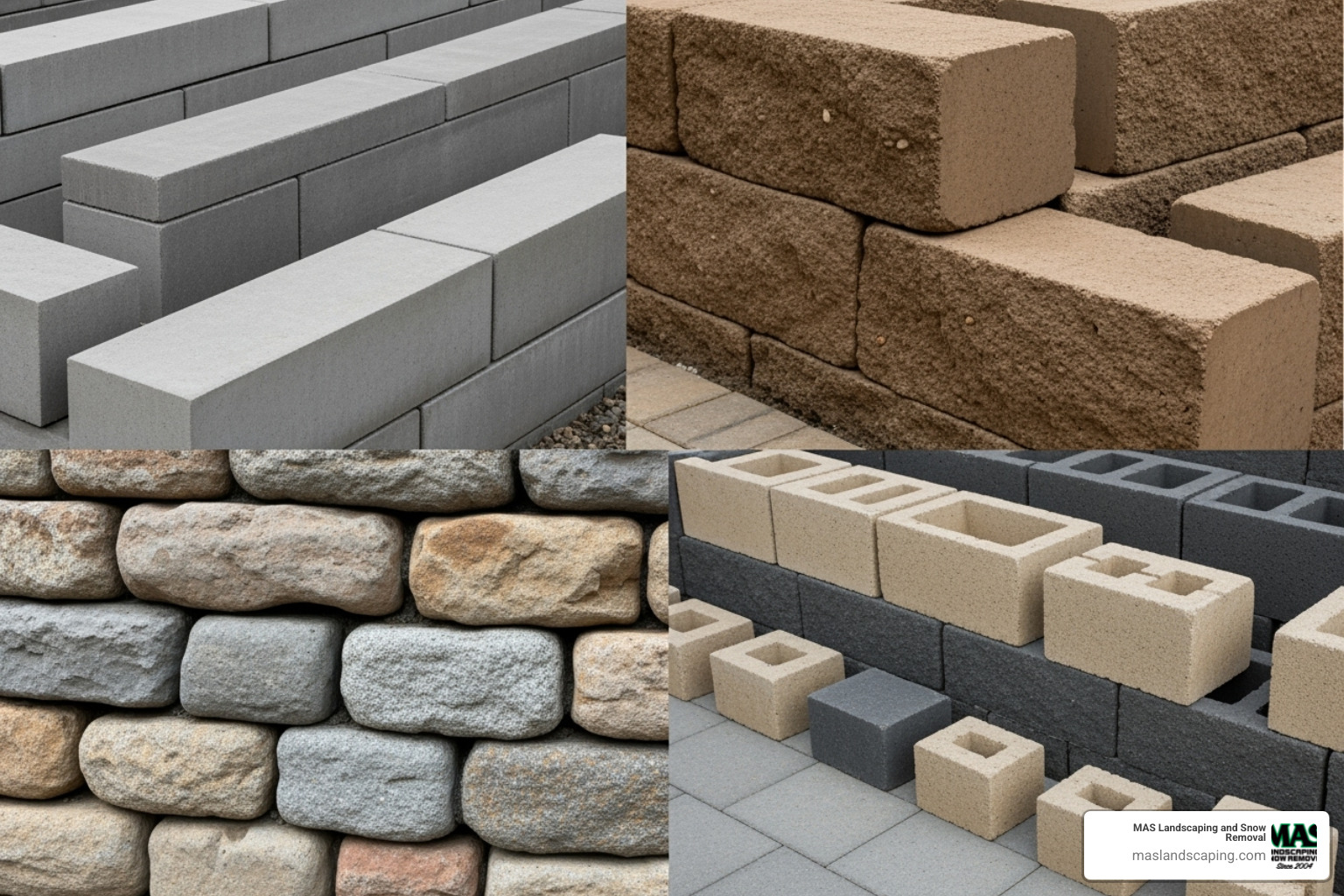
When exploring your options, you’ll encounter a range of designs. Some blocks simply stack together for a gravity-held wall. Others are sophisticated systems with pins or interlocking lips that create a strong, fortified edge.
Interlocking Segmental Retaining Wall (SRW) Blocks
These are perhaps the most common and versatile type of concrete retaining wall block. They are especially popular for residential yards and even many DIY projects. SRW blocks are clever because they’re designed to interlock. This can happen through a hidden rear-lip system, a simple pin system, or even a tongue-and-groove connection. This interlocking feature makes installation much simpler! It helps ensure the blocks are lined up correctly and set back just right, making stacking quick and precise.
Interlocking blocks are excellent for building what we call “gravity walls.” This means the wall stays stable mostly because of the sheer weight of the blocks and how they lock together. Depending on the size of the block you choose, these systems can typically be stacked to create walls up to 3 or 4 feet high without needing extra support like geogrid reinforcement. They come in a huge variety of sizes, colors, and textures, giving you lots of freedom to design your perfect outdoor space.
Large Precast Concrete Blocks
For bigger, tougher projects, or when you need serious structural strength, large precast concrete blocks are the champions! These massive blocks, which often weigh around one ton each, are built for heavy-duty jobs. You might recognize brand names like Redi-Rock and Verti-Block, which specialize in these substantial systems.
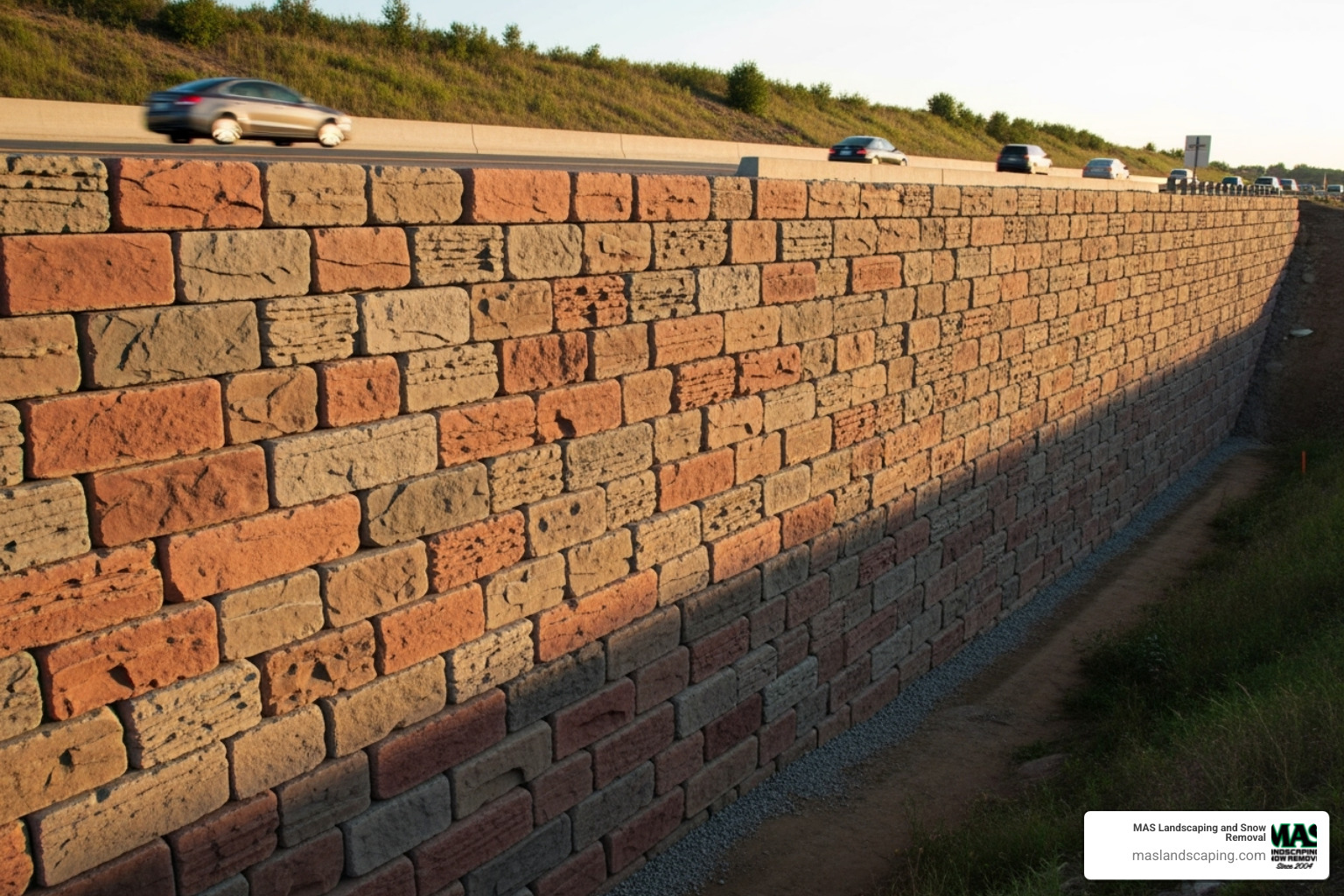
The sheer weight of these blocks allows for very tall gravity walls, often much higher than what you could build with standard SRW blocks, and often without needing a lot of geogrid reinforcement or tie-backs. This can be a big advantage, saving time and money on large-scale commercial projects or even very complex residential ones. For example, Verti-Block uses a clever hollow design that saves on concrete and shipping costs, while its interlocking male-and-female connection keeps everything secure. Redi-Rock even offers a special Positive Connection System for walls that are virtually failure-proof.
These large blocks typically need heavy machinery for installation, so they’re not really for the average DIY project. But for professional landscapers, they’re incredibly efficient! Engineers and architects often choose them because they are so strong and stand up well to harsh weather, including New England’s freeze/thaw cycles. You can learn more about these powerful solutions at Redi-Rock.
Architectural and Decorative Blocks
Beyond just holding back soil, concrete retaining wall blocks are also fantastic tools for making your landscape more beautiful. Many manufacturers offer blocks specifically designed to look just like natural stone. You can find textures that mimic Ledgestone, Limestone, or Cobblestone, or even sleek, smooth, modern finishes. These blocks come in a wide range of colors, often with blended tones, to perfectly match your home and garden design.
These beautiful blocks aren’t just for retaining soil. They are also often used for:
- Freestanding walls: These can divide different areas of your yard or simply add a nice visual touch on flat ground.
- Seating walls: Imagine built-in seating around your patio or fire pit – cozy and practical!
- Garden planters: They create neat, raised garden beds with a polished look.
- Columns: You can use them to improve driveways, patios, or even mailboxes with durable, low-maintenance structures.
Being able to choose from so many textures and colors means we can create a truly custom look for your home. Whether you’re dreaming of a rustic, timeless garden or a sleek, contemporary outdoor space, there’s a concrete retaining wall block for you. Some systems, like Unilock’s U-Cara Multi-Face Wall System, even let you mix and match different panels for unique designs, allowing you to seamlessly tie into your home’s unique architecture.
Planning Your Project: From Selection to Installation
Planning a retaining wall project feels a bit like planning a dinner party – success depends on thoughtful preparation, the right ingredients, and careful attention to detail. Whether you’re tackling a small garden border or a major structural wall, the difference between a beautiful, lasting installation and a costly headache often comes down to how well you plan from the start.
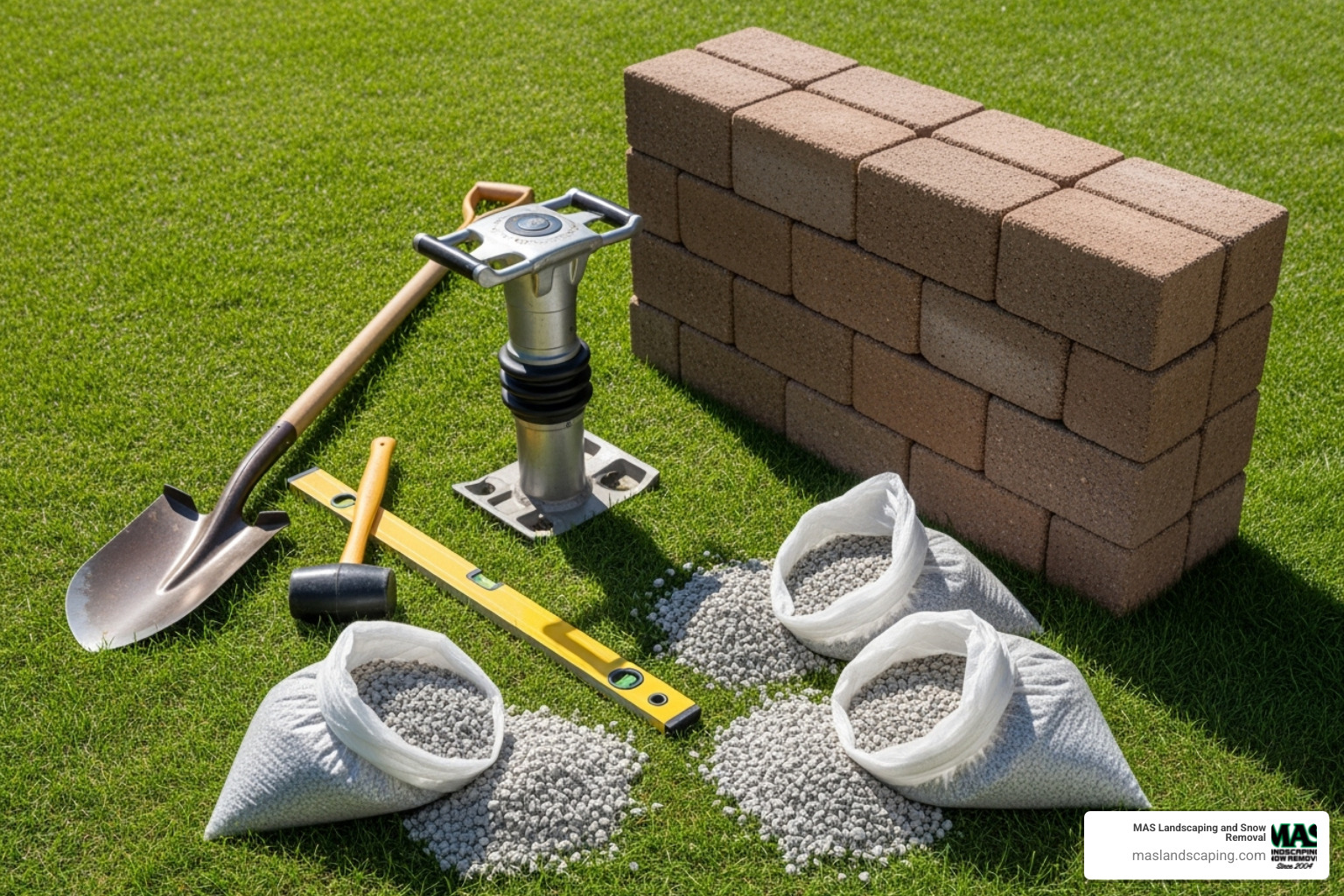
The beauty of working with concrete retaining wall blocks is that much of the guesswork has been engineered out of the process. These blocks are designed to work together as a system, but you still need to make smart choices about which system works best for your specific situation.
Key Factors in Choosing Your Concrete Retaining Wall Block
Think of selecting your concrete retaining wall block like choosing the right tool for a job – there’s often more than one option that could work, but one will be clearly better for your specific needs.
Size and weight matter more than you might think. If you’re planning a DIY weekend project, those lighter interlocking blocks that you can lift comfortably will be your best friend. But if you’re building a taller wall that needs serious structural integrity, you’ll want the heft and stability that comes with larger blocks. Most interlocking systems can safely build walls up to about 3 feet high, but beyond that, you’re entering territory where professional consultation becomes essential.
Color and texture choices have come a long way from the basic gray blocks of decades past. Today’s options can beautifully mimic natural ledgestone, smooth limestone, or rustic cobblestone. The key is thinking about how your wall will look with your home’s architecture and existing landscape. A sleek, modern home might call for smooth-faced blocks in contemporary colors, while a traditional colonial could shine with textured blocks that echo natural stone.
Structural requirements get serious when you’re dealing with walls over 2-3 feet high or challenging soil conditions. The compressive strength of quality blocks typically exceeds 5000 PSI, which sounds impressive – and it is – but height and soil pressure can demand additional reinforcement like geogrid systems.
In New England, freeze-thaw resistance isn’t optional – it’s essential. Our fluctuating temperatures can be brutal on construction materials, but high-quality concrete blocks are specifically manufactured to handle these cycles without cracking or deteriorating.
The Installation Process for a Concrete Retaining Wall Block
Building with concrete retaining wall blocks follows a logical sequence that’s been refined over decades of engineering and real-world experience. While every project has its unique challenges, the fundamental process remains remarkably consistent.
Before you move a single shovel of dirt, call 811 to have underground utilities marked. This simple step could save you from a dangerous and expensive mistake.
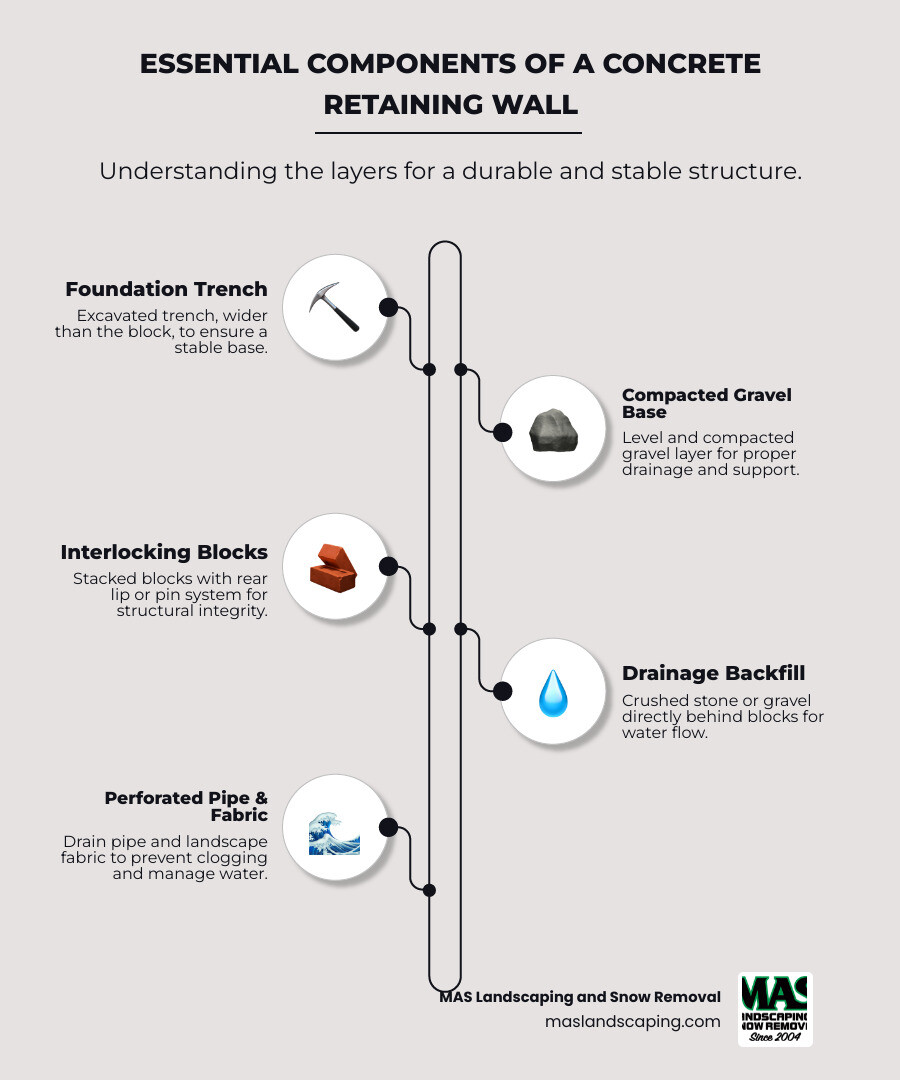
The foundation work sets the stage for everything that follows. You’ll need to excavate a trench that’s typically 4 to 6 inches deep and about twice the width of your blocks. This might feel like overkill, but remember – your wall is only as strong as what’s underneath it.
Creating a perfectly level, compacted base is where many DIY projects succeed or fail. Fill your trench with about 3 inches of crushed stone or paver base, then compact it thoroughly. This base needs to be level both side-to-side and front-to-back. Take your time here – any shortcuts will show up later as a crooked or unstable wall.
The first course is critical because it determines the alignment and level for your entire wall. With interlocking blocks, you’ll often need to remove the rear lip from the first row so they sit flat in the base. Each block needs to be perfectly level, and this is where a good 4-foot level becomes invaluable.
As you build up, staggering the joints creates the structural integrity that makes these walls so strong. Each block should bridge the joint below it, creating a running bond pattern that distributes weight and stress throughout the wall.
Proper backfilling and drainage happen as you build, not after you’re done. Behind each course, you’ll place drainage gravel, and landscape fabric goes between this gravel and your native soil to prevent clogging. For taller walls, a perforated drainage pipe at the base of the gravel layer provides an escape route for water.
The top courses get construction adhesive for extra security, and cap blocks provide both protection and a finished appearance that makes the whole project look professional.
We’ve seen countless retaining walls over the years, and the ones that last are always the ones built with attention to these fundamentals. That’s why our retaining wall installation services focus so heavily on getting these basics right.
Critical Considerations: Drainage, Soil, and Wall Height
Three factors can make or break any retaining wall project, and understanding them upfront can save you significant headaches down the road.
Drainage is the silent killer of retaining walls. When water builds up behind a wall, it creates hydrostatic pressure – essentially, the weight of all that water pushing against your blocks. Even the strongest concrete retaining wall block system can fail if water doesn’t have somewhere to go. This is why proper drainage isn’t just recommended – it’s absolutely essential.
The solution involves creating a drainage system that gives water an easy path away from your wall. This means drainage gravel directly behind the blocks, landscape fabric to prevent soil from clogging that gravel, and often a perforated pipe that carries water to a safe discharge point.
Soil conditions vary dramatically even within a single property. Sandy soils drain well but don’t provide much natural support, while clay soils hold water like a sponge, creating pressure that can push walls out of alignment. Understanding your soil helps determine whether you need additional reinforcement like geogrid – synthetic mesh layers that essentially tie your wall into the earth behind it.
Wall height determines everything from permit requirements to engineering needs. Walls under 2 feet are generally straightforward and often perfect for DIY projects. Between 2 and 4 feet, you’re still in manageable territory, but proper drainage and base preparation become critical.
Once you go over 3-4 feet, you’re typically looking at permit requirements, professional engineering, and often geogrid reinforcement. Many areas require professional sign-off for walls this tall, and for good reason – the forces involved become significant.
Sometimes the smartest approach for a tall retaining need is building two shorter, terraced walls instead of one tall one. This can simplify permitting, reduce engineering requirements, and often creates a more attractive, natural-looking landscape.
These considerations might seem overwhelming, but they’re really about ensuring your investment lasts for decades rather than years. When in doubt, consulting with professionals who understand local soil conditions and building requirements can save both money and frustration in the long run.
Budgeting for Your Retaining Wall: What to Expect
Let’s talk numbers! When you’re dreaming up a new retaining wall, one of the first questions that pops up is often, “How much will this cost?” It’s a great question, and we’re here to help you understand the different pieces of that financial puzzle. The total investment for your concrete retaining wall block project can vary quite a bit. Think of it like building a house – a cozy cottage costs less than a sprawling mansion, right? The same goes for retaining walls, depending on things like the type of block you choose, how tall the wall needs to be, what your specific property looks like, and whether you’re tackling it yourself or bringing in the pros.
Understanding the Costs
Now, for a quick heads-up: the prices we’re about to share are national averages we’ve gathered from research across the internet. They’re here to give you a good idea of what to expect generally, but they definitely don’t represent a specific quote from MAS Landscaping. Your actual project cost will be unique!
First, let’s look at the concrete retaining wall blocks themselves. The cost for each individual block can range pretty widely, typically from $5 to $30 and even more per block. Why such a big difference? Well, it depends on a few things:
- Size and Style: A small, basic interlocking block for a garden border will be much less expensive than a massive, precast block designed for heavy-duty structural support.
- Design and Texture: If you’re looking for a special architectural block with intricate textures or unique colors, it’s going to be on the higher end of the spectrum compared to a standard, plain block. Think of it like choosing a basic tile versus a custom mosaic!
- Manufacturer: Different brands and their unique production processes can also influence the price.
Next up is professional installation, which we truly believe is key for a beautiful, long-lasting wall. While it’s an investment, the peace of mind and quality workmanship are priceless. Hiring experienced professionals for your retaining wall project generally falls in the range of $25 to $75+ per square foot of the wall’s face. This cost usually covers the labor involved, the basic materials like gravel and landscape fabric, and the equipment needed to get the job done right. If your project is particularly complex, involves tricky access to your yard, requires a lot of excavation, or needs specialized drainage systems, that per-square-foot cost might go up a bit.
When you add everything together, the total project cost for a retaining wall can span a huge range. A small, straightforward garden wall might be around $2,000, while a large, complex structural wall – perhaps one that requires extensive engineering or tackles a very steep slope – could easily reach $100,000 or more. Many factors play into this final price tag. For instance, you might need special reinforcement like geogrid, or a very elaborate drainage system. The condition of your soil can also affect the cost, as can any fancy integrated features like built-in steps or outdoor lighting. Oh, and don’t forget to factor in any permit fees that your local building department might require for walls of a certain height.
While the upfront cost for a high-quality concrete retaining wall block system and professional installation might seem like a significant expense, it’s truly an investment in your home and landscape. A properly designed and installed wall isn’t just about looks; it prevents costly soil erosion, creates valuable, usable outdoor space you didn’t have before, and significantly boosts your property’s curb appeal and overall value. It’s a smart choice that pays dividends for years to come!
Your Local Solution for Retaining Wall Success
Choosing the perfect concrete retaining wall block is a big step, but it’s only half the story. What truly brings your vision to life, and makes sure it lasts for years, is expert installation! For our friends in Saugus, Everett, Lynnfield, Malden, Melrose, Medford, Revere, Chelsea, and other nearby Massachusetts towns, teaming up with a local pro like us means your project will not only look amazing but also meet all local codes and stand strong against our unique New England weather.
Here at MAS Landscaping, we’re really proud of our professional approach, personalized care, and deep local knowledge. We know all about the tricky soil conditions and ever-changing weather patterns right here in our area. This local insight helps us pick out the very best concrete retaining wall block solutions for you. Plus, it means we use the right installation tricks, especially when it comes to super important things like drainage and building a rock-solid foundation.
Think of us as your guides through the whole process. A professional touch helps you figure out the best spot for your wall, choose the right block type, and understand what kind of strength it needs. We can even help you find the highest quality materials available. Our team brings years of hands-on experience to every single project. This ensures your new retaining wall isn’t just useful, but also a truly beautiful part of your landscape. We’re not just putting up walls; we’re crafting functional, gorgeous outdoor spaces that you and your family will cherish for many, many years.
Ready to give your yard a fantastic makeover with a tough and attractive retaining wall? Why not explore our hardscaping photo gallery to get some fresh ideas? Then, when you’re ready, simply contact us today for a consultation! We can’t wait to help you make truly solid choices for your property.