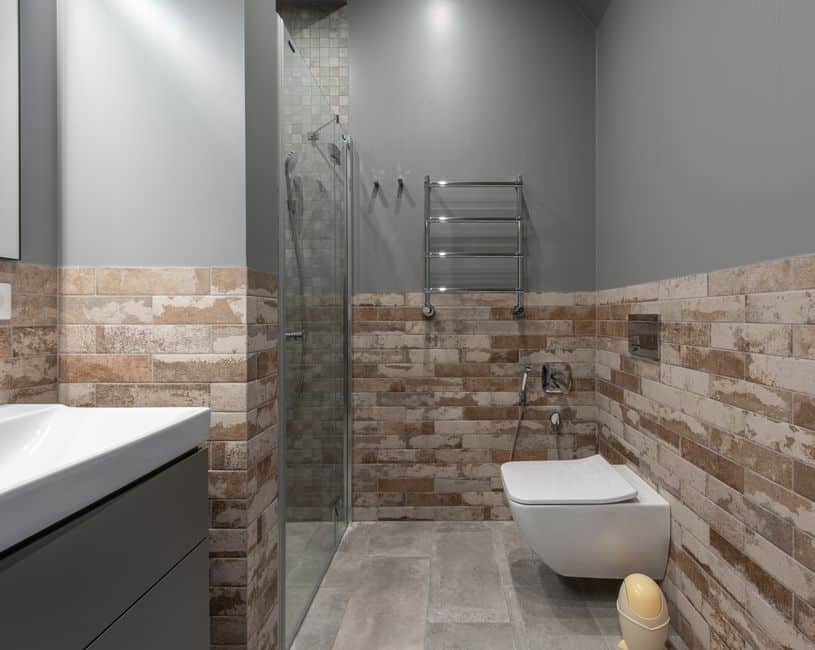



Why Brick Veneer Tile Is Worth Knowing Before You Buy
Brick veneer tile gives you the classic look of a real brick wall — without the weight, cost, or complexity of full masonry. Whether you’re updating a fireplace surround, adding an accent wall, or refreshing an exterior facade, it’s one of the most practical ways to get that timeless brick aesthetic.
Quick answer: What is brick veneer tile?
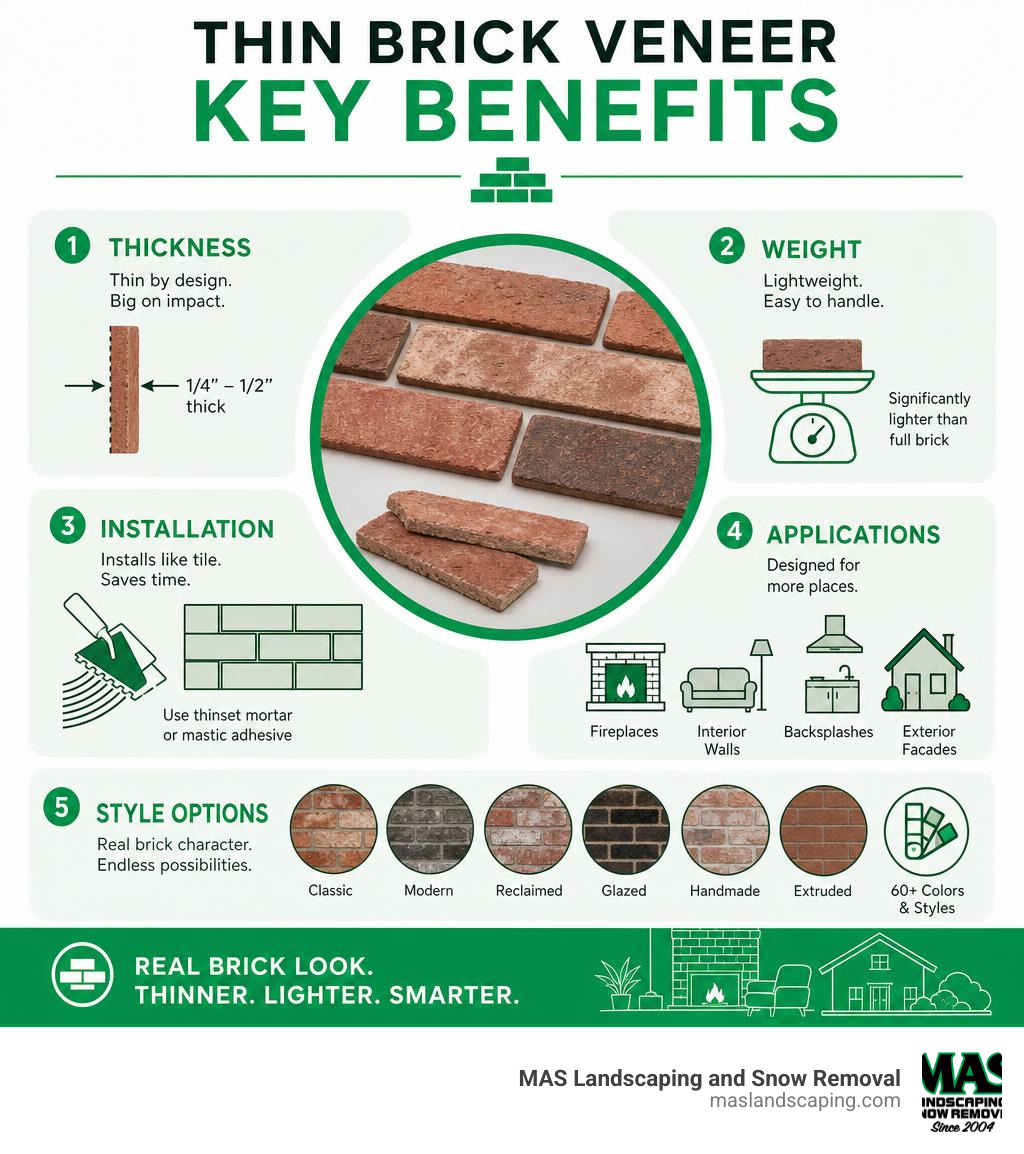
- Thin slices of real clay brick (or concrete/polymer alternatives) typically 1/4 to 1/2 inch thick
- Weighs around 3 to 4.5 lbs per square foot vs. much heavier full brick
- Installs like ceramic tile — using thinset mortar or mastic adhesive
- Works on interior and exterior surfaces: walls, fireplaces, backsplashes, facades
- Available in 60+ colors and styles, including reclaimed, glazed, handmade, and extruded
- No structural reinforcement needed in most applications
Traditional full-size brick is heavy, labor-intensive, and often overkill for decorative projects. Brick veneer tile solves that. It’s real brick character — just thinner, lighter, and far easier to work with.
For Greater Boston homeowners and business owners, this matters even more. You want materials that handle harsh winters, look sharp year-round, and don’t require a structural engineer before installation.
This guide breaks down every major option on the market so you can choose the right product for your project with confidence.
Understanding Brick Veneer Tile: Materials and Manufacturing
When diving into brick veneer tile, it helps to understand exactly what you are putting on your walls. Not all thin bricks are created equal. The material composition and manufacturing process directly impact how the tile looks, how it wears, and where it can be safely installed.
Clay Composition and the Kiln-Fired Process
The most authentic thin bricks are made from genuine clay. These are either sliced from full-size salvaged bricks or specifically molded and fired as thin profiles.
During manufacturing, natural clay is shaped and fired in a high-temperature kiln. This firing process creates a chemical bond that makes the brick incredibly durable, colorfast, and resistant to fading under UV light. If you are looking for that classic, gritty texture and earthy warmth, genuine clay products like Thin Brick Veneer | Traditions in Tile & Stone are the gold standard. Because the color runs all the way through, any minor nicks or chips over time simply add to the rustic character.
Concrete and Polymer-Modified Alternatives
Another popular option is concrete-based or polymer-modified concrete veneer. Instead of being fired in a kiln, these tiles are made by pouring a mixture of Portland cement, lightweight aggregates, and iron oxide pigments into detailed molds.
Concrete brick veneer is highly versatile and can be engineered to be exceptionally uniform in size, which simplifies installation. Some advanced systems even come pre-mounted on fiberglass mesh panels to speed up the layout process. However, because they are colored with pigments rather than kiln-fired, they may require a protective sealer to prevent staining and color fading over time.
Popular Brick Veneer Tile Styles and Textures
Choosing a style is where the fun begins. Because brick veneer tile is highly customizable, manufacturers can replicate almost any architectural era. Here are the most common styles you will find when browsing local showrooms in Massachusetts:
Reclaimed and Antique Brick
If you love the look of a century-old loft in downtown Boston, reclaimed brick is your best bet. These tiles are sliced directly from historic buildings, schools, and factories. They feature natural weathering, chipped corners, and remnants of old mortar. For a clean yet historic look, products like Alpine White Reclaimed Clay Brick Veneer – MSI Surfaces offer a perfect balance of crisp white tones and antique texture.
Extruded (Wirecut) Brick
For modern or industrial designs, extruded bricks offer clean lines and precise dimensions. Clay is pushed through a machine and cut with wires, resulting in a smooth or lightly textured face. If you want a sleek, contemporary look, check out options like Porcelain Matte Velour | Thin Brick Wall Veneer | Brick it® , which provide a beautiful velour texture without the rugged irregularities of older brick.
Handmade and Molded Brick
Handmade tiles have slightly irregular shapes, soft edges, and gentle thumbprints or ripples on the surface. They give a warm, organic feel to kitchens and fireplaces, reflecting light beautifully.
Glazed Finish
For a bold, artistic statement, glazed brick tiles are coated with a ceramic glaze before firing. This produces a shiny, glass-like surface that is completely waterproof and incredibly easy to clean—making them a stellar choice for kitchen backsplashes and bathroom walls.
If you want to touch and see these textures in person, we highly recommend visiting local Massachusetts suppliers such as Tile By Design: Tile Store in Danvers, MA or The Tile Source, Beverly, MA 01915. Tile & Stone Showroom . For high-quality flooring and wall options, you can also explore AJ Rose Of Lynnfield, MA – Flooring store or Daltile – Tile, Stone Wall, and Flooring in Groveland, MA .
Comparing Brick Veneer Tile to Traditional Brick
Why choose a thin veneer over a traditional full-size brick? It mostly comes down to weight, space, and structural engineering.
Traditional building bricks are roughly 3 to 4 inches deep and weigh a hefty 35 to 40 pounds per square foot. If you want to build a full brick accent wall inside an existing home, you will likely need to reinforce your floor joists or pour a concrete footing to support the weight.
Thin brick veneer, on the other hand, is typically only 1/2 inch thick and weighs a mere 4.5 pounds per square foot. It adheres directly to your existing drywall or backer board.
| Feature | Thin Brick Veneer Tile | Traditional Full-Size Brick |
|---|---|---|
| Thickness | 1/4″ to 1″ (typically 1/2″) | 3″ to 4″ |
| Weight | ~3 to 4.5 lbs per sq. ft. | ~35 to 40 lbs per sq. ft. |
| Support Needed | None (adheres to standard walls) | Concrete footings, steel lintels, or foundation support |
| Loss of Floor Space | Minimal (under 1 inch) | Significant (up to 4+ inches) |
| Installation Method | Thinset mortar or mastic (tile method) | Wet mortar bed and masonry ties |
| DIY Friendliness | High (approachable for handy DIYers) | Low (requires professional masonry skills) |
For local projects, sourcing these materials is easy with regional suppliers like Bergen Brick , Veneer Brick – Georgetown Building Supply , or the Thin Brick – M. O’Mahoney Company .
Design Applications and Installation Methods

Because brick veneer tile is so lightweight, you can install it in places where traditional brick would be structurally impossible.
Inside the home, one of the most popular projects is a brick veneer fireplace surround. It adds instant warmth and a focal point to any living room. Kitchen backsplashes are another fantastic application; using a thin brick tile gives you that rustic, cozy kitchen vibe without sacrificing valuable countertop space. You can learn more about creative indoor uses in The Ultimate Guide to Transforming Your Space with Interior Brick Veneer.
Interior and Exterior Applications
Thin brick is equally at home outdoors. It is a fantastic option for updating concrete foundation walls, creating stunning outdoor kitchen surrounds, or adding character to commercial storefronts.
For outdoor patios, walkways, or exterior facades, you need a system that can withstand the elements. Some systems, like Thin Brick Veneer on Mesh Panels | PortStone & Patriot Pavers , use pre-assembled layouts to make large exterior installations faster and more uniform.
When planning outdoor masonry features like a Brick Paver Patio Contractor, a sturdy Brick Retaining Wall, or custom Brick Walkway Ideas, matching your wall veneer to your hardscaping elements creates a beautiful, cohesive look.
Step-by-Step Installation Process
Installing brick veneer tile is very similar to laying standard ceramic tile, but there are a few masonry-specific tricks to keep in mind.
- Substrate Preparation: The wall must be clean, flat, and structurally sound. For interior dry areas, you can install directly over drywall or cement backer board. For wet or exterior areas, a vapor barrier and wire lath or specialized cement board are required.
- Layout and Dry Lay: Always mix tiles from different boxes before starting to ensure a natural blend of colors. Snap chalk lines to keep your rows perfectly level.
- Applying Adhesive: Use a high-quality polymer-modified thinset mortar. Apply it to the wall with a notched trowel, and “back-butter” the back of each brick tile to ensure 100% coverage.
- Setting the Tiles: Press the tiles firmly into the mortar. Use plastic spacers or a traditional mason’s rope to maintain even joint spacing (usually 3/8 inch).
- Using Corner Pieces: To make the installation look like solid, structural brick, always use L-shaped corner pieces around outside corners and window returns.
- Grouting/Pointing: Use a grout bag filled with joint mortar to fill the spaces between the bricks. Once the mortar is “thumbprint hard,” scrape and smooth the joints with a tuck-pointing tool.
- Cleanup: Brush away excess loose mortar with a stiff brush.
For complex projects, or if you want a flawless, long-lasting finish on your home’s exterior, it is always wise to consult professional Brick Paver Installers or local experts in Brick and Masonry.
Cost Analysis and Material Comparisons

Before kicking off your renovation, it helps to understand the financial picture. Let’s look at what you can expect to spend on materials and labor.
Material and Labor Cost Breakdown
Please note: The pricing details below represent average market costs based on internet data and are not actual project quotes for MAS Landscaping.
On average, thin brick veneer materials can run anywhere from $4 to $45+ per square foot, depending on whether you choose budget-friendly concrete tiles, standard extruded clay, or high-end reclaimed historical bricks.
When you hire a professional to install your veneer, labor costs typically range from $10 to $35 per square foot, depending on the complexity of the cuts, heights, and whether you have intricate corners. This means a fully installed professional project can range widely from $14 to over $80 per square foot on the high end for custom, premium materials.
If you are looking for budget-friendly DIY materials to get started, you can find a solid selection of basic options at Brick Veneer for Interior and Exterior Projects – Lowe’s .
Brick Veneer vs. Faux Panels and Stone
How does thin brick stack up against other popular wall coverings?
- Faux Brick Panels: Typically made of polyurethane or vacuum-formed plastic. They are very cheap and incredibly easy to install, but they lack the texture, depth, and cold-to-the-touch feel of real clay. They can also look repetitive and cheap up close.
- Natural Stone Veneer: Beautiful and incredibly durable, but often more expensive and heavier than thin brick. If you prefer a rugged, rocky aesthetic, products like Historic Brick offer a gorgeous alternative.
- Painted Brick: If you already have a solid brick wall, painting it is a cheap way to update the space. However, paint traps moisture and requires ongoing maintenance, whereas thin clay brick tile remains maintenance-free for decades.
For outdoor vertical structures, choosing between a brick veneer wall and a heavy-duty Brick Paver Wall depends on whether you are building a decorative accent or a structural retaining system.
Frequently Asked Questions about Brick Veneer
Is brick veneer tile suitable for outdoor use in freeze-thaw climates?
Yes, absolutely—provided you choose the right product. Kiln-fired clay tiles and frost-rated concrete veneers are highly resistant to freeze-thaw cycles. Because they do not absorb much water, they won’t crack when the temperature drops. Look for products that meet ASTM C1088 (Type TBS, Grade Exterior) specifications, like Sunstone | Thin Brick Wall Veneer | Brick it® , to ensure they can handle tough New England winters.
How thick is thin brick veneer and how much does it weigh?
Most standard thin brick tiles are 1/2 inch thick (though they can range from 1/4 inch to 1 inch) and weigh approximately 4.5 pounds per square foot. This lightweight design means they can be installed on almost any standard wall without structural reinforcement.
Can you install brick veneer tile directly over drywall?
Yes, you can install thin brick directly over drywall for interior, dry applications (like a living room accent wall). We recommend using a high-quality polymer-modified thinset mortar or a heavy-duty tile mastic. However, for wet areas (like kitchen backsplashes) or heavy exterior installations, you should always use cement backer board or a wire lath system to support the weight and resist moisture.
Conclusion
Brick veneer tile is one of the most versatile, cost-effective, and beautiful ways to bring the timeless character of real masonry into your home or business. By skipping the heavy construction and foundation work of traditional brick, you can completely transform your space in a fraction of the time.
At MAS Landscaping and Snow Removal, we are passionate about helping homeowners in Saugus, Lynnfield, Everett, Malden, and the surrounding North Shore communities build beautiful, functional spaces. From custom hardscaping projects to gorgeous landscape walls, our local expertise ensures your home looks its absolute best, season after season.
Ready to bring your dream project to life? Whether you need professional Brick Paver Installers Near Me or want to discuss local Brick Paver Companies Near Me, we are here to help. Reach out to our friendly team today to start planning!