


Landscaping Material: 10 Powerful Picks for Stunning Yards 2025
Why Quality Landscaping Material Makes or Breaks Your Outdoor Project
Whether you’re creating a stunning front entrance or changing your backyard into a peaceful retreat, landscaping material choices determine both the beauty and longevity of your outdoor space. The right materials can boost your property value, reduce maintenance headaches, and create the functional outdoor living areas you’ve always wanted.
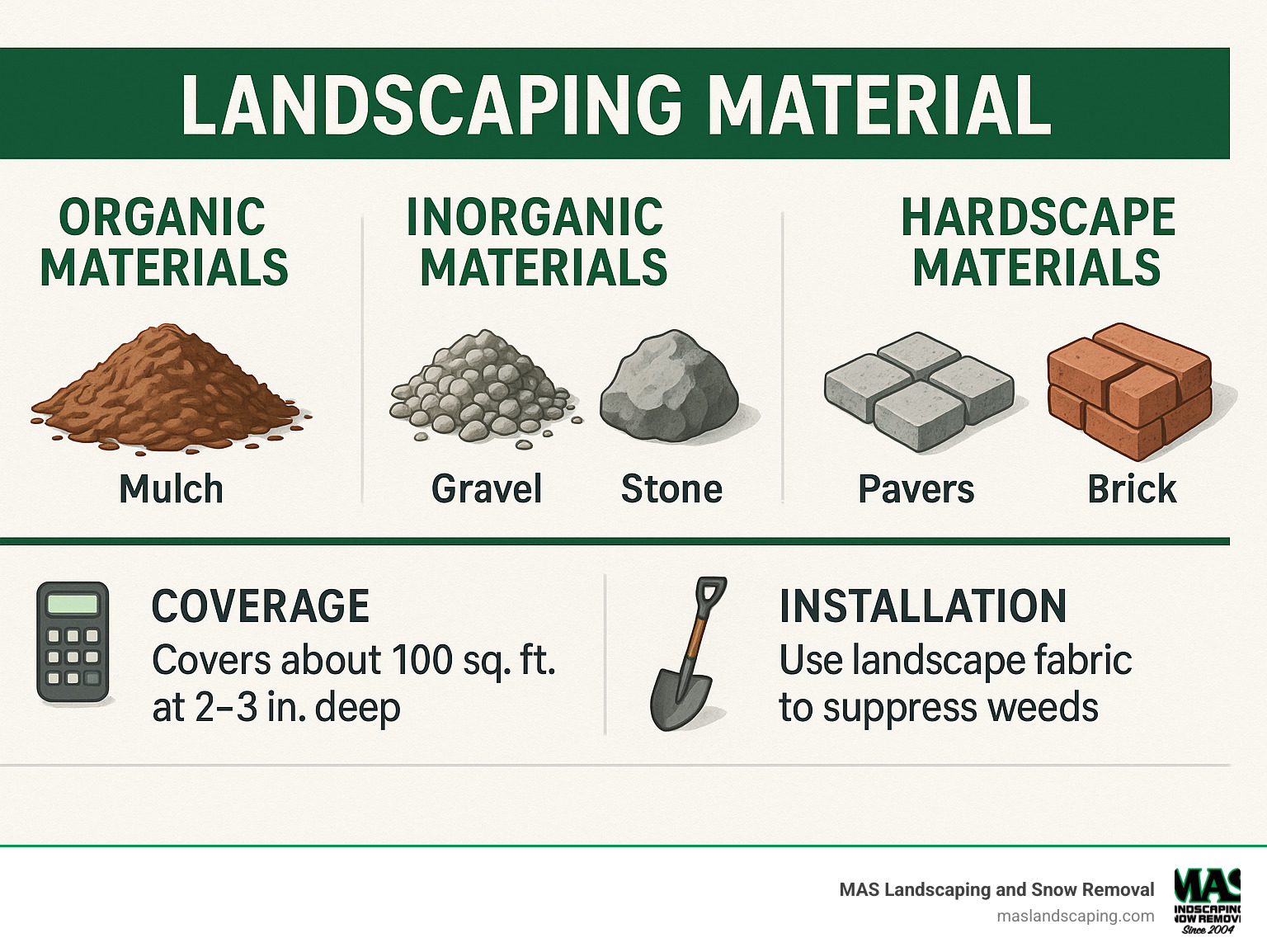
Essential landscaping materials fall into these key categories:
• Organic ground covers – Mulch, compost, topsoil for plant health and moisture retention
• Inorganic materials – Gravel, crushed stone, decomposed granite for drainage and pathways
• Hardscape elements – Pavers, brick, natural stone, concrete for patios and walkways
• Installation foundations – Landscape fabric, sand, edging for proper base preparation
As one landscape expert puts it: “No quicker or easier way to spruce up your landscaping than adding fresh mulch.” But the reality is more complex – each material serves specific purposes and requires different installation techniques.
Smart material selection depends on your project goals:
– Pathways need durable, slip-resistant surfaces
– Garden beds benefit from moisture-retaining organic mulches
– Driveways require strong base materials like crushed stone
– Slopes need erosion-control solutions
The math matters too. A cubic yard of most materials covers about 100 square feet at 2-3 inches deep, but weights vary dramatically – from lightweight mulch to heavy stone that can weigh up to 3,000 pounds per cubic yard.
Landscaping Material Basics: Choosing the Right Foundation
Starting a landscaping project without the right materials is like building a house without a solid foundation – you’re setting yourself up for problems down the road. The good news? Choosing the right landscaping material doesn’t have to be overwhelming when you know what to look for.
Your material selection should start with four essential questions: What’s the current state of your soil? What does your local climate demand? What’s your realistic budget? And how much maintenance are you willing to handle long-term?
Here in Massachusetts, we’ve learned that climate considerations can make or break your project. Those freeze-thaw cycles we experience can shift pavers, crack concrete, and heave stone walls if you don’t plan accordingly. Your materials need to handle everything from sub-zero winter nights to those sweltering summer days that hit 90+ degrees.
Core material categories include organic mulches and soil amendments for plant health, decorative and functional gravels for drainage, hardscape materials like pavers and natural stone for permanent features, base preparation materials such as sand and landscape fabric, and specialty items for finishing touches.
Budget planning extends far beyond just material costs. While some options might seem expensive upfront, they often save money in the long run through reduced maintenance and longer lifespan. The key is matching your material choice to your specific application rather than automatically choosing the cheapest or most expensive option.
How Do “Landscaping Material” Types Drive Project Success?
Every landscaping material has its sweet spot – that perfect application where it really shines. Understanding these strengths helps you avoid costly mistakes and creates outdoor spaces that actually work for your lifestyle.
Pathways demand materials that provide stable, safe footing year-round. Decomposed granite creates those beautiful, permeable garden paths that feel natural underfoot, while interlocking pavers can handle heavy foot traffic without cracking like poured concrete often does.
When it comes to patios, you’re balancing beauty with practicality. Natural stone delivers best elegance and can last for decades with minimal care, though it requires a bigger upfront investment. Concrete pavers offer similar durability at a more budget-friendly price point, plus they come in countless design options.
Garden beds absolutely love organic materials that keep giving back to your plants. A proper 3-inch layer of quality mulch works triple duty – suppressing weeds, holding moisture, and slowly feeding your soil as it breaks down.
Driveways need tough materials that can handle vehicle weight and weather extremes. A solid base of crushed stone topped with decorative gravel creates surfaces that look great and shed water effectively, preventing those frustrating puddles and washouts.
For erosion control and slopes, you need materials that stabilize soil while still allowing water to infiltrate naturally. Properly installed landscape fabric under decorative rock can reduce weed growth by up to 90%, while organic mulches help prevent soil from washing away during heavy rains.
“Landscaping Material” Cost Snapshot & Coverage Rules
Getting your quantities right saves you from those frustrating trips back to the supply yard – or worse, having too much material sitting in your driveway. Understanding landscaping material coverage follows some basic math that’s easier than you might think.
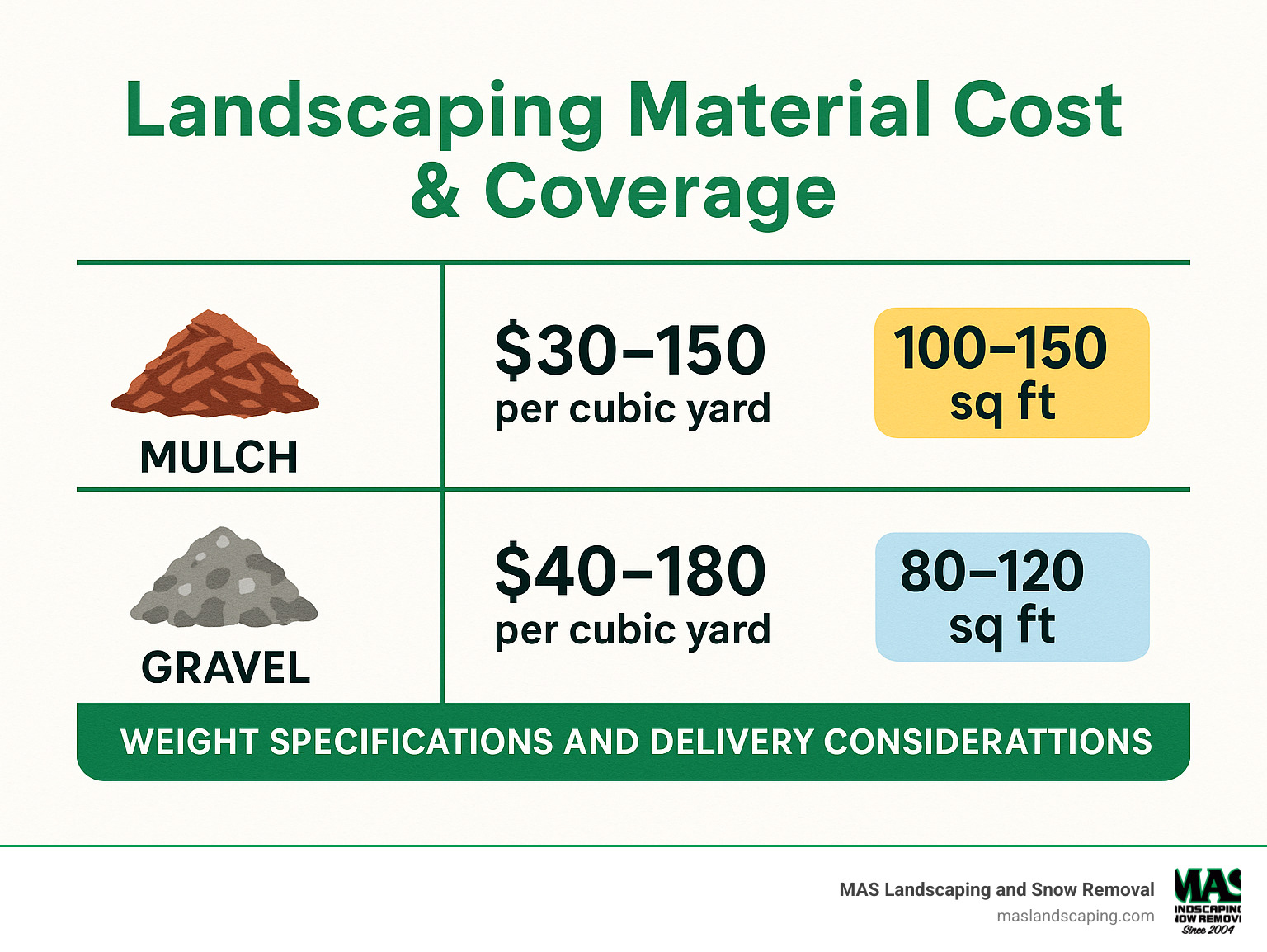
The golden rule for coverage calculations is simple: one cubic yard typically covers about 100 square feet when spread 2-3 inches deep. This applies to most materials, though you’ll see slight variations based on particle size and how much the material settles over time.
Weight matters more than many homeowners realize, especially for delivery and installation planning. Sand and gravel pack a serious punch at 1.25 to 1.5 tons per cubic yard – that’s 2,500 to 3,000 pounds! Mulch, on the other hand, stays much lighter at 400-800 pounds per cubic yard, making it easier to handle and spread.
Based on average internet pricing data, material costs can vary dramatically depending on quality, location, and seasonal demand. Premium materials often cost three to five times more than basic options, but the investment usually pays off in durability and appearance.
Organic Ground Covers: Mulch, Compost & Soil
Think of organic landscaping material as nature’s recycling program. These living materials don’t just sit there looking pretty – they’re constantly working to improve your soil, feed beneficial microbes, and create healthier growing conditions for your plants.
Wood and bark mulches are the workhorses of the organic world. Shredded hardwood mulch breaks down slowly and steadily, giving you excellent bang for your buck with long-lasting weed suppression and moisture retention. It’s like having a protective blanket that gets better with age.
Cedar mulch brings something extra to the table – it naturally repels insects while adding that fresh, woodsy fragrance that makes you want to spend more time in your garden. We love recommending cedar around vegetable gardens where you want to keep the bugs at bay without chemicals.
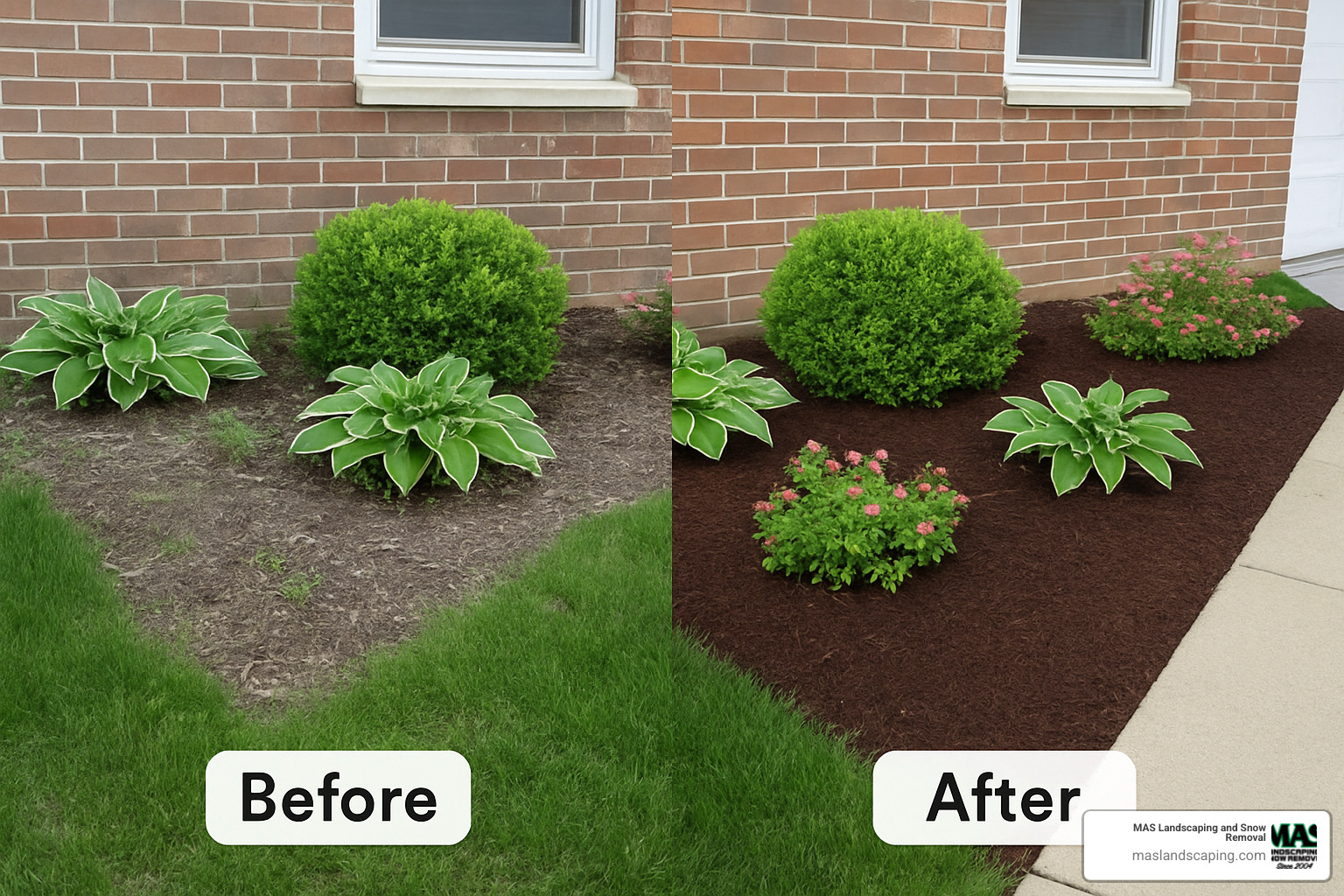
Dyed mulches can transform your landscape overnight, but they need a little TLC to look their best. Here’s the secret: give them 24-48 hours to dry after installation before expecting rain. If Mother Nature doesn’t cooperate and your colors start looking patchy after a downpour, don’t panic. Just rake and fluff the mulch to blend the faded surface with the still-vibrant material underneath.
The difference between topsoil and garden soil trips up a lot of folks. Regular topsoil is basically the earth’s top layer – it’s fine as filler but not much of a plant food. Garden soil, on the other hand, is like a superfood smoothie for your plants, packed with screened topsoil, compost, and amendments designed to make things grow.
Compost blends are where the magic really happens. These mixtures introduce armies of beneficial soil microbes that help plants resist disease and absorb nutrients more effectively. Mushroom compost provides excellent organic matter and improves soil structure, while aged manure compost delivers higher nitrogen levels that vegetables absolutely love.
Organic materials also excel at moisture retention – they can reduce your watering needs by up to 50% during dry spells. Plus, they provide natural weed suppression that gets more effective as the materials settle and compact slightly.
For more detailed guidance on selecting the perfect organic materials for your specific project, check out our comprehensive Garden Mulch guide or learn about our professional Mulch Delivery and Installation services.
Mulch Matchmaking for Beds & Borders
Finding the right mulch for your garden is like matchmaking – you want materials that complement your plants’ needs and your maintenance style. After years of working with New England gardens, we’ve learned which combinations create the happiest partnerships.
Shredded hardwood is our reliable friend that works well almost everywhere. It breaks down at just the right pace – not too fast, not too slow – and stays put during our notorious spring rainstorms. We recommend it for perennial beds and around trees because it creates that perfect balance of protection and breathability.
Cedar mulch brings natural pest-fighting powers to your garden party. The aromatic oils that give cedar its pleasant smell also discourage many insects from setting up camp. It’s particularly brilliant around herb gardens and vegetable beds where you want to keep things chemical-free.
Pine straw creates a beautiful, natural carpet that’s especially effective on slopes. The needles interlock like nature’s own erosion control system, staying in place while allowing excellent water penetration. Plus, it gives your landscape that soft, woodland feel that’s hard to achieve with other materials.
Colored mulch delivers instant curb appeal, but timing is everything. Install it at the proper 2-3 inch depth and avoid scheduling delivery right before a rainstorm. The 24-48 hour dye set period is crucial for long-lasting color. If fading happens after heavy weather, a quick rake and fluff session will restore that fresh, uniform appearance.
Installation depth makes a bigger difference than most people realize. That magic 2-3 inch layer provides optimal weed suppression and moisture retention without suffocating your plants’ roots. We’ve seen well-meaning homeowners pile on 6 inches thinking more is better, only to create anaerobic conditions that stress their plants.
For additional insights on choosing the right materials for different landscape situations, this resource on essential landscaping materials offers helpful comparisons.
Super-Soils & Compost Cocktails
Creating soil that makes plants thrive is part science, part art, and a whole lot of understanding how different ingredients work together. The best garden soils aren’t accidents – they’re carefully crafted mixtures designed to solve multiple problems at once.
Screened topsoil forms the foundation of most quality soil blends. Think of it as your base ingredient – it provides structure and bulk while ensuring consistent particle size and minimal debris. Quality screening makes all the difference in how water moves through your soil and how easily roots can spread.
Compost additions transform ordinary dirt into plant paradise. Beyond providing slow-release nutrients, compost improves soil structure and increases water retention capacity. It’s like adding beneficial bacteria to your garden’s digestive system – everything just works better.
Manure composts pack more nutritional punch than plant-based options, making them perfect for hungry crops like tomatoes and corn. Well-aged manure compost won’t burn tender plants but provides steady feeding throughout the growing season. The key word here is “aged” – fresh manure can actually harm plants.
Raised-bed mixtures need special consideration since they’re essentially giant containers. The best blends combine equal parts screened topsoil, quality compost, and coarse sand or perlite. This combination drains well enough to prevent root rot while holding sufficient moisture for consistent plant growth.
pH balancing becomes especially important here in New England where our soils naturally lean acidic. Adding limestone raises pH for plants that prefer neutral conditions like most vegetables, while sulfur can lower pH for acid-loving plants like blueberries and azaleas.
The nutrient boost from quality compost extends far beyond basic plant food. It creates an entire ecosystem of beneficial microorganisms that help plants resist diseases, absorb nutrients more efficiently, and handle stress better.
For a deeper dive into how organic matter transforms into plant-available nutrients, this compost resource explains the fascinating science behind the process.
Inorganic & Hardscape Materials: Stone, Gravel, Pavers & More
When you need materials that won’t break down over time, inorganic options provide the permanent backbone of functional landscapes. These landscaping material choices create lasting solutions for everything from garden pathways to entertainment patios, offering durability that organic materials simply can’t match.
Pea gravel stands out as one of our most versatile recommendations. Those smooth, rounded stones feel comfortable underfoot while providing excellent drainage around plants that hate wet feet. The way pea gravel compacts naturally makes it perfect for creating stable walking surfaces that still let rainwater soak through.
River rock brings drama to landscape designs with its larger sizes and beautiful color variations. We love using these smooth stones as living mulch alternatives in modern garden designs. They’re also fantastic for controlling erosion on slopes – the weight and interlocking action really helps hold soil in place during heavy rains.
Crushed stone comes in specific grades that sound like secret codes – #3, #10, #57, #67, #411 – but each serves important purposes. The angular edges lock together when compacted, creating rock-solid foundations for driveways and patios. It’s the difference between a surface that shifts and settles versus one that stays put for decades.
Decomposed granite has become a favorite for homeowners looking to reduce water usage without sacrificing beauty. This finely crushed material compacts into firm, natural-looking surfaces that significantly cut down on irrigation needs. It’s particularly popular in xeriscaping projects where every drop of water counts.
Granite dust might seem like leftover material, but it’s actually incredibly useful. When swept into paver joints, it locks everything in place and prevents shifting. As a soil amendment, it improves drainage while adding trace minerals that plants appreciate.
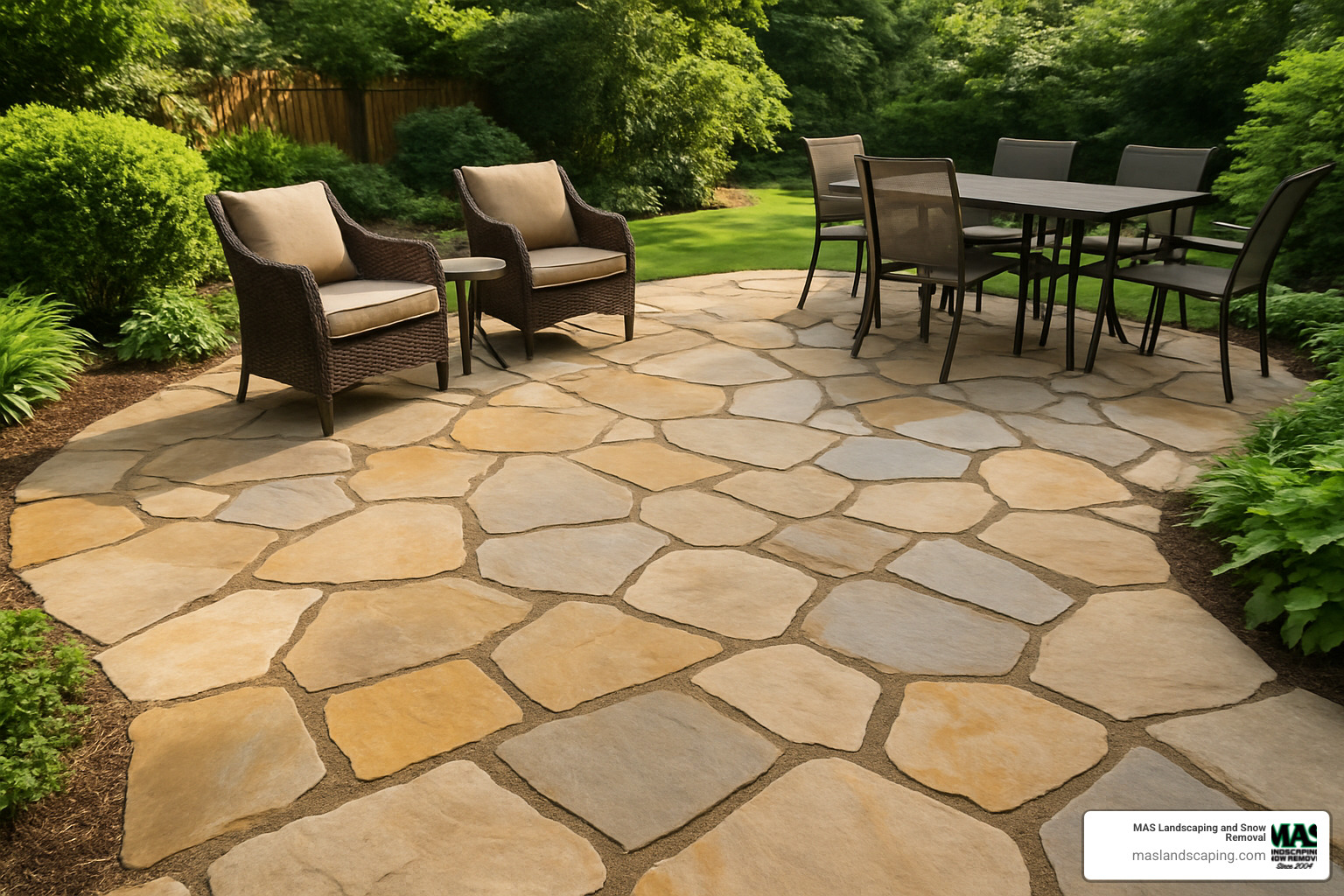
Pavers, brick, and natural stone represent the premium end of landscaping material options, but they deliver value through longevity and timeless appeal. Wood decking creates liftd outdoor living spaces, while concrete offers versatility in both traditional and modern applications. Even artificial turf has evolved beyond basic lawn replacement to become a legitimate surface option for specific situations.
For professional installation that maximizes the potential of these premium materials, our Pavers for Patios services demonstrate how expert installation and quality materials create outdoor spaces that truly last.
Gravel, Crushed Stone & Decomposed Granite—Which Look & Perform Best?
After installing countless square feet of different stone materials, we’ve learned that each type excels in specific situations. The key is matching material characteristics to your particular needs and aesthetic vision.
Appearance makes the first impression. Pea gravel creates that smooth, uniform look with subtle color shifts that work beautifully in traditional gardens. River rock delivers bold texture and dramatic color contrasts that make contemporary landscapes pop. Crushed stone brings an angular, industrial feel that’s perfect for modern design approaches.
Drainage performance varies dramatically based on particle size and shape. Larger materials like river rock drain incredibly well but can feel uncomfortable for regular walking. Smaller options like decomposed granite provide good drainage while creating surfaces smooth enough for wheelchairs and bicycles.
Maintenance needs differ more than most people expect. Loose gravel requires periodic raking and occasional replenishment to maintain its appearance and function. Stabilized decomposed granite creates low-maintenance surfaces that resist washout and keep weeds from taking hold.
Decomposed granite colors range from warm tans and golds to cool greys, blues, and even pink tones. This variety lets you coordinate with existing landscape elements or architectural features. When properly installed and compacted, DG creates surfaces firm enough for bikes and accessible for mobility aids.
Crusher dust serves multiple roles in landscape construction. Its fine texture allows tight compaction while maintaining water permeability. However, crusher dust can turn muddy in wet conditions if the base preparation isn’t done properly.
Driveway applications demand different characteristics than pathway materials. Driveways need larger, angular materials that won’t shift under vehicle weight. Pathways can use smaller, more comfortable materials that prioritize walking ease over heavy load-bearing capacity.
For comprehensive technical guidance on selecting the right stone material for your specific project, this detailed gravel and crushed stone buying guide provides excellent information about different grades and applications.
Pavers, Brick & Natural Stone: Hardscape Heavyweights
Premium hardscape materials represent significant investments, but they create permanent landscape features that can outlast the house itself when properly installed. Understanding what makes these materials special helps justify their higher upfront costs.
Installation cost spectrum varies dramatically based on material selection and project complexity. Basic concrete pavers typically fall on the lower end, while premium natural stones like granite or bluestone command top-tier pricing. The complexity of patterns and site preparation also significantly impacts total project costs.
Modular design gives pavers a major advantage over solid concrete slabs. Individual units can be replaced if damaged without affecting surrounding areas. The interlocking design distributes weight effectively, and you can access utilities underneath without demolishing entire sections.
Frost-heave resistance becomes critical in our New England climate. Properly installed pavers with adequate base preparation handle freeze-thaw cycles much better than poured concrete. The joints between pavers allow slight movement without creating cracks.
Sealing schedules depend on material type and exposure conditions. Natural stone typically needs sealing every few years to prevent staining and weather damage. Concrete pavers benefit from sealing every few years to maintain color vibrancy and resist oil stains from grills or vehicles.
Slip resistance varies significantly between materials and surface finishes. Textured surfaces provide better traction in wet conditions but collect dirt more readily. Smooth surfaces look pristine but can become slippery when wet or covered with leaves.
Luxury factors include material rarity, installation complexity, and long-term beauty. Natural stones like granite, slate, and travertine offer unique patterns and colors that manufactured materials can’t replicate. The investment often pays dividends in both daily enjoyment and property value.
Wood, Concrete & Alternative Surfaces
Beyond traditional stone options, several other landscaping material choices provide functional and attractive surfaces for different situations and budgets. Each brings specific advantages worth considering.
Pressure-treated wood decks remain popular for creating liftd outdoor living spaces. Modern pressure-treated lumber resists rot and insect damage effectively, though it requires periodic sealing to prevent weathering and maintain its appearance over time.
Stamped concrete delivers the visual appeal of natural stone or brick at a fraction of the cost. Properly installed stamped concrete can last for decades, though it may develop cracks over time and needs periodic sealing to maintain its appearance and weather resistance.
Permeable concrete addresses drainage concerns while providing solid walking and entertaining surfaces. This specialized concrete allows water infiltration while maintaining structural integrity, making it ideal for areas with strict stormwater management requirements.
Artificial turf has evolved far beyond basic lawn replacement. High-quality synthetic surfaces create comfortable, low-maintenance areas for play spaces, pet runs, and locations where natural grass struggles due to shade or foot traffic.
Eco-rating considerations increasingly influence material selection decisions. Recycled concrete aggregate, reclaimed wood materials, and locally sourced stone reduce environmental impact while often providing cost savings compared to new materials shipped from distant locations.
Installation Essentials: Fabric, Bases, Drainage & Calculations
Getting your landscaping material to perform beautifully for years comes down to what happens before anyone sees the finished project. We’ve watched countless installations fail because homeowners skipped the “boring” preparation steps. Trust us – spending extra time on the foundation prevents headaches later and makes your investment last decades instead of seasons.
Think of installation prep like building a house. You wouldn’t skip the foundation just because it’s underground, right? The same logic applies to landscape projects. Landscape fabric becomes your first line of defense against weeds trying to push through your beautiful new gravel pathway. But not all fabric is created equal.
Woven polypropylene fabrics offer the sweet spot between durability and functionality. They block weeds effectively while letting water and air flow through to keep your soil healthy. Non-woven fabrics work fine for temporary projects, but they tend to break down faster under heavy stone materials.
When installing weed barrier fabric, overlap edges by at least six inches – think of it like shingling a roof. Secure everything with landscape fabric pins every few feet. Those little details make the difference between a professional-looking installation and one that develops gaps and weed problems within a year.
Crushed-stone bases provide the stability that keeps pavers level and prevents that annoying settling that creates trip hazards. A properly compacted 4-6 inch layer of #57 or #411 crushed stone creates excellent drainage while giving your surface materials something solid to rest on.
Sand leveling comes next, but here’s where many DIY projects go wrong – using the wrong sand type. Concrete sand compacts much better than mason sand, creating stable surfaces that won’t shift over time. Keep your sand layer to about one inch over the stone base for fine-tuning individual paver heights.
Edging systems might seem like an afterthought, but they’re actually crucial for containing loose materials and maintaining clean lines between different landscape areas. Whether you choose plastic, metal, or stone edging, this step prevents your carefully installed gravel from migrating into lawn areas or flower beds.
Slope management becomes critical when working on anything steeper than gentle grades. Slopes steeper than 3:1 (three feet horizontal for every foot vertical) often need terracing or retaining structures to prevent erosion and material washout during heavy rains.
French drains solve chronic drainage problems that can undermine even the best landscaping material installations. These underground drainage systems redirect water away from problem areas while keeping your surface design intact and attractive.
For comprehensive information about bulk material delivery and installation support, visit our Bulk Landscaping Materials page.
What to Lay Under Gravel or Rock for Weed-Free Stability
Creating gravel and rock installations that still look great years later starts with choosing the right foundation materials. What you put under those decorative stones determines whether you’ll be pulling weeds next summer or enjoying a low-maintenance landscape.
Permeable landscape fabric works best for most gravel applications. High-quality woven fabric blocks weed growth while allowing water and air to move freely to the soil below. This prevents waterlogging problems while keeping aggressive weeds from breaking through your beautiful stone surface.
For areas with particularly stubborn weed problems, polyethylene sheeting creates a more aggressive barrier. While less permeable than fabric, plastic sheeting provides maximum weed control in situations where persistent weeds consistently break through other barriers. Just be aware that it can create drainage challenges in some situations.
Rubber mulch layers offer an interesting alternative approach that combines weed suppression with gradual soil improvement. A layer of rubber mulch under decorative stone provides cushioning and drainage while slowly decomposing to improve soil structure over time.
Getting the overlap and securing techniques right prevents weed intrusion at material edges – often the weakest point in any installation. Overlap fabric or sheeting by at least six inches at all seams, and secure edges with landscape staples or by tucking material under existing hardscape elements.
Moisture flow considerations require balancing weed control with plant health. Materials that completely block water movement can create drainage problems and prevent beneficial moisture from reaching plant roots in adjacent planting areas.
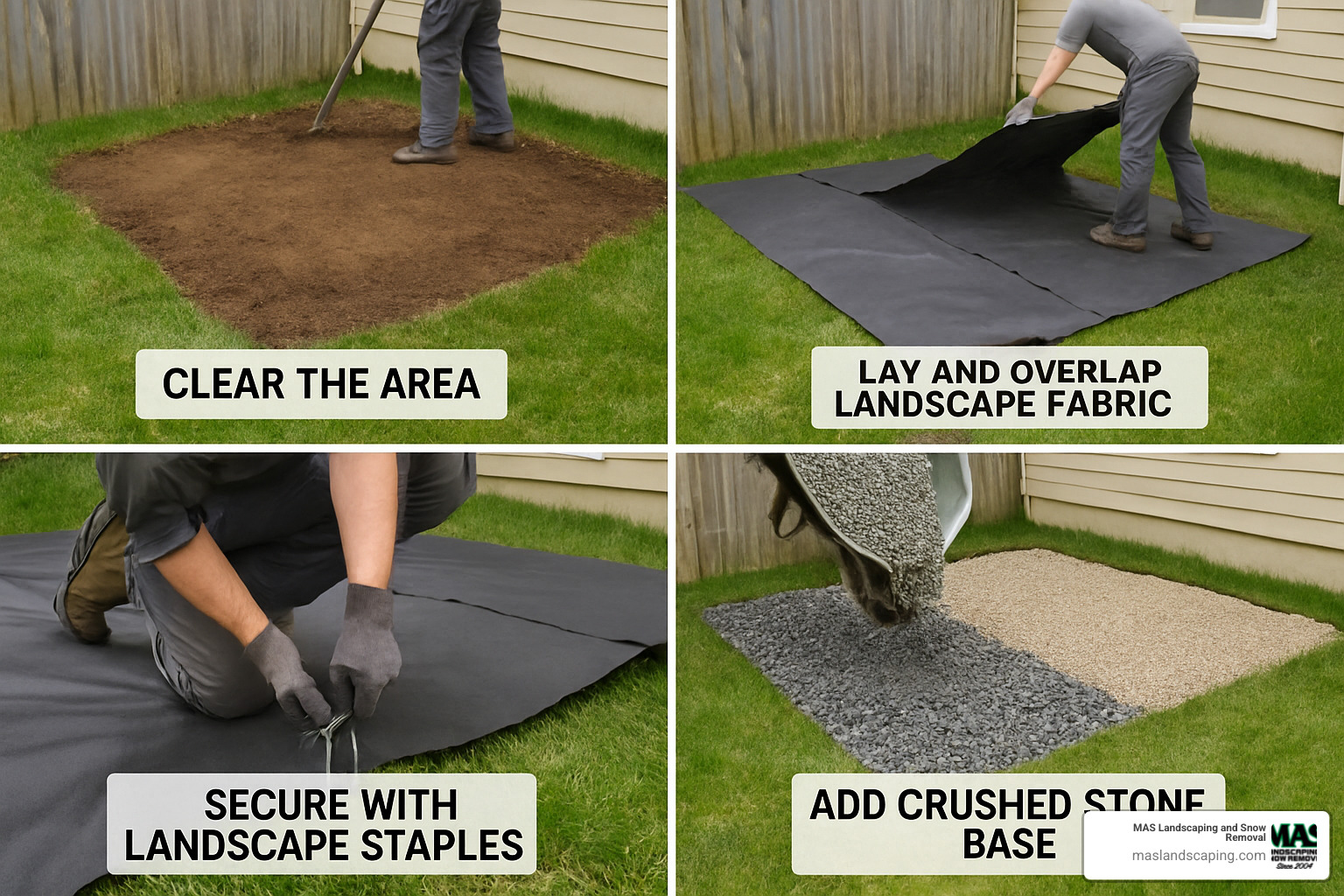
Properly installed landscape fabric can reduce weed growth by up to 90% under rock or gravel installations. That initial investment in quality materials and proper installation techniques pays for itself in reduced maintenance time and frustration.
Measuring Up: How Much Landscaping Material Do You Need?
Nothing stops a project faster than running out of materials halfway through installation. We’ve seen too many weekend projects turn into multi-week ordeals because someone underestimated their material needs. Getting the math right from the start keeps your project moving smoothly.
Basic area calculations start simple – length times width for rectangular areas. For irregular spaces, break everything into rectangles and triangles, calculate each section separately, then add the results together. Don’t worry about being perfect; close estimates work fine when you add appropriate safety margins.
Depth conversions trip up many people because you need to convert inches to feet before calculating cubic requirements. 3 inches equals 0.25 feet, so a 100 square foot area at 3 inches deep requires 25 cubic feet, or about 0.93 cubic yards.
The 324 formula simplifies these calculations significantly: Area (square feet) × Depth (inches) ÷ 324 = Cubic yards needed. This formula handles all the conversions automatically, making it much easier to get accurate estimates.
Online calculators provide convenient alternatives to manual math, though understanding the basic calculations helps you verify results and catch obvious errors. Many landscaping material suppliers offer calculators specific to their products.
Safety margins prevent those project-stopping shortages. Add 10% extra for most materials to account for compaction, irregular areas, and future touch-ups. For complex installations or very irregular shapes, consider adding 15-20% extra material.
Delivery considerations include truck size limitations and site access requirements. Standard delivery trucks need adequate turning radius and firm surfaces to avoid getting stuck or damaging your lawn and driveway.
Weight limits affect both delivery options and site preparation needs. A cubic yard of stone can weigh up to 3,000 pounds, so consider your driveway’s load limits and how close the truck can get to your final installation location.
Maintenance, Sustainability & Regional Considerations
Taking care of your landscaping materials over time makes the difference between a landscape that stays beautiful for years versus one that becomes a constant source of frustration. Here in Massachusetts, we’ve learned that smart material choices and simple maintenance routines create outdoor spaces that actually get better with age.
Organic mulches need the most attention, requiring fresh top-dressing every 1-2 years as they naturally decompose and settle. This isn’t really a drawback though – that decomposition process feeds your soil and improves plant health. Inorganic materials like gravel and stone offer the opposite approach, potentially lasting decades with just occasional raking to keep them looking tidy.
Color changes happen with most materials over time. Dyed mulches typically fade within 6-12 months, especially in sunny spots, but a simple rake-and-fluff usually restores their appearance by mixing faded surface material with fresh color underneath. Natural stone colors stay remarkably stable, while some concrete products gradually mellow to softer tones.
Sealing schedules depend on your material choices and how much traffic they see. Natural stone in high-use areas benefits from sealing every 2-3 years to resist stains and weather damage. The investment in quality sealers pays off by making surfaces easier to clean and more resistant to oil spills from grills or vehicles.
Living in New England means dealing with freeze-thaw cycles that can wreak havoc on poorly chosen materials. We’ve seen concrete crack, pavers shift, and even some natural stones split when water freezes in tiny cracks. Materials that handle our temperature swings from below zero to 90+ degrees perform much better long-term.
Water conservation has become increasingly important as both environmental awareness and utility costs rise. Decomposed granite and xeriscaping materials help reduce irrigation needs while maintaining attractive appearances year-round. These materials work particularly well in areas where traditional lawns struggle or require excessive watering.
Choosing locally sourced materials makes sense from both environmental and practical perspectives. Local stone and aggregates have lower transportation costs and environmental impact, plus they naturally complement the regional aesthetic. Recycled material options like reclaimed brick and recycled concrete aggregate offer similar performance with reduced environmental footprint.
Soil compatibility matters more than many people realize. Our heavy clay soils benefit from materials that improve drainage, while the sandy areas near the coast need materials that help retain moisture. Matching materials to your specific soil type prevents problems and reduces long-term maintenance needs.
For innovative low-maintenance solutions, explore our Artificial Grass Installation services. For scientific information about soil improvement through organic matter, this research on compost benefits provides detailed technical information.
Frequently Asked Questions about Landscaping Material
When planning your landscape project, you probably have questions about materials, installation, and long-term performance. We hear these same questions from homeowners throughout the Saugus area, so let’s address the most common concerns with practical answers based on our field experience.
What should be laid under gravel or rocks to prevent weeds?
The secret to weed-free gravel installations lies in choosing the right underlayment for your specific situation. High-quality landscape fabric provides the best all-around solution for most projects – specifically woven polypropylene fabric that blocks weeds while allowing water to reach the soil below.
Installation technique makes all the difference. Overlap your fabric pieces by at least 6 inches at all seams, and secure the edges with landscape staples every 2-3 feet. Don’t skip this step – loose fabric creates gaps where weeds will inevitably find their way through.
For areas where you’ve battled persistent weeds like crabgrass or dandelions, polyethylene sheeting creates an impenetrable barrier. That plastic sheeting reduces water permeability, so it’s not ideal near plants that need consistent moisture. Sometimes the extra weed control is worth the trade-off, especially around driveways and purely decorative areas.
How do I calculate cubic yards from square footage?
Here’s the math formula that saves you from ordering headaches: Area (square feet) × Depth (inches) ÷ 324 = Cubic yards needed. The number 324 handles all the conversions automatically, so you don’t need to worry about converting feet to inches and back again.
Let’s walk through a real example. Say you’re covering a 200 square foot patio area with decorative gravel at 3 inches deep. Your calculation would be: 200 × 3 ÷ 324 = 1.85 cubic yards.
Always add 10% extra to your final calculation. Materials settle, areas are rarely perfectly uniform, and having a little extra prevents project delays. Trust us – running short on materials when you’re halfway through installation is frustrating and often costs more than ordering extra upfront.
One cubic yard typically covers 100 square feet at the standard 2-3 inch depth. This rule of thumb helps you quickly estimate needs for most landscaping material projects.
What are the pros and cons of wood, concrete, pavers, brick and natural stone?
Each hardscape material brings distinct advantages and challenges. Understanding these trade-offs helps you choose options that match your priorities for appearance, maintenance, and longevity.
Wood decking creates warm, comfortable outdoor living spaces that feel natural and inviting. The downside? Wood requires sealing every few years to prevent weathering and potential rot. Even pressure-treated lumber needs regular maintenance to look its best, though modern treatments make wood much more durable than in the past.
Concrete surfaces offer excellent durability and design versatility at reasonable cost. Stamped concrete can mimic expensive stone patterns, and plain concrete provides clean, modern aesthetics. However, concrete can crack over time, especially in our New England freeze-thaw cycles, and repairs often show as visible patches.
Pavers solve many of concrete’s problems through their modular design. Individual pavers can shift slightly with ground movement without cracking, and damaged pieces can be replaced easily. The trade-off is more complex installation requiring proper base preparation, and sand joints need occasional maintenance to prevent shifting.
Brick hardscaping brings timeless charm and excellent durability to traditional landscape designs. Quality brick can last decades with minimal maintenance. The limitations include fewer design options compared to pavers, and brick surfaces can become slippery when wet or covered with algae.
Natural stone represents the premium choice for landscaping material – offering best beauty and potential to last generations. Each piece is unique, creating distinctive patterns impossible to replicate with manufactured materials. The investment is higher initially, and most natural stones benefit from periodic sealing to prevent staining and weather damage.
The best choice depends on your specific situation, maintenance preferences, and design goals. Consider how each material will look and perform in your particular climate and usage conditions.
Conclusion
Creating your dream outdoor space comes down to one crucial decision: choosing the right landscaping material for each specific area. After years of changing yards throughout Massachusetts, we’ve seen how smart material choices can turn a basic property into a neighborhood showpiece – and how poor choices can create expensive headaches down the road.
Project planning starts with honest conversations about your goals, timeline, and budget. That gorgeous natural stone patio might be perfect for entertaining, but if your budget is tight, quality concrete pavers can deliver similar functionality at a fraction of the cost. The key is understanding what matters most for your specific situation.
We always encourage buying local whenever possible, and not just because we’re a local business ourselves. Local suppliers understand how Massachusetts weather affects different materials. They know which mulches hold up best during our harsh winters and which stone bases prevent frost heave damage. Plus, when you need that extra half-yard of gravel to finish your project, local suppliers can usually deliver the same day.
The professional installation versus DIY decision depends on both your skill level and the project complexity. Spreading fresh mulch around your flower beds? That’s a perfect weekend project that saves money and gives you satisfaction. Installing a paver patio with proper drainage and base preparation? That’s where professional expertise prevents costly mistakes that could require complete rebuilds.
At MAS Landscaping and Snow Removal, we’ve helped hundreds of Saugus area homeowners steer these decisions. Our local expertise means we understand how different landscaping materials perform in our specific climate conditions. We know which solutions work best for the clay soils common in Everett, the drainage challenges in Malden, and the slope stabilization needs throughout Lynnfield.
Whether you’re planning a simple mulch refresh or a complete outdoor makeover, the right materials make all the difference. Professional guidance ensures you get maximum value from your investment while creating outdoor spaces that improve your property value and daily enjoyment.
Ready to explore your options? Visit our Bulk Landscaping Materials page to find how quality materials and expert installation create landscapes that look beautiful today and perform flawlessly for years to come.