



Lawn care fall clean up: 3 Essential Steps
Why Fall Cleanup is More Than Just Raking Leaves
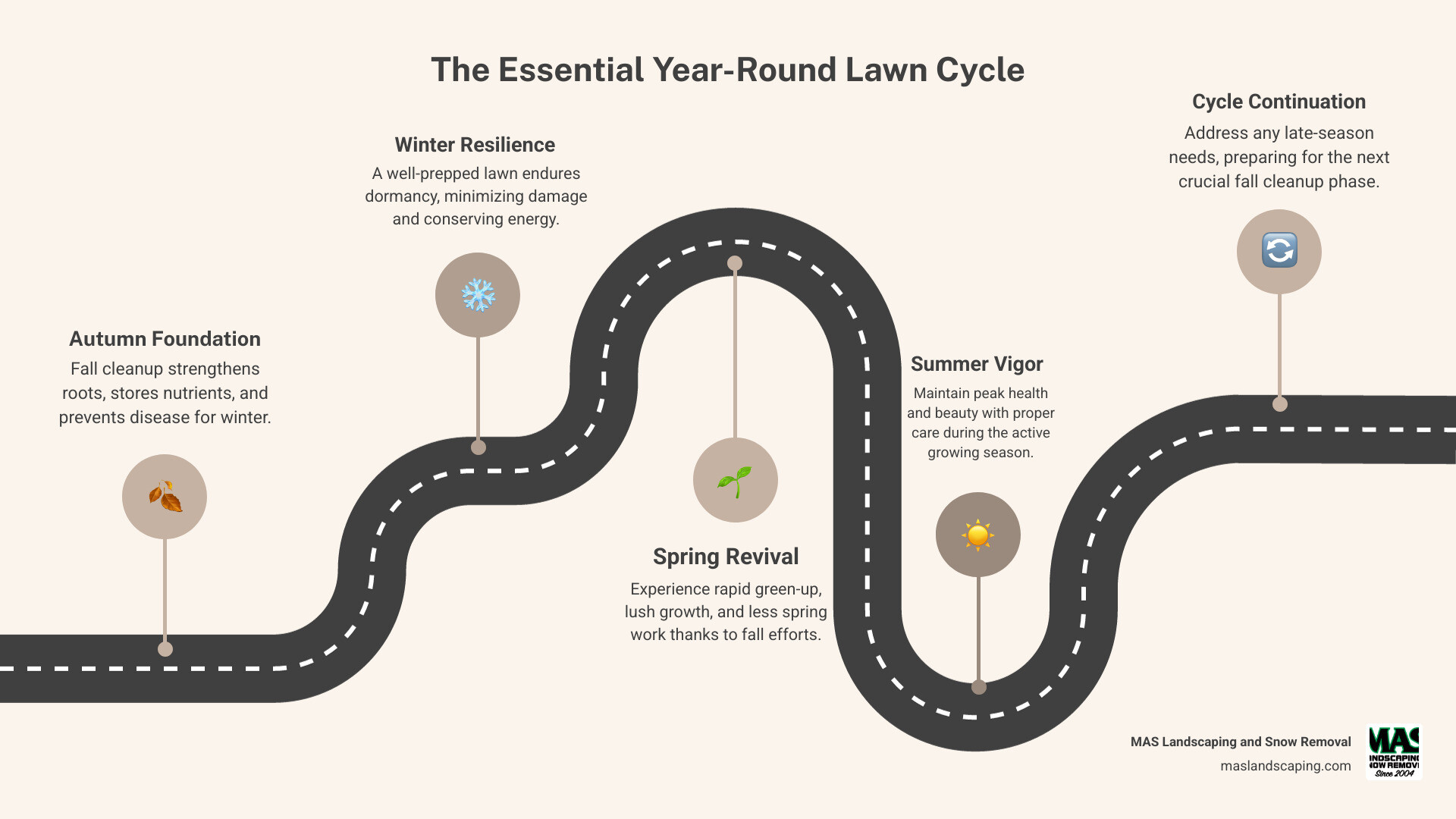
As autumn leaves begin to fall, lawn care fall clean up becomes a crucial task for homeowners. It’s more than just tidying up; it’s about preparing your yard for the cold winter ahead and ensuring a vibrant spring. Here’s why fall cleanup is so important:
- Winter Preparation: Gets your lawn ready for harsh winter conditions, preventing damage.
- Spring Success: Ensures a healthier, greener lawn that bounces back quickly when spring arrives.
- Problem Prevention: Helps stop common issues like fungus, pests, and weeds from taking hold.
- Time Savings: Reduces the amount of demanding work you’ll face in the busy spring season.
Many homeowners think their lawn care duties end with summer. But autumn is actually the ideal time to prepare your lawn for the chilly months ahead. The right steps now save you a lot of future effort. They also help keep your yard safe and healthy year-round.
Quick look at lawn care fall clean up:
The Critical “Why”: Unpacking the Benefits of Fall Yard Cleanup
When autumn arrives with its stunning colors, it’s easy to forget about the work ahead. But lawn care fall clean up isn’t just for curb appeal. It’s a vital investment in your yard’s future health.
Think of fall cleanup as your lawn’s insurance policy. The steps you take now will determine whether you’ll have a thriving, green space come spring or spend your weekends battling problems that could have been easily prevented.
Prevent Lawn Suffocation and Disease
Imagine being tucked under a heavy, wet blanket all night. That’s what happens to your grass when fallen leaves pile up for the winter.
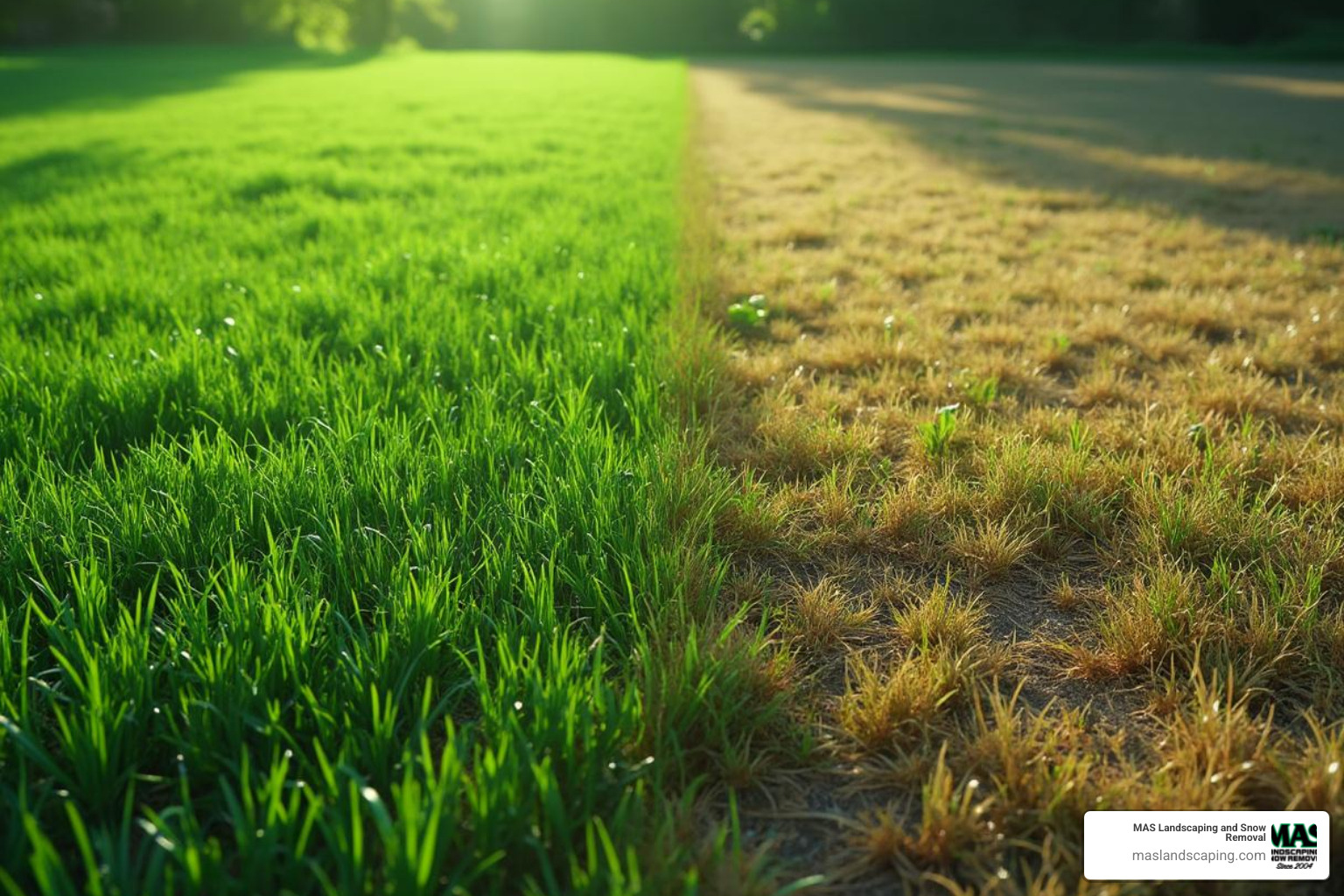
Those beautiful autumn leaves create a leaf blanket that smothers your grass underneath. Your turf needs oxygen to survive, and when leaves block air circulation, you’re setting up your lawn for serious problems. The grass also gets cut off from essential sunlight, leading to unsightly brown and dead patches.
Worse, this damp, dark environment is a breeding ground for fungi growth and harmful bacteria. Snow mold is particularly nasty—it thrives in these conditions and can devastate large areas of your lawn. In spring, you might find diseased, patchy turf that needs major repair.
The good news? This is completely preventable. Regular debris removal gives your lawn the breathing room it needs to stay healthy through winter.
Set the Stage for a Lush Spring Lawn
Here’s where fall cleanup really pays off. Every hour you spend preparing your lawn now saves multiple hours of spring repair work. It’s like making a deposit in your lawn’s health savings account.
When you clear away debris, you’re creating the perfect conditions for your grass to build a stronger root system during the cooler months. Fall is actually the ideal time for nutrient storage – your grass is busy converting fertilizer into food reserves that fuel rapid growth when temperatures warm up again.
This preparation leads to quicker green-up in spring and significantly less spring work for you. Instead of dealing with dead patches, disease problems, and weak grass, you’ll have healthy turf that’s ready to thrive from day one.
The timing couldn’t be better for this kind of preparation. Your grass is naturally focused on root development in fall, making it the perfect opportunity to give it everything it needs for winter survival and spring success. For more information about our landscape maintenance services, we’re here to help make this process easier.
Deter Pests and Weeds
Nobody wants uninvited guests setting up camp in their yard, but that’s exactly what happens when you leave piles of debris around. Those cozy leaf piles and overgrown areas become luxury hotels for overwintering pests looking for a warm place to spend the cold months.
We’re talking about everything from tiny insects to larger nuisances like mice and voles that can cause serious damage to your lawn and garden beds. These critters don’t just hide in the debris – they use it as a base of operations for munching on your grass roots, bulbs, and plant stems all winter long.
Debris removal eliminates these perfect insect habitats and makes your property much less attractive to unwanted visitors. It’s a simple but effective form of pest control that doesn’t require any chemicals or traps.
Fall cleanup also plays a crucial role in weed suppression. When your lawn is healthy and debris-free, it’s much better equipped to crowd out weeds before they can establish themselves. A thick, well-maintained lawn is your best defense against spring weed invasions.
By taking care of these details now, you’re setting yourself up for a much more enjoyable and manageable growing season ahead.
Your Essential Lawn Care Fall Clean Up Checklist
Now that we understand the “why,” let’s dive into the “how.” A comprehensive lawn care fall clean up involves key tasks to prepare your yard for winter and a glorious spring. It’s all about setting your landscape up for success!
Debris and Leaf Management: The First Step
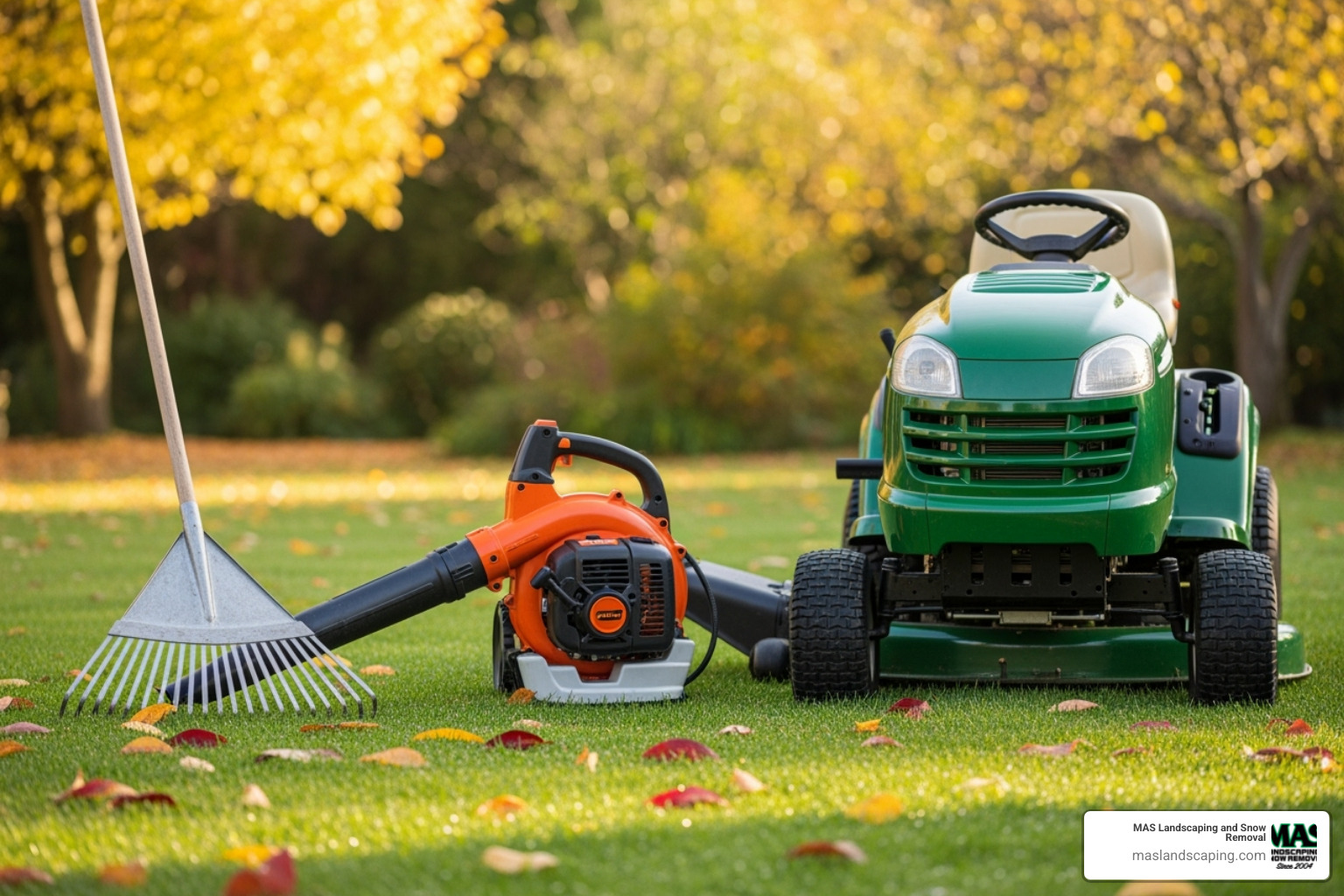
This is perhaps the most visible and often the most labor-intensive part of your fall cleanup. First, focus on the fallen leaves and other debris. You’ll want to rake leaves and leaf blow all leaves, sticks, and lawn debris from your yard and flower beds. A simple trick is to use a tarp to gather leaves easily.
If the leaf layer isn’t too thick, consider using a mulching mower. This handy tool chops the leaves into fine pieces, returning valuable nutrients right back to your lawn. It acts as a natural fertilizer and can even lead to an earlier green-up in spring! And instead of sending all your leaves to the landfill, think about composting them. This provides free organic matter for your gardens and lawns, completing a natural, healthy cycle.
Don’t forget your gutters! Clearing leaves and debris from your rain gutters is crucial, and you should also check for proper drainage. Clogged gutters can lead to water overflowing, which can cause real damage to your home’s roof, walls, siding, and even its foundation. You can even use a gutter attachment for your hose or pressure washer to clean them from the ground, making the job much easier. Lastly, make sure to clear all debris from parking areas, sidewalks, and driveways. This not only looks tidy but also prevents slippery surfaces once ice and snow arrive. For more info about walkway installation, visit our walkway installation page.
Lawn Prep: Mowing, Aerating, and Fertilizing
These steps are vital for the underlying health of your grass, setting it up for a fantastic spring. First, plan your final mow height. Give your lawn one last mow before the cold weather begins. Gradually lower the height of your mower in late fall until you are almost “scalping” the lawn, aiming for around three inches. This prevents young, tender growth that could be appealing to winter lawn diseases like snow mold. It also helps the soil dry out more quickly in spring, leading to a lusher lawn.
Next, consider dethatching. Thatch is a layer of dead grass, roots, and debris that builds up between the soil surface and the green grass blades. If your thatch layer gets thicker than half an inch, it can choke your lawn. You can de-thatch using a hard rake, or you can hire a professional for vertical cutting. After that, core aeration is a great idea.
Aerating your lawn can remove thatch, alleviate soil compaction, and beautify your grass overall. It creates small holes that allow water, air, and nutrients to penetrate deep into the grass roots, promoting stronger growth and resilience. Doing this in late fall gives the soil plugs plenty of time to “melt” down and helps thatch decompose. For a comprehensive guide, refer to the University Extension guide on Lawn Aeration.
Finally, fall fertilizer is a must. This is a time of year when your lawn can truly “chow down” and make quick, good use of nutrients. Fall is the best time to fertilize because it helps your lawn develop a stronger root system over the winter months. This leads to a thicker, more vigorous lawn the following spring. Look for a fertilizer high in phosphorus to really encourage that root growth. Since the lawn’s top growth has slowed, these important nutrients go straight to the roots, giving your grass a strong start next spring.
Garden and Plant Care for a Healthy Winter
Our garden beds and plants also need some love before winter truly sets in. Start by pruning shrubs and trimming dead branches. Removing dead or damaged branches from plants allows for better airflow as leaves drop in fall, helping to prevent diseases from affecting the plant. Pruning deadwood or cross branches also helps prevent pest troubles. Plus, it helps plants direct their energy to healthy areas and encourages new growth in spring.
For perennials, consider cutting them back (except for those that bloom in the fall). This promotes healthy growth and can even help you propagate new plants. Leaving some perennials uncut can also provide overwintering homes for beneficial insects and pollinators, which is a nice bonus. For your more sensitive plants, make sure you’re protecting them from the elements. For cold-sensitive plants, add mulch to their base and wrap them in cloth barriers to shield them from frost and harsh winter winds.
Mulching beds around your plants during your fall yardwork has several benefits. It helps prevent soil erosion, keeps moisture in the soil, and suppresses weeds. Applying a 2 to 3-inch layer of organic mulch (like pine needles, straw, sawdust, fallen leaves, or grass clippings) around plants and trees protects their roots and conserves moisture. And finally, don’t forget about planting fall bulbs! Fall is the ideal time to plant spring-blooming bulbs like tulips and daffodils, ensuring a beautiful burst of color when winter finally retreats. For more info about landscape design, visit our landscape design page.
Timing is Everything: When to Tackle Your Fall Cleanup
In our beautiful New England, knowing when to tackle your lawn care fall clean up is just as important as knowing what to do. It’s not a one-and-done kind of job, but rather a thoughtful process that unfolds as the season changes. The ideal time to begin getting your yard ready is as soon as autumn truly arrives, while the weather is still cooperative. This allows you to prepare everything thoroughly before winter’s chill truly sets in.
Early Fall (September – Early October)
Think of early fall as the gentle start to your cleanup journey. As the first leaves begin to drift down, it’s a good time for some light raking to keep things manageable. Don’t forget to continue mowing your lawn regularly. This isn’t just about tidiness; frequent mowing helps thicken your lawn and can even keep weeds at bay. It’s also the perfect moment to start your garden cleanup, clearing out spent annuals and any plants that might be showing signs of disease. And, if you’re thinking of adding new life to your landscape, planting new shrubs in early fall is excellent, as the soil is still warm from summer, but the intense heat has faded.
Mid-to-Late Fall (Late October – November)
This is when the real action begins! As you move into late October and November, you’ll experience the heavy leaf drop. This means dedicating significant time to raking, blowing, or mulching all those beautiful, but abundant, leaves. You’ll also want to perform your final mow of the season. Gradually lower your mower blade until you’re cutting the grass quite short (around three inches). Once temperatures consistently stay below 50 degrees during the day, your mower can take a well-deserved rest!
Mid-to-late fall is also the prime window for crucial tasks like aeration and fertilizing. Doing these now helps your lawn build strong roots for the winter ahead. And, once your trees and shrubs have gone dormant, it’s a great time for pruning dormant plants, especially those spring-blooming varieties.
The Final Touches Before Winter
Just before winter truly takes hold, there are a few last, but very important, tasks to complete. Make sure to winterize your irrigation systems; this is absolutely vital to prevent pipes from freezing and bursting. Drain all water from your hoses, fountains, and irrigation lines, then store them safely indoors. If you have any plants that are particularly sensitive to the cold, now’s the time to wrap sensitive plants or provide them with extra protection.
Do one last final debris check across your entire yard to make sure no lingering leaves or branches are left behind; it’s much better for your lawn if debris doesn’t sit on it all winter. Lastly, remember to store your hoses and outdoor furniture to protect them from the harsh winter elements. Oh, and don’t forget to clean and store your tools! A little bit of cleaning and oiling now will prevent rust and ensure they’re ready to go when spring rolls around.
For more information on preparing your property for winter, including snow management, please visit our snow management preparation page.
DIY vs. Hiring a Pro: Making the Right Choice for Your Yard
When it comes to lawn care fall clean up, many homeowners find themselves at a crossroads. Do you roll up your sleeves and tackle the mountains of leaves yourself, or do you call in the pros? It’s a classic balancing act of time versus money, effort versus expertise, and what truly makes the most sense for your unique yard and lifestyle.
The DIY Approach: Tools and Tips for Success
Taking on your own fall cleanup can be incredibly satisfying! It’s a fantastic way to get some fresh air, a good workout, and feel proud of your hard work. But let’s be real, it does demand a good chunk of your time and physical effort, especially if your yard is large or blessed with many trees.
To get the job done right, you’ll need a few trusty companions. The classic leaf rake is always a go-to for gathering leaves, while a leaf blower can really speed things up, especially for herding leaves into neat piles. Don’t forget your lawn mower, which isn’t just for cutting grass – it can also mulch leaves, returning valuable nutrients to your lawn. Protect your hands with a good pair of gloves, and for hauling those big leaf piles, a sturdy tarp is invaluable. For trimming branches and shrubs, you’ll want pruners (handheld, loppers, or hedge shears), and a wheelbarrow is perfect for moving heavier debris around.
Once the hard work is done and before winter truly settles in, remember to give your tools a little TLC. Cleaning, sharpening, and lubricating them before storing them away will keep them ready for action next spring and make them last much longer. You can find some useful tips for this at Tips for Cleaning, Sharpening, and Lubricating Tools.
The Benefits of a Professional Lawn Care Fall Clean Up Service
While the DIY route certainly has its merits, sometimes calling in a professional service like MAS Landscaping is simply the smarter choice. This is especially true for busy homeowners, those with extensive properties, or if you’re in areas like Everett, Lynnfield, Malden, Melrose, Medford, Revere, Chelsea, or Saugus, MA.
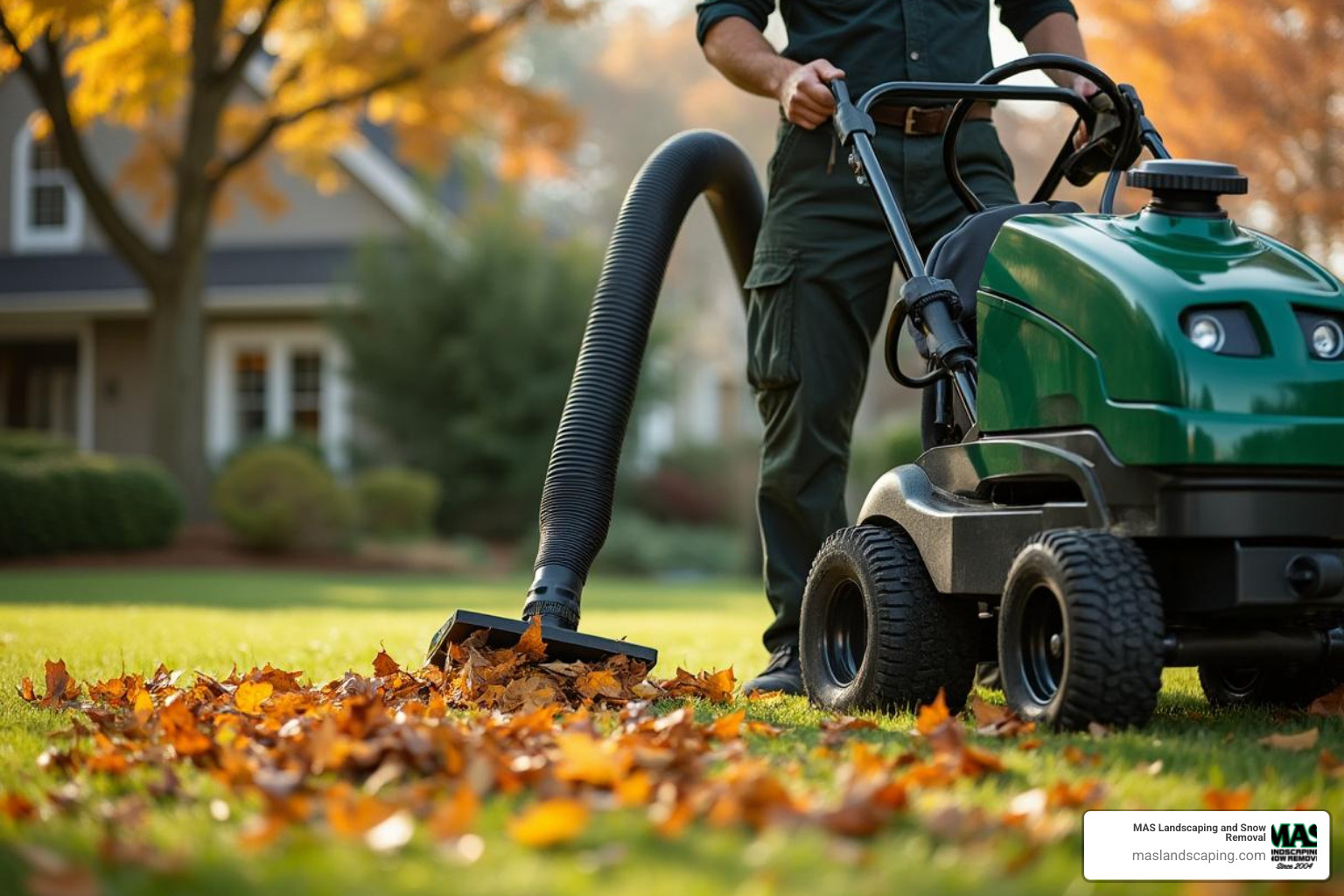
Professionals bring a level of expertise that’s hard to match. They understand the ins and outs of fall lawn care, from the best mowing techniques to spotting and fixing specific plant needs. They also offer incredible efficiency, thanks to their commercial-grade equipment – think powerful leaf vacuums that gobble up leaves in minutes and large chippers for branches. This means they can complete tasks much faster and more thoroughly than you ever could with typical homeowner tools.
Perhaps the biggest advantage is the time savings. Imagine reclaiming your valuable fall weekends! Instead of spending them raking and hauling, you could be relaxing with your family, enjoying the crisp autumn air without the backache. A professional service also provides comprehensive service, often handling everything from leaf removal and gutter cleaning to detailed pruning and winterizing your irrigation, ensuring no tiny detail is missed. And let’s not forget injury prevention; fall cleanup can involve heavy lifting and working with sharp tools. Professionals are trained to do these jobs safely, greatly reducing any risk to you.
Many homeowners don’t realize just how important fall cleanup is for their property’s long-term health. While doing it yourself might seem more affordable upfront, it often won’t achieve the same thoroughness and benefits as a dedicated professional service.
What to Expect in Service Costs
The cost of lawn care fall clean up can vary quite a bit. It depends on several factors, like how big your yard is, how many trees you have, the amount of debris that needs to be cleared, and your specific location. It’s important to know that any prices mentioned here are average costs found online and are not the actual prices for MAS Landscaping.
Generally, professional landscaping companies might charge an hourly rate that could range anywhere from around $50 to well over $150 per hour per person. Many companies also offer package deals for fall cleanup. These can range from a few hundred dollars for smaller yards, starting around $300, up to $1,500 or more for larger, more complex properties with a lot of debris.
The cost factors that influence the final price include:
- Yard Size: Naturally, larger yards take more time and effort to clean.
- Number of Trees: More trees mean more leaves to clear, and potentially more branches.
- Amount of Debris: If your yard hasn’t been regularly maintained, there might be a lot more to clean up.
- Specific Services: The price will also depend on whether you just need leaves removed, or a full package including pruning, gutter cleaning, and winterizing your irrigation system.
When you hire a professional service, you’re not just paying for labor. You’re investing in quality work from experienced experts and the peace of mind that your yard is perfectly prepared for winter and set up for a beautiful, healthy spring.
Frequently Asked Questions about Fall Lawn Care
We get a lot of questions about lawn care fall clean up. Here are some common queries and our expert tips to help you out, designed to give you clear, straightforward answers for a healthier lawn.
Can I just mulch all my leaves instead of raking?
That’s a great question, and it really depends on how many leaves you have! For thin layers of leaves, mulching can be a fantastic idea. A mulching mower will shred those leaves into tiny pieces. These fine particles then break down and act as a wonderful, natural fertilizer for your lawn. It’s like giving your grass a nutritious snack!
However, if you have a thick carpet of leaves, it’s a different story. Leaving a heavy layer of leaves on your lawn is a bit like putting a big, suffocating blanket over it. Your grass needs to breathe, and thick leaves can deprive your turf of essential oxygen and sunlight. This can lead to brown or even dead patches in your beautiful lawn. Plus, a dense, damp leaf layer creates the perfect cozy home for moisture, which can invite nasty fungus problems like snow mold.
So, for the healthiest lawn, if you’re dealing with a lot of fallen leaves, a combination of mulching and traditional raking or removal is usually your best bet. It ensures your grass gets the benefits of mulched nutrients without the risks of suffocation or disease.
What kind of fertilizer is best for the fall?
When it comes to fall fertilization, you’ll want to look for something specific: a “winterizer” or fall-specific fertilizer. These aren’t just marketing terms; they’re formulated with your lawn’s winter survival and spring success in mind.
The key is to find a formula that is high in phosphorus and potassium. Why these two? Phosphorus is fantastic for promoting strong root growth, helping your lawn build a robust foundation underground before the cold sets in. Potassium, on the other hand, is crucial for disease resistance and overall hardiness, helping your grass withstand the harsh winter conditions.
This strategic fall feeding helps your lawn store up energy and develop a much stronger root system over the colder months. The result? A thicker, more vigorous lawn that’s ready to burst into lush green life the moment spring arrives. It’s truly an investment in your lawn’s future!
Is it too late to aerate my lawn?
The absolute best time to aerate your lawn is when the grass is actively growing, which typically means early to mid-fall here in Massachusetts. This timing allows your lawn to heal quickly from the aeration process and take full advantage of the improved air, water, and nutrient flow to its roots.
But don’t despair if you’re reading this a bit later in the fall! As long as the ground isn’t frozen solid, you can often still aerate your lawn. While the benefits might be maximized when done before the grass goes completely dormant, you’ll still see positive results. When we perform core aeration in late fall, those little plugs of soil we pull out have plenty of time to break down and “melt” back into your lawn over the winter. This process helps to de-thatch your lawn and continues to improve soil health, setting the stage for a healthier start next spring. So, if the ground is still workable, it’s likely not too late to give your lawn this beneficial treatment!
Prepare Your Lawn for a Beautiful Spring
As the vibrant colors of autumn fade, the work we put into our lawn care fall clean up now will directly translate into the beauty and health of our outdoor spaces next spring. Caring for your garden in the fall will make all the difference when you plant your produce in the spring again. There’s truly no better feeling than strolling around your neighborhood with a sense of pride, knowing that your grass is the greenest of them all!

Your Best Lawn Starts in the Fall
A little effort now prevents major headaches in the spring. By following this guide, you’re not just cleaning up; you’re investing in the future health and beauty of your landscape. The right preparation now will save you time and energy when spring rolls around, and will keep you and your family safe in the yard year-round. For homeowners in Saugus, Everett, Lynnfield, Malden, Melrose, Medford, Revere, Chelsea, and surrounding areas who want a professional touch, MAS Landscaping provides expert fall cleanup services to ensure your yard is perfectly prepared for winter. We believe that your landscape should awaken happy and healthy in the spring.
Ready for a pristine yard without the hassle? Contact us for a professional yard clean up estimate today!