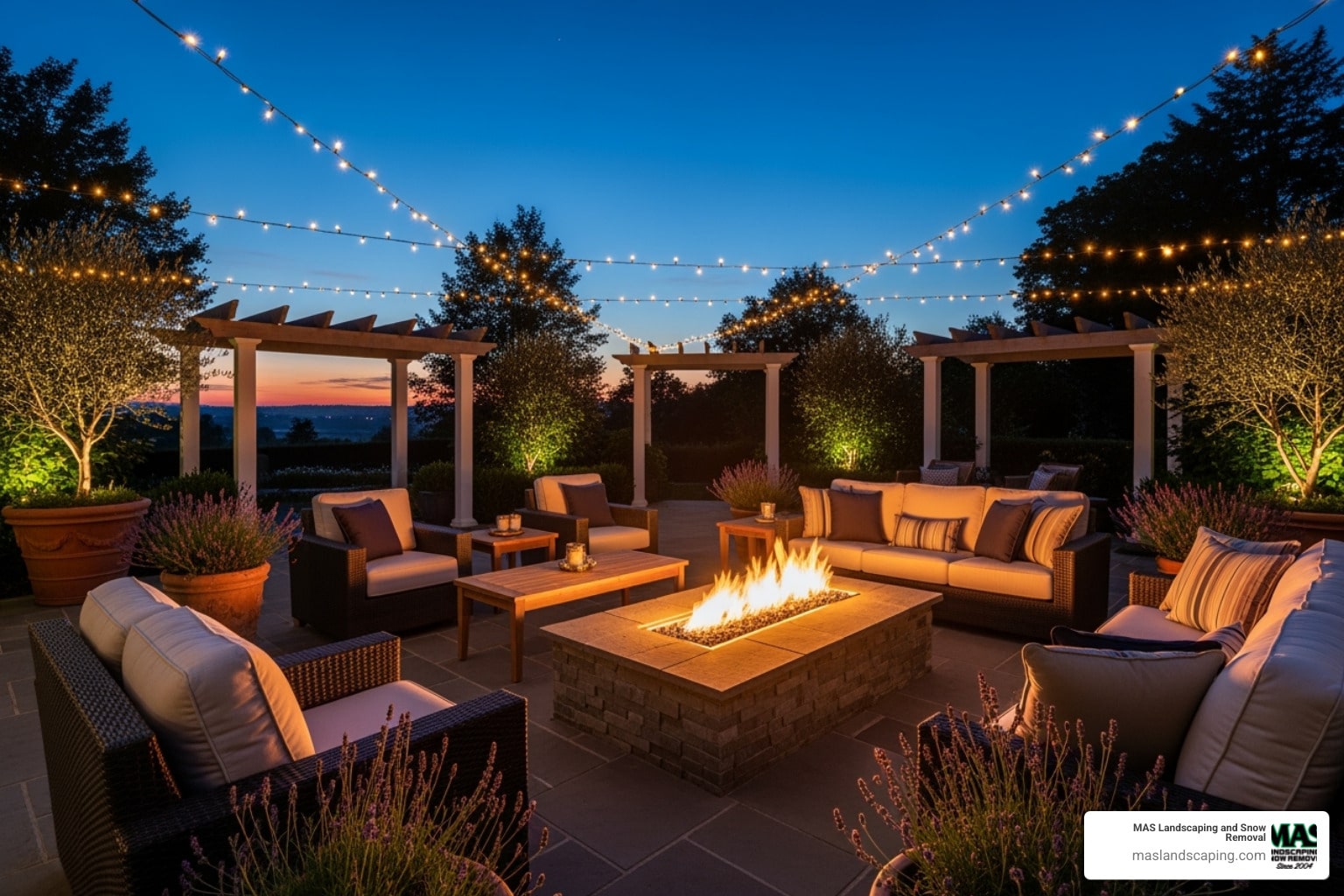



Natural gas firepit: The #1 Outdoor Pick
Transform Your Outdoor Space with the Perfect Fire Feature
A natural gas firepit offers the ideal combination of convenience, cost-effectiveness, and year-round ambiance for your outdoor living space. Unlike wood-burning or propane alternatives, natural gas fire pits connect directly to your home’s gas line, providing instant flames at the push of a button without the hassle of refueling or cleanup.
Key Benefits of Natural Gas Fire Pits:
- Convenience: Push-button ignition with no wood chopping or propane tank refills
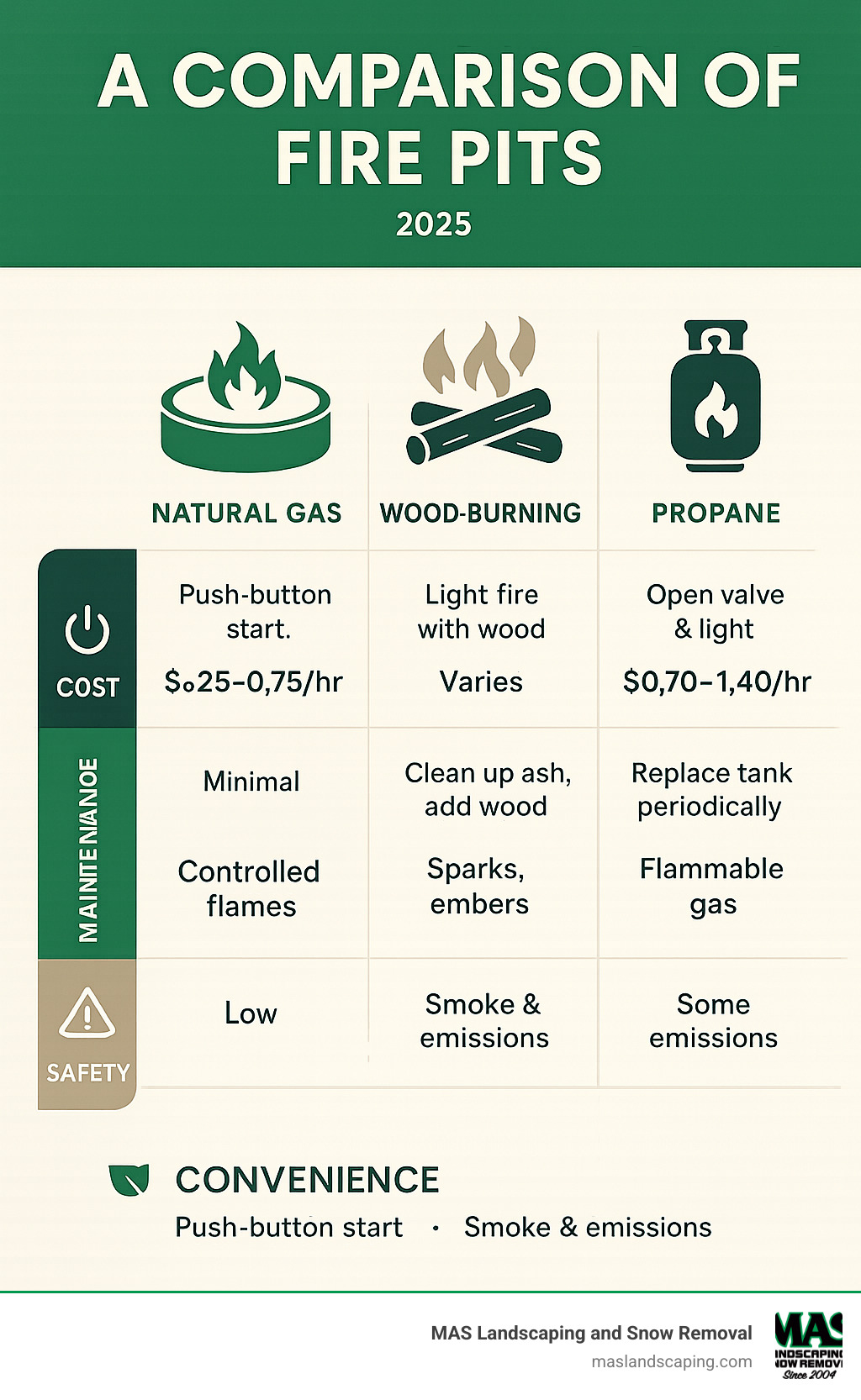
- Cost-Effective: Operating costs as low as $0.25-$0.75 per hour
- Clean Burning: No smoke, soot, or ash to clean up
- Safety: Natural gas is lighter than air and dissipates quickly
- Consistent Performance: Reliable flame output ranging from 50,000 to 100,000+ BTUs
Whether you’re looking to create a cozy gathering spot for family dinners or an impressive centerpiece for entertaining guests, understanding the different types of fire pits available will help us make the best choice for your Greater Boston area home.
Natural gas fire pits have become increasingly popular because they eliminate the common frustrations of traditional fire features. No more running out of fuel mid-evening or dealing with smoky conditions that send guests scrambling for fresh air.
Why Choose a Natural Gas Fire Pit? The Best Benefits
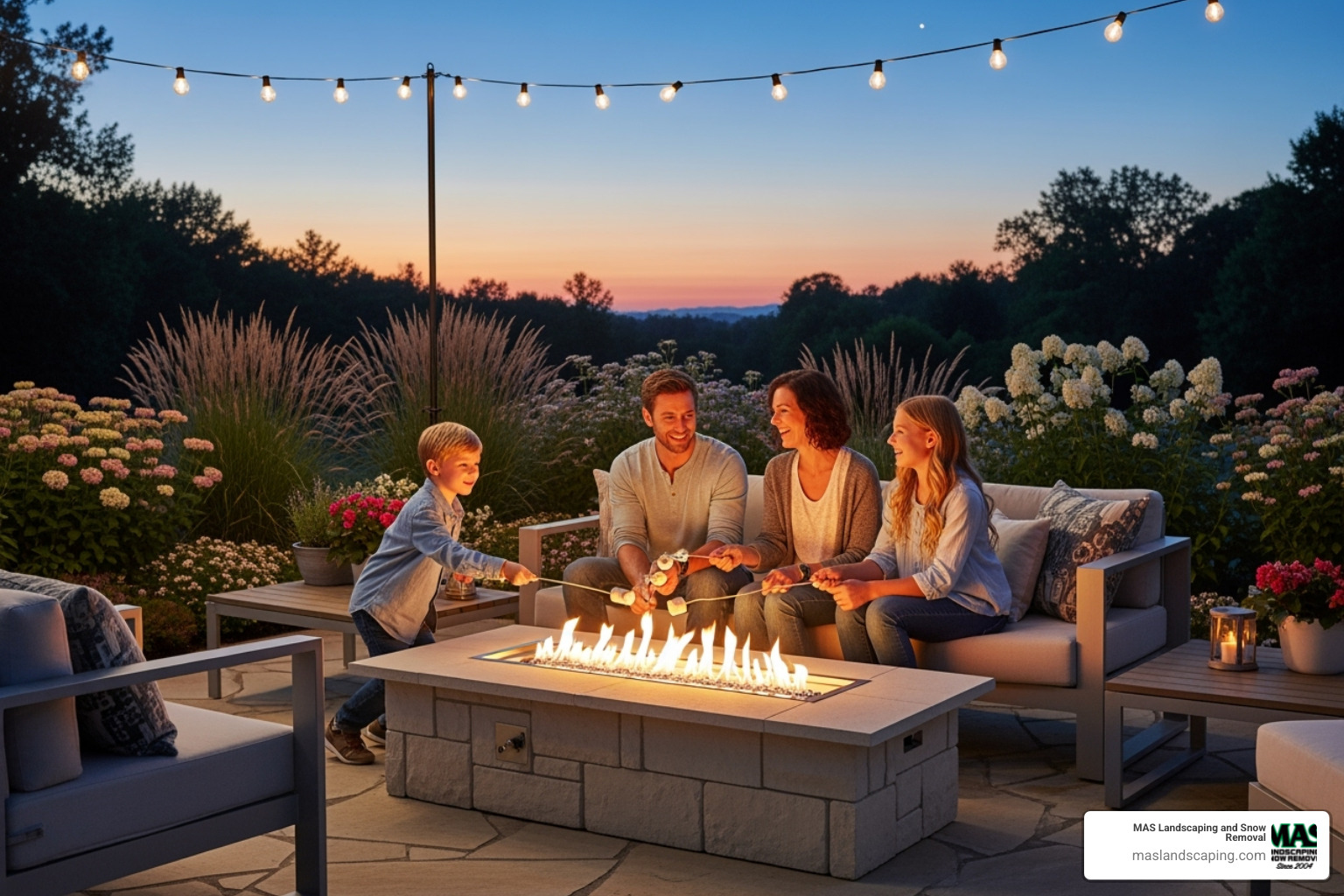
Picture this: you’re hosting friends on a chilly evening, and instead of fumbling with matches or worrying about propane levels, you simply press a button and instantly have a beautiful, warm flame dancing before you. That’s the everyday reality with a natural gas firepit – and it’s just the beginning of why these fire features have become the go-to choice for savvy homeowners.
The Advantage of Convenience and Ambiance
The convenience factor alone makes natural gas fire pits a game-changer for outdoor entertaining. There’s no wood chopping on weekend mornings, no hauling heavy logs from the garage, and definitely no more struggling to get stubborn kindling to catch fire while your guests wait patiently (or not so patiently).
What really sets natural gas apart is that continuous fuel supply. Unlike propane tanks that always seem to run empty at the worst possible moment – usually right when the evening is getting cozy – your natural gas connection means you’ll never be left scrambling for a refill mid-party.
The push-button start feature feels almost magical. One moment you have an empty fire bowl, and the next, you’ve got a perfect flame that you can adjust to exactly the right height and heat level. Want a dramatic, towering flame for visual impact? Easy. Prefer a gentle, intimate glow for quiet conversation? Just turn the dial.
This level of control transforms your outdoor space into a year-round focal point. Even on those unexpectedly cool summer nights or crisp fall evenings, you can create the perfect ambiance without any fuss or preparation time.
To learn more about changing your outdoor space, explore our services dedicated to creating beautiful landscapes. More info about landscape design.
The Benefit of Cost and Cleanliness
Here’s where natural gas really shines: your wallet will thank you. Operating costs typically run between $0.25 – $0.75 per hour, making it incredibly affordable to enjoy your fire pit as often as you’d like. No more calculating whether you can afford another bundle of firewood or debating if it’s worth the cost to fire up the pit for just a few hours.
But the real beauty of natural gas is how clean burning it is. Remember spending Sunday mornings sweeping ash off your patio and scrubbing soot stains from your outdoor furniture? Those days are over. Natural gas produces no smoke, no soot, and no ash – which means your beautiful hardscaping stays beautiful, and your patio furniture keeps looking fresh.
This cleanliness isn’t just about aesthetics (though that’s certainly nice). It means less maintenance overall, giving you more time to actually enjoy your outdoor space instead of constantly cleaning up after it. Your plants stay healthier without smoke and ash settling on them, and you won’t have to worry about smoke driving your guests away from the fire pit area.
The safety benefits are worth mentioning too. Natural gas is lighter than air, so if there’s ever a leak, it dissipates upward quickly rather than pooling dangerously. Combined with the consistent flame performance, you get reliable warmth without the unpredictable flare-ups that can happen with other fuel types.
Designing Your Perfect Outdoor Hearth: Key Considerations
Creating the perfect outdoor gathering space starts with choosing the right natural gas firepit. Think of your fire pit as more than just a heat source – it’s the heart of your outdoor living area, the spot where memories are made and conversations flow naturally. Whether you’re planning cozy family evenings or entertaining larger groups, the right fire feature can transform your backyard into a welcoming retreat.
Your fire pit needs to work with your space, not against it. The size of your patio, how you like to entertain, and your personal style all play important roles in finding the perfect match. Let’s walk through the key decisions that will help you create an outdoor hearth that feels just right for your home.
Choosing the Right Size and Shape
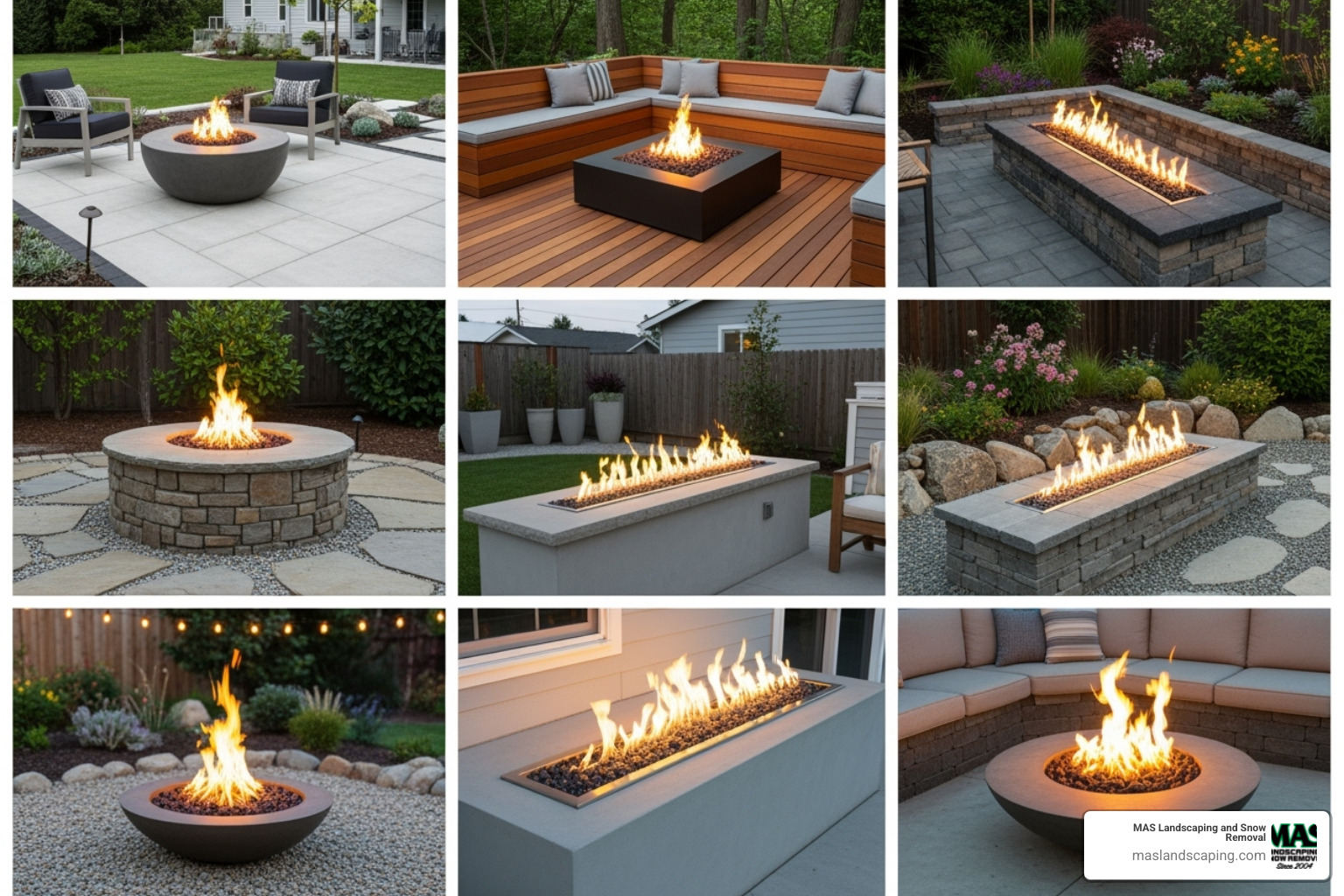
The shape of your fire pit sets the tone for how people will gather around it. Round fire pits naturally draw people into a circle, making them perfect for intimate conversations and creating that classic campfire feeling. There’s something magical about the way a round fire brings everyone together on an equal level.
Square fire pits offer a more structured, contemporary look that works beautifully with modern patio designs. They fit nicely into geometric layouts and can complement the clean lines of your home’s architecture.
For larger spaces or long seating areas, rectangular fire pits and linear fire tables make excellent choices. These longer designs work especially well when you want your fire feature to double as a table surface, giving you both warmth and functionality in one neat piece.
When planning your space, remember to leave plenty of room for comfortable seating arrangements. You’ll want at least 3 to 7 feet between the flames and where people will sit – enough space for everyone to feel the warmth without feeling the heat. This clearance also gives people room to move around safely and keeps the conversation flowing naturally.
Consider how your patio size affects your options. A massive fire pit can overwhelm a small deck, while a tiny fire feature might get lost in a sprawling outdoor space. The goal is finding that sweet spot where your fire pit feels perfectly proportioned to its surroundings.
Exploring Materials and Styles
The material you choose for your natural gas firepit affects everything from how it looks to how long it lasts. Each option brings its own personality to your outdoor space, and understanding the differences helps ensure you’ll love your choice for years to come.
Concrete, especially GFRC (Glass Fiber Reinforced Concrete), offers incredible versatility and strength. GFRC is lighter than traditional concrete but much stronger, making it resistant to cracking from temperature changes. This material can be shaped into almost any design you can imagine, from sleek modern forms to textured surfaces that mimic natural stone. It’s an excellent choice if you want a contemporary look with serious durability.
Steel fire pits bring a different appeal entirely. Powder-coated steel provides excellent protection against the elements while keeping costs reasonable. The powder coating acts like armor against rust and fading, making it a smart choice for our New England weather. These units often feature clean, industrial lines that work beautifully in modern settings.
Copper fire pits develop a stunning patina over time, starting with a bright metallic finish and gradually developing that distinctive green-blue color. This natural aging process means your fire pit actually becomes more beautiful with time. Copper offers excellent weather resistance and brings warmth to any design style.
Natural stone fire pits create the most integrated look, especially when they match your existing hardscaping. Stone offers best durability and that timeless appeal that never goes out of style. These custom-built features can be designed to look like they’ve always been part of your landscape.
Each material requires different levels of maintenance and brings different aesthetics to your space. When we design outdoor features for Greater Boston area homes, we help you balance your style preferences with practical considerations like our climate and your maintenance preferences.
More info about our hardscaping services.
Understanding Heat Output and Performance
The warmth your natural gas firepit produces is measured in BTUs (British Thermal Units) – basically, how much heat the unit can pump out. Most quality gas fire pits produce between 50,000 to 100,000+ BTUs, with some high-performance models going even higher.
Here’s what those numbers mean in real terms: higher BTUs generally create bigger, more impressive flames and more heat for your guests. If you’re dealing with cooler climates like ours here in Massachusetts, or if you have a larger patio where people might sit further from the fire, those higher BTU ratings become more important for keeping everyone comfortable.
The flame size and appearance you get depends on more than just BTUs. The type of fire media you choose – whether that’s lava rock, fire glass, or ceramic logs – affects how the flames dance and how the heat radiates. Wind conditions, the design of the burner, and even the shape of your fire pit all influence the actual warmth people feel.
Choosing BTUs for your climate means thinking about when you want to use your fire pit. If you’re hoping to extend your outdoor season well into fall and early winter, investing in higher heat output makes sense. For milder evenings or purely decorative flames, a lower BTU unit might provide all the ambiance you need while using less fuel.
The best fire pit strikes the right balance between impressive flames and efficient fuel use, giving you both the visual impact and the cozy warmth that makes outdoor living so enjoyable.
The Essential Guide to Natural Gas Firepit Installation and Safety
Installing a natural gas firepit is more than just placing a fire bowl on your patio – it’s a permanent upgrade that transforms your outdoor space into a year-round gathering spot. Unlike those portable propane units you can pick up and move around, a natural gas fire pit becomes part of your home’s infrastructure, requiring careful planning and professional expertise to get it right.
The Professional Installation Process for a Natural Gas Firepit
The biggest difference between setting up a propane fire pit and installing a natural gas firepit comes down to one thing: the fuel connection. While propane units simply hook up to a tank you can swap out at the hardware store, natural gas fire pits need a permanent line run from your home’s gas supply directly to the fire pit location.
This process starts with a thorough site assessment. We’ll walk your property with you, looking at where you want the fire pit, how far it is from your existing gas line, and what obstacles we might encounter along the way. Every yard is different, and we want to make sure we’re planning the most efficient and safe route.
The heart of the installation involves running a new gas line underground from your home’s meter to your fire pit. This isn’t a DIY project – Massachusetts requires a licensed plumber or gas fitter to handle this work, and for good reason. They’ll determine the right pipe size to deliver adequate gas pressure, dig the necessary trenches, and ensure everything meets local building codes.
Safety shut-off valves get installed at multiple points – one near your main gas meter and another right at the fire pit itself. This gives you convenient control over the gas supply and provides critical safety backup if needed. Before covering up any underground work, thorough leak testing ensures every connection is secure and gas-tight.
Speaking of local codes, Massachusetts has specific regulations about gas installations that must be followed. Information on Massachusetts gas product regulations provides general guidance, though we handle all the permit requirements and code compliance for our clients in Everett, Lynnfield, Malden, and surrounding areas.
Yes, the upfront cost of running a gas line is higher than buying a propane unit. But when you consider the long-term convenience of never running out of fuel and the lower operating costs, most homeowners find it’s worth the investment. Plus, it adds permanent value to your property.
If you’re planning to integrate your fire pit into a larger patio project, we can coordinate the installation timing perfectly. More info about patio installation.
Critical Safety Guidelines for Your Natural Gas Firepit
Safety isn’t just a priority for us – it’s everything. While natural gas firepits are inherently safer than wood-burning options (no flying sparks or unpredictable flames), they do require specific safety considerations to ensure years of worry-free enjoyment.
Professional installation by certified technicians is non-negotiable. Organizations like the National Fireplace Institute (NFI) train and certify installers to meet rigorous safety standards. This isn’t the place to cut corners or try to save a few dollars with an unqualified installer.
Proper ventilation becomes crucial if your fire pit is installed under any kind of cover or in a partially enclosed space. Natural gas is lighter than air, which actually works in your favor – any leaks will rise and dissipate rather than pooling dangerously. However, adequate cross-ventilation (at least 18 square inches of air intake on opposing sides) helps ensure safe dispersal of any gas accumulation.
Clearance from combustible materials is where many homeowners underestimate the requirements. Your fire pit needs breathing room – typically at least 10 feet from combustible structures and 6 feet from your home’s siding. This includes wooden decks, fences, overhanging tree branches, and even outdoor furniture when not in use. These aren’t suggestions – they’re safety requirements that prevent dangerous heat buildup.
The emergency shut-off valves we install during setup serve as your first line of defense. Make sure everyone in your family knows where they’re located and how to use them. It’s also smart to periodically check your gas connections using a simple soap-and-water solution – bubbles indicate a leak that needs immediate professional attention.
Like many outdoor products, fire pits may carry certain material warnings. Prop 65 Warning information provides details about these disclosures if you’re curious about what they mean.
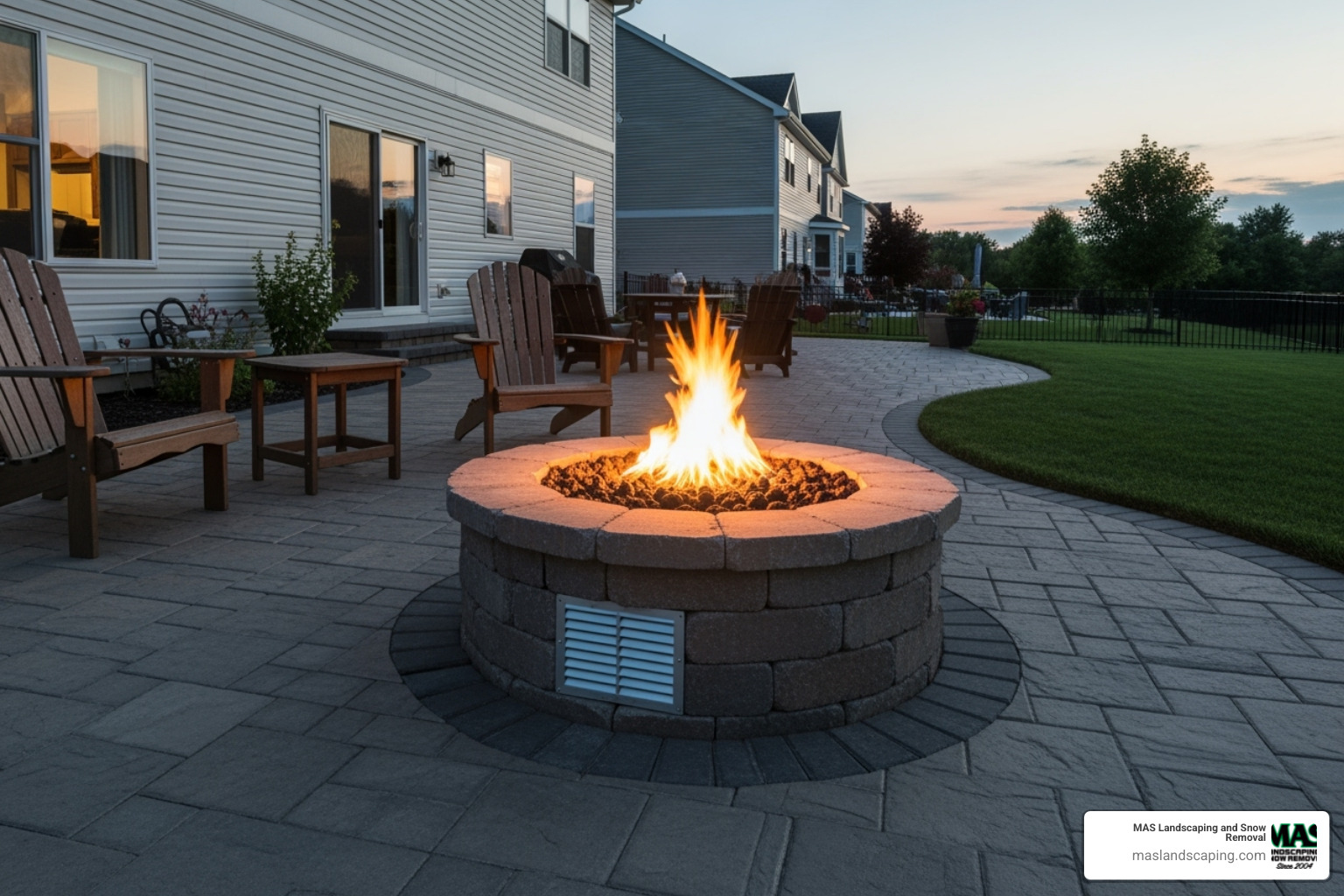
When you work with certified professionals and follow these safety guidelines, your natural gas fire pit becomes a safe, reliable centerpiece for countless memorable evenings with family and friends.
Customizing Your Fire Feature: Accessories, Features, and Costs
Once you’ve decided on a natural gas firepit, the exciting part begins: making it uniquely yours. Modern gas fire pits offer an impressive array of features and accessories that can transform a simple fire feature into the perfect centerpiece for your outdoor gatherings. From convenient ignition systems to stunning fire media, these customization options allow you to create exactly the ambiance you’re dreaming of.
Popular Features and Ignition Systems
The way you light and control your fire pit can make all the difference in your outdoor experience. Match lit ignition represents the most basic option – you simply turn on the gas and use a long lighter to create your flame. While this approach keeps costs down, it’s not the most convenient choice for frequent entertaining.
Push-button spark ignition takes things up a notch, using a battery-powered system to create the spark you need. You’ll still manually control the gas flow, but lighting becomes effortless with just the push of a button.
For the ultimate in convenience, electronic ignition systems let you start and stop your fire with the flip of a switch or even a smartphone app. Many of these advanced systems include safety features like automatic shut-off if wind extinguishes the flame.
Perhaps the most valuable feature of all is adjustable flame height controls. This allows you to dial in the perfect amount of warmth and ambiance for any occasion – from a romantic evening to a lively family gathering.
Must-Have Accessories
The right accessories don’t just personalize your natural gas firepit – they improve its performance and help it last for years to come. Fire media replaces traditional logs, creating the visual foundation for your flames.
Lava rock offers a natural, earthy appearance while helping distribute flames evenly across the burner. It’s an affordable choice that works beautifully in most settings. For a more contemporary look, fire glass creates spectacular visual effects as flames dance across its reflective surfaces. Available in countless colors and sizes, fire glass can match any design aesthetic.
Wind guards made from tempered glass panels surround your burner area, protecting flames from gusty conditions while adding a layer of safety. These guards ensure consistent flame performance and better heat output, making your fire pit more enjoyable even on breezy evenings.
Don’t overlook protective covers – they’re essential for keeping rain, snow, and debris out of your burner when the fire pit isn’t in use. A good cover protects your investment and ensures everything works properly when you’re ready to light up.
If you love the traditional look of a wood fire, ceramic log sets can be arranged over your gas burner to create incredibly realistic burning log effects without any of the mess or maintenance.
What Is the Typical Price Range?
The cost of a natural gas firepit varies dramatically based on several key factors. Understanding these variables helps you budget appropriately and make informed decisions about which features matter most to you.
| Factor | Influence on Cost |
|---|---|
| Material | Basic steel units start around $500, while premium materials like GFRC or natural stone can reach $5,000+ |
| Size | Larger fire pits require more materials and higher BTU burners, significantly increasing costs |
| BTU Output | Higher heat output models with premium burner systems command premium prices |
| Features | Electronic ignition, smart controls, and built-in accessories add to the base price |
Unit costs typically range from $500 for basic models to over $5,000 for high-end custom installations. However, professional installation adds to these figures – gas line installation, permits, and labor can significantly impact your total investment.
Please note: These prices represent national averages based on industry data and are not quotes for MAS Landscaping services. Your actual costs may vary based on local conditions, specific requirements, and chosen features.
The beauty of customizing your fire feature lies in creating something that perfectly fits both your vision and your budget. Whether you choose a simple, neat design or go all-out with premium materials and smart controls, your natural gas firepit will become the heart of countless memorable outdoor moments.