


Retaining Wall Services: 5 Best Upgrades for 2024
How Retaining Wall Services Can Improve Your Landscape
Retaining wall services can transform your landscape by providing both functional and aesthetic improvements. For homeowners and business owners in the Greater Boston area, hiring experts like MAS Landscaping and Snow Removal can ensure your outdoor spaces are not only beautiful but also structurally sound.
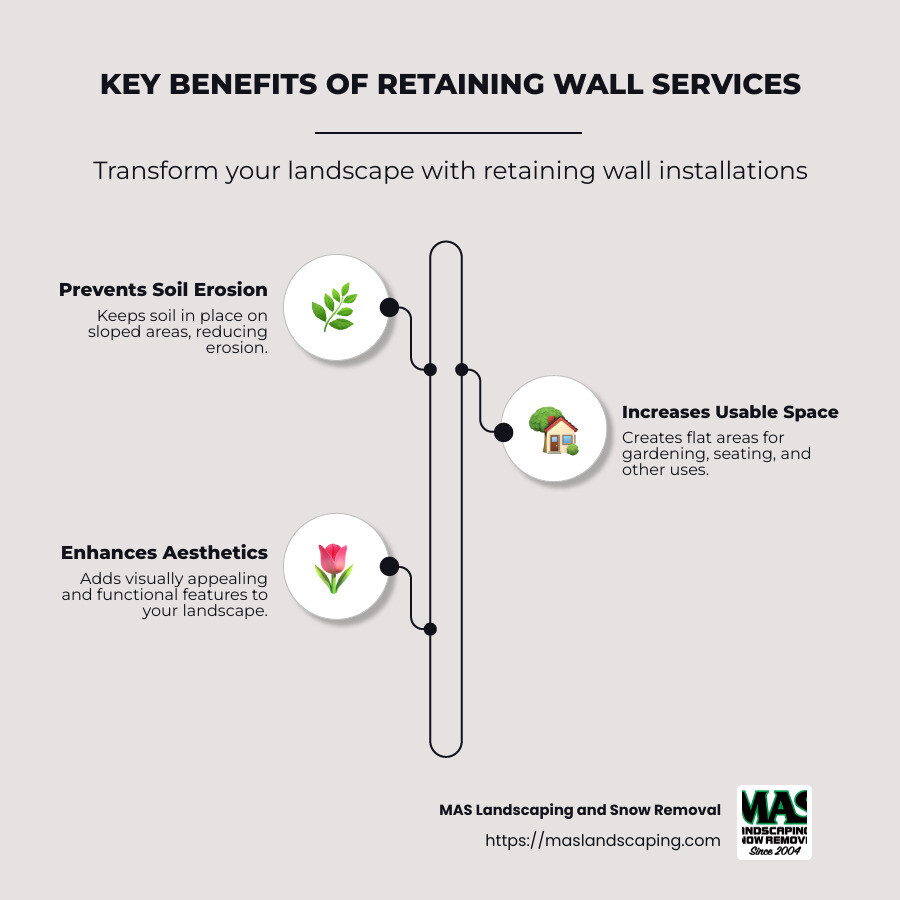
Key benefits of retaining wall services:
1. Prevents soil erosion: Keeps soil in place on sloped areas.
2. Increases usable space: Creates flat areas for gardening or seating.
3. Improves aesthetics: Adds visually appealing features to your landscape.
4. Improves drainage: Manages water flow to prevent flooding.
Retaining walls are essential for stabilizing sloped terrains, preventing soil erosion, and creating terraced garden spaces. A well-designed and professionally installed retaining wall can blend seamlessly with your landscape, providing both beauty and function.
Retaining wall services provided by a reliable company like MAS Landscaping and Snow Removal bring you the expertise needed to evaluate your property, choose the best materials, and construct a durable, long-lasting wall. With years of experience, MAS ensures each project meets high standards of quality and customer satisfaction.
Common Retaining wall services vocab:
– Custom wall services
– Hardscape design services
Understanding Retaining Walls
Retaining walls are crucial for stabilizing slopes, preventing soil erosion, and managing drainage. They also add aesthetic value to your landscape. Let’s explore the types of retaining walls and the importance of professional design.
Types of Retaining Walls
Retaining walls come in various materials, each with its unique benefits:
- Stone Walls: Natural stone, like fieldstone and bluestone, offers a timeless look. They are durable and blend well with natural landscapes.
- Brick Walls: These provide a classic appearance and are strong and long-lasting. Brick walls are ideal for traditional garden designs.
- Concrete Walls: Concrete blocks are versatile and can be used to create curved walls. They are maintenance-free and durable.
- Gabion Walls: Gabion baskets filled with rocks provide a rustic look and are cost-effective. They are excellent for erosion control and drainage.
- Timber Sleepers: Treated timber offers a natural appearance and is relatively easy to install. They are good for low-height walls and garden edging.
Importance of Professional Design
Building a retaining wall is not just about stacking materials. It requires careful planning and execution to ensure structural integrity and effectiveness.
- Licensed Professional Engineer: Hiring a licensed professional ensures that your retaining wall is designed to withstand soil pressure and environmental conditions. They can also help with permits and compliance with local regulations.
- Structural Integrity: Proper design involves calculating the right dimensions, materials, and construction techniques to prevent the wall from leaning or collapsing.
- Drainage Zone: Effective drainage is crucial to prevent water buildup behind the wall, which can lead to failure. Design elements like filter fabric and gravel layers help manage water flow.
- Excavation: Proper excavation is essential to create a stable base for the wall. This includes soil analysis and slope assessment to determine the appropriate depth and width of the foundation.
By understanding the different types of retaining walls and the importance of professional design, you can make informed decisions that improve both the functionality and beauty of your landscape.
Next, we will explore the benefits of retaining wall services and how they can transform your outdoor space.
Benefits of Retaining Wall Services
Functional Benefits
Retaining walls offer numerous functional benefits that go beyond just holding back soil. Here are some key advantages:
- Soil Retention: Retaining walls prevent soil erosion by holding back soil on sloped landscapes. This is crucial for maintaining the integrity of your garden or yard.
- Water Management: Properly designed retaining walls include drainage solutions, such as filter fabric and gravel, to manage water flow and prevent water buildup behind the wall. This helps in avoiding water damage and soil erosion.
- Slope Stabilization: Retaining walls stabilize slopes, making previously unusable areas of your property safe and functional. This is particularly beneficial for properties with significant elevation changes.
- Increased Usable Space: By leveling out sloped areas, retaining walls create additional flat spaces that can be used for gardens, patios, or play areas. This maximizes the usable space on your property.
Aesthetic Improvement
Retaining walls are not just functional; they also significantly improve the aesthetic appeal of your landscape:
- Landscape Design: Retaining walls can be incorporated into your landscape design to create beautiful, terraced gardens, seating areas, or focal points. They add structure and definition to your outdoor space.
- Decorative Options: There are a variety of materials available for retaining walls, including natural stone, brick, and concrete. Each material offers unique decorative options that can complement the style of your home and landscape.
- Material Variety: From the rustic charm of gabion walls to the sleek look of concrete blocks, the material you choose can greatly influence the visual appeal of your retaining wall. This variety allows for customization to suit any aesthetic preference.
- Visual Appeal: A well-designed retaining wall can serve as a stunning visual feature in your garden. Whether adorned with climbing vines or integrated with seating areas, retaining walls can transform the look of your outdoor space.
Increased Property Value
Investing in retaining wall services can also increase the value of your property:
- Erosion Prevention: By preventing soil erosion and managing water flow, retaining walls protect your property from potential damage. This preservation of land integrity can be a significant selling point for potential buyers.
- Improved Curb Appeal: A beautifully designed retaining wall improves the curb appeal of your home, making it more attractive to prospective buyers. It adds a touch of elegance and sophistication to your landscape.
- Functional Additions: The additional usable space created by retaining walls can be a major selling point. Whether it’s a new garden area, a patio, or a play space, these functional additions can make your property more appealing.
By understanding the functional and aesthetic benefits of retaining wall services, you can make informed decisions that not only improve the beauty of your landscape but also increase the value of your property.
Next, we will explore cost-effective retaining wall solutions to help you achieve your landscape goals without breaking the bank.
Cost-Effective Retaining Wall Solutions
Retaining walls can be a significant investment, but there are ways to make them more affordable without sacrificing quality. Here are some cost-effective retaining wall solutions to consider.
Affordable Materials
Choosing the right materials can greatly impact the overall cost of your retaining wall. Here are some budget-friendly options:
- Concrete Blocks: These are a popular choice due to their durability and affordability. Concrete blocks are easy to install and come in various sizes and styles, making them a versatile option for many projects.
- Vinyl: Vinyl retaining walls are a cost-effective and low-maintenance solution. They are resistant to rot and pests, making them a long-lasting option.
- Timber: Timber retaining walls offer a natural look and are relatively easy to install. They are a good choice for smaller projects or garden beds.
- Pallets: If you’re looking for an eco-friendly and inexpensive option, consider using repurposed wooden pallets. They can be arranged creatively to form a functional and attractive retaining wall.
Budget-Friendly Design Tips
Designing your retaining wall with cost in mind can help you save money while still achieving a beautiful and functional landscape. Here are some tips:
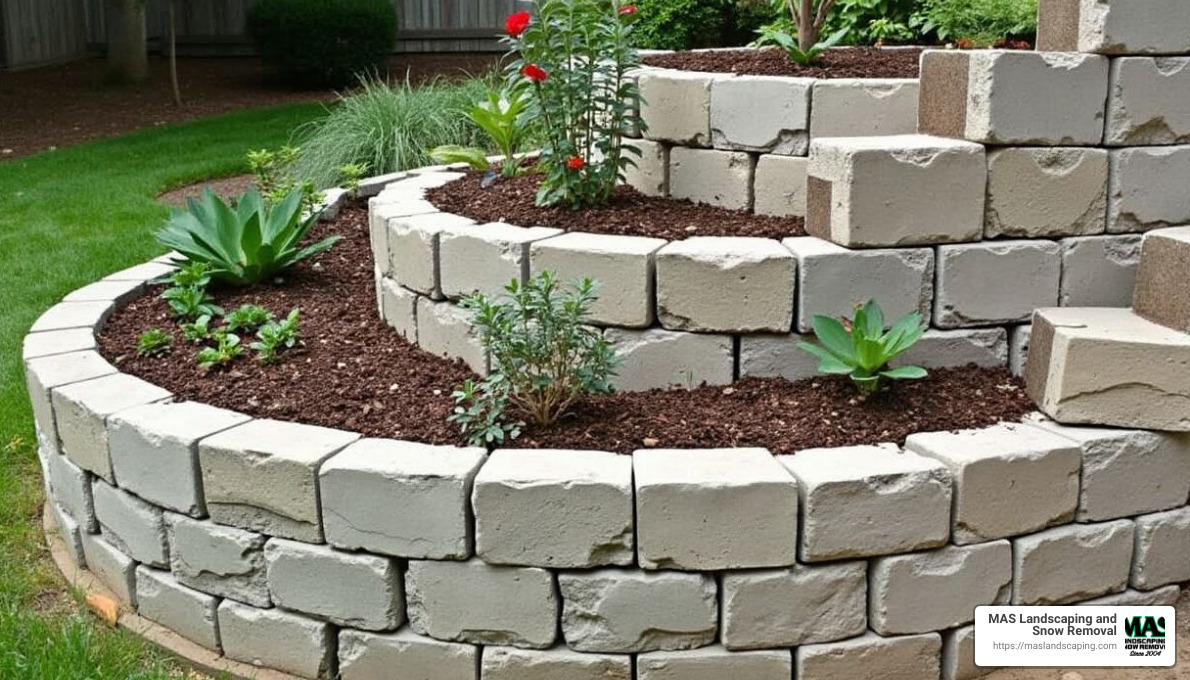
- Terraced Gardens: Creating terraced garden beds with retaining walls can maximize your usable space and add visual interest to your landscape. This approach can also reduce the height of each wall, making them more cost-effective to build.
- Seating Walls: Integrate seating into your retaining wall design to create multifunctional spaces. A seating wall can serve as both a retaining structure and a place to sit, adding value without significantly increasing costs.
- Accent Walls: Use retaining walls as accent features in your garden. They can highlight specific areas or create a focal point without needing to be extensive or expensive.
- Retaining Wall Kits: For DIY enthusiasts, retaining wall kits can be a great option. These kits include all the materials and instructions needed to build a wall, making the process simpler and more affordable.
DIY vs Professional Installation
Deciding whether to tackle the project yourself or hire professionals depends on the complexity of the retaining wall and your own skills.
- DIY Installation: If you’re handy and the project is relatively small, a DIY approach can save you money. Using materials like concrete blocks or timber can make the process more manageable. However, it’s important to ensure proper drainage and stability to avoid future issues.
- Professional Installation: For larger or more complex projects, hiring professionals is often the best choice. Experienced contractors can handle the excavation, foundation, and drainage aspects, ensuring a durable and long-lasting retaining wall. They can also provide design expertise to improve the aesthetic appeal of your landscape.
By considering these budget-friendly options and design tips, you can achieve a beautiful and functional retaining wall without breaking the bank.
Next, we will explore the retaining wall installation process to understand the steps involved in creating a sturdy and attractive retaining wall.
Retaining Wall Installation Process
Creating a retaining wall involves several crucial steps to ensure it is both functional and durable. Here’s a breakdown of the retaining wall installation process.
Site Preparation and Excavation
Site preparation is the first step and involves careful planning and analysis:
- Soil Analysis: Understanding the type of soil on your property is essential. Different soils have different load-bearing capacities, which will affect the design and materials used for your retaining wall.
- Slope Assessment: Evaluating the slope of the land helps determine the height and length of the retaining wall needed to stabilize the area effectively.
- Excavation Depth: Depending on the wall’s height, the excavation depth will vary. Generally, the trench should be deep enough to accommodate the foundation, which is typically about 10% of the wall’s height.
- Drainage Planning: Proper drainage is crucial to prevent water pressure buildup behind the wall. This step involves planning how water will be diverted away from the wall to avoid damage.
Building the Foundation
A strong foundation is key to a stable retaining wall:
- Concrete Base: A concrete base provides a solid footing. It should be poured to a depth that matches the wall height and reinforced with metal bars to increase strength.
- Metal Reinforcements: Adding metal reinforcements, such as rebar, within the concrete base improves stability and helps the wall withstand lateral soil pressure.
- Stability Measures: Ensuring that the foundation is level and well-compacted is essential. This may involve using a plate compactor to create a firm and even base.
- Foundation Depth: The depth of the foundation should be sufficient to prevent the wall from shifting or settling over time. Typically, this is about 10% of the wall’s total height.
Backfill and Drainage
Proper backfilling and drainage help maintain the wall’s integrity:
- Gravel Layer: A layer of gravel is placed behind the wall to facilitate drainage. Gravel helps prevent water from accumulating and exerting pressure on the wall.
- Drainage Tile: Installing a drainage tile, or perforated pipe, at the base of the wall helps channel water away from the structure. This prevents water buildup and reduces the risk of wall failure.
- Soil Pressure Management: The backfill material should be compacted in layers to reduce settlement and increase stability. Using a mix of gravel and soil can help manage the pressure exerted by the retained earth.
- Water Flow Control: Ensuring that water flows away from the wall is crucial. This may involve creating weep holes or using drainage fabric to direct water efficiently.
By following these steps, you can ensure that your retaining wall is built to last and effectively manages soil and water pressures. Proper site preparation, foundation building, and backfilling with drainage are key components of a successful retaining wall installation.
Next, let’s address some frequently asked questions about retaining wall services to help you make informed decisions about your project.
Frequently Asked Questions about Retaining Wall Services
What is the cheapest kind of retaining wall?
When it comes to affordability, vinyl, concrete blocks, and timber are often the most cost-effective materials for retaining walls:
- Vinyl: Vinyl retaining walls are lightweight, easy to install, and resistant to rot and pests. They are a great low-cost option for smaller projects.
- Concrete Blocks: These are durable, versatile, and relatively inexpensive. Concrete blocks are easy to stack and can be used to create a variety of wall designs.
- Timber: Timber retaining walls are a popular choice due to their natural appearance and affordability. However, they may require more maintenance over time to prevent rot and insect damage.
Why are retaining walls so expensive?
Several factors contribute to the cost of building a retaining wall, including:
- Excavation Costs: Preparing the site often involves significant excavation to create a stable foundation. This can be labor-intensive and require heavy machinery, increasing costs.
- Drainage Requirements: Proper drainage is crucial to prevent water pressure from building up behind the wall. Installing drainage systems, such as gravel layers and drainage tiles, adds to the overall expense.
- Material Quality: High-quality materials like natural stone or reinforced concrete are more expensive but offer greater durability and aesthetic appeal. Opting for cheaper materials can save money upfront but may lead to higher maintenance costs in the long run.
Who should design a retaining wall?
Designing a retaining wall is a complex task that should be handled by qualified professionals to ensure structural integrity and compliance with local regulations:
- Licensed Professional Engineer: A licensed engineer can assess the site conditions, design the wall to meet safety standards, and ensure it can withstand the pressures of soil and water.
- Contractor Qualifications: Hiring an experienced contractor who specializes in retaining wall construction is essential. Look for contractors with a proven track record, proper licensing, and insurance to guarantee quality work.
By understanding the factors that influence the cost and the importance of professional design, you can make informed decisions about your retaining wall project. For more detailed insights and expert advice, contact MAS Landscaping and Snow Removal.
Conclusion
At MAS Landscaping and Snow Removal, we believe that retaining wall services are more than just a practical solution for soil retention and erosion control—they’re an opportunity to transform your landscape into a beautiful, functional space. Our team, based in Saugus, MA, brings a wealth of local expertise and a commitment to professionalism that sets us apart.
When you choose us, you’re partnering with a team that understands the unique challenges and opportunities of landscaping in the Everett, Lynnfield, and Malden areas. Our experienced professionals will work closely with you to design and install retaining walls that not only meet your functional needs but also improve the aesthetic appeal of your property.
Professional Service: Our licensed engineers and skilled craftsmen ensure that every retaining wall we build is structurally sound and visually stunning. We use high-quality materials and adhere to strict construction standards to guarantee the longevity and stability of your wall.
Local Expertise: With over a decade of experience in the local area, we know how to select the perfect materials and designs that thrive in our specific climate and environmental conditions. Our deep understanding of local zoning laws and building codes ensures a smooth project from start to finish.
Landscape Change: Whether you’re looking to prevent erosion, create terraced garden spaces, or add a decorative element to your outdoor area, our retaining wall services can make a significant impact. A well-designed retaining wall not only solves practical issues but also increases the value of your property and improves your outdoor living experience.
Ready to transform your landscape with a beautifully crafted retaining wall? Contact MAS Landscaping and Snow Removal today to schedule a free consultation and take the first step toward a stunning, functional outdoor space. Let’s bring your vision to life together!