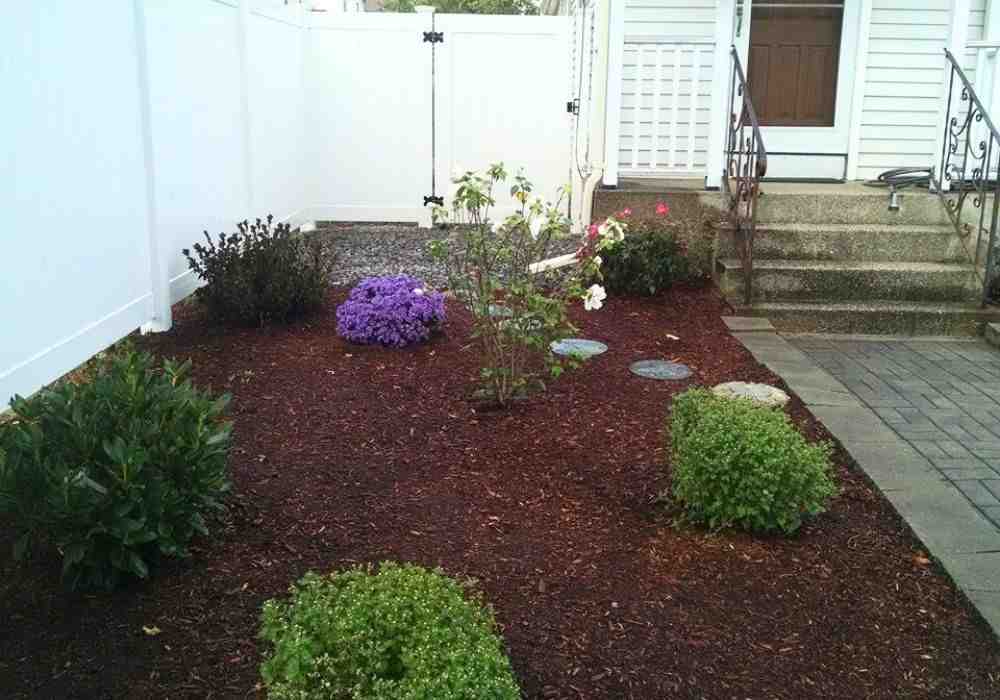



Why a Brick Paver Patio Is One of the Best Investments for Your Outdoor Space
A brick paver patio can completely transform your backyard into a beautiful, functional outdoor living space — and it’s one of the most popular hardscaping upgrades homeowners make.
Here’s a quick overview of what you need to know:
| Topic | Key Takeaway |
|---|---|
| Best use | Patios, walkways, pool surrounds, entertaining areas |
| Popular patterns | Herringbone, basketweave, stacked bond, soldier course |
| Installation method | Dry-laid (flexible) or mortared |
| Typical lifespan | 40–150 years with proper installation |
| DIY or professional? | DIY is possible, but professional results last longer |
| Maintenance | Sweep regularly, re-sand joints, seal every 2–3 years |
Outdoor patios have become one of the most valued features of any home — essentially an extension of your indoor living space. Whether you want a quiet spot to relax, a space to entertain guests, or a way to boost your home’s curb appeal, brick pavers deliver on all fronts.
Properly installed brick paver patios are durable, low-maintenance, and age gracefully — some historic brick pavements have been standing for nearly 150 years.
But getting the most out of a brick paver patio starts with understanding your options: the right materials, patterns, base preparation, and installation method all play a major role in how long your patio lasts and how good it looks.
This guide walks you through everything — from design choices to installation steps to long-term care.
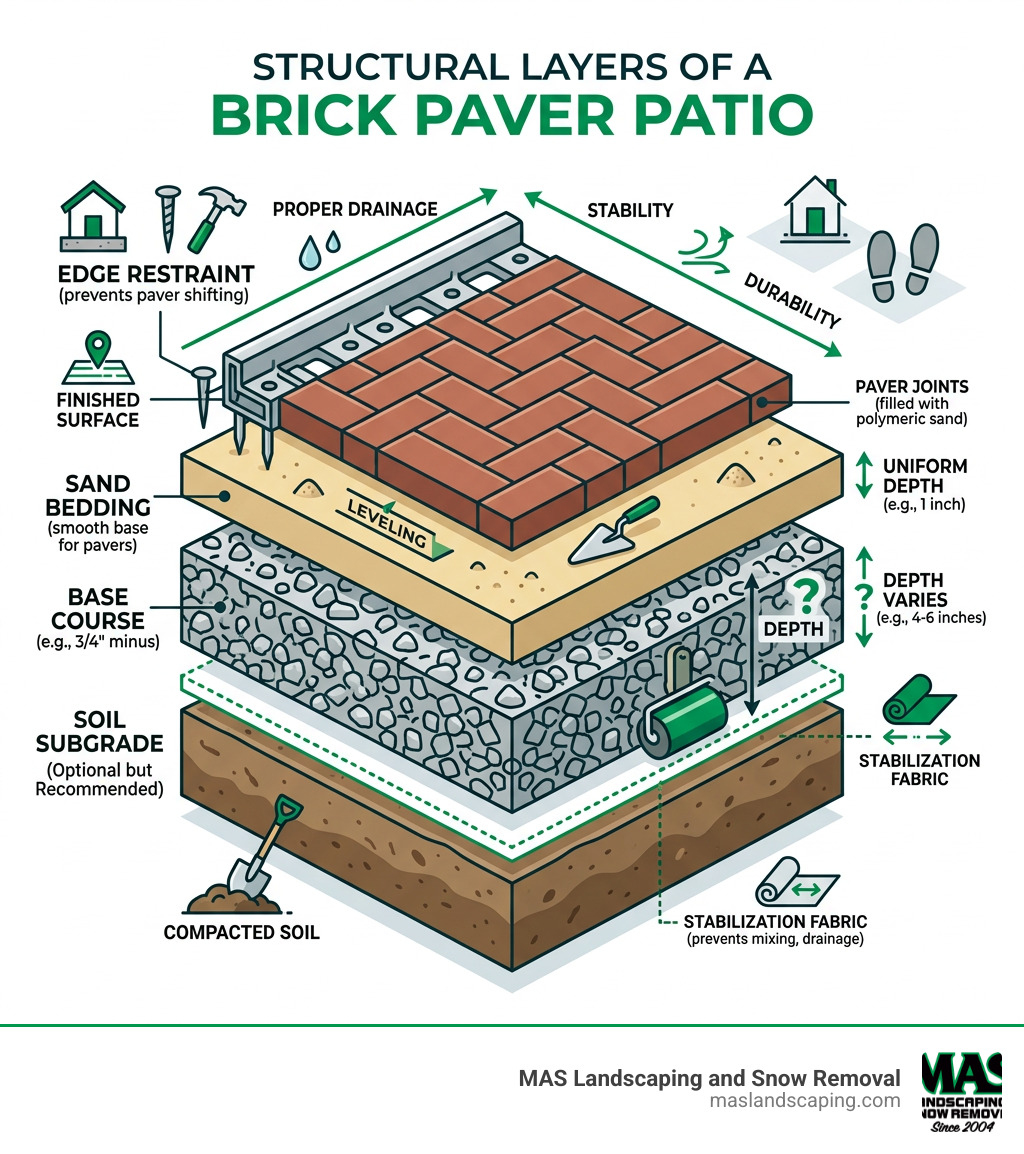
Brick paver patio terms explained:
Planning Your Brick Paver Patio: Design and Patterns
When we sit down to discuss a new project in Saugus or Lynnfield, the first thing we look at is the layout. The design of your brick paver patio isn’t just about where the furniture goes; it’s about the visual “vibe” and how the bricks physically lock together.
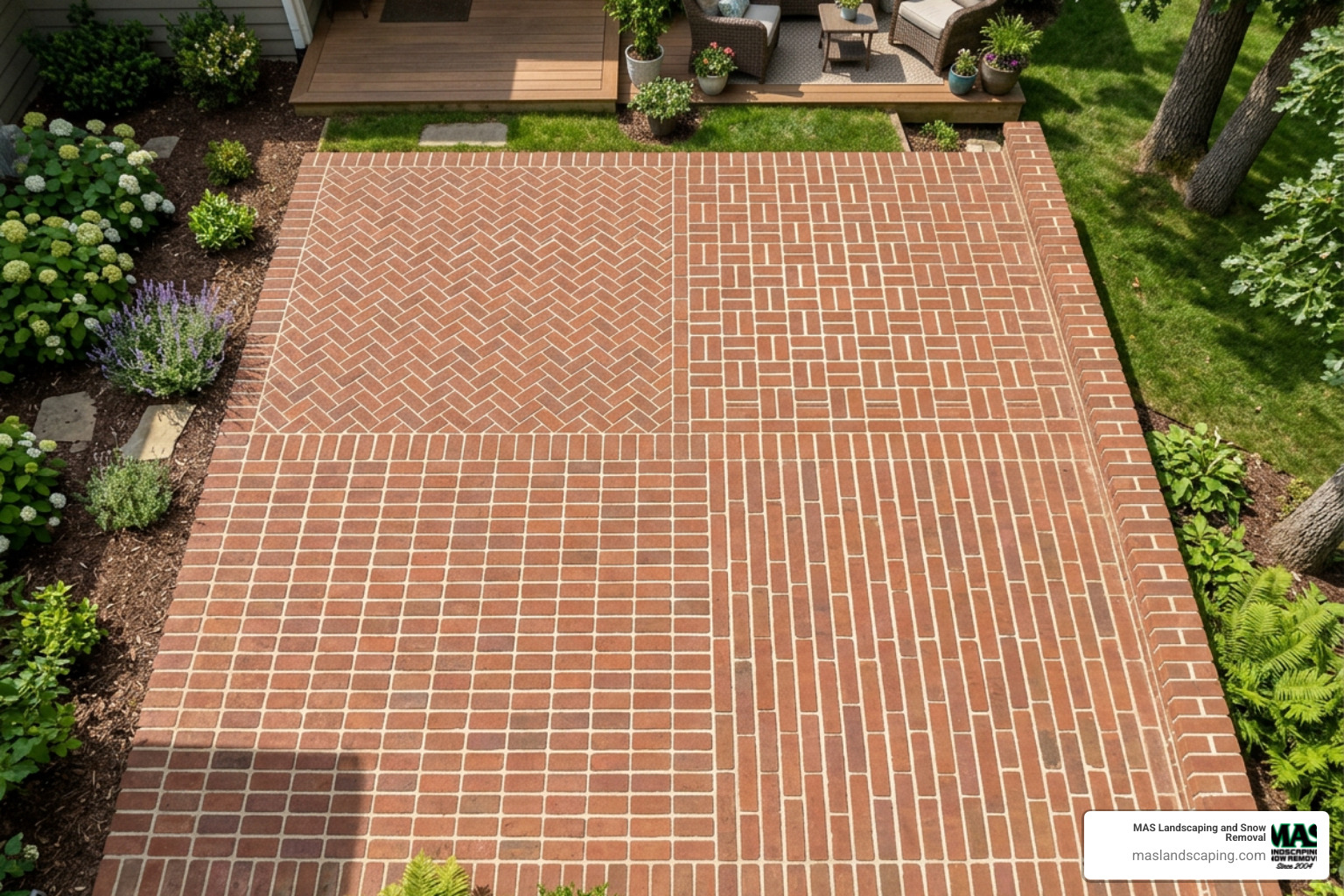
Patterns do more than just look pretty. They can create optical illusions—for instance, a stacked bond pattern can make a small courtyard feel significantly larger. If you are looking for patio-paver-design inspiration, consider these classic layouts:
- Herringbone: Bricks are set at 45 or 90-degree angles to each other. This is the strongest pattern because the interlocking nature provides superior support for high-traffic areas and heavy furniture.
- Basketweave: An ancient pattern where pairs of bricks are laid horizontally and then vertically. It’s a great choice for a traditional, “timeless” look.
- Stacked Bond: Bricks are aligned perfectly in rows and columns. This offers a clean, contemporary aesthetic that suits modern homes in areas like Reading or Melrose.
- Soldier Course: This is a row of bricks laid standing up (on their ends) or side-by-side along the edge. We often use this as a “border” to frame the main patio area, which helps keep the interior bricks from shifting.
Choosing the right layout is the first step in patio-designs-with-pavers. To get a better sense of how these designs might fit your budget, you can See Pricing In Your Area to start your planning process.
Choosing the Right Brick Paver Patio Materials
Not all bricks are created equal. When we talk about a brick paver patio, we are usually choosing between two main contenders: Clay and Concrete.
Clay Pavers: These are the “real deal”—made from natural clay and fired in a kiln at incredibly high temperatures. They are famous for their UV resistance, meaning the color (which runs all the way through the brick) will never fade, even after decades of Massachusetts summers. They develop a beautiful weathered patina as they age.
Concrete Pavers: These are molded from concrete and often include “interlocking tabs” on the sides to make installation easier and more stable. They come in a wider variety of shapes and sizes than clay. While they are very durable, the color is often a pigment added to the mix, which can fade slightly over a long period of time.
Whether you choose the rustic charm of clay or the versatile strength of concrete, both provide a slip-resistant surface that is much more flexible than poured concrete, making them ideal for our local freeze-thaw cycles.
Customizing Your Brick Paver Patio Features
The best patios are more than just a flat surface; they are outdoor rooms. As a patio-designer, we love integrating features that make the space usable year-round.
- Fire Pits and Fireplaces: A built-in brick fire pit is a natural focal point. For a high-end look, Rumford-style fireplaces are popular because their shallow design reflects more heat back toward your seating area.
- Outdoor Kitchens: Integrating a grill station or a full outdoor kitchen with matching brickwork creates a seamless transition from the house to the yard.
- Seating Walls: Low brick walls provide permanent seating for large gatherings and help define the “edges” of your outdoor room.
- Permeable Options: If you’re concerned about drainage or local environmental regulations, permeable pavers have wider joints filled with small stones, allowing rainwater to filter back into the ground rather than running off into the street.
The Professional Brick Paver Patio Installation Process
While a DIY project might seem tempting, the longevity of a brick paver patio depends entirely on what happens under the bricks. In our experience working across Essex and Middlesex Counties, the prep work is 90% of the job.
Proper paver-installation begins with site preparation. We don’t just clear the grass; we excavate to a specific depth—usually 7 to 8 inches—to account for the structural layers.
Key Stages of Professional Installation
- Excavation and Slope: We dig out the area, ensuring a “drainage slope” of at least 1/4 inch per linear foot. This ensures water runs away from your home’s foundation, which is critical during heavy New England rainstorms.
- Base Preparation: We lay down a geotextile landscape fabric to prevent the soil from mixing with our base materials. Then, we add roughly 4 to 6 inches of “Class 5” crushed rock or gravel. This is compacted in layers (or “lifts”) using a heavy power tamper to ensure it won’t settle later.
- The Sand Layer: A 1-inch layer of coarse sand is screeded over the gravel. This acts as the “bedding” for the bricks.
- Paver Laying: This is where the magic happens! We lay the pavers in your chosen pattern, starting from a square corner or a soldier course border.
- Edge Restraints: To keep the patio from “spreading” over time, we install heavy-duty snap edging or pressure-treated timbers around the perimeter.
- Jointing Sand and Final Compaction: We sweep polymeric sand into the joints. This special sand hardens when misted with water, locking the bricks in place and acting as a powerful weed barrier. Finally, we run the compactor over the finished bricks to “set” them into the sand bed.
This meticulous patio-paver-installation process is what separates a patio that lasts 5 years from one that lasts 50.
Understanding Professional Brick Paver Patio Installation Costs
We know that budget is a major factor for any homeowner in Malden or Everett. When researching the cost of a brick paver patio, you will find that prices can vary significantly based on the complexity of the design and the materials chosen.
It is important to remember that the following figures are average costs based on internet data and are not actual costs for MAS Landscaping. Every yard has unique challenges—like slopes, tree roots, or access issues—that can influence the final quote. For a precise estimate tailored to your property, you should always consult with patio-installers-near-me.
Budgeting for Your Project
Based on national internet data averages, the total cost for a professionally installed brick paver patio typically ranges from $14 to $75+ per square foot.
Why such a wide range? Here is a breakdown of what influences those numbers:
- Materials: Basic concrete pavers are generally the most affordable, while high-end clay bricks or reclaimed historic bricks can significantly increase the material cost.
- Labor: Professional labor usually accounts for $5 to $13 per square foot of the total. More intricate patterns like a 45-degree herringbone require more cuts and more time, which increases labor costs.
- Size: Interestingly, the cost per square foot often decreases as the patio gets larger. This is because we can buy materials in bulk and spread the “setup” costs (like moving equipment to the site) over a larger area.
- Permits: In many Massachusetts towns, you may need a permit for a new hardscape installation to ensure it meets local zoning and drainage codes.
To get a better idea of the market rates, you can See Pricing In Your Area.
Long-Term Maintenance and Troubleshooting
One of the reasons we love the brick paver patio is that it is remarkably easy to maintain. Unlike a wooden deck that needs staining every year, or a concrete slab that will eventually crack, a paver patio is a “flexible” system. If one brick breaks or a small area settles, you can simply “pop out” the affected bricks, fix the base, and put them back.
For general upkeep, we recommend:
- Regular Sweeping: Keep leaves and debris off the surface to prevent organic stains.
- Power Washing: A light power wash every spring can refresh the look of the bricks.
- Re-sanding: Every few years, you may notice the sand in the joints has washed away. Sweeping in new polymeric sand will keep the structure stable.
- Sealing: Applying a masonry sealer every 2 to 3 years protects against oil stains and helps enhance the natural color of the bricks.
If you are looking for help with these tasks, search for paver-installation-near-me to find pros who offer maintenance services.
Fixing Common Patio Issues
Even with the best installation, time and nature can cause issues. Here is how we handle them:
- Settling Pavers: This usually happens if the base wasn’t compacted properly or if there’s a drainage issue. We lift the pavers, add more base material/sand, compact it, and relay the bricks.
- Weed Growth: If weeds are popping up, it’s usually because the joint sand has worn down. A good cleaning and a fresh application of polymeric sand usually solves this.
- Efflorescence: This is a white, powdery salt that sometimes appears on the surface of new bricks. It’s natural and usually washes away with rain, but there are specific cleaners if it persists.
- Drainage Correction: If you notice puddles, the patio may have settled or the original slope wasn’t steep enough. This is a common part of backyard-paver-installation repairs.
Frequently Asked Questions about Brick Patios
How long does a brick paver patio last?
A well-installed brick paver patio can last between 40 and 150 years. Clay bricks, in particular, are incredibly durable and often outlast the house itself! Concrete pavers typically have a lifespan of 30 to 50 years.
Do I need a permit for a new patio installation?
In many parts of Essex County and Middlesex County, a permit is required if the patio exceeds a certain size or if it impacts the “permeable surface” ratio of your lot. We always recommend checking with your local municipal office in Saugus, Lynnfield, or Melrose before breaking ground.
Conclusion
At MAS Landscaping and Snow Removal, we’ve spent years helping our neighbors in Saugus, MA, and the surrounding areas like North Andover and Peabody create the outdoor spaces of their dreams. We believe that a brick paver patio is more than just a home improvement project—it’s an investment in your lifestyle.
Our commitment to professionalism and local expertise means we understand the unique challenges of Massachusetts soil and weather. Whether you want a simple spot for a grill or an expansive multi-level entertainment area, we provide the personalized service needed to get it done right the first time.
Ready to start your transformation? Contact us today for a professional patio-installation consultation. Let’s build something beautiful together!