


When to Start Spring Yard Cleanup: 7 Powerful Tips for Success 2025
Why Spring Cleanup Timing Can Make or Break Your Yard
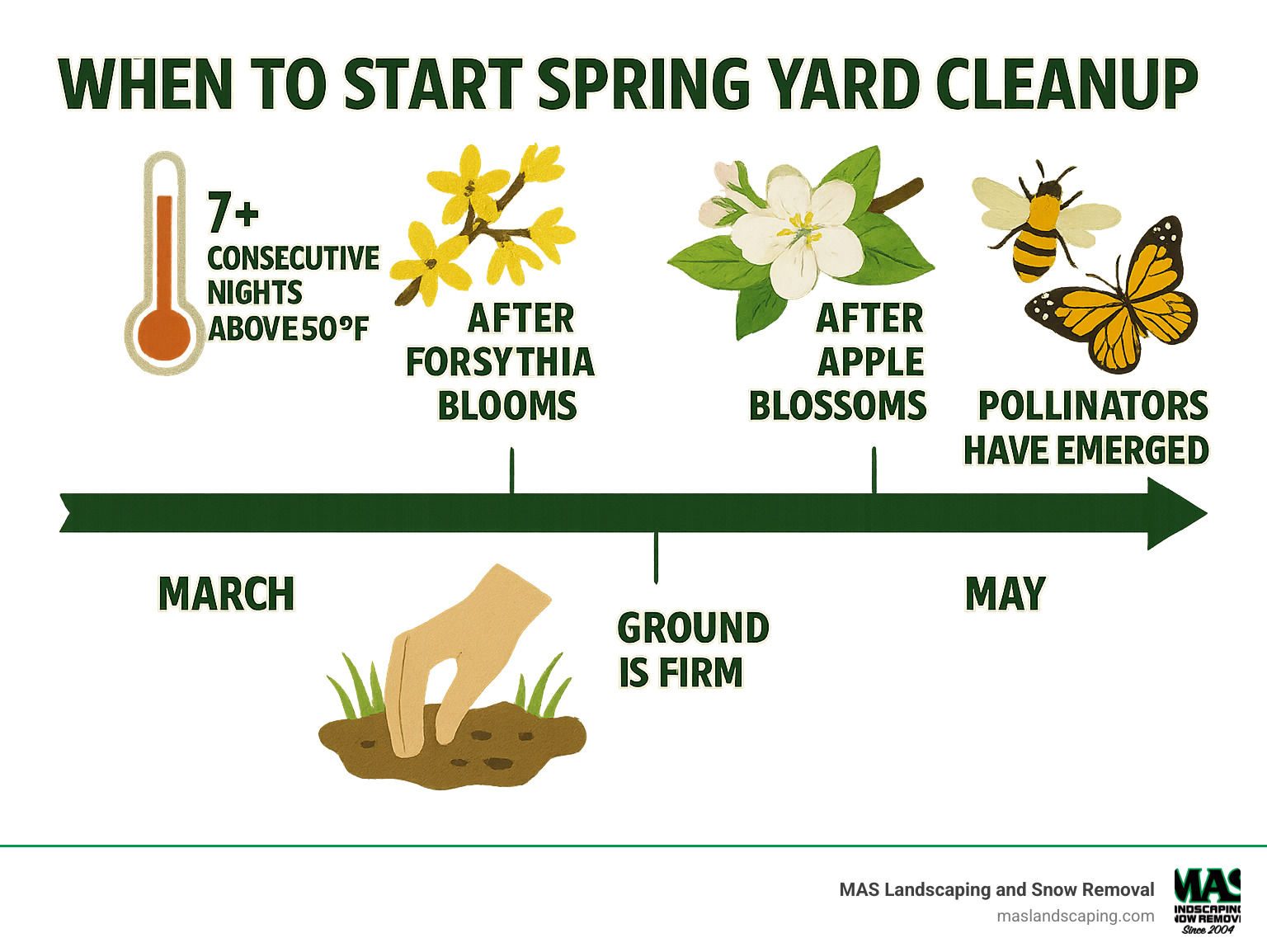
When to start spring yard cleanup depends on consistent nighttime temperatures above 50°F, soil readiness, and protecting beneficial insects that overwinter in your garden debris. Here’s the quick answer:
Best Time to Start:
– Temperature: Wait for 7+ consecutive nights above 50°F
– Soil Test: Ground should be firm, not soggy or frozen
– Natural Cues: After apple/pear trees finish blooming (mid-April to mid-May in Greater Boston)
– Pollinator Protection: Delay until beneficial insects emerge from winter shelter
As winter fades and the first warm days arrive, you might feel that familiar urge to rush outside and start cleaning up your yard. But jumping the gun can actually hurt your landscape more than help it.
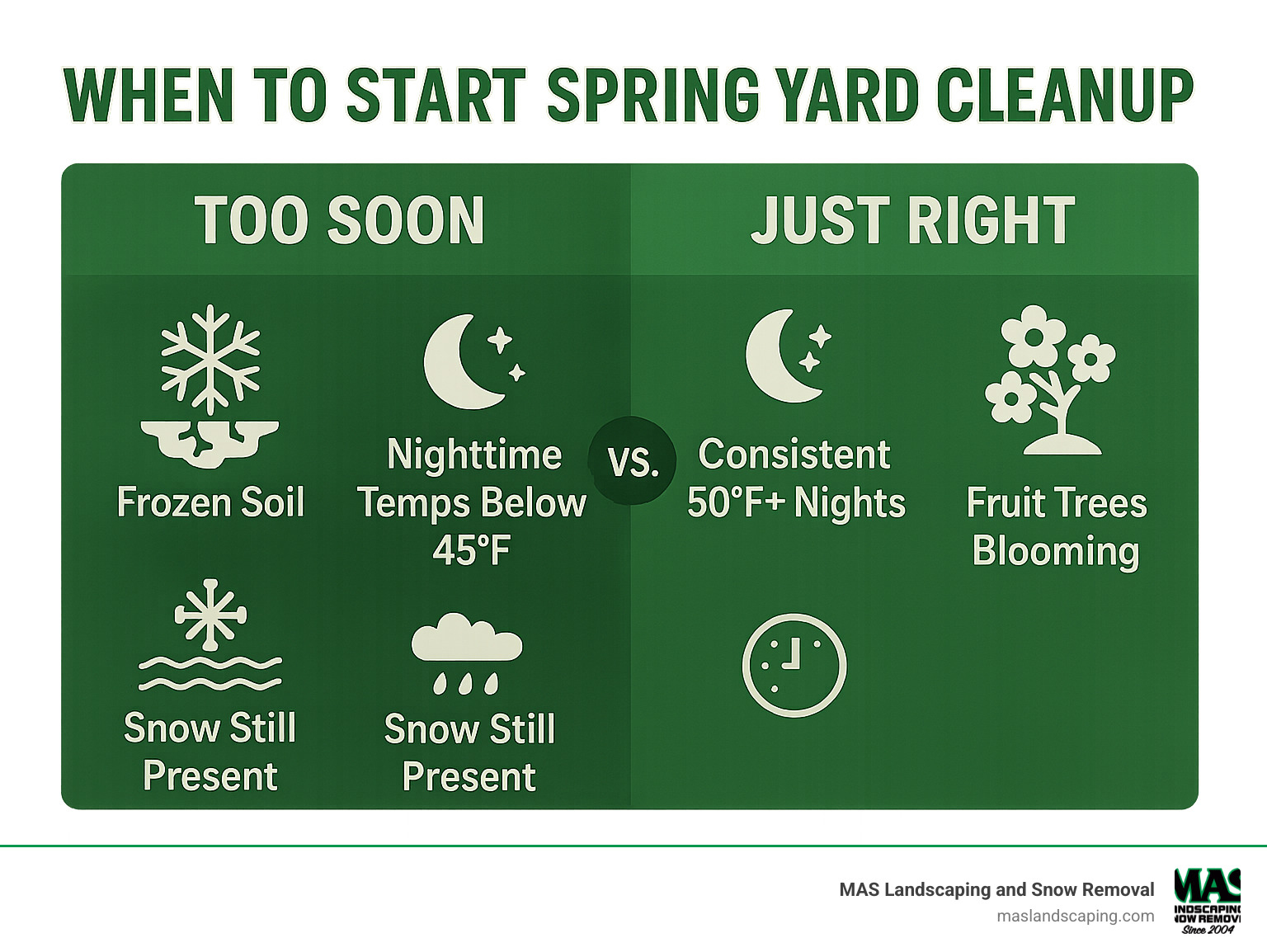
Starting cleanup too early can damage wet soil through compaction, destroy overwintering beneficial insects that control garden pests, and even kill tender plants with late frost exposure. Many pollinators like native bees and butterflies spend winter in dead plant material and leaf litter—cleaning up before they emerge in spring can devastate local populations.
The sweet spot for Greater Boston area yards is typically mid-April to mid-May, when soil has dried out, beneficial insects have awakened, and the risk of hard frost has passed. This timing protects both your plants and the ecosystem services that keep your yard healthy naturally.
Similar topics to when to start spring yard cleanup:
– average cost of a yard spring cleanup
– efficient spring yard cleanup
– spring cleaning services
Why Timing Matters for a Healthy Yard & Ecosystem
Your yard is more than turf and shrubs—it’s a miniature ecosystem that wakes up slowly each spring. When you wait for the right moment to begin cleanup, you protect that system instead of disrupting it.
Winter debris shelters over-wintering insects such as bumble-bee queens and solitary native bees. Michigan State research confirms that roughly 90 % of our native bees nest in hollow stems or leaf litter and don’t emerge until nights stay near 50 °F.
Healthy soil also needs time. Microbes, earthworms, and mycorrhizal fungi start working only after the ground warms and dries a bit. If you rake or walk on saturated soil too early, you create long-lasting compaction that blocks roots, water, and nutrients.
Risks of Cleaning Too Early
- Lost pollinators—leaf litter and stems get tossed before bees, butterflies, and beneficial beetles exit.
- Compacted soil & poor drainage—heavy feet or machines on soggy ground squeeze out air pockets plants need.
- Frost-nipped perennials—debris that once insulated tender crowns is gone while late cold snaps still threaten.
- Diseased turf—spreading fungal spores by mowing or dethatching wet grass.
Benefits of Waiting
- Stronger plants & fuller blooms—roots stay undisturbed, and stems stay protected until consistent warmth arrives.
- Built-in pest control—ladybugs, ground beetles, and parasitic wasps survive to patrol your garden for you.
- Fewer weeds & less maintenance—healthy soil structure discourages invasives, saving hours of mid-summer work.
- Money saved—no need to fix ruts, reseed lawn damage, or replace frost-killed plants later.
When to Start Spring Yard Cleanup — Key Cues & Temperature Benchmarks
The simplest rule of thumb? Wait until nighttime temperatures stay above 50 °F for at least seven straight days. That single benchmark signals that most beneficial insects have emerged and that soil can support foot traffic.
Additional easy cues:
- Soil test: Squeeze a handful—if it crumbles instead of squishing into mud, you’re good.
- Bloom cue: Apple or pear petals falling in your neighborhood usually mean conditions are right (mid-April to mid-May in Greater Boston).
- Tomato rule: If it’s still too chilly to plant tomatoes, it’s too early to do heavy yard work.
Professional landscapers may track growing degree days (GDD), but homeowners can rely on these natural signs without the math.
Hitting the Sweet Spot in Zones 5–7
- Zone 5b (coldest inland spots): usually late April.
- Zones 6a–6b (most of our service area): mid-April is typical.
- Zone 7a (immediate coast): sometimes early April.
Remember microclimates matter—south-facing walls, urban heat islands, and sandy soils can all move your personal timeline forward by a week.
Regional & Weather Checkpoints Before You Grab the Rake
Living in the Greater Boston area means dealing with some pretty unpredictable spring weather. One day it’s 70°F and sunny, the next we’re getting a surprise snowstorm. That’s why knowing when to start spring yard cleanup requires checking several local conditions beyond just the calendar date.
Soil moisture is your first checkpoint. Grab a handful of dirt from your garden bed and give it the squeeze test. Healthy spring soil should feel firm but not bone-dry—it’ll hold together briefly when squeezed but crumble apart when you poke it. If it forms a muddy ball that sticks to your fingers, or if it feels frozen solid, your yard needs more time to dry out and warm up.
Freeze-thaw cycles are especially tricky here in Massachusetts. Those wild temperature swings we get in March and April can actually heave plants right out of the ground and create unstable, mushy soil conditions. Even if you have a few warm days, wait for temperatures to stabilize before walking on garden beds or lawn areas.
Rainfall totals can throw off timing completely. After an especially wet spring, soil stays saturated longer and cleanup gets delayed by weeks. On the flip side, unusually dry springs might let you start earlier—but then you’ll need to pay extra attention to watering as plants wake up.
Our coastal communities like Revere and Chelsea have a definite advantage thanks to the ocean’s moderating effect. They often can start cleanup 1-2 weeks before inland areas like Lynnfield. However, coastal yards also deal with salt exposure and stronger winds that might require different cleanup approaches.
Snowmelt timing varies dramatically from year to year. Heavy snow winters keep soil frozen longer and delay everything, while light snow years might allow earlier starts but increase the risk of late frost damage to emerging plants.
Using Local Data & Apps
Rather than guessing about conditions, we recommend tapping into some reliable local resources. NOAA Climate Normals provides historical frost dates and temperature averages specific to your area—super helpful since the last spring frost in Boston averages around April 6th but can happen as late as early May.
The Enviroweather GDD tool from Michigan State helps predict when beneficial insects will emerge based on accumulated heat units. It’s surprisingly accurate for timing cleanup to protect pollinators.
Many weather services offer zip-code frost calculators that account for your elevation and proximity to water bodies. These hyperlocal predictions can be much more accurate than general regional forecasts.
UMass Extension provides region-specific timing guidance that accounts for New England’s unique climate patterns. They understand our weird spring weather better than national gardening advice.
Areas to Leave Undisturbed Longer
Even when general cleanup begins, some spots in your yard deserve extended protection. Leaf-litter corners under shrubs or in back areas can remain undisturbed until late May or June—these become insect nurseries that provide natural pest control all summer long.
Consider creating stem bundles from cut perennial stalks and leaving them in inconspicuous areas. These provide nesting sites for solitary bees that are incredibly valuable pollinators.
Small brush piles tucked behind sheds or in corner areas provide habitat for beneficial insects and small wildlife throughout the growing season. They don’t have to be messy or obvious—just functional.
Hidden beds that aren’t visible from your main outdoor living areas can stay “messy” longer while still providing important ecosystem benefits. Your front yard might be pristine while your back corner supports local wildlife.
For more detailed guidance on protecting these areas while maintaining a beautiful landscape, check out our landscape spring cleaning resource.
Eco-Friendly Cleanup & Wildlife-Safe Techniques
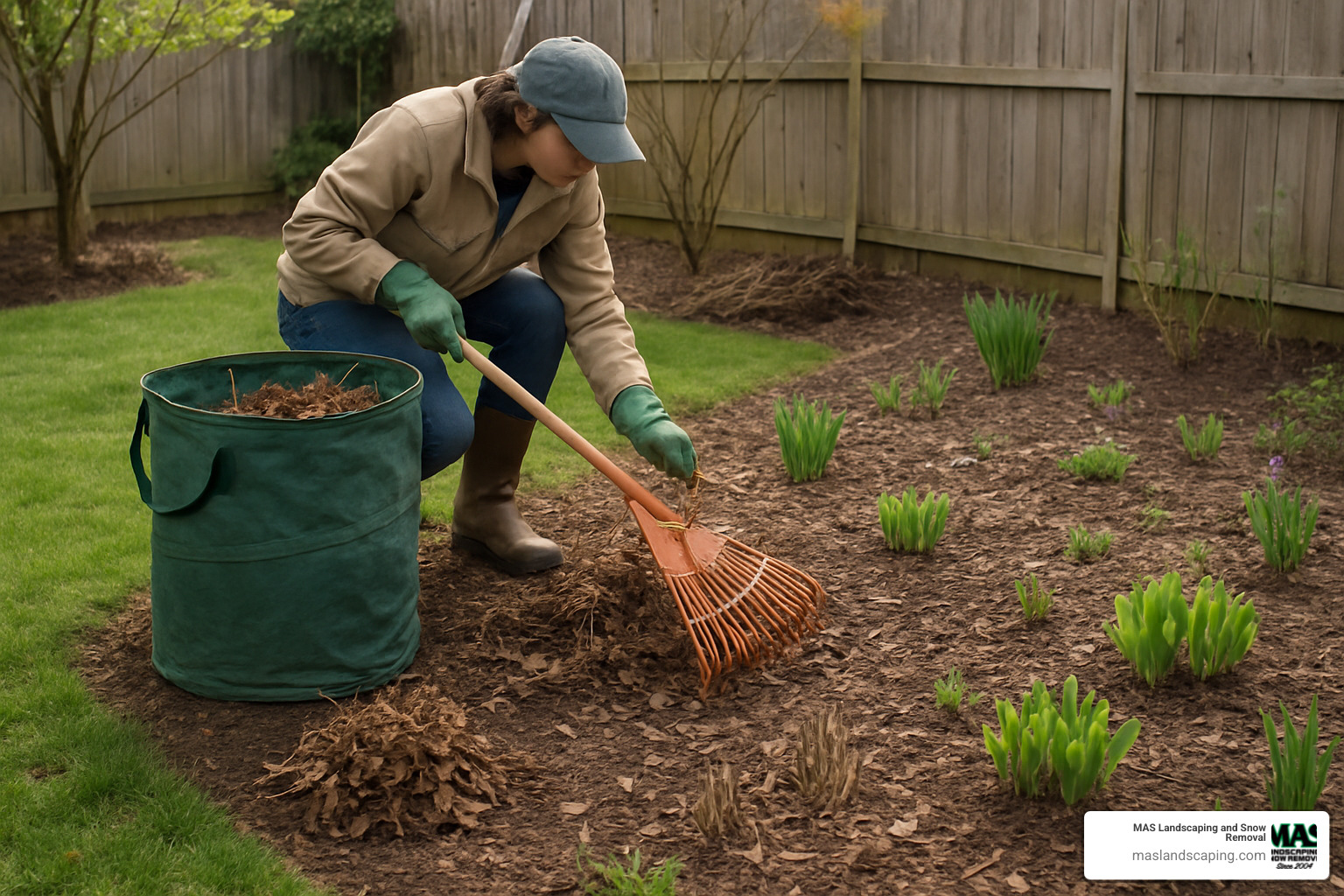
Think of spring cleanup as a gentle wake-up instead of a total makeover. Here’s the streamlined, pollinator-friendly approach our crews follow in Everett, Lynnfield, Malden, and beyond:
- Cut-and-drop: Trim ornamental grasses and perennials to 8–24 in. Let clippings fall as natural mulch so any drowsy insects can crawl away.
- Create loose piles: If you must move debris, pile it loosely in a back-corner “wild zone.” Insects escape; you still get a tidy landscape up front.
- Delay composting until mid-May: By then nearly all beneficials have emerged and you can shred or compost material safely.
- Try No Mow May (or even just “No Mow Two Weeks”): Early blooms like violets and dandelions feed hungry bees when little else is flowering. See Xerces Society’s advice.
- Selective pruning only: Remove dead, damaged, or diseased wood now. Save shape-cuts on spring-flowering shrubs until right after they bloom.
Following these five steps keeps wildlife happy, soil covered, and your schedule sane.
Tools, Supplies & Budget Tips for a Smooth Cleanup
You don’t need a shed full of gadgets—just a tight kit of quality basics.
Essential gear (under about $100 total):
– Flexible leaf rake
– Sharp bypass hand pruners
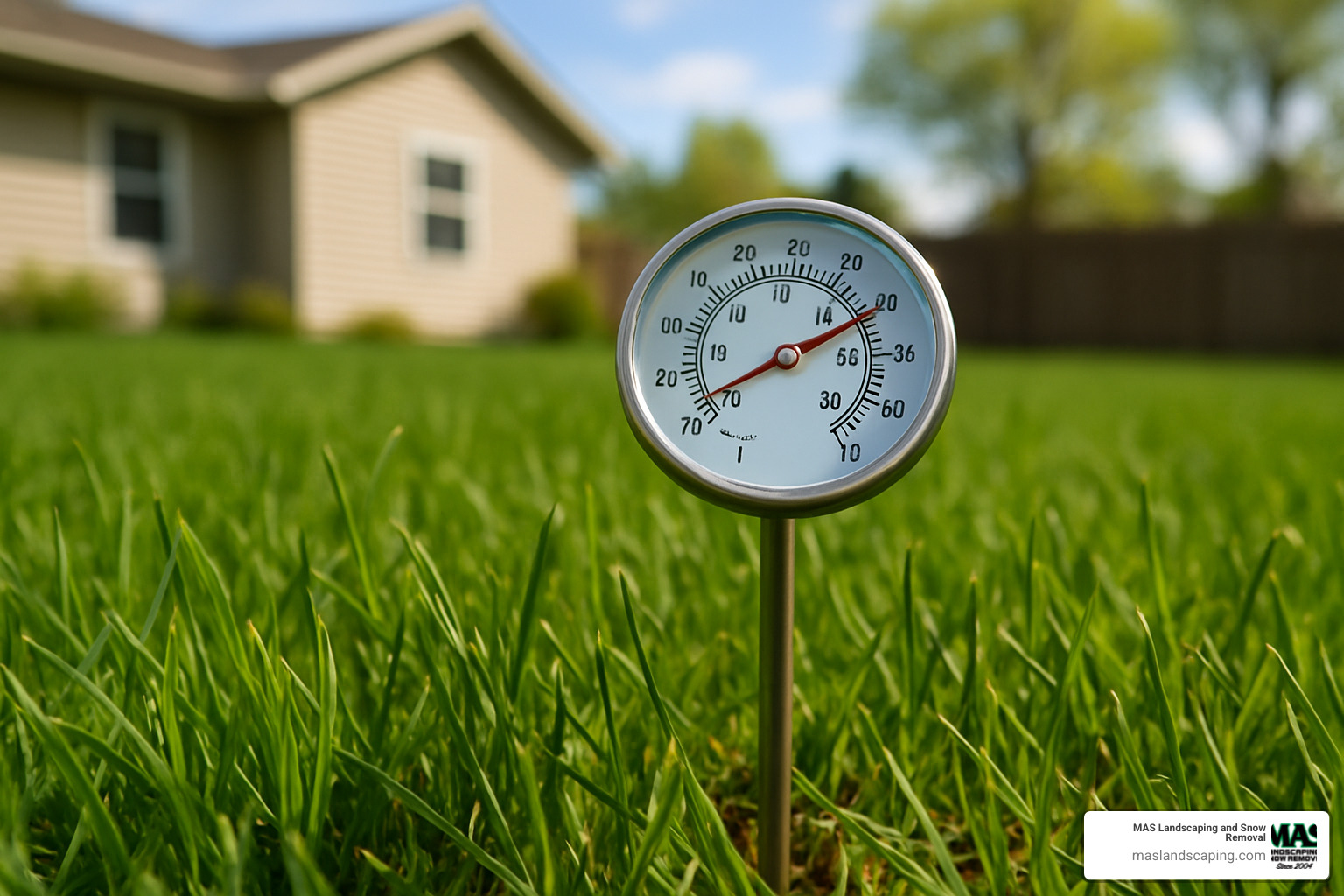
– Soil thermometer ($15–25)
– Reusable garden bags or a tarp
– Gloves & kneeling pad
Nice-to-have upgrades:
– Battery leaf blower for hard surfaces
– Cordless string trimmer for edges
– Wheelbarrow or garden cart if you have a large lot
What Do Professional Cleanups Cost?
According to published averages online—not MAS Landscaping’s own pricing—spring cleanups in our region generally run:
- $150–$300 for basic leaf and debris removal on small lots
- $300–$600 for moderate-size properties that need edging, light pruning, and mulch
- $600–$900+ for large or complex landscapes (steep slopes, heavy pruning, or large debris piles)
Actual MAS Landscaping quotes vary by property size, access, and specific client needs. For details, see our Spring Yard Cleanup Checklist.
Budget Savers
- Borrow or share tools with neighbors or a local tool library.
- DIY a wire-ring compost bin for $30–50 to avoid disposal fees.
- Tackle cleanup in phases, starting with high-visibility areas so curb appeal improves quickly while you spread costs and effort over several weekends.
Frequently Asked Questions about Spring Yard Cleanup Timing
How late is too late to start cleanup?
Here’s some good news: there’s really no such thing as “too late” when it comes to spring yard cleanup! While timing your cleanup optimally gives you the best results, even starting in late May or June still provides significant benefits for your landscape.
The main advantage of knowing when to start spring yard cleanup at the ideal time is that everything flows more smoothly. Plants are ready for attention, soil conditions are perfect, and beneficial insects have safely emerged from their winter hideouts. But life happens—maybe you were traveling, dealing with a busy work schedule, or simply couldn’t get to it earlier.
Late cleanup still improves air circulation around plants, helps prevent disease issues, and definitely makes your yard look more polished. The main challenge is that some tasks become trickier once plants are actively growing. For instance, cutting back ornamental grasses after new shoots have emerged requires more careful work to avoid damaging fresh growth.
The bottom line? Don’t stress if you’re starting cleanup in late spring or early summer. Your plants and yard will still benefit, even if the timing isn’t textbook perfect.
Will delaying cleanup increase garden pests?
This is probably the most common worry we hear from clients, and it’s actually based on a misconception. Delaying cleanup typically reduces pest problems rather than increasing them!
When you wait for the right time to start spring yard cleanup, you’re preserving an army of beneficial insects that provide free pest control all season long. Those “messy” leaf piles and plant debris harbor ladybugs, lacewings, parasitic wasps, and other garden heroes that feast on aphids, scale insects, and other plant pests.
A single ladybug can consume up to 5,000 aphids in its lifetime. Multiply that by the hundreds of beneficial insects overwintering in your garden debris, and you’ve got a powerful natural pest management system that no spray can match.
The one important exception is obviously diseased plant material, which should be removed promptly regardless of timing to prevent disease spread. Also clear any debris piles immediately adjacent to your home’s foundation where they might attract rodents.
But that slightly wild look in April and early May? It’s actually working hard to keep your garden healthier and more balanced throughout the growing season.
Can I tidy the front yard but leave the back messy?
Absolutely, and this is actually a brilliant compromise that many of our clients in Everett, Malden, and surrounding communities use successfully! We call it the “neat in front, wild in back” approach, and it perfectly balances curb appeal with ecological benefits.
Focus your early cleanup efforts on the most visible areas—front foundation plantings, main walkways, and anywhere neighbors and visitors will notice. These areas can get the full treatment as soon as conditions are right for when to start spring yard cleanup.
Meanwhile, let your backyard areas stay “messy” for several more weeks. Back corners under shrubs, areas behind garages or sheds, and anywhere that’s not part of your main outdoor living space can continue providing valuable habitat while you’re enjoying a tidy front appearance.
This approach actually gives you the best of both worlds. You maintain good relationships with neighbors who appreciate neat landscaping, while still supporting the beneficial insects and wildlife that make your entire property healthier. Plus, it spreads out the workload, making spring cleanup less overwhelming.
Many successful landscapes use this strategy year-round, maintaining more formal areas for entertaining and daily use while keeping wilder, more naturalistic spaces for wildlife and ecological benefits.
Conclusion
Finding the right moment for when to start spring yard cleanup is like conducting a gentle orchestra—timing everything perfectly creates harmony between your landscape’s beauty and the natural world that sustains it. When you wait for those consistent 50°F nights, let your soil firm up properly, and watch for nature’s own signals like apple blossoms dropping, you’re not just being patient—you’re being smart.
That extra patience in spring creates rewards that last all season long. Those beneficial insects you protected by waiting? They’ll spend summer controlling pests for free. The soil structure you preserved by not walking on soggy ground? It’ll support stronger root growth and better water absorption through the hottest days. Even your plants seem to understand the favor you’ve done them, emerging more robust and blooming more abundantly.
The “messy” period is temporary, but the benefits are lasting. What looks like postponing work is actually investing in a landscape that functions better naturally. Fewer pest problems, healthier soil, stronger plants, and a thriving ecosystem of beneficial creatures—that’s what patience delivers.
At MAS Landscaping and Snow Removal, we’ve learned that successful landscaping in Greater Boston means working with our unique climate rather than against it. From the salt-touched gardens of Revere to the suburban slopes of Lynnfield, each location has its own timing sweet spot. Our team knows how to read these local conditions, protecting both your investment and the natural systems that keep everything balanced.
Whether you’re rolling up your sleeves for a DIY weekend or partnering with professionals, your yard is telling you when it’s ready. Listen to those temperature cues, watch for natural bloom signals, and trust that good timing beats rushed effort every time.
Ready to give your landscape the expert care it deserves while protecting the beneficial creatures that call it home? Find how our yard clean-ups combine beautiful results with environmental stewardship—because the best landscapes work as hard as they look good.